




 The Art of Swiss Cheesemaking
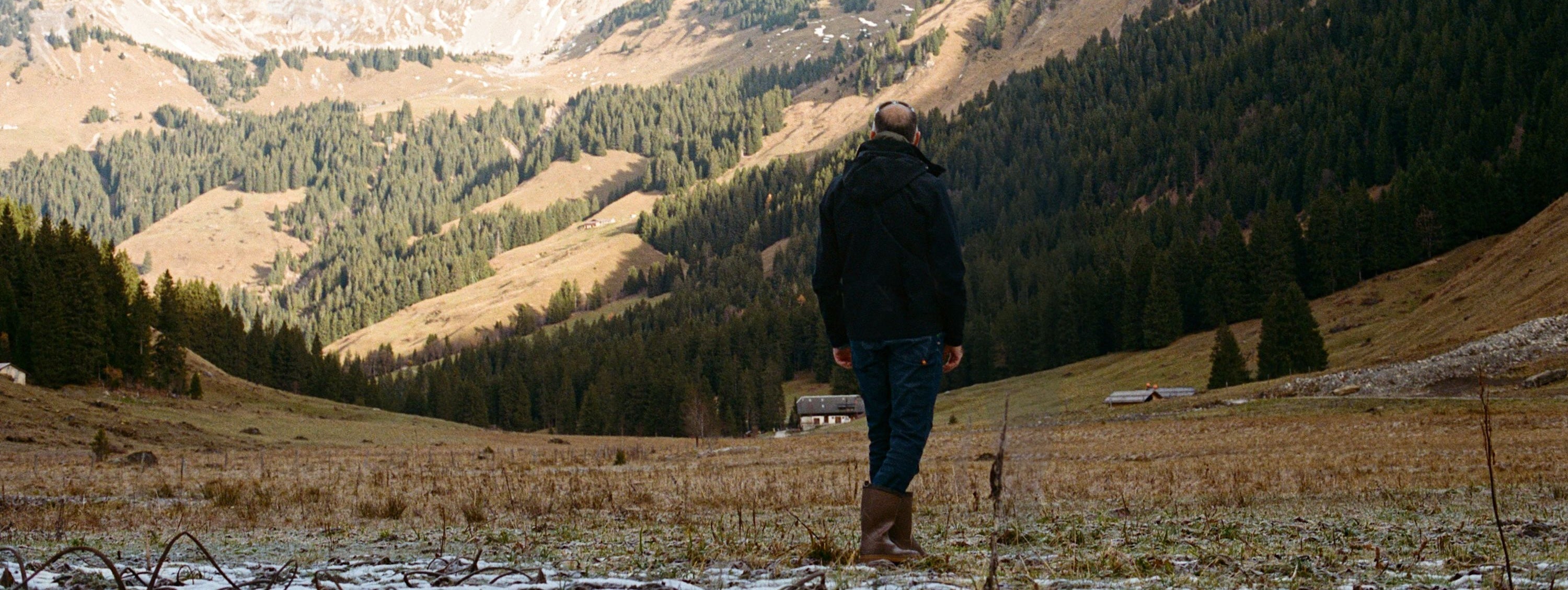
Envisage a mountainous landscape decorated in vivid wildflowers and Swiss Brown cows below snowy white peaks and soaring buzzards; this is L'Etivaz in the Swiss Alps. Renowned for its superb skiing in winter and mountain bike routes in summer, L'Etivaz is also known for its unique style of farmhouse cheese made directly on the Alps, only between May and October, between 1000 – 2000 metres above sea level.
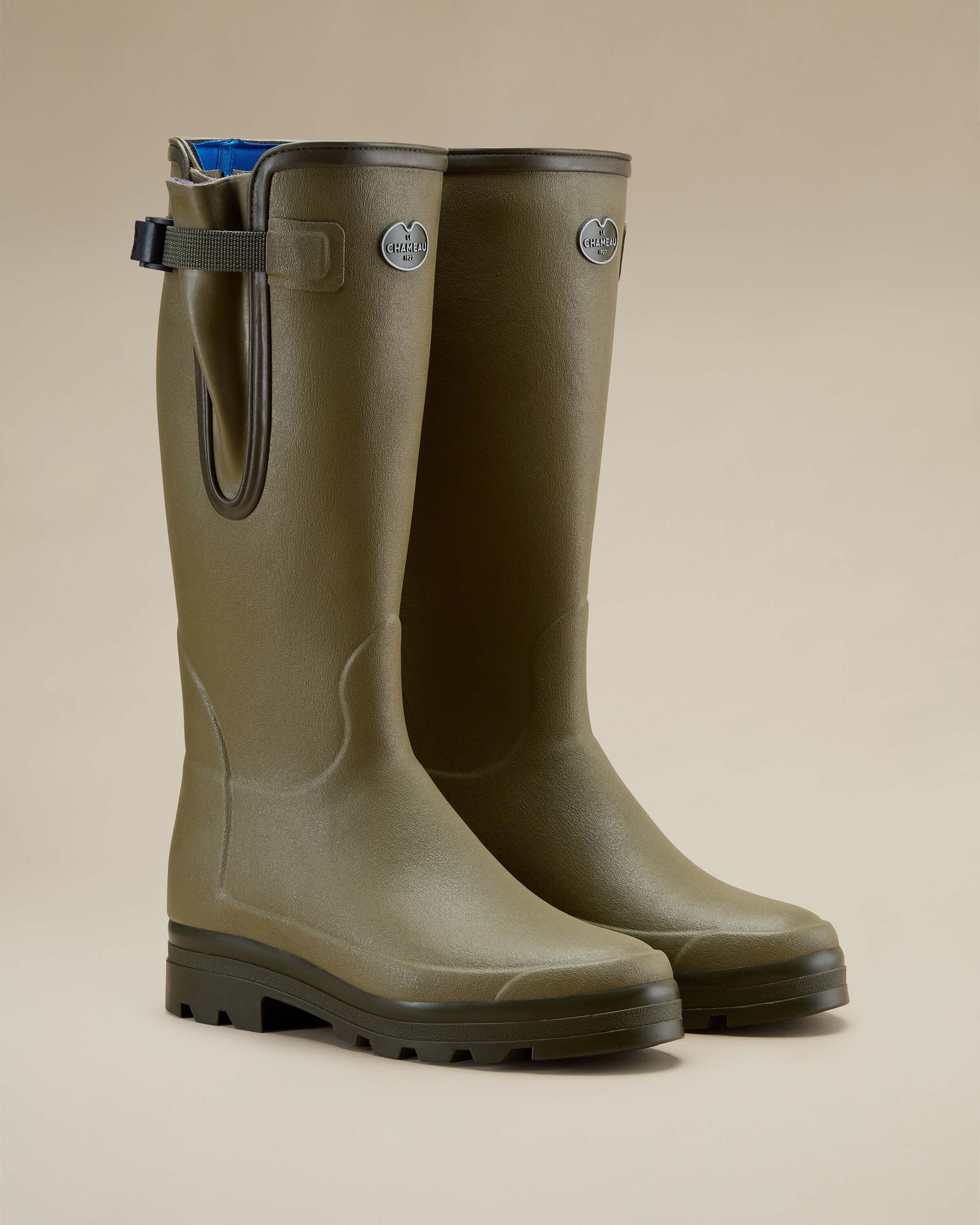
For many of the 70 farmers and cheesemakers of the area making this Alpine style of cheese, Le Chameau is the choice of footwear, owing to its superior quality and durability for their kind of work and weather conditions.
To find out more, the Le Chameau team visited the Swiss Alps specifically to learn more about L'Etivaz AOP and meet some of the farmers and cheesemakers on the ground to hear why Le Chameau is their first choice of boots.
Travelling through this part of the Swiss Alps is truly breathtaking with its vast views of craggy mountains beyond charming wooden chalets that dot the foreground. This is a beautiful landscape, yet it is also harsh and unforgiving.
The community who lives in L’Etivaz work the higher altitudes of the mountains in summer, grazing their animals to produce milk to make cheese, and the lower mountains in winter, when they produce only milk for local consumption.
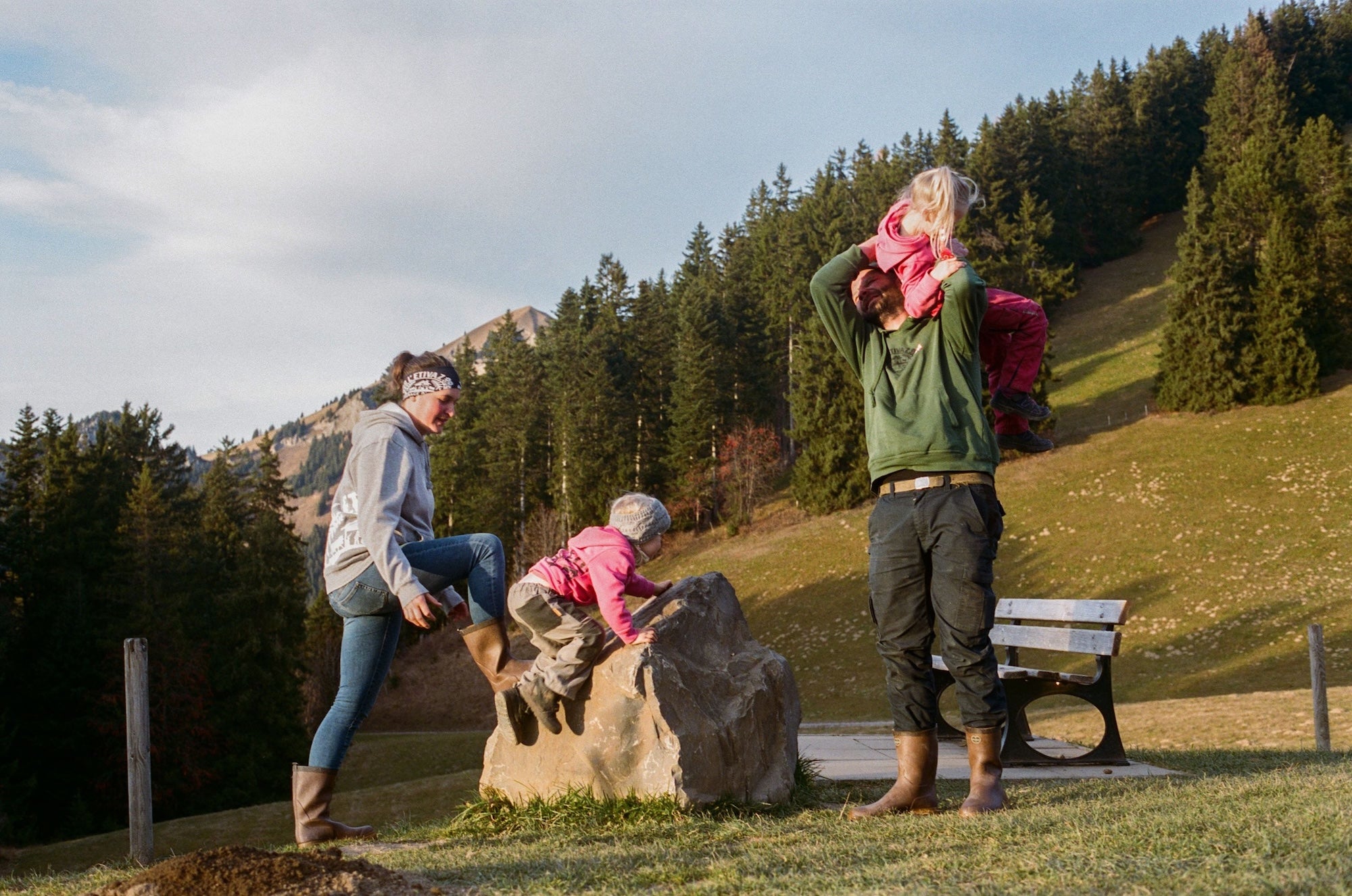
To exist here, especially in winter, can be hard so not only do you need to love the outdoors and be prepared for extreme weather conditions, but you also need footwear that you can rely on. We meet one family in the Alps, Mathias and Eve and their three young children, who make L’Etivaz AOP cheese from May to October – managing their winter farm the rest of the year – and as we find out, are advocates of Le Chameau.
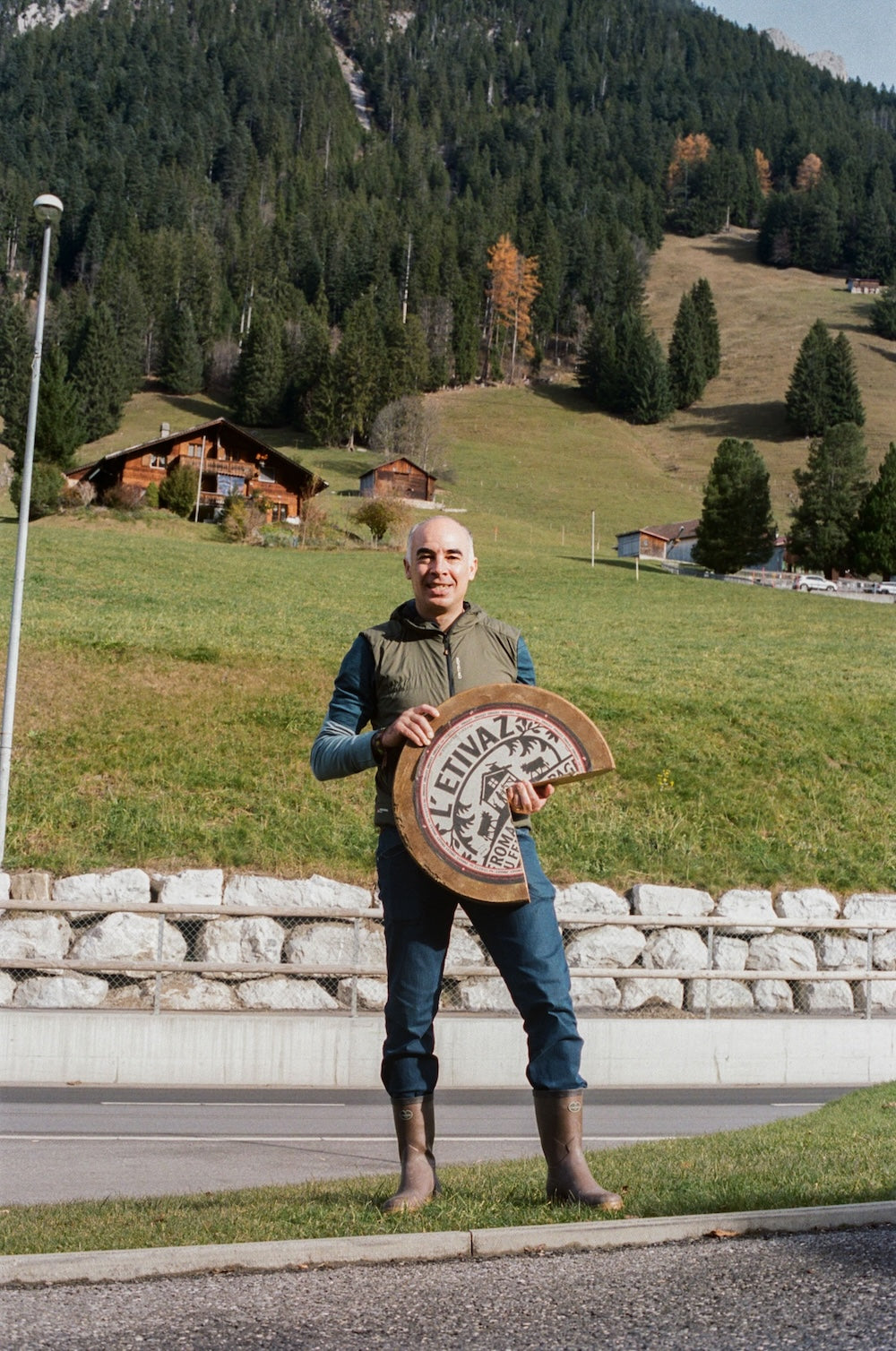
Mathias and Eve, tell us a little about your lives here in the Swiss Alps
Mathias:
Eve and I are from this region of the Swiss Alps; both our families having made cheese for generations on these mountains. My grandfather was at the very beginning of the establishment of L’Etivaz AOP in 1932 – AOP meaning Appellation d'Origine Protégée, the European Union label that means Protected Designation of Origin (PDO), assuring the cheese has been made in a specific geographical area using traditional methods.
However, the cheese has been made for hundreds of years before that in the 18th century and even further back. Now, we make L’Etivaz AOP cheese because that is just our way of life here on the Alps in summer. It is, you could say, in our DNA.
It’s often the case here; you are born into a farming family, so you milk the cows, manage the land and make cheese. Originally, cheese was made on the mountain because you had to preserve the milk; in summer, we have lots of milk, so we make cheese and mature it over winter and beyond. Since 1932, we have created a strong, tight community to keep traditions alive today and for the future.
My grandfather, my uncle, my cousins, they are all farmers and cheesemakers here in the region around the small village called L’Etivaz - in French it means ‘L’Estivage’ essentially meaning going up with your cows in early summer on the Alps to graze naturally. To journey up the mountains with your cows and your family, it's a lovely existence, but it’s a lot of work. It’s what we live for.
How did you begin your journey into cheesemaking?
Mathias:
My first education was a cheesemaker in a small cheese factory away from this region. It was good, but they didn’t have the cows on site. Soon after working there, I was able to rent a part of the mountainside, so I came back and have never left. I first farmed and made cheese alone, then one day, love came to the mountain. As Eve will tell you!
Eve:
My family have been breeding animals for a while now and work with many farmers in this region of the Swiss Alps. When you visit farms deep within the Alps, the roads to get to them can be quite bad. One day visiting a farmer high up in the mountains, the quadbike I was on broke down, so I had to call for help. The person who came for help was a nice local farmer – it turned out to be Mathias. He helped me start up the quadbike again, and what can I say, love started from there on the mountainside! The farm we now live on was my parent’s farm where I grew up as a child. So, it’s really nice to come back here with my own family and farm the land with our cows.
Tell us more about the making of your L’Etivaz AOP cheese
Eve:
Our family is part of a cooperative, L’Etivaz AOP, that brings together over 2680 cows and 200 people, farmers and cheesemakers, in the making of L’Etivaz AOP. We are one of around 70 farms working over 130 mountain pastures in this part of the Swiss Alps of the Vaud province. This is an area covering 10 communes between the Chablais and Pays-d'Enhaut regions; the chalets where the cheese is made on the Alps are located between 1000 and 2000 metres above sea level.
In summer, we rear our cows high in the mountains, grazing them on summer pastures that have over 237 varieties of wildflowers. This gives the milk and therefore the cheese rich and diverse flavours. During the months from May to October, we make the L’Etivaz AOP cheese directly over fire, sourced from our local forests, and over a copper cauldron. We have Swiss Brown cows that are milked twice a day in the morning and evening at the place of production, which ensures the milk quality is at its best. The milk is raw, unpasteurised, so it as pure as it can be for cheesemaking.
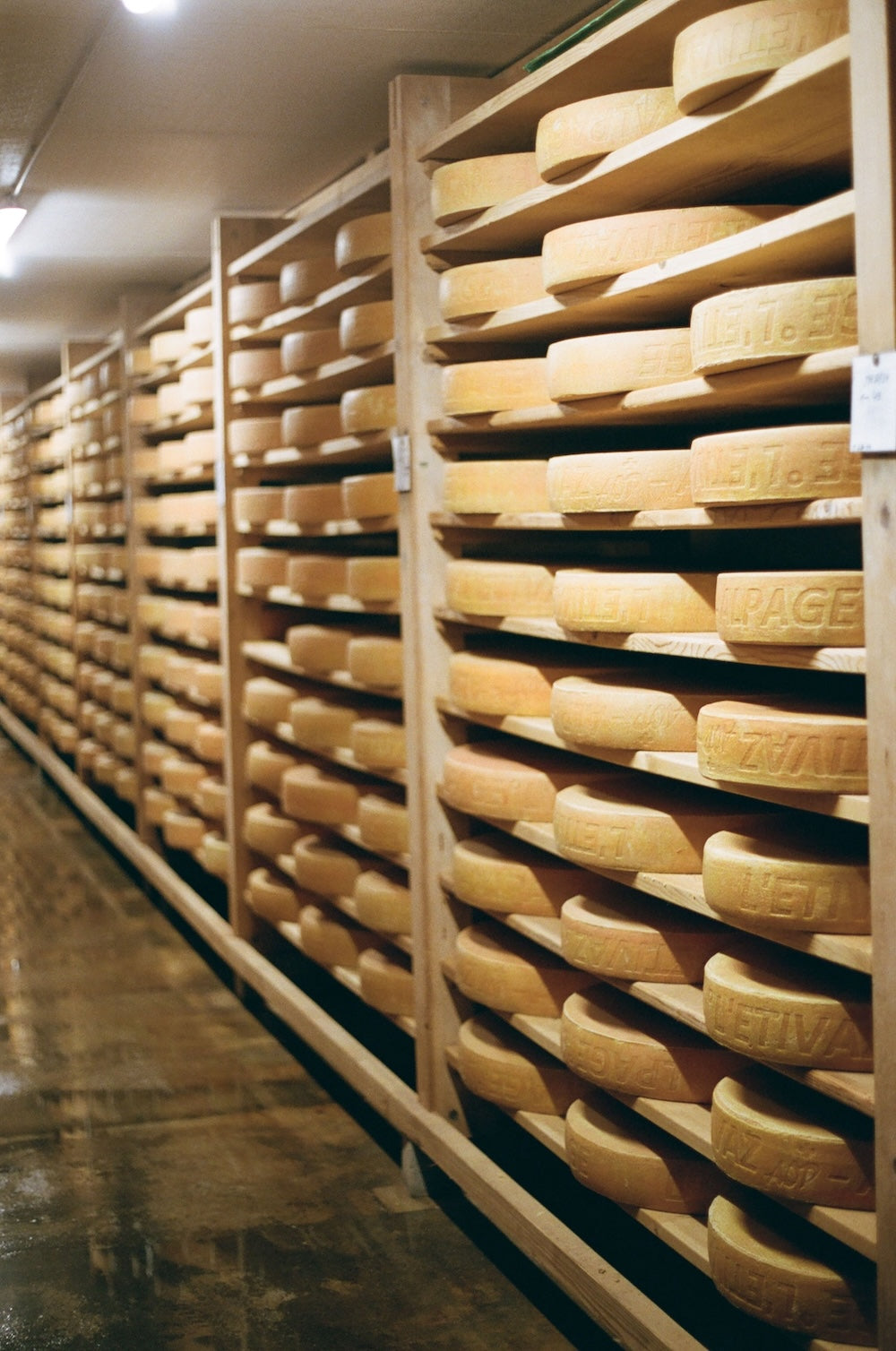
Once we have made the young cheeses, they are taken down into the main cellars in the village of L'Etivaz to be matured by affineurs (cheese maturers). Here in the cellar, there can be up to 30000 cheeses being matured on spruce shelving.
Mathias:
In winter, we bring the cows down to our lower mountains (still quite high) and feed them in the barns with our nutritious forage cut in summer. We sell the milk in winter, not making cheese. What’s so special about our cheese is that you cannot replicate it anywhere else, due to the altitude, the animals, the traditions, the making over fire and the terroir. We often say here, ‘you are what you eat’. So, the wildflowers we have in the region and the natural grazing is a key element with L’Etivaz AOP. This results in the quality of milk, which is fundamental of a great quality cheese striving for steady excellence.
What is the flavour of L’Etivaz AOP cheese?
Eve:
We have had research done to show that the 237 different species of flowers growing on the mountain pasture makes 57 different types of aroma and flavour notes in the cheese. That is amazing and something we want to celebrate! So, there are lots of flavours to enjoy, including sweet, fruity, vegetal, caramel, supple notes with a hint of smoke, of course, as the cheese is made over fire.
Why is Le Chameau the most suitable for your work in the mountains?
Mathias:
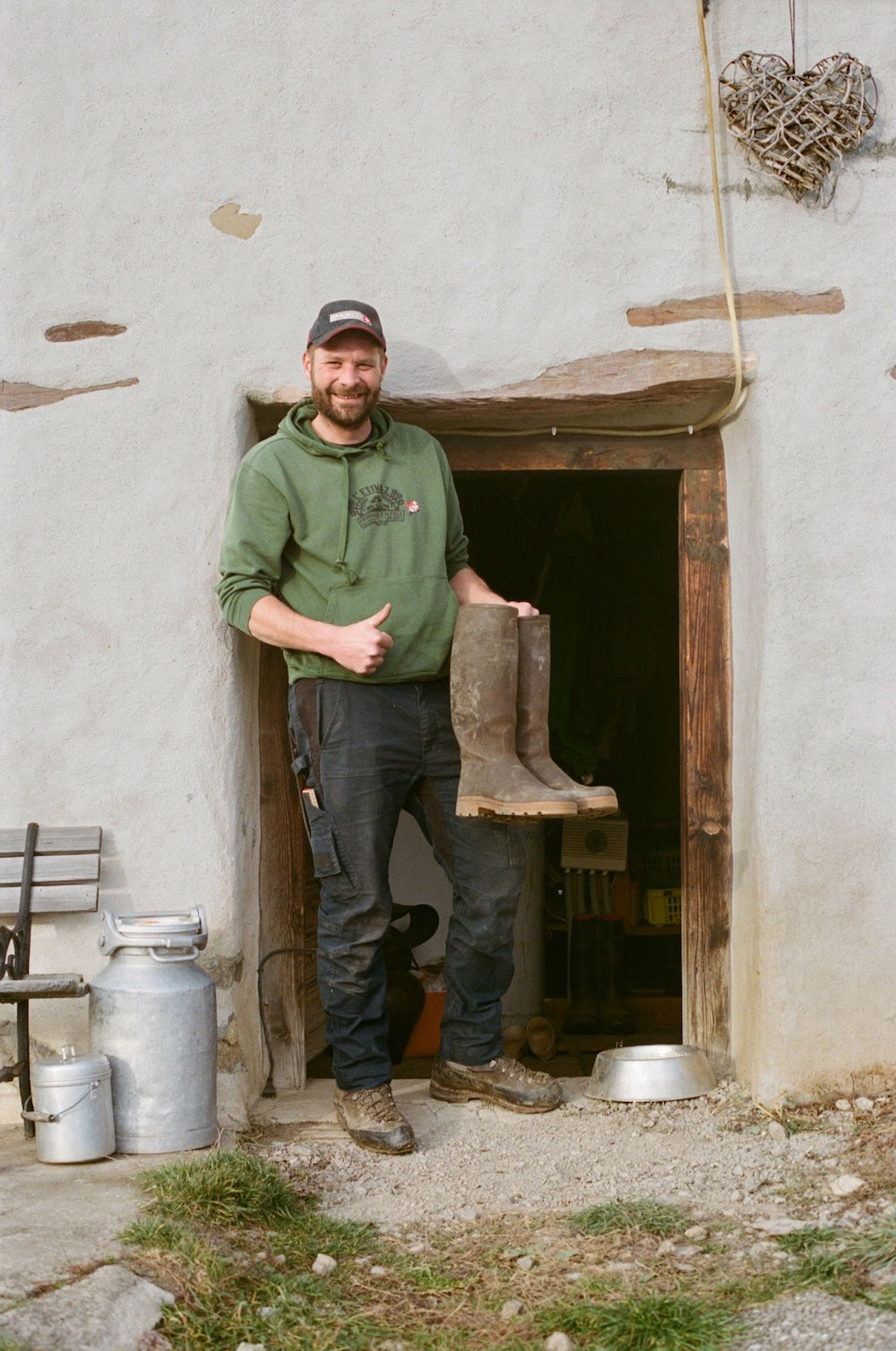
My family has always worn Le Chameau, it was just the normal thing in our family to have Le Chameau. Even as a child, when I saw my grandfather and uncle wearing Le Chameau around the farm, milking the cows and making cheese, I was like, ‘I want a pair of Le Chameau too!’
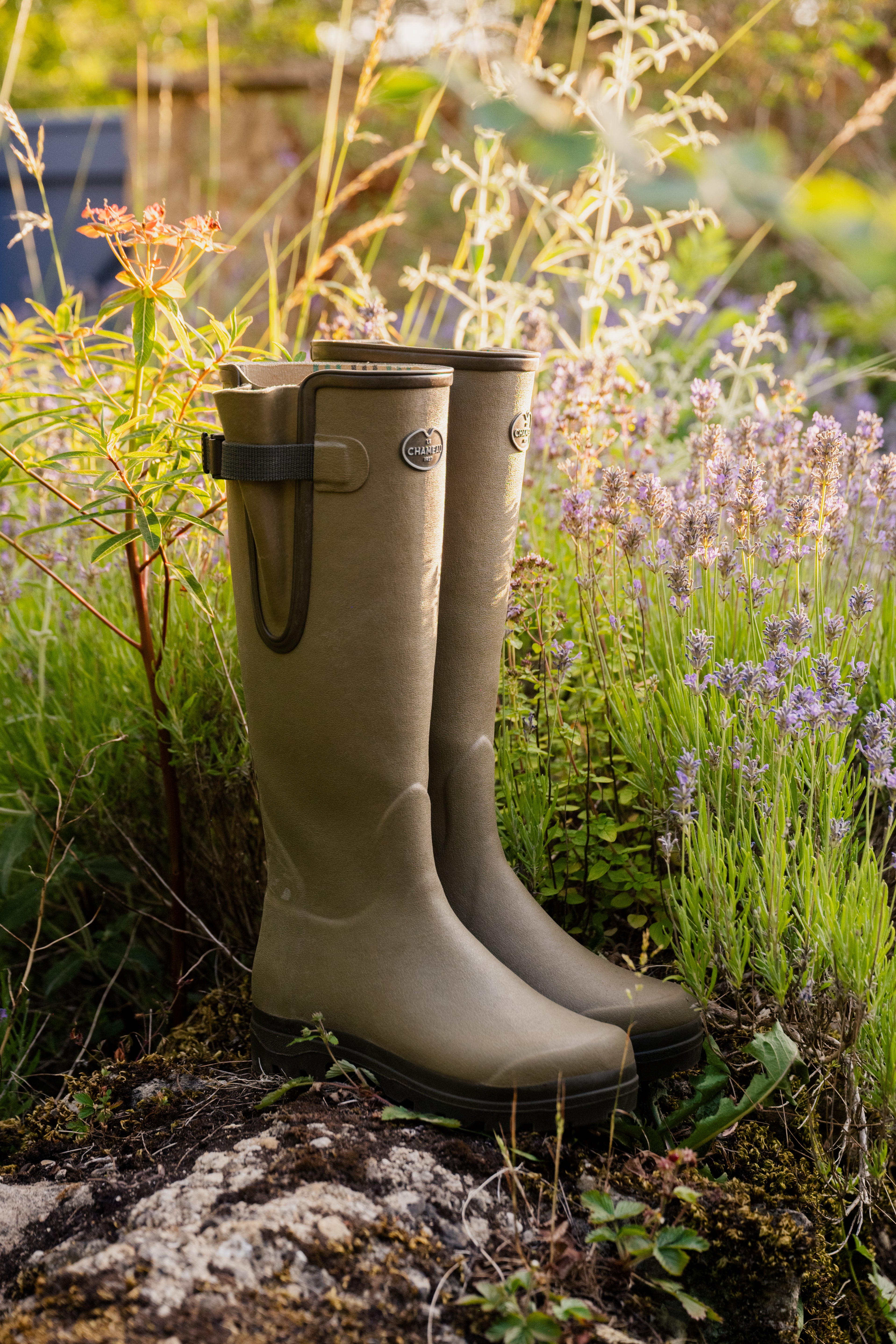
Why do we wear them still? Well, Le Chameau are the best, most comfy, reliable and durable. They also look nice, and they are very good for cheesemaking because of the height and grip. This means that I don’t slip on the cheesemaking room floor, which is often wet with the whey from the production. It’s no problem with boots like Le Chameau, I can focus on my cheesemaking and not worry about my feet.
Eve:
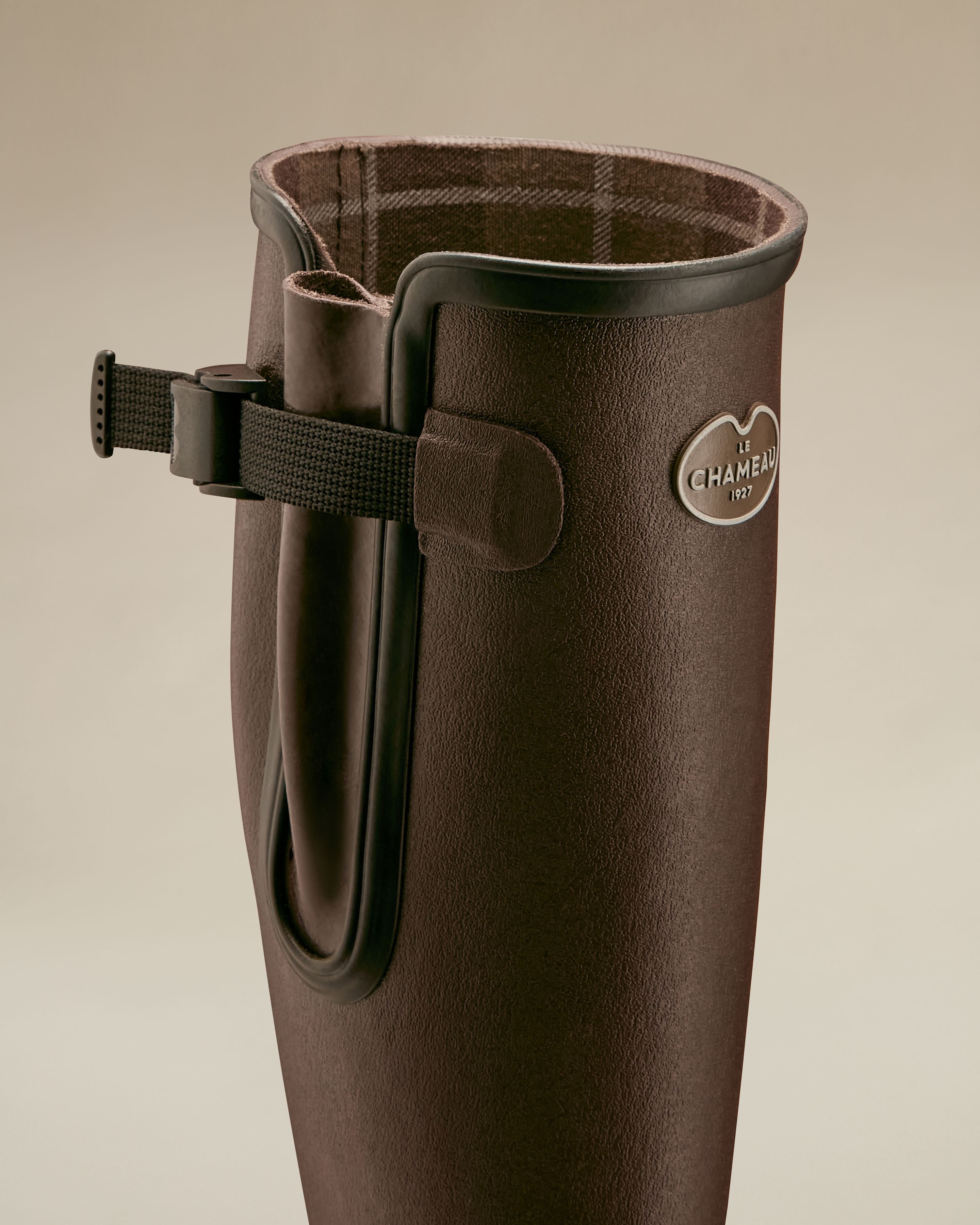
For me, I love the leather lining in Le Chameau. They are comfy on my heels, and I feel they give me good posture! Yes, it may be an investment to start with, but I’ve had mine for years and they are truly worth it. Especially for the work we do here on the farm and cheesemaking.
We refer to our L’Etivaz AOP cheese as the ‘Pearl from Vaud’, the gem of the region – perhaps like what you could say about Le Chameau – it is a celebration of tradition, expertise handed down, quality and the innovative, visionary spirit of our founders.
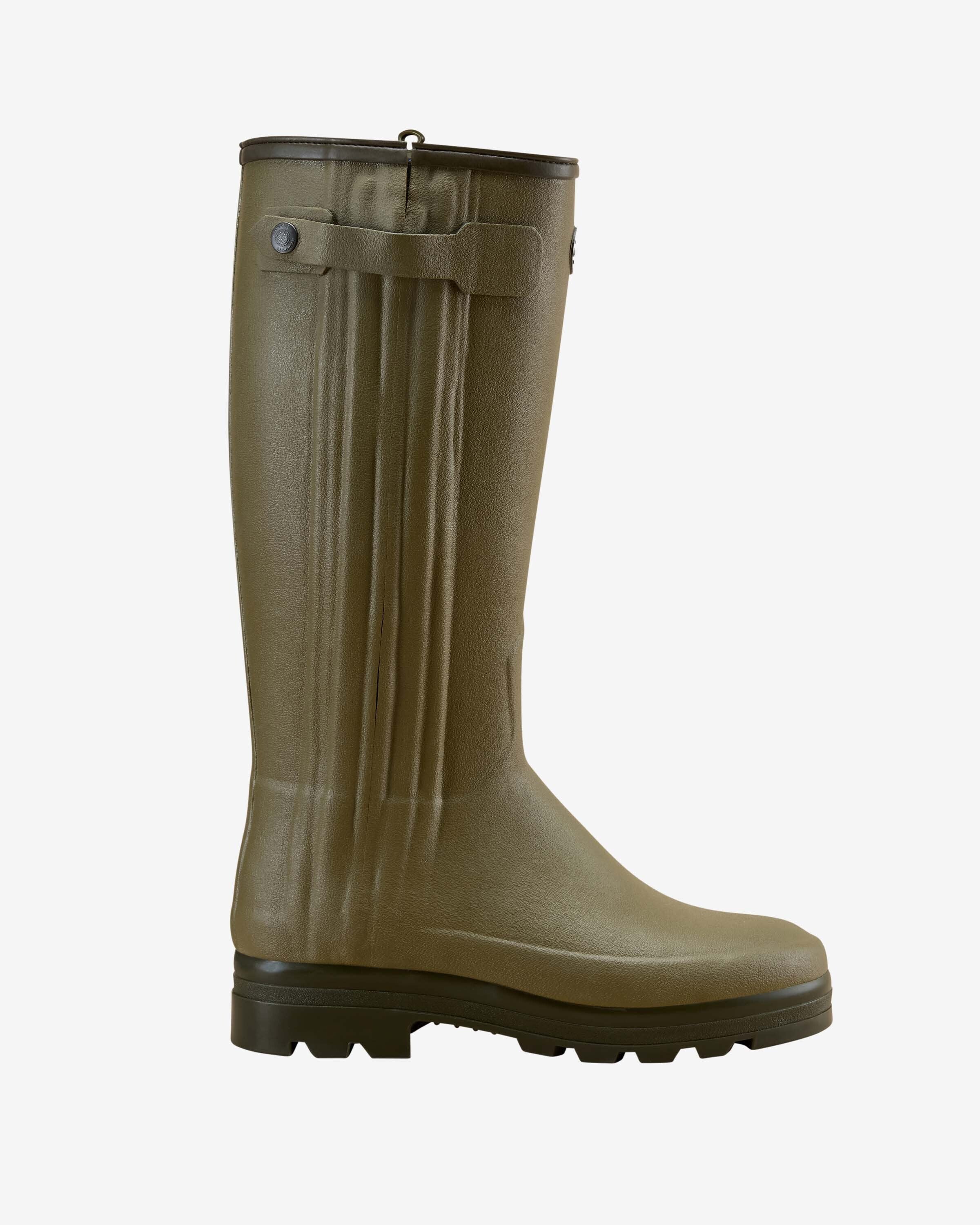
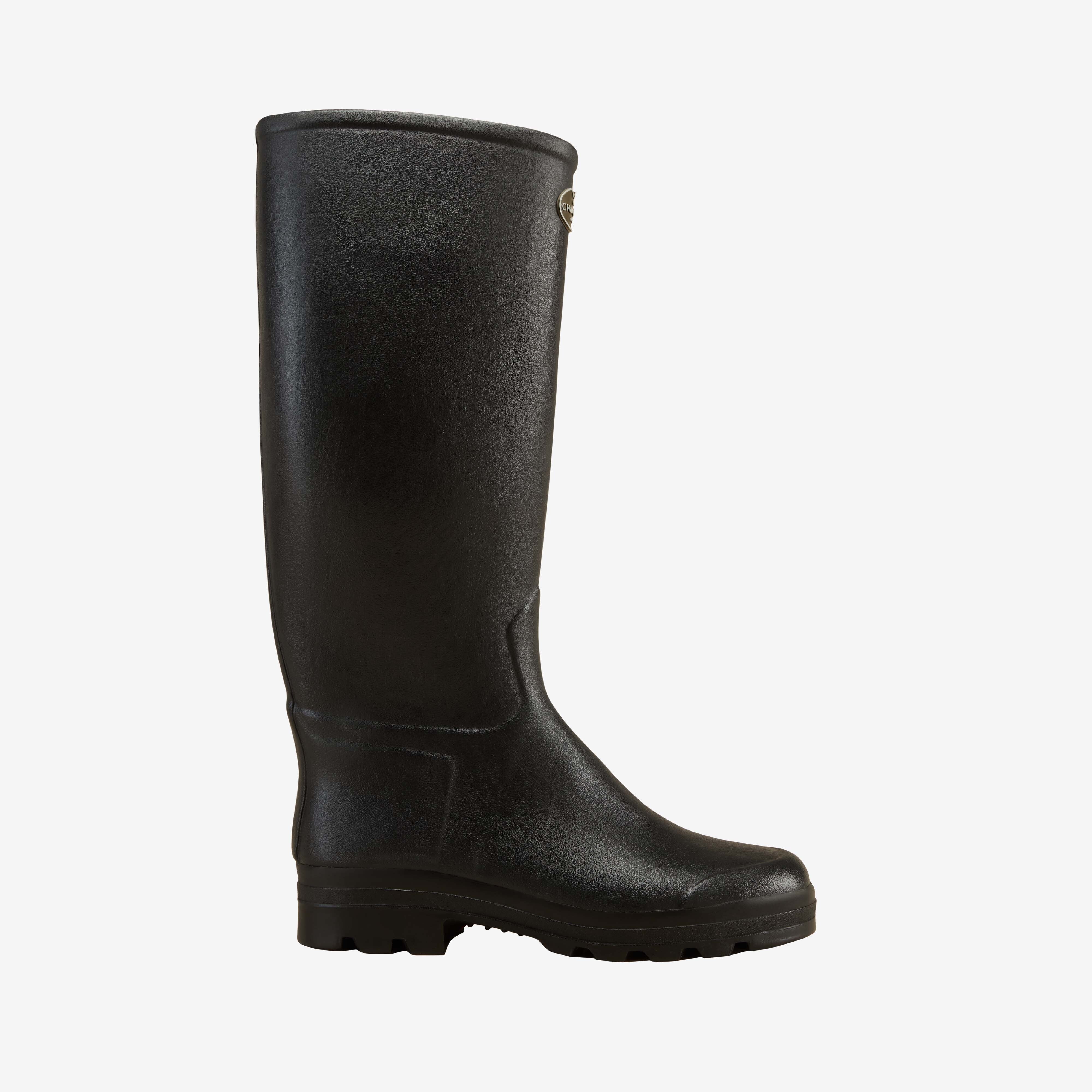
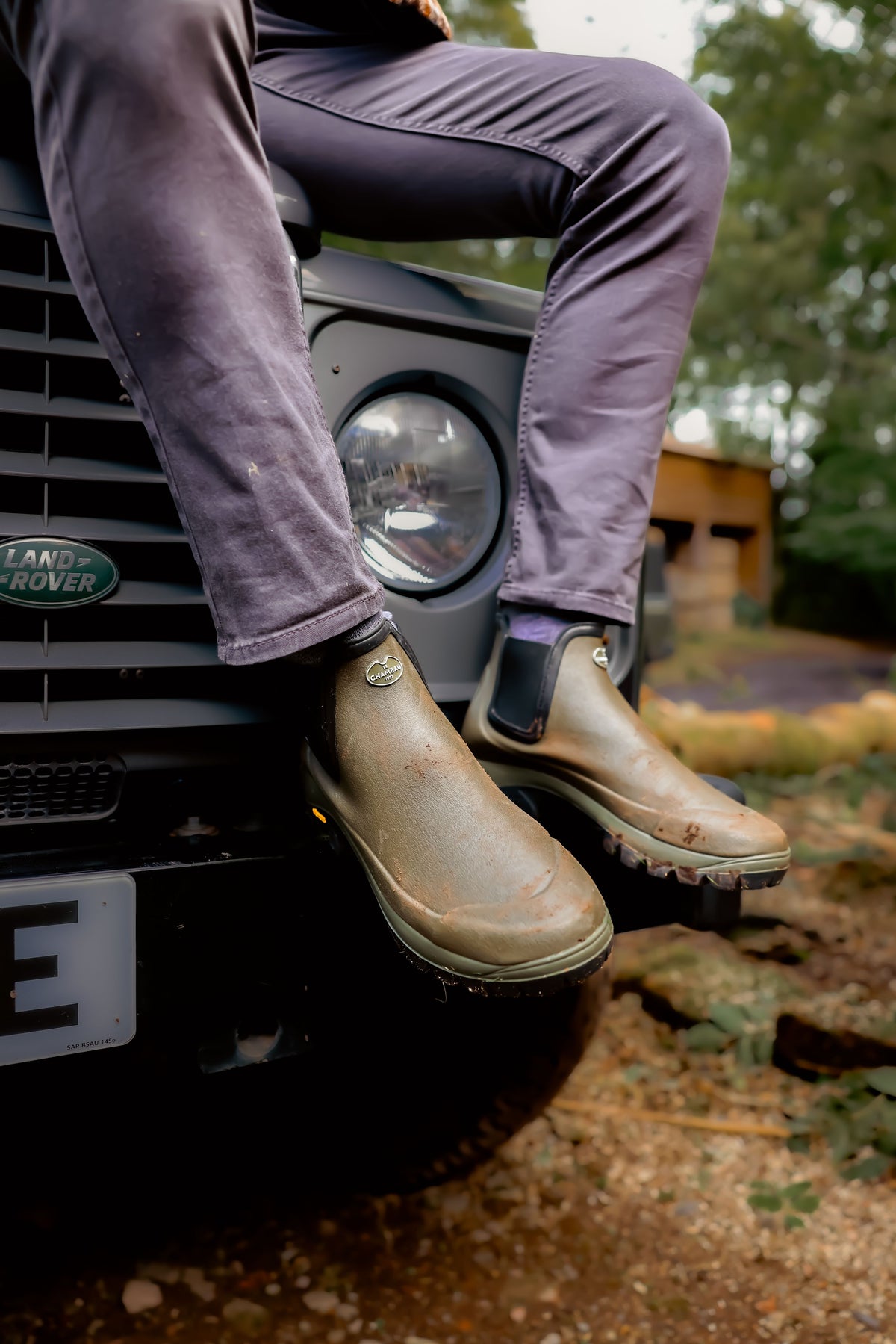
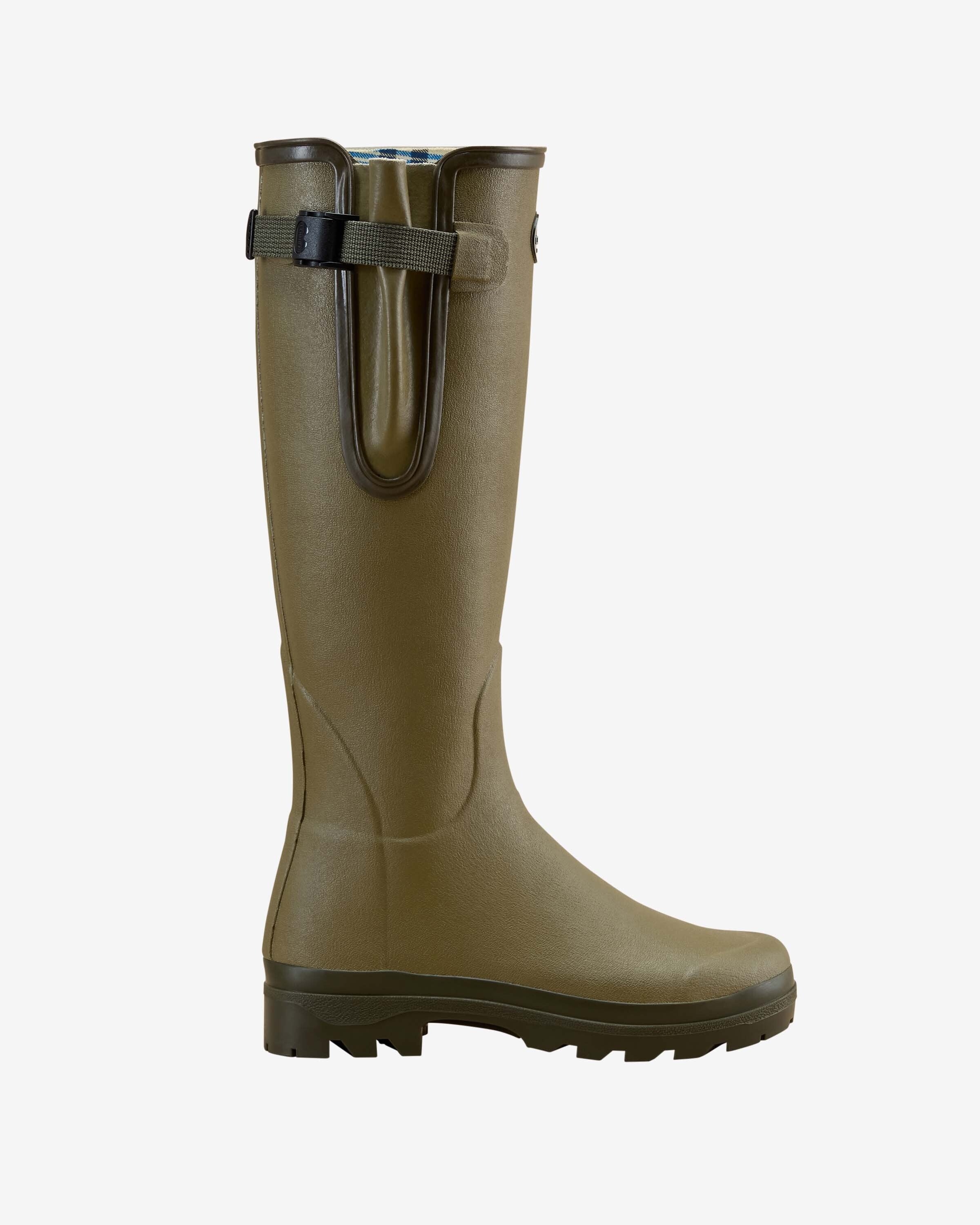
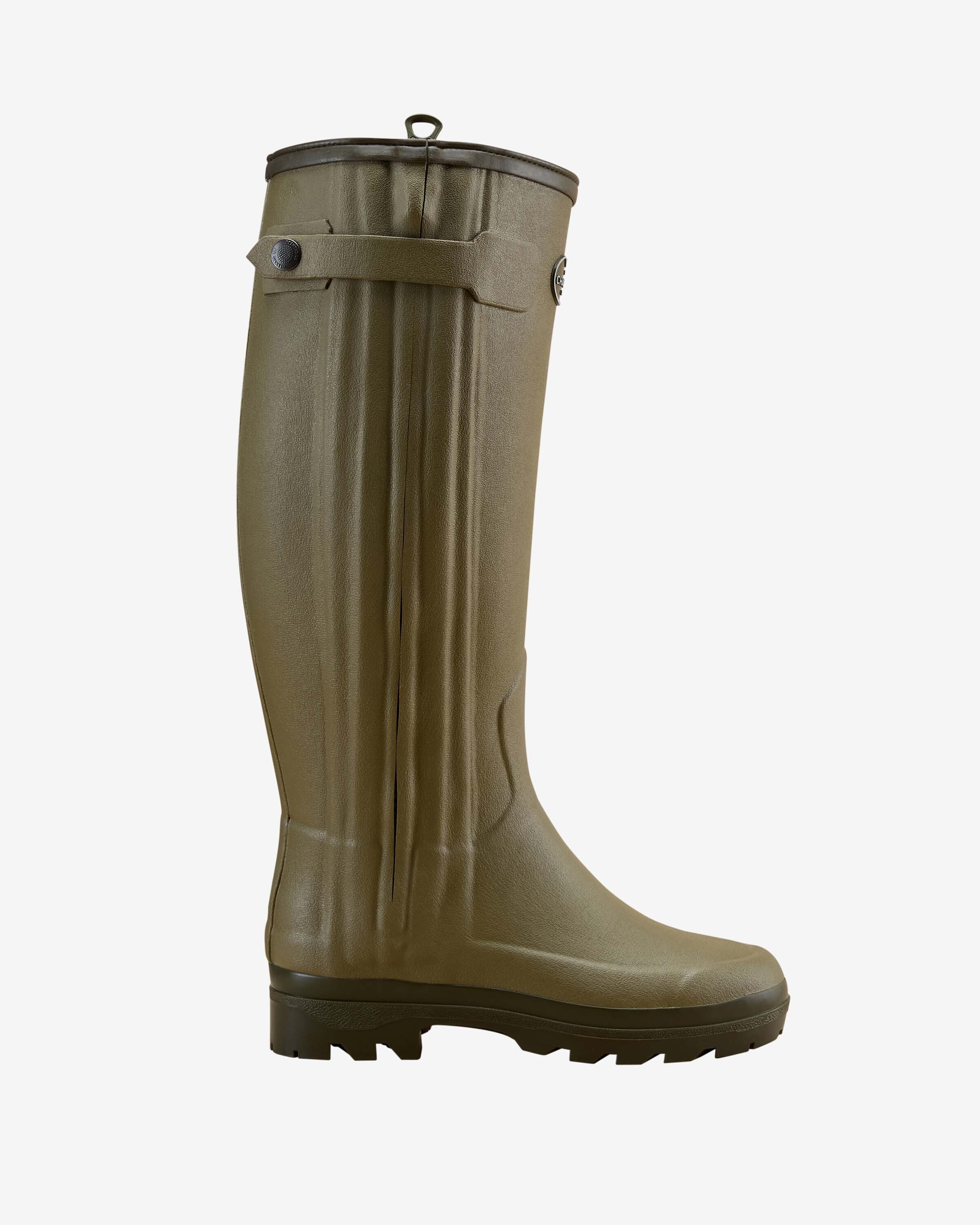
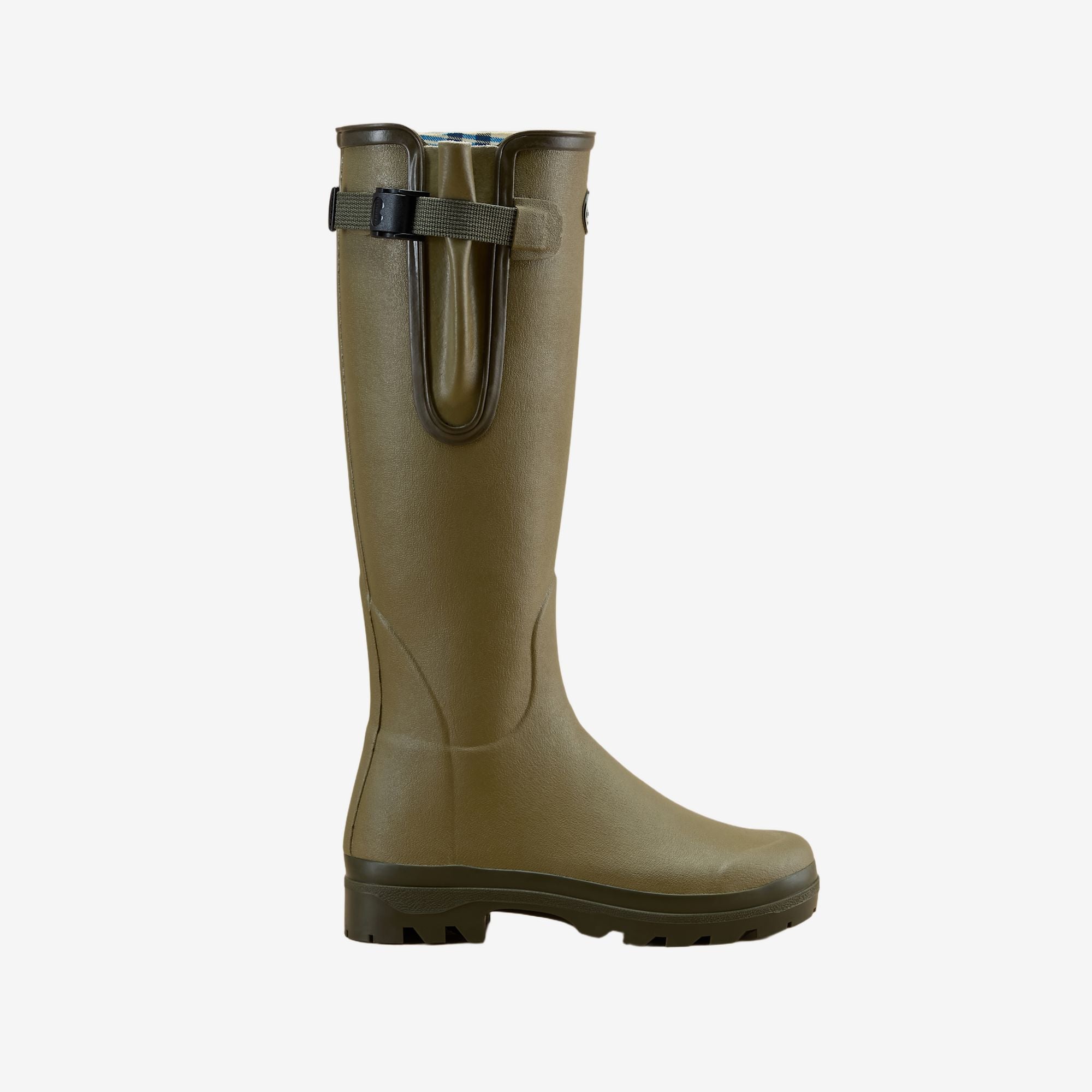
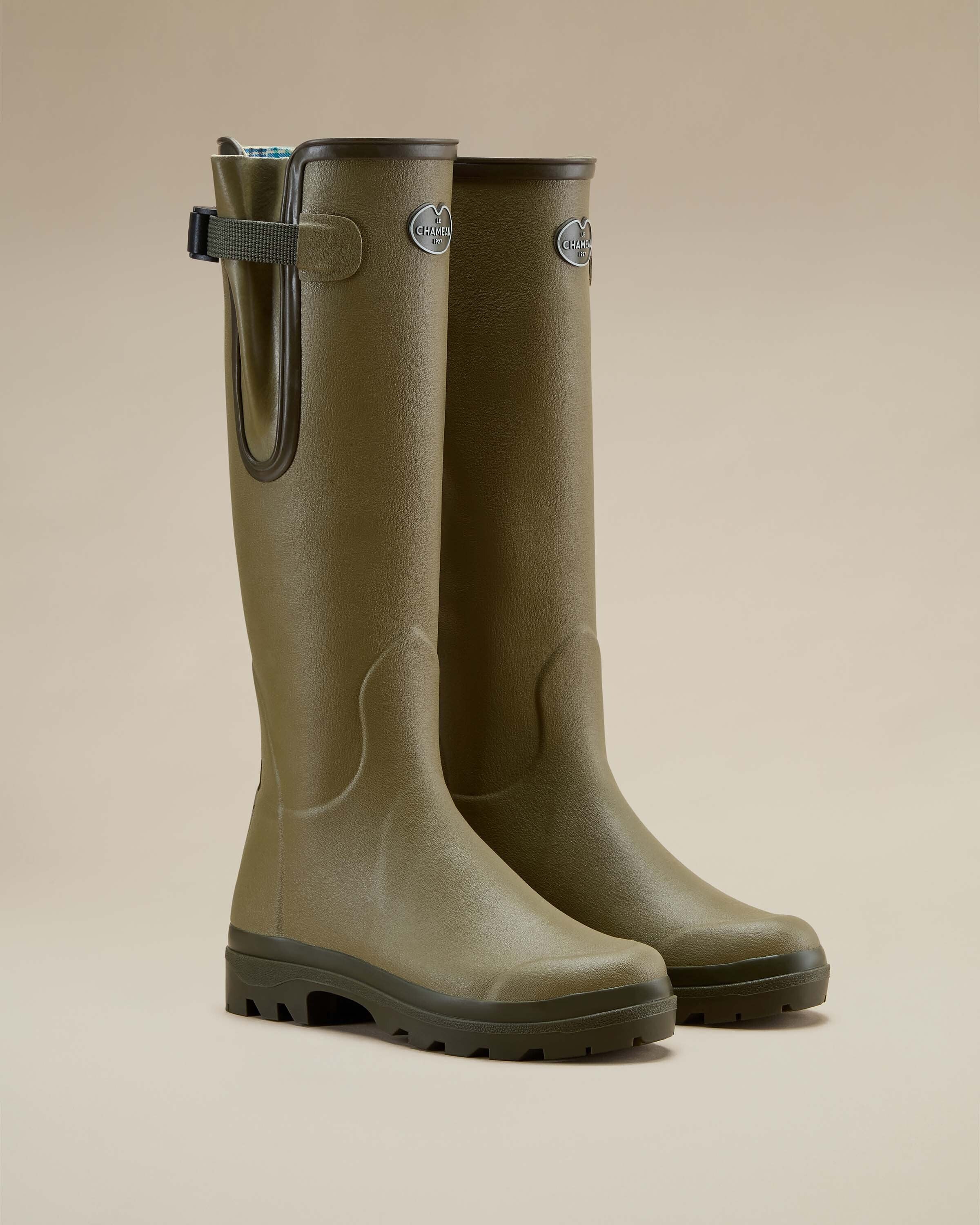
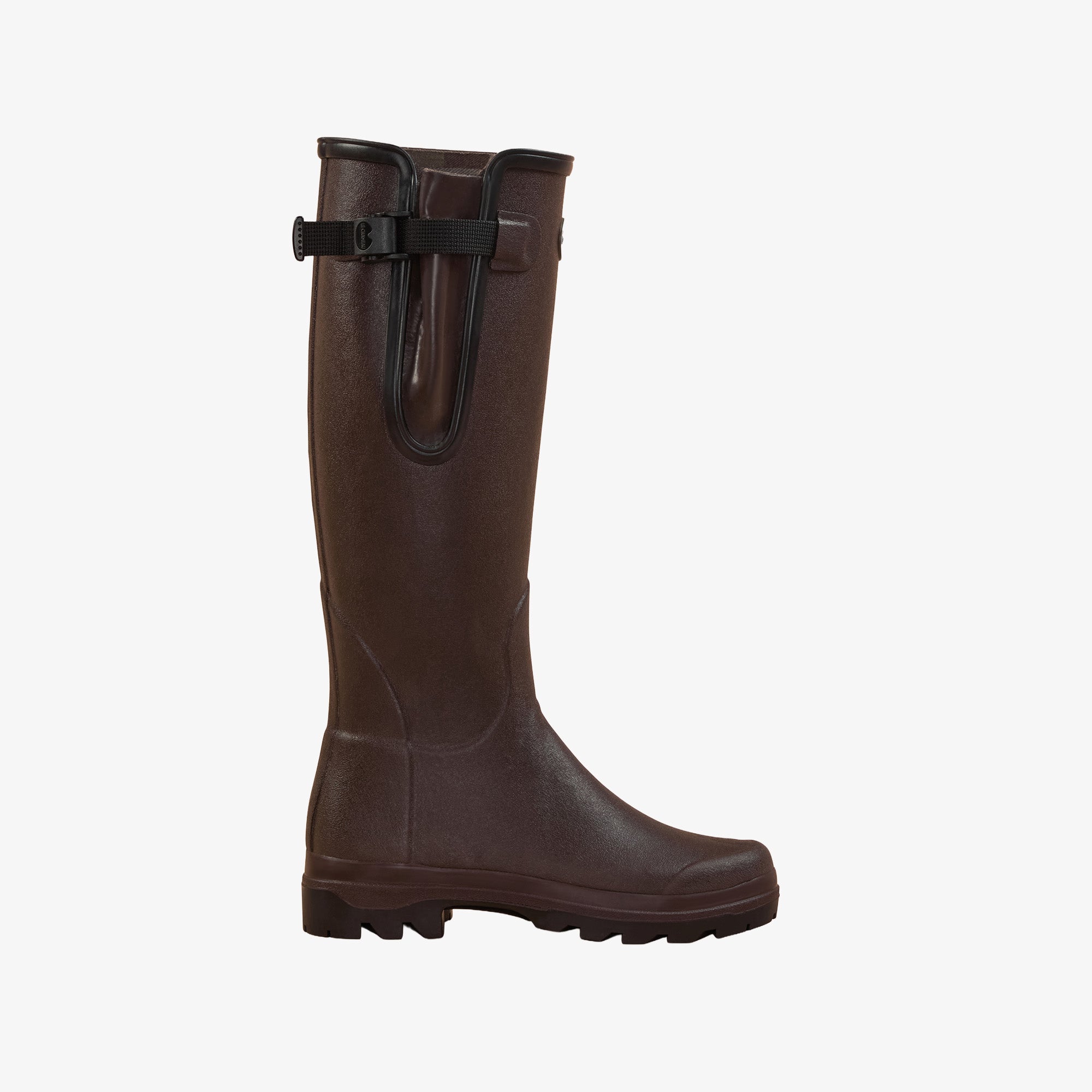
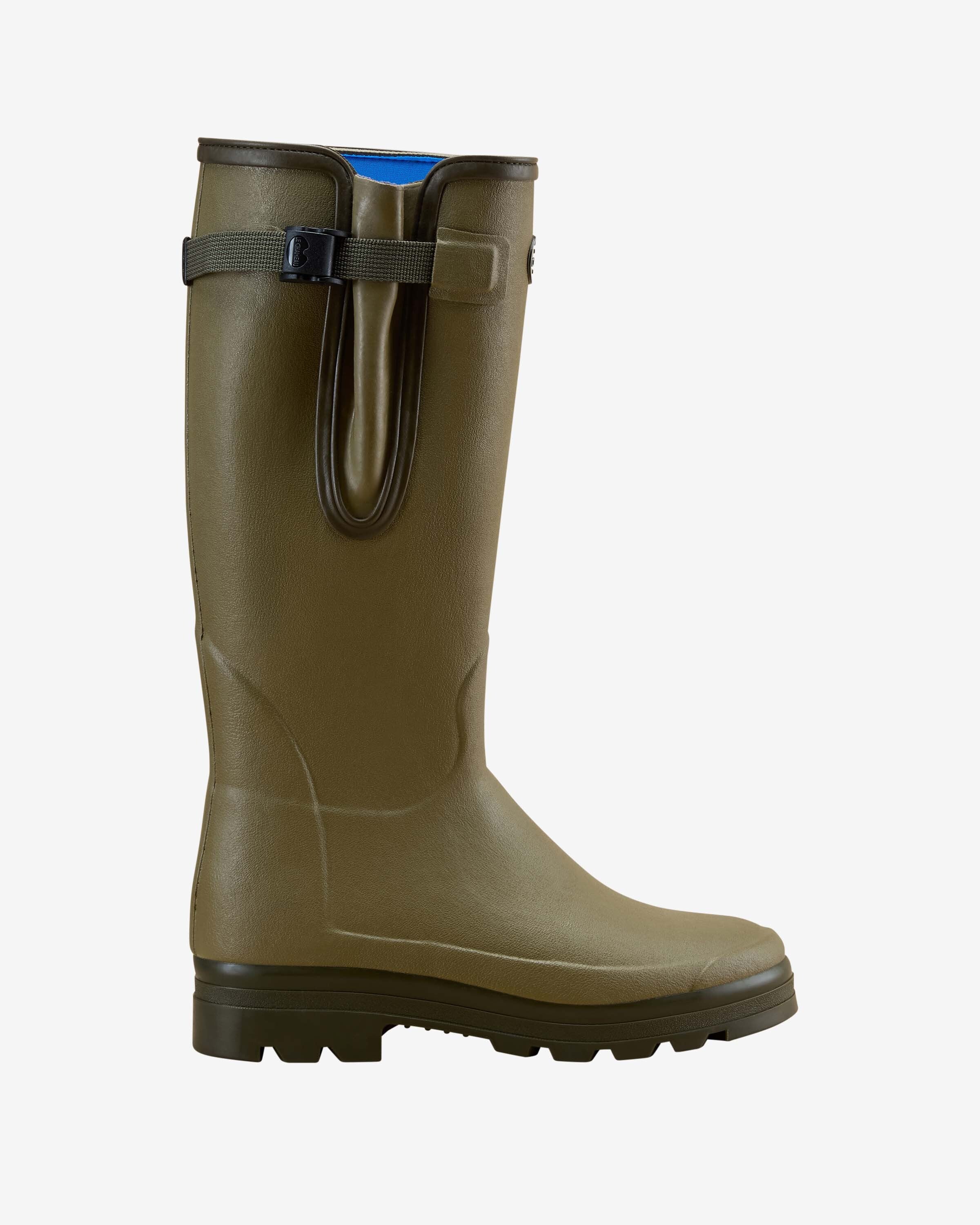
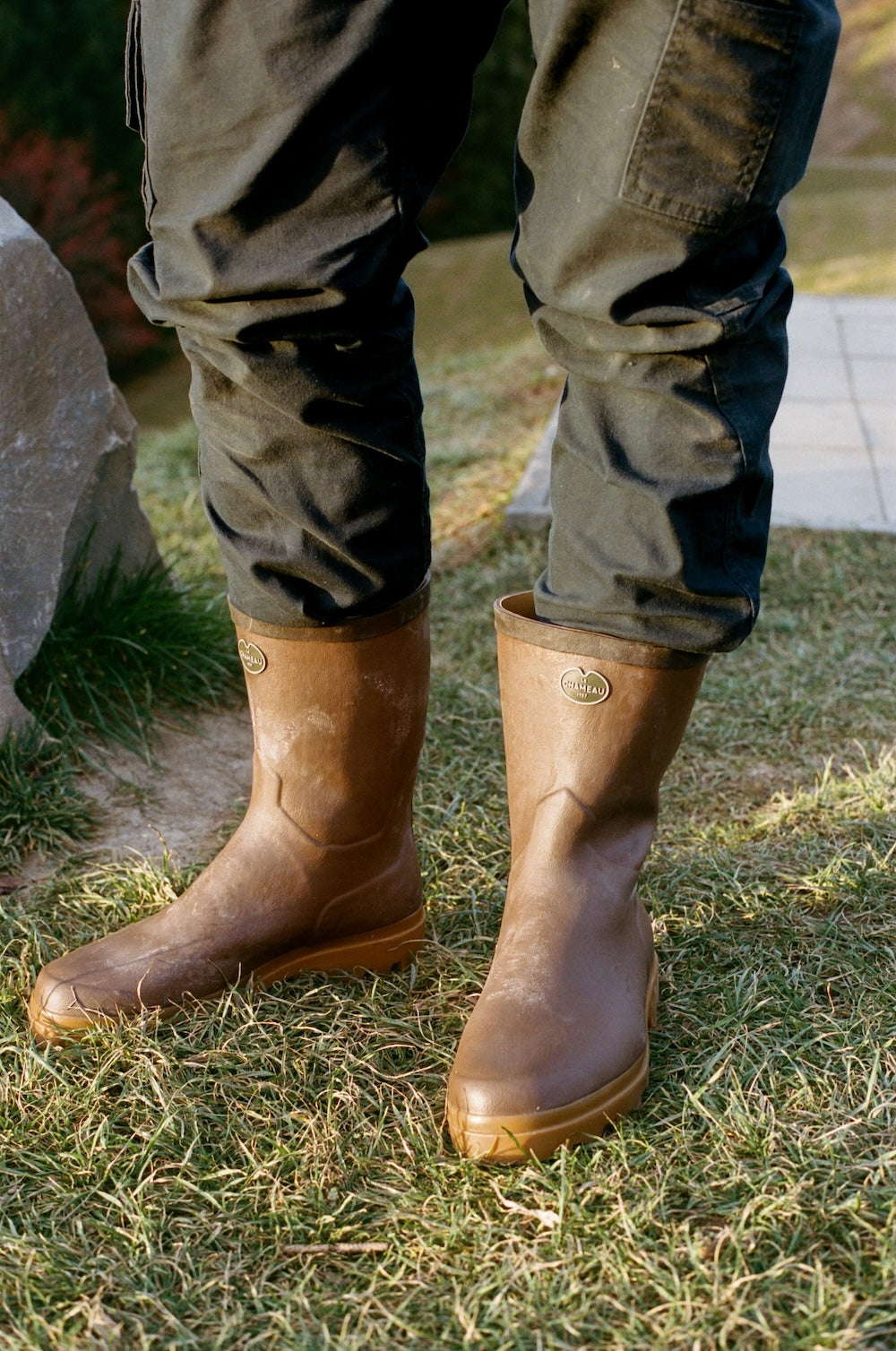
Mathias and Eve wear both Le Chameau’s Saint Hubert and Zermatt boots on their farm in the Swiss Alps, perfectly comfortable with a strong sole grip to cope with the extreme conditions in the mountains and working conditions to make their unique cheese, L’Etivaz AOP.
 Stewarding the Downs: Life at Cowdray EstateBeitrag lesen
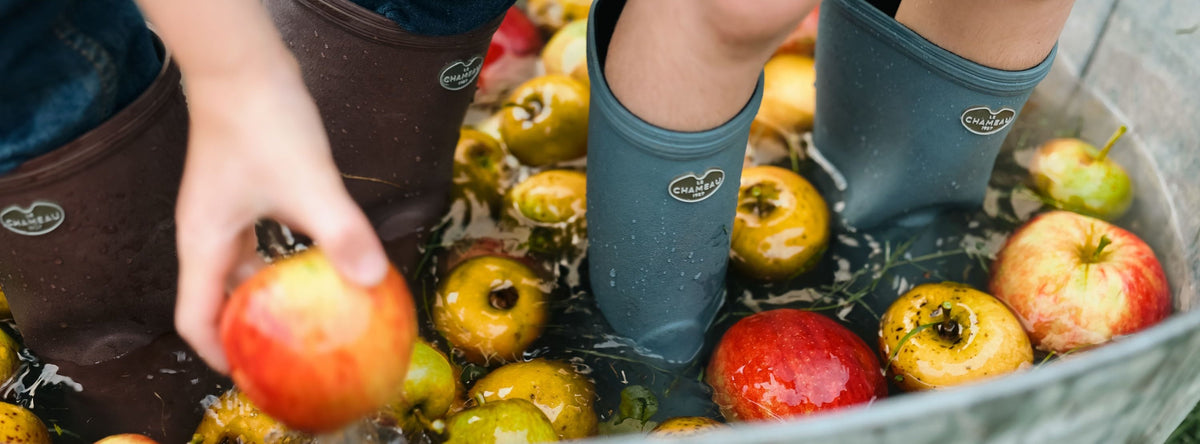 Harvesting Apples this HalloweenBeitrag lesen
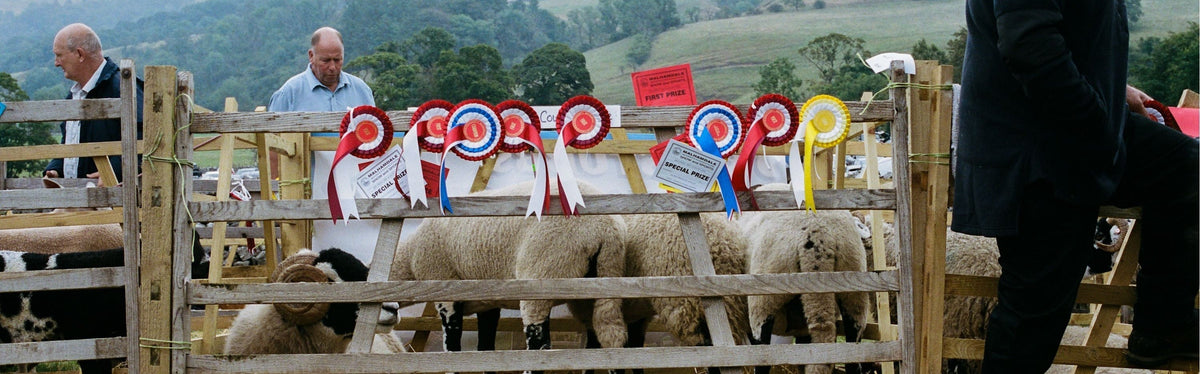 Country Shows: The Best of the Rural LifeBeitrag lesen
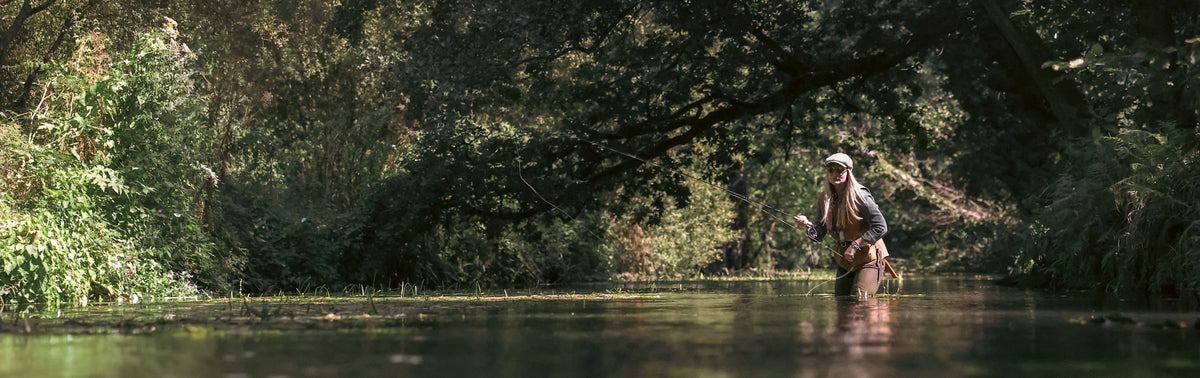 At One with Nature: Fly Fishing with Marina GibsonBeitrag lesen
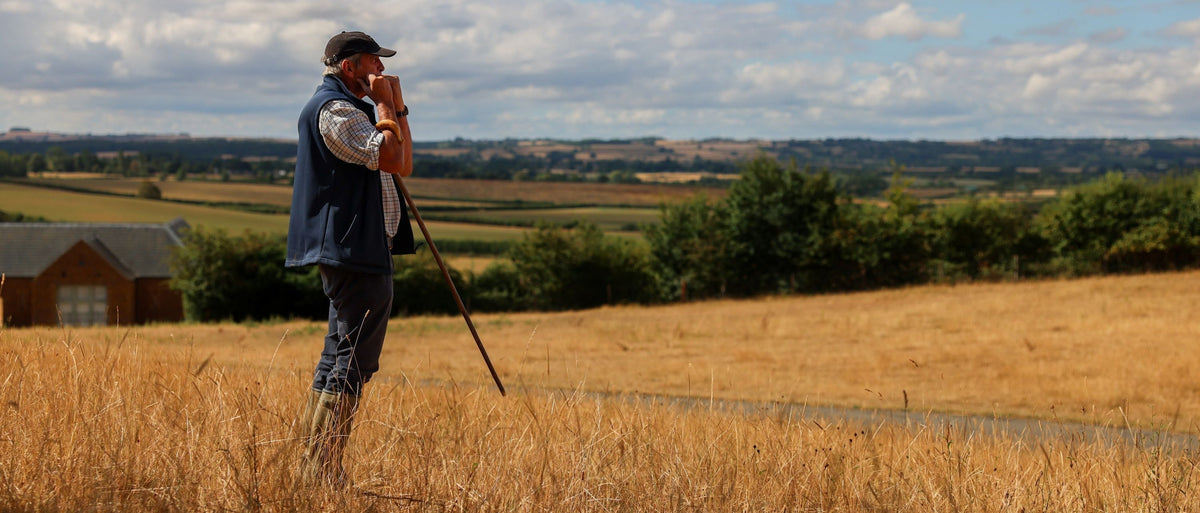 At Daylesford: One Man and his SheepdogBeitrag lesen
 The Glorious Twelfth: All You Need to KnowBeitrag lesen
 On-Farm this Summer: Farming in a Changing ClimateBeitrag lesen
 Discover Holkham: Glasshouses, Gardens and Glorious WalksBeitrag lesen
