




Guirec Soudée: Interview on His Record Circumnavigation
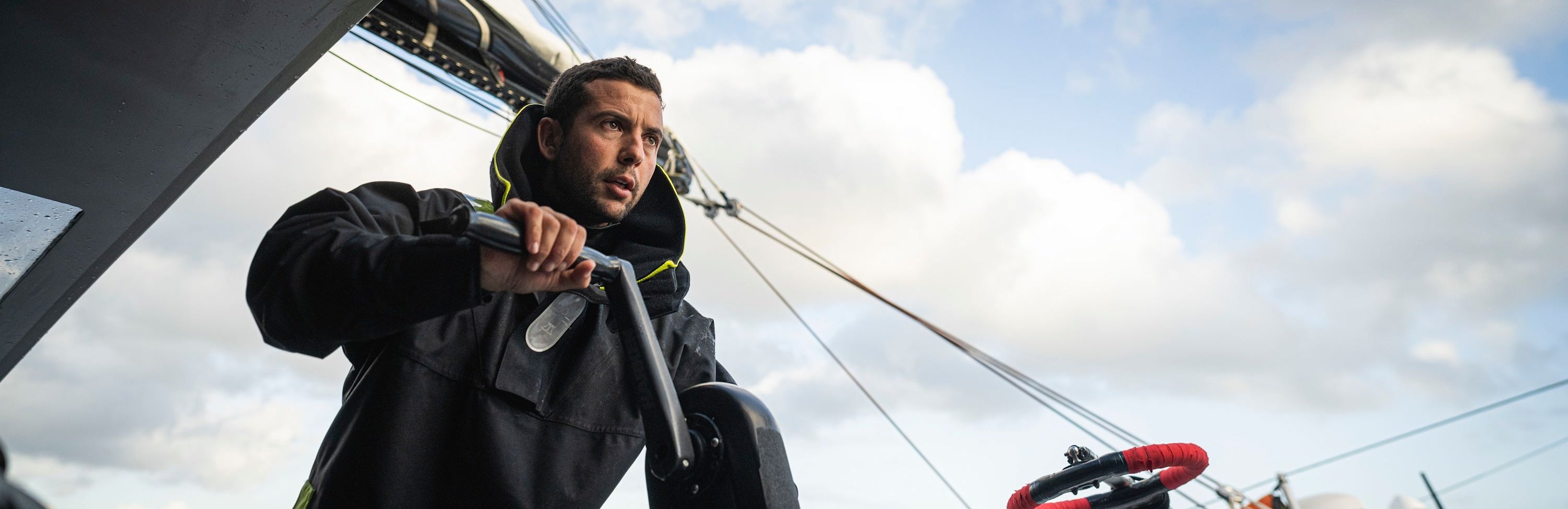
Taking on the world’s most extreme weather conditions and roughest oceans and exploring its complete wilderness is all in a day’s work for sailor, adventurer and Le Chameau Ambassador, Guirec Soudée.
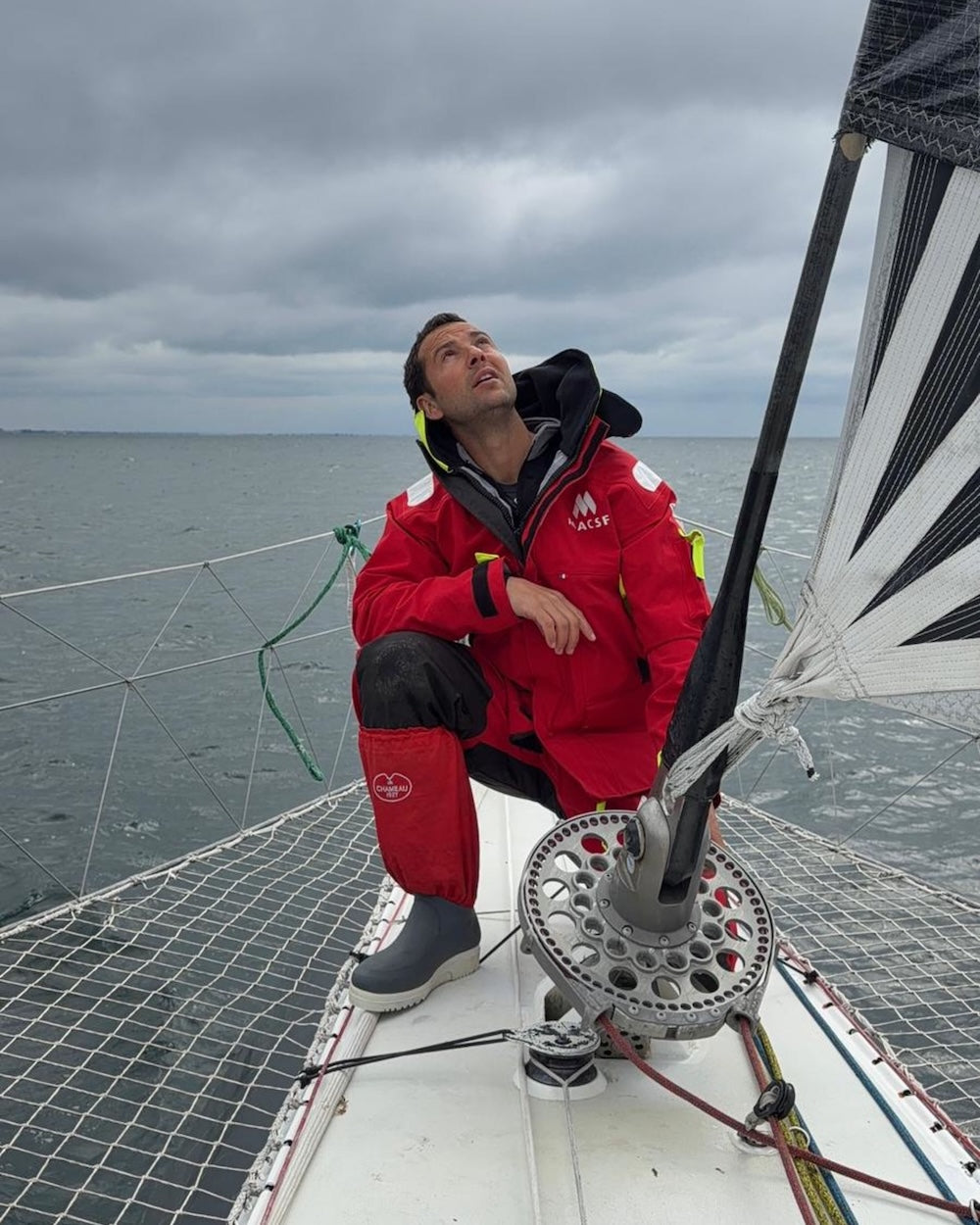
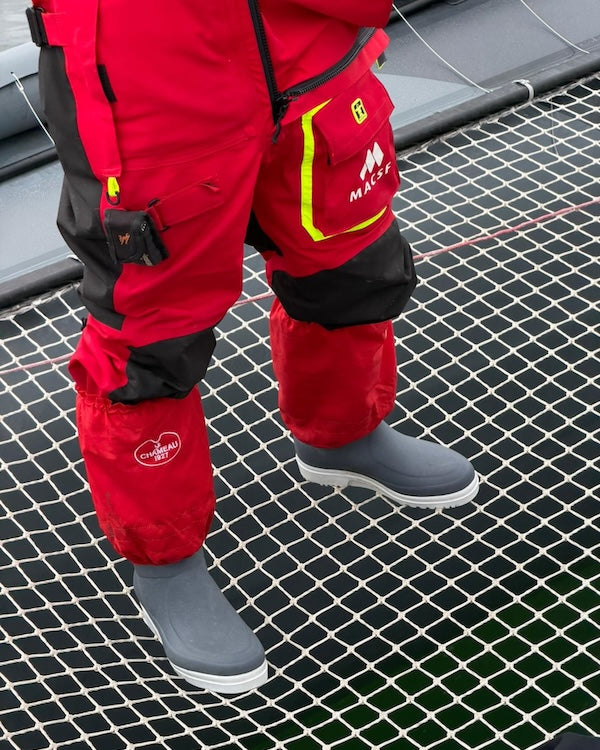
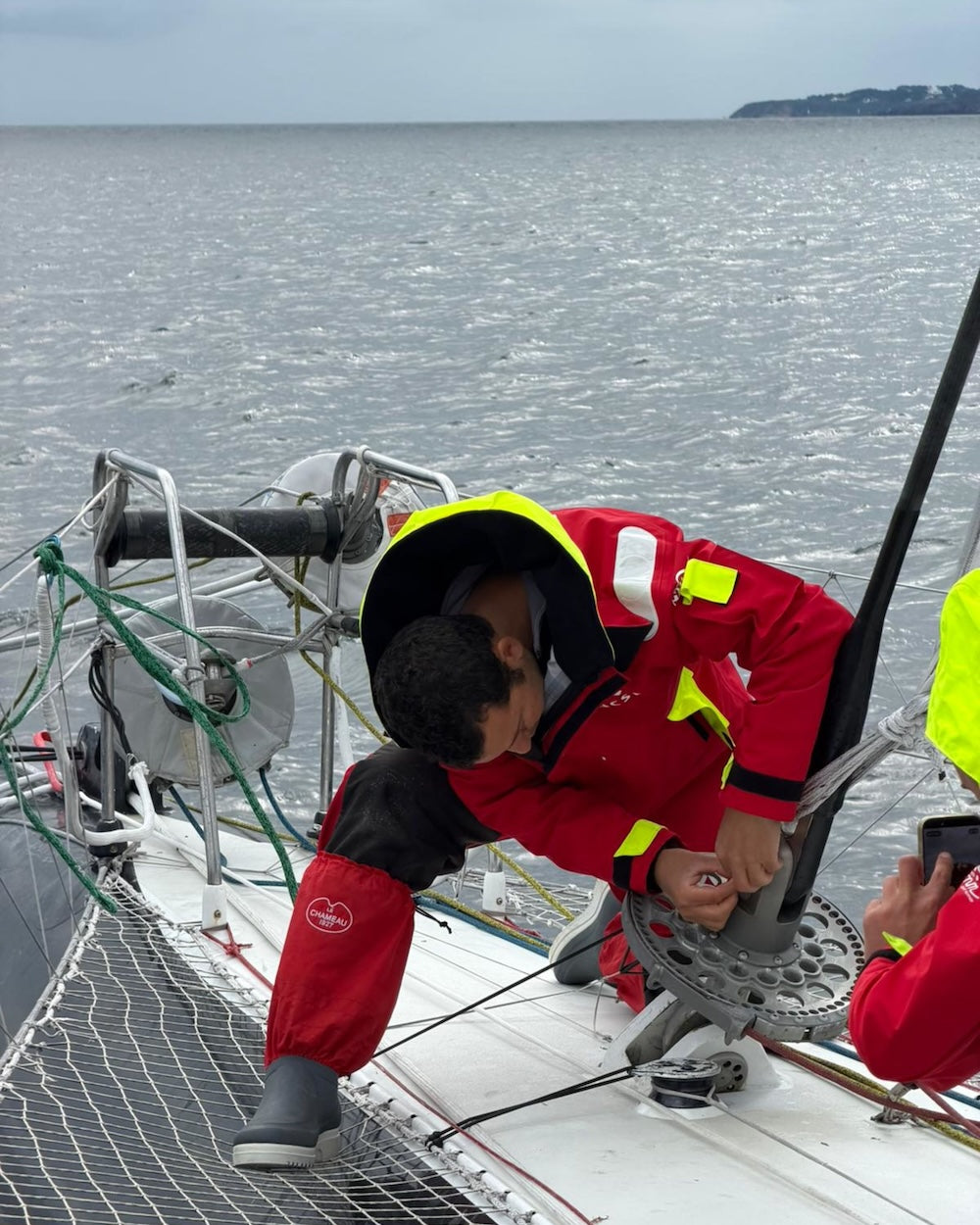
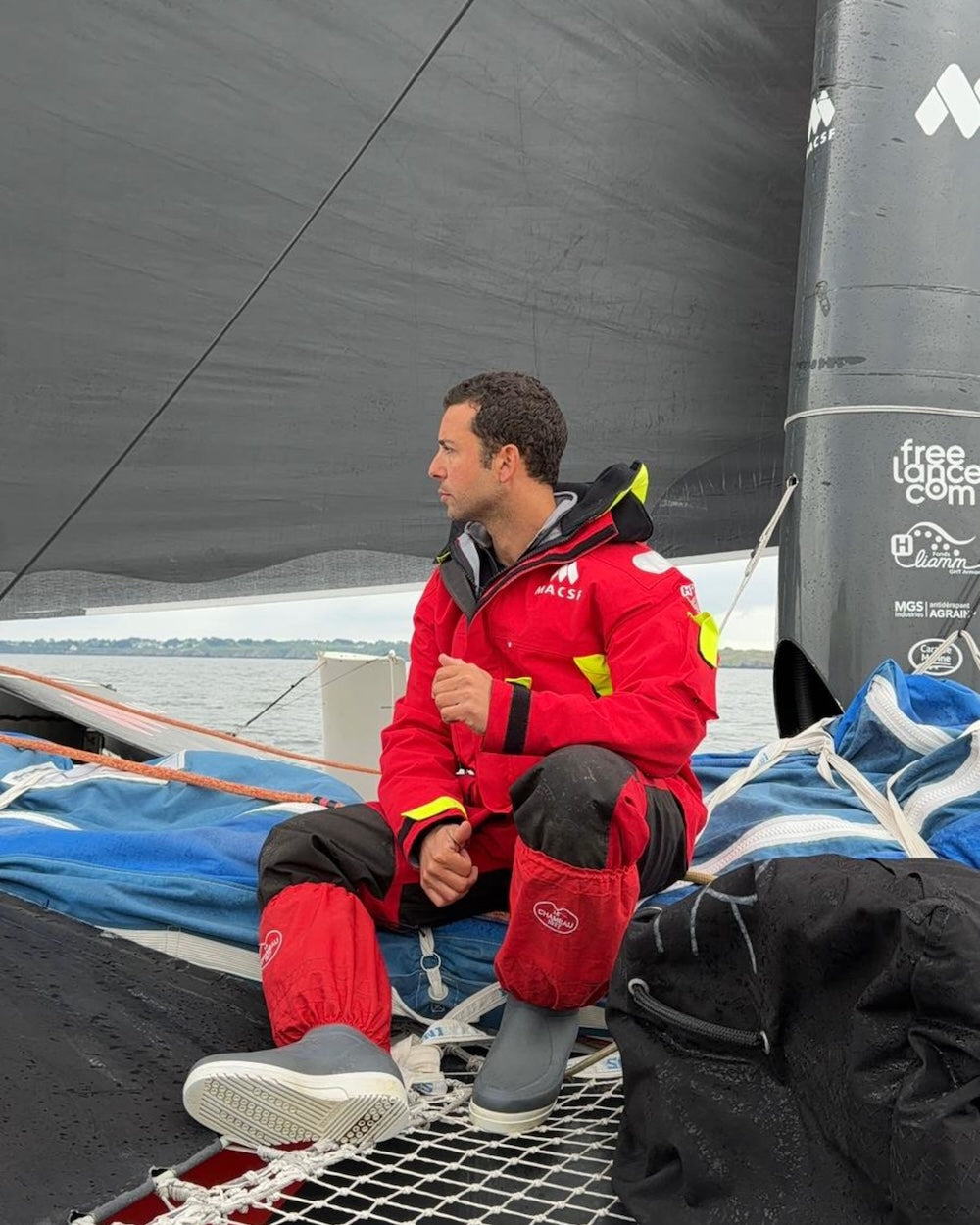
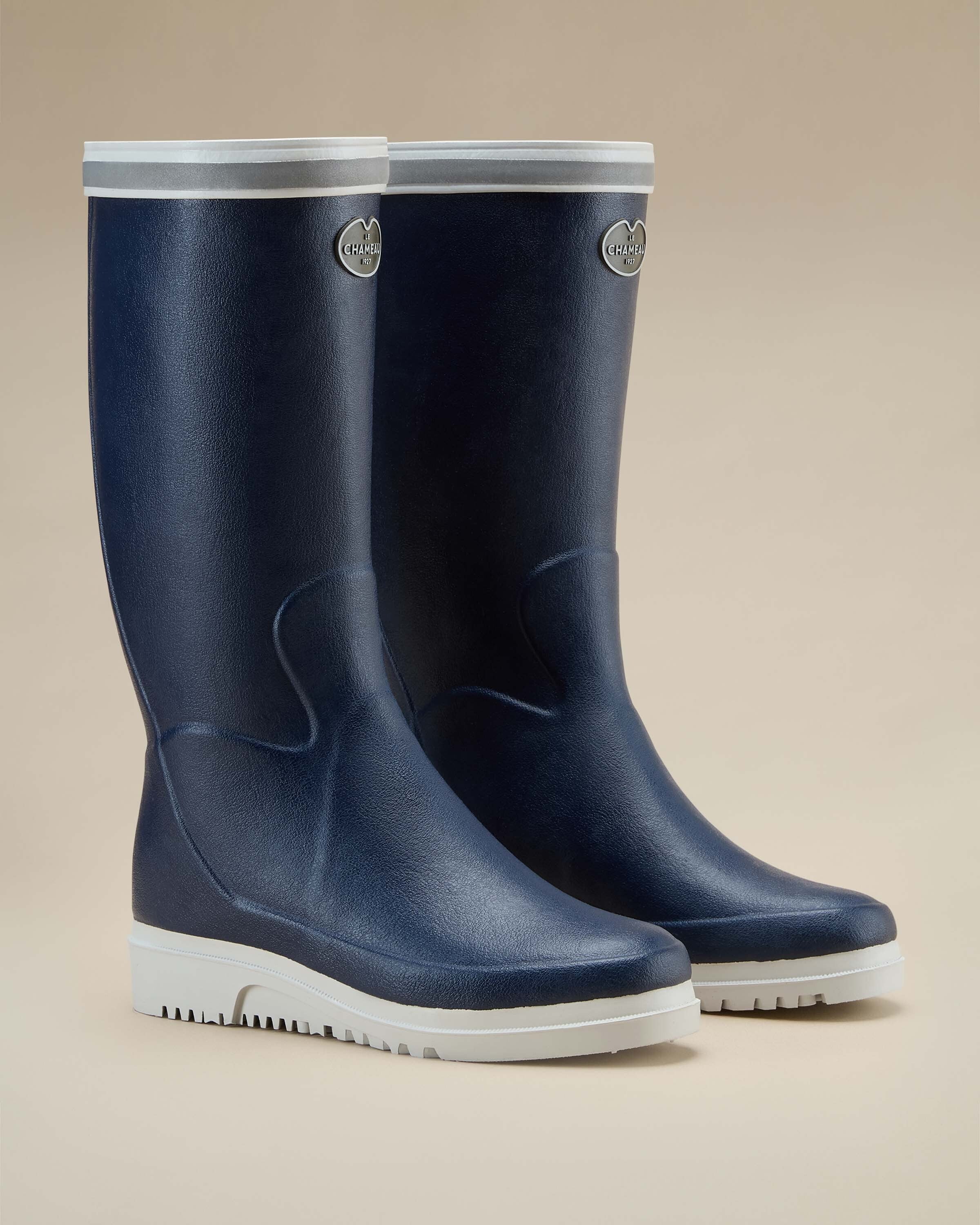
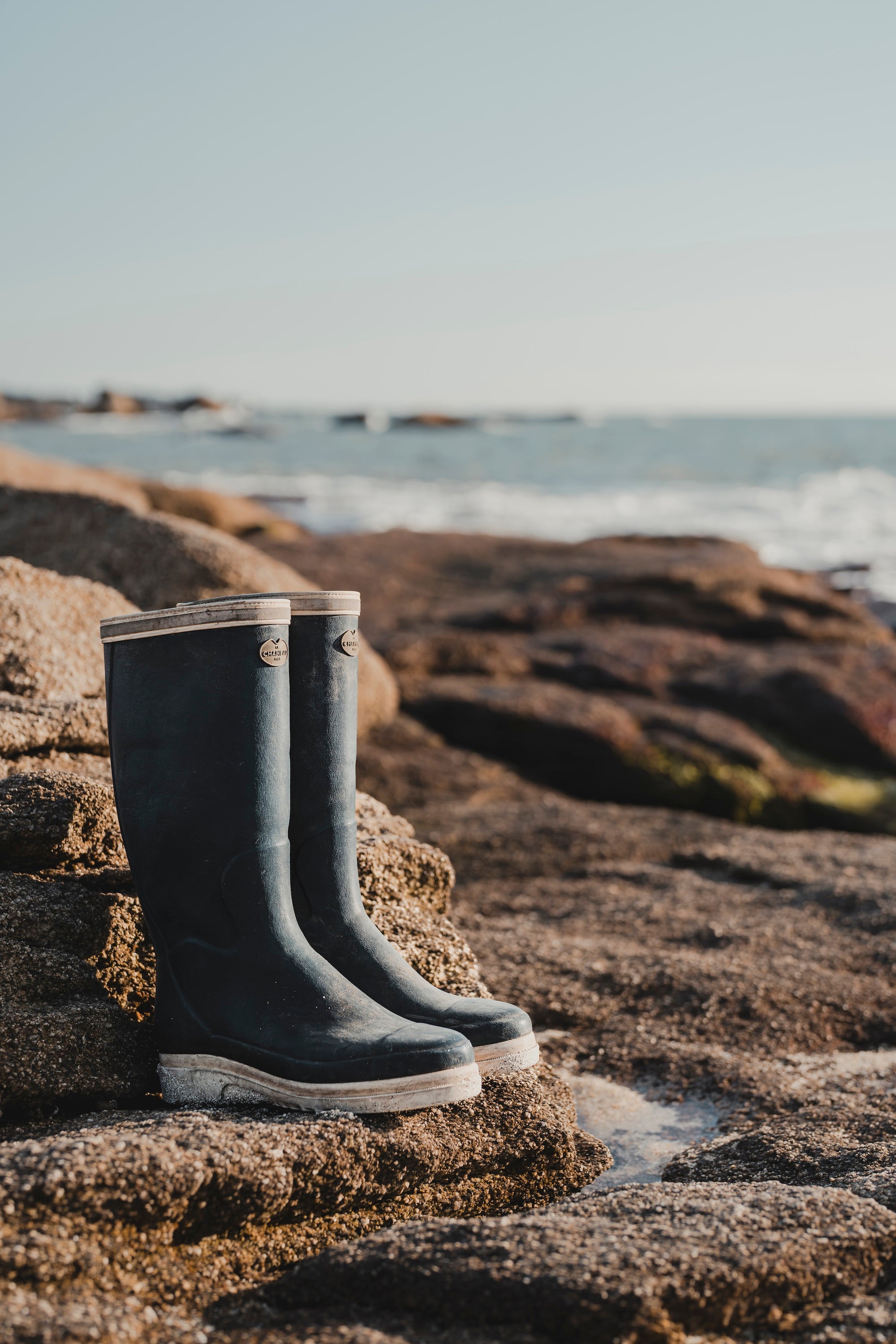
We caught up with Guirec recently during an event celebrating his latest extraordinary adventure. Le Chameau has proudly sponsored Guirec’s project for the past two years, supporting him in his increasingly ambitious challenges, driven by rare determination, humility, and commitment — always wearing our Neptune boots, which have accompanied him on every expedition.
In recent months, Guirec once again pushed the boundaries of extreme sailing, breaking the record for a solo reverse circumnavigation of the world in a multihull, completing the feat in 94 days, 21 hours and 58 minutes, shattering a record that had stood for more than 20 years.
Hear from Guirec as we explore his relationship with exploration, nature, and the elements, as well as understanding his incredible desire and drive for extreme adventure and expedition.
You have completed some epic adventures in the wild, what is it that drives you to explore the wild?
What I love most is being far away from civilization, entering the complete wilderness. There is something special about being far away, alone at sea. That’s where I truly feel like myself, where I feel in my element. Feeling tiny in front of nature, knowing that I can only rely on myself, that’s something that really drives me.
I also like to meet very remote communities that can teach me new ways of living and seeing the world. Take Greenland for example, living with the Inuit people, going fishing with them, experiences like that are incredible.
Another thing that fascinates me is the underwater world. I would love to explore it even more because today we still know so little about the oceans. One of my dreams would be to go down in a submarine to extreme depths and discover another world entirely, probably filled with huge and strange-looking creatures!
What was amazing about sailing this reverse round-the-world trip on a multihull was the feeling of being a pioneer, being the first to do it on that type of boat. I absolutely loved that challenge.
You have a deep connection to water and its craft – can you describe your raw emotions when out in the complete wilderness /what it feels like when it’s just you and the water?
What I feel is pure power. These are unique moments where I feel like I’m the only person experiencing this exact moment in time. It’s incredibly intense, exciting, almost like a constant adrenaline rush. It reminds me of the feeling of skydiving, jumping out of a plane and falling at over 200 km/h. For me, being caught in a huge storm at sea gives the same kind of intensity. I love feeling strong in an environment where, at the same time, I feel incredibly small compared to nature.
Tell us a remarkable story when out sailing in the wild (polar bear/Inuit community)
During the Northwest Passage, I remember spotting something moving far away in the distance. At first, I thought it was a seal. But as I got closer, I realized it was actually a polar bear. It felt completely unreal.
But one of the most intense memories of my life was spending the winter trapped in the ice in Greenland. I was surrounded by sea ice about 30 to 40 centimeters thick, but despite that, it was unstable because of the wind. Then a huge storm arrived. The swell started moving underneath the ice and suddenly everything exploded apart like a giant puzzle.
I found myself right in the middle of it, completely powerless. My boat was being crushed and twisted by the moving ice. There was no sunlight because the sun had disappeared for 70 days. Temperatures dropped to -40°C, sometimes even -60°C… and you’re completely alone out there. Well, not entirely alone because I had Monique with me, but still, that was one of the rare moments where I was truly afraid. I started wondering how it was all going to end, scared of losing my boat. I prepared all my survival gear, got my paddleboard and dinghy ready, but I also knew that surviving on moving ice blocks would mean jumping from one piece of ice to another. That’s when all the worst-case scenarios started running through my mind.
Being in that ice field for 130 days and the experience you went through, did you learn anything about yourself?
That experience forced me to confront myself. It was the first time in my life that I had been isolated for such a long period, with almost no contact with the outside world. And 130 days is a very long time.
But at the same time, there’s something incredible about being completely alone with yourself. You finally have time to think about all the existential questions you usually avoid in everyday life because we’re always rushing. Out there, it almost feels like time stops.
It was both the hardest and the most beautiful experience of my life. I experienced unforgettable moments: the Northern Lights, caribou walking across the ice, cutting holes in the ice so I could fish.
I also learned about my father’s death from a fisherman on the very first day. That was incredibly difficult to deal with. But somehow, I kept telling myself that I wasn’t truly alone, that my father was still with me throughout the journey.
Which ocean is the most difficult to sail in the world?
That’s not an easy question. For me, the Indian Ocean is probably the toughest because the sea state is very rough and chaotic, with short and violent waves that really punish the boat. It’s exhausting and uncomfortable.
That said, I would still rather cross the Indian Ocean in good conditions than sail above the polar circles during winter. Up there you must deal with extreme cold, ice, and incredibly violent seas. Those are places where you absolutely must respect the seasons.
And of course, I must mention Cape Horn, which I’ve been lucky enough to round three times in my life — twice eastbound and once westbound. It’s known as a real graveyard for boats. The seas there can become enormous because the ocean depth changes dramatically, going from around 5,000 meters to only 50 or 100 meters. Storm systems also get compressed between Antarctica and Cape Horn, creating extremely powerful winds.
Where are the most beautiful places you have travelled to – both on land and sea?
For me, without a doubt, it’s the Arctic and Greenland. In fact, this summer I’m taking my wife and children there for two and a half months because I promised my kids I would help them see a polar bear. That’s our mission for the summer. It’s a place I feel deeply connected to because I spent a lot of time there and met incredible people.
More recently, I also discovered Easter Island. Those islands are incredibly wild and isolated, far away from civilisation. I would have loved to spend more time there, but during the voyage it simply wasn’t possible.
Ocean conservation is a big aspect for you; do you see the effects of climate change and pollution on your sails?
Yes, I see the change very clearly. If I take Greenland as an example, I already know that if I went back today to some of the places I visited years ago, the landscapes would already look different. The ice cap is shrinking significantly.
Near Antarctica, I also witnessed a gigantic section of ice shelf breaking away — around 250 square kilometers, more than twice the size of Paris. It was enormous.
Then there’s pollution at sea. You constantly see debris floating around: fishing nets, plastic containers, boxes, fuel drums, not to mention all the things we don’t see beneath the surface, which are especially dangerous for sailors because hitting something at high speed can become catastrophic very quickly.
I do feel that in France and across Europe, people are becoming more educated and aware about protecting the oceans. But when you still see countries where waste is dumped directly into rivers that eventually flow into the sea, you realise there is still a huge amount of work to do.
What are the lessons you have learnt on your travels to share with others?
One memory that really stayed with me happened during my return Atlantic crossing by rowboat. I came across a Northern gannet with fishing line tightly wrapped around its leg. It was so tangled that you could immediately tell the poor bird would probably never manage to free itself. Seeing something like that is heartbreaking.
I was raised to respect and protect the incredible nature around us, and today I try to pass those values on to my children as well. I also spend time speaking in schools to help raise awareness among younger generations.
What are your 3 top tips in getting involved in sailing, if they wanted to follow your path or at least start sailing?
First of all, follow your own path. Don’t compare yourself to others or constantly compete with them. Secondly, surround yourself with the right people and always stay eager to learn. Join a good sailing club, spend time with experienced sailors, and learn step by step. Today there are also co-sailing platforms that make it easier for beginners to gain experience. And finally, stay cautious, stay determined, and never give up, even in the hardest moments. Always keep a positive mindset.
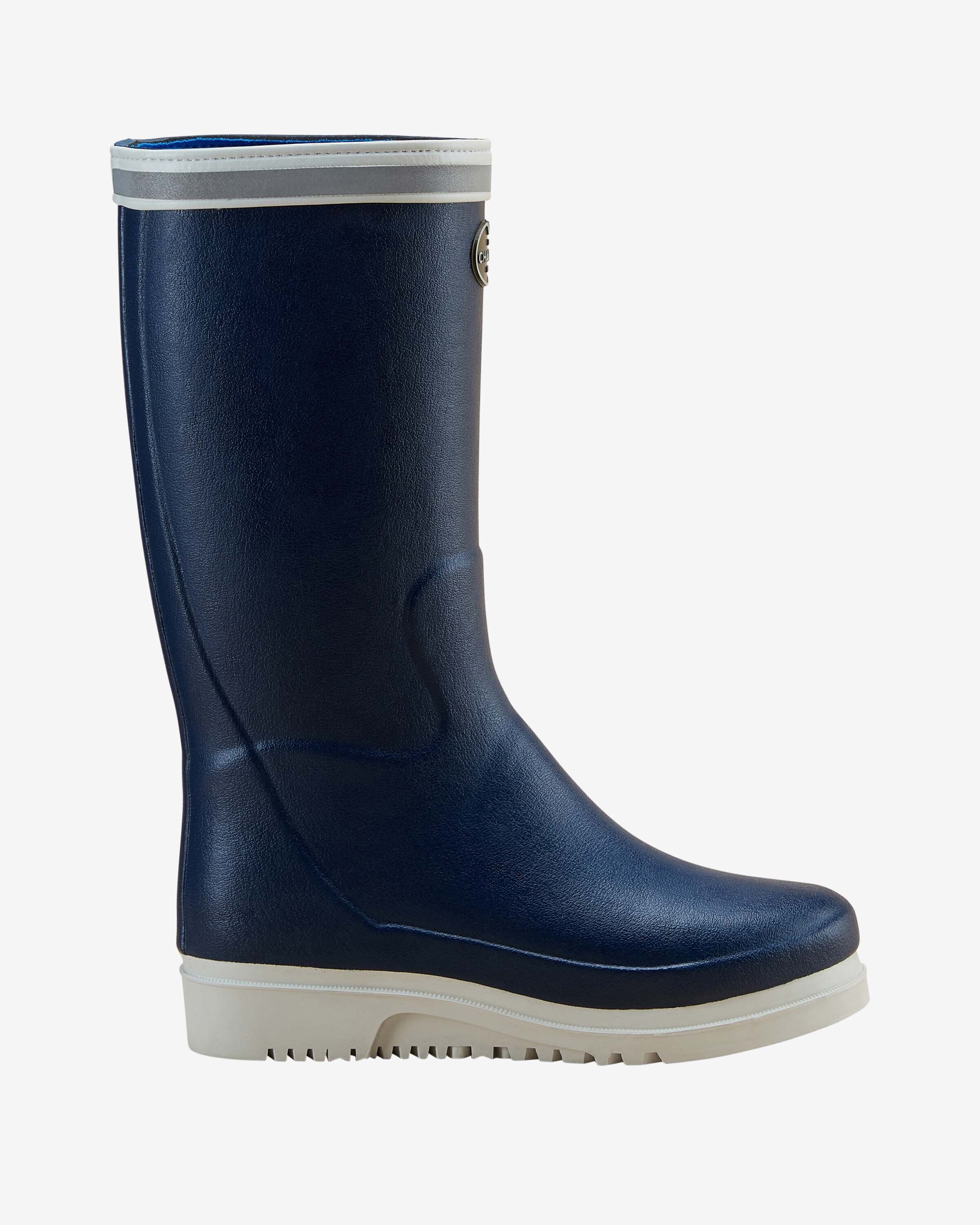
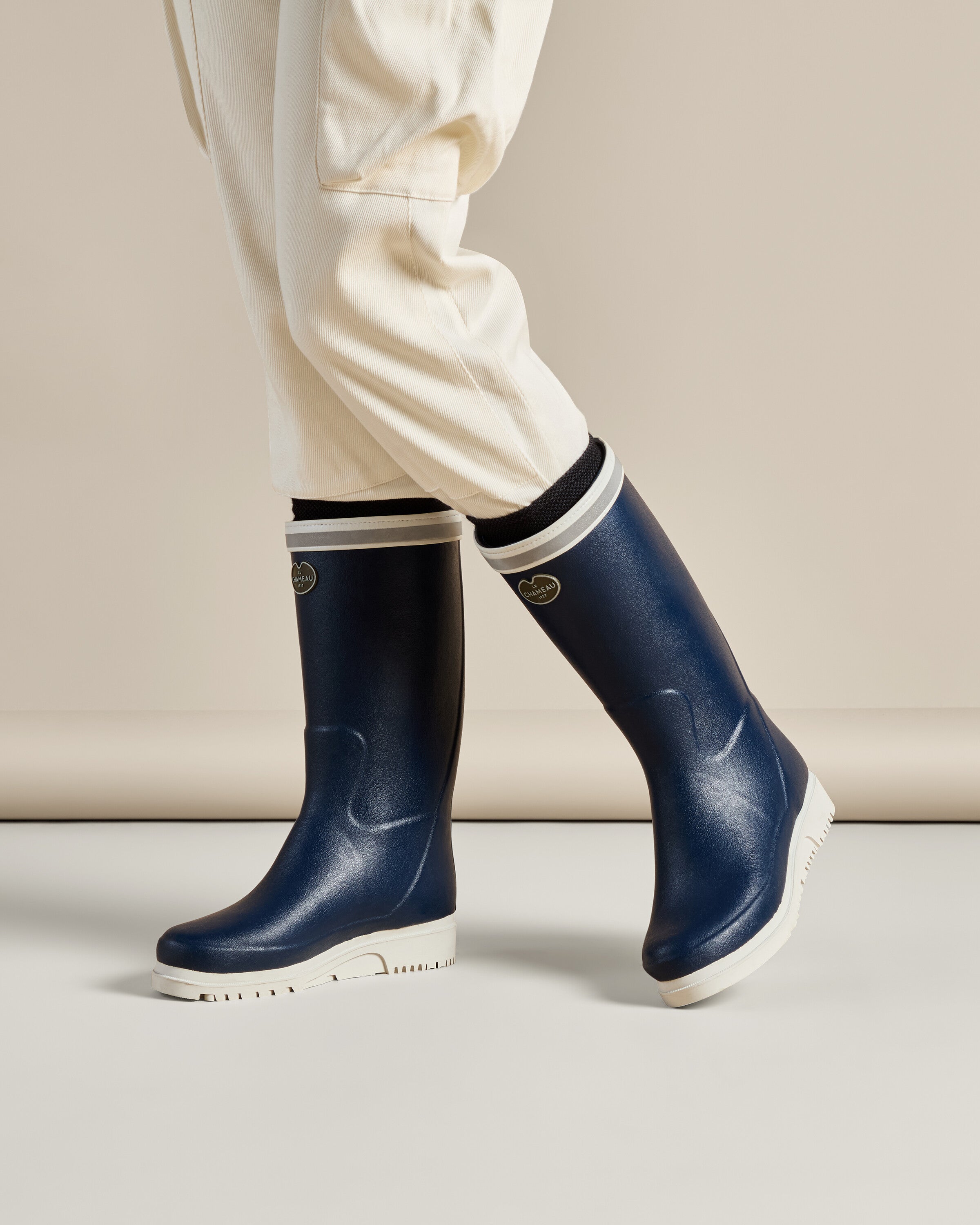
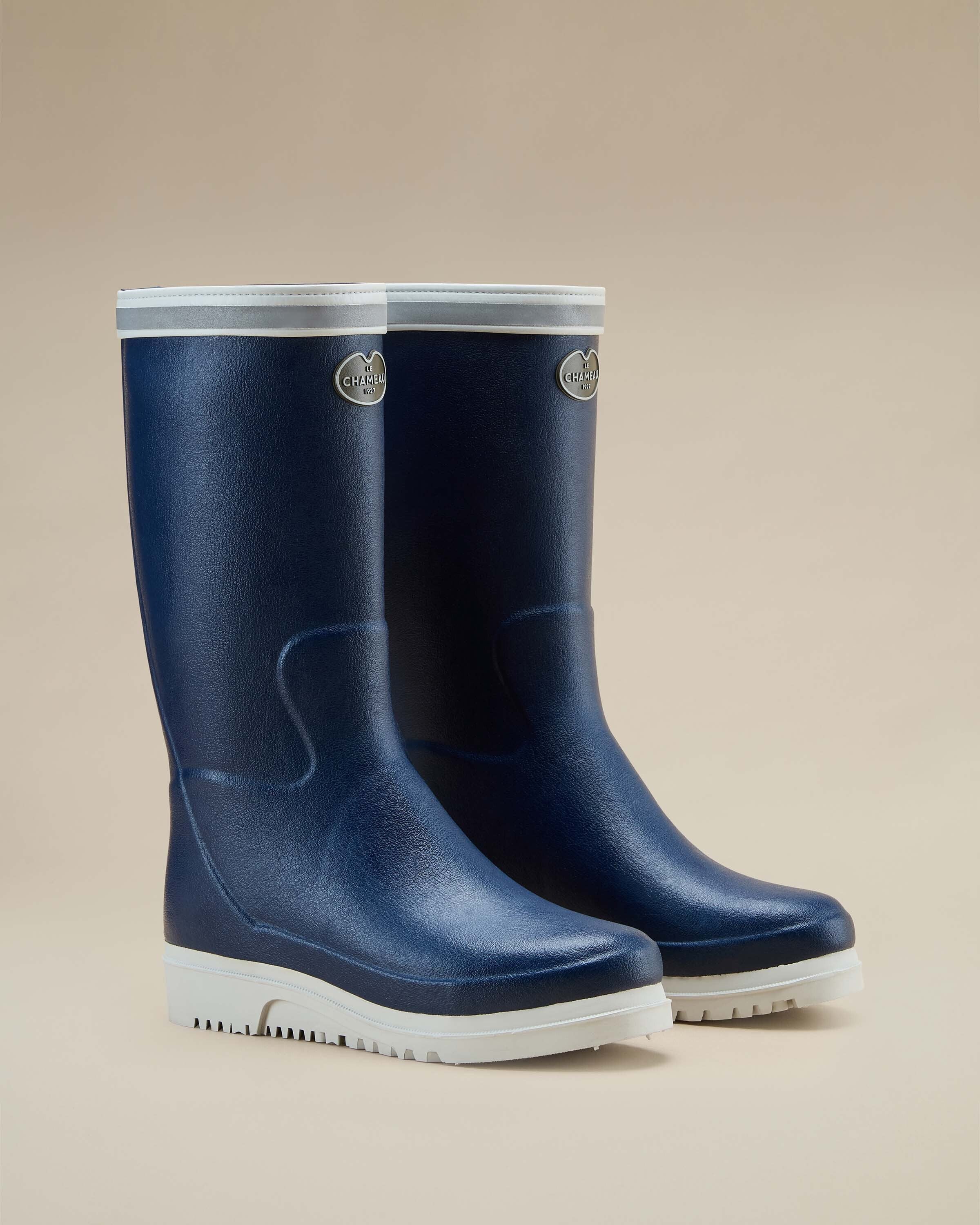
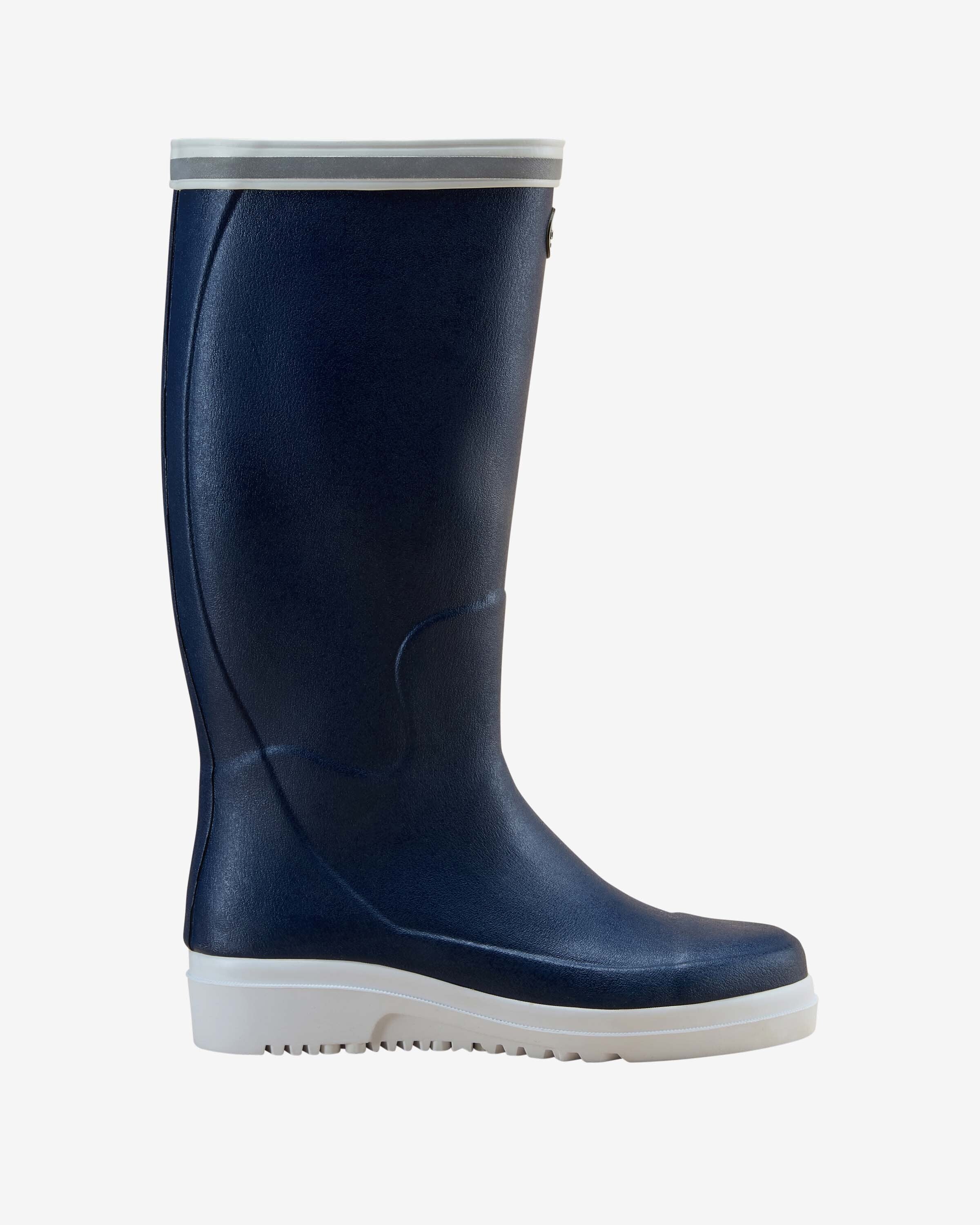
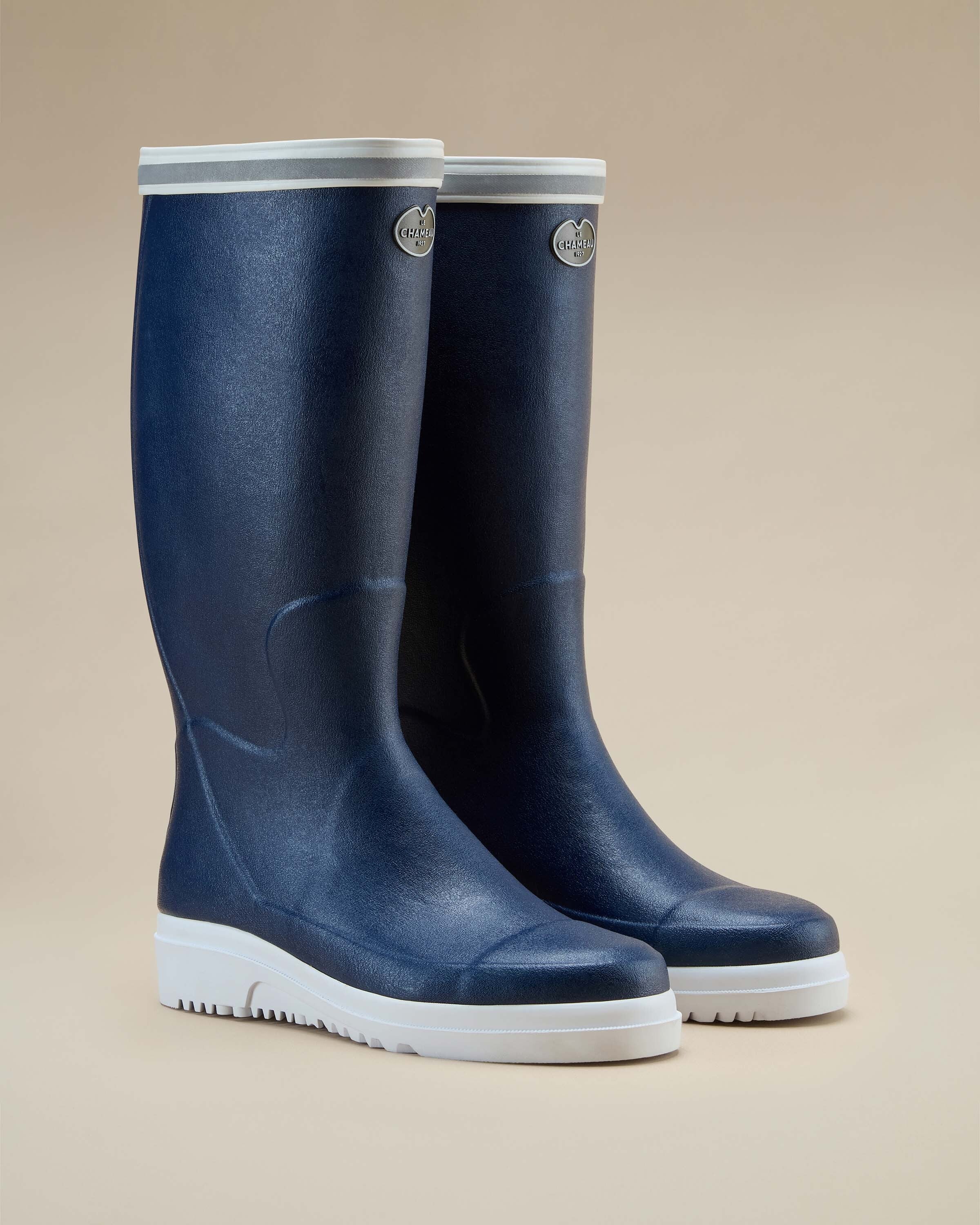
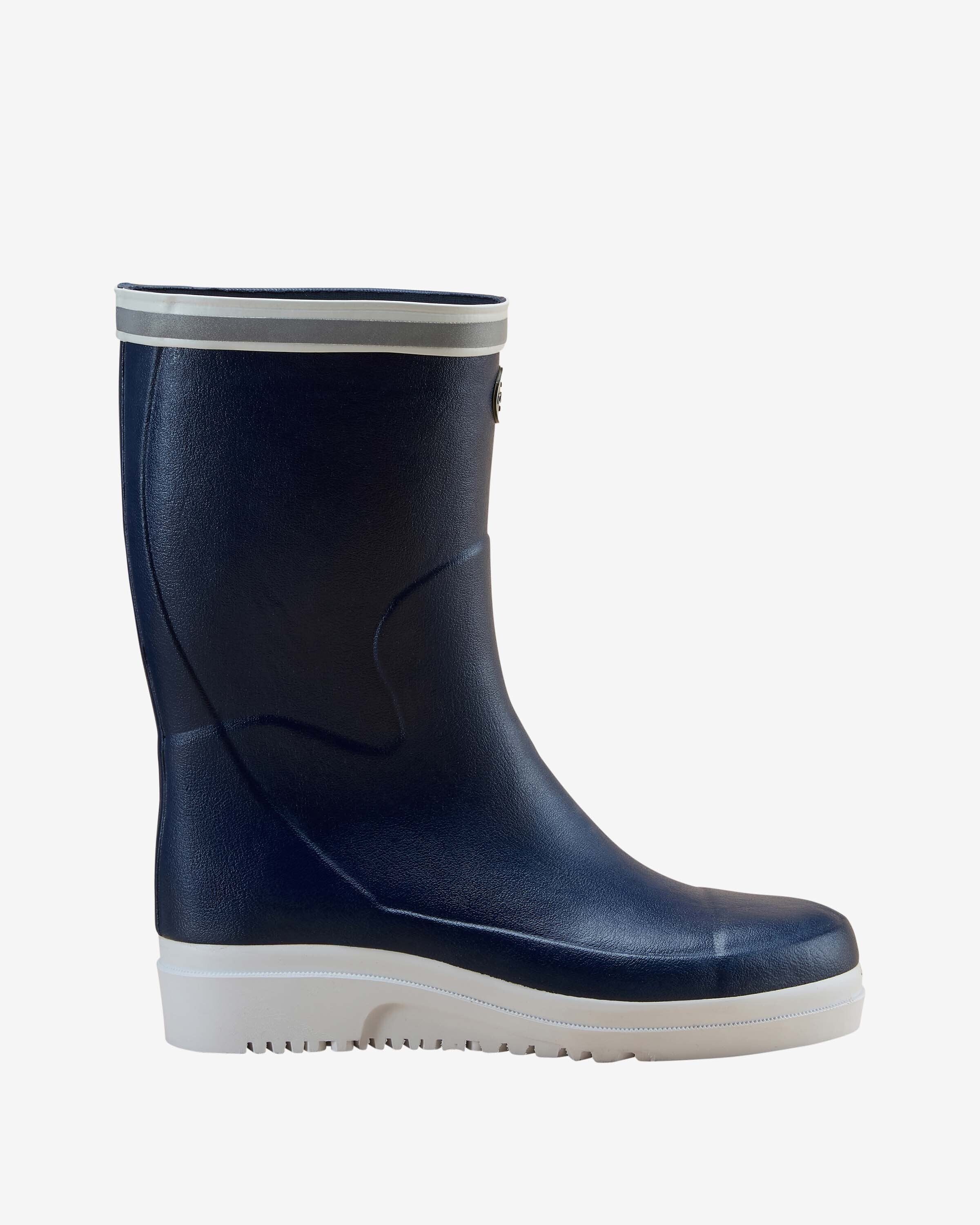
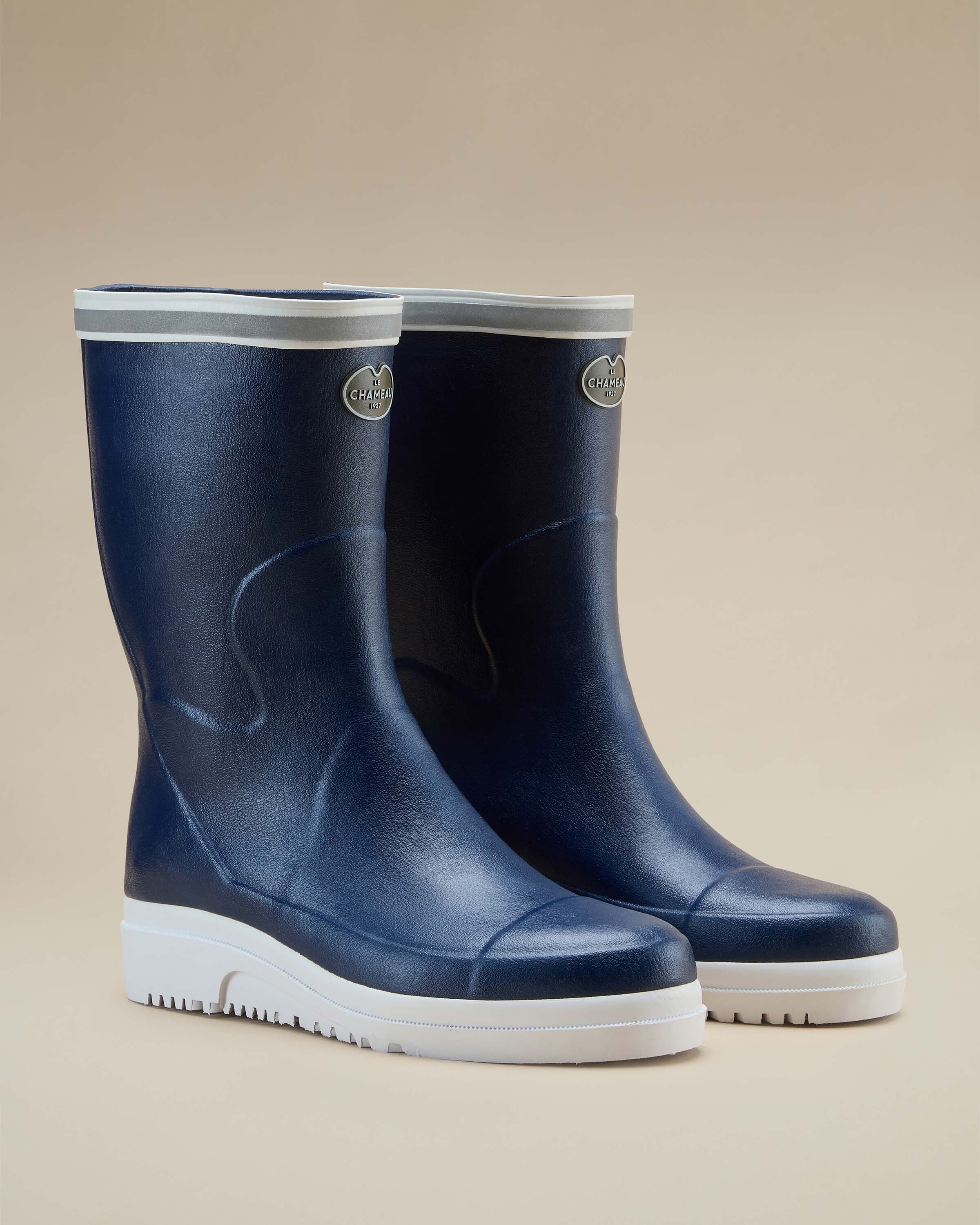
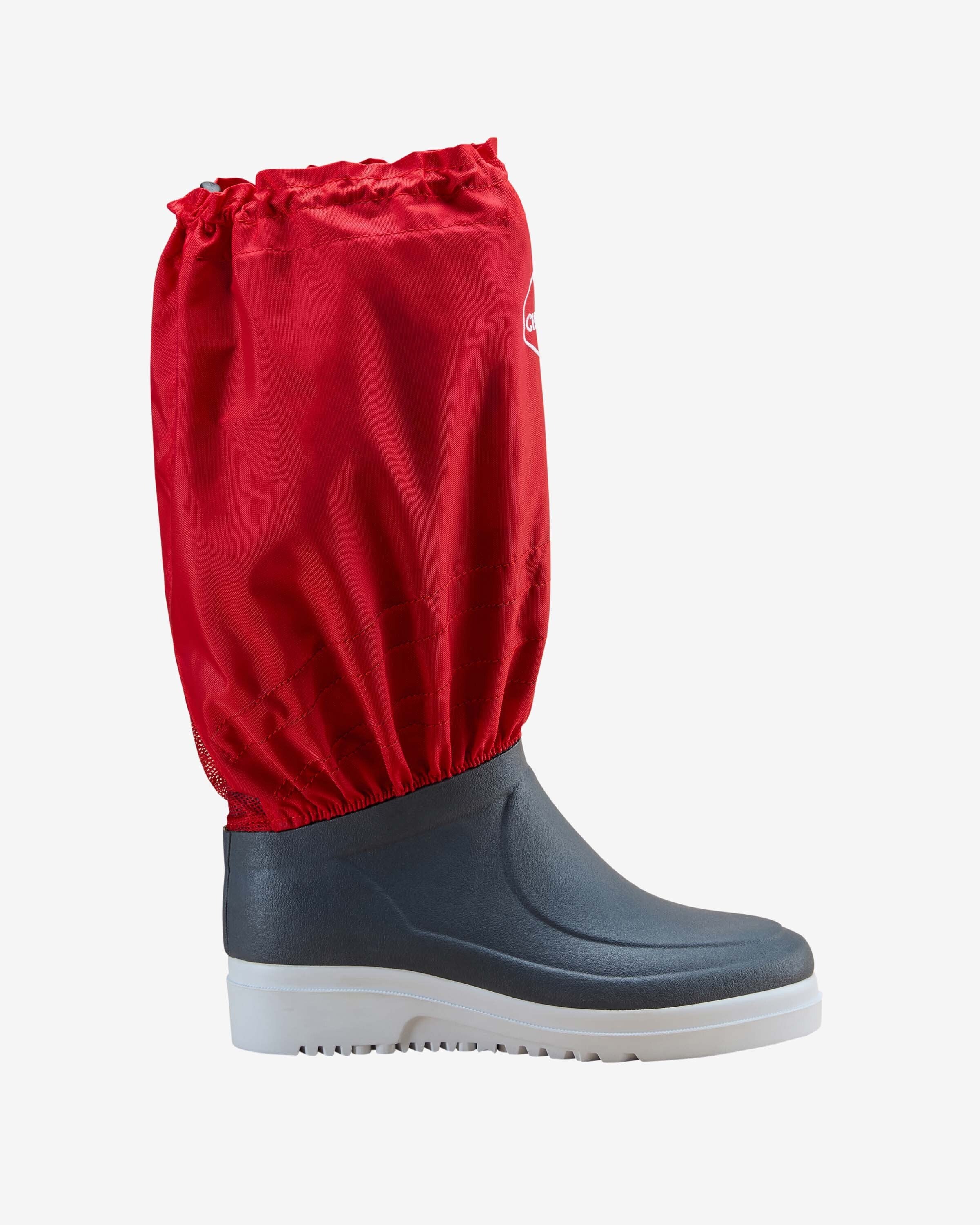
Marine Evo Damen-Gummistiefel mit Pontifutter Marineblau€190Marine Evo Herren-Gummistiefel mit Neoprenfutter Marineblau€230Marinord Evo Damen-Gummistiefel mit Neoprenfutter Marineblau€230Marine Evo Herren-Gummistiefel mit Pontifutter Marineblau€190Marine Evo Herren-Gummistiefel mit Pontifutter- Kurzmodell Marineblau€190Neptune Herren-Gummistiefel mit Neoprenfutter Dunkelgrau€390

 Stewarding the Downs: Life at Cowdray EstateBeitrag lesen
 Harvesting Apples this HalloweenBeitrag lesen
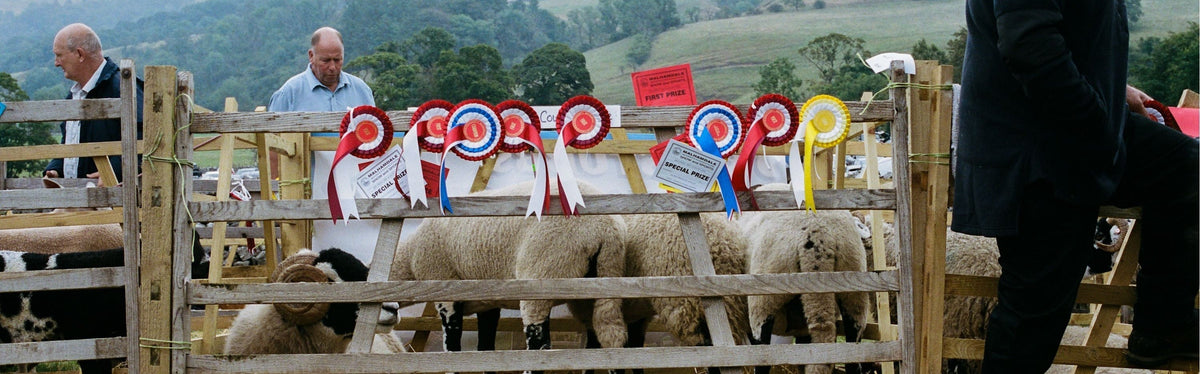 Country Shows: The Best of the Rural LifeBeitrag lesen
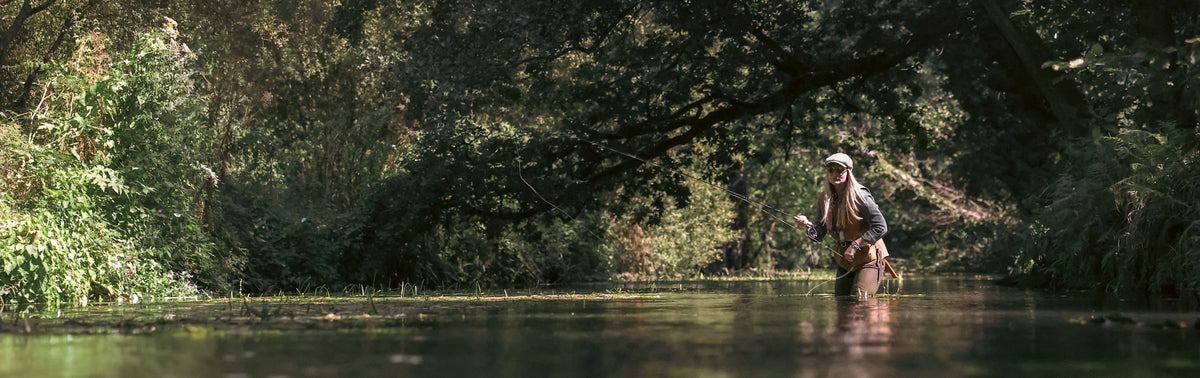 At One with Nature: Fly Fishing with Marina GibsonBeitrag lesen
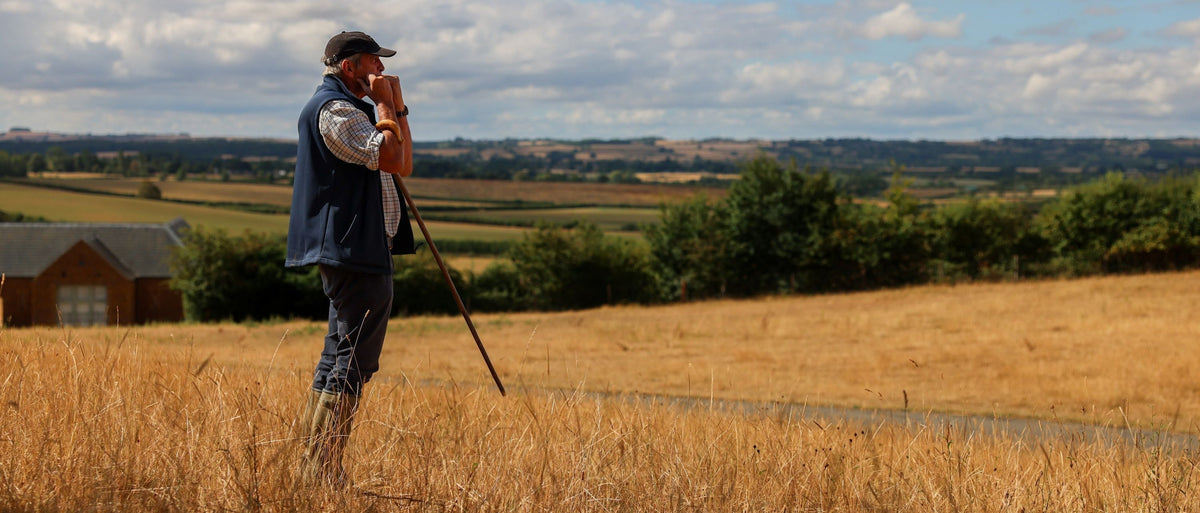 At Daylesford: One Man and his SheepdogBeitrag lesen
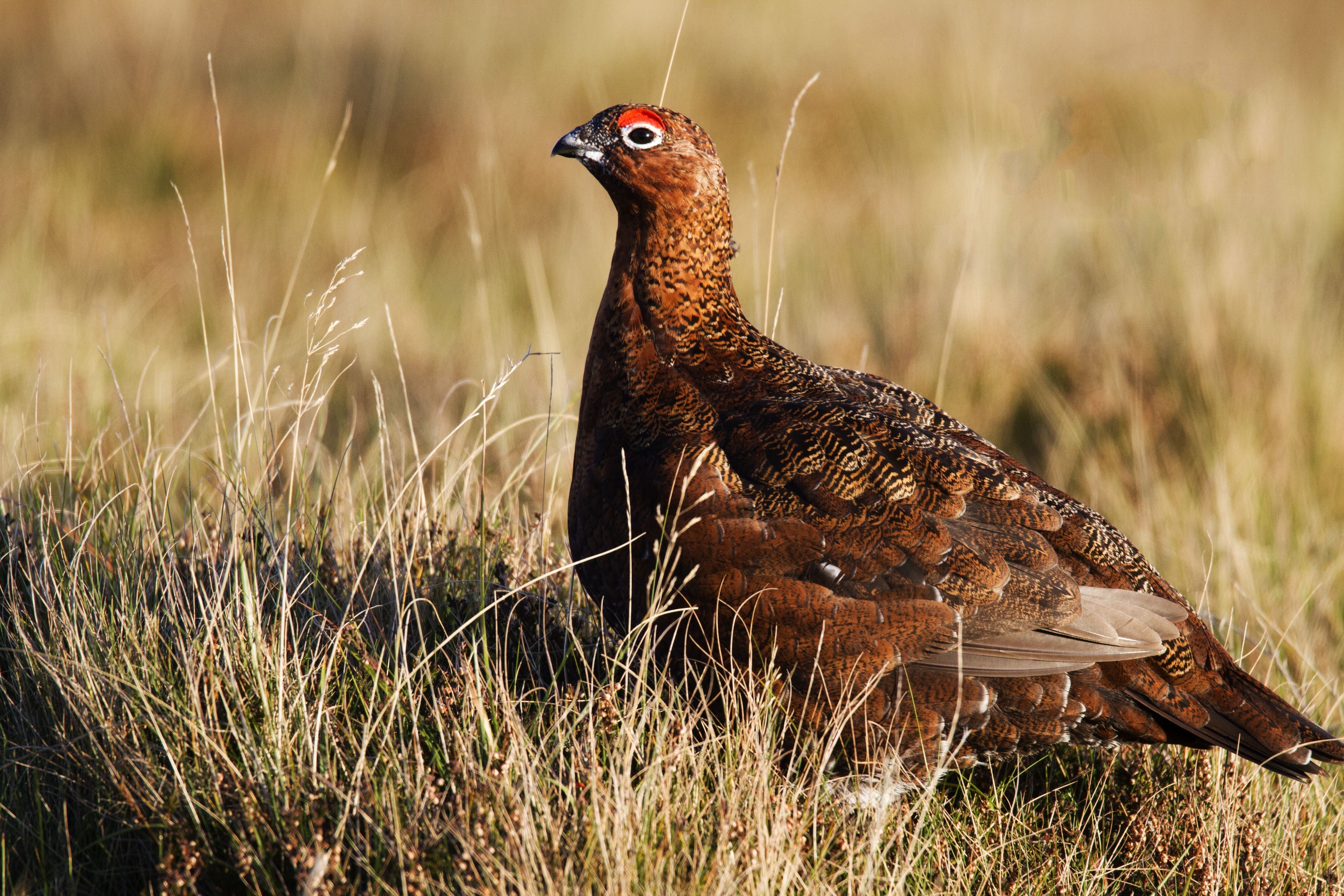 The Glorious Twelfth: All You Need to KnowBeitrag lesen
 On-Farm this Summer: Farming in a Changing ClimateBeitrag lesen
 Discover Holkham: Glasshouses, Gardens and Glorious WalksBeitrag lesen
