
 Stalking Deer through Sussex with Jason Griffin
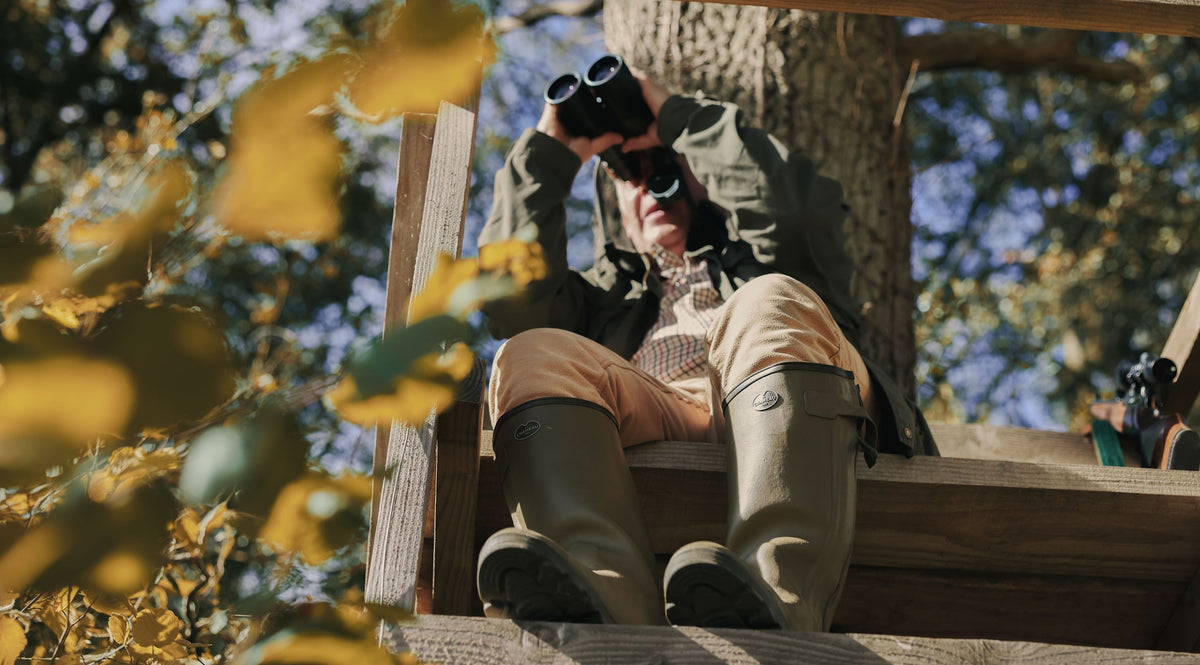
Each step is considered and delicately placed on the woodland floor, masterfully missing the dried bracken and fallen leaves now brittle underfoot. The ground is rough, uneven and dabbled in the late autumn light. Somewhere amongst this maze of trunks, shards of sun and bracken, you’ll find Jason Griffin, who knows this land better than any. So quiet in fact is Jason walking under a golden canopy and looking through his field glasses every few metres, that several fallow deer foraging delicately in front of him are none the wiser of his presence.
In the depths of a copper beech and silver birch woodland in Sussex on the Cowdray Estate, dressed in its finest colours of rusts and reds; autumn is well and truly here, shining it’s glorious golden glow.
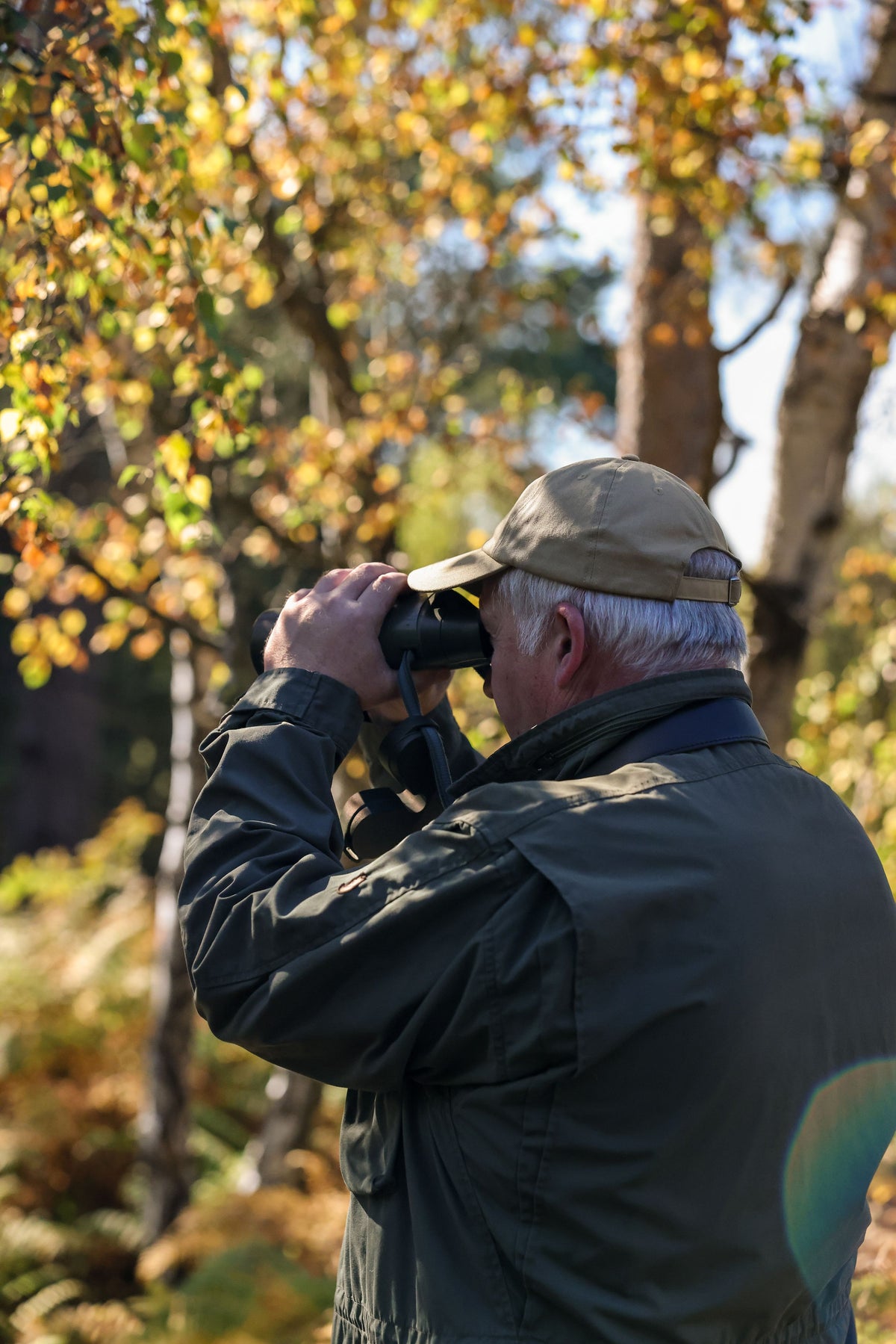
Led by his expertise, we spent the day following Jason to stalk and manager a herd of deer. Jason has been managing the deer at Cowdray Estate for almost 20 years. As we walk the woodlands and adjoining fields, we explore this most ancient countryside profession and hear from Jason on why it’s so important we sustain the skills of managing deer within these isles.
Managing Deer Through the Seasons
“My role as Deer Manager is a really diverse one being outside through all seasons,” Jason says. “It’s very rewarding. Lots of people ask me why we manager deer on the estate and I think the number one objective for us is to control the damage they cause. Wild deer eat and browse trees, whilst they can also damage them with their antlers, or at least the boys do. One of the biggest things is the loss of young trees in new plantations and crops for farmers, so it’s our job to control that damage so that the farmer and the forester have acceptable levels of damage, and that’s quite challenging as we go through the seasons.
“The forestry department on the estate covers an area of 6000 acres, and within that, there's a mixture of hardwood and softwood, planting about 45,000 trees. Before those young trees get past shoulder height, they are vulnerable to damage by deer. So, there's quite a long period, around five to seven years, when the deer can cause permanent damage. So, you can imagine the scale of trying to control that damage as we go through the seasons.
“Roe deer will damage trees in the spring and midsummer, whilst fallow will do quite a considerable amount of damage in the autumn, running up to the rut, and then over the winter period. If you have too many deer, both the boys and the girls will chew on the tops of young trees during cold and lean periods. That means it’s quite varied and we will need to make sure we keep the overall population down to a sustainable level.”

Vouching for Venison on Our Plates
One particular passion of Jason’s is to promote the consumption of venison. Not only is it an important part of the economics, making enough revenue through sales to cover the expenditure of running his vehicle and equipment throughout the year, but it is also about the nutrition and flavour of venison that Jason wants to celebrate. With the majority of meat consumed, specifically beef and lamb, not entirely raised on pasture, deer managed by Jason, on the other hand, only forages on wild foods throughout their lives, making the venison nutrient rich.
“As my work hours are quite strange, it's quite nice to have things that are very quick and easy. So, at home we tend to make big batches of old-fashioned dishes like cottage pie and lasagne. The meat itself is very moist and is incredibly healthy, very lean; a very misunderstood meat. A lot of people think that it's got a strong flavour, but it's not the case at all. It's a mild flavour, incredibly delicious. It’s free from drugs and medication and the stress of being enclosed. These deer have led a completely natural life up until the point where we will cull the animal.”
Le Chameau: Quiet Walks in the Country
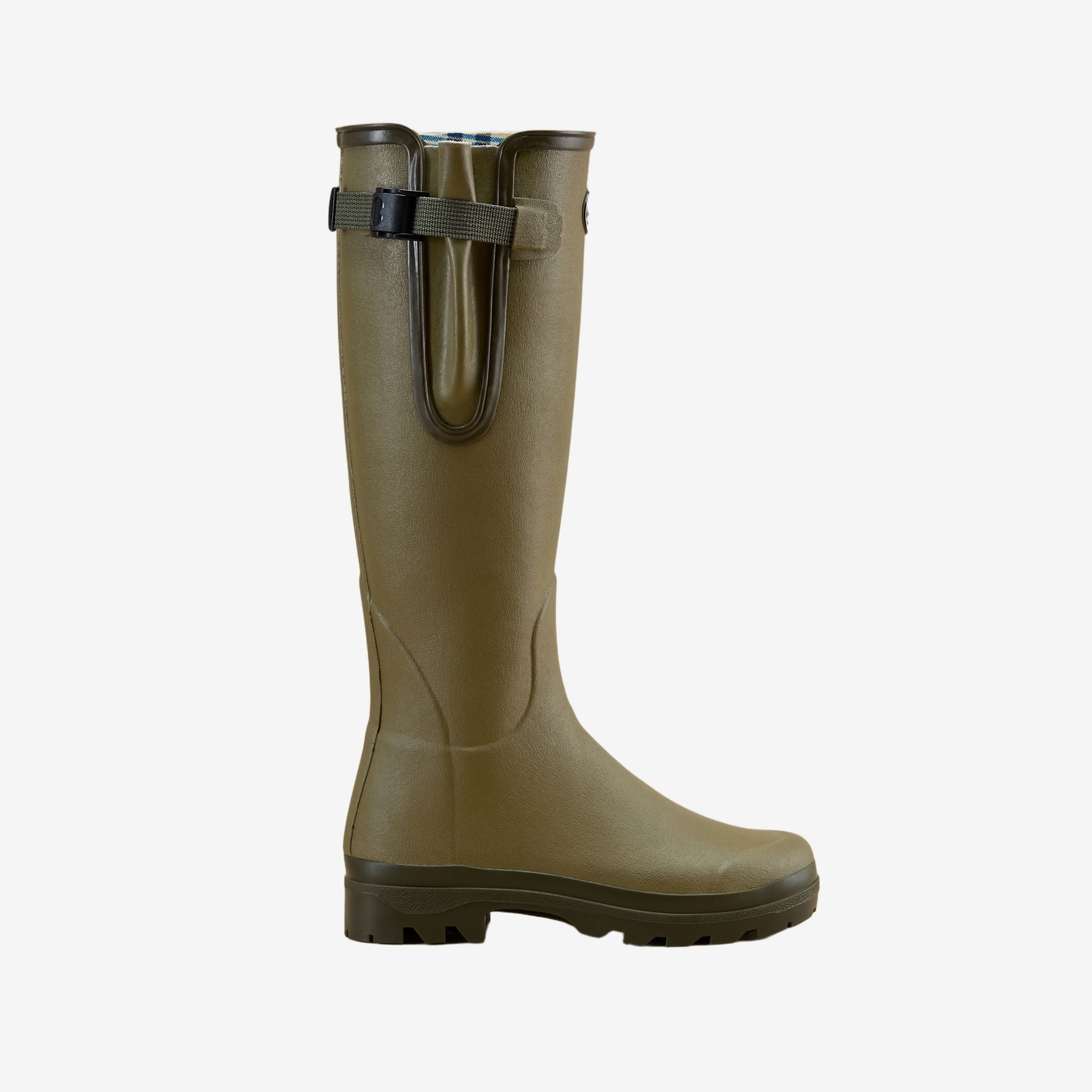
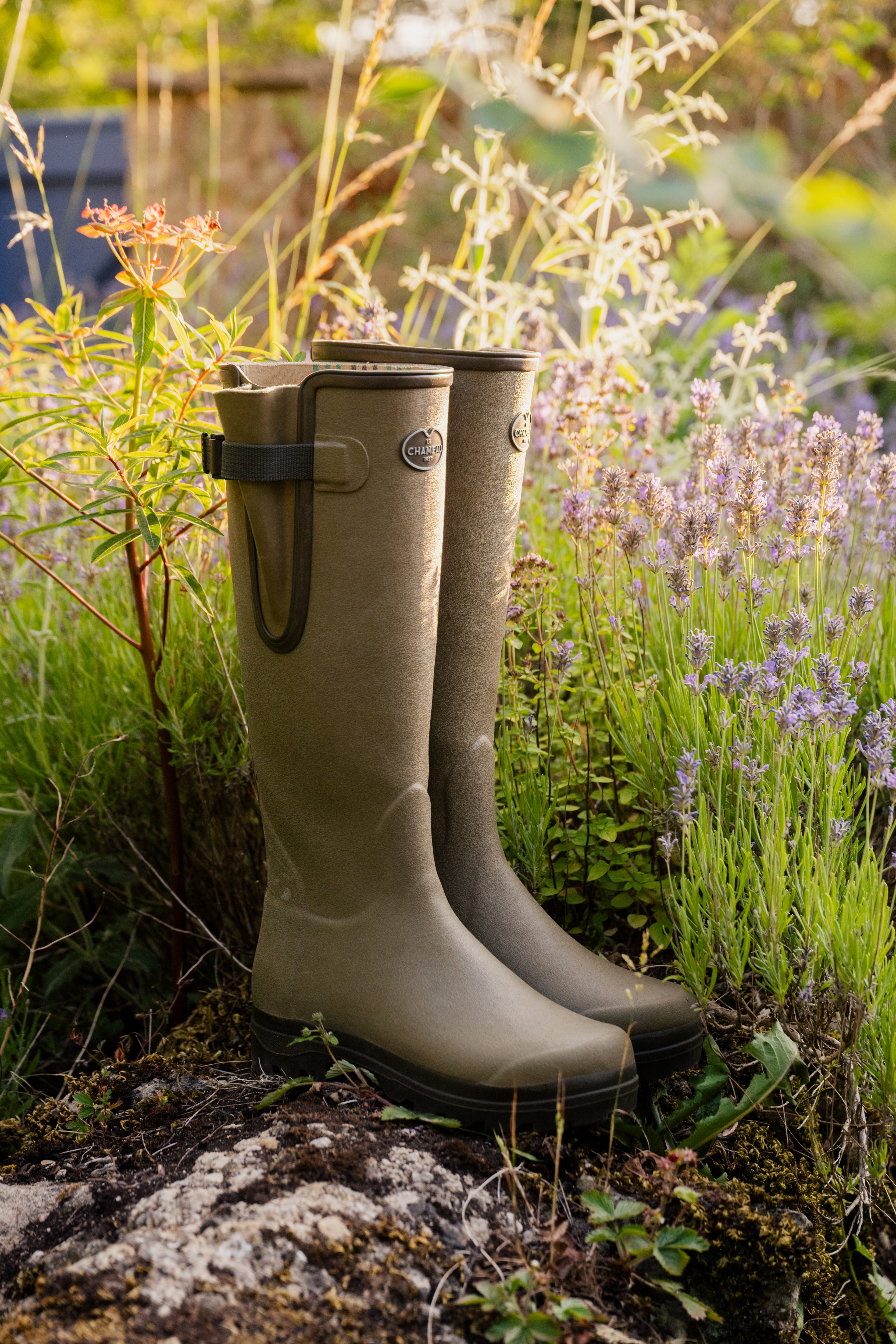
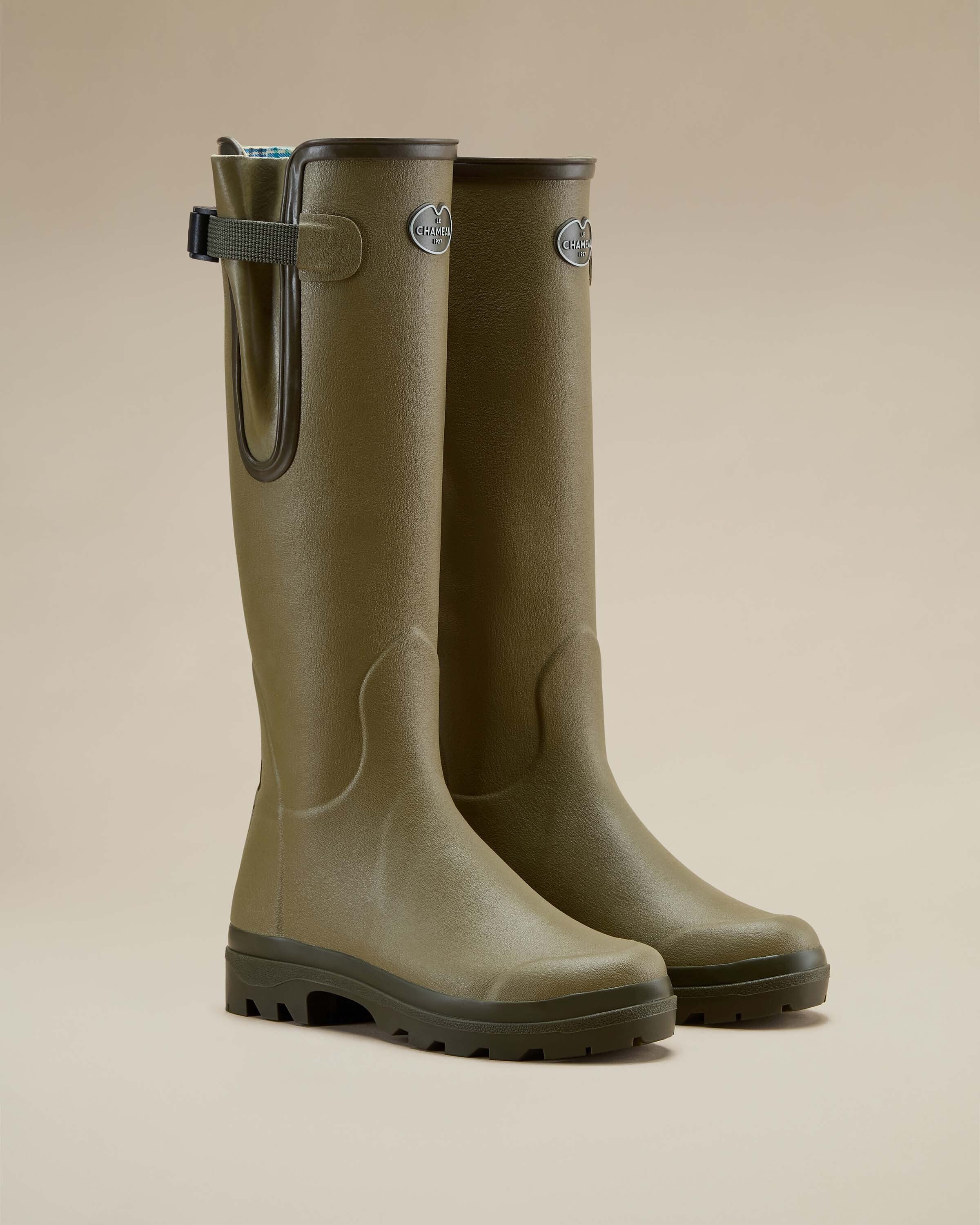
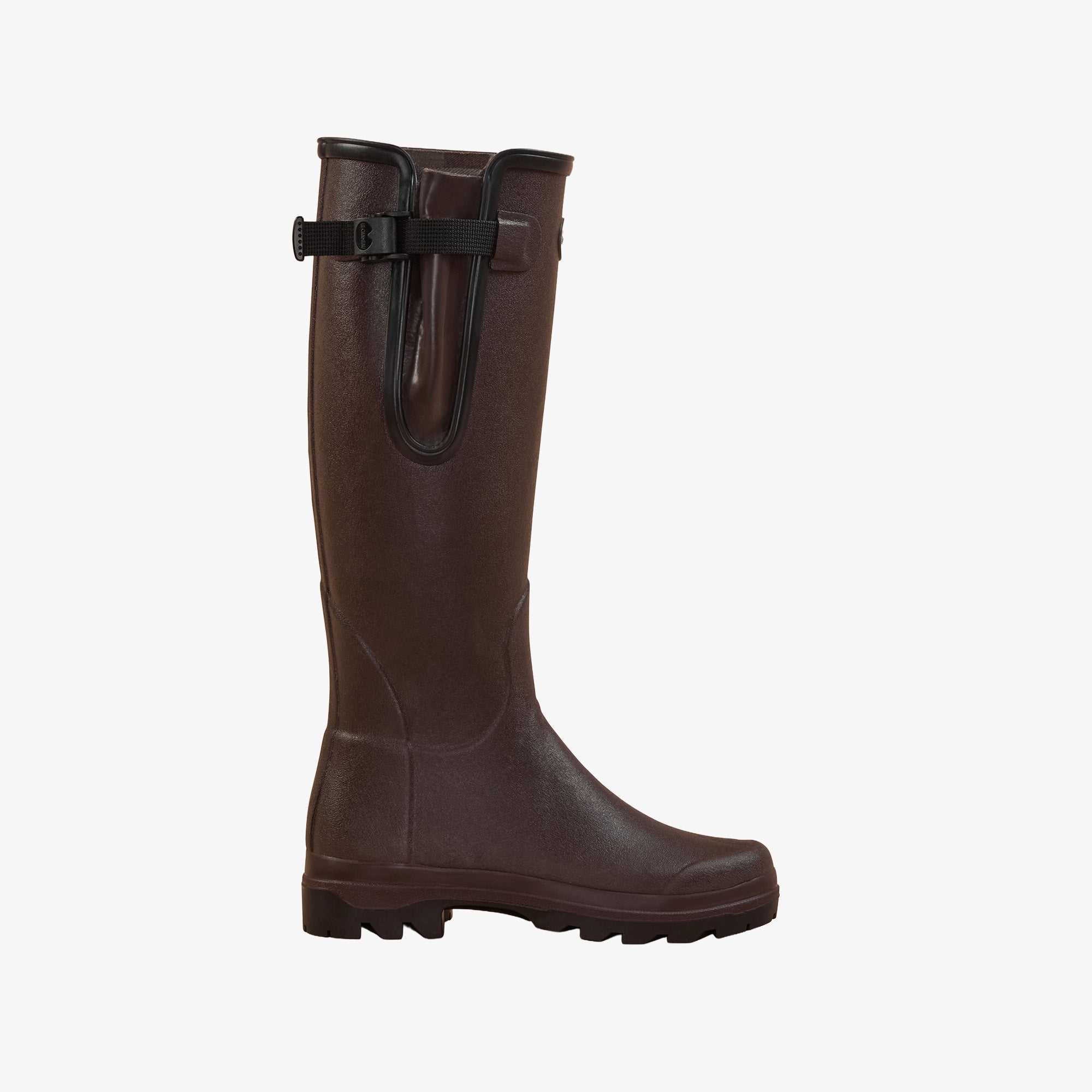
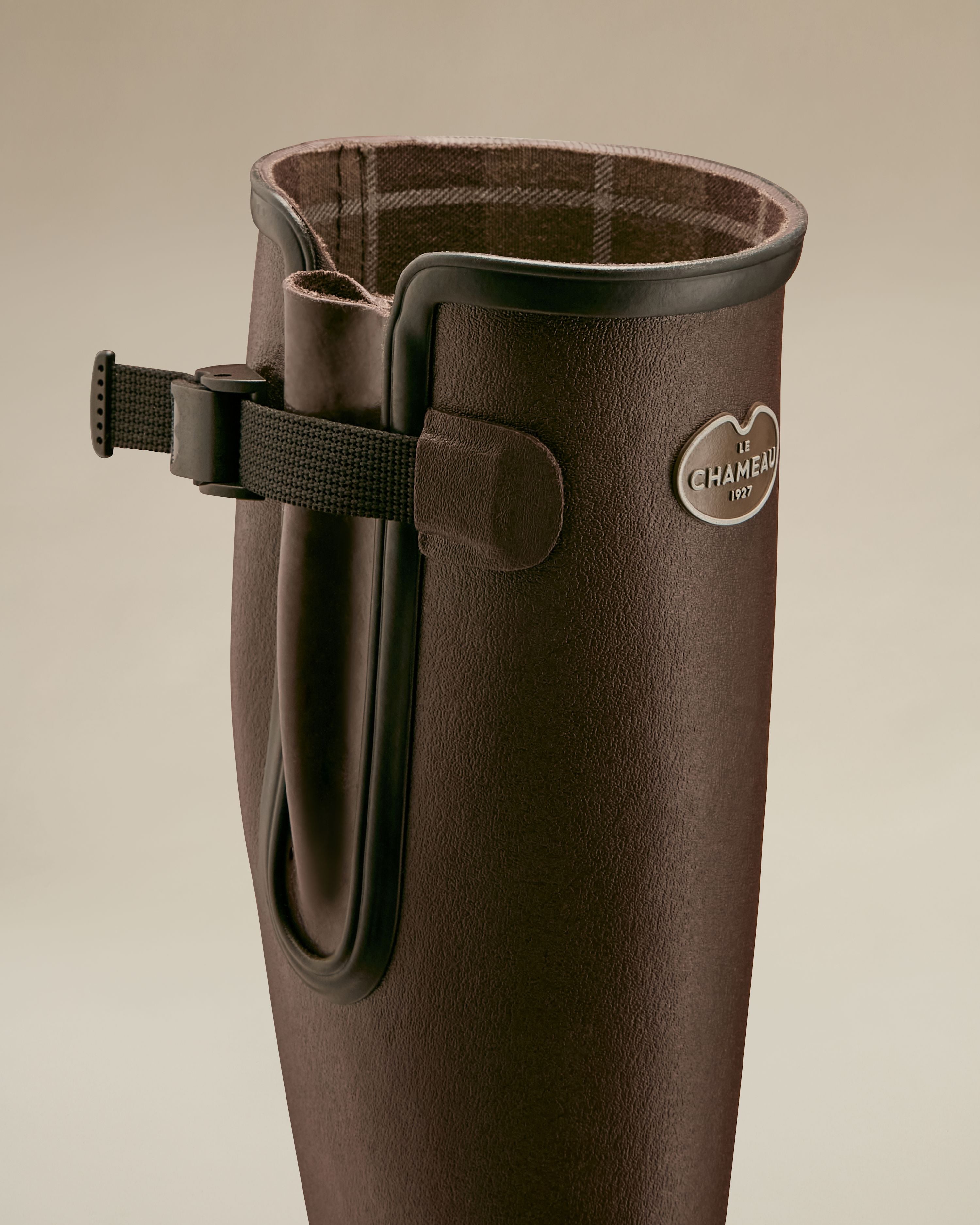
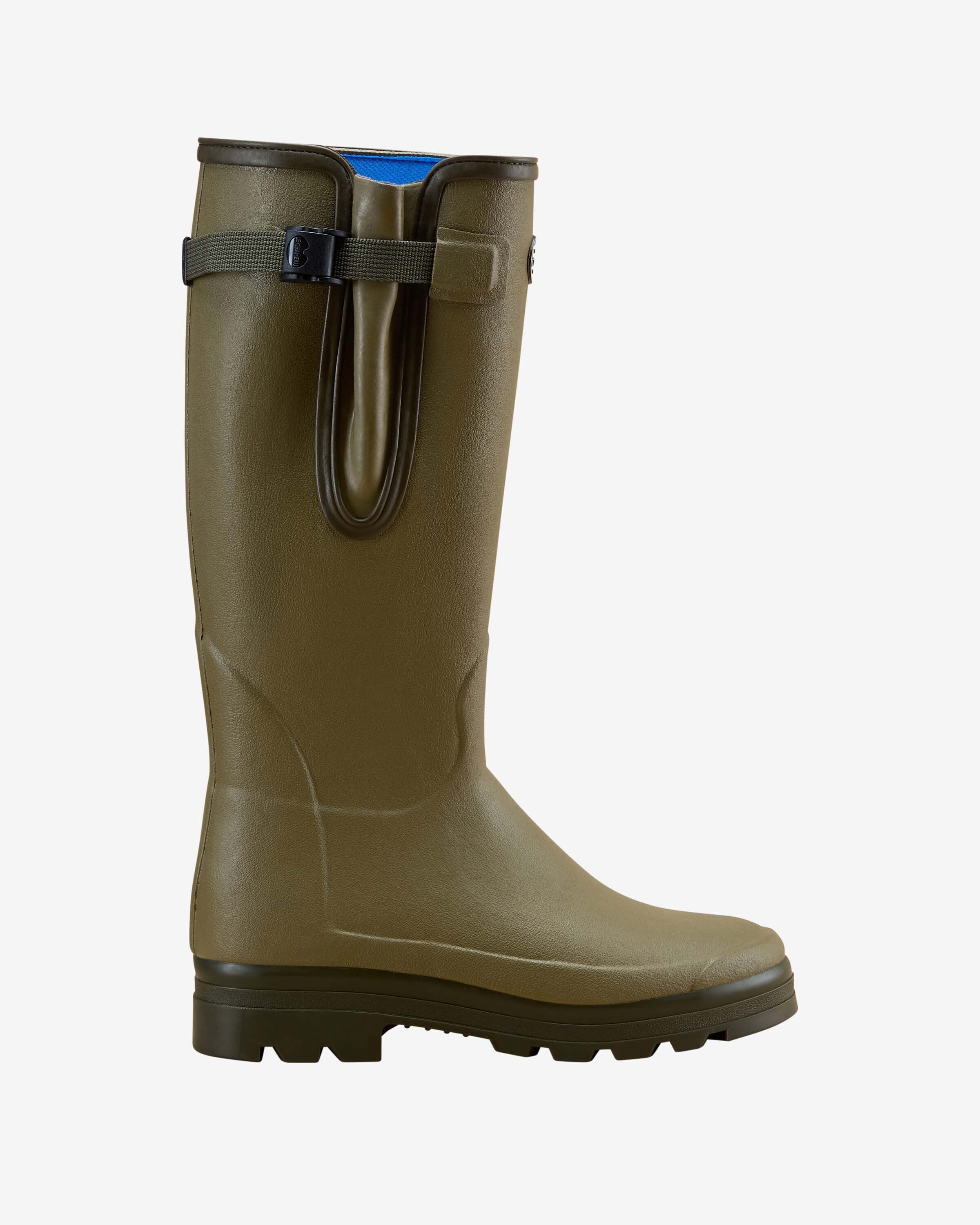
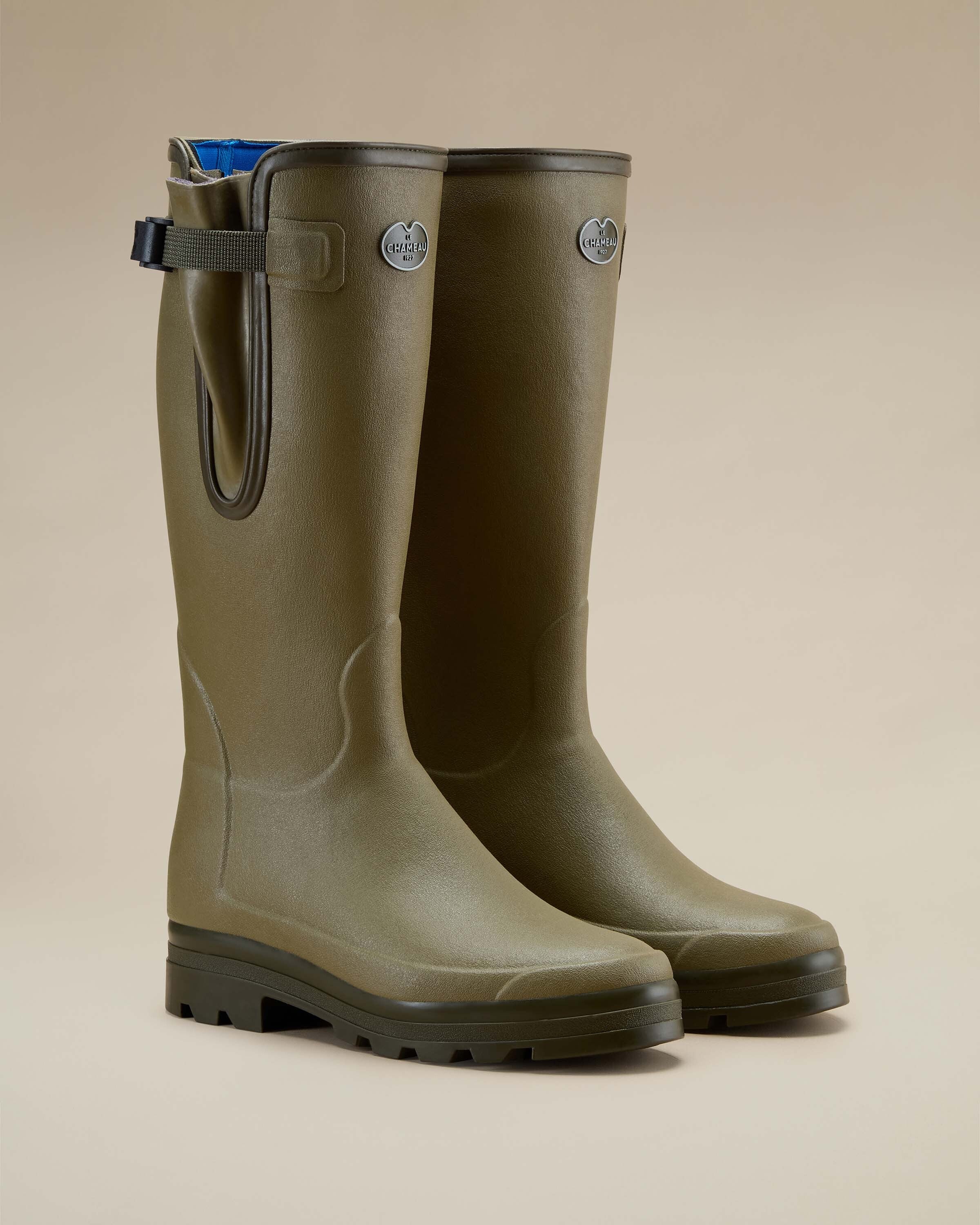
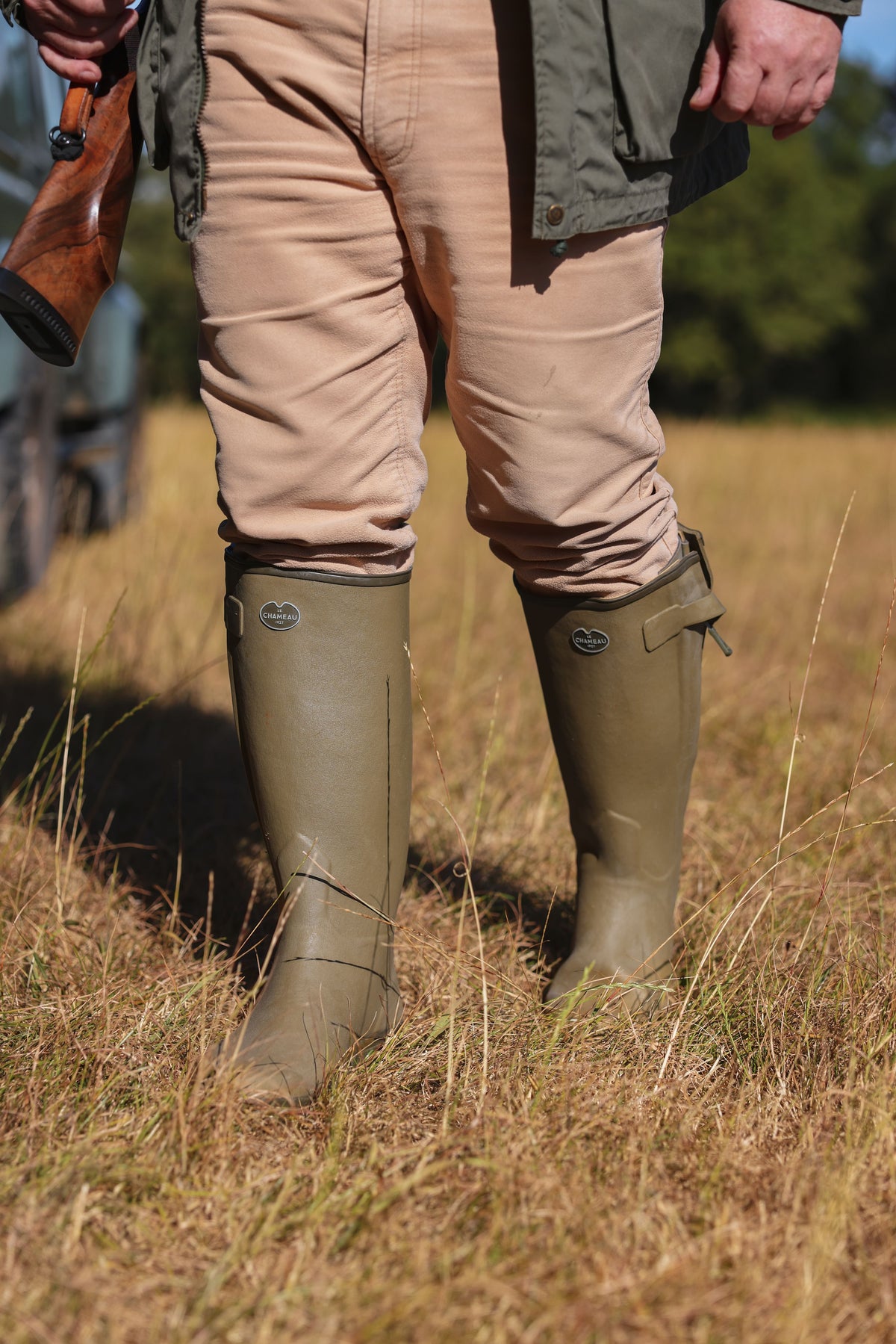
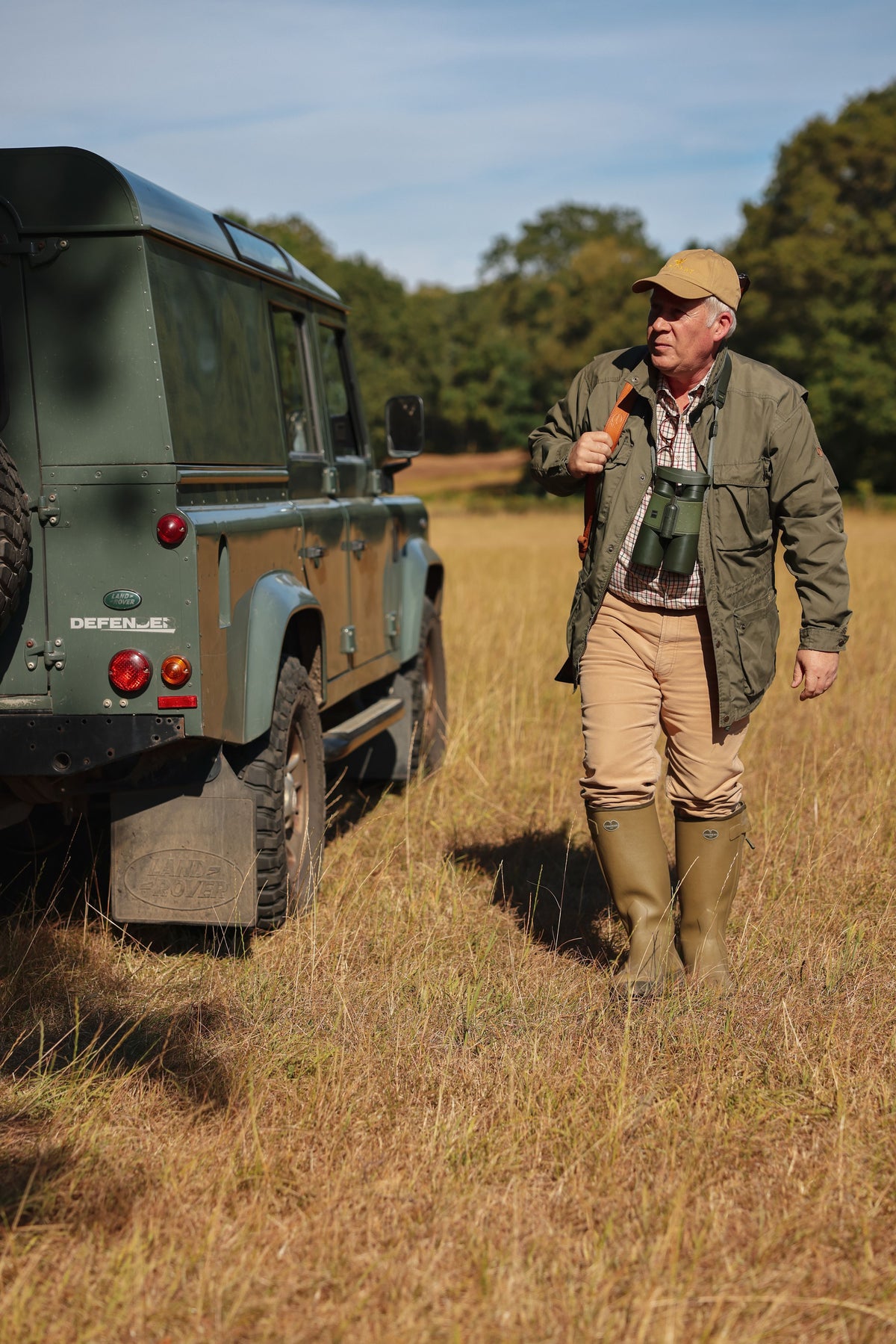
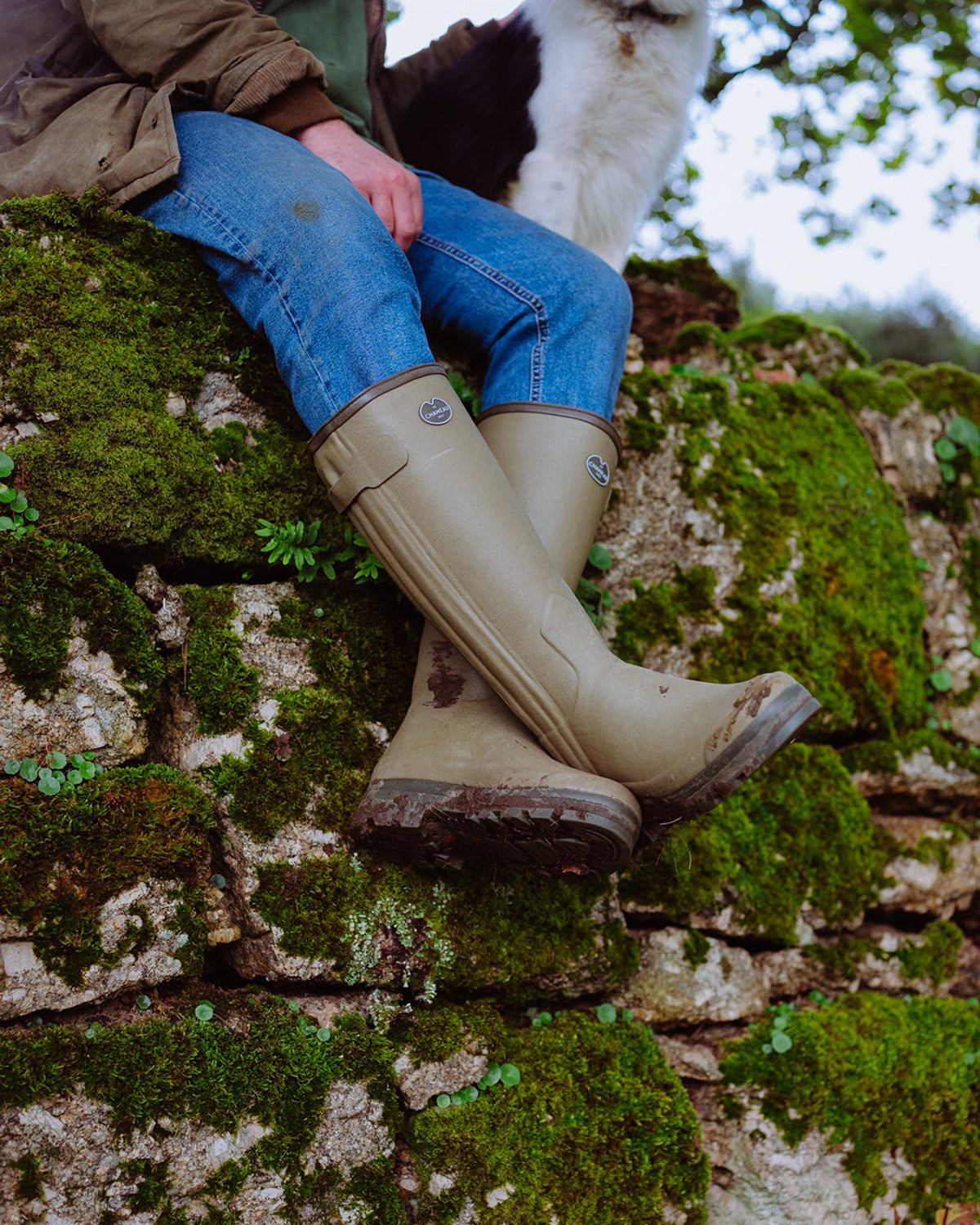
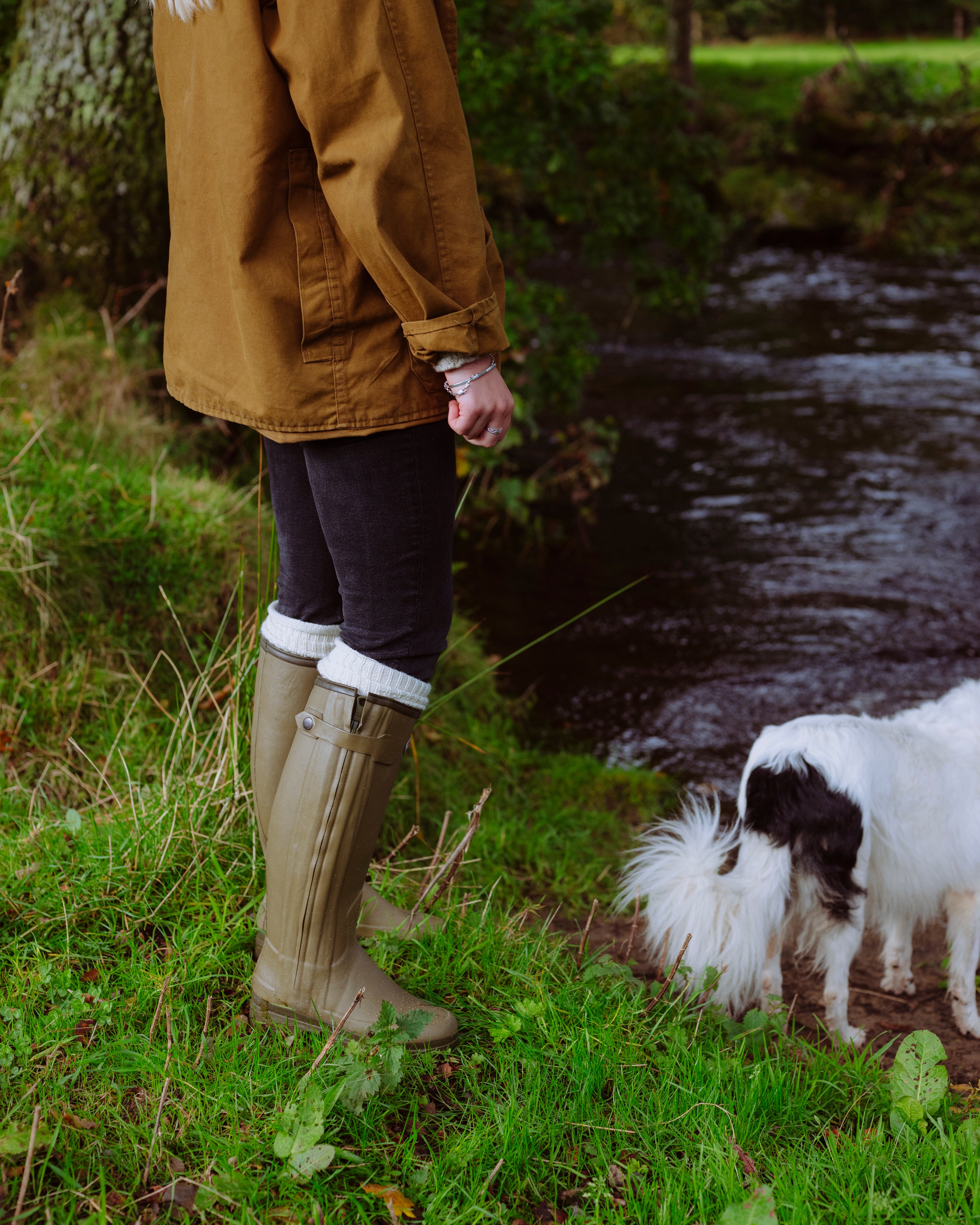
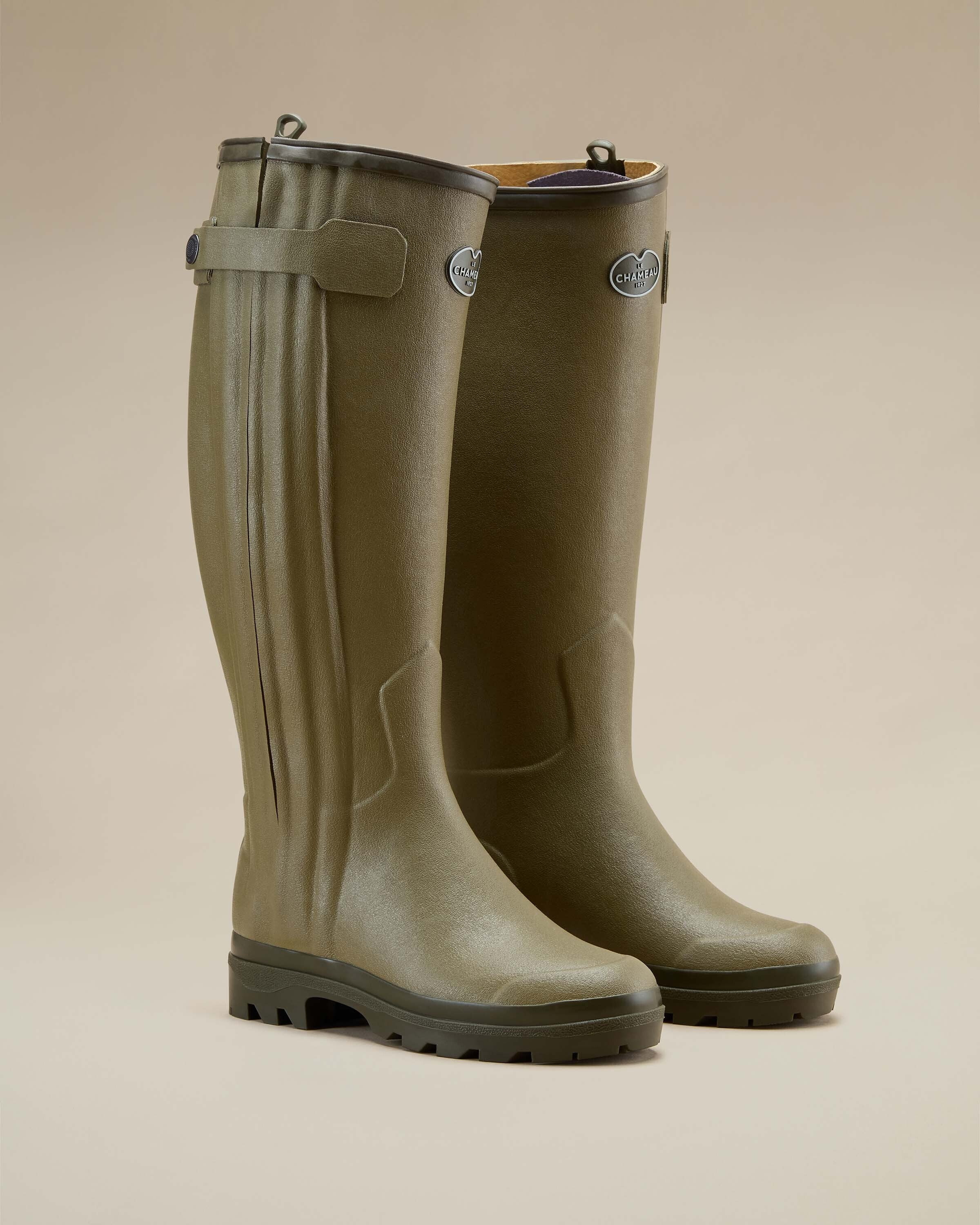
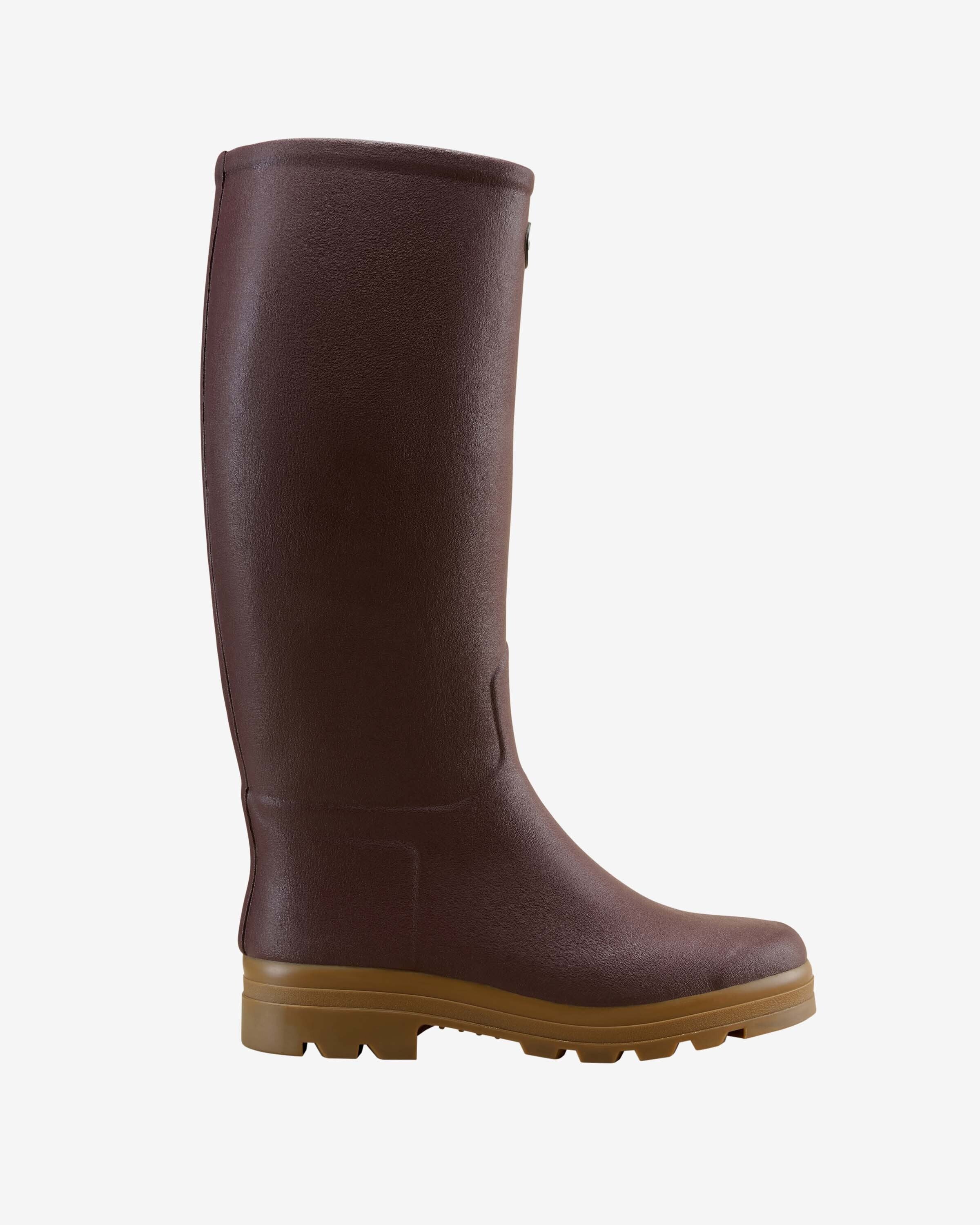
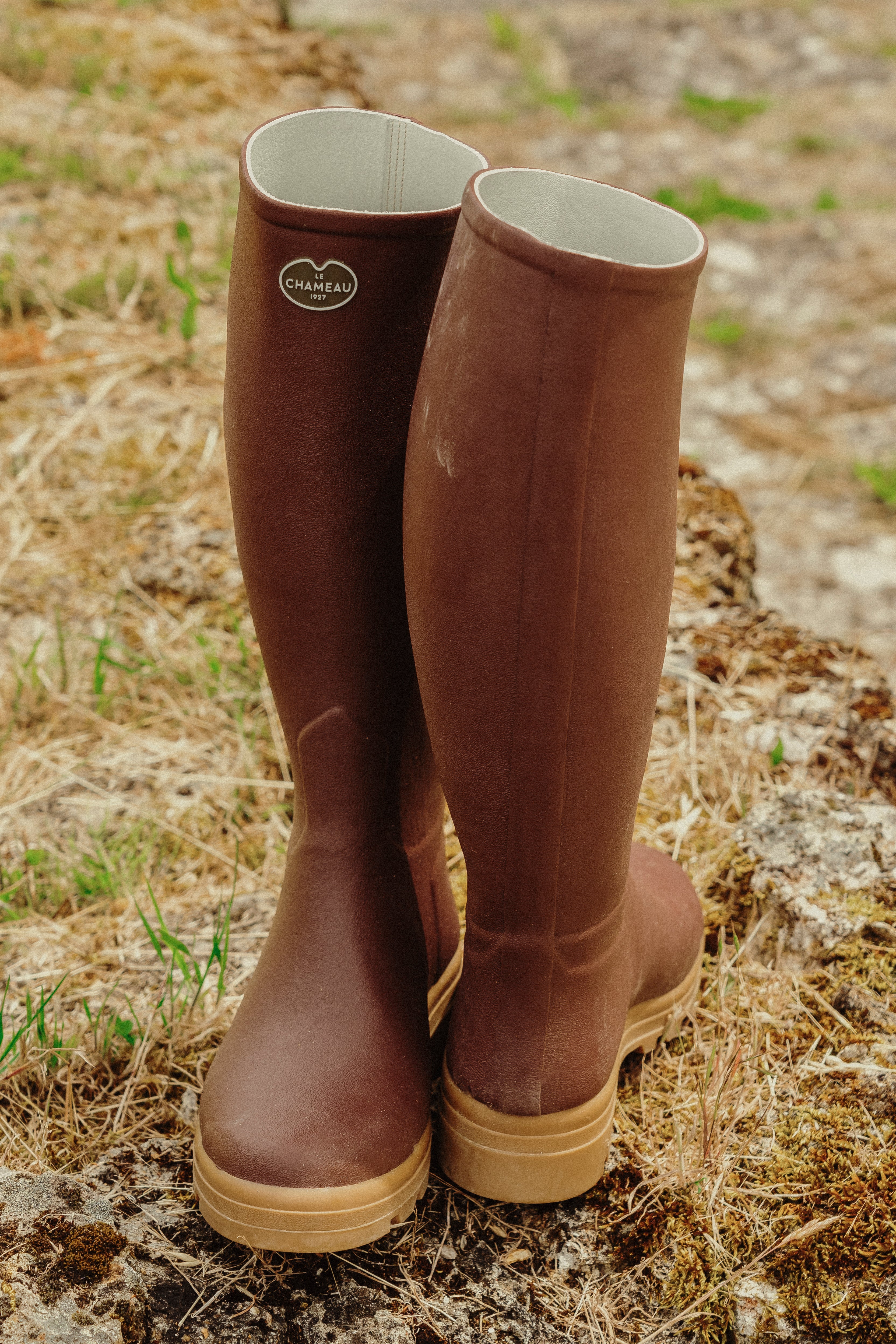
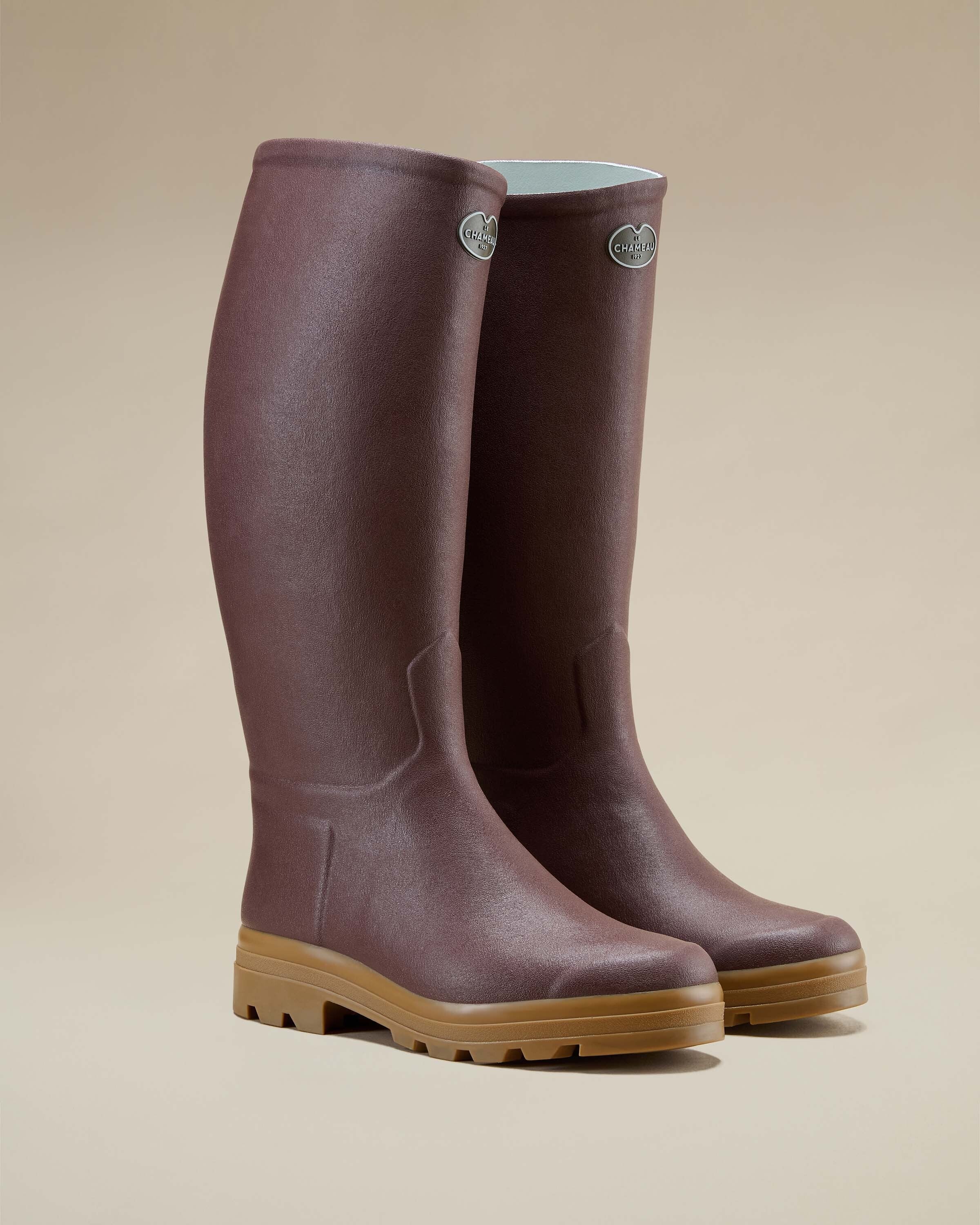
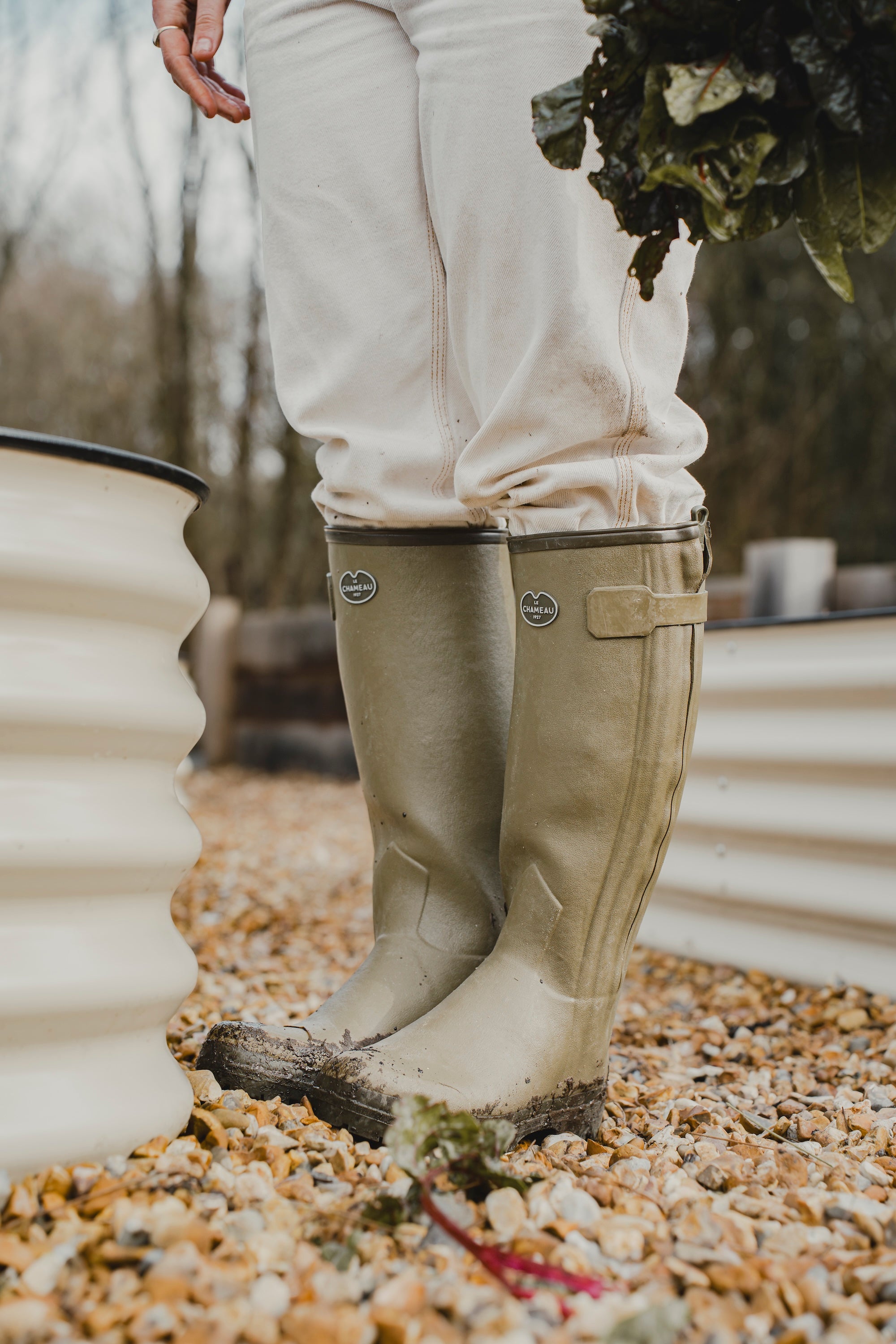
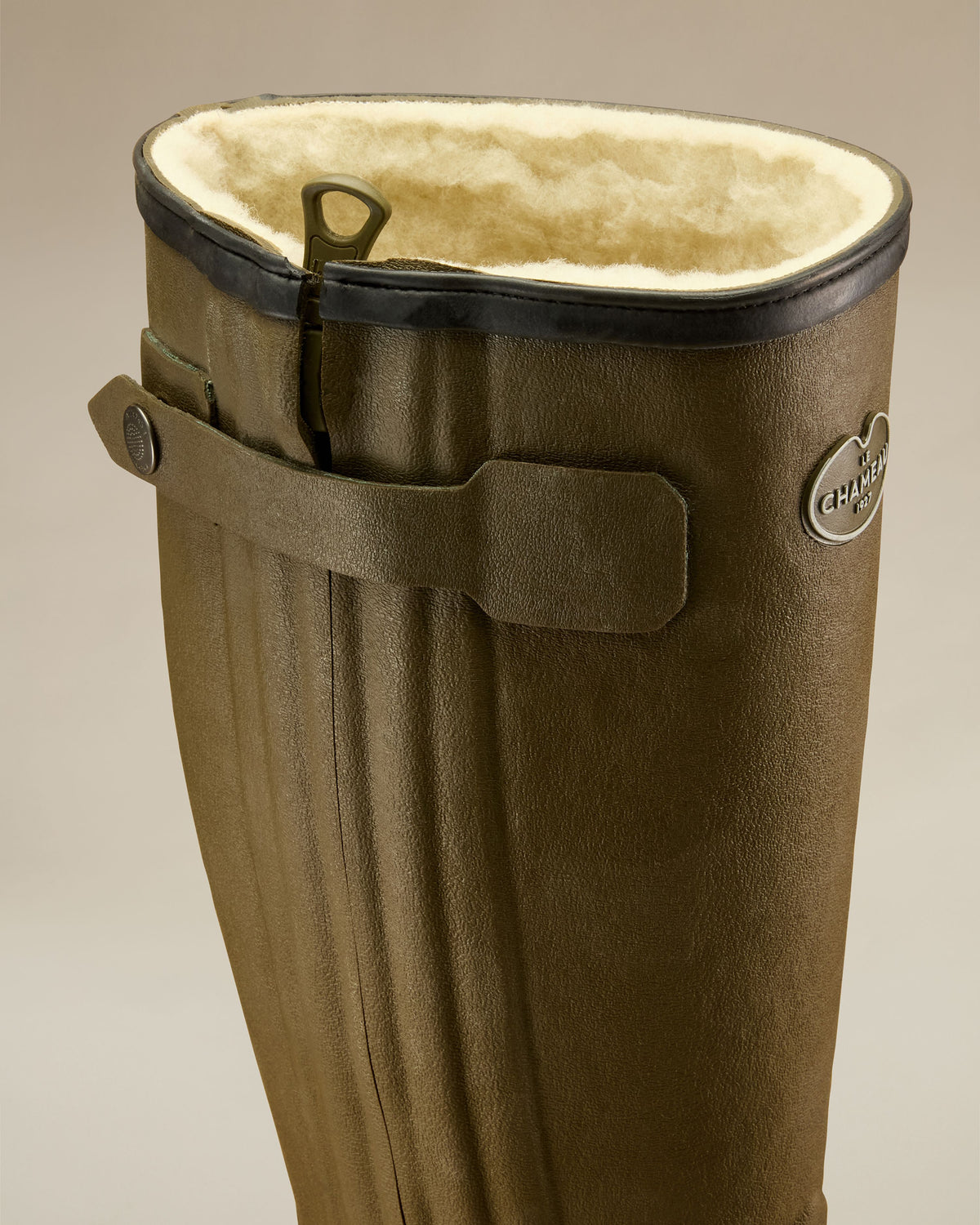
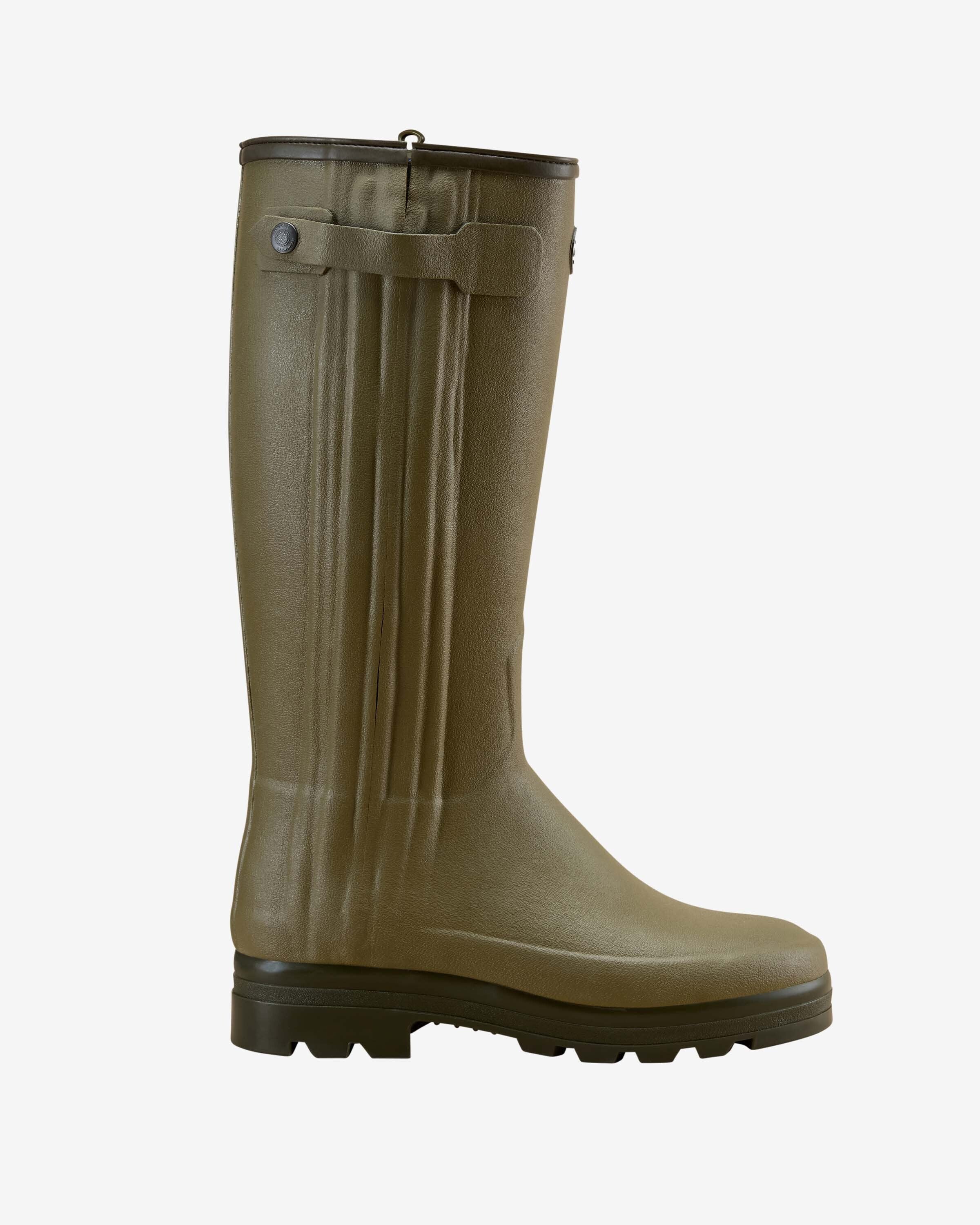
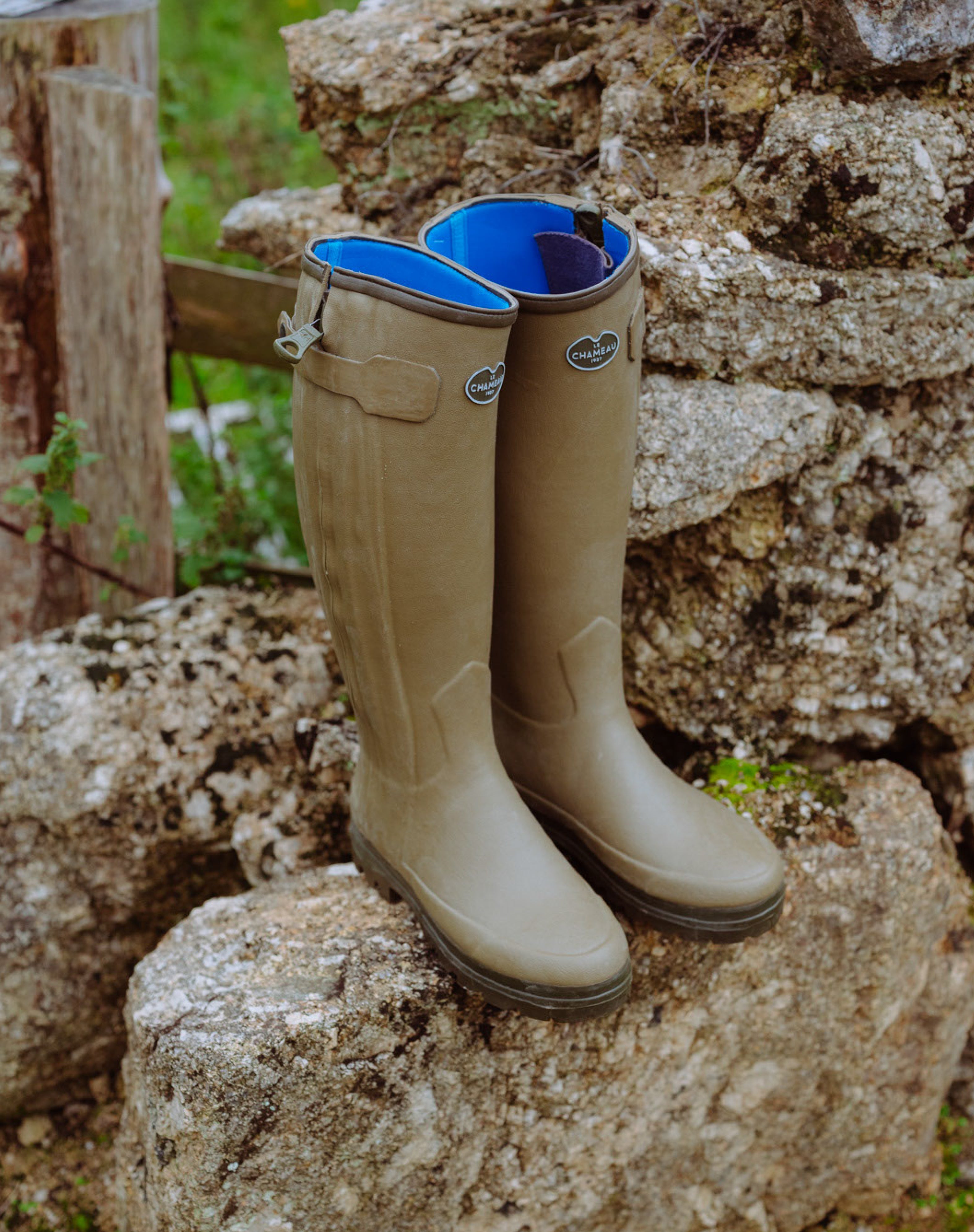
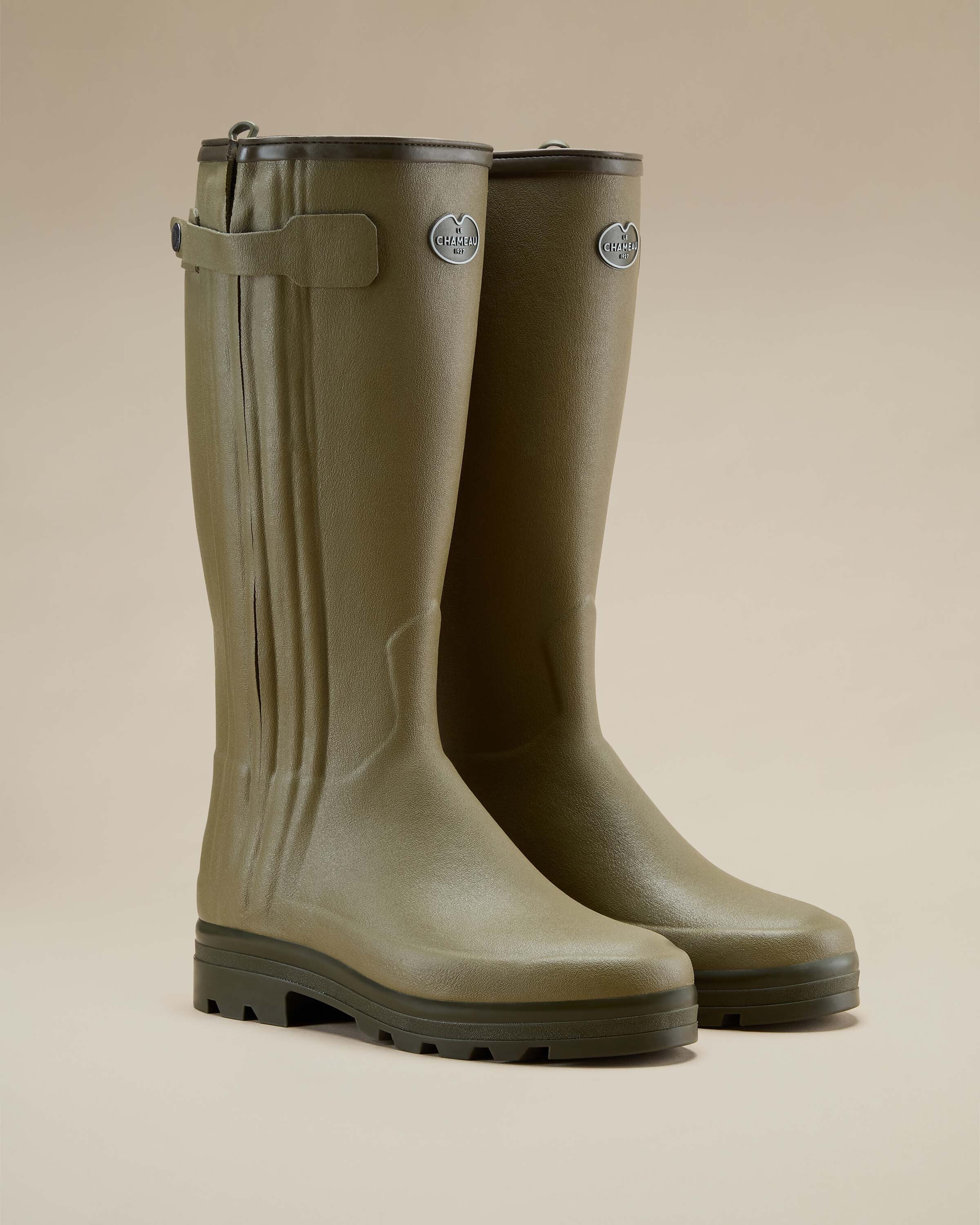
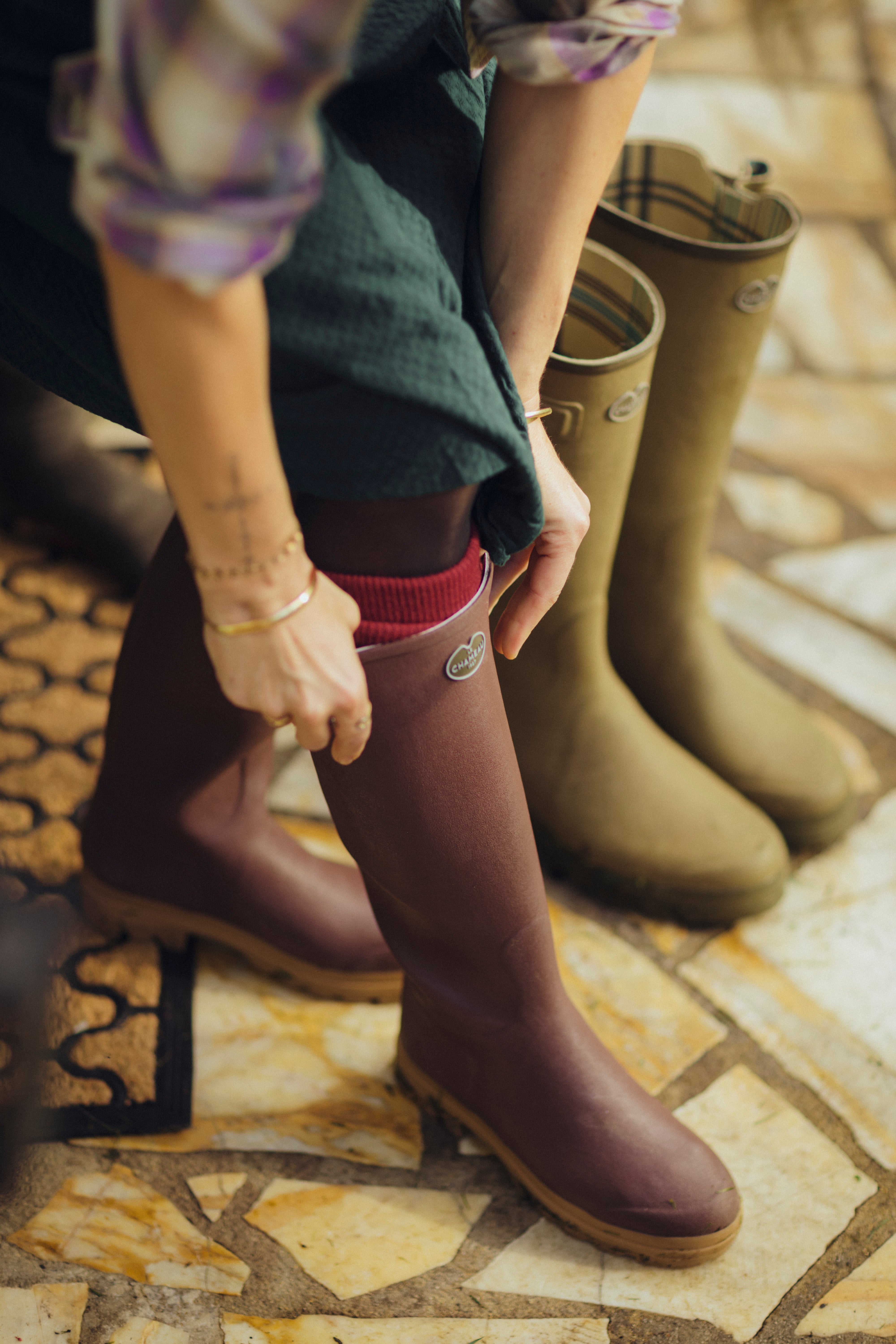
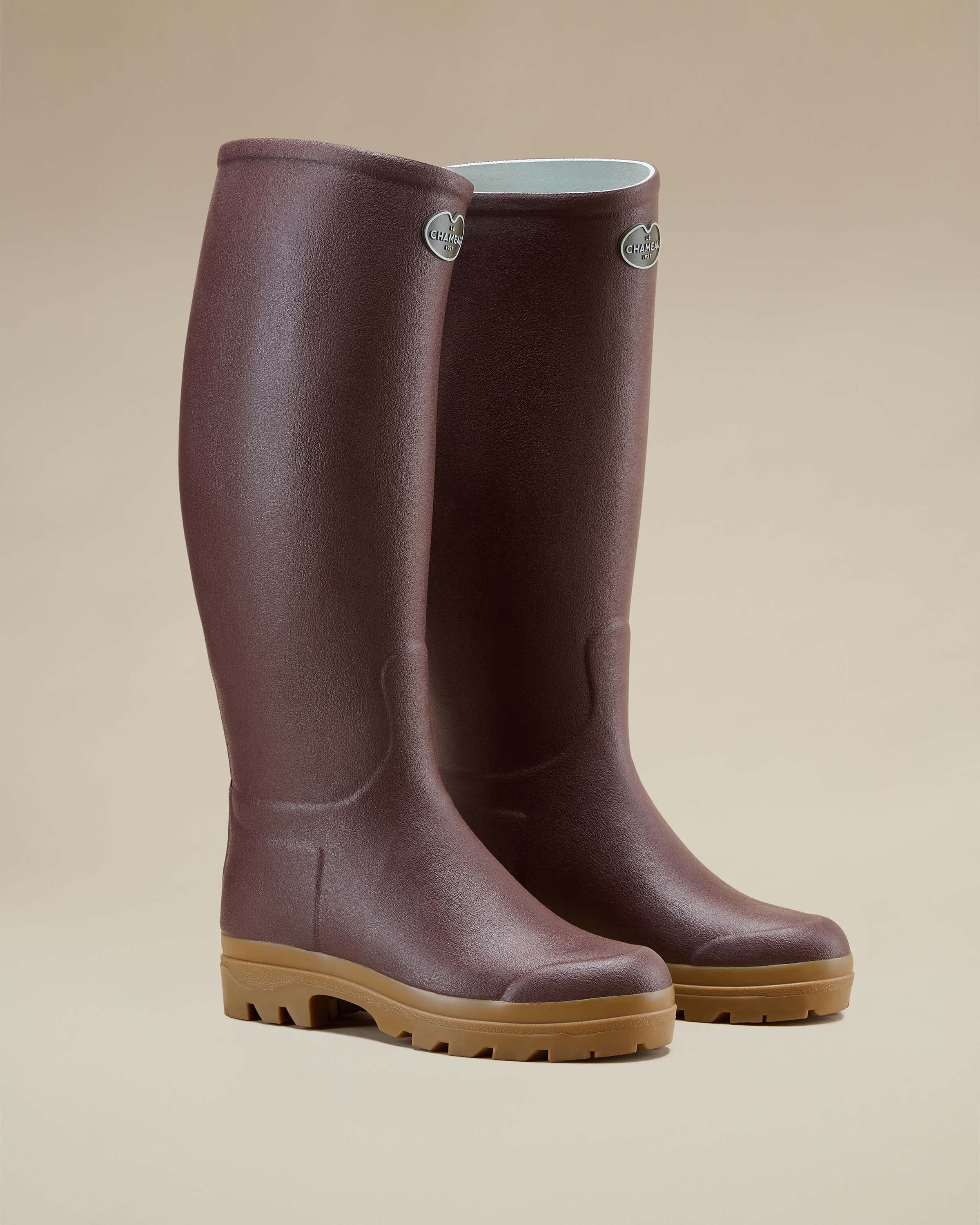
“I must say, Le Chameau are perfect for what I do. I’ve been wearing them for the last 25 years or more. Not only are they incredibly comfortable, durable and very soft, but they are also quiet to walk in as well. For us deer managers, we need to move quietly through the forest or on the field edges, and being able to feel the ground underneath your feet is a very important aspect. The boots work perfectly for me.”
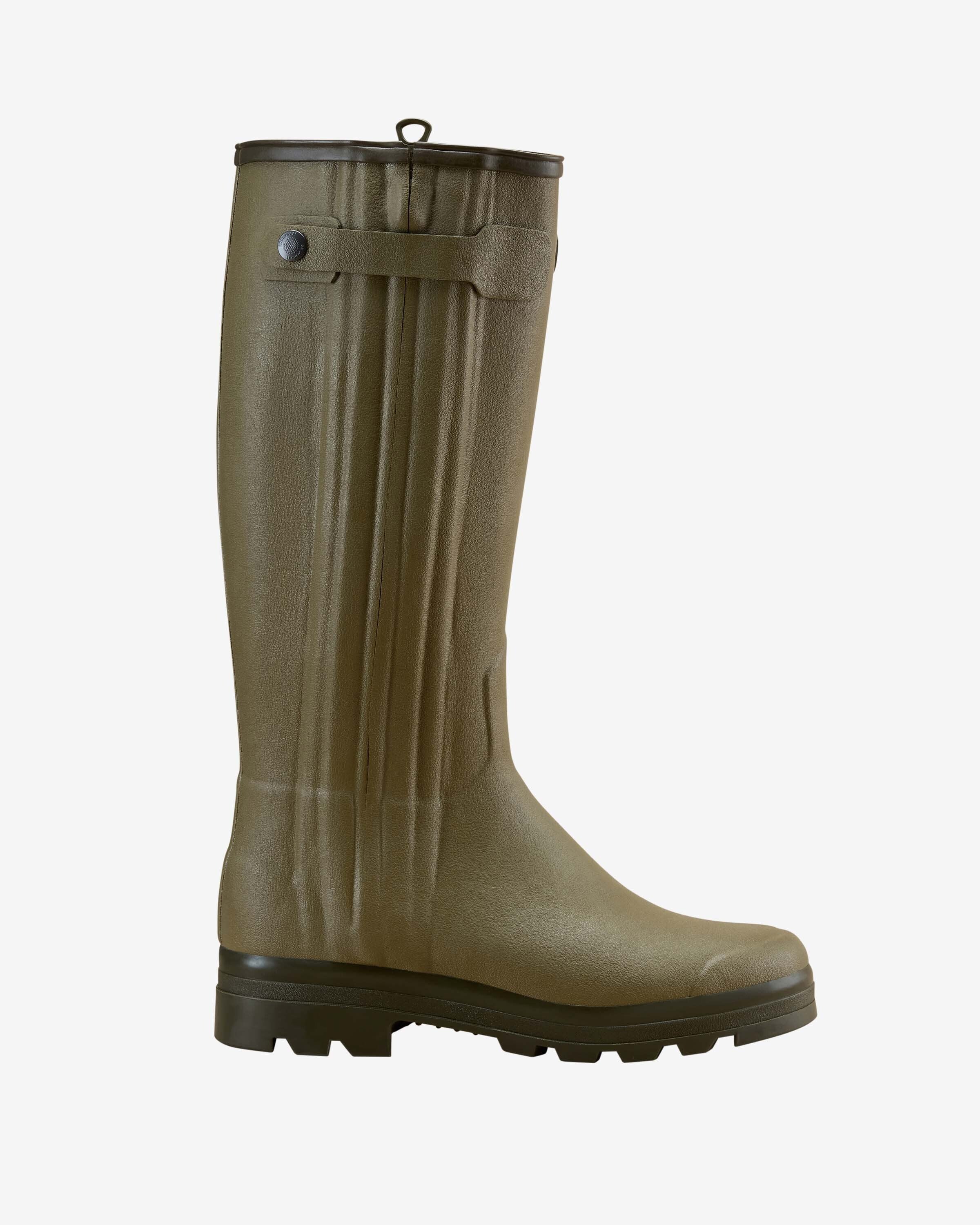
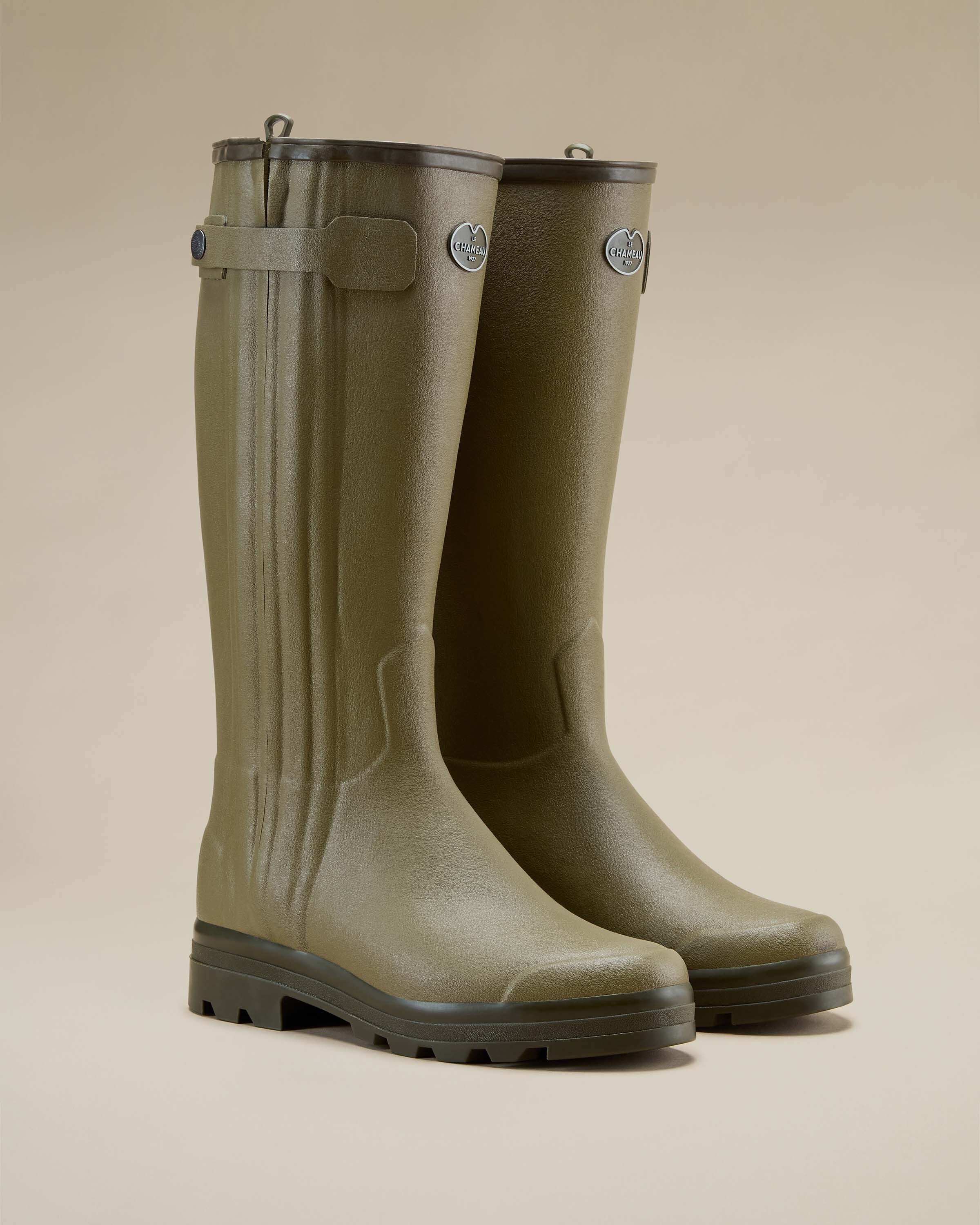
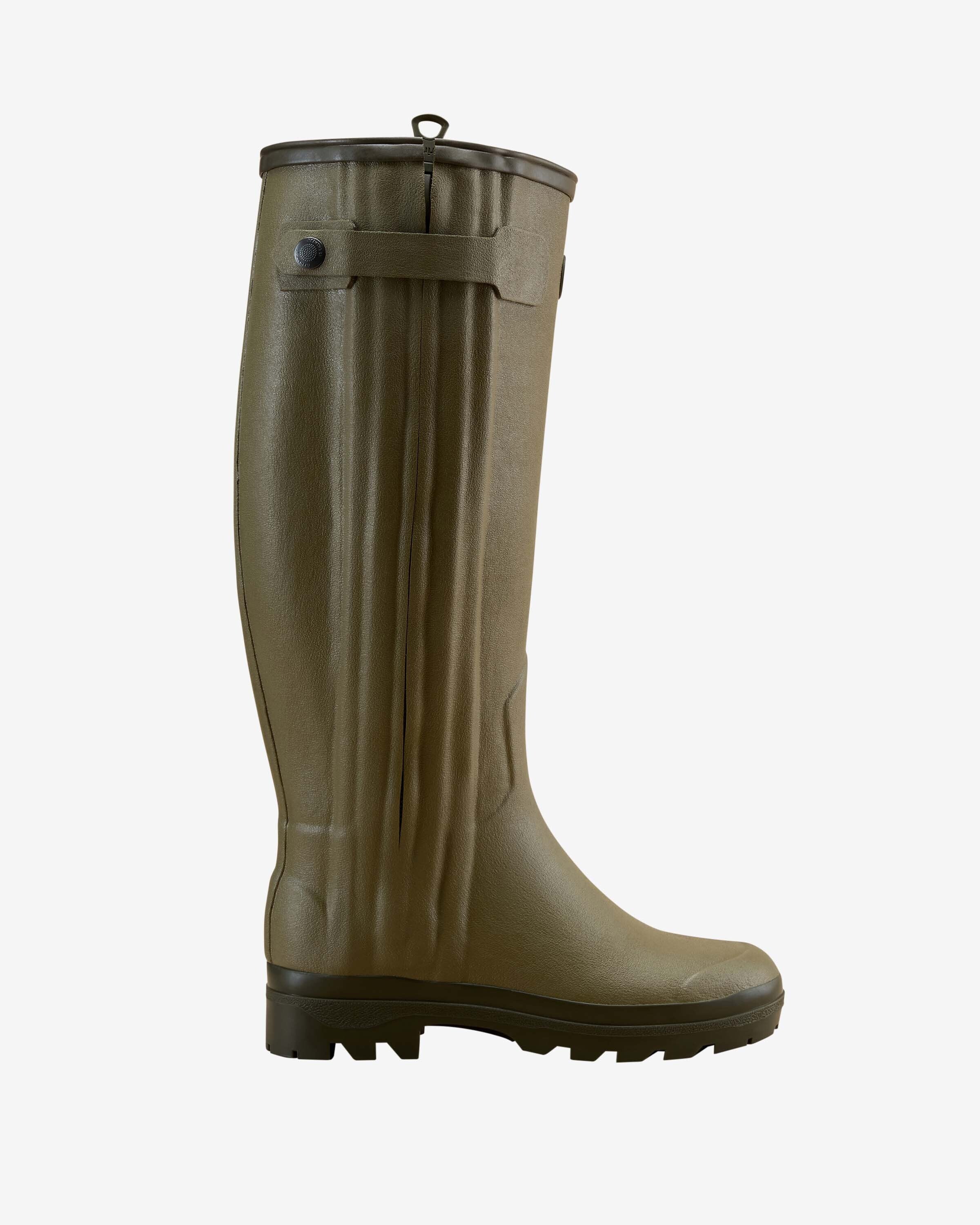
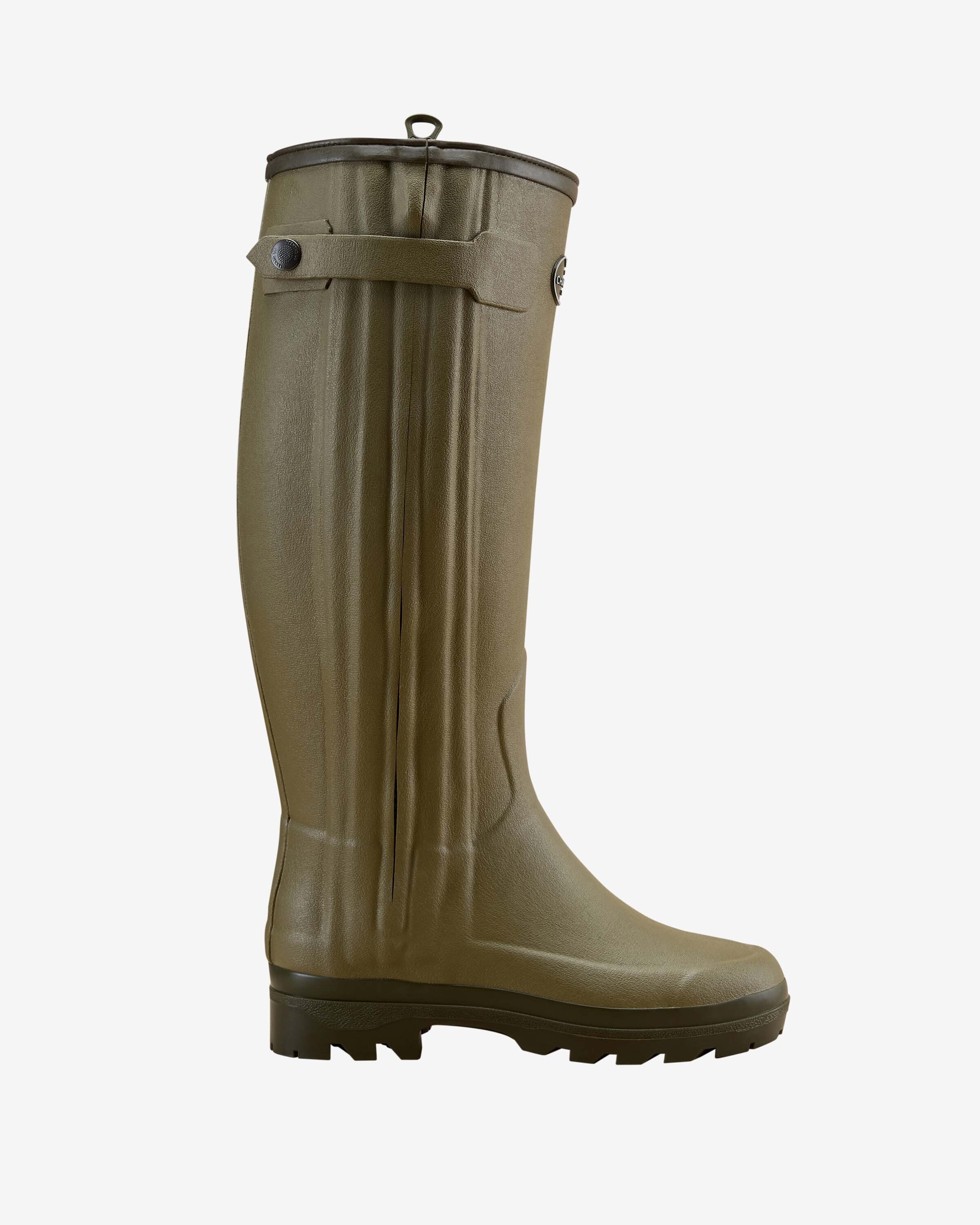
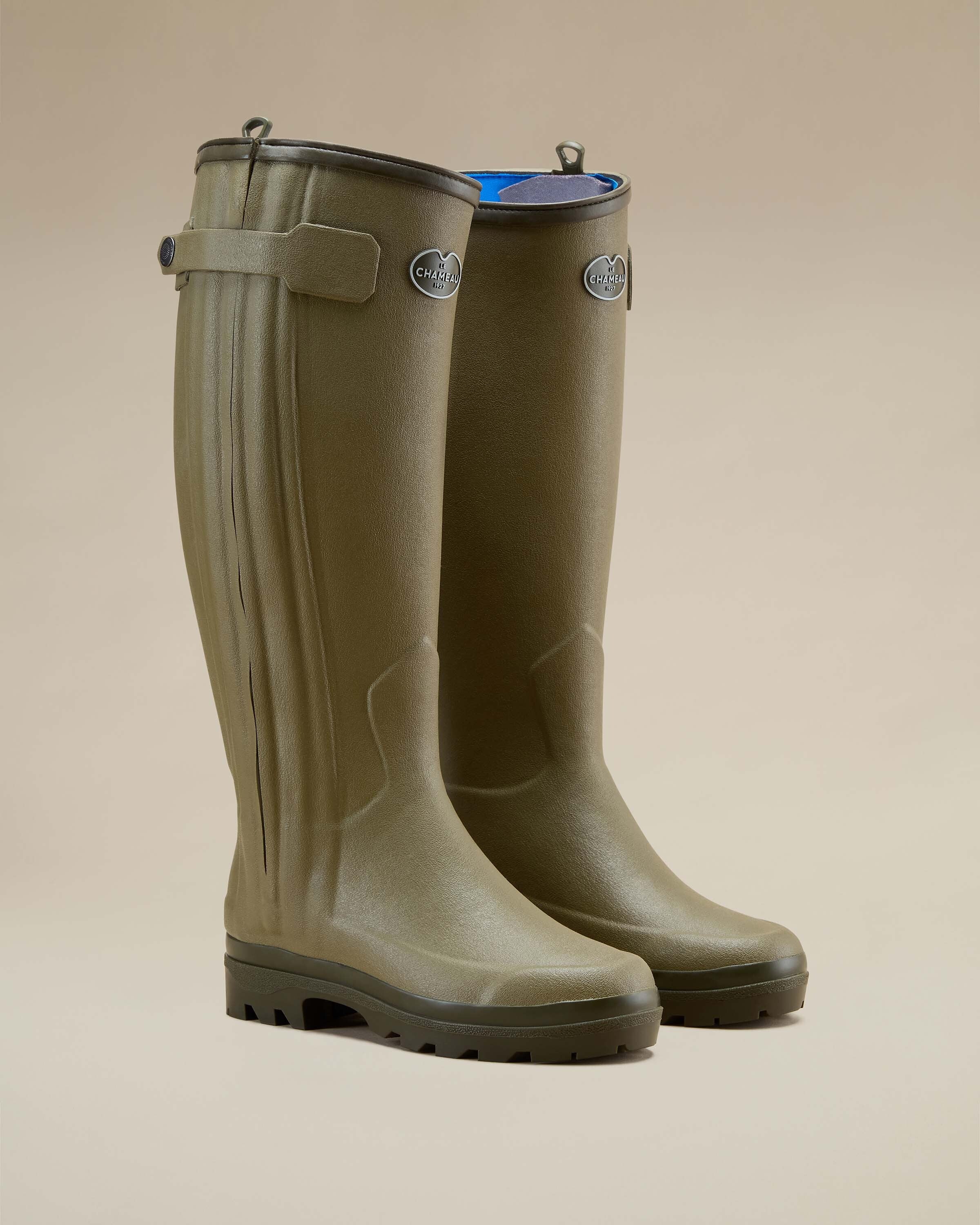
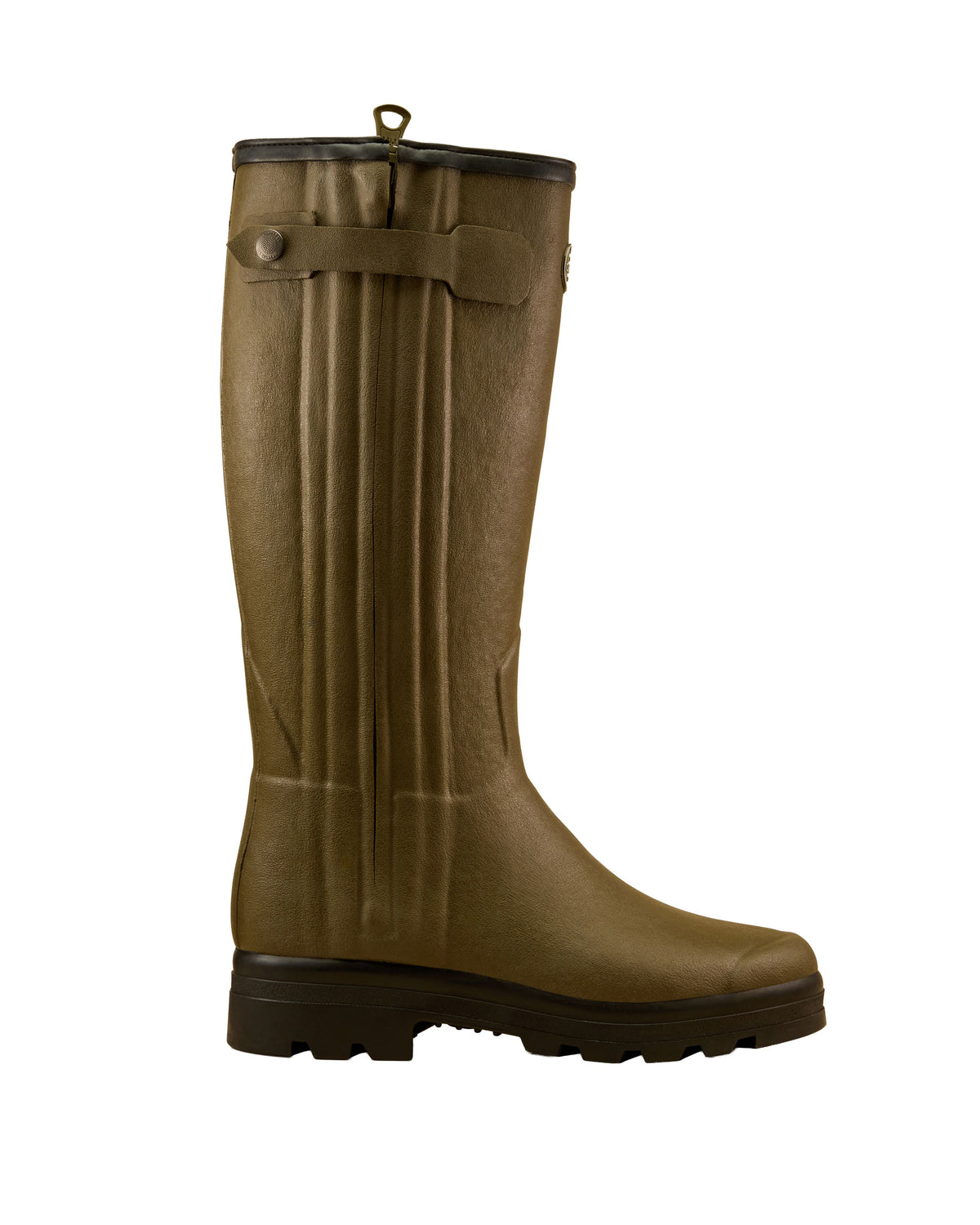
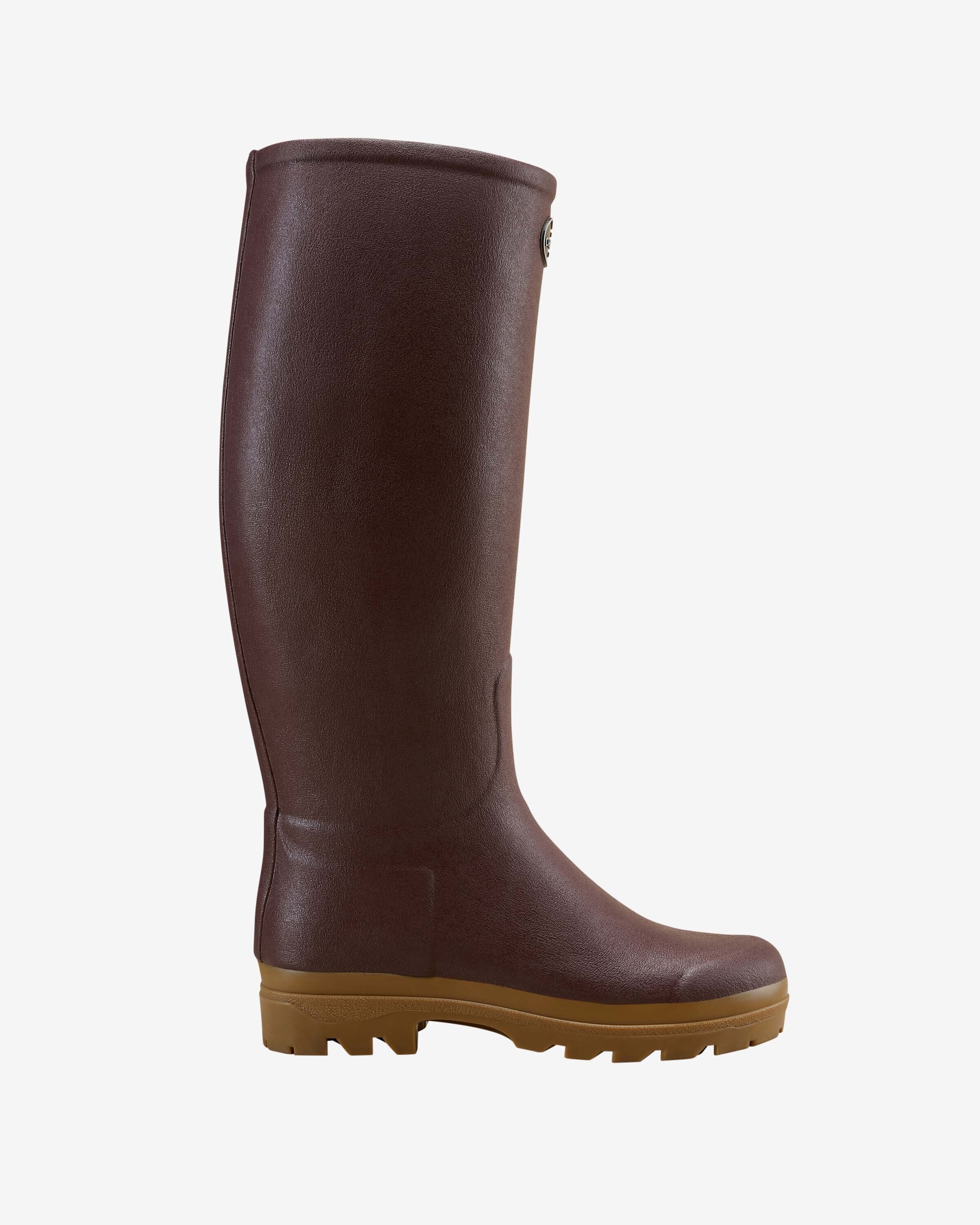
Jason’s choice of rubber Wellington boot is our leather-lined Chasseur boot – discover more about this classic style.
Bottes Chasseur pour hommes doublées cuir Bottes Chasseur pour femmes doublées cuir Bottes Saint Hubert pour hommes doublées cuir Bottes Chasseur pour femmes doublées néoprène Bottes Chasseur pour hommes doublées laine Vert Chameau€380Bottes Chasseur pour hommes doublées néoprène Bottes Saint Hubert pour femmes doublées cuir

 Forest Foraging: Autumn Pasta RecipeLire l'article
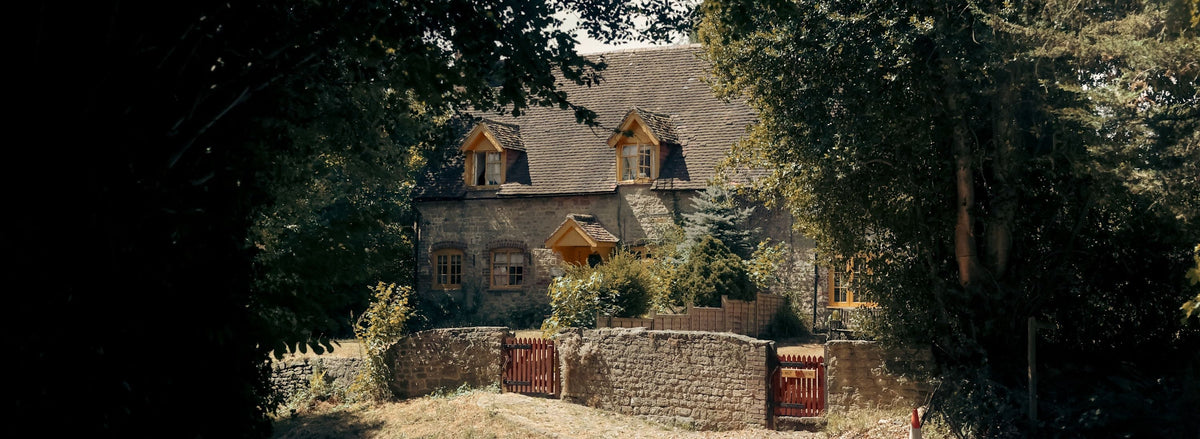 Stewarding the Downs: Life at Cowdray EstateLire l'article
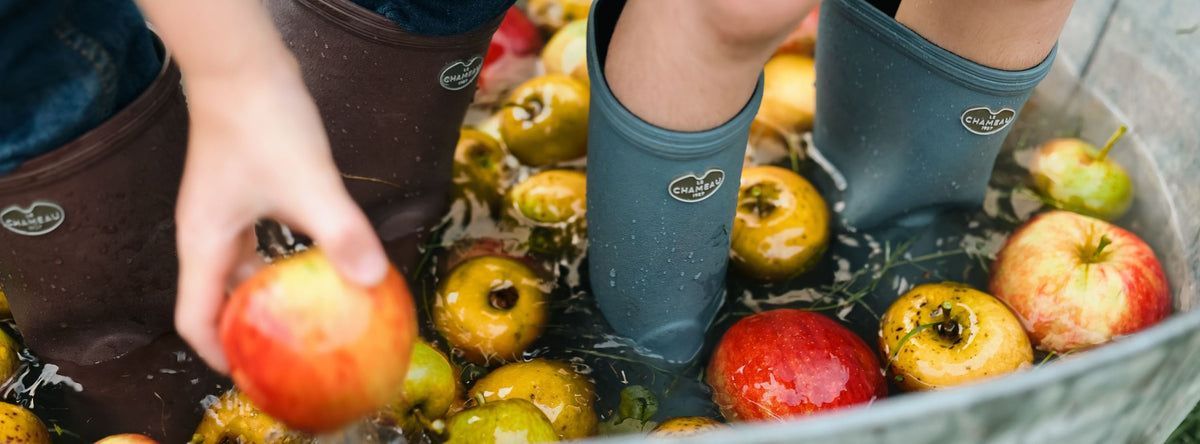 Harvesting Apples this HalloweenLire l'article
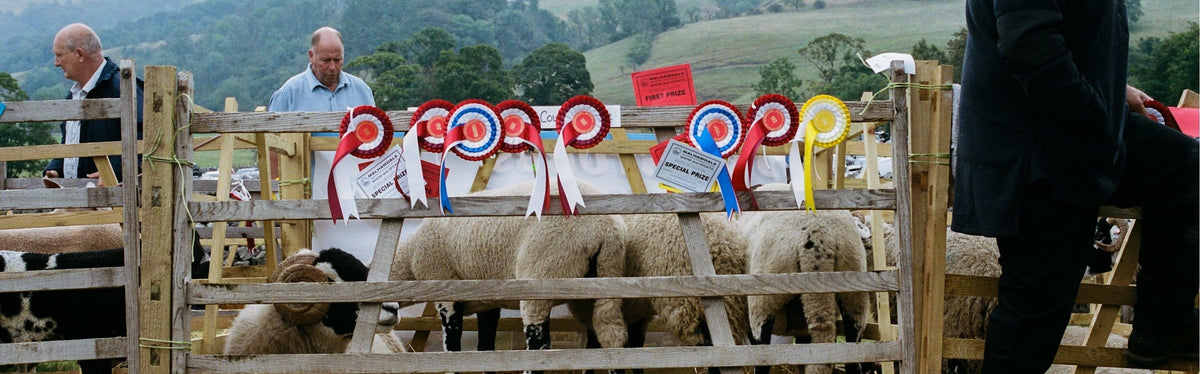 Country Shows: The Best of the Rural LifeLire l'article
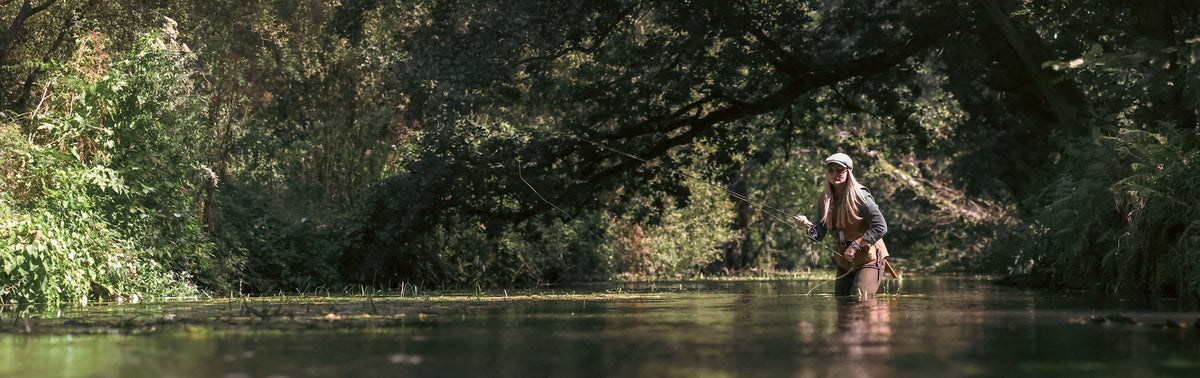 At One with Nature: Fly Fishing with Marina GibsonLire l'article
 At Daylesford: One Man and his SheepdogLire l'article
 The Glorious Twelfth: All You Need to KnowLire l'article
 On-Farm this Summer: Farming in a Changing ClimateLire l'article
