
 Forest Foraging: Autumn Pasta Recipe
Foraging underneath a golden canopy, deep within a wooded corner of the South Downs National Park, is where you’ll find George Linklater on most days, Cowdray Estate’s expert forager and wild food consultant to some of Britain’s top restaurants. This autumn, as we celebrate all things seasonal and those who are deeply bonded to the land, we met up with George to hear more about his love for being outdoors and gathering wild foods. Enjoy the following interview with George, plus he shares with us his favourite autumnal recipe that celebrates the best of the season’s forage, chanterelle mushroom pasta.
Working Alongside Nature
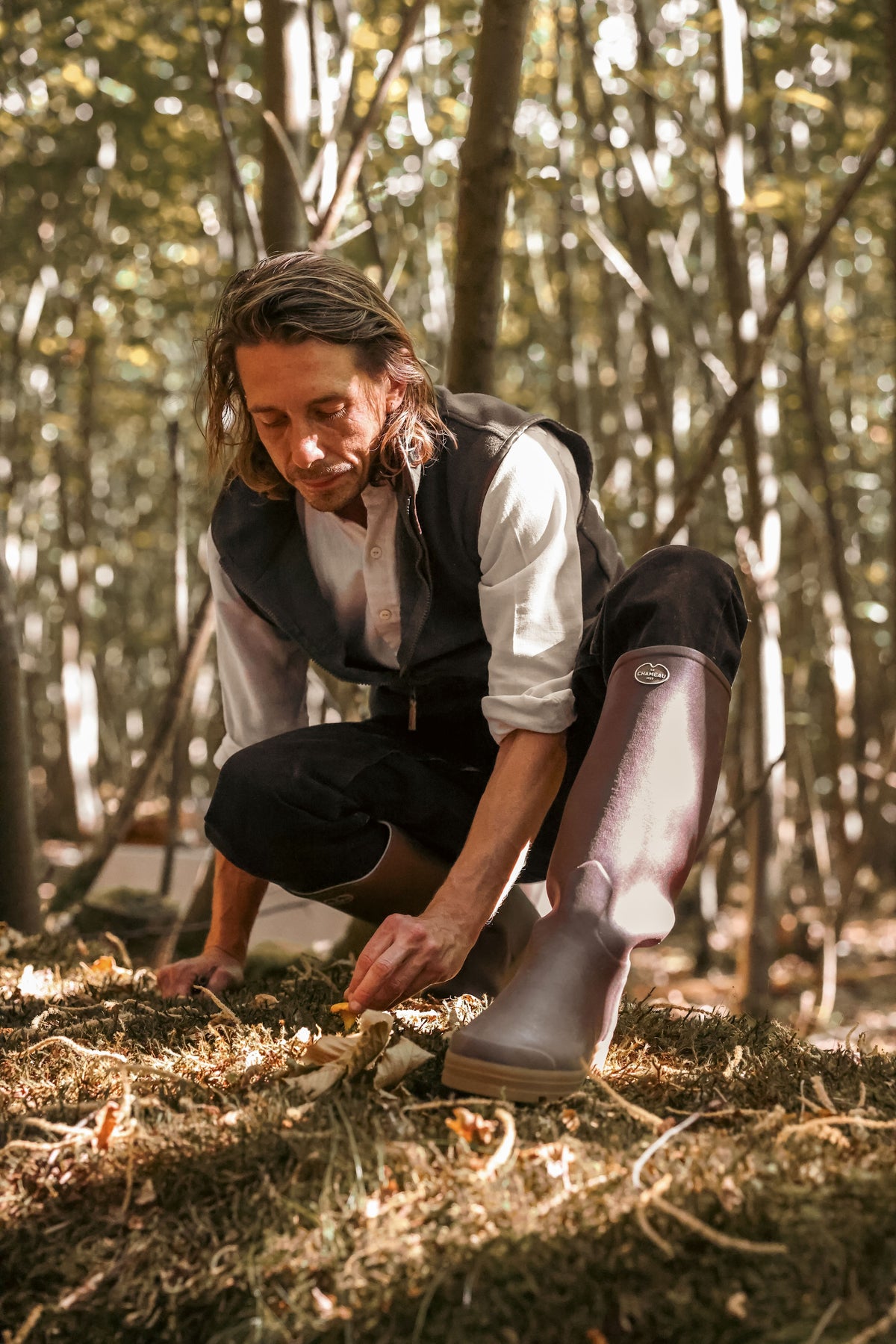
George describes himself as a conservation and wild food consultant, with a passion to connect people to nature to better biodiversity. “I work to bring attention, value and understanding to the wild spaces of the world,” George says, as he forages amongst the woodland floor. “It’s all about culturing a curiosity and a connection to nature, asking the questions like, how did these wild foods get here and what can they do for us? I try and weave together the narratives of species and habitats to bring light to the often-hidden histories, lives and stories that make up our countryside and wild landscapes.” George also assists chefs, landowners and educators to deliver wild food and nature connection experiences through different ways like curating products, menus, planting programmes, promoting and delivering conservation projects.
Countryside and Coasts: Journey into Foraging
He says, “I began foraging through a love of flavour whilst training as a mixologist in London (my hometown) and working closely with chefs. After discovering so many different wild ingredients, I felt a desire to delve deeper into that world as it fed my sense of adventure. I was soon taken under the wing of some prolific foragers who supplied some of the country's top Michelin-starred restaurants.
“I then moved out London and moved west to Cornwall, setting up a wild food business where I spent years searching out new and wonderful wild foods all over the country. We made it our business to champion the lesser-known plants and flavours. We also looked to revolutionise the industry by creating an app that linked chefs directly to the foragers and only picking to order within 24 hours of delivery. This vastly reduced wastage and allowed chefs to better evoke the unique flavours that make up our countryside and coasts.”
Championing Connection to the Land
“Personally,” George notes, “I see ethnobotany and foraging as two of the most importance aspects for us humans to understand who we are, what we do, and how we got to where we are today. Most of the landscape we see has been shaped by human intervention in one time or another. Humans generally don't do something that doesn't benefit their survival or success, so much of what we consider wild today isn't, and much of the species are there to aid some human need. In short, learning these species and their flavours create windows and whispers through time allowing us to understand our past as well as be grateful for and relish the complexity of life in the present.”
Conservation First, Foraging Second
“Through my years of foraging, I have seen an increased popularity of the wild and it's nutrition, medicines and foods. This is great, and I think we should celebrate this. However, we must be aware that as this increases it puts pressure on the natural systems already under threat. Wild spaces and ancient, healthy forests cannot meet these demands. So, we must be courteous to care for these places. I always say, ‘To be a good forager, you should be a conservationist first and a forager second.’ Every new place I visit I ask a few questions like, is the habitat healthy? Is what I'm picking sustainable? And is the food clean and safe? By clean, I mean free from pollution or other contaminants.
“Sometimes the answer is simply no, and that restraint is an important part of foraging for me. We already have an extraordinary food system that provides us with the calories we need, so wild food isn't a necessity. Instead, it gives us a greater insight into our past, while potentially informing our future — particularly as we think about climate change, resilience and how our landscapes may change.
“Foraging, for me, isn't really about finding the most far-flung or exotic species. It's the much humbler exercise of gradually learning the plants, fungi and habitats around you and building an understanding of your surroundings almost like a paint-by-numbers picture. Every new species you learn fills in another part of that picture and creates a deeper dialogue with your environment.”
Chanterelles in Le Chameau
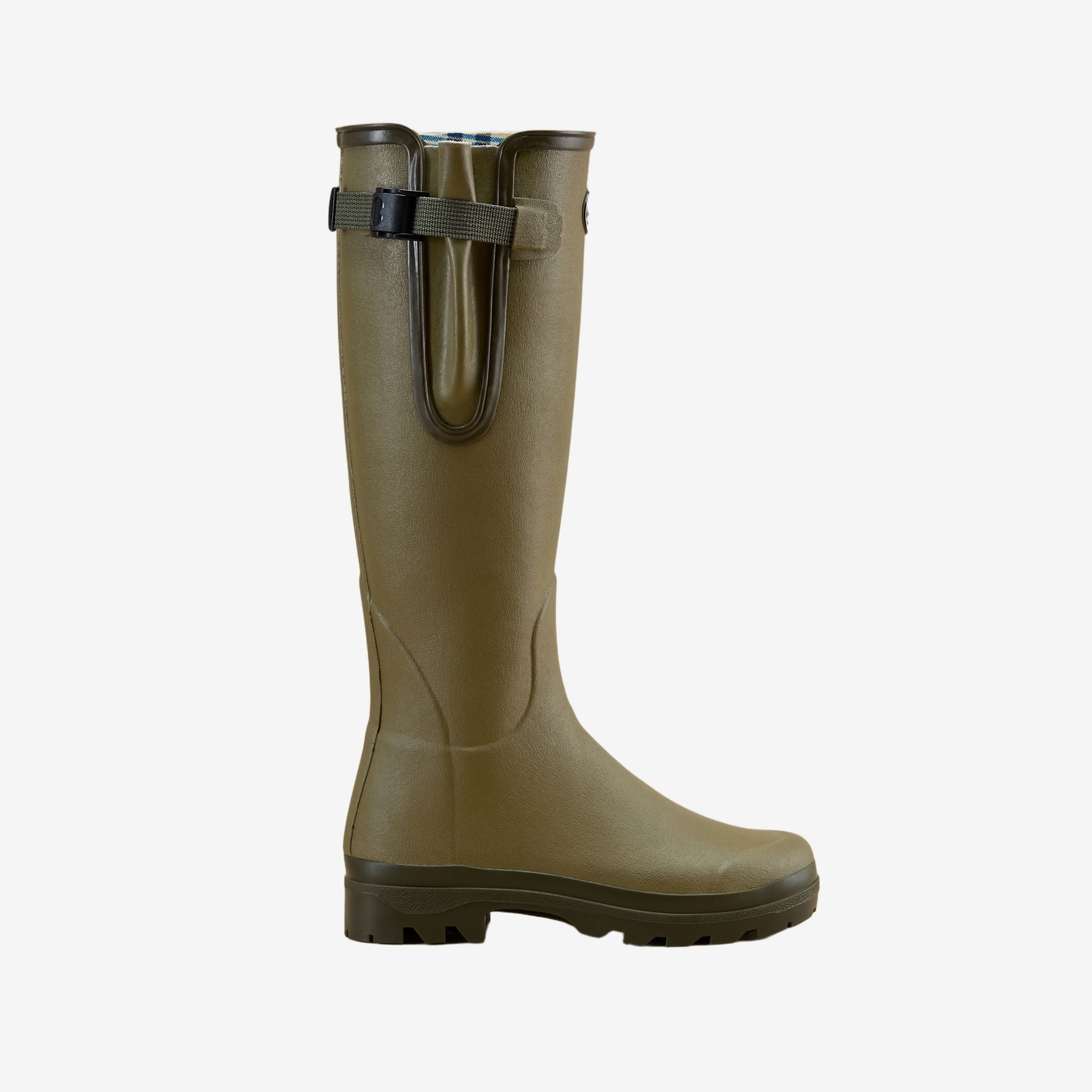
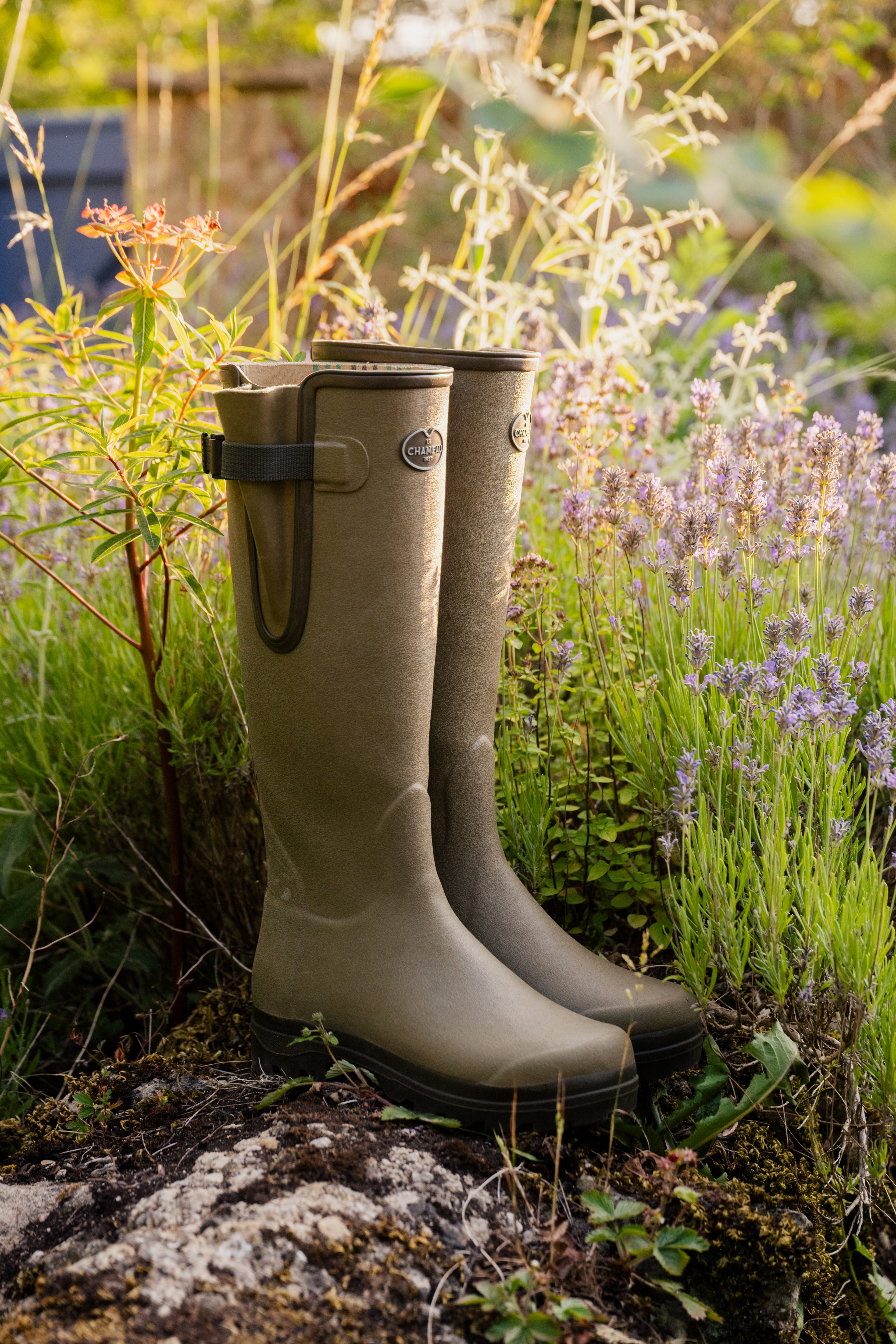
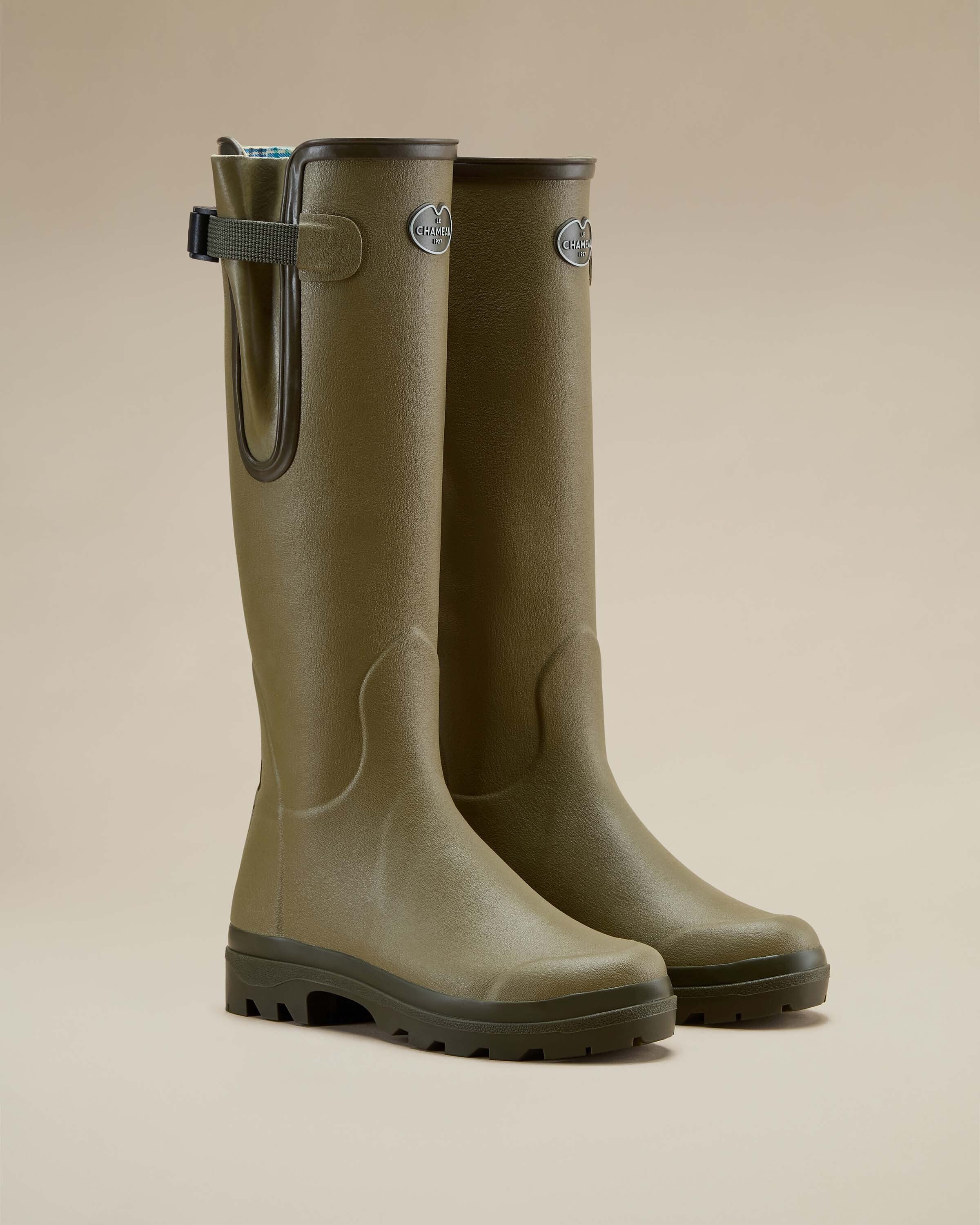
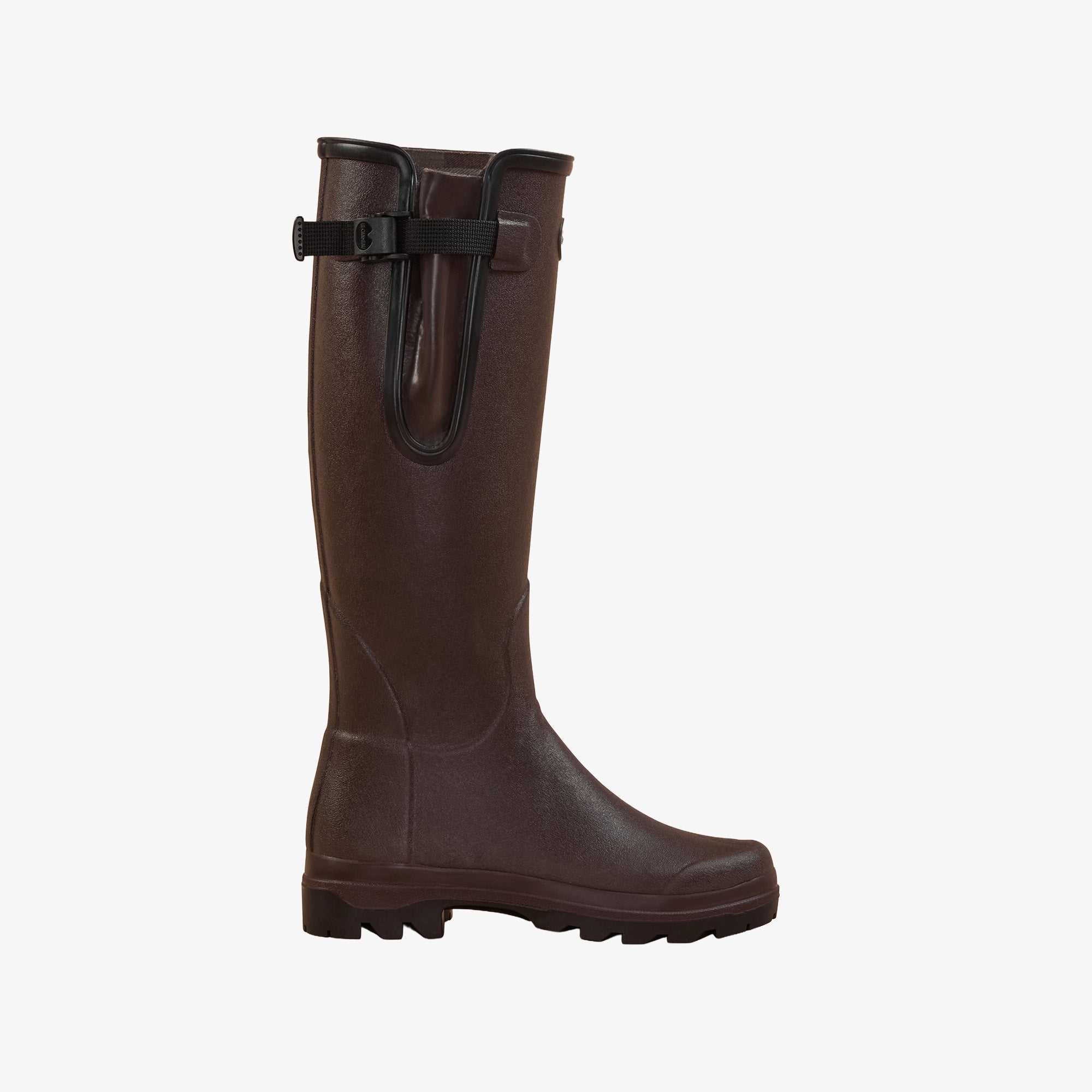
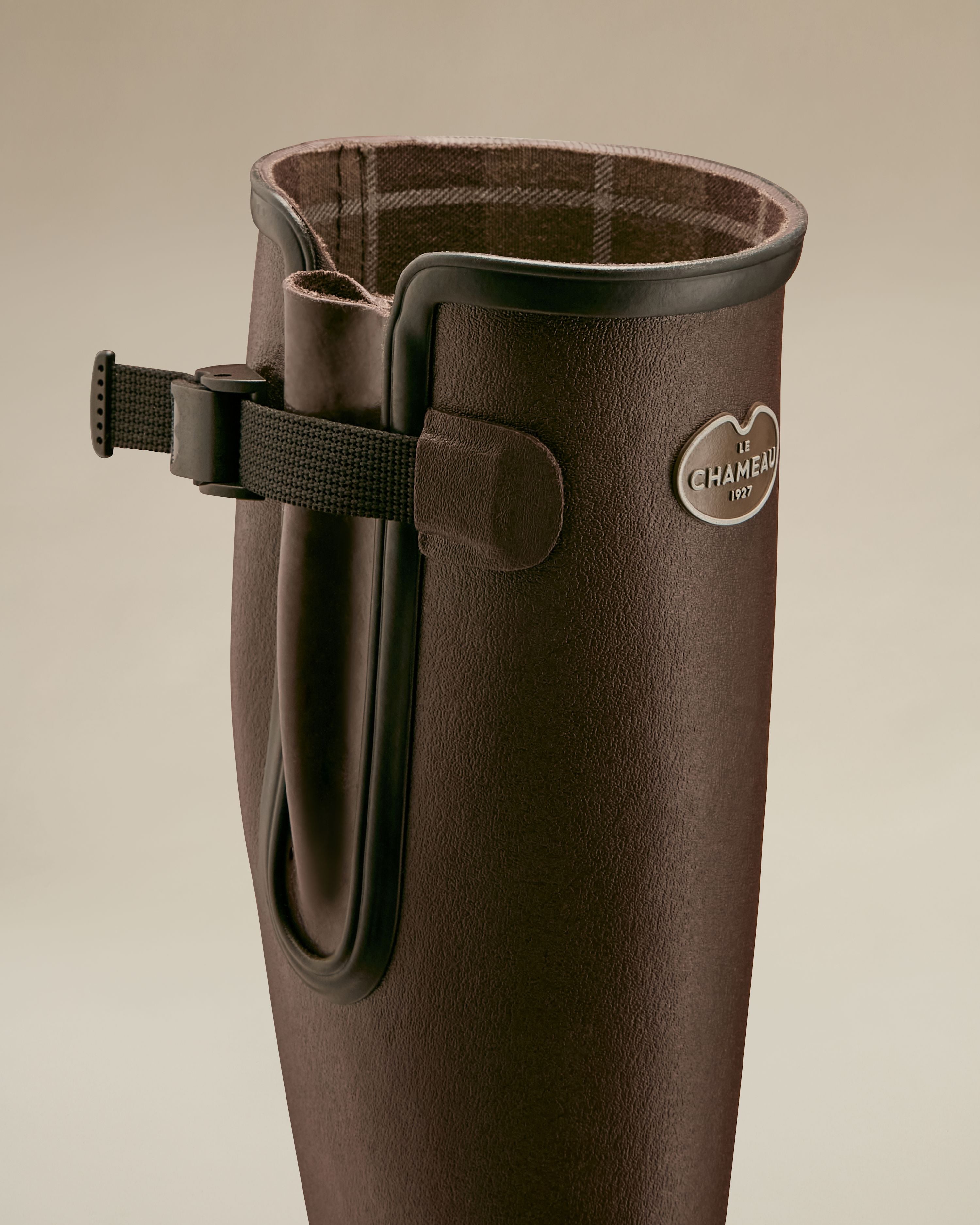
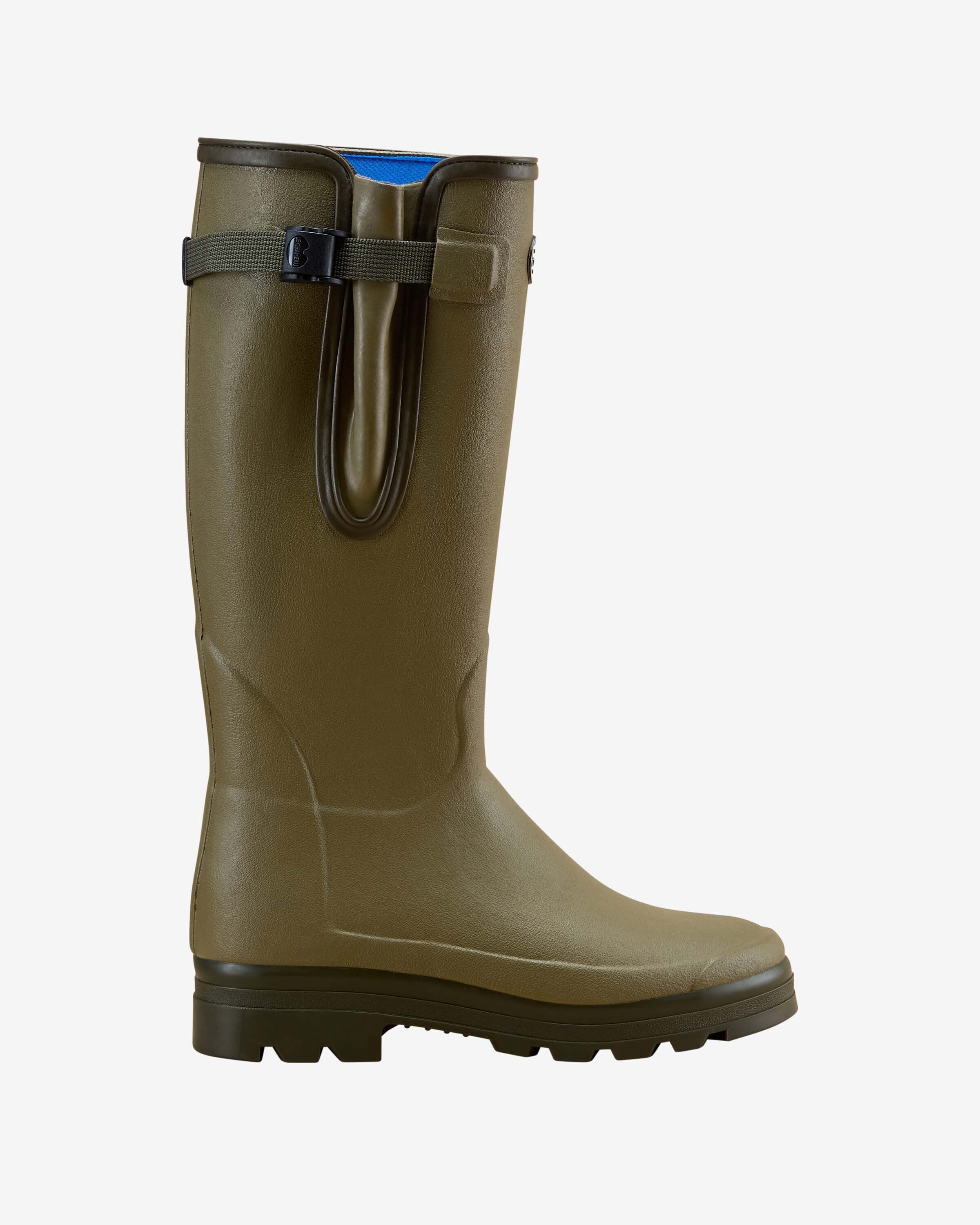
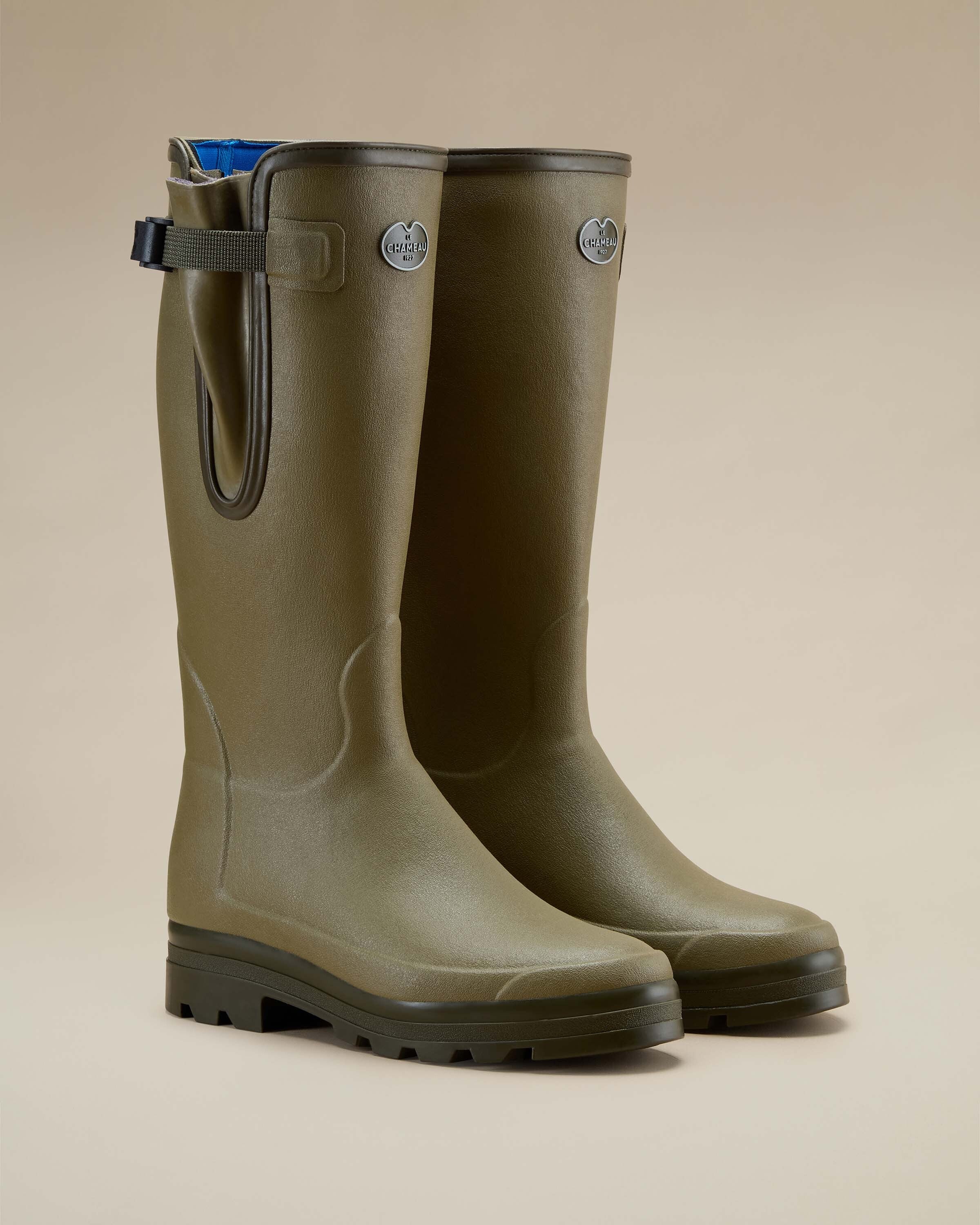
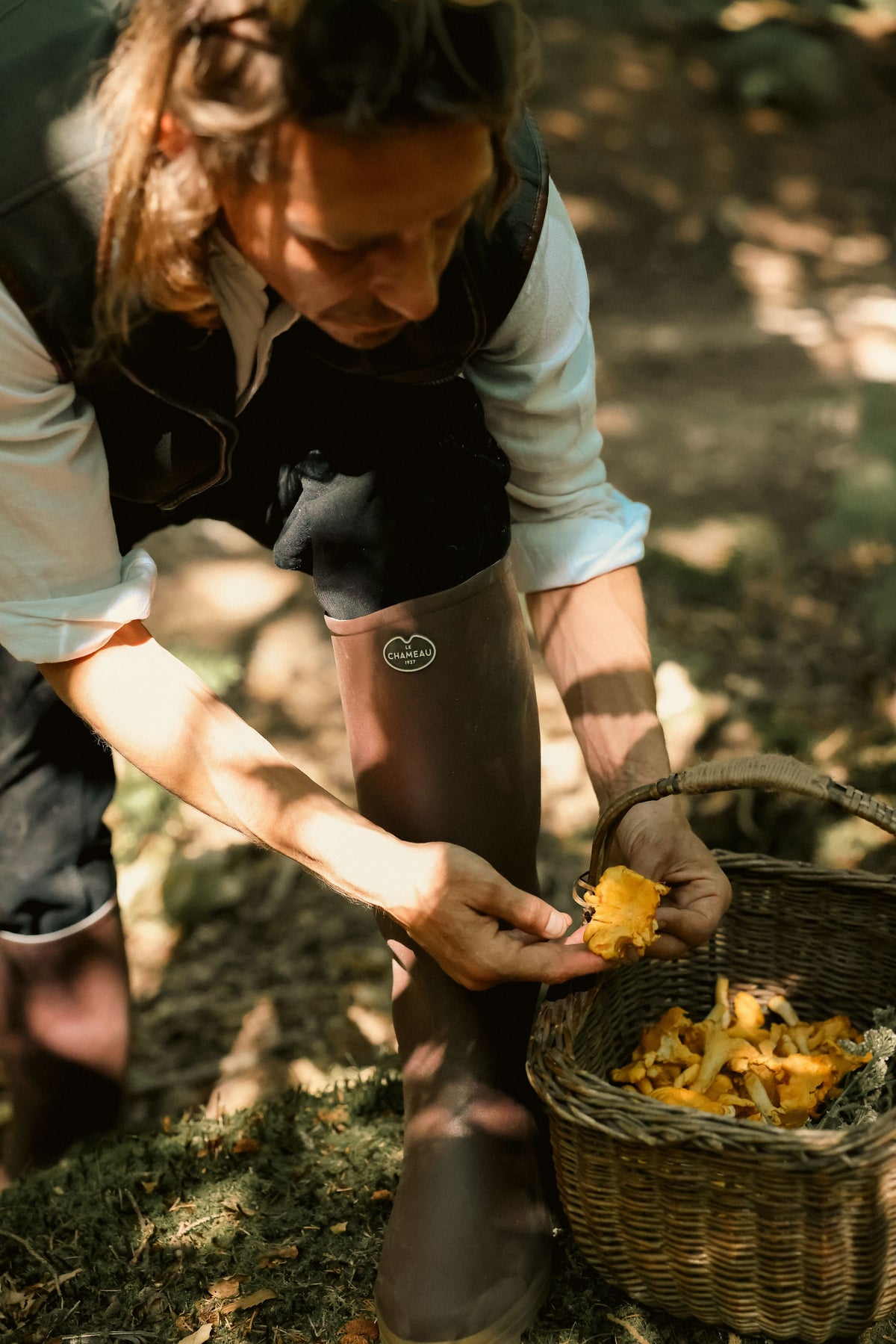
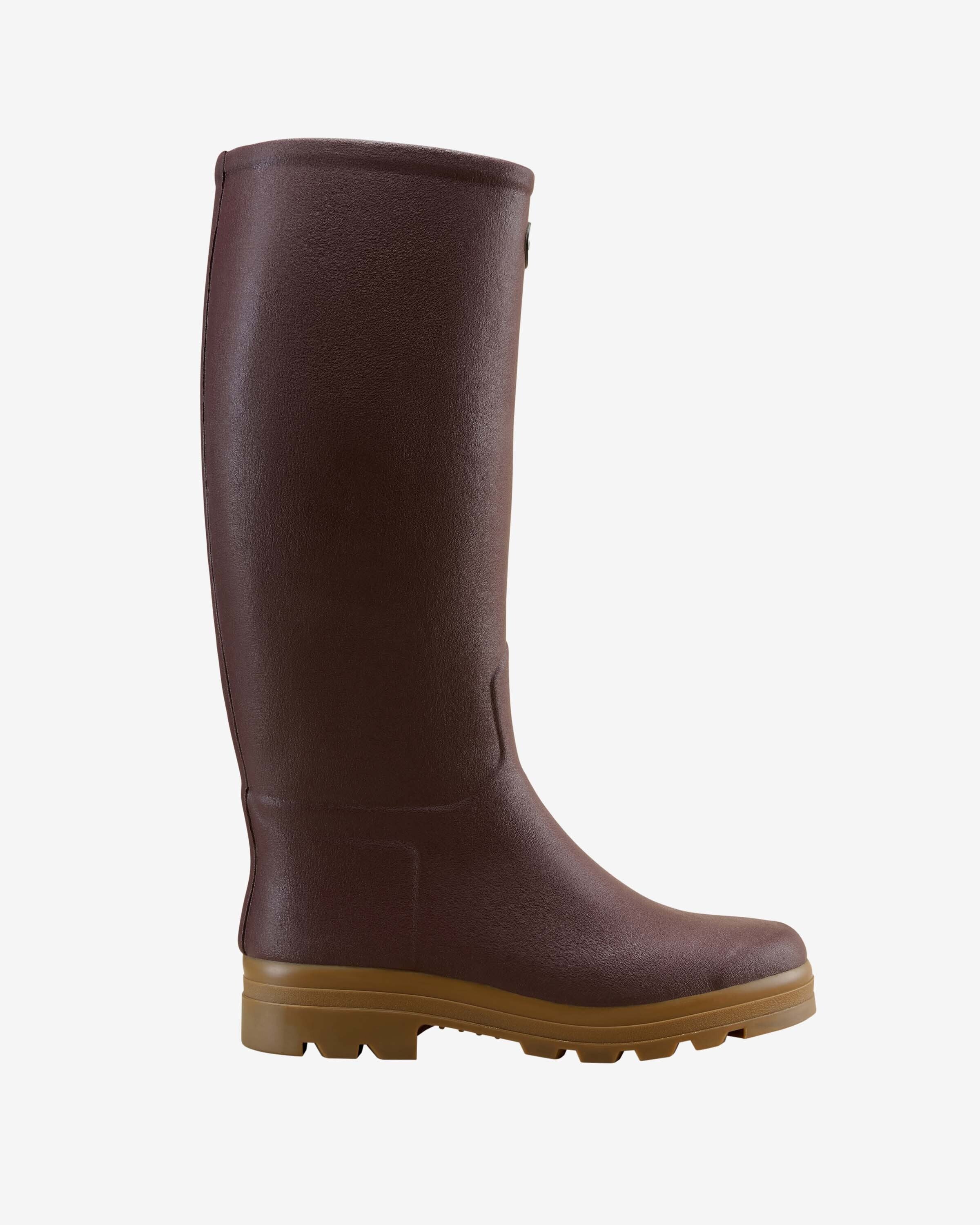
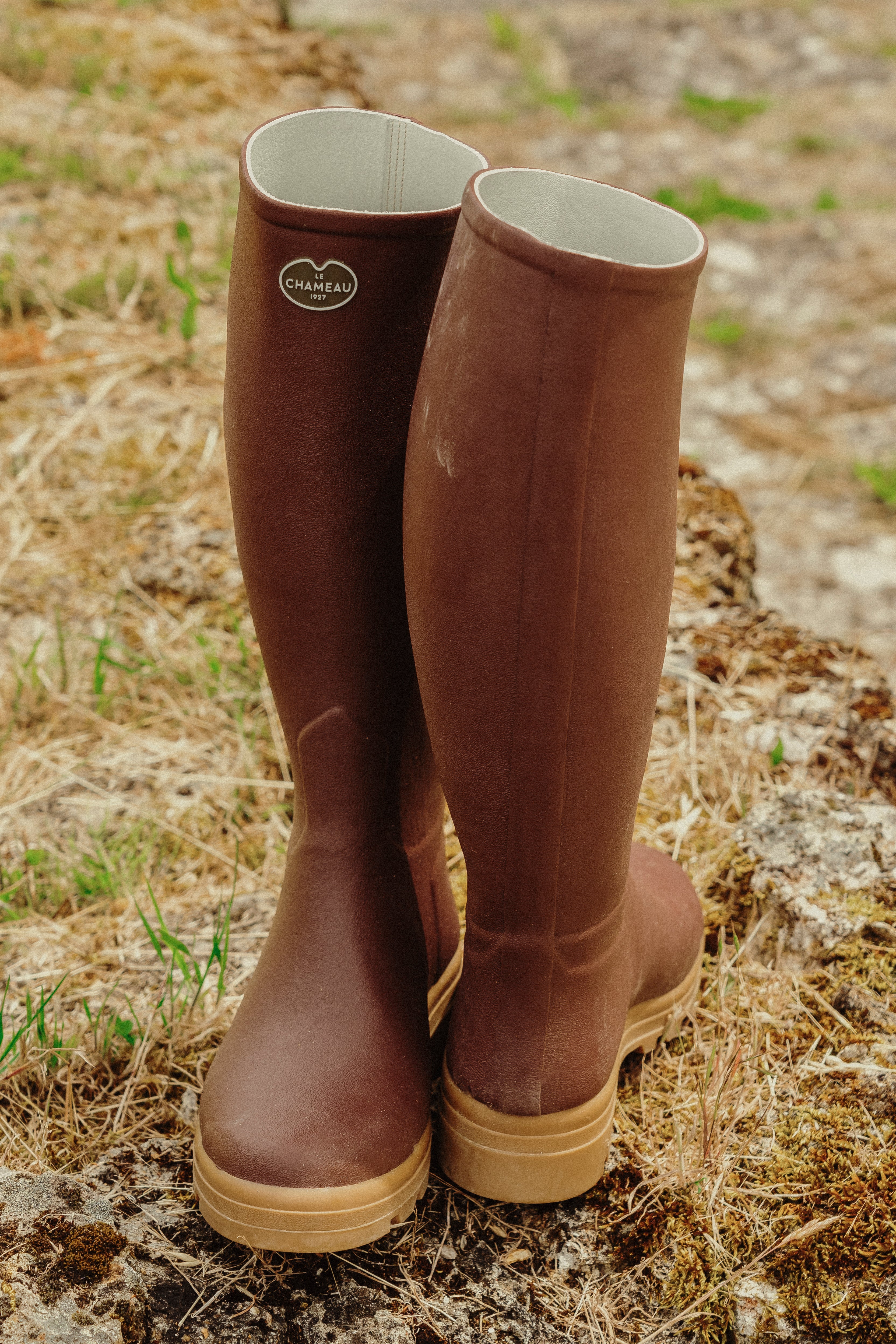
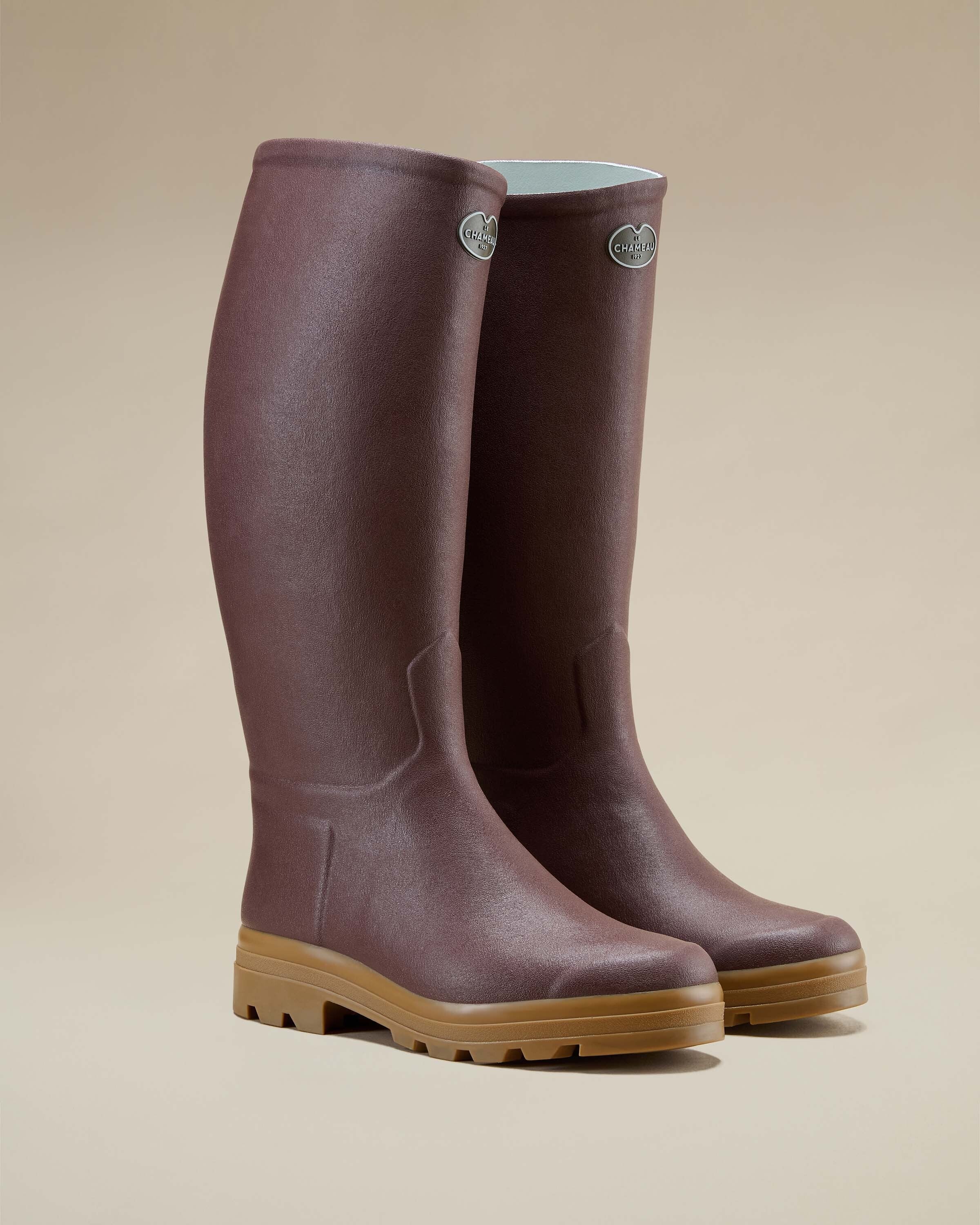
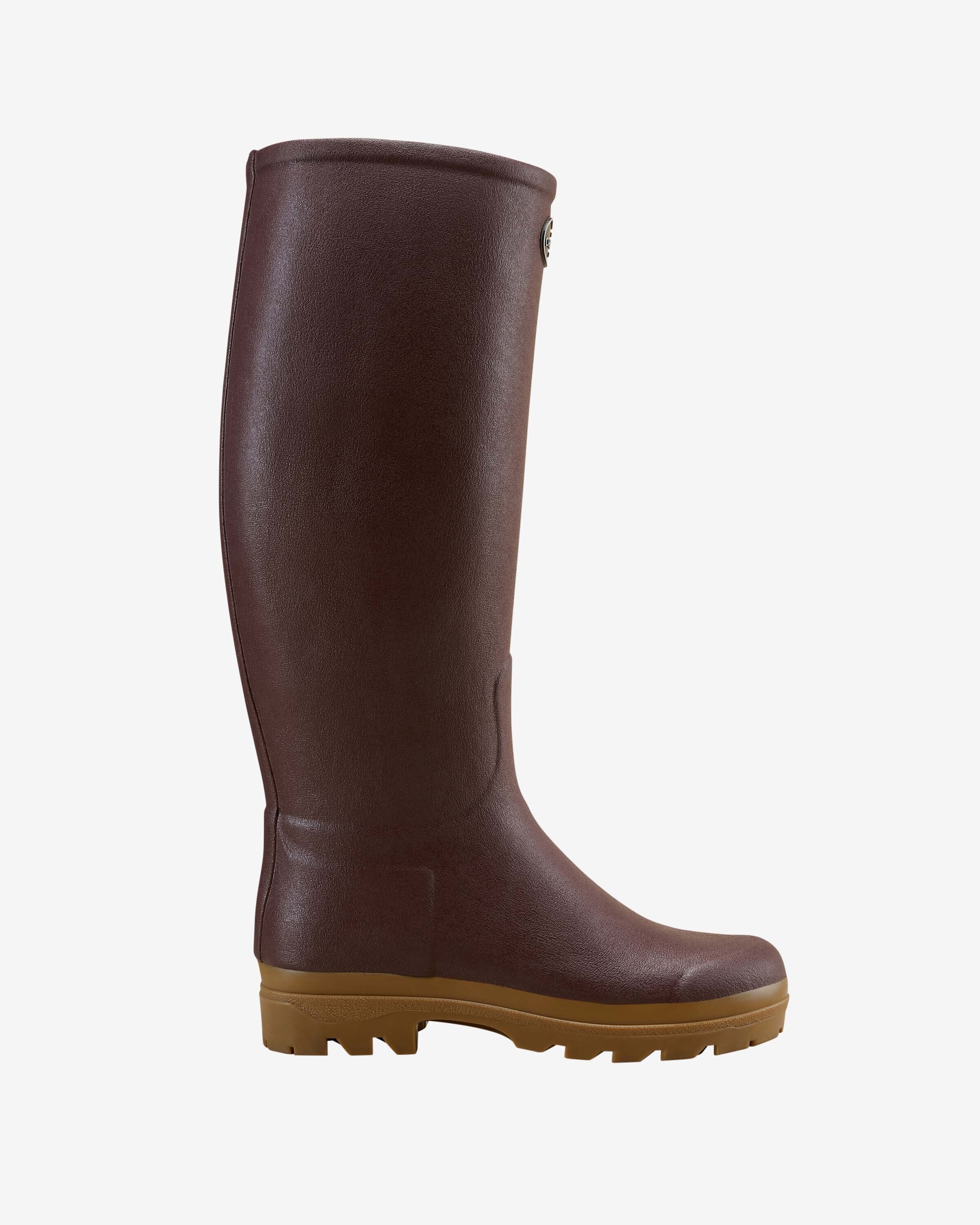
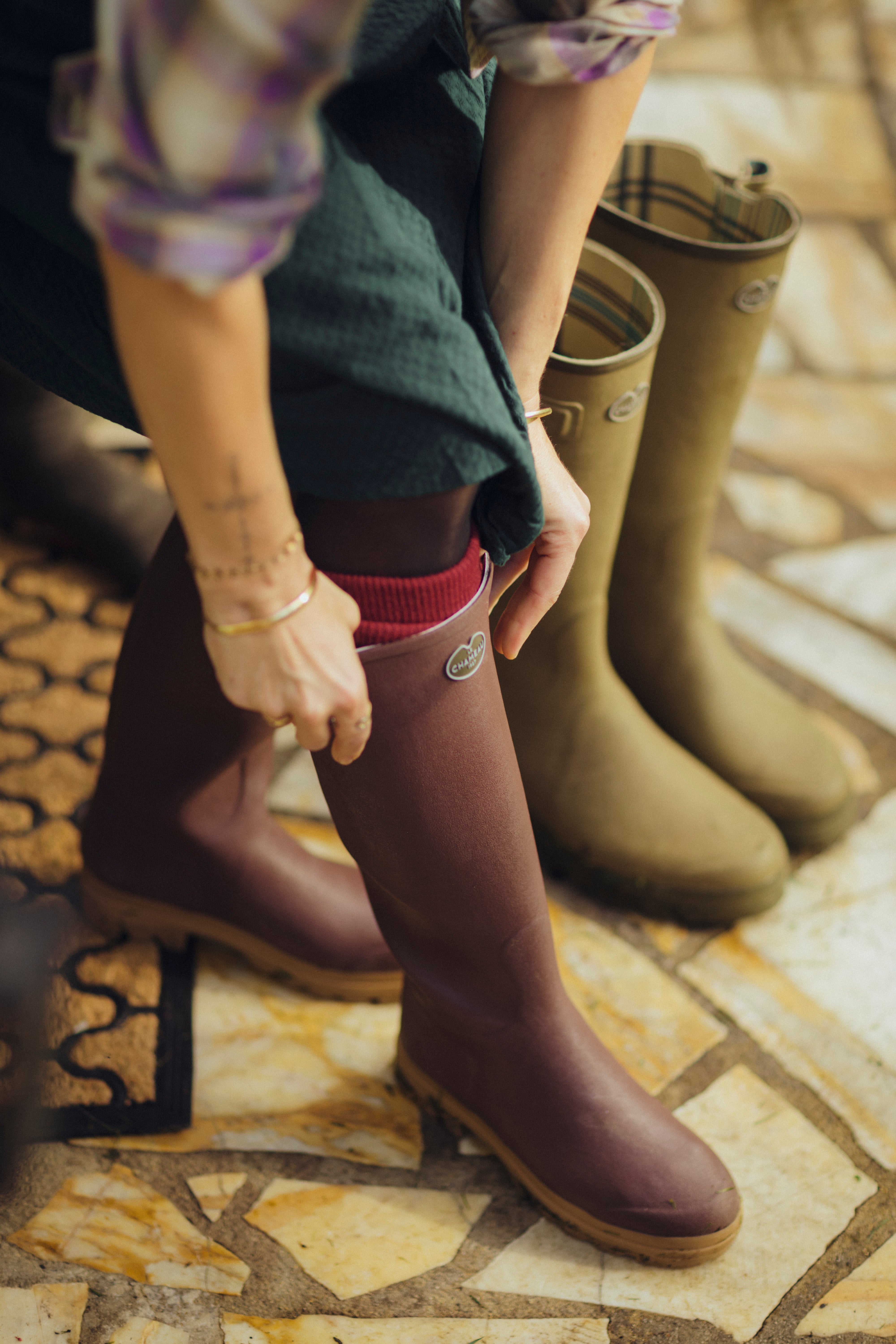
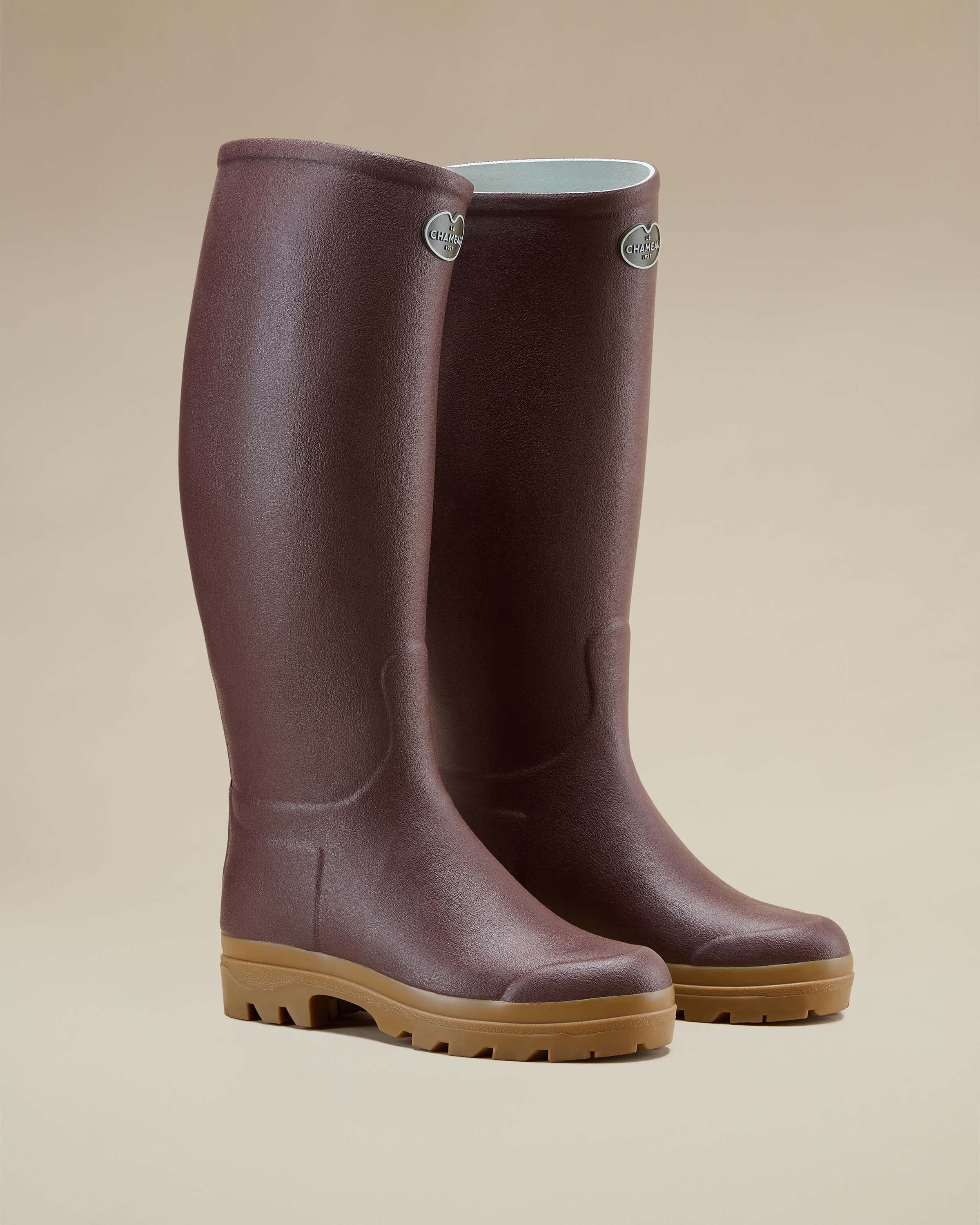
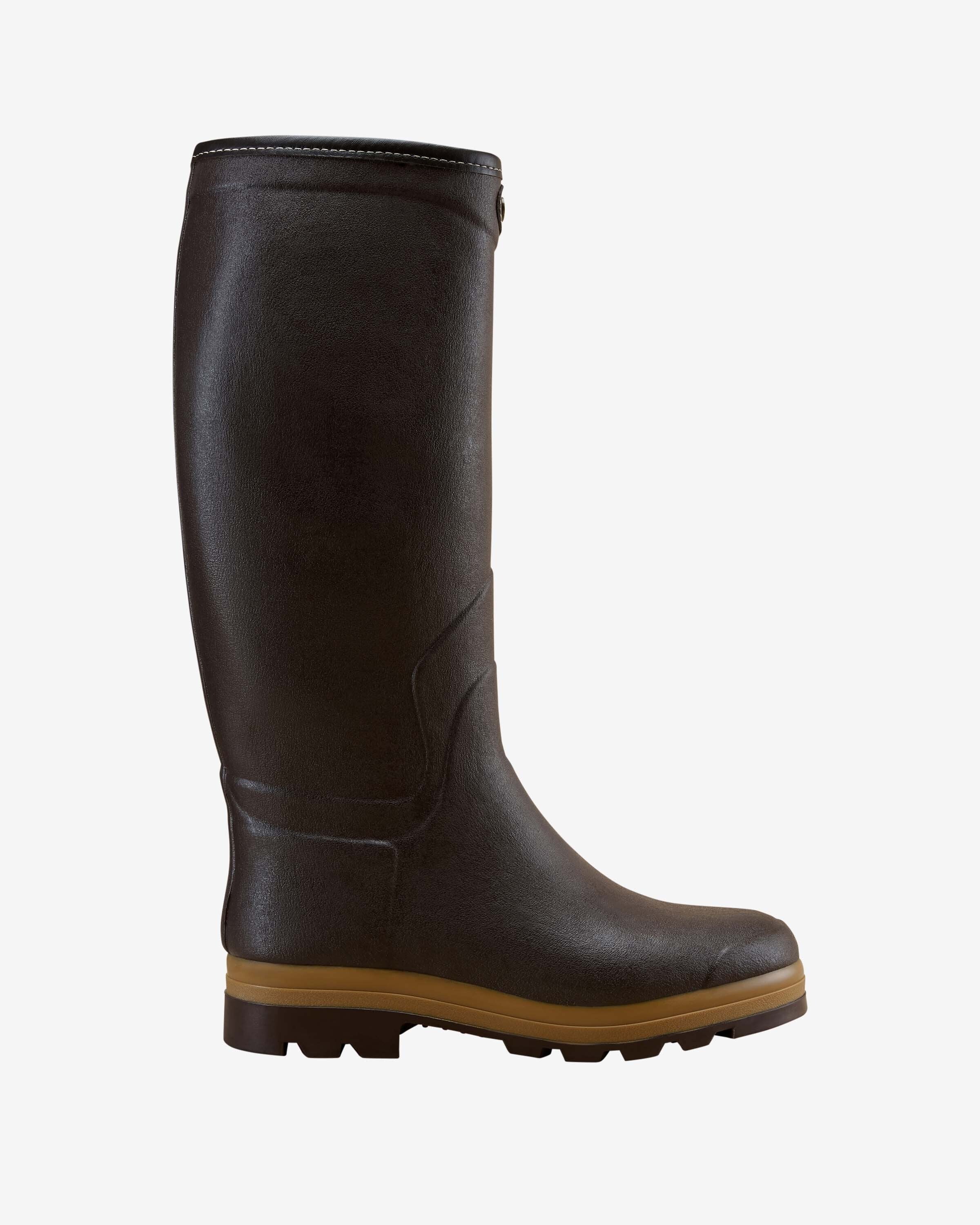
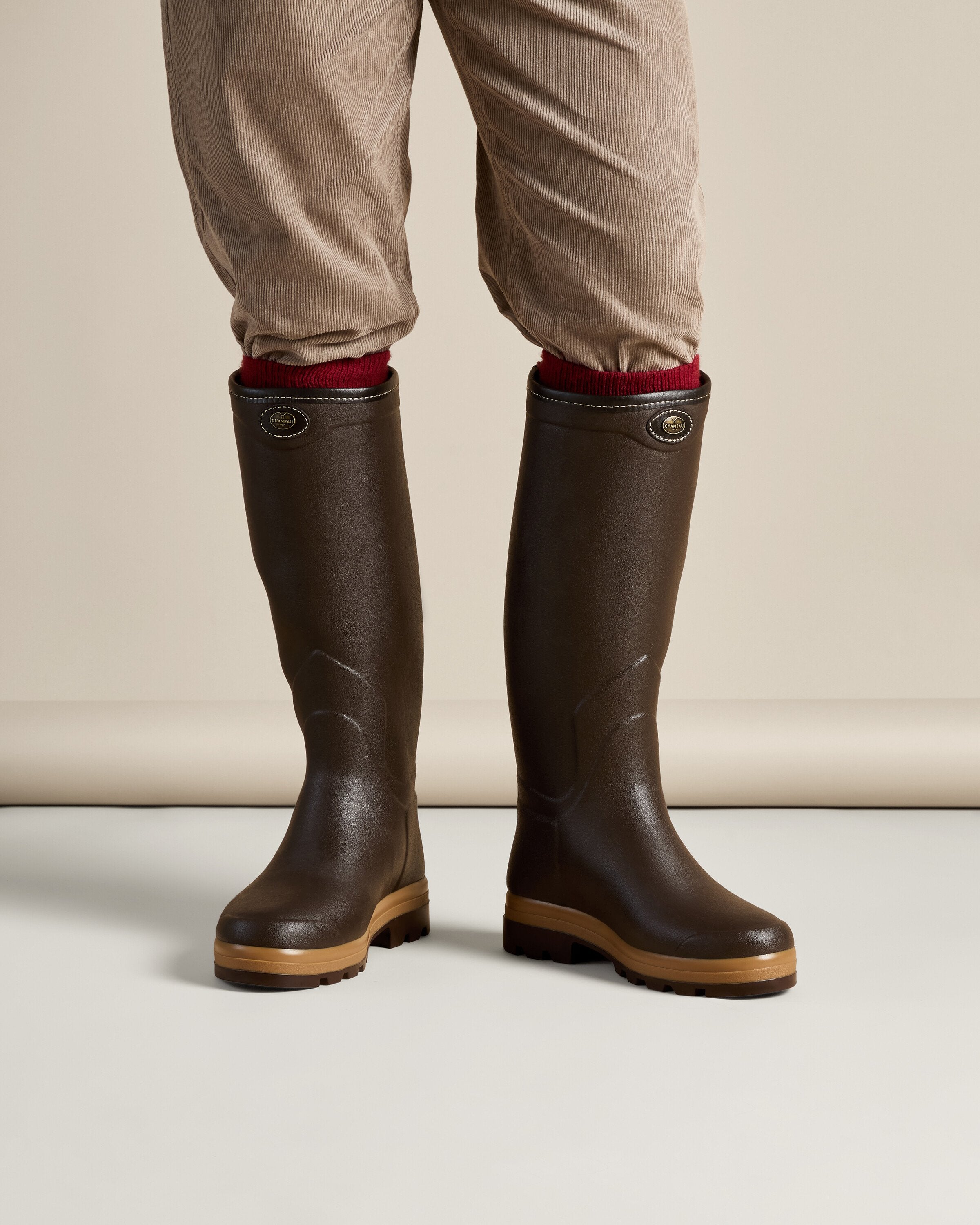
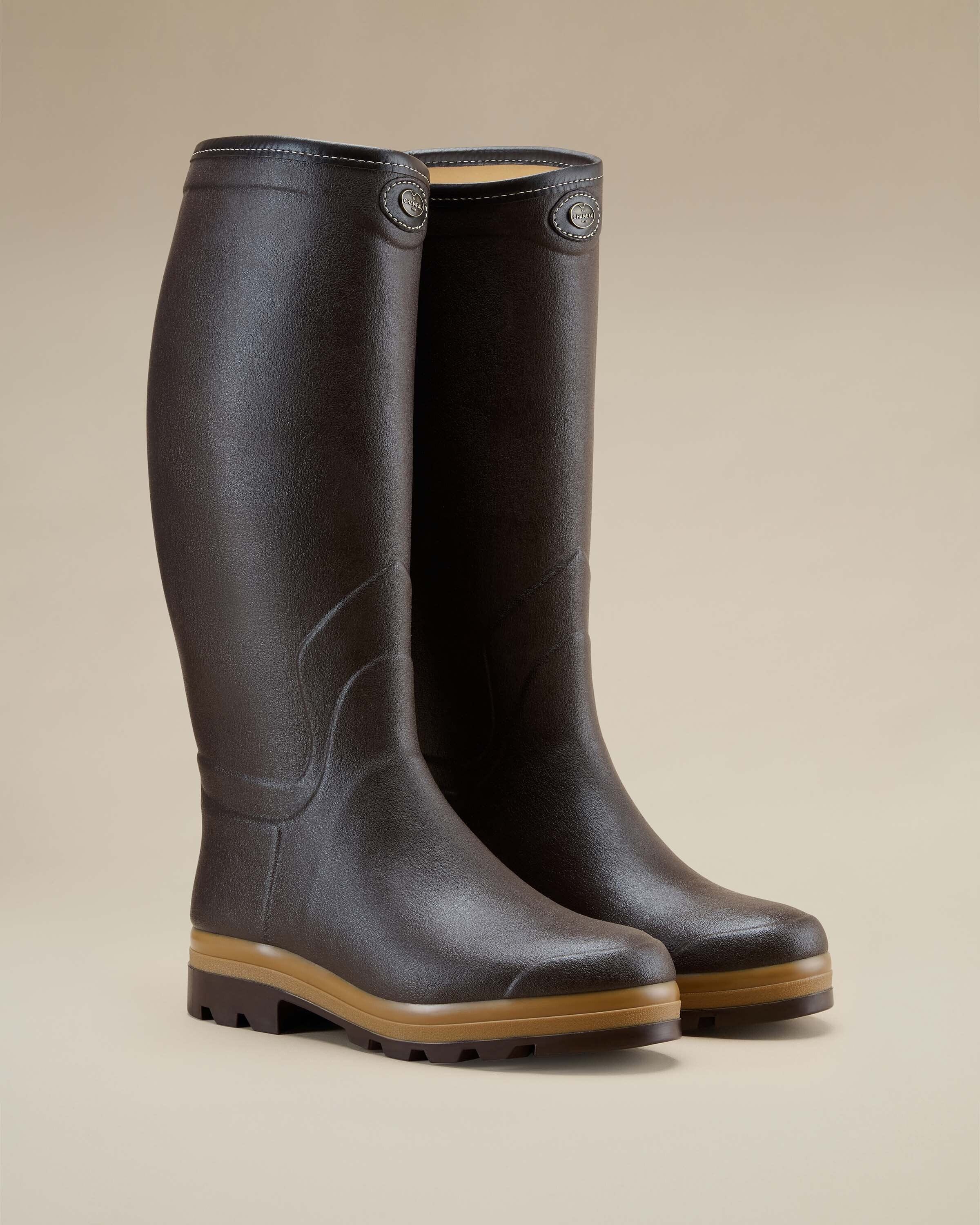
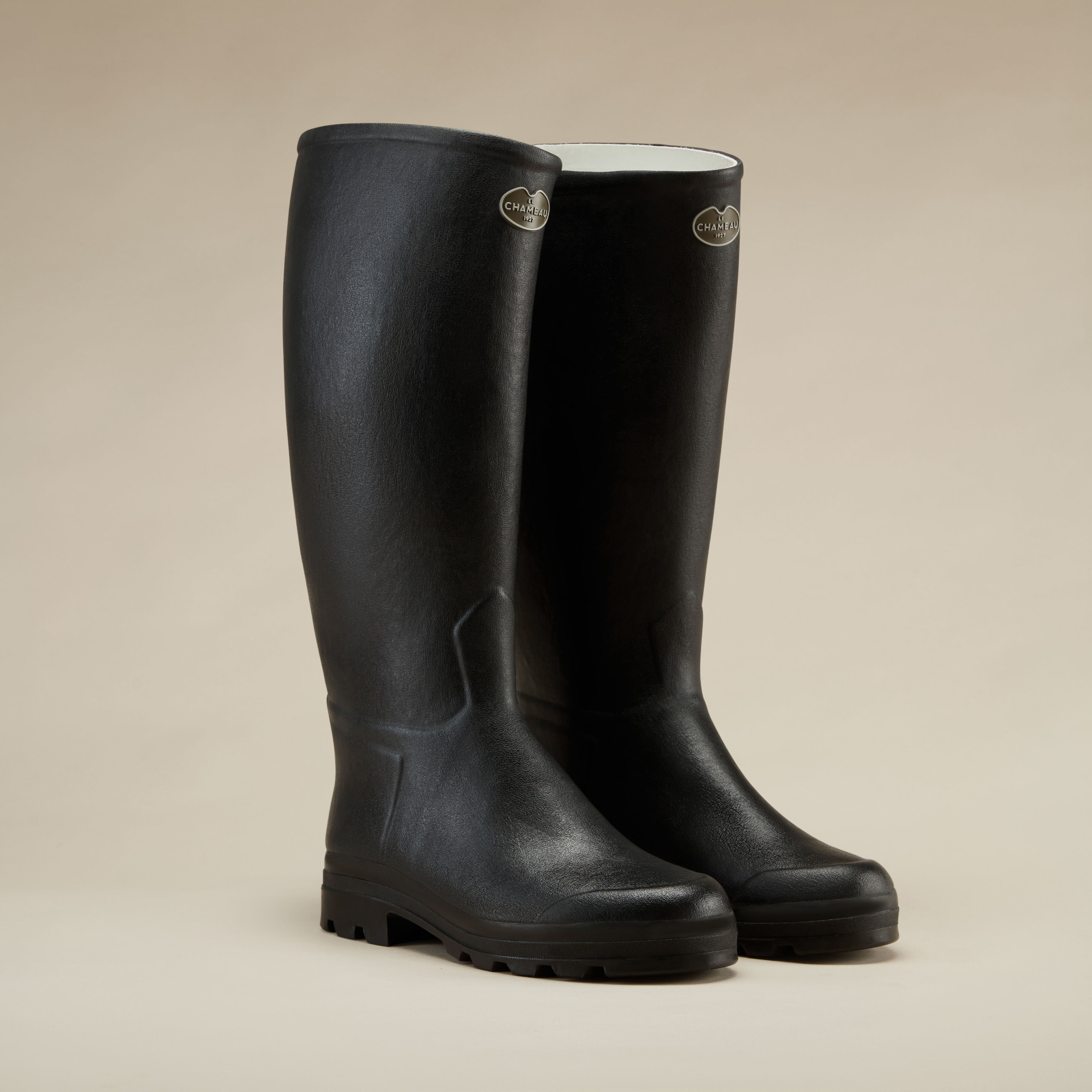
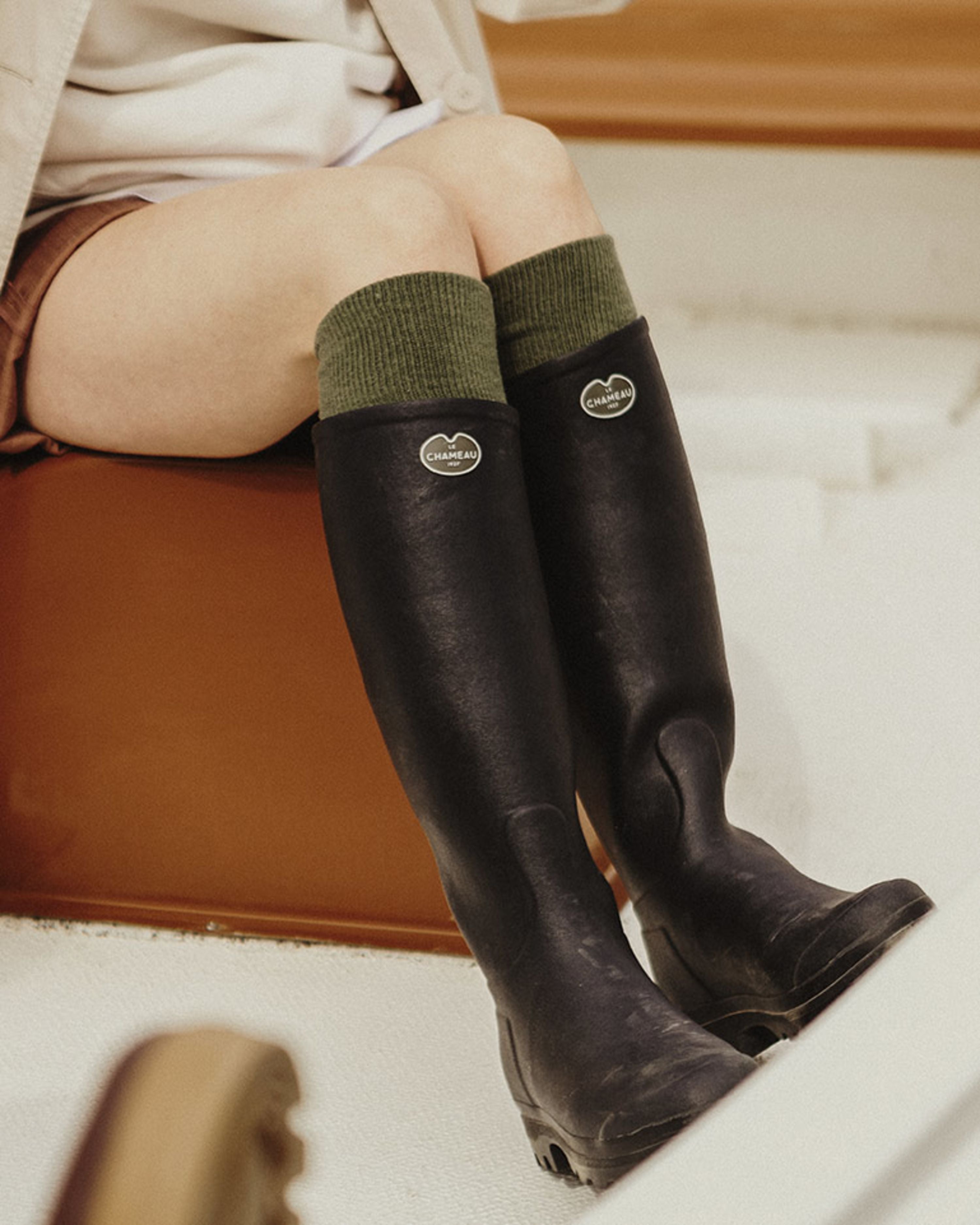
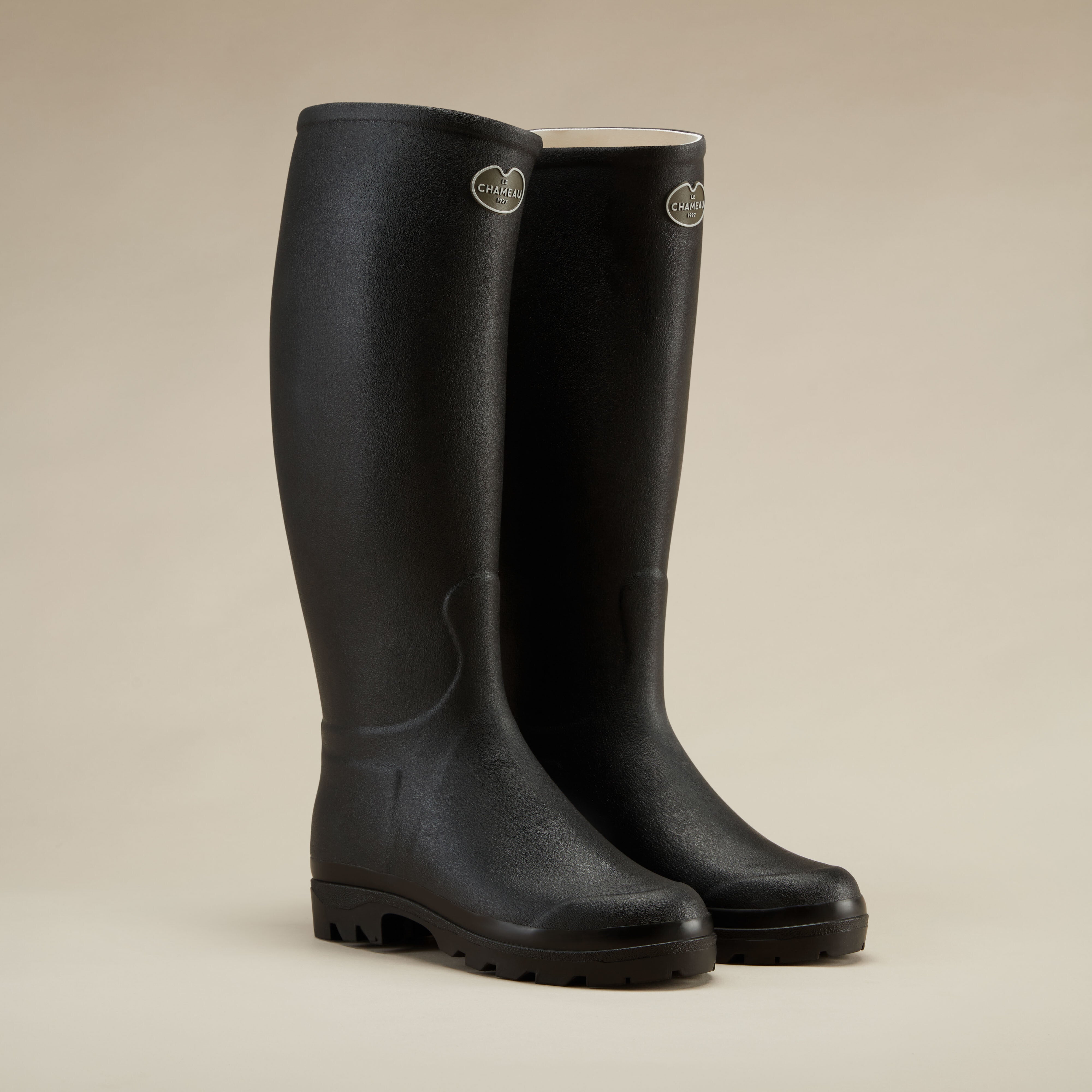
George loves his Le Chameaus, seeing them as an essential tool for foraging. He notes, “I live in my wellies. They are light enough on the feet to allow me to walk vast distances, whilst they are also durable and waterproof to allow me to traverse any terrain with ease. My wellies allow my curiosity to come out and feed the adventure, encouraging my wonder of what's around each corner; urging me on with the comfort of every step. I've used all types of hiking booking, outdoor gear and waterproofs, and my Le Chameaus have lasted the longest.”
Top Tips: What to Forage This Autumn?
George says that rosehips are a brilliant addition to everyone's kitchen. “It is easily found in most hedgerows, and makes a great syrup or tea, addition to a dessert or savoury dish. It has a delightful and unique flavour akin to an earthy sweet apple crossed with a plum. It is also a good source of vitamin C – so much so that during WW2, when imports of citrus fruit were unavailable, people were sent out and paid to forage these rosehips as a local alternative.
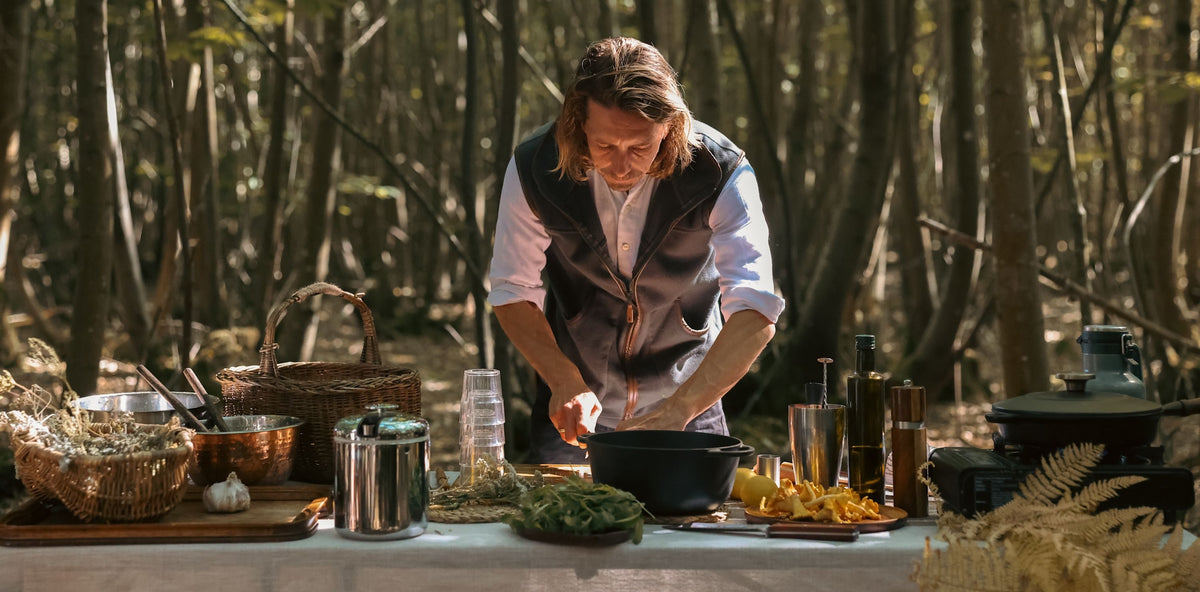
George Linklater has kindly shared with you, our Le Chameau readers, his favourite autumnal recipe, Chanterelle Mushroom Pasta. Find the recipe below, and in addition, discover our campaign film showcasing George making the recipe deep within the South Downs woodlands on our website and social media channels.
Chanterelle Mushroom Pasta
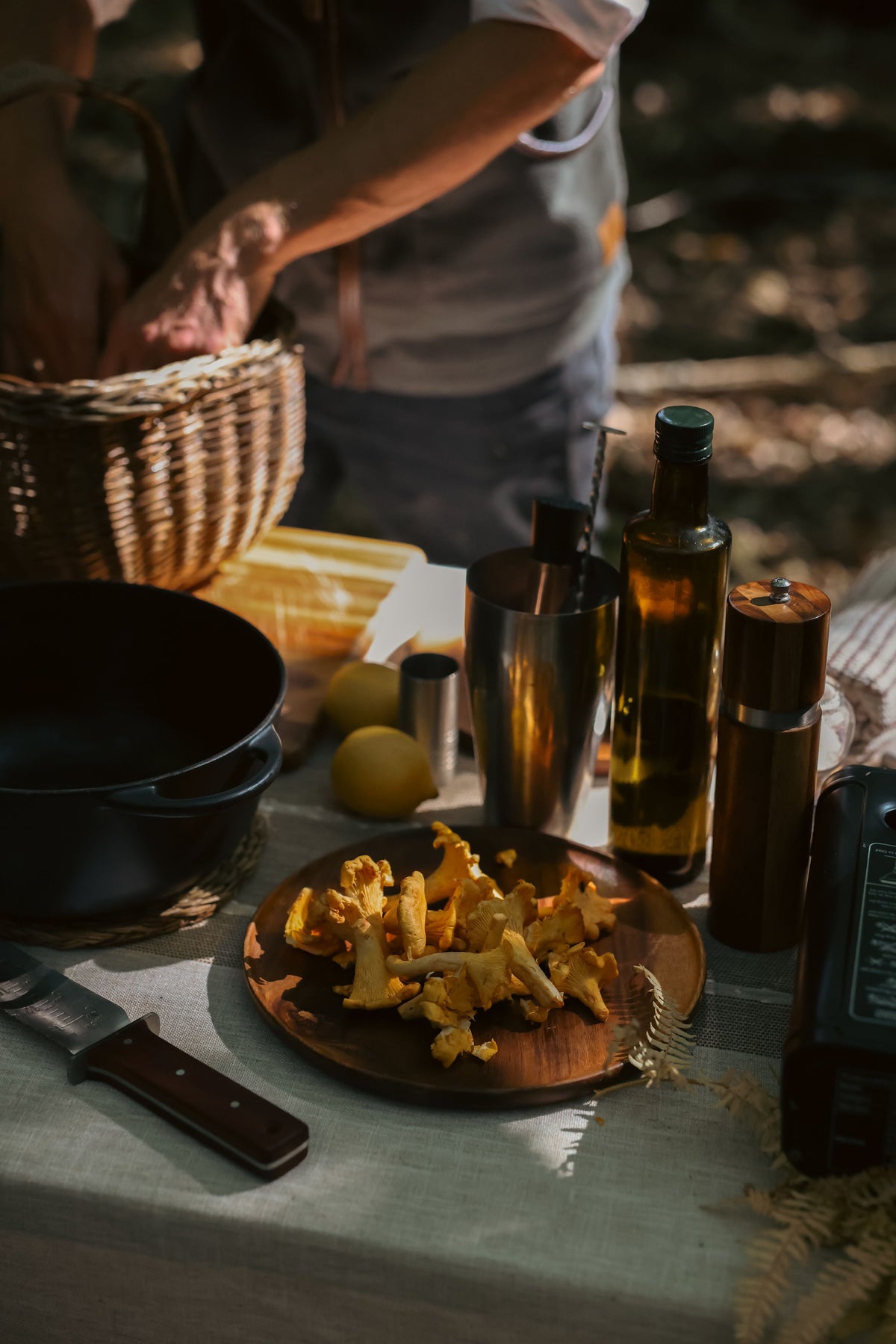
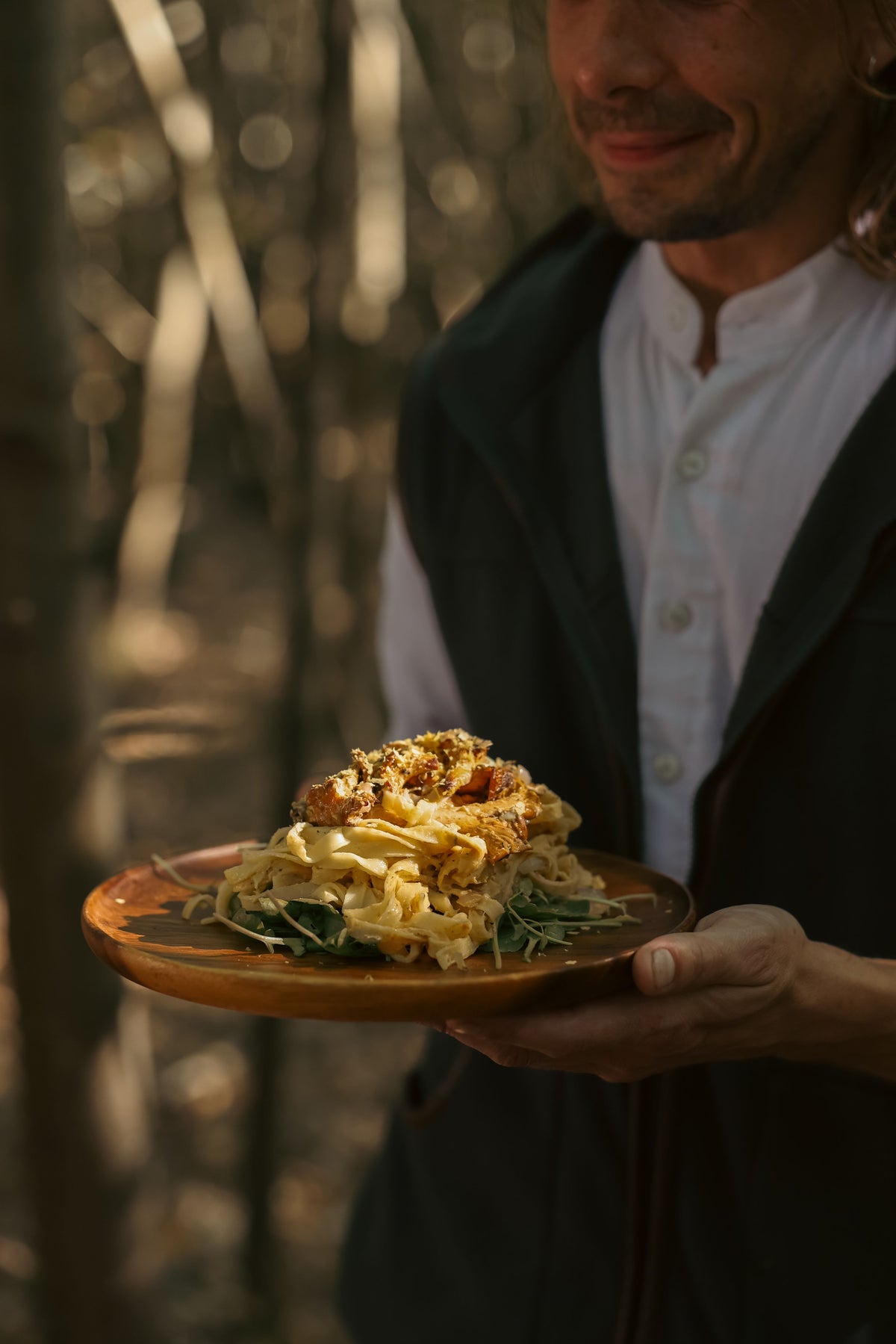
A simple pasta that really lets the chanterelles be the star of the dish.
Ingredients
(Serves 2 generously)
Fresh chanterelle mushrooms — around 250g for 2 people, but don't be afraid to use more
Fresh pasta
Sweet onions, finely chopped — white onion, shallots, spring onions or wild onions
2–4 cloves garlic, finely chopped
Thyme
Extra virgin olive oil
Salt
Freshly ground black pepper
Parmesan, or any hard cheese
1 lemon
Method
1. Cook the chanterelles. Get a pan nice and hot, then add the chanterelles directly to the pan. Season with black pepper, thyme, two cloves of garlic and salt. If the mushrooms contain any excess water — particularly if they've been foraged in wet weather — they'll begin to release it. Allow this liquid to evaporate before adding oil. This helps intensify the flavour and improves the texture of the mushrooms.
2. Add the olive oil. Once the liquid has evaporated if any and the mushrooms are beginning to cook through, add a generous splash of extra virgin olive oil. Toss to coat the chanterelles. Remove the mushrooms from the pan and set aside in a bowl.
3. Cook the onions. In the same pan, gently cook your sweet onions with the remaining garlic, more thyme, black pepper and salt. Let the onions sweat down slowly until soft. Try to retain their juices rather than cooking them completely dry.
4. Bring the mushrooms and onions together. Return the cooked chanterelles to the pan and combine them with the softened onion mixture. Gently warm everything through.
5. Cook the pasta. Cook your fresh pasta until ready, then add the mushroom and onion mixture and toss everything together with finely grated lemon zest and Parmesan to taste.
6. Finish the dish. Serve immediately with a simple wild salad, garden salad, or whatever fresh leaves you have available.
Forager's Tip – For an extra bit of luxury, you can purée some of the cooked mushroom and onion mixture to create a rich sauce that coats the pasta. Keep a few of your best cooked chanterelles whole and place them on top to finish.

 Stalking Deer through Sussex with Jason GriffinLire l'article
 Stewarding the Downs: Life at Cowdray EstateLire l'article
 Harvesting Apples this HalloweenLire l'article
 Country Shows: The Best of the Rural LifeLire l'article
 At One with Nature: Fly Fishing with Marina GibsonLire l'article
 At Daylesford: One Man and his SheepdogLire l'article
 The Glorious Twelfth: All You Need to KnowLire l'article
 On-Farm this Summer: Farming in a Changing ClimateLire l'article
