
 Set Sail this Summer: Mastering the Water
It’s said that one of the last true wildernesses in Europe is the tree-like waterways of the north Norfolk saltmarsh. These ever-changing tidal creeks sees water, mud, sand and clay constantly shift, perfect conditions that give rise to some of our rarest of wildlife and best sailing experiences.
That is to say, sailing these dangerous and ever-challenging waters is not for the faint-hearted but for the bold and courageous types; those deeply bonded to the water, it’s tides and the seafloor, all of which are in constant flux.
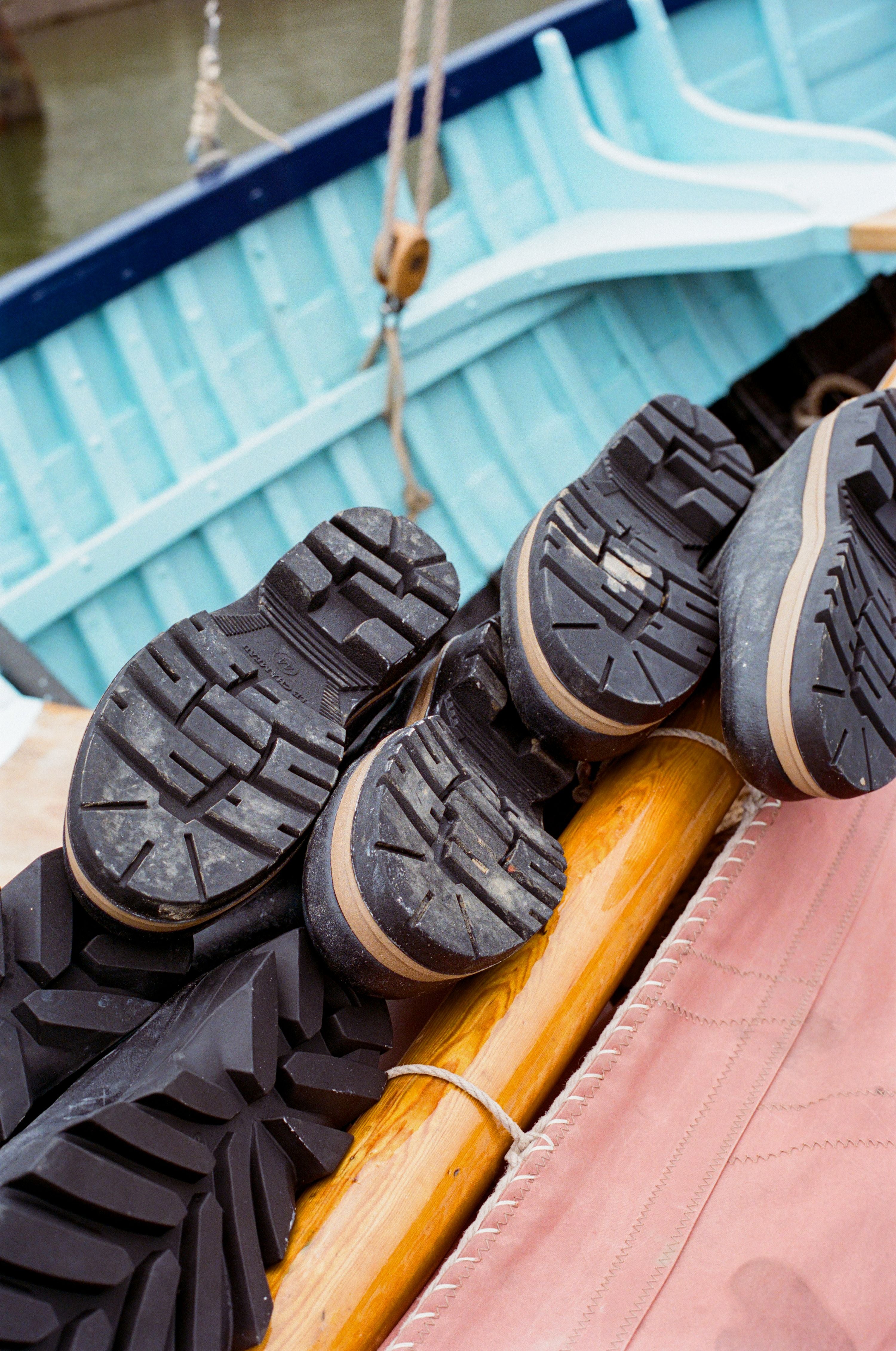
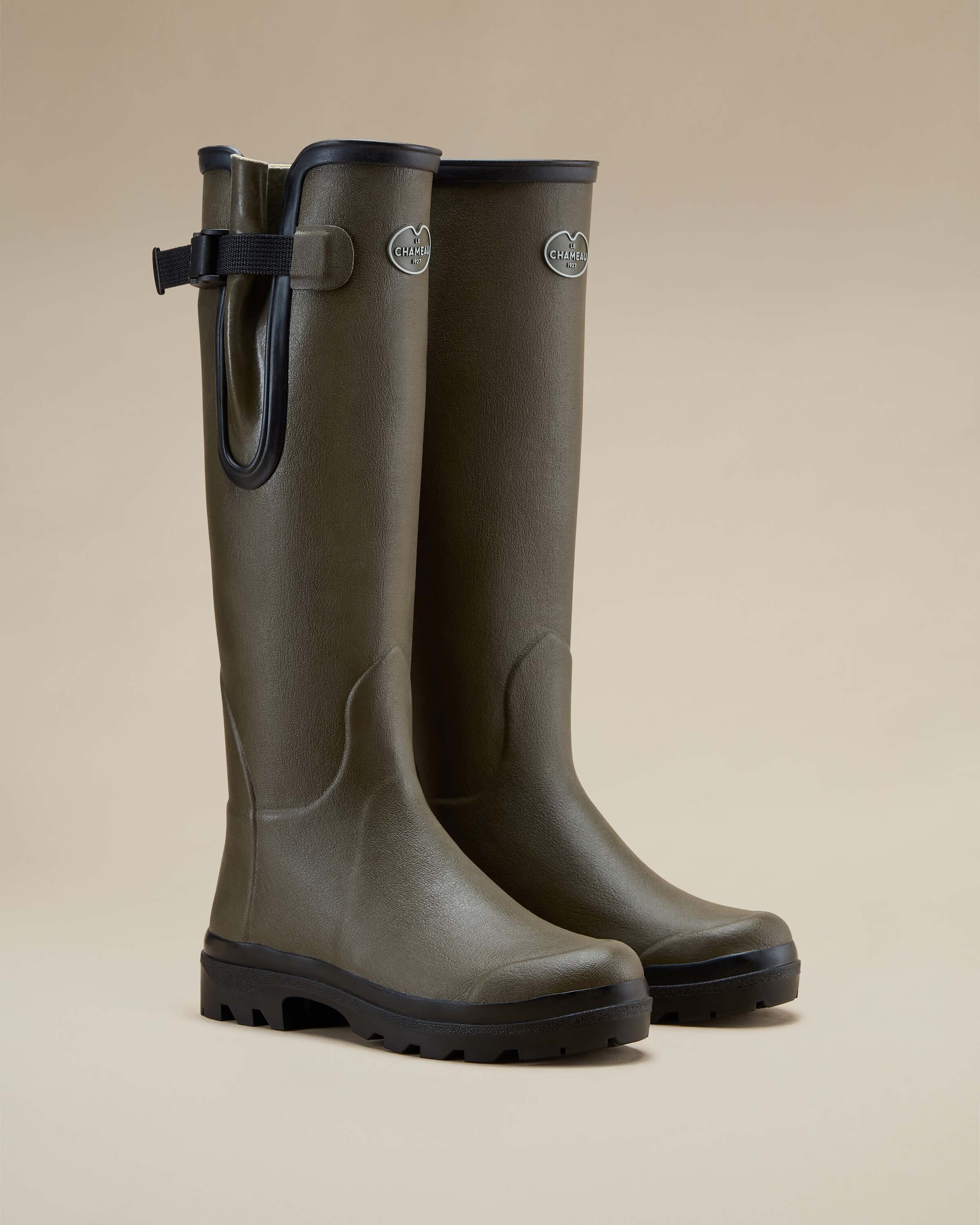
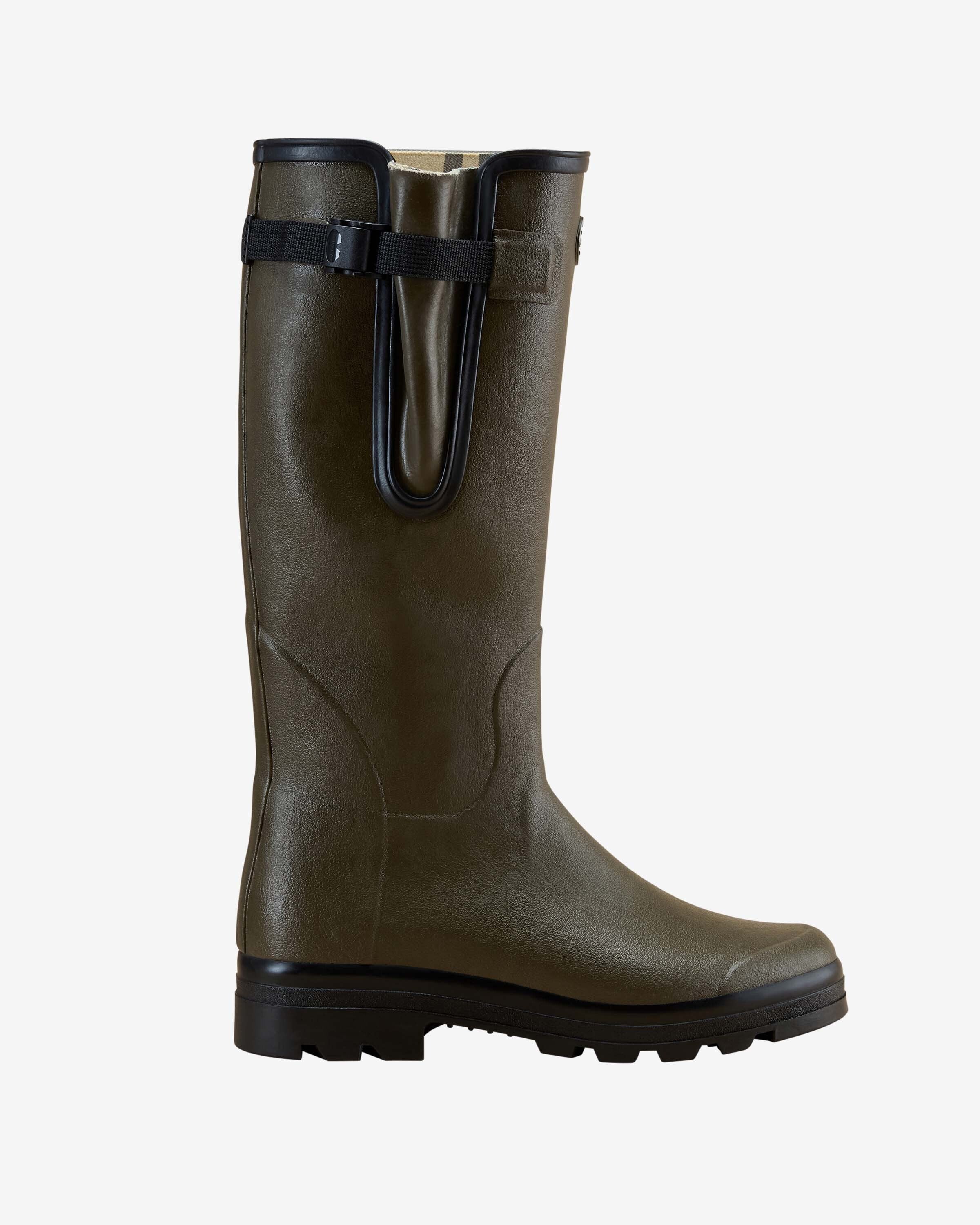
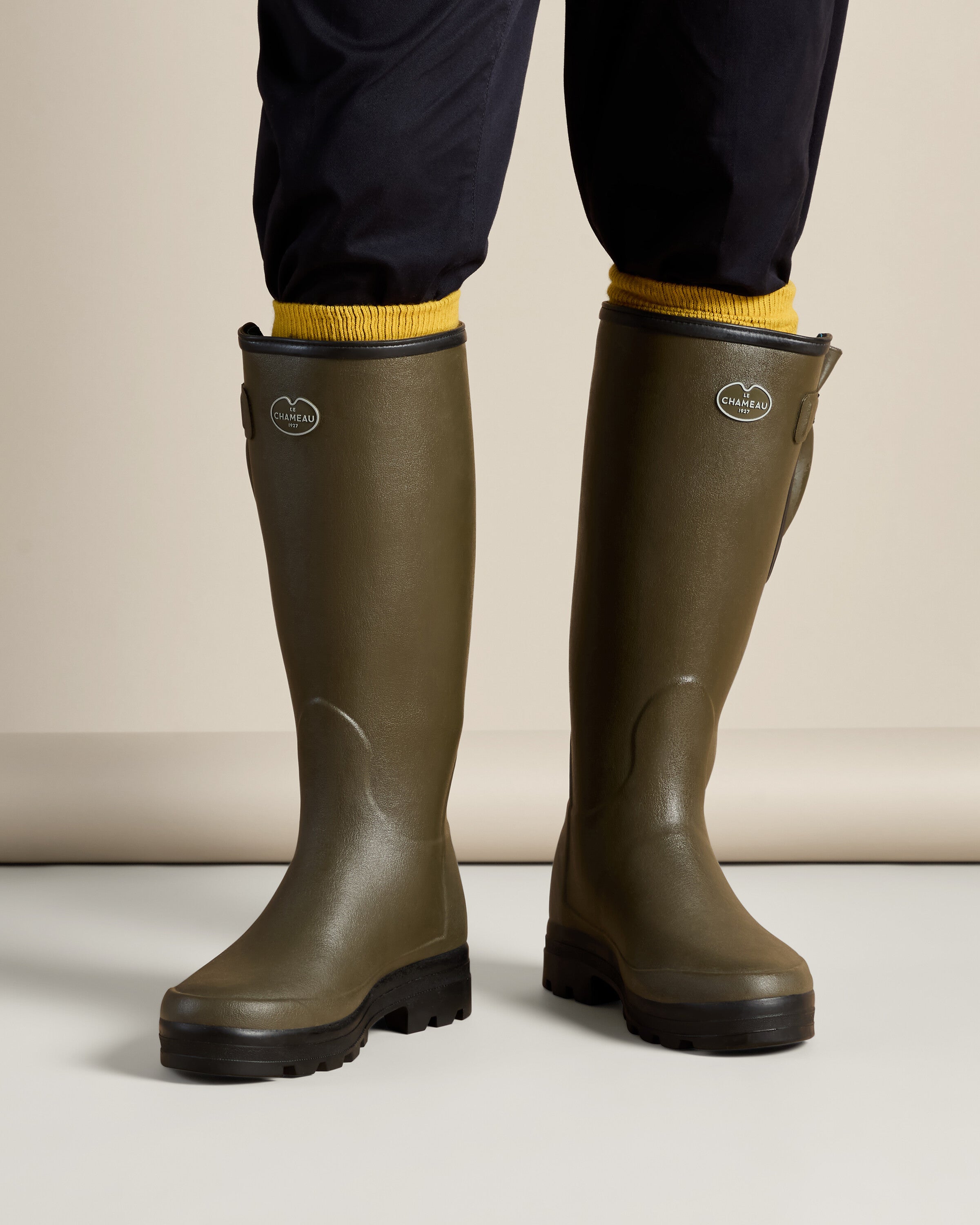
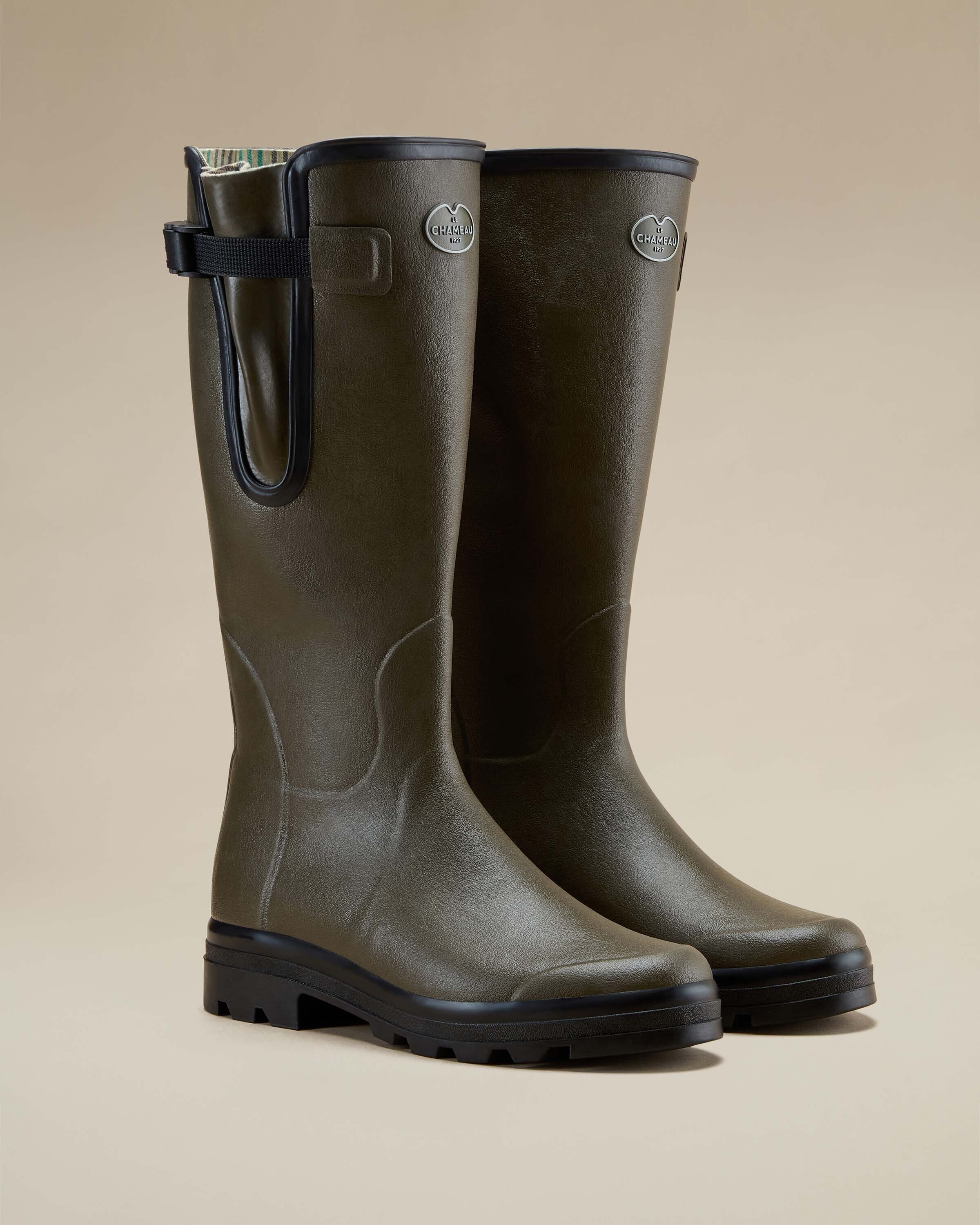
Le Chameau is worn by the finest sailors who navigate our waters; the world’s oceans, seas, rivers and creeks, which include those who make up the Coastal Exploration Company (CEC). Based off the north Norfolk coast, CEC is made up of a handful of adventurers who not only know their local waters like the back of their hand, but they also have a true passion for sustaining heritage, protecting the natural environment and just having a whale of a time exploring the wild.
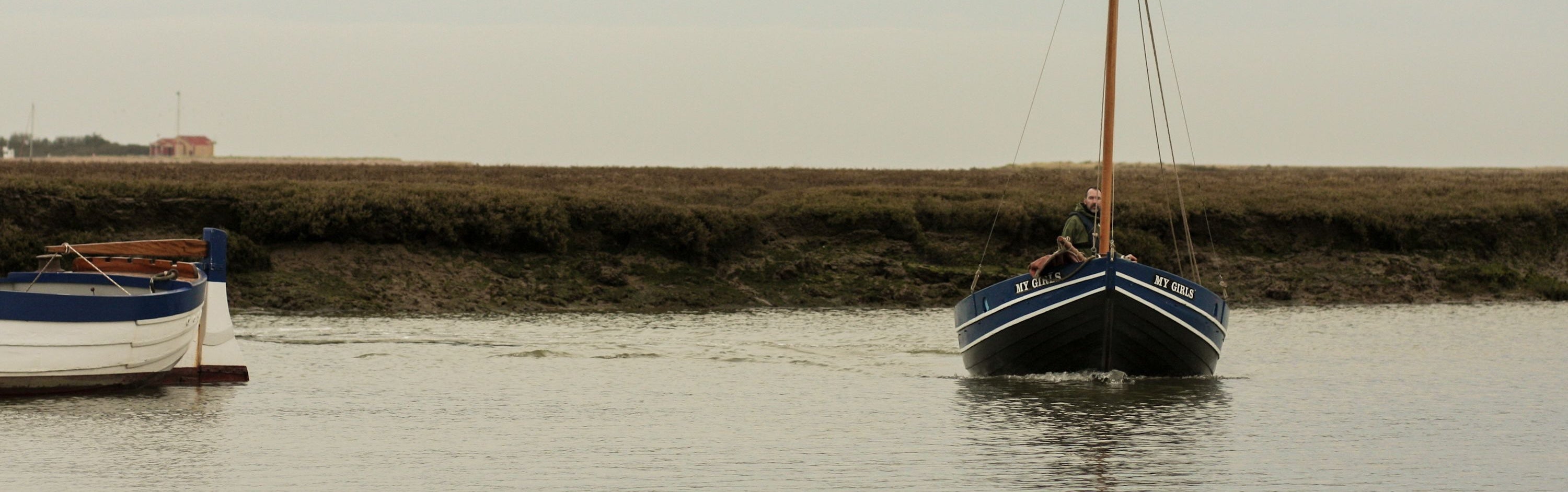
To tell us more about the Coastal Exploration Company and its purpose and what it’s truly like to sail such precarious waters like the north Norfolk creeks, we spent the day with adventurers Colin and Henry from CEC sailing their fleet of traditional local fishing boats into the wilderness of the saltmarsh.
“It [the Coastal Exploration Company] started back in 2016 when I finished work with UN humanitarian affairs.” Henry says. “I'm originally from Norfolk and I love adventure, sailing, being out in the water and observing wildlife, and I just thought there's nobody taking people out into the saltmarsh and further into the north Norfolk waters. I then thought, well, we could do that and we could use the old traditional working boats and cook locally sourced food as well. We started our first charter that summer in a traditional Norfolk crab boat.”
“The company is more of an experiential one than a sailing company as we do lots of things.” Colin notes. “It’s about immersing yourself in what is true wilderness.”
Once we moved out of the quayside and set sail into the creeks, we found ourselves in another realm altogether, a complete wilderness, just us and nature. That nature comes in the form of stunning birdlife. In winter, an army of geese, waders and wildfowl migrate to the region, thousands seeing the creeks as their temporary home. In spring and summer, the creeks host breeding birds like five different species terns, curlews, whimbrels, oystercatchers, marsh harriers, avocets and spoonbills.
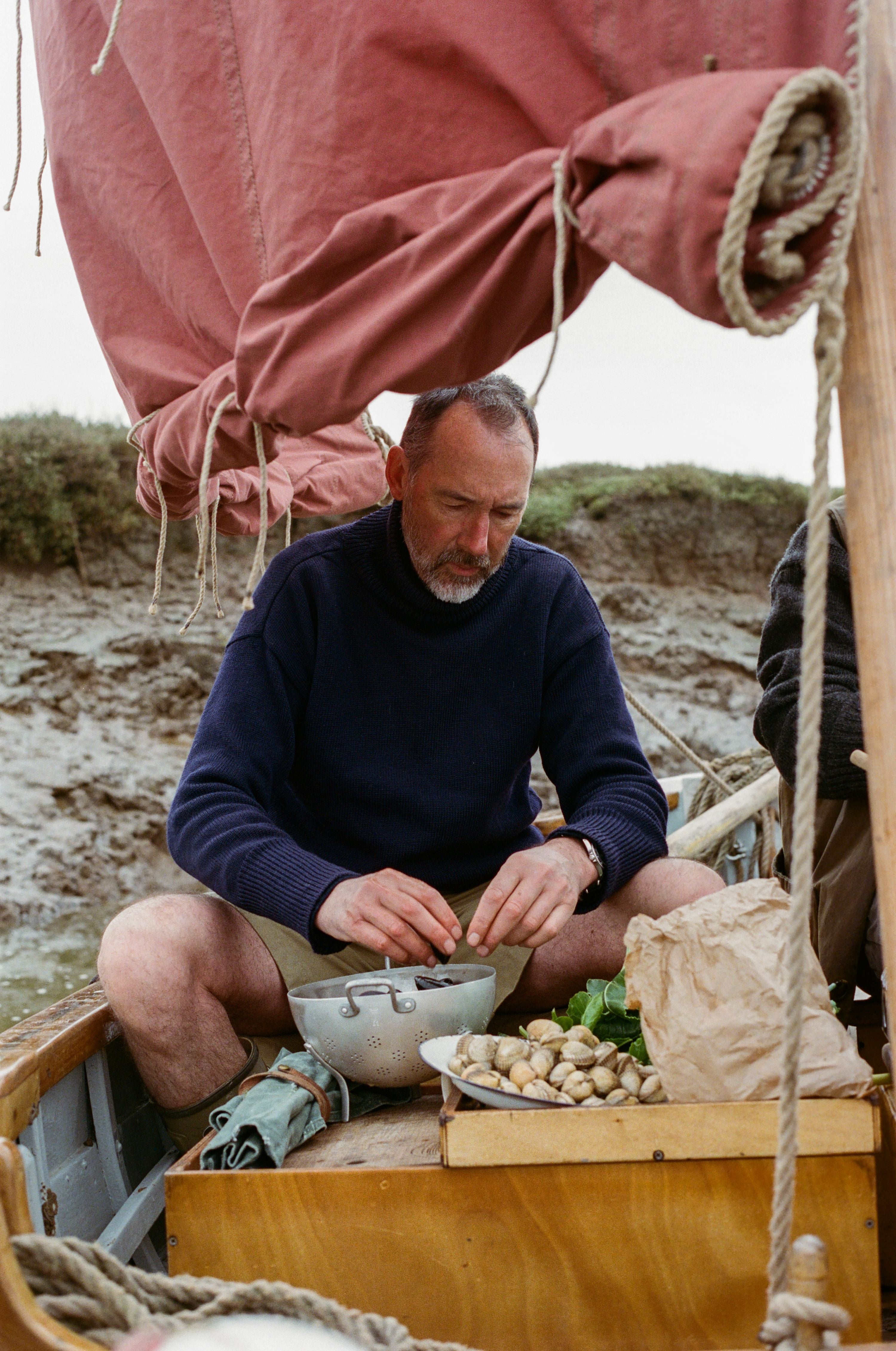
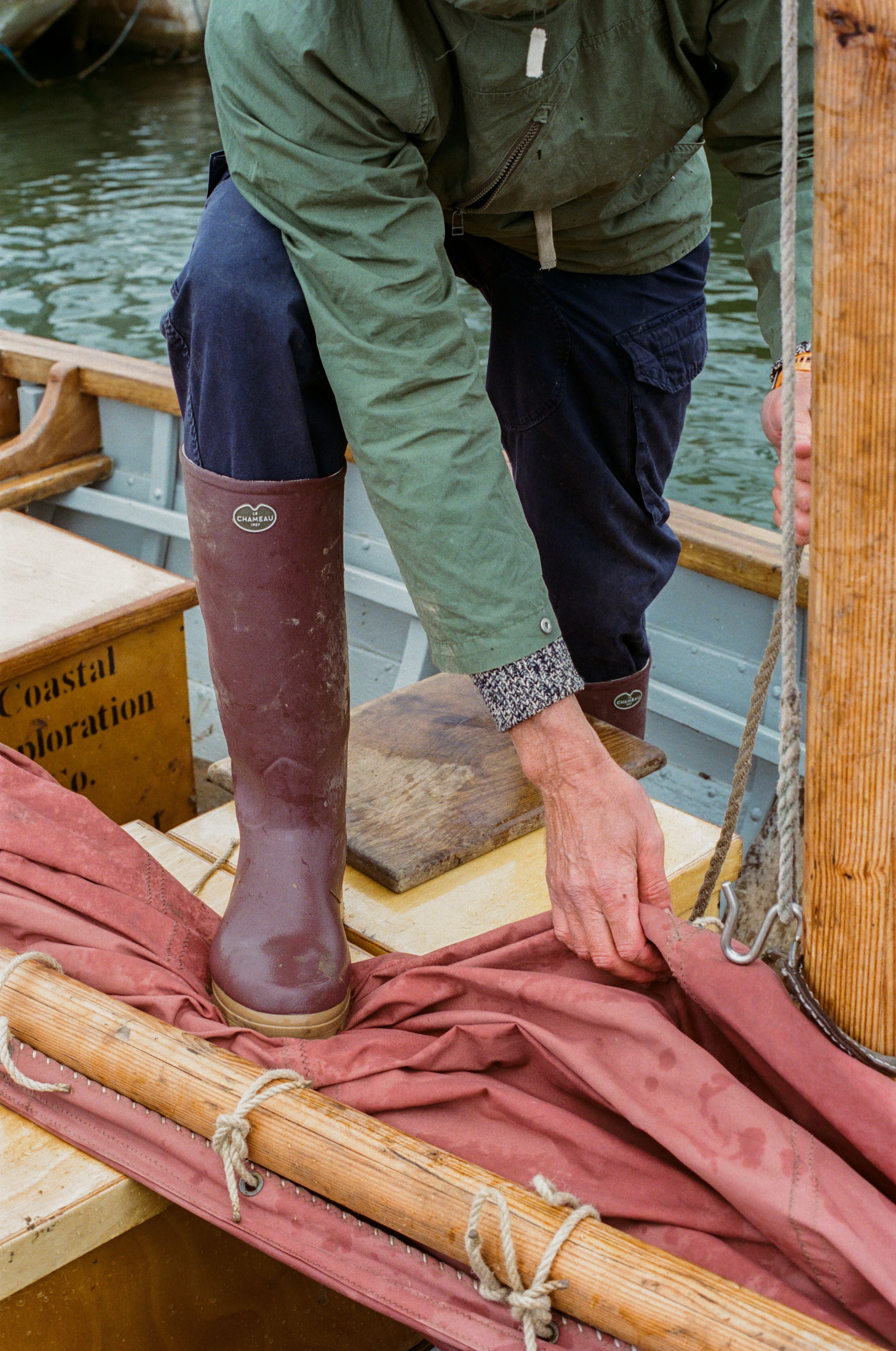
“Norfolk doesn’t have mountains or rolling hills,” Henry adds “but we do have a really dynamic tidal environment which is completely unique. So, if you come out with us on the boat, we’ll often wild swim, look at wildlife, do some cooking, or just have a coffee and sit and absorb the environment that surrounds us.”
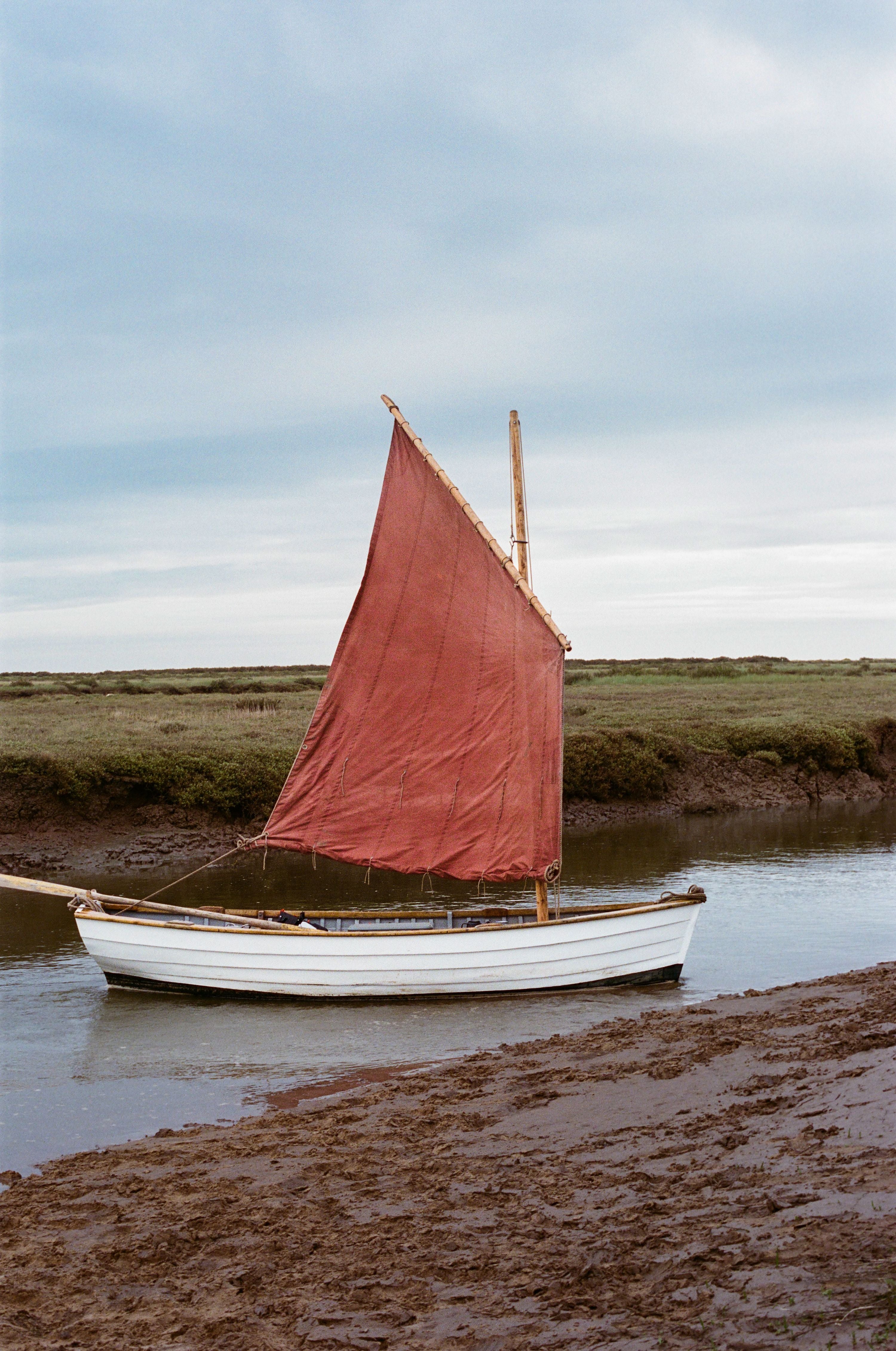
The Coastal Exploration Company prides itself on refurbishing beautiful traditional fishing boats that would have been used daily on the coasts of Norfolk including a crab boat, a whelk boat and a couple of mussel flats.
Henry tells us more, “These boats are our pride and joy. The crab boat is designed to come up against big waves on the Norfolk coast. Before the time of engines, the sailors would have rowed out or sailed out to lay crab pots in these boats. The whelk boat is a longer version for going further out, and we can also take more people out in it, often stay overnight somewhere and do some pretty fun sea adventures. The little mussel flats are just perfect for exploring the creeks because they float in a couple of inches of water. But again, they're working boats that are made to go and harvest the mussels. Sailors would have shovelled 1-2 tons of mussels at a time.
“The last boat we have restored is a 1923 sailing boat. Built originally by Worfolk & Sons in King’s Lynn, this 42-foot wooden carvel smack was designed for cockling and shrimping. So, the boats are very much built to collect and harvest seafood. You’ll find here in Norfolk, many of the families are tied into the fishing industry, now or in the past with their grannies or grandpa’s part of the region’s fishing history.”
‘Watercraft’ is a term that speaks of understanding water; knowing its currents and tides, having a sense of wind direction and map of the seafloor. It’s a skill that takes years to learn, and as Colin tells us, is something that you’ll always be learning about, each and every day.
“To understand the water, it’s getting out there constantly. We walk the creeks at low tide to know where the deeper water is, because within a creek, there's always a deeper part and you can't see it when the tide's in. Every summer, there are different routes that open up in the creeks, some close down. So, you've got to constantly work with it. It’s always challenging when working with nature; you're always learning. It’s also important to work together as a team, talking to each other about the currents, wind, tides, weather, etc. I enjoy that closeness with nature. You know, you feel in touch with everything around you.”
Set Sail this Summer
If you, like us, crave adventure and revel in the elements, then join the Coastal Exploration Company for a sail this year. There are many different trips you can get involved with, from hourly trips to daytrips to those that last several days. It could be a trip that specialises in foraging, wild swimming, wine tasting or a supper club. On the larger boats like Victorious, the CEC sail around the Wash and wider north Norfolk coastline for a few days, anchoring up and camping out each night. Find out more about the Coastal Exploration Company trips this summer.
 Stewarding the Downs: Life at Cowdray EstateLire l'article
 Harvesting Apples this HalloweenLire l'article
 Country Shows: The Best of the Rural LifeLire l'article
 At One with Nature: Fly Fishing with Marina GibsonLire l'article
 At Daylesford: One Man and his SheepdogLire l'article
 The Glorious Twelfth: All You Need to KnowLire l'article
 On-Farm this Summer: Farming in a Changing ClimateLire l'article
 Discover Holkham: Glasshouses, Gardens and Glorious WalksLire l'article
