
Conservation in Le Chameau: CotswoldWildlife Park and Gardens
It’s quite a sight to see starlings singing over a herd of camels and swallows swooshing between the weighted feet of a southern white rhino in England; with such a diversity of fauna in one place, it can only be the Cotswold Wildlife Park and Gardens.
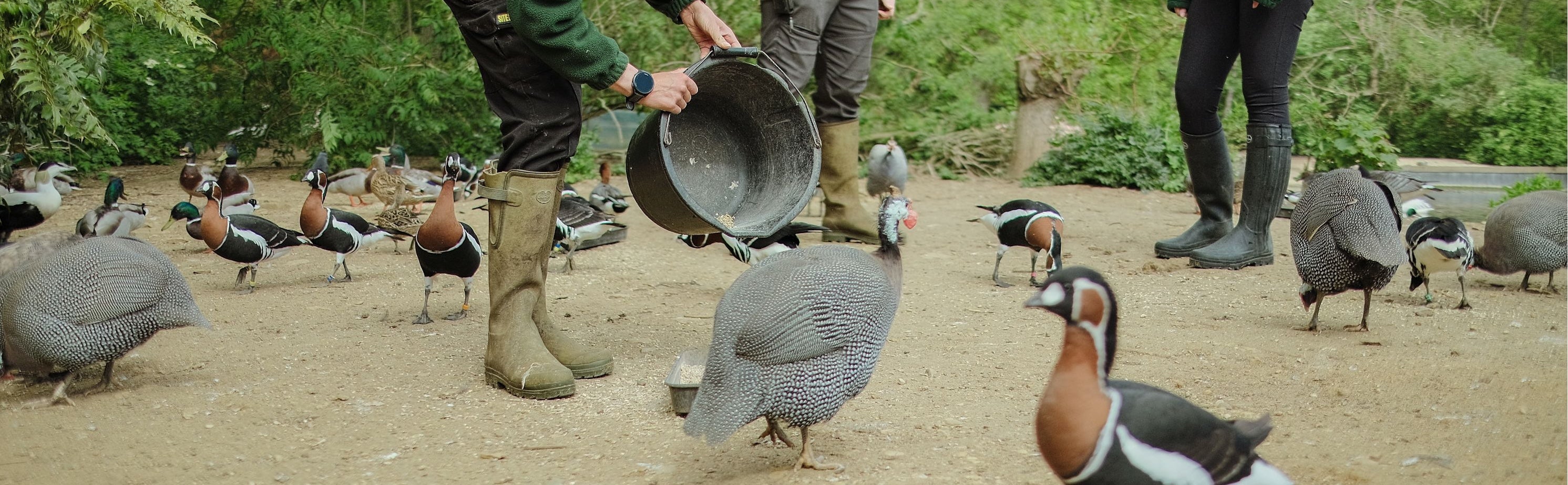
On a bright, cold early morning in the heart of the Cotswolds, Le Chameau was granted exclusive access to the grounds just before the gates opened to the public. We went behind the scenes to meet the Wildlife Park Keepers as they began their rounds of feeding the incredible array of wildlife that call this corner of the Cotswolds home.
Wearing their Le Chameau, we found out from the Keepers what it is like to manage these impressive creatures on a daily basis and how the Cotswold Wildlife Park and Gardens is championing conservation. Plus, find out how you can get involved in visiting this special place.
The first stop was to meet Jamie Craig, Curator and Managing Director of Cotswold Wildlife Park, in the white storks enclosure. The White Stork Project began in 2016 in conjunction with the Knepp Estate and the Roy Dennis Foundation and has successfully bred over 200 chicks for release at Knepp, aiming to restore wild stork populations to Britain – a vision not seen since the 15th Century. It is the first white stork rewilding programme of its kind in the UK.
Late spring is when the chicks begin to hatch, so it is up to Jamie and his team to observe the chicks and ‘assist feed’ them if necessary. When the time comes for the birds to fully fledge later in the year, the birds are weighed, sexed, microchipped and fitted with leg rings to make them easily identifiable after their release. In late summer the birds will be transferred to the Knepp Estate in Sussex to be released into the wild – a fantastic moment for the whole team.
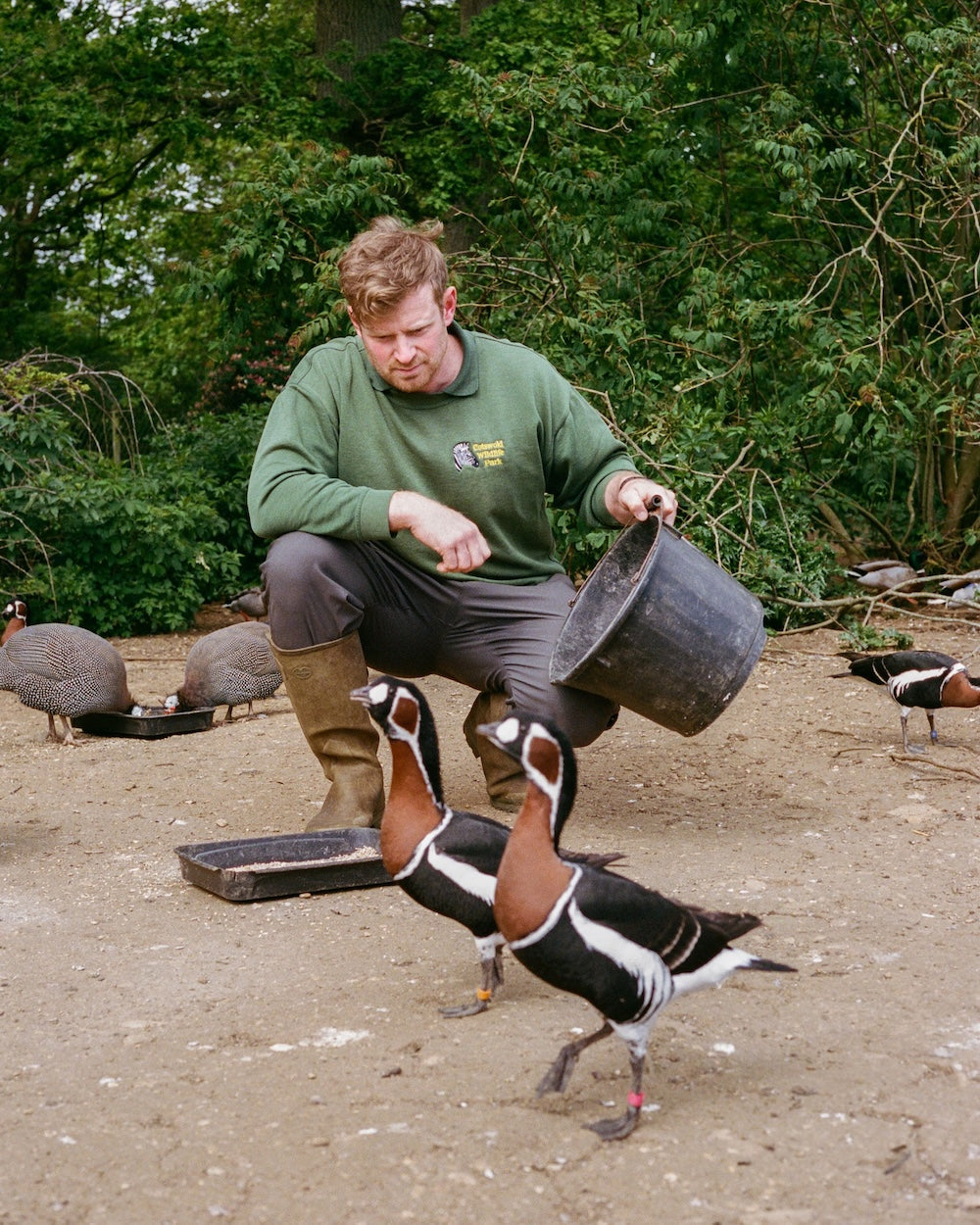
From the smaller birds to the larger animals, it was time to feed the Wildlife Park’s magnificent southern white rhinos – a group of these impressive animals is called a ‘crash’. Ambling slowly across the large flat field in front of the old estate house, these commanding animals have been managed by Head Keeper Mark Godwin for over a decade, overseeing breeding and births and ensuring the herd stay in optimum health. Mark – who proudly sports a pair of 30-year-old Le Chameau Mouflon – says, “It’s an absolute privilege to oversee the rhinos here at the Wildlife Park; not one day is the same.” He notes, “Many of these rhinos, once they are of age, will join other zoological collections around the world as part of this species' breeding programme. It’s our responsibility to get them to that stage.”
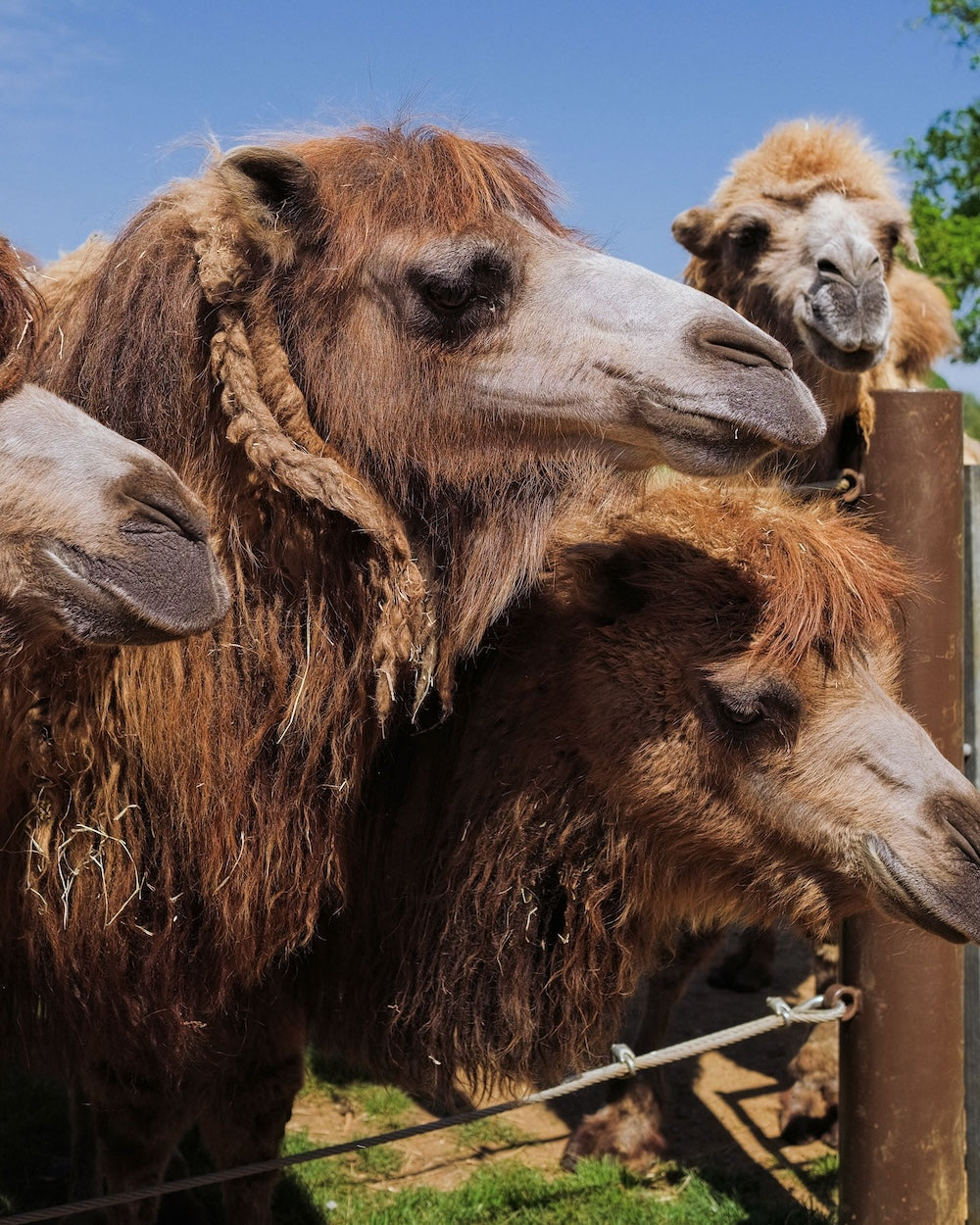
With Le Chameau meaning ‘the camel’, we couldn’t pass up the opportunity to meet the Wildlife Park’s herd of Bactrian camels that graze the surrounding fields. Jenni Maxwell, who has been working at the Wildlife Park for nearly 8 years, is Deputy Head of Large Mammals, which includes managing these remarkable camels. Despite their familiarity, wild camels are declining fast. The Cotswold Wildlife Park and Gardens proudly support The Wild Camel Protection Foundation, founded by John Hare, which aims to protect the critically endangered wild camel and its habitat in the fragile and unique desert ecosystems. It is the only charitable environmental foundation in the world which has this exclusive objective.
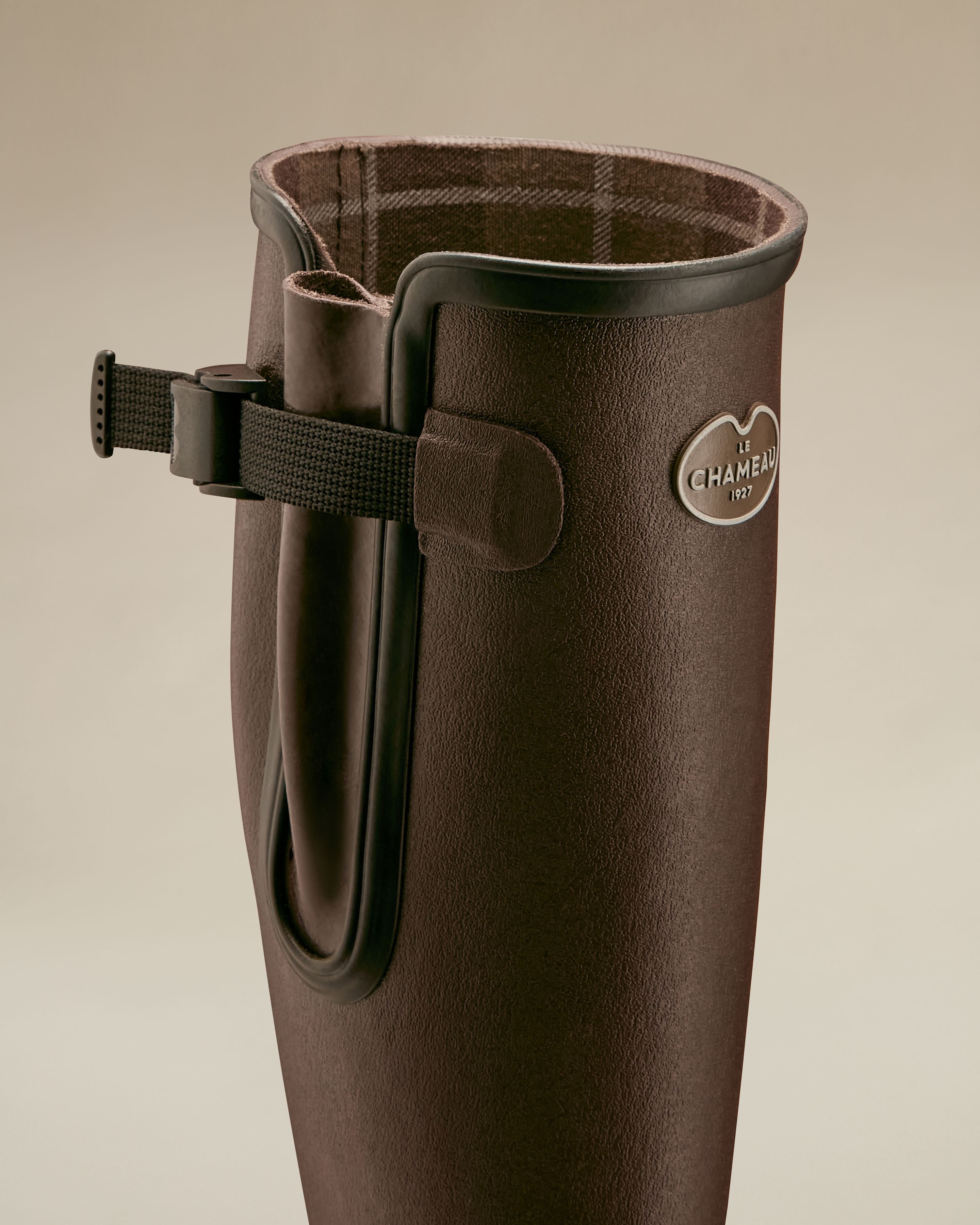
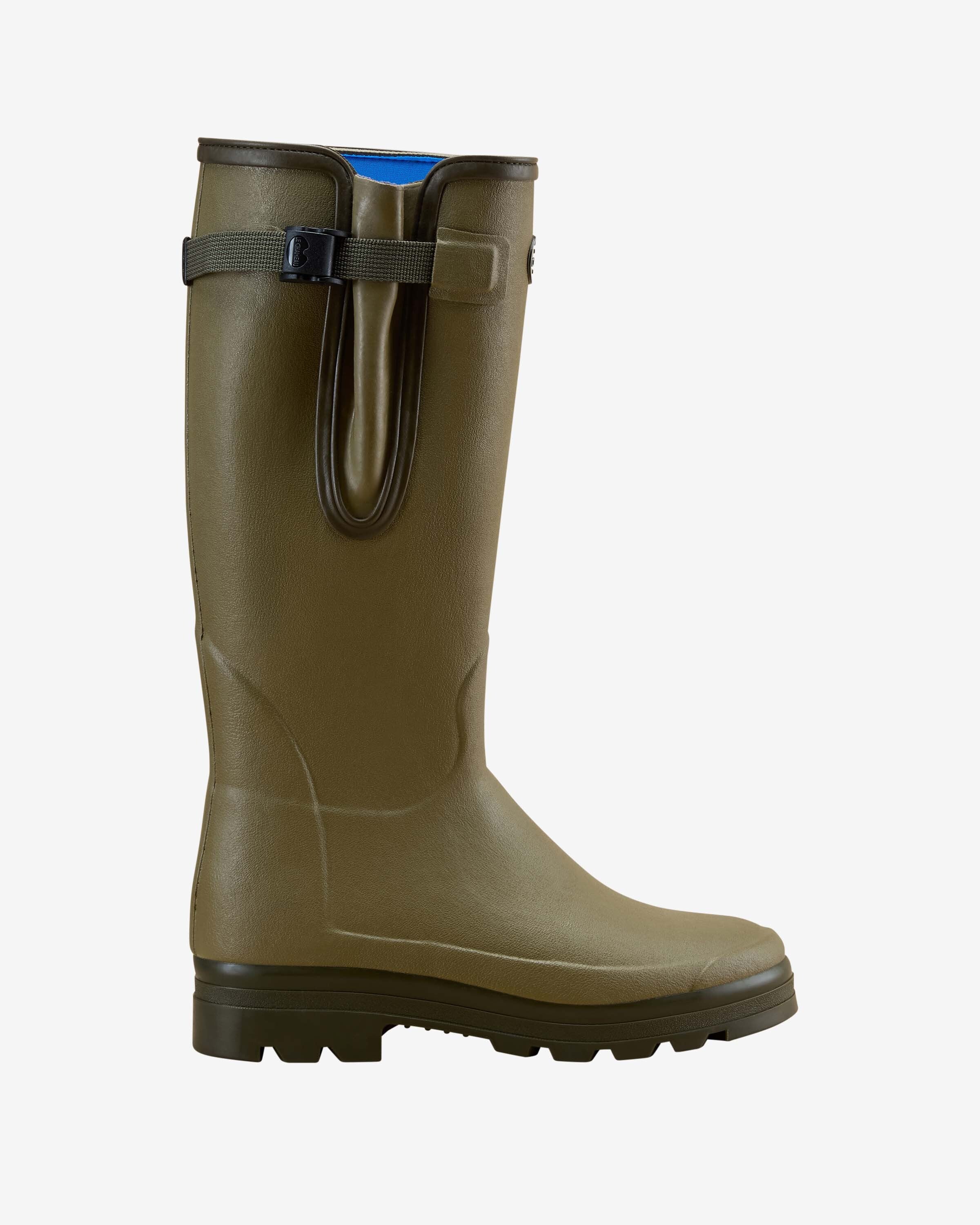
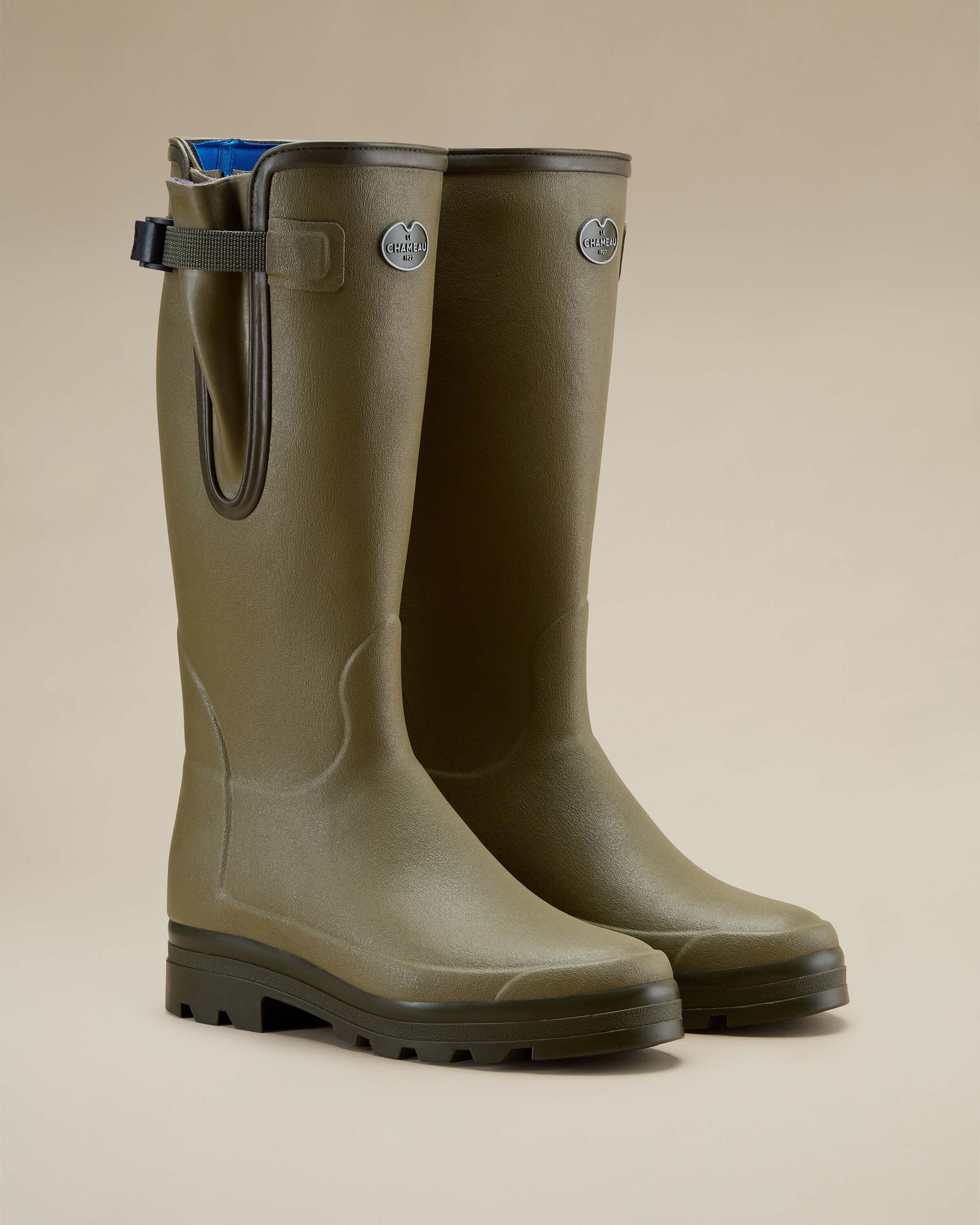
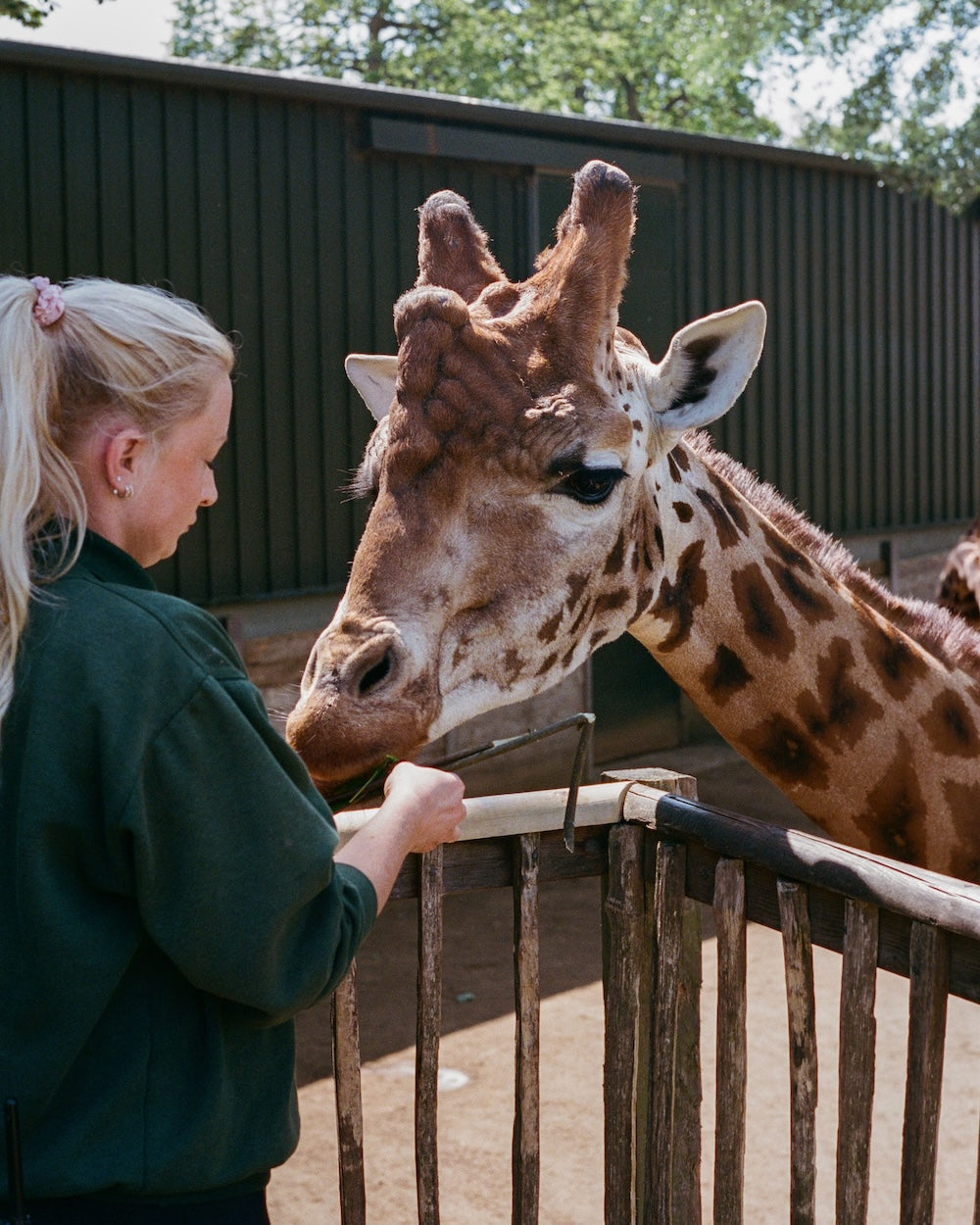
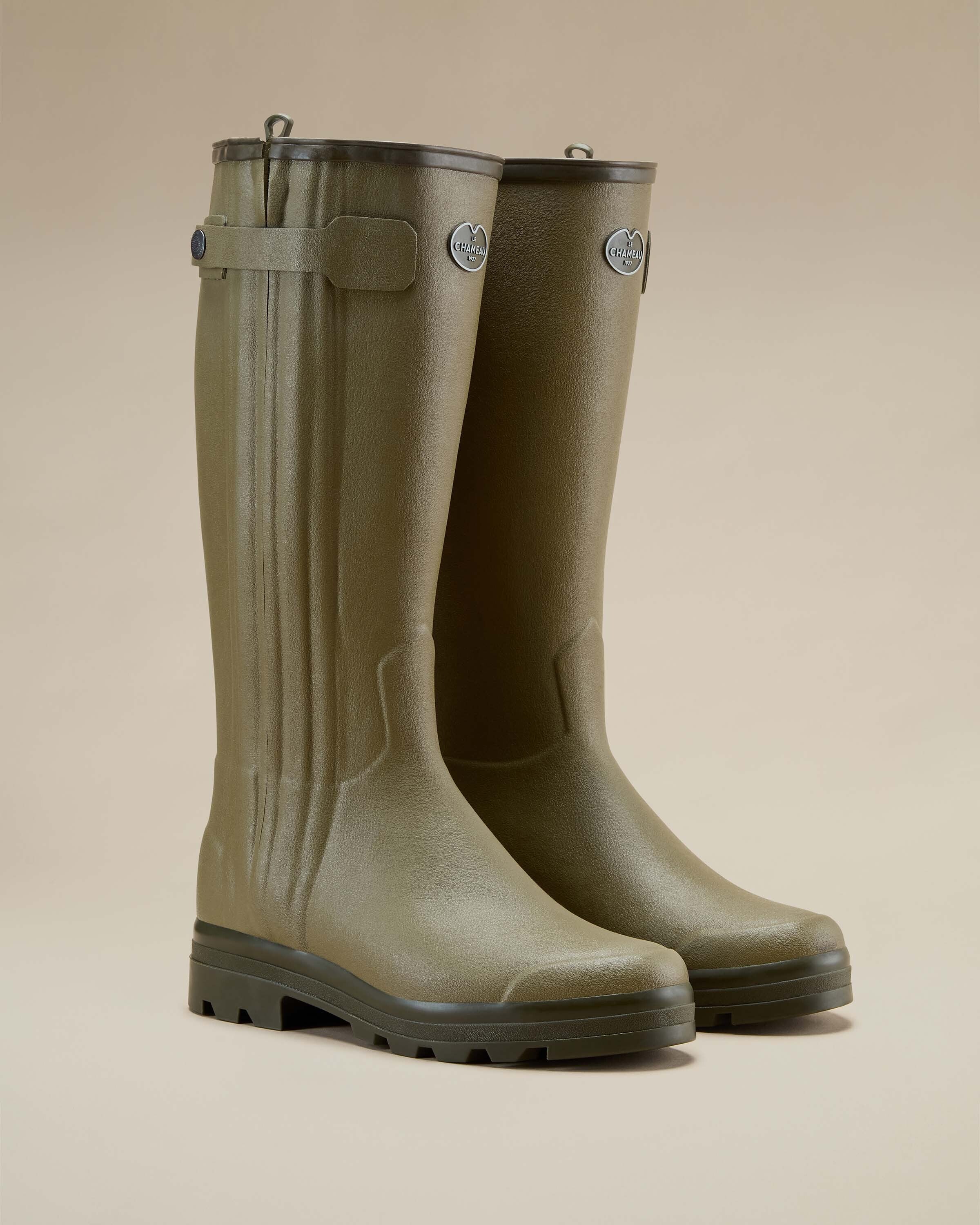
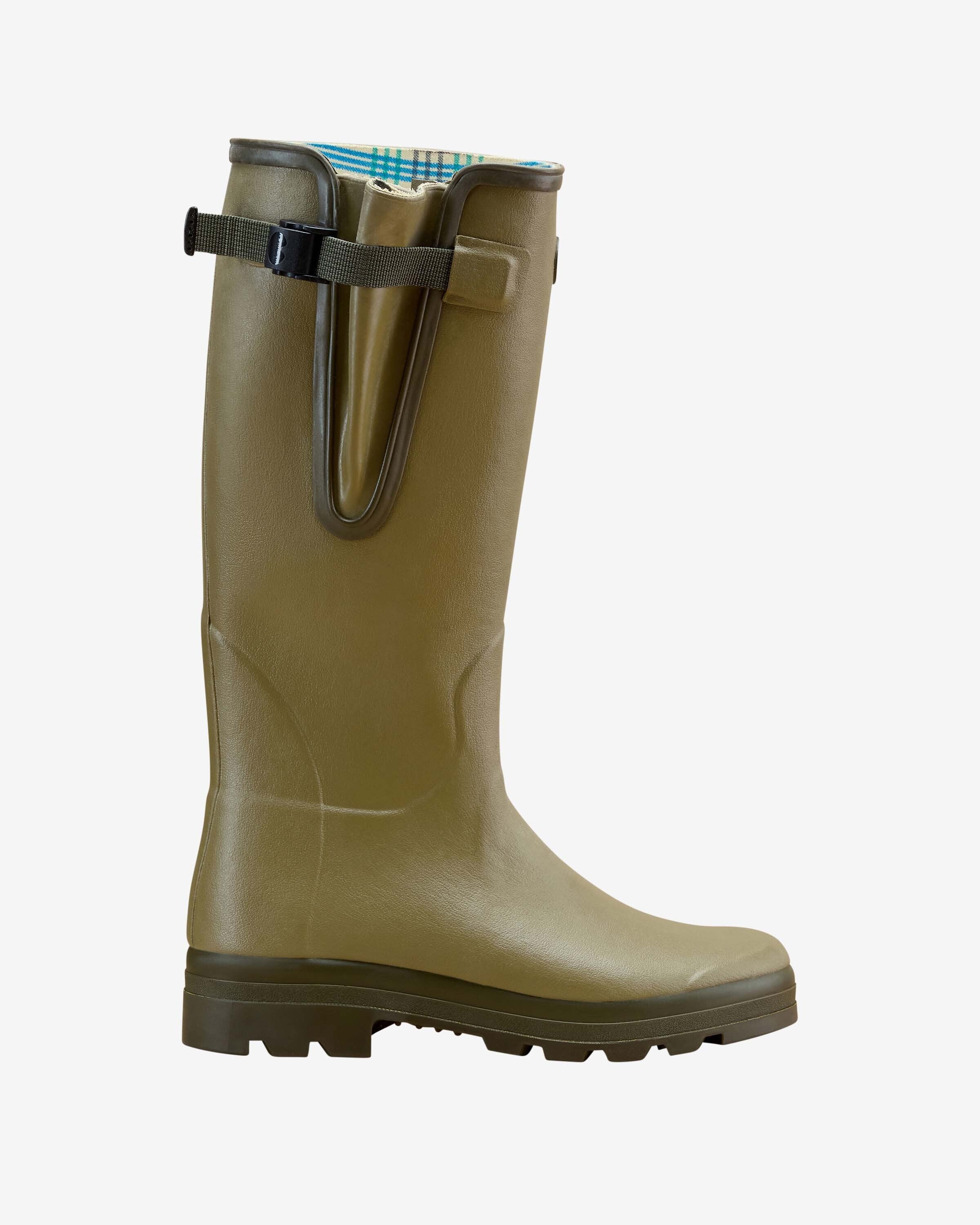
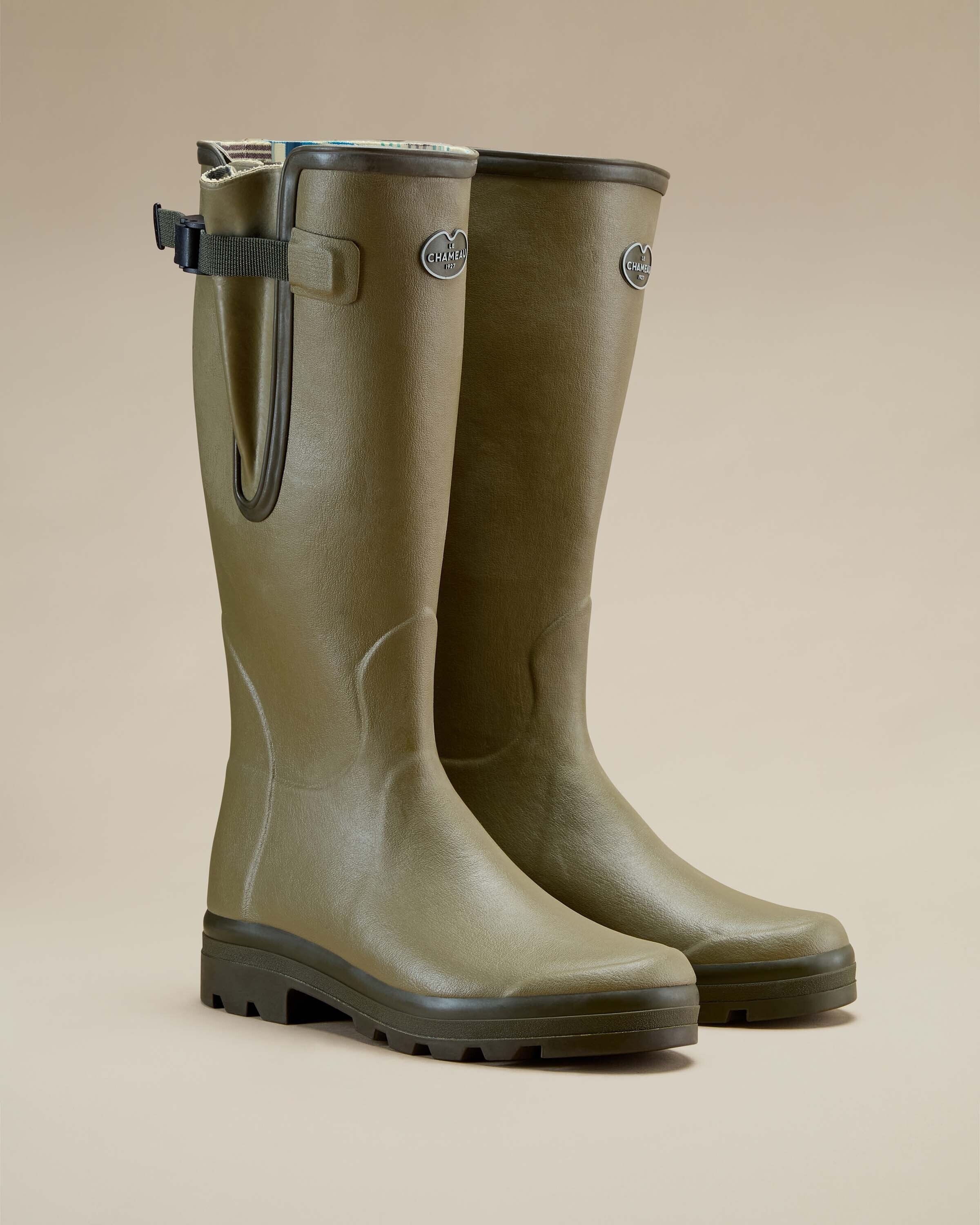
Alongside managing the herd of camels, Jenni, in her trusty Le Chameau Vierzon wellies, also manages the tower of giraffes at the Wildlife Park. Each day it’s Jenni’s job to feed and oversee the giraffes, which consists of making the 4-metre-high ascent to the feeding platform to feed these tall, elegant animals a platter of tree leaves.
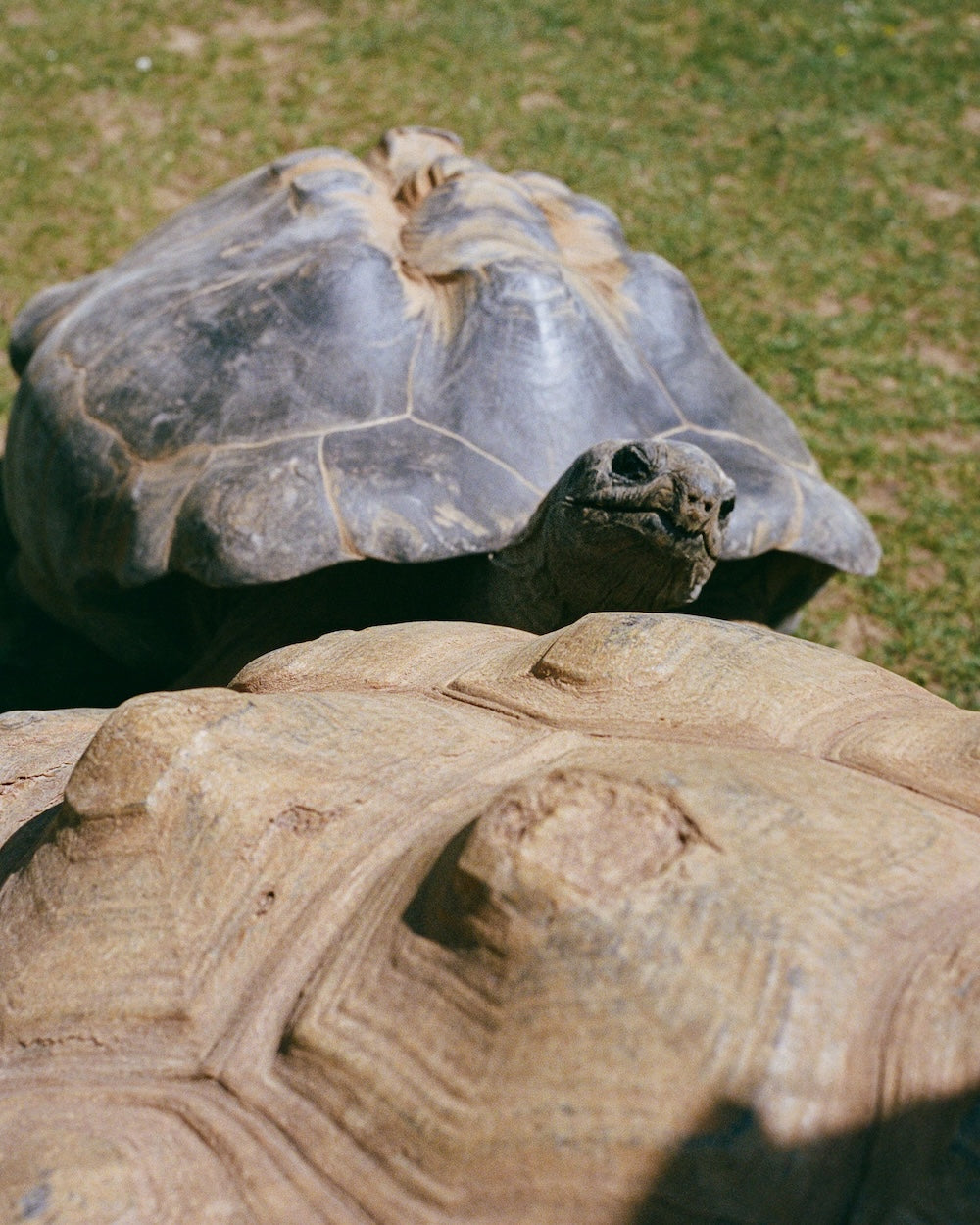
Just before the gates opened to the public, our last feeding session of the morning was a visit to George, the 90-year old giant tortoise. It was also a chance to speak to Meg Howard, Head of Reptiles – whose choice of Le Chameau is Explore to do her keeper duties. Meg says, “Between you and me, these giant tortoises are my favourite, but don’t tell the other reptiles!” What seems like a very healthy breakfast of dandelions and other nutritious wild plants. Sometimes George and the other two giant tortoises get a treat of chopped carrots, Meg saying the giant tortoises particularly love bright colours and sweet flavours.
Get Involved: Rhino Month in August
Cotswold Wildlife Park is committed to rhino conservation and works closely with the UK-based conservation charityTusk to protect Africa’s many threatened species. Join the Cotswold Wildlife Park throughout the month of August as they host its annual rhino conservation fundraising event, Rhino Month, to raise awareness and funds for rhino conservation work in Africa. During Rhino Month, the Wildlife Park will be highlighting the plight of rhinos in the wild and why conservation work is vital for their future.
Make Your Conservation Mark
Cotswold Wildlife Park has raised over £120,000 for conservation in Africa in the last ten years through various fundraising events. You can also adopt their rhinos through the Park's Animal Adoption scheme - for more details please visit here.
Bottes Chasseur pour hommes doublées néoprène Mouflon II 12'' Marron foncé€450Bottes Vierzon pour femmes doublées jersey Chaussures unisexe Chameau Explore 7'' Vert bronze€290Mouflon II 10'' Marron foncé€430Bottes Chasseur pour femmes doublées cuir Bottes Chasseur pour hommes doublées cuir Bottes Vierzon pour hommes doublées jersey Bottes Chasseur pour femmes doublées néoprène






 Stewarding the Downs: Life at Cowdray EstateLire l'article
 Harvesting Apples this HalloweenLire l'article
 Country Shows: The Best of the Rural LifeLire l'article
 At One with Nature: Fly Fishing with Marina GibsonLire l'article
 At Daylesford: One Man and his SheepdogLire l'article
 The Glorious Twelfth: All You Need to KnowLire l'article
 On-Farm this Summer: Farming in a Changing ClimateLire l'article
 Discover Holkham: Glasshouses, Gardens and Glorious WalksLire l'article
