
 Balcaskie: An estate for modern times
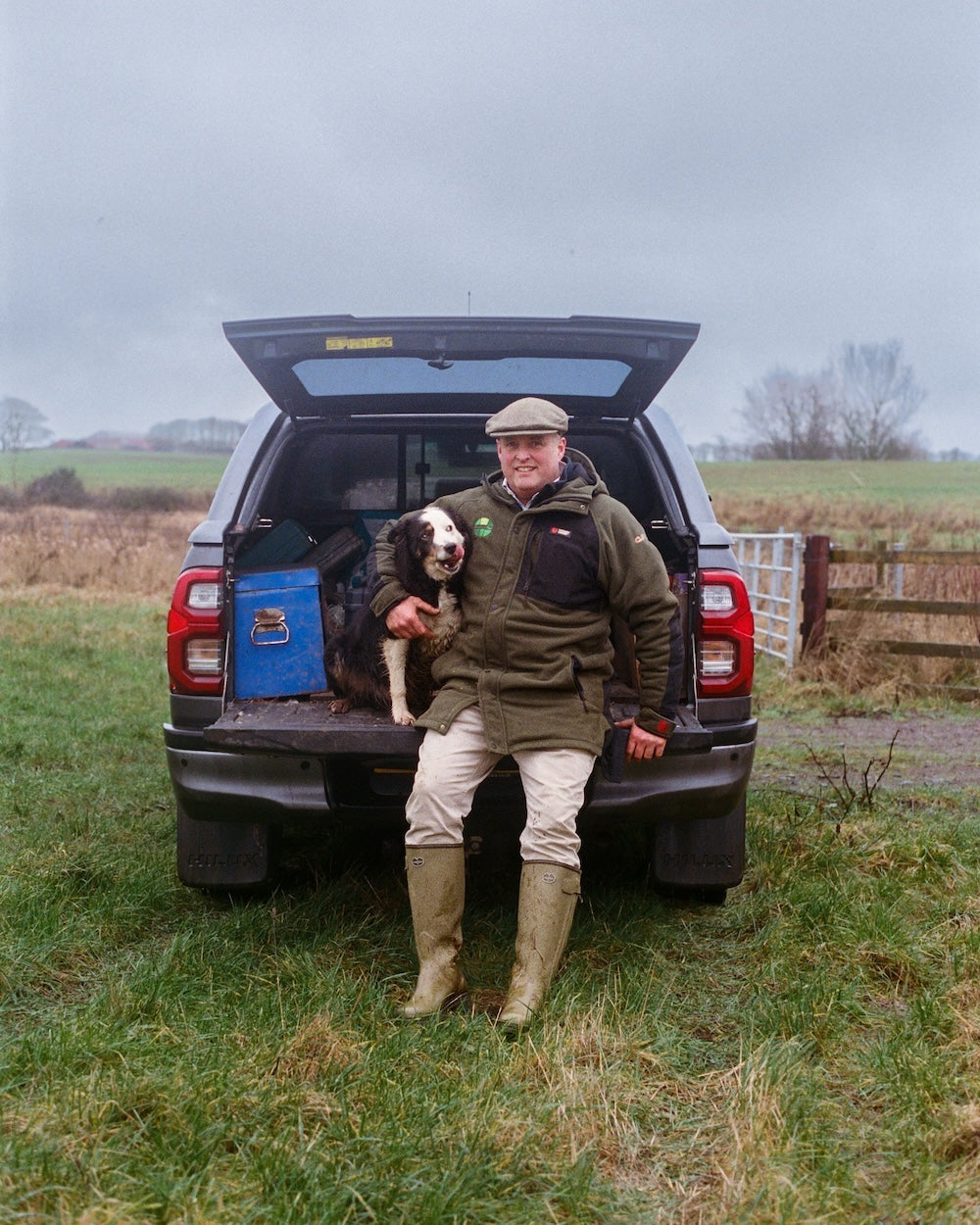
As the days get longer, the light gets that little bit brighter each day and temperatures start to rise, the conditions for grass and pasture growth are getting better by the day as we move deeper into the year. That’s what Estate Manager Sam Parsons notes, as we cross one field to the next on our way to move the estate’s beautiful herd of Lincoln Red cattle.
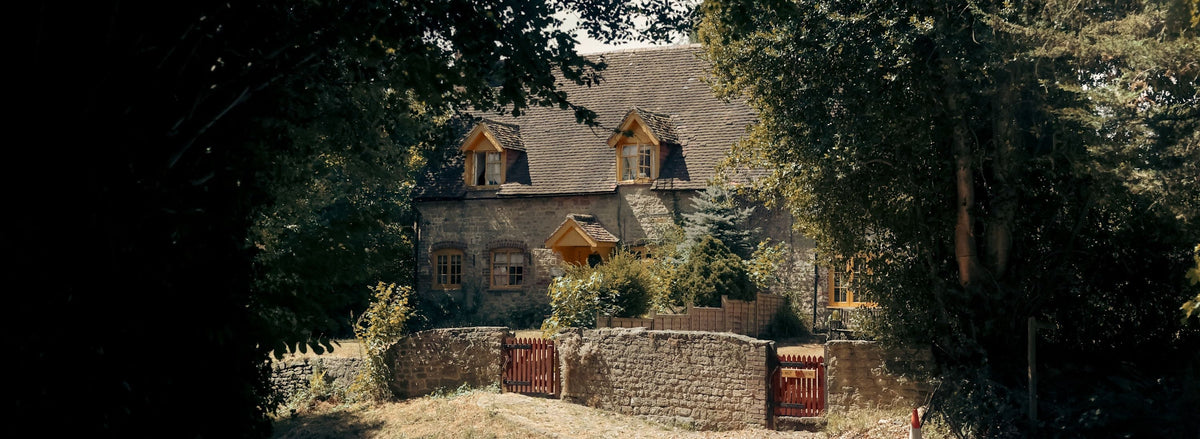
Le Chameau is at Balcaskie Estate in Fife, Scotland, which manages around 5,000 acres, two-thirds of which is farmed directly by the estate to both organic and pasture fed certification practices. The estate produces beef, lamb, pork, cereals and pulses. Alongside the farm, the estate also offers creative spaces to a growing network of small-scale businesses, including millers, designers, coffee roasters, guitar makers, horticulturists and butchers, to name but a few businesses.
Sam, what is the farming ethos at the estate?
“We have been on a big transition in the last decade, moving towards a farming system that focuses on resilience. As everyone knows, over the last few years and more, we have seen polar opposites with the weather conditions, where we’ve had extreme dry summers and cold rainy winters that cause drought and flooding, respectively.
“For us here on the estate, our farming is led by observation and managing the land in accordance with what we see. That is, observation of the land and how it can change from one year to the next. A really good example was last summer when we had a very, very dry period which meant the pasture didn’t grow as much as many predicted, so lots of farmers were struggling to grow grass for their animals to graze.
“Now we have been organic and Pasture for Life certified for the last decade, we have had to be very astute at how we grow grass without inputs. This means we need to be innovative and reactive with how we manage the land for such extreme weather conditions. For many years now, we have been moving our animals regularly and in controlled smaller paddocks, which allows much of our land to rest and grow. When it got to the point when no grass was growing last summer, because of this rest and recovery, we actually had a good cover of grass on the land for the animals to graze. The cover of grass also protected the soil from drying out, enabling us to just get through the difficult period.
“Conversely, this past winter was very wet. We had one winter two years ago that was wetter again. But we're seeing our land able to cope with it better now, it's recovery and its ability to withstand these periods of heavy deluge are increasing. We're seeing soils easily being able to cope with the rain, which before they weren't. They've still got a long way to go. So, yes, it’s all about adapting and observing for us here in order to be resilient. We are always learning.”
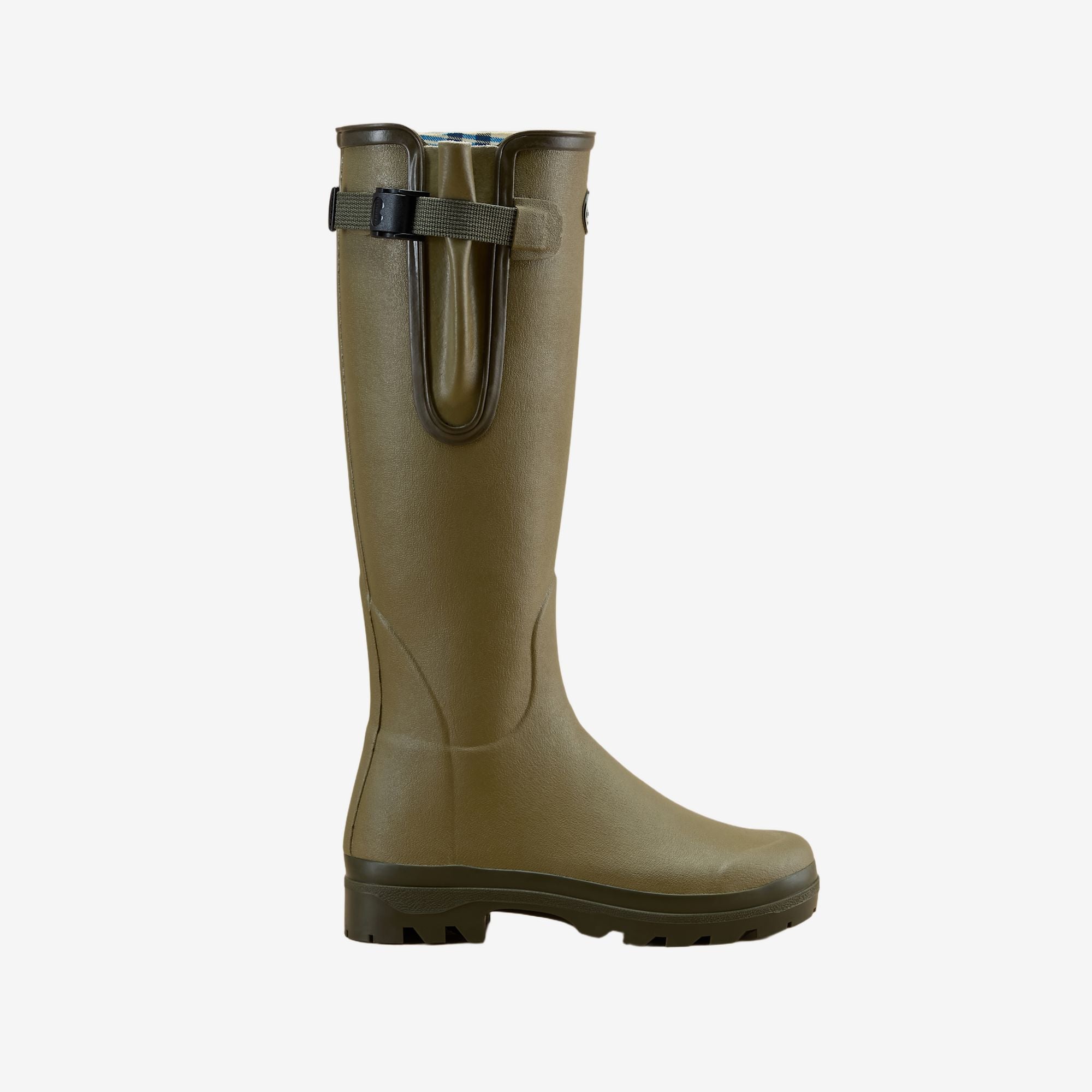
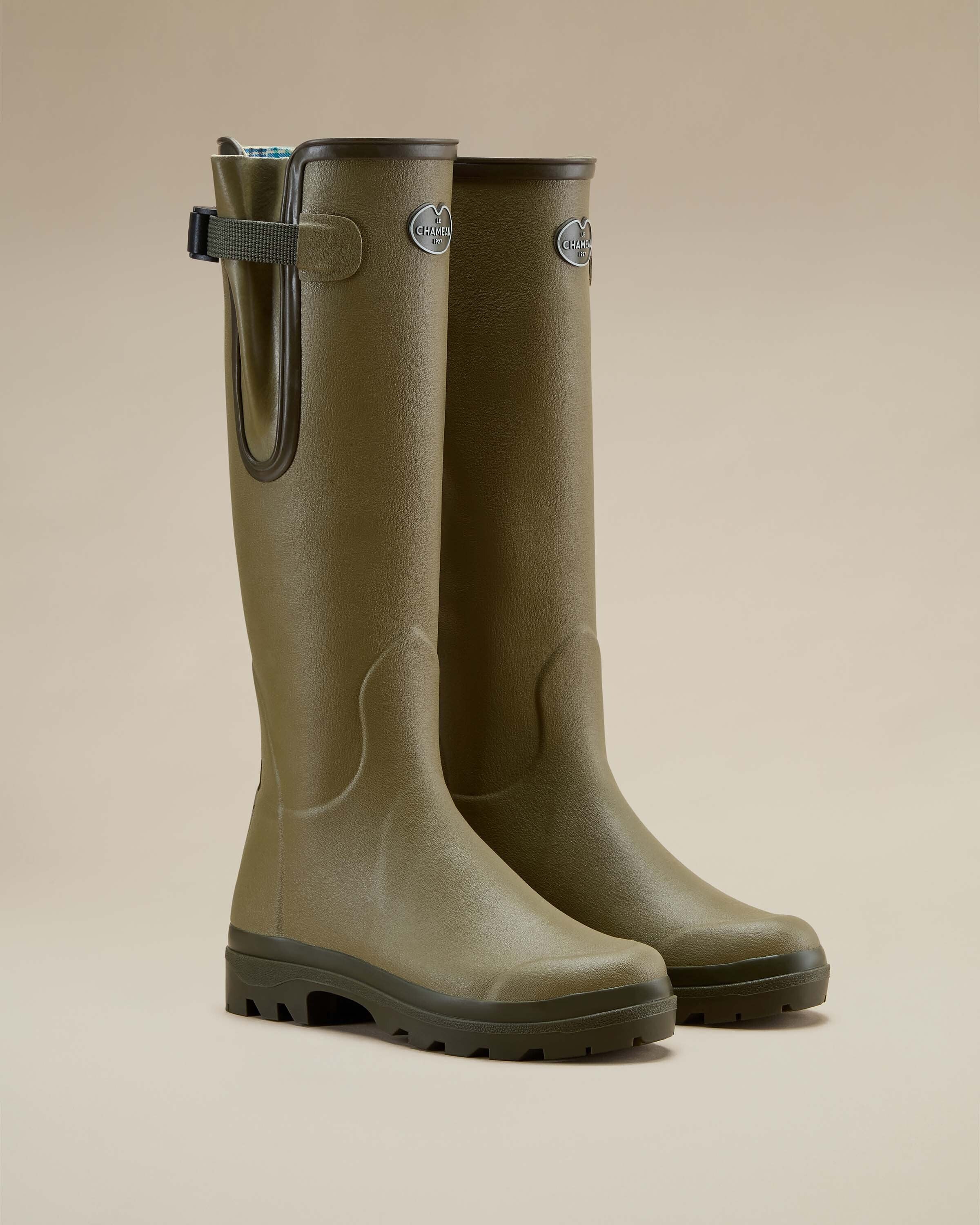
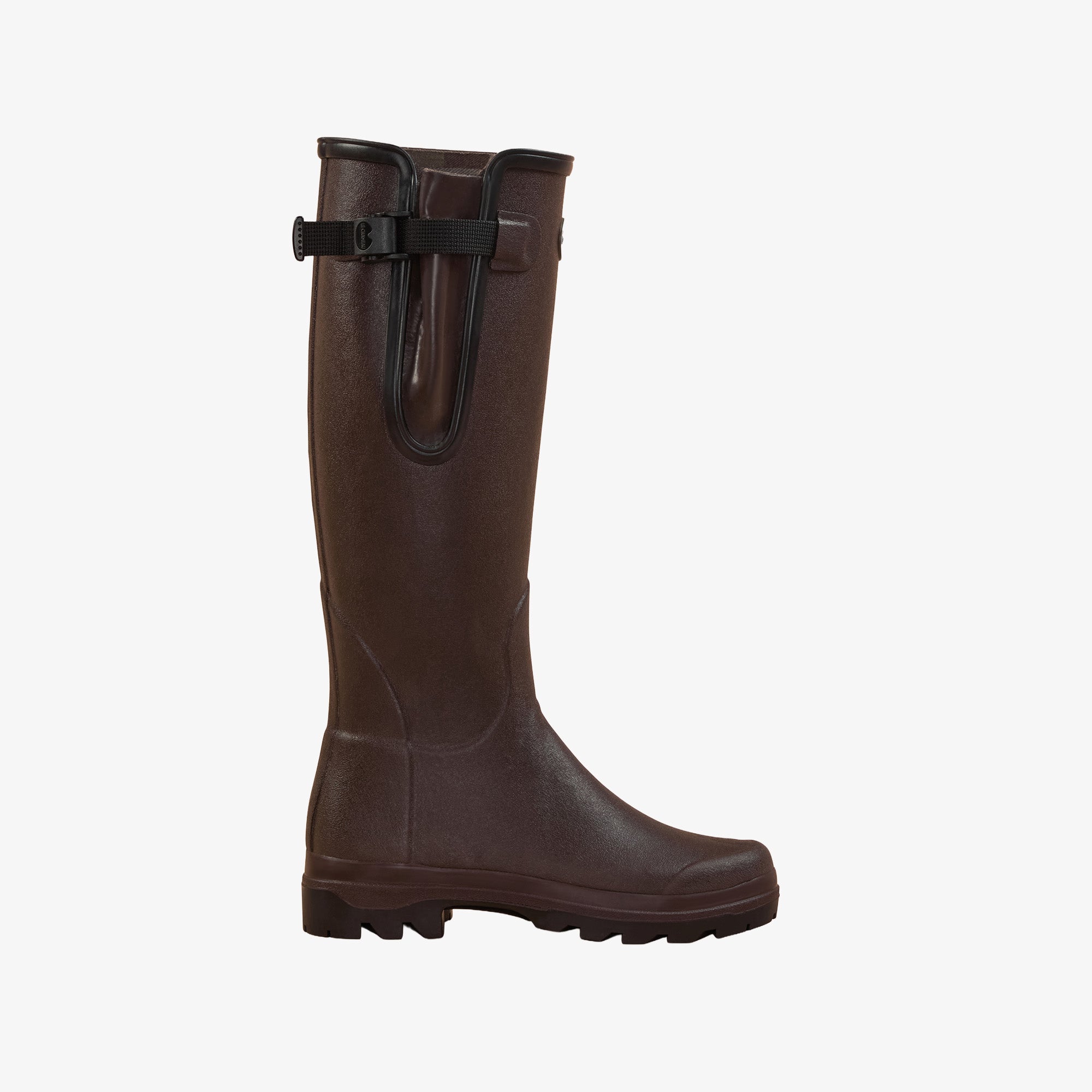
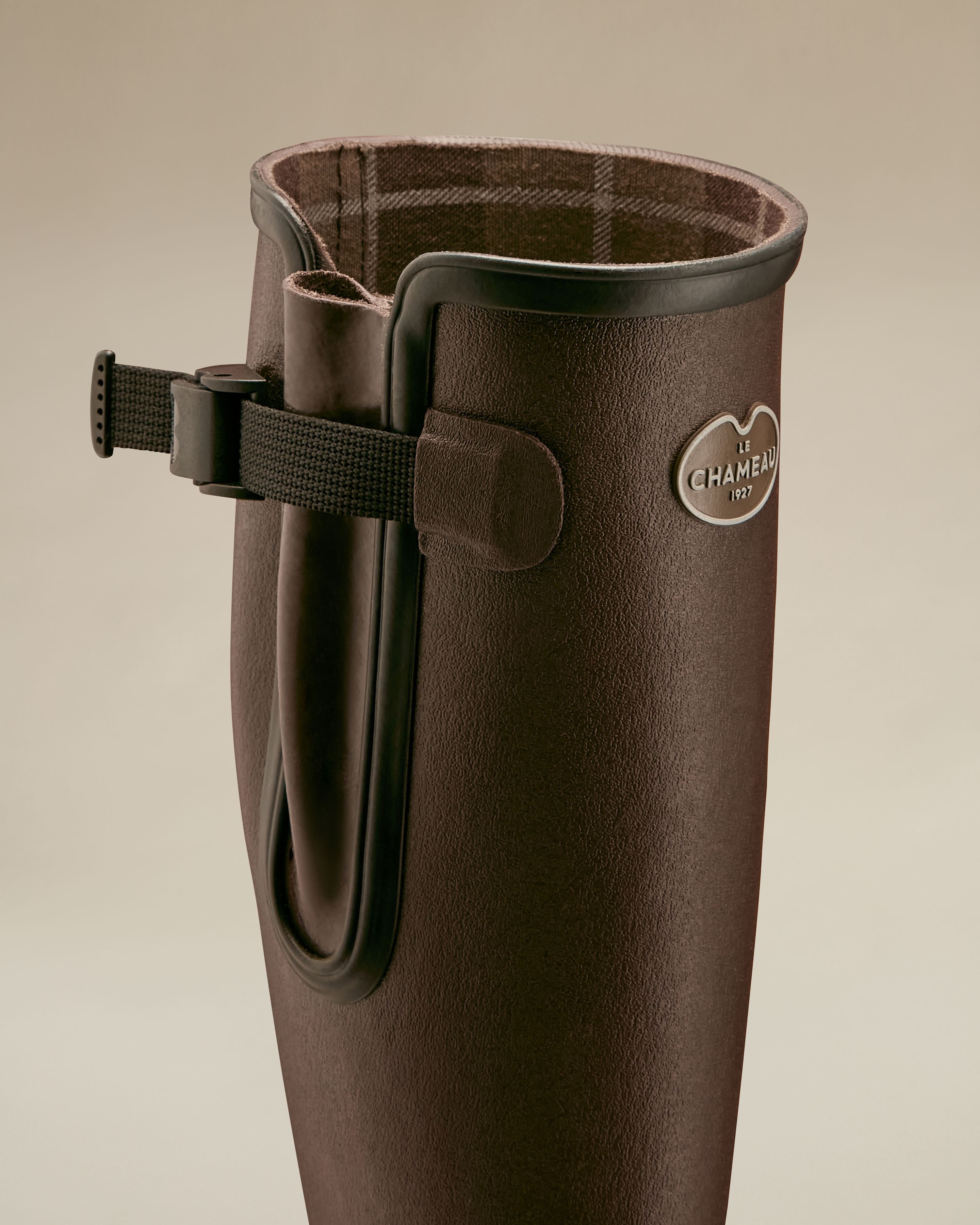
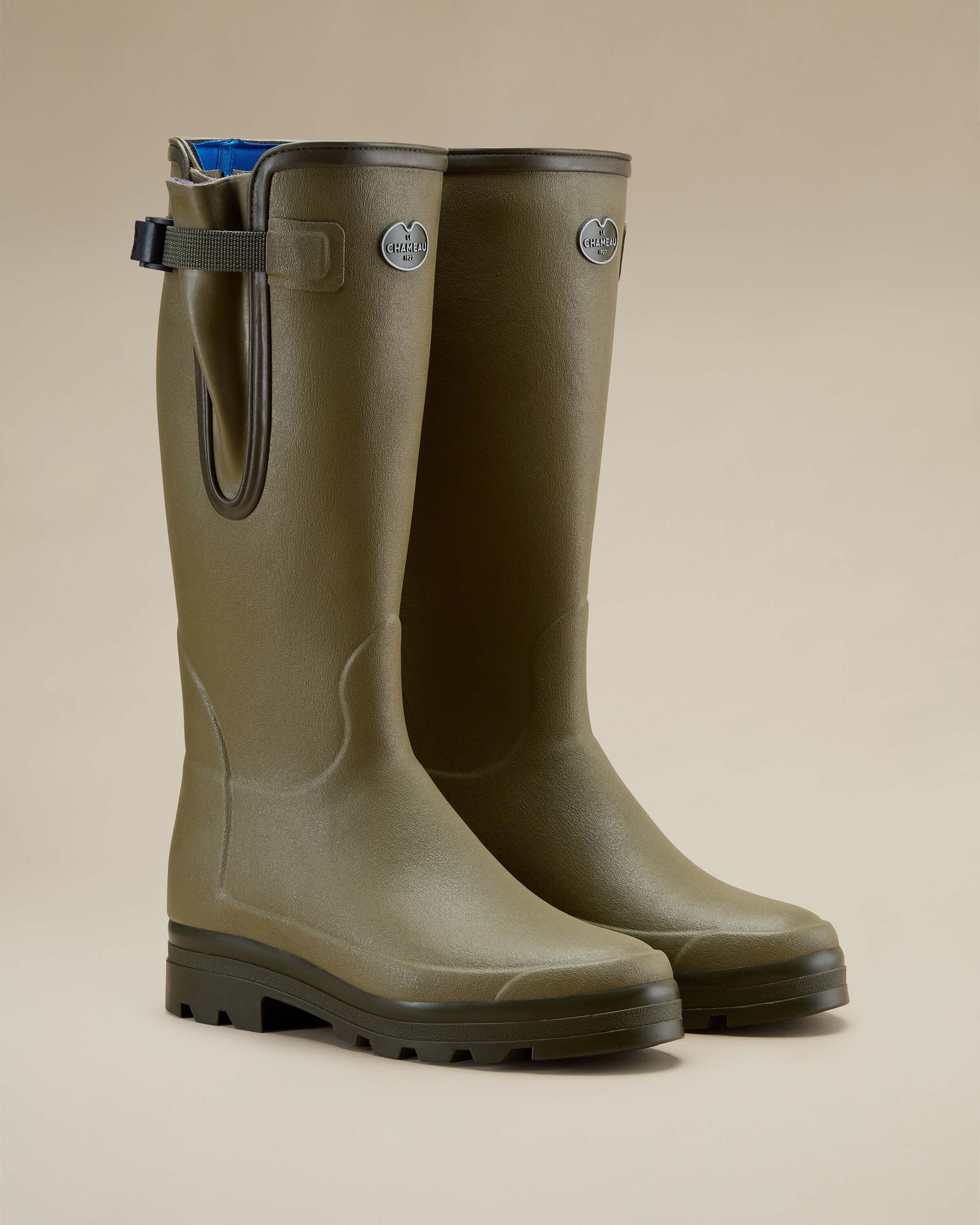
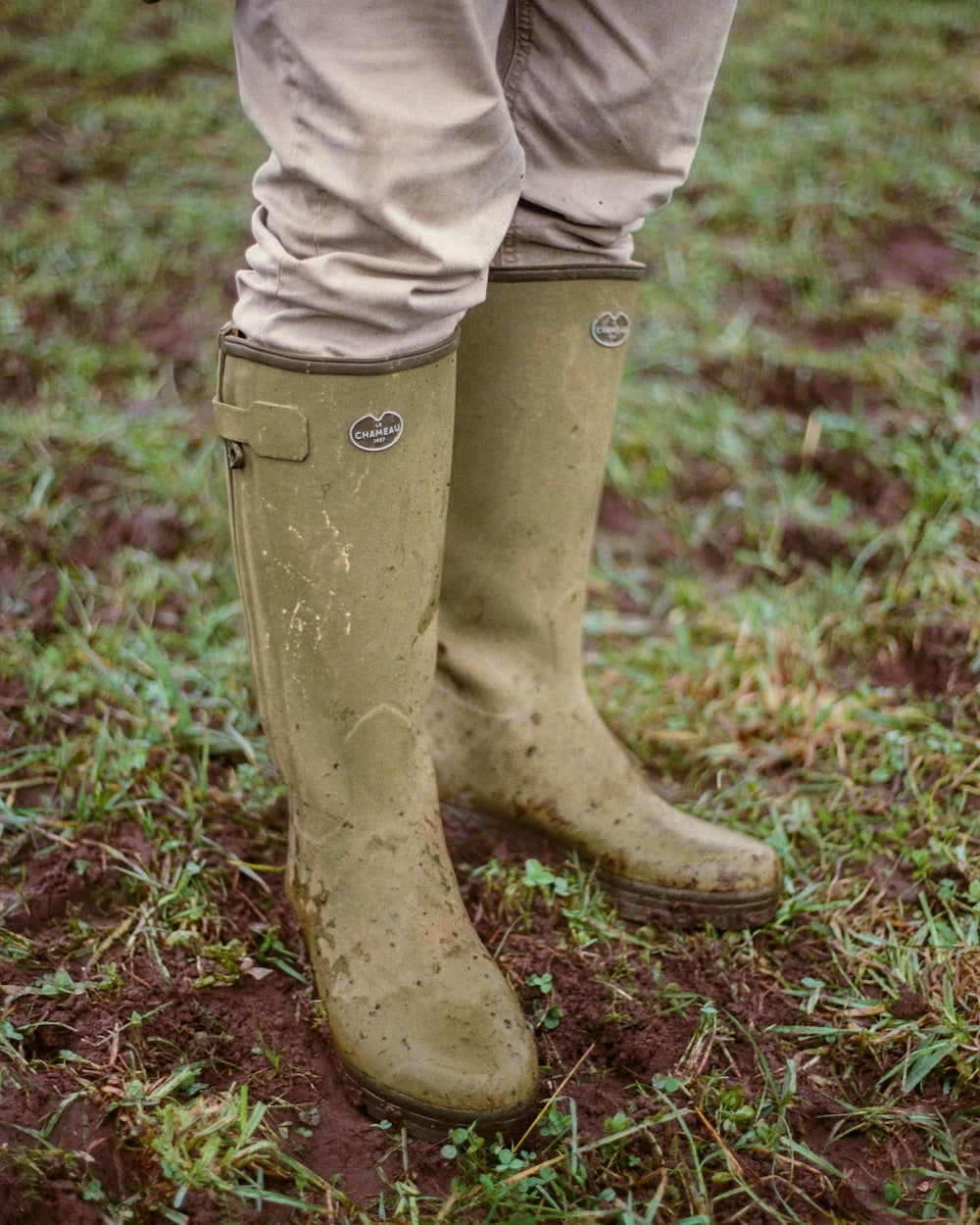
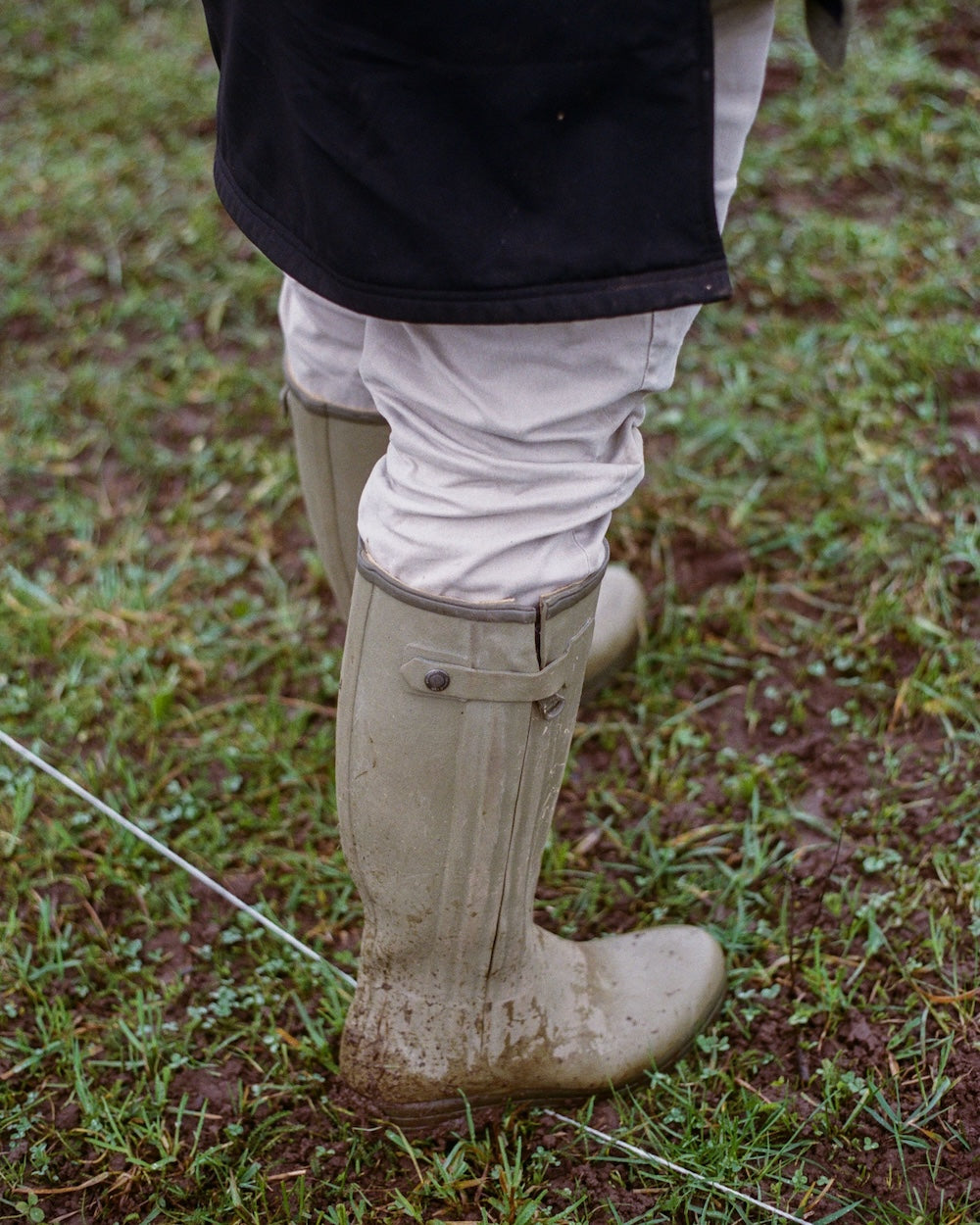
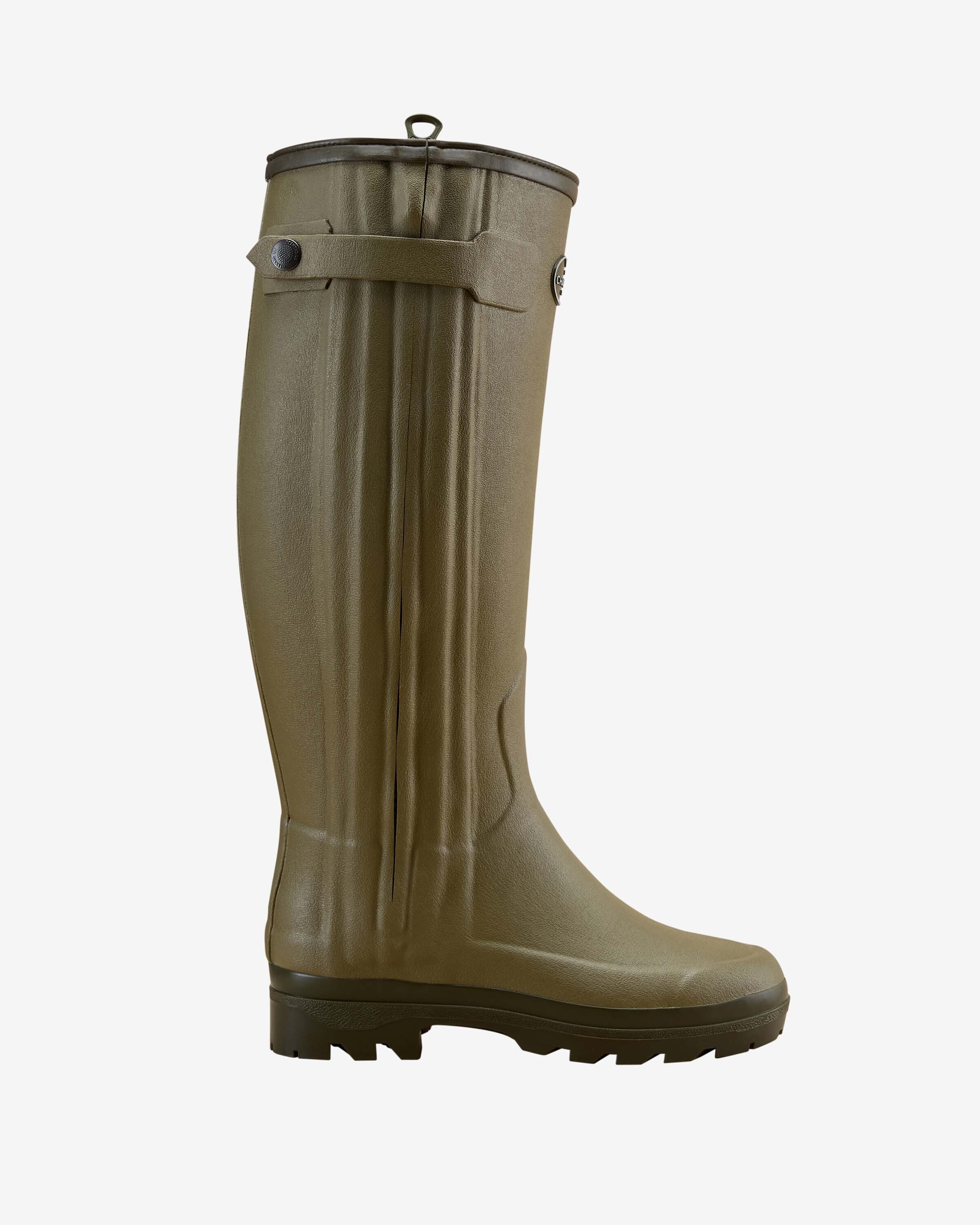
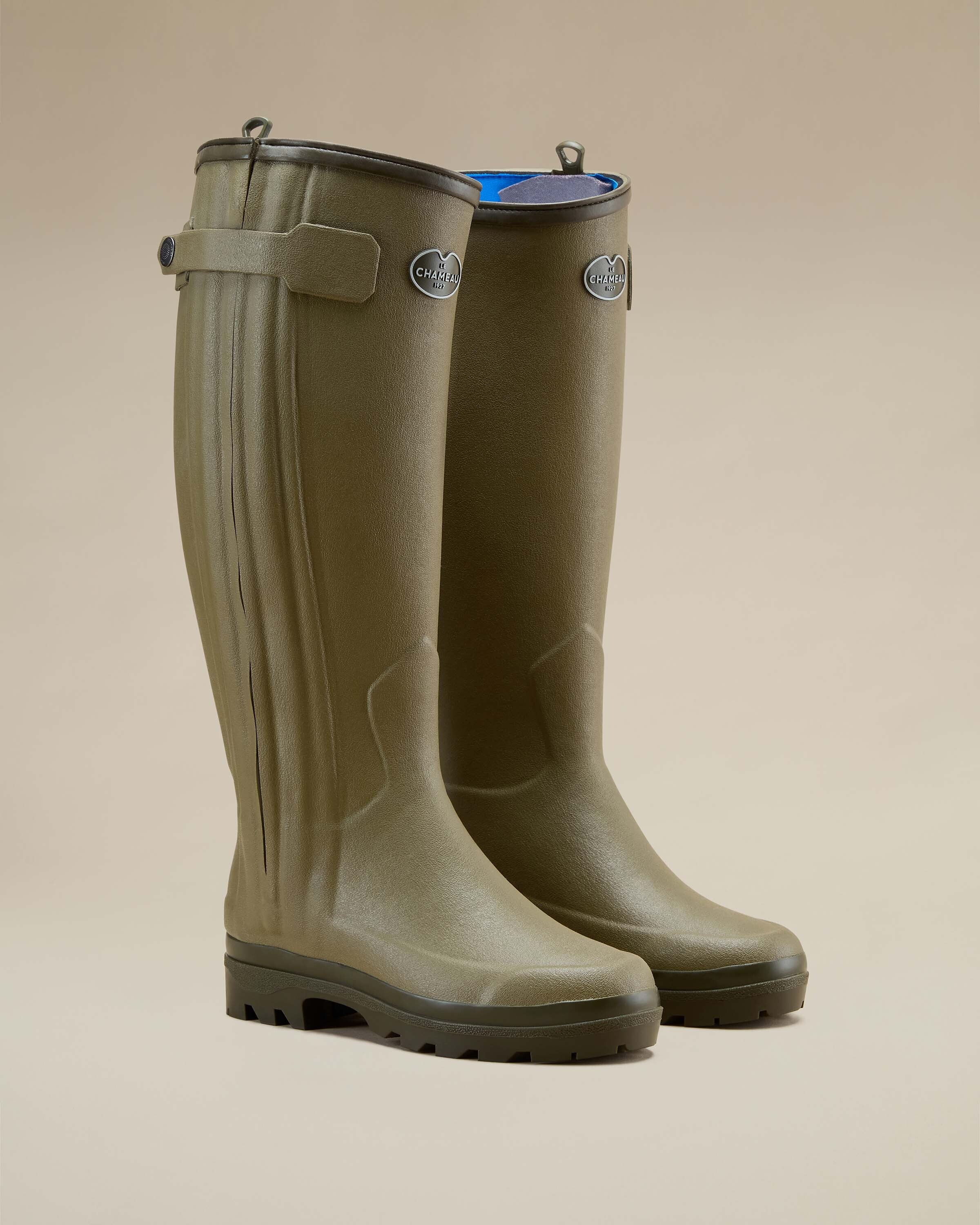
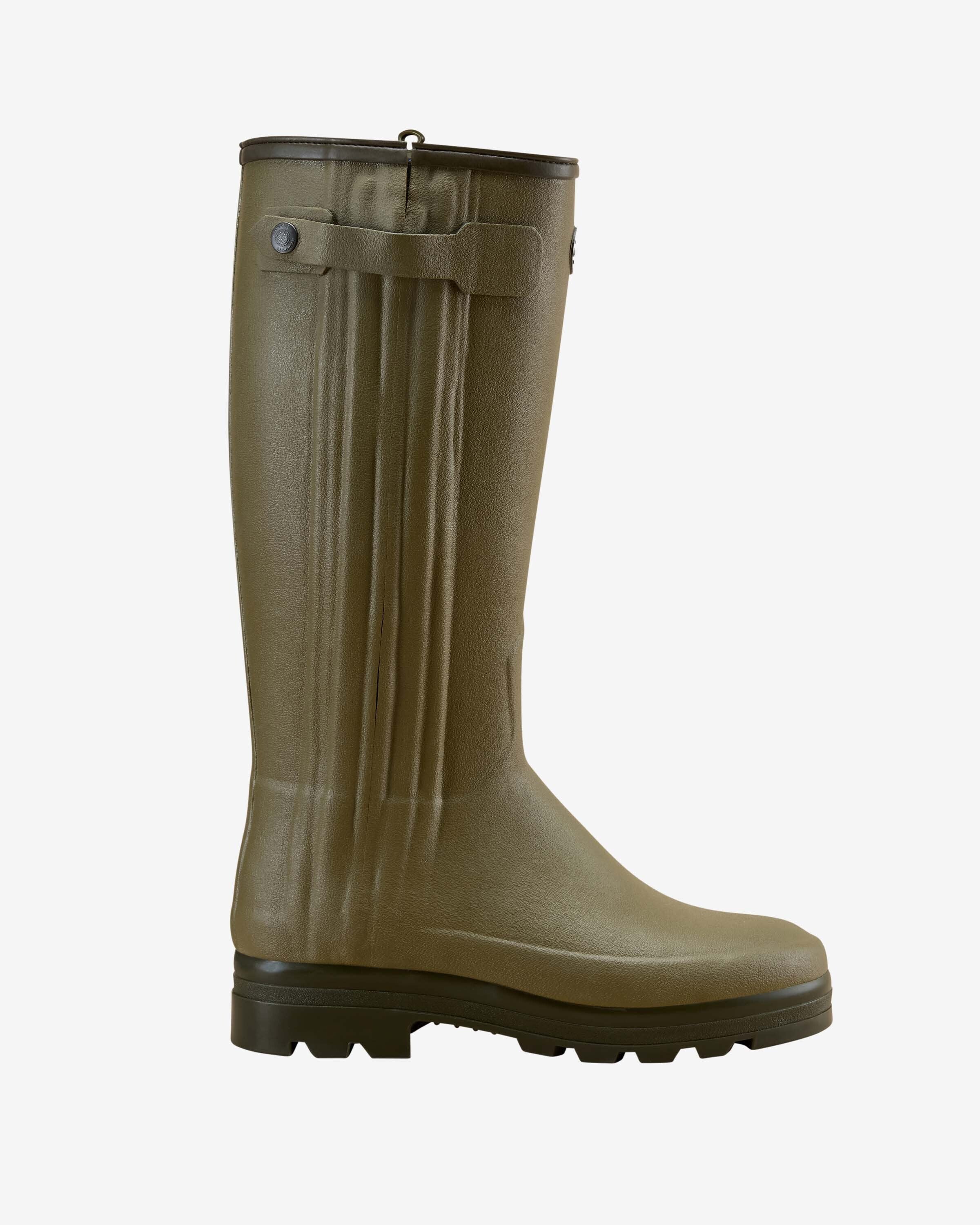
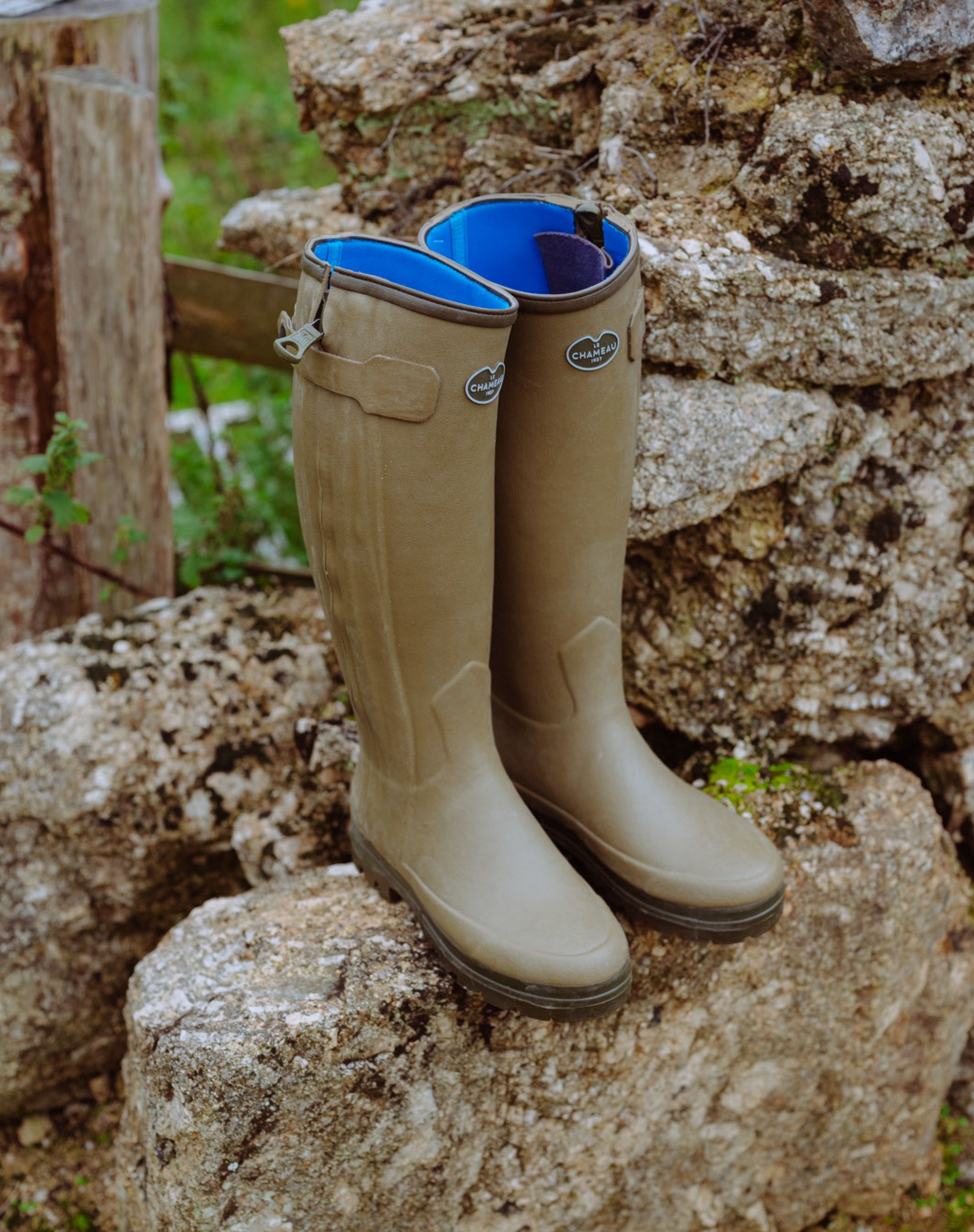
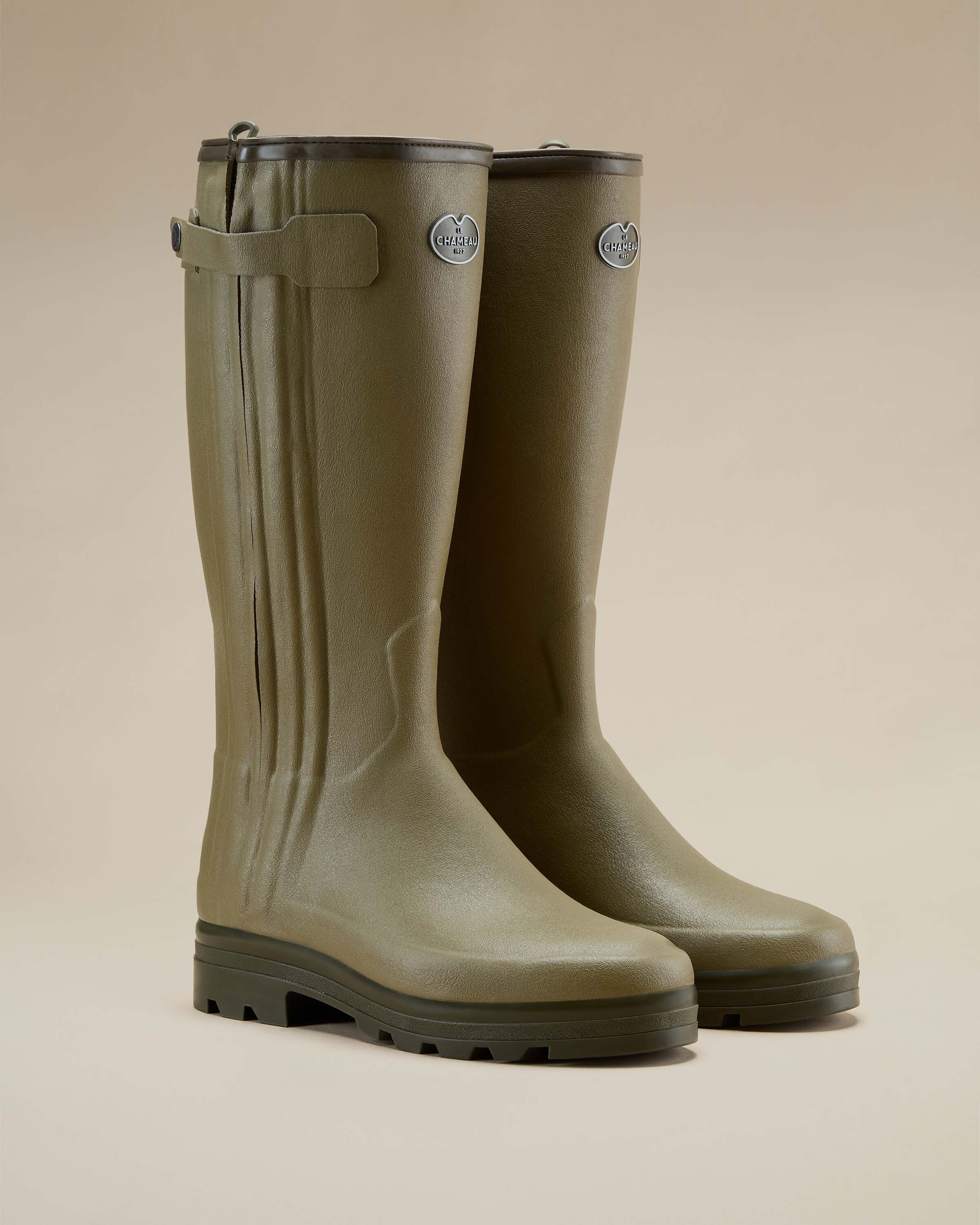
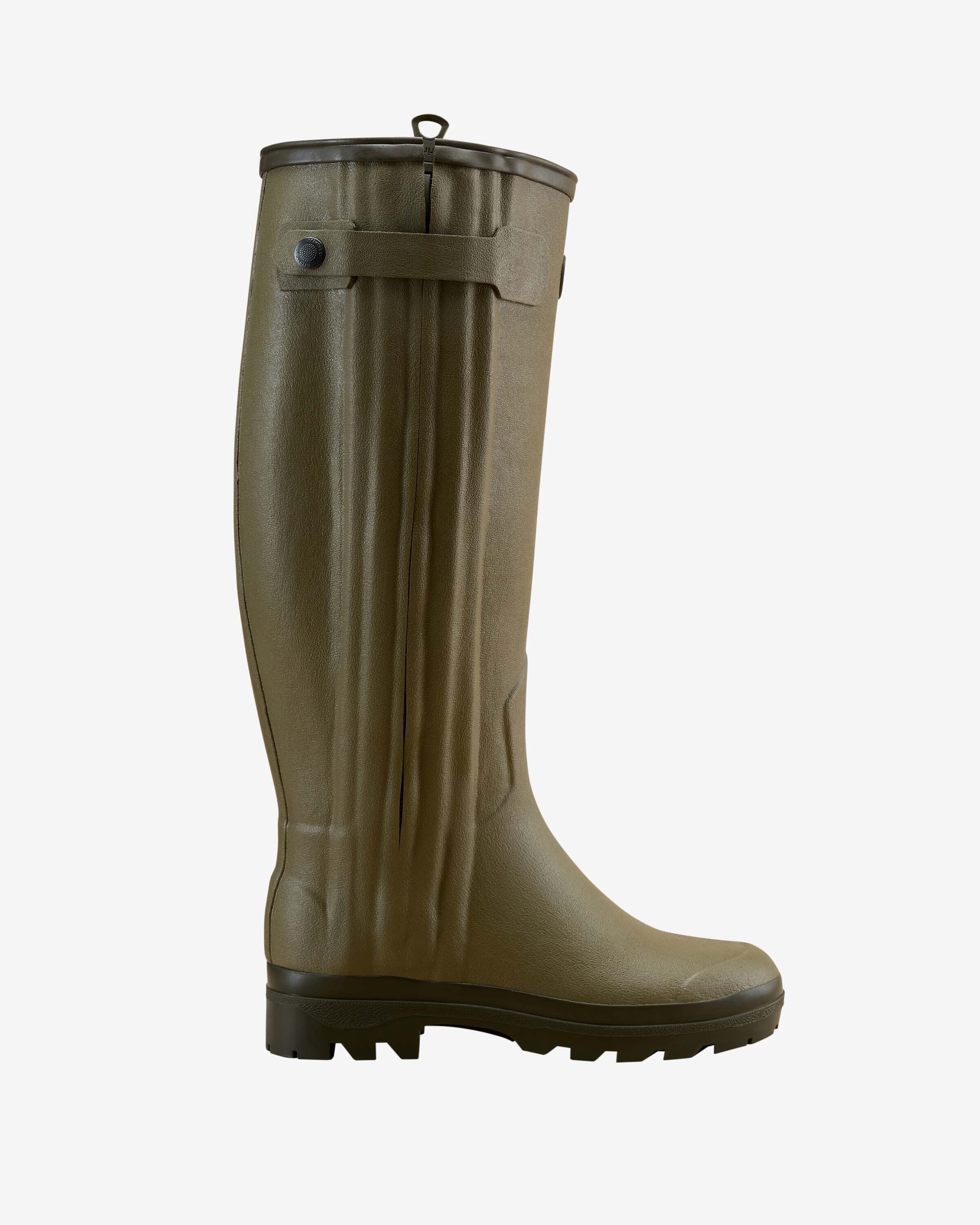
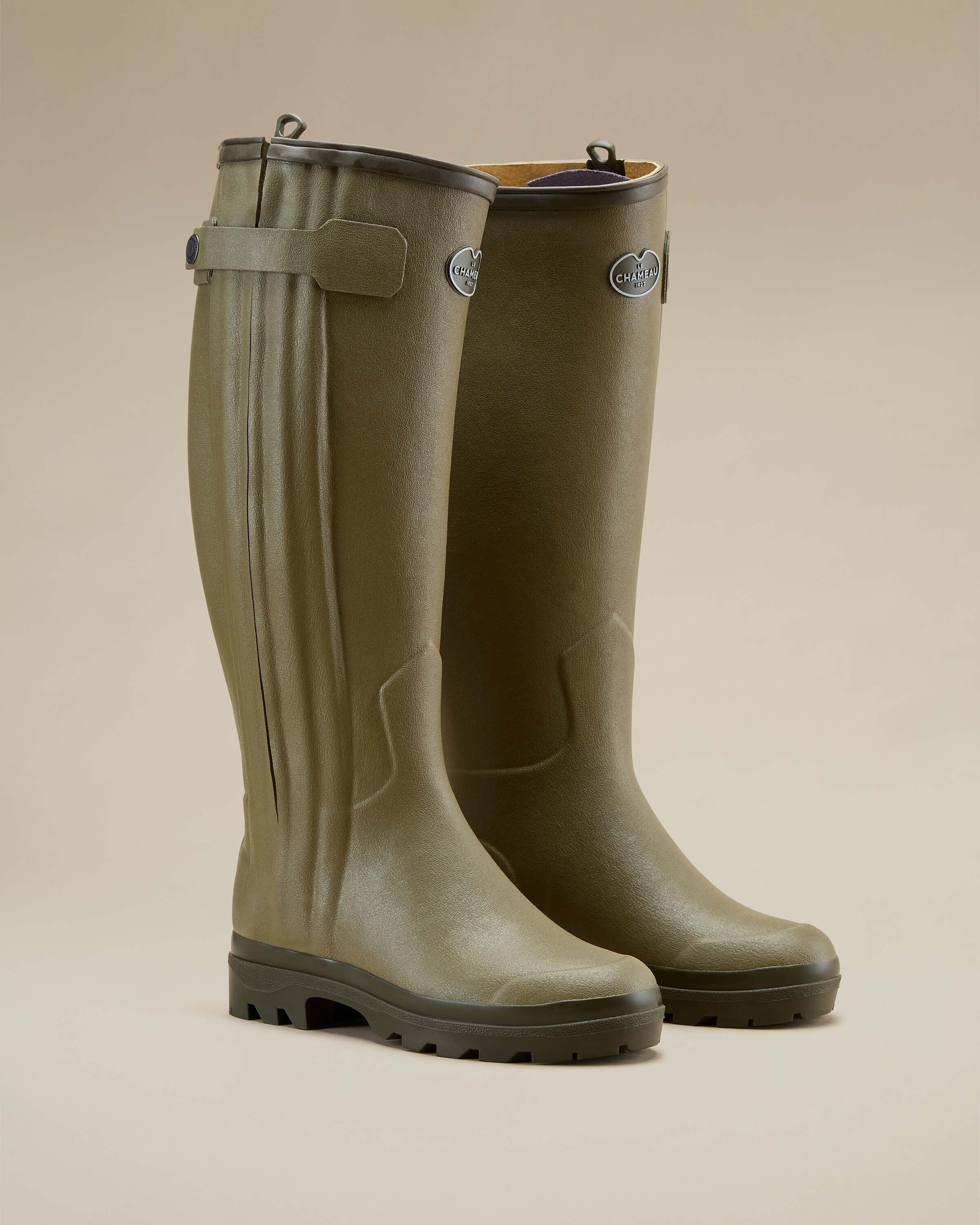
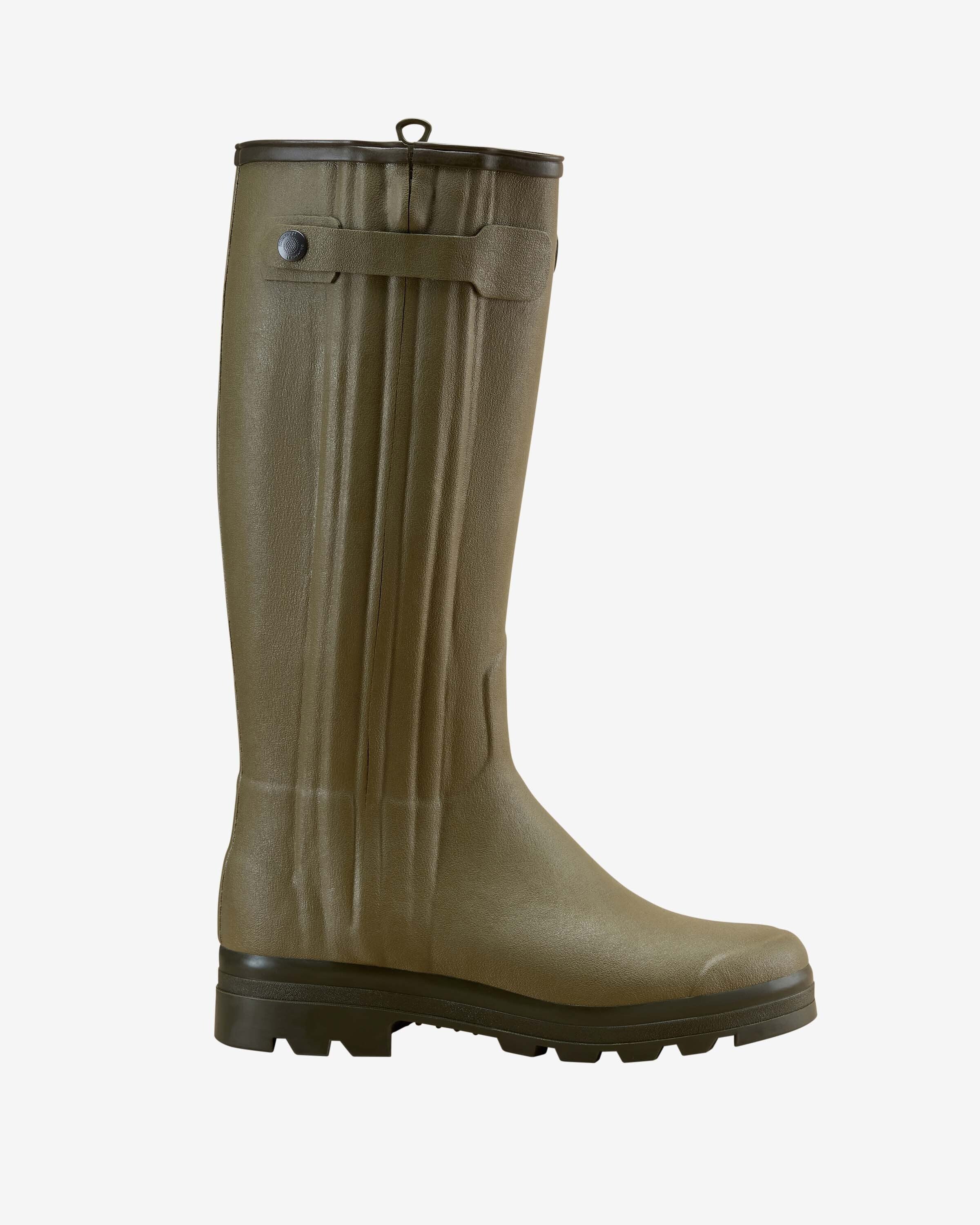
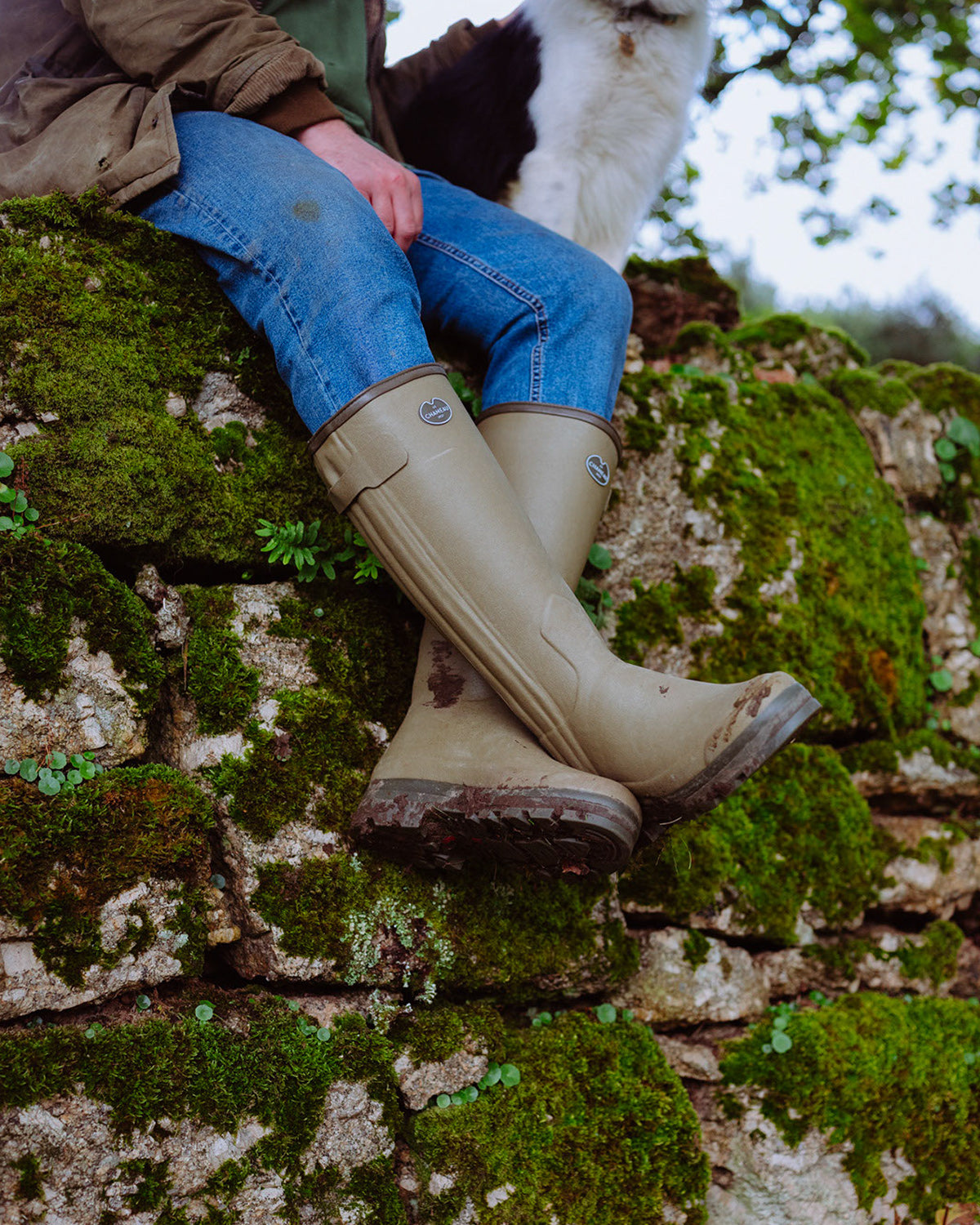
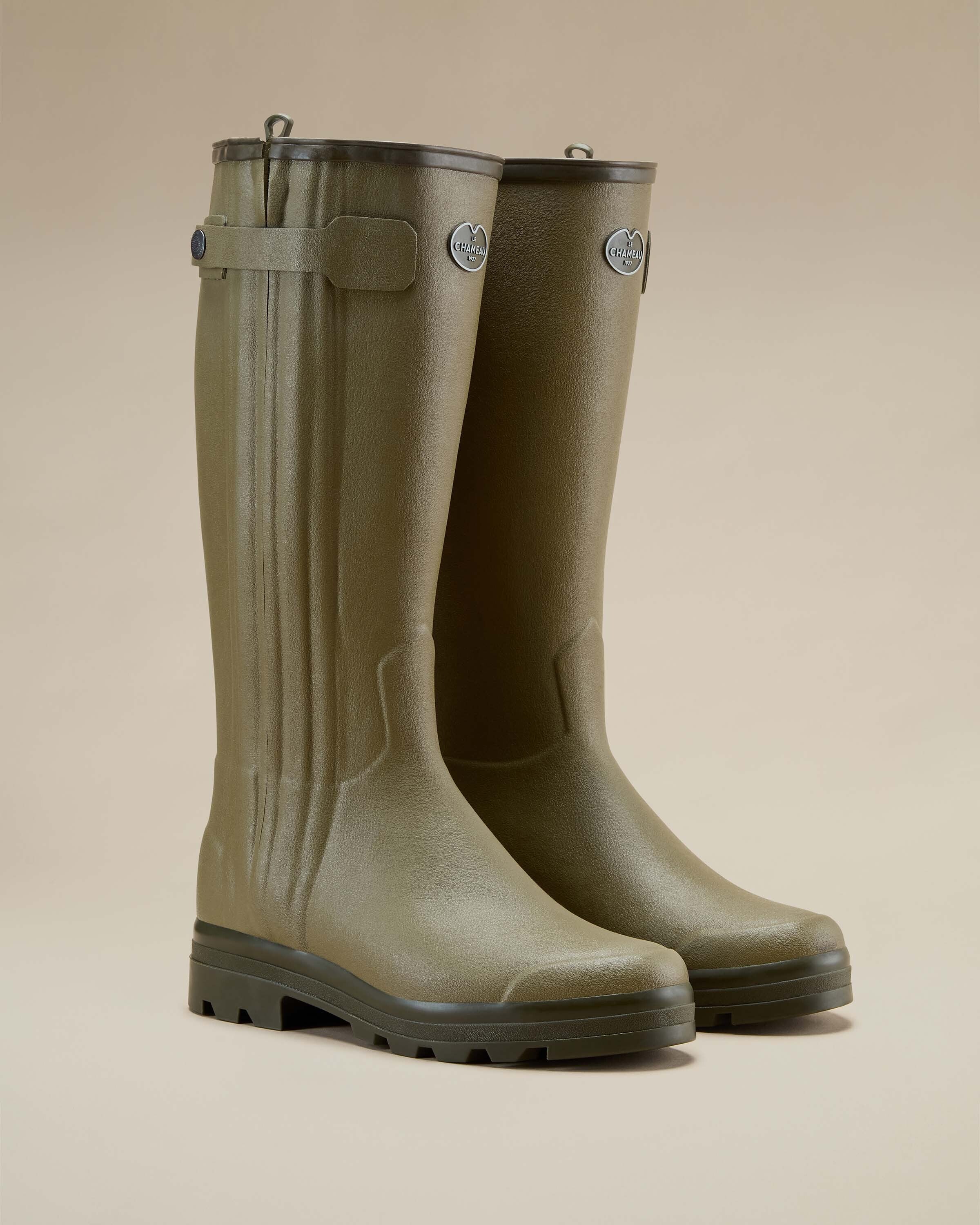
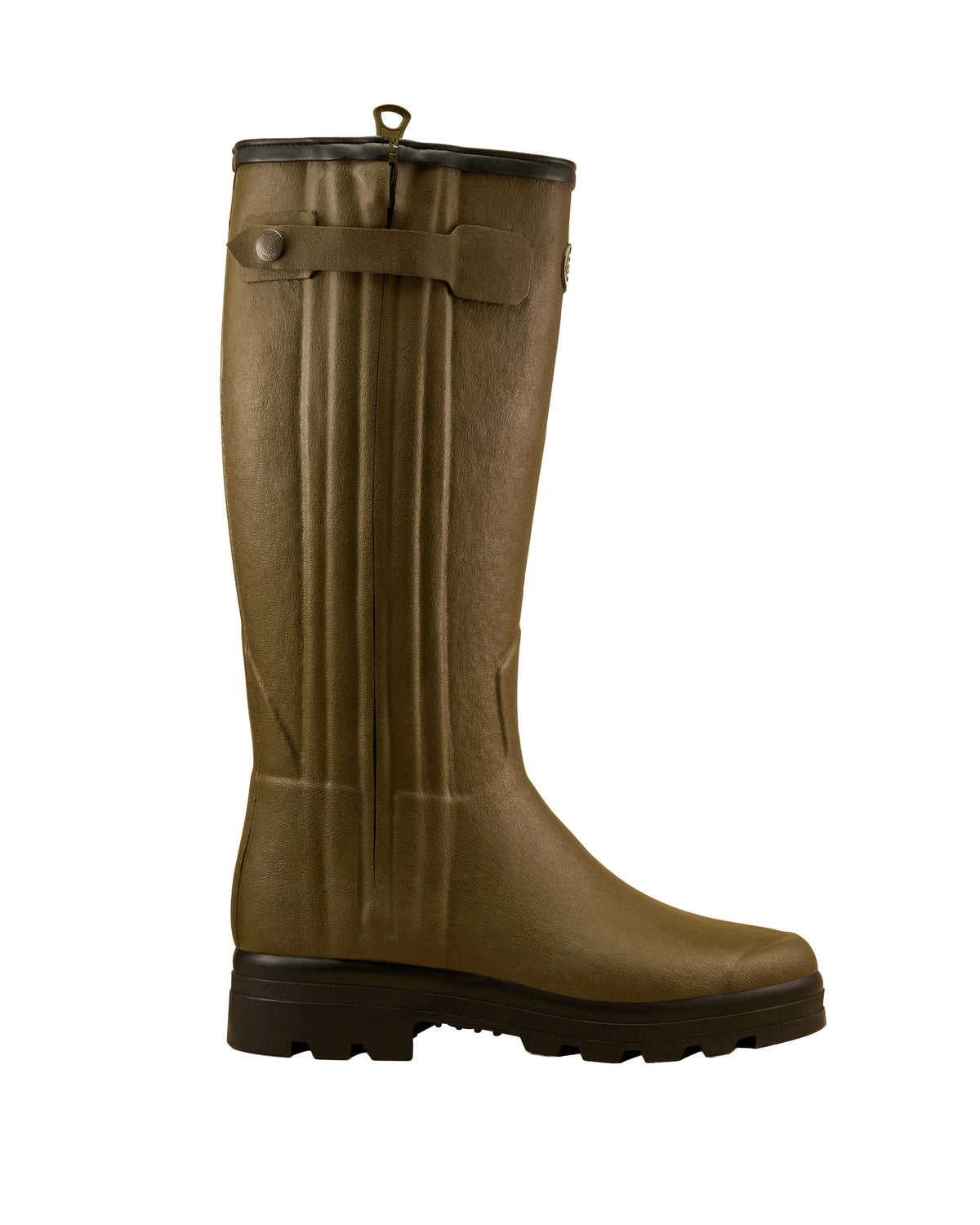
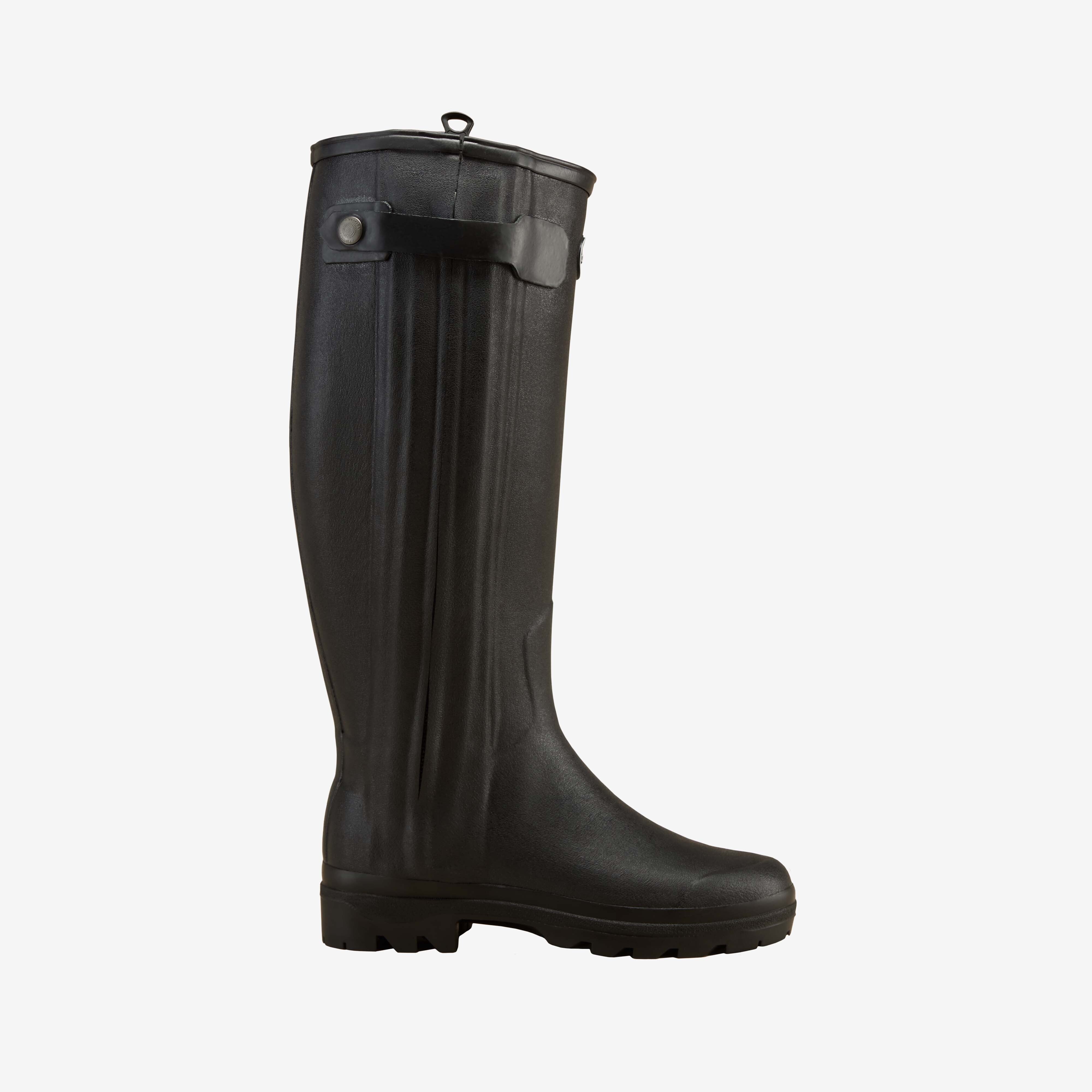
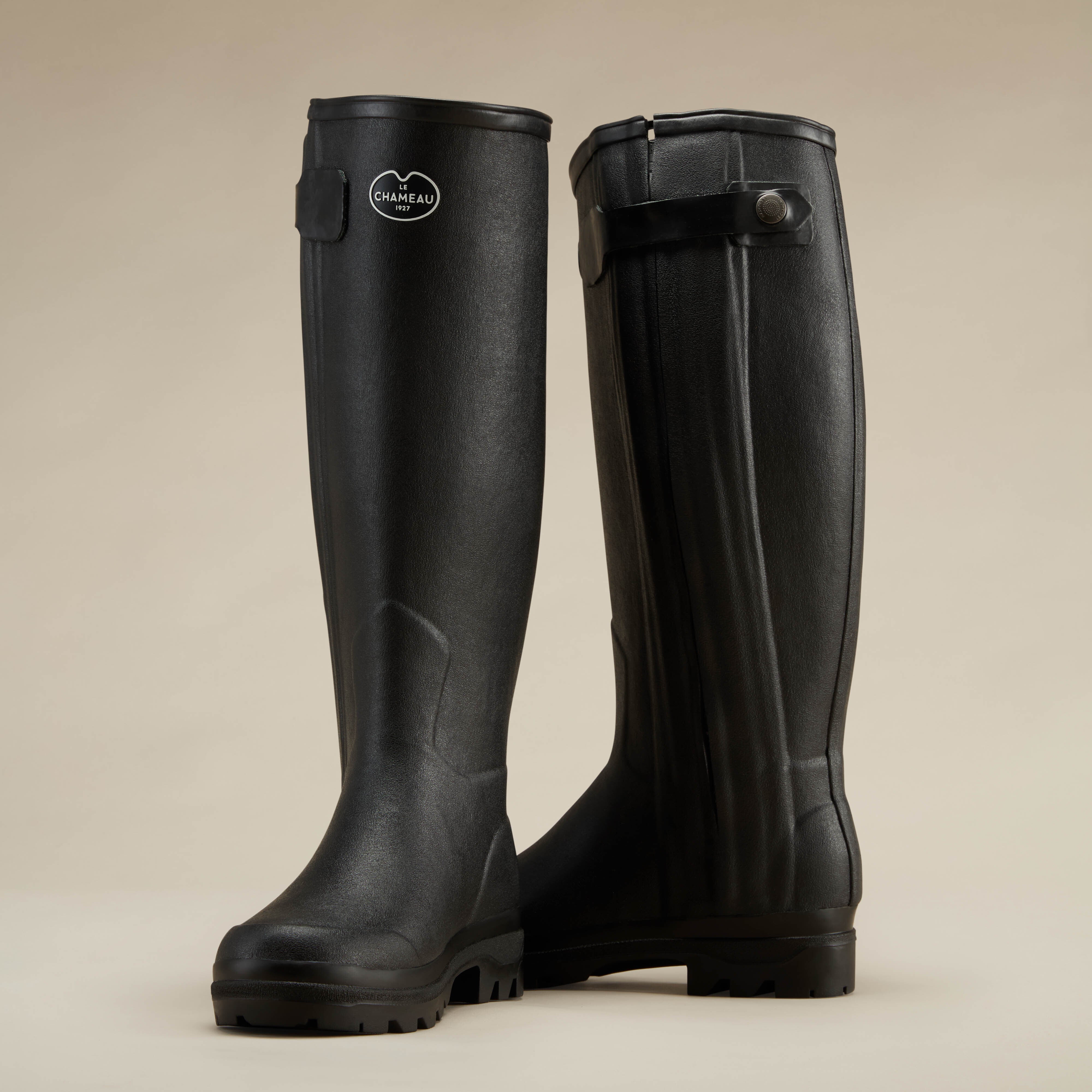
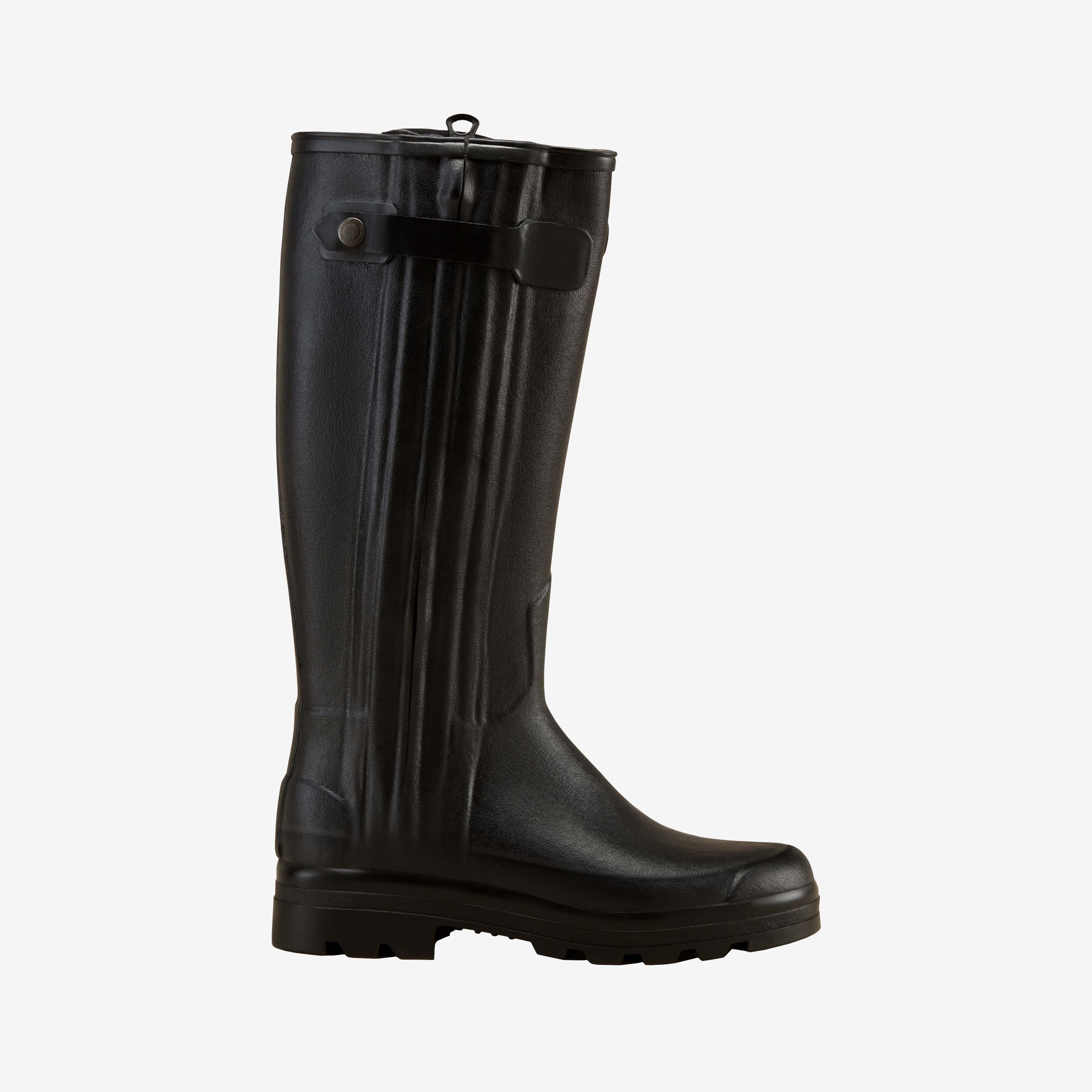
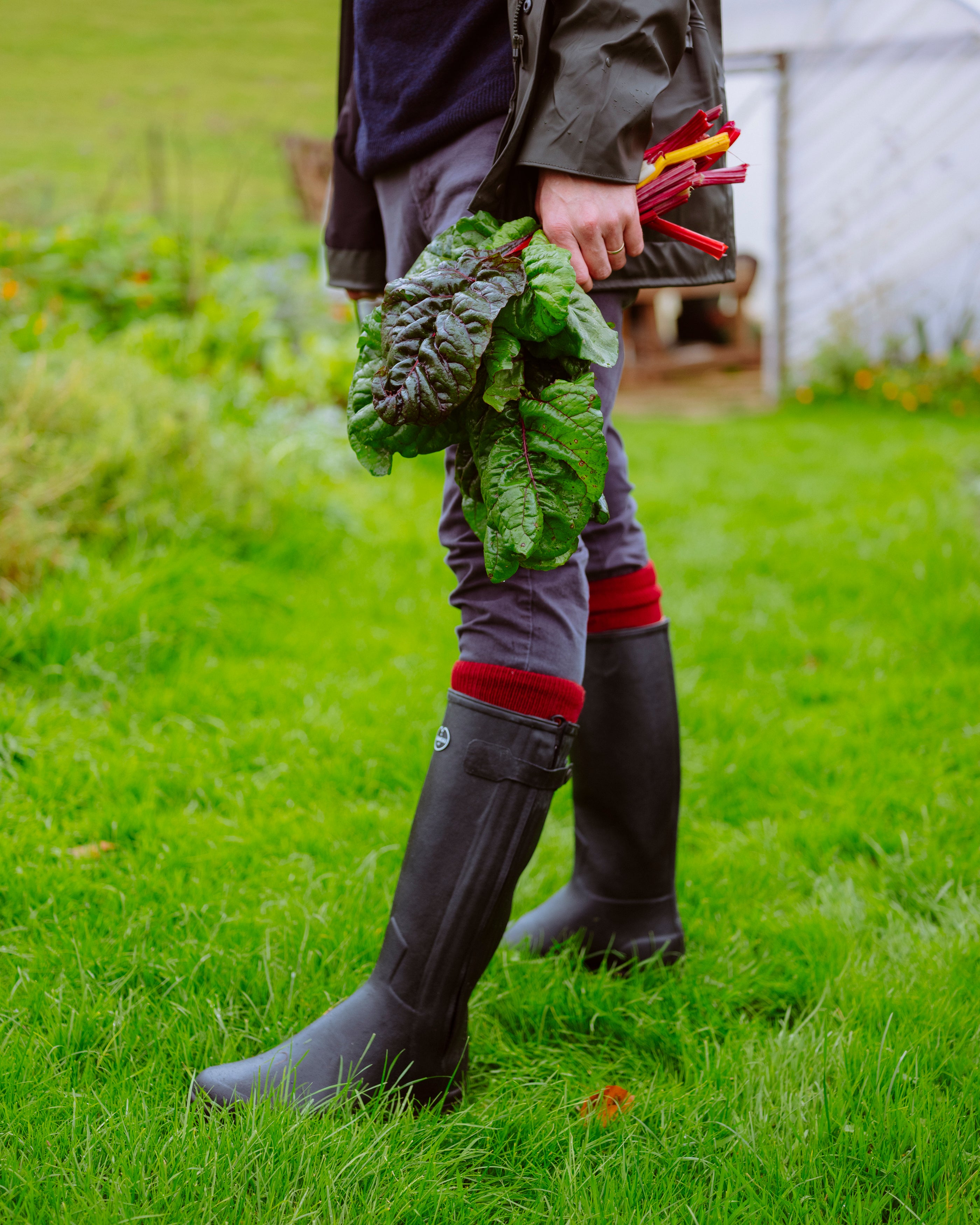
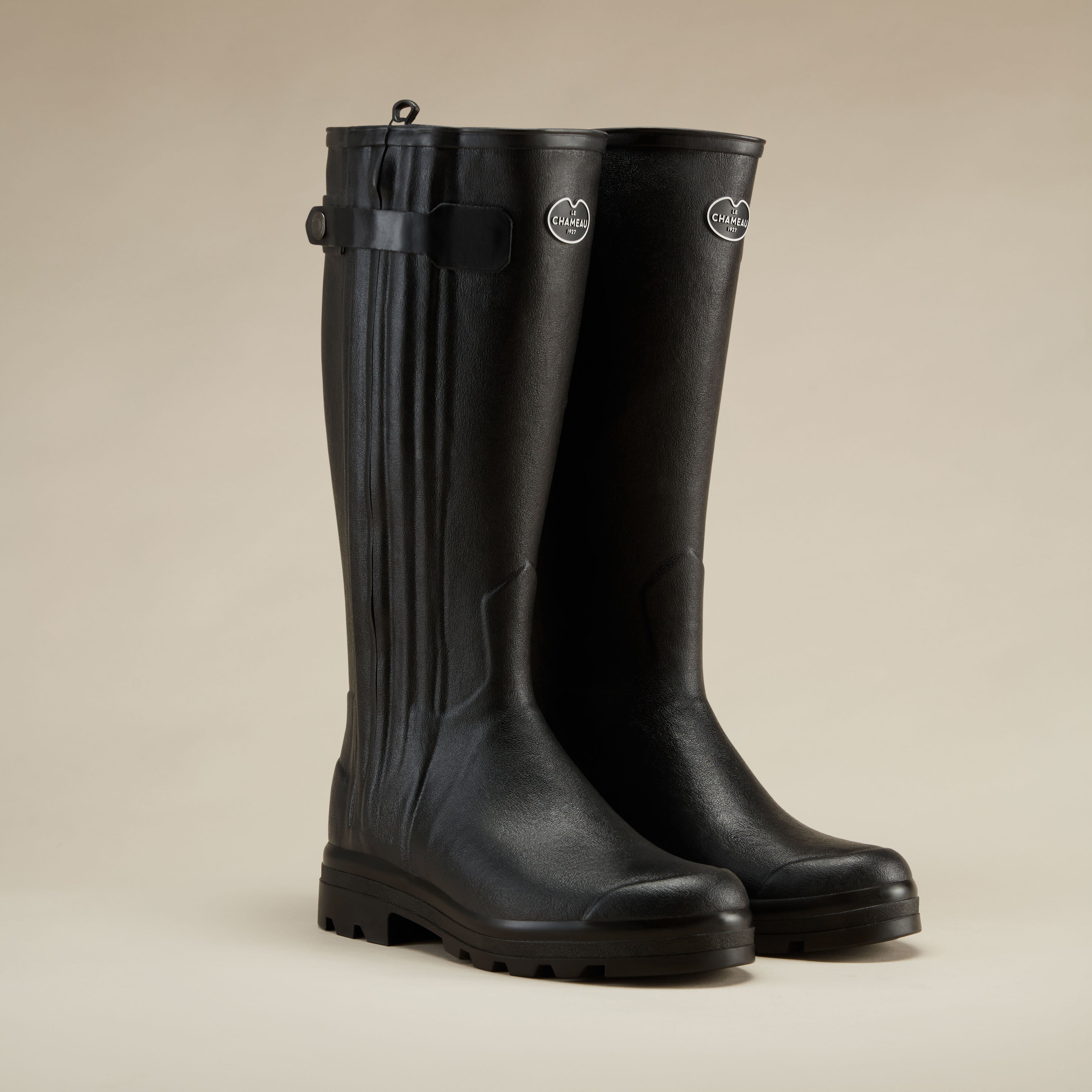
Sam wears our iconic Chasseur style of boot with leather lining.
What produce do you sell from the farm?
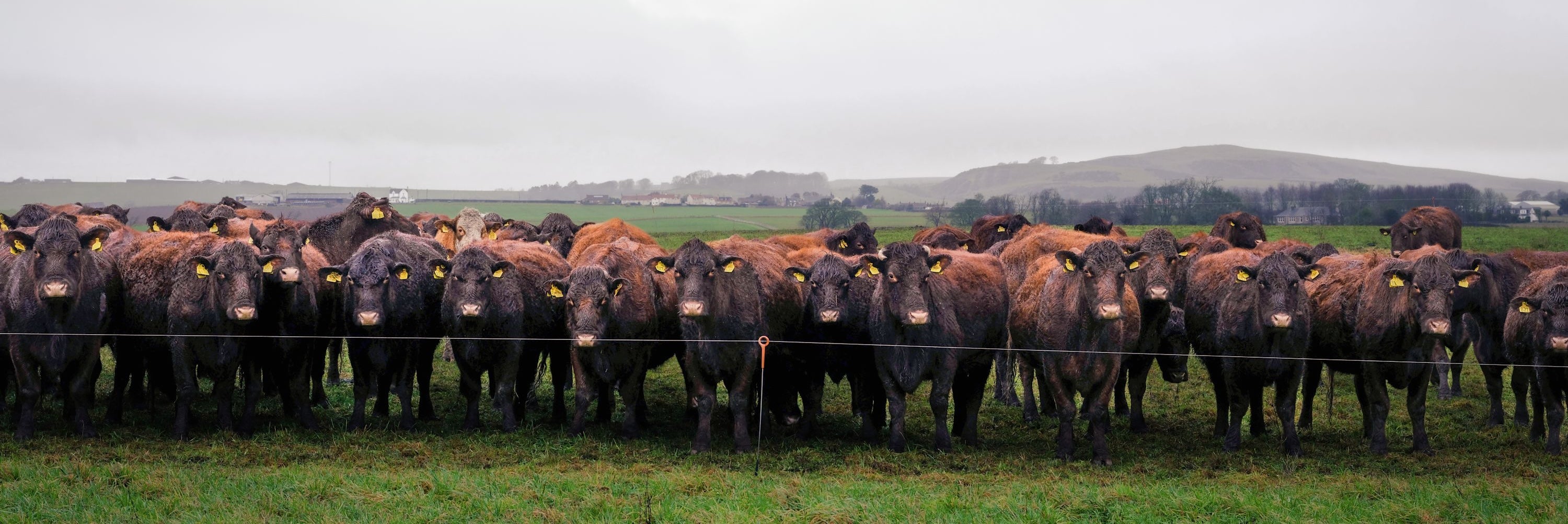
“In regard to our produce, we focus very much on quality. It’s imbedded in everything we do on the farm. We rear native breeds like these beautiful rusty Lincoln Red cows and Suffolk and Hampshire Down sheep because we think the quality of the meat is next level. Plus, the fact that they are native breeds, they are accustomed to our landscape, so it’s more sustainable. It’s not because these breeds are the most productive, biggest or the fastest growing animals, it’s about finding the right balance, farming with nature in mind and producing the best quality possible.
“We also have our own butchery on the farm called Butchery at Bowhouse, which is great to have. The butchers also focus on quality of product, so they hang the meat longer in a dry age chill. We put about 20% of our beef and lamb through the butchery, and what’s brilliant, is that we get instant feedback from the butchers on what's good and what's not. For example, the colour and quantity of fat on each animal, that kind of thing.
“In terms of cereals and pulses from the farm, we grow and produce fava beans for Hodmedods, and we've been growing and milling ancient and population varieties of wheat and rye for Scotland the Bread. These landrace populations of cereals again align with our ethos on the farm as our production becomes more resilient. These varieties tolerate pretty dismal weather conditions, and their production is fairly consistent. This comes especially relevant with climate change and the fact that they have a higher nutrient density than many modern varieties.”
Regenerative Farming: Bale Grazing
As we come face to face with the mighty and rugged faces of the farm’s Lincoln Red cattle that snort and grunt just beyond an electric line of fencing, Sam beelines just to right of us, to a round bale of hay lying in the neighbouring paddock. This round hay bale, Sam notes, is the cows breakfast, lunch and dinner for the next day.
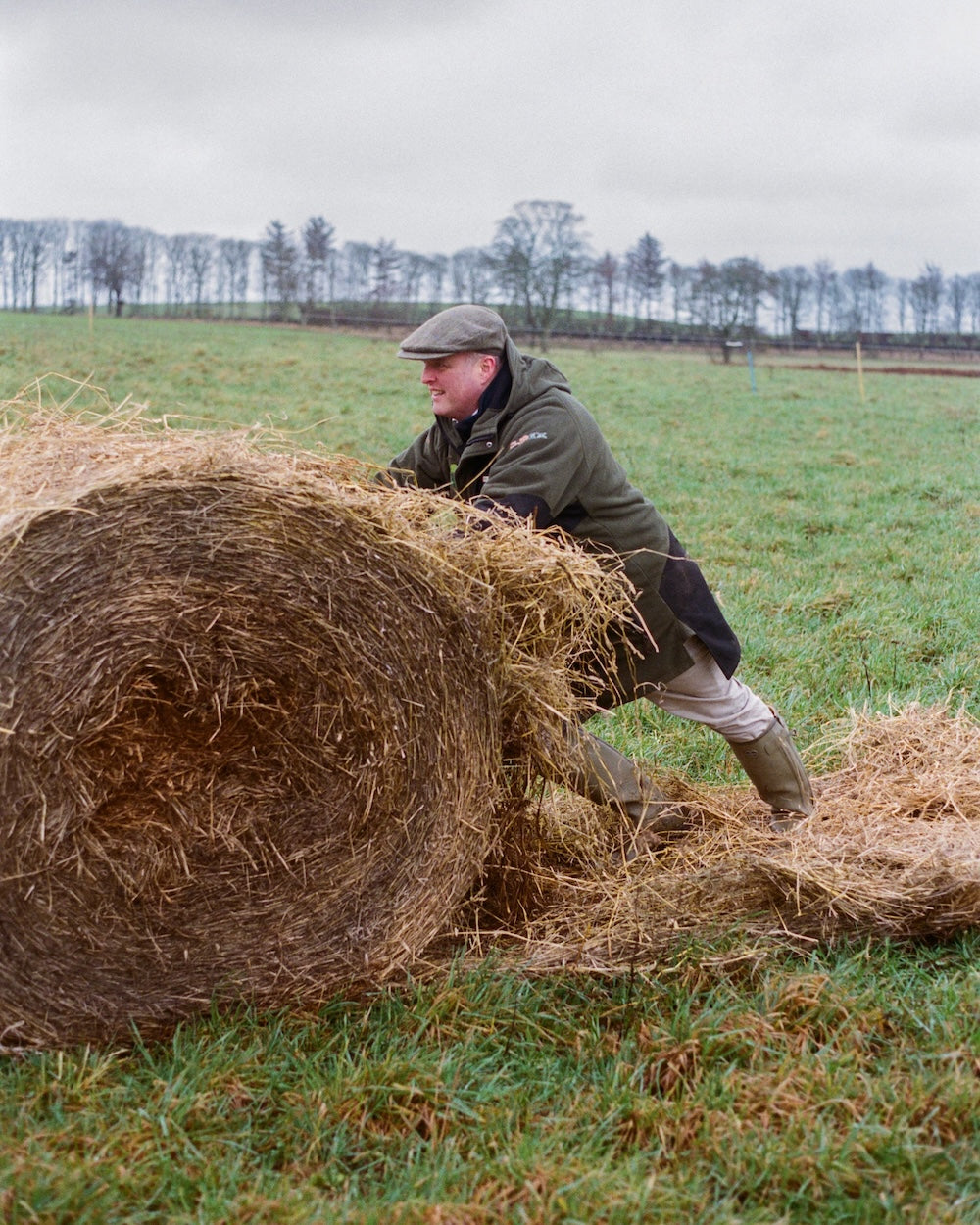
Sam cuts the netting that is keeping the hay bale tight and proceeds to roll the bale out metres in front of us towards the eagerly waiting cattle that increase their mooing and excited shuffles. Each complete turn of the hay bale reveals a fresh layer of hay beneath, imagine peeling back a Swiss roll and exposing the fresh fruity innards within. All rather satisfying to watch.
“This is what we call ‘bale grazing’, which is conserving hay or silage in the summer and rolling it out for winter and early spring feed. It’s fairly standard now, normally fed out in the shed, but in this situation, it’s outside and we’re using it to supplement the grass that's available over winter and early spring before the grass properly starts to grow.
“When grass stops growing at the end of November, here in Scotland, it doesn't really grow again until May. It's a long period of time without growth. So, rolling bales out in the fields like this is a way that we supplement our forage, enabling us to hold more animals outside over winter. It is a great way to not have to bed cattle in the shed, keeping them outside all year round, and it’s also ended up as a tool that we use to improve fertility in soil and improve diversity of grass. These bales are harvested in summer, so the plants have a lot of seeds attached to them, seeds that will embed themselves in the soil whenever you roll it out in winter and early spring. Bale grazing is an insurance policy and a management tool, ensuring our cows are fed throughout winter and maintain their condition. We know from our own animals, the best and the healthiest ones are the ones outside all year round, and we've got some fantastic sheds here, but the better cattle are outside.”
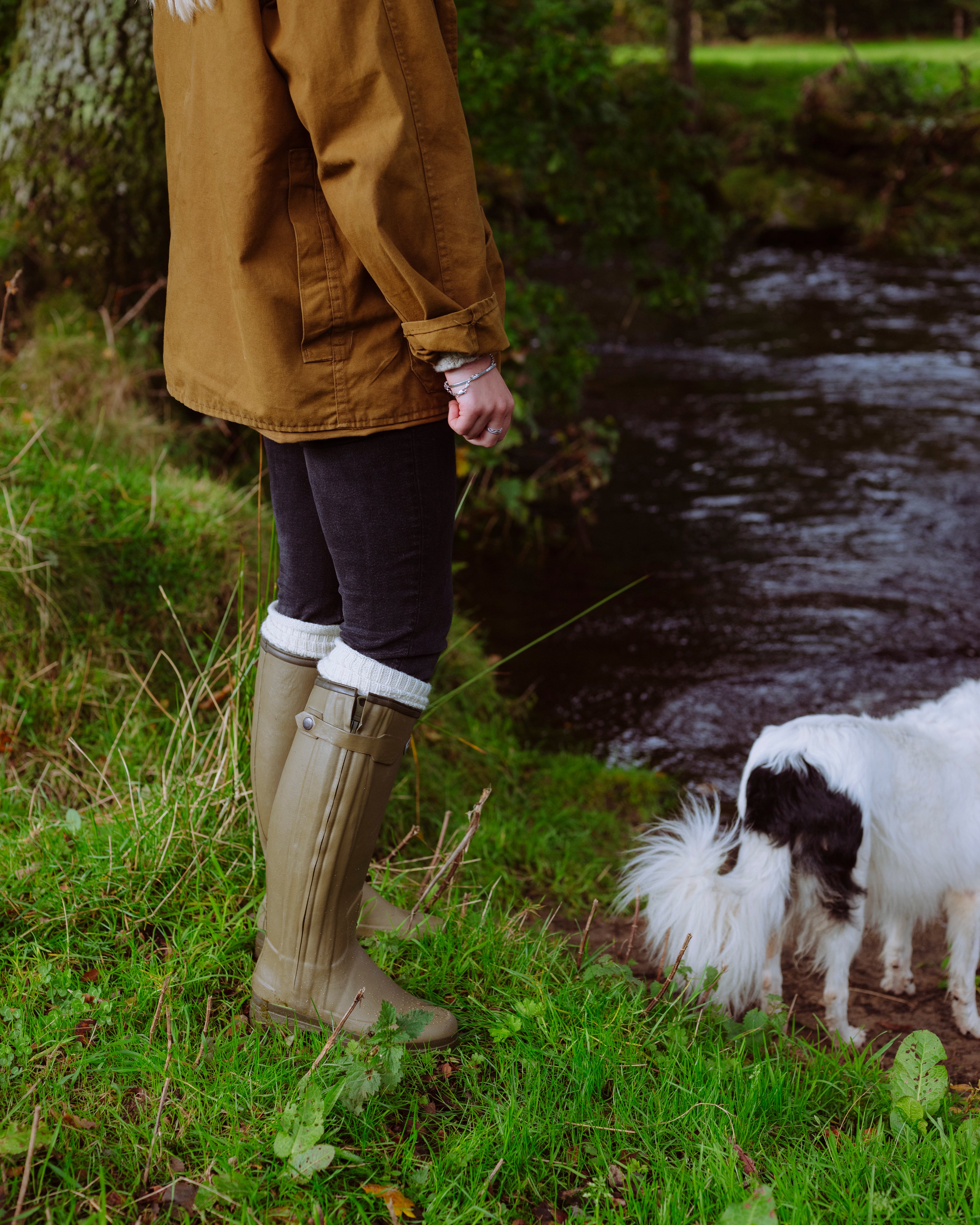
Chasseur is your style of Le Chameau. How do they serve you around the farm?
“It’s that famous phrase, ‘There is no such thing as bad weather, only the wrong clothing’ – and footwear in this case. That phrase is so true. We are big fans of good footwear and clothing. When you are working outside regardless of the weather, because the weather will do what it wants, it's so important to come home dry. It doesn't matter if it's cold, wet, windy or sunny here on the estate, we make sure we provide everybody with clothing that is not just adequate, but really good. So, the team that are working out with the animals, they get set up with some very good waterproofs – and that’s the same for footwear.
“I bought my first ever Le Chameau when I was a young student, working on a friend’s turkey farm one Christmas. I was in the fridge hanging turkeys and my feet were so cold. I saw that my friend and his brother were both wearing these Le Chameau neoprene wellies, which I'd never heard of before. And so, that was that, I said, ‘I'm having those.’ My first pair probably lasted me a good 10 years before I got another pair, then another pair. They are the best of the best, and if you actually work out the average cost per year, it’s effectively like buying a pair of cheap wellies every year but just doing it every 10 or 15 years.
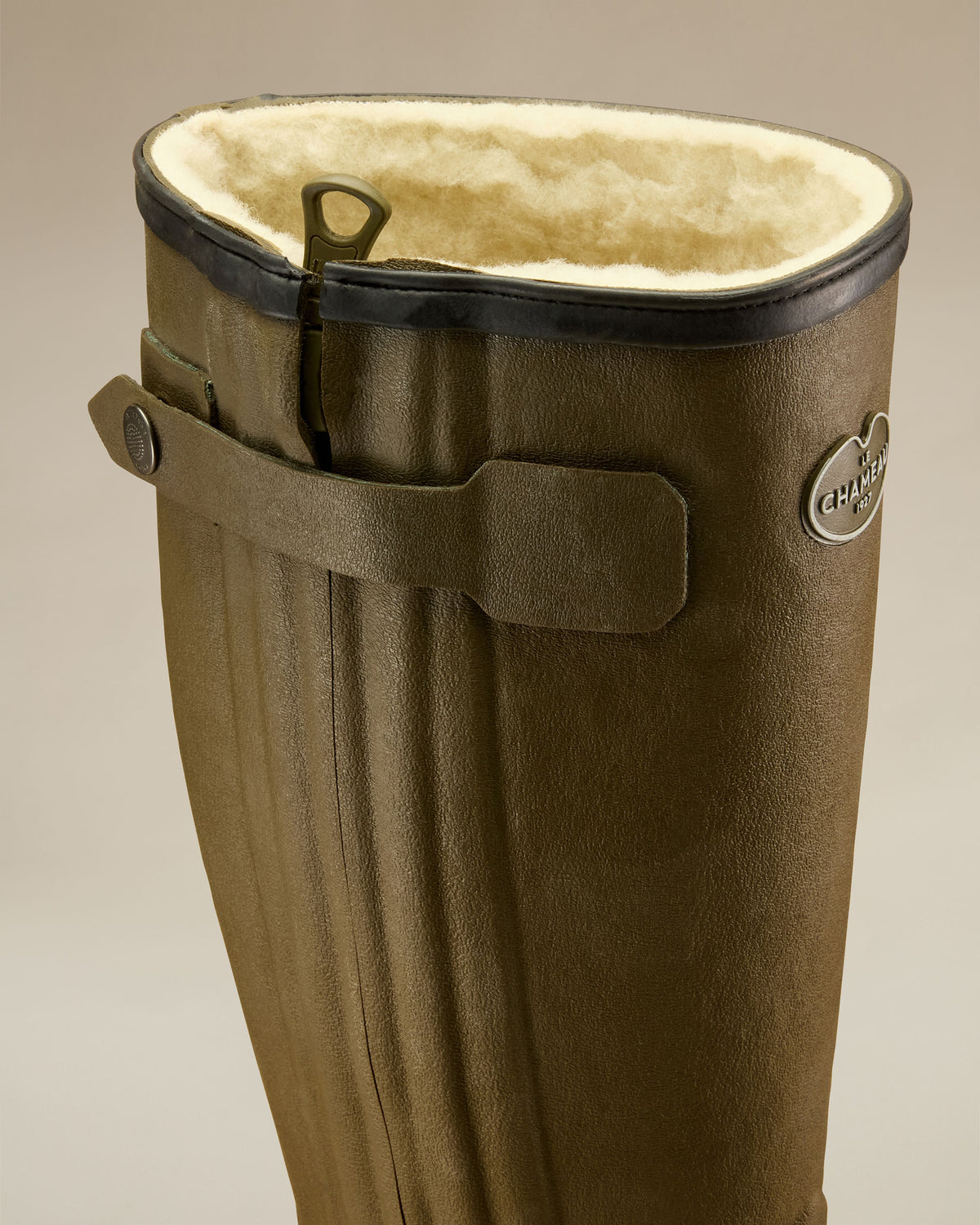
“The leather lined for me is so comfortable, just like putting on a sock. I think as you get older, you like to be more comfortable. I don't like having hot feet in the summer and so the leather lined boots are perfect. I also like that the boots are made with natural materials, it’s just a great combination.”
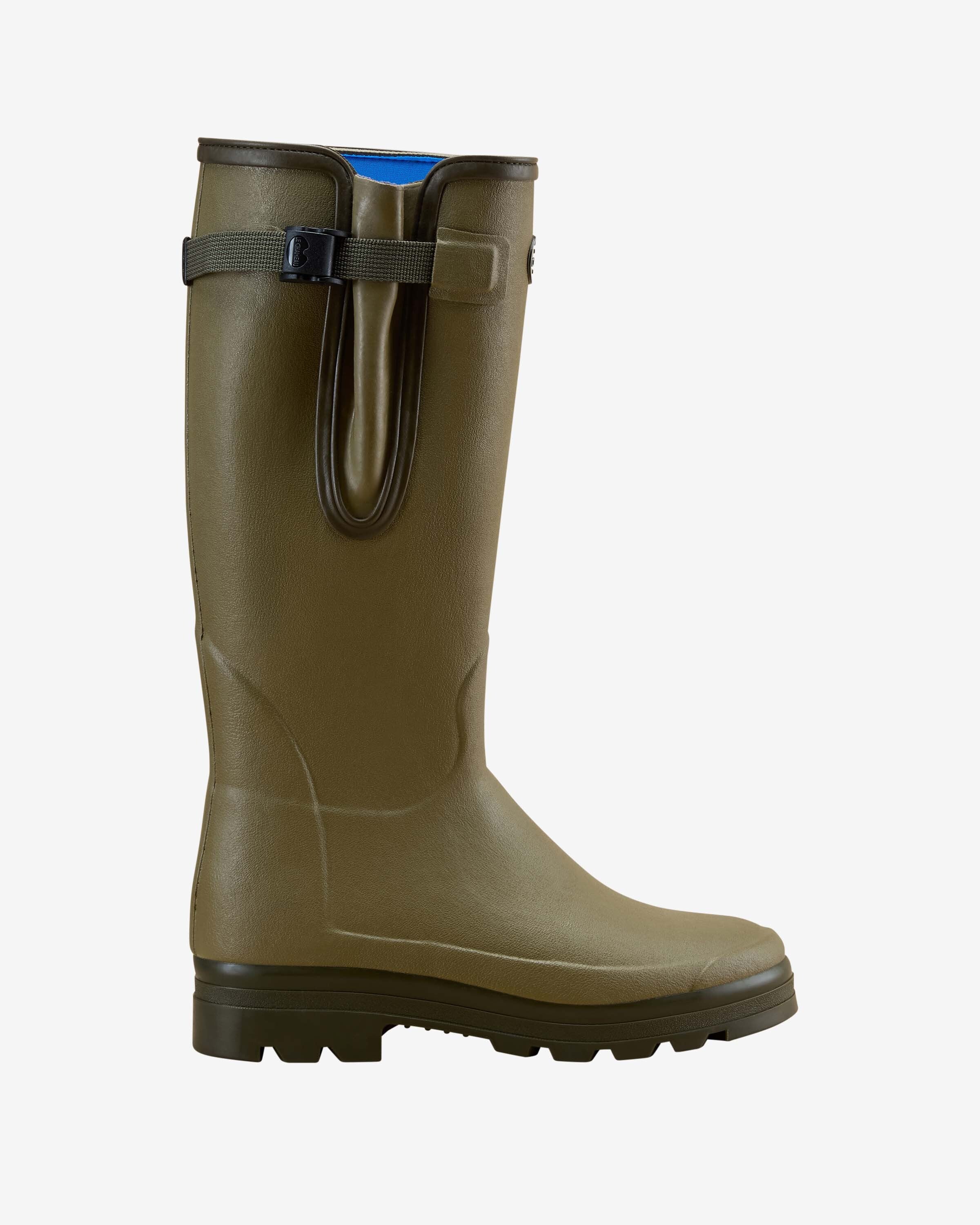
Find our new season range of products or if it’s the iconic style of Chasseur you prefer, discover both the leather and neoprene lined boots.
Chasseur Damen-Gummistiefel mit Neoprenfutter Chasseur Herren-Gummistiefel mit Neoprenfutter Chasseur Damen-Gummistiefel mit Lederfutter Chasseur Herren-Gummistiefel mit Lederfutter Chasseur Damen-Gummistiefel mit Neoprenfutter Chasseur Herren-Gummistiefel mit Wollfutter Vert Chameau€380Chasseur Damen-Gummistiefel mit Lederfutter Chasseur Herren-Gummistiefel mit Neoprenfutter


 Stewarding the Downs: Life at Cowdray EstateBeitrag lesen
 Harvesting Apples this HalloweenBeitrag lesen
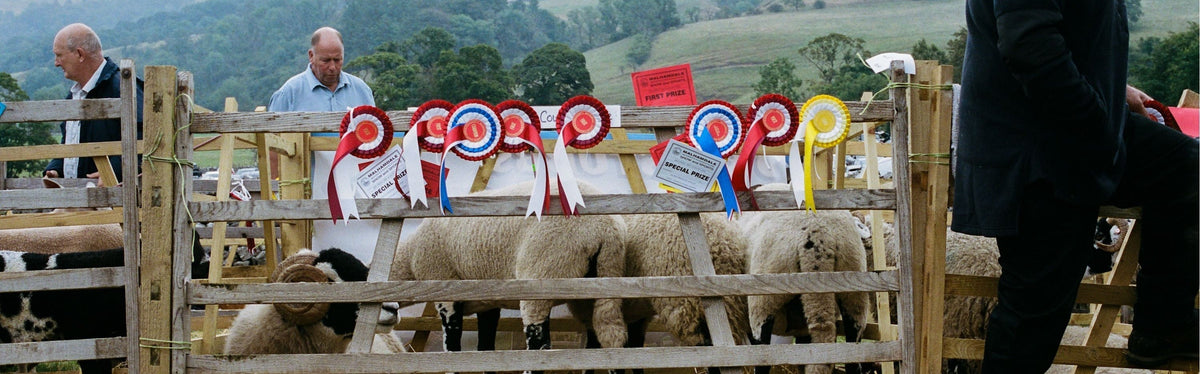 Country Shows: The Best of the Rural LifeBeitrag lesen
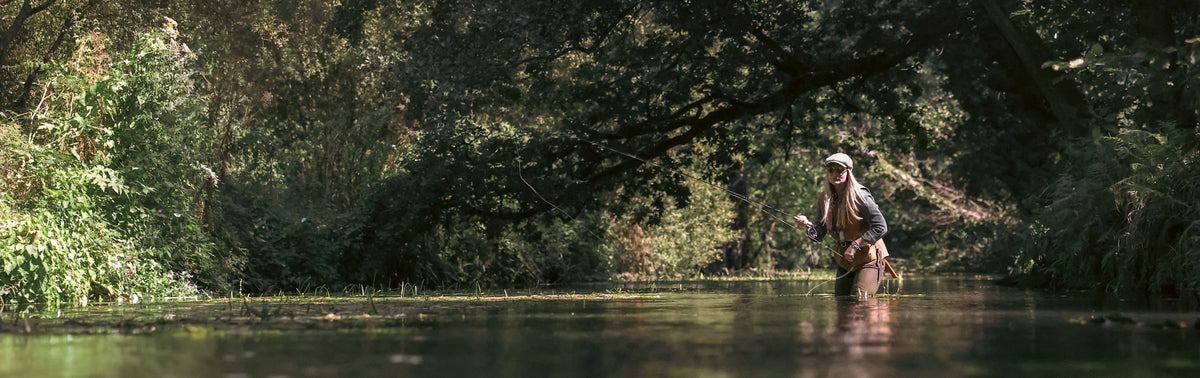 At One with Nature: Fly Fishing with Marina GibsonBeitrag lesen
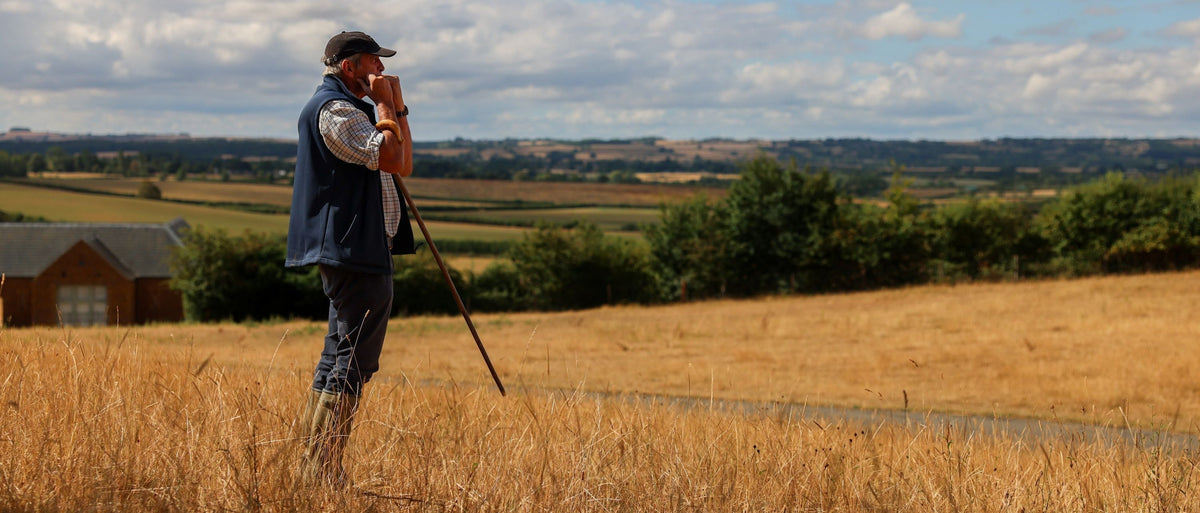 At Daylesford: One Man and his SheepdogBeitrag lesen
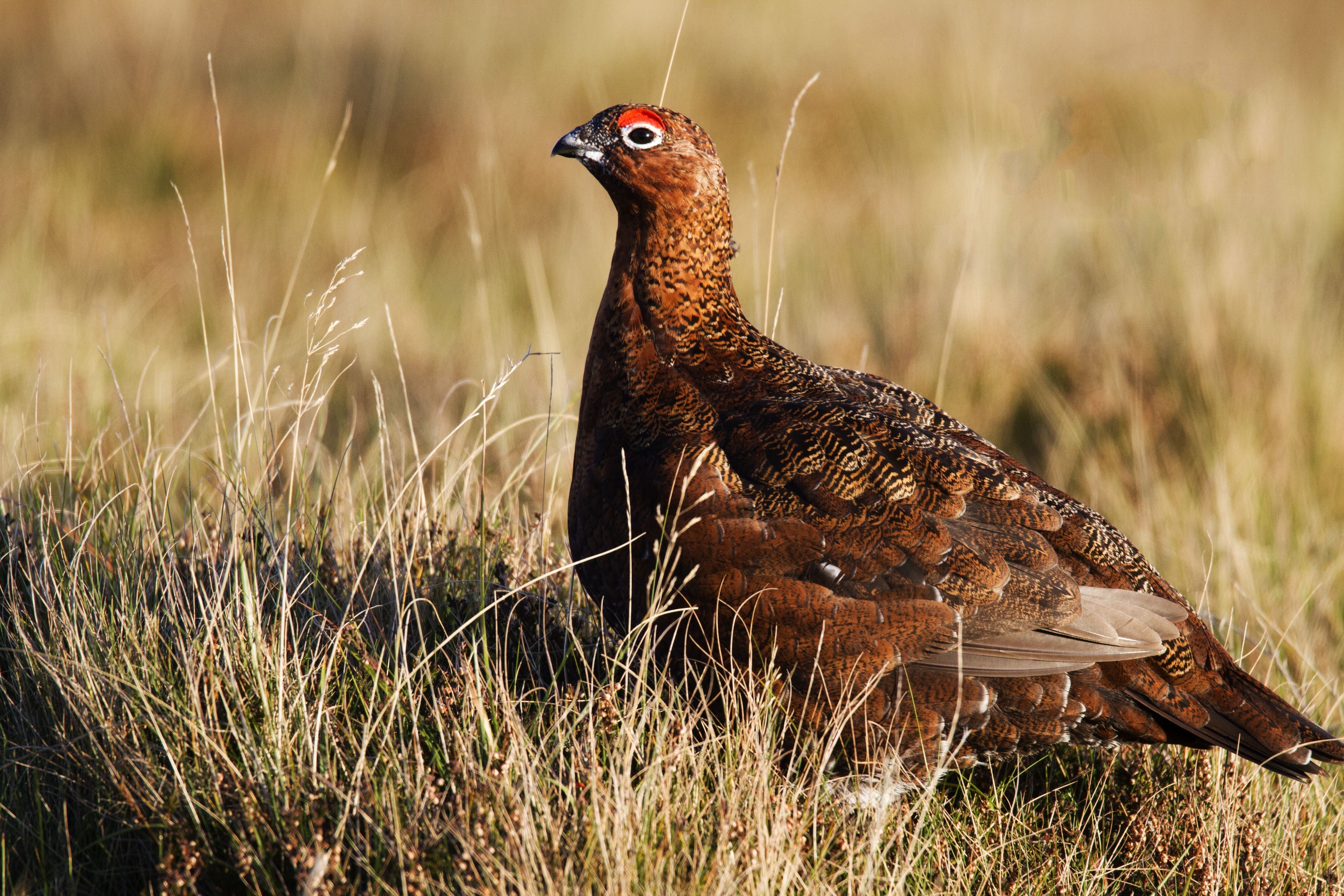 The Glorious Twelfth: All You Need to KnowBeitrag lesen
 On-Farm this Summer: Farming in a Changing ClimateBeitrag lesen
 Discover Holkham: Glasshouses, Gardens and Glorious WalksBeitrag lesen
