




 The Boat Race: Meet the Presidents
Since 1829, The Boat Race between Oxford and Cambridge Universities has seen 249 races (170 Men’s and 79 Women’s), course changes, sinking boats, stops and restarts, race interruptions and new advances in innovation. Although the first race was in 1829,The Boat Race didn’t become an annual event until 1856.
The first ever Women’s Boat Race was in 1927 on the River Isis in Oxford. Nearly 100 years on, we caught up with both the current Women's Oxford President for 2025-26, Heidi Long, and the current Men’s Cambridge President for 2025-26, Noam Mouelle, to hear more about their individual stories, what it means for them to be apart of one of the most famous and historical events in sport and how Le Chameau fits in around their rowing.
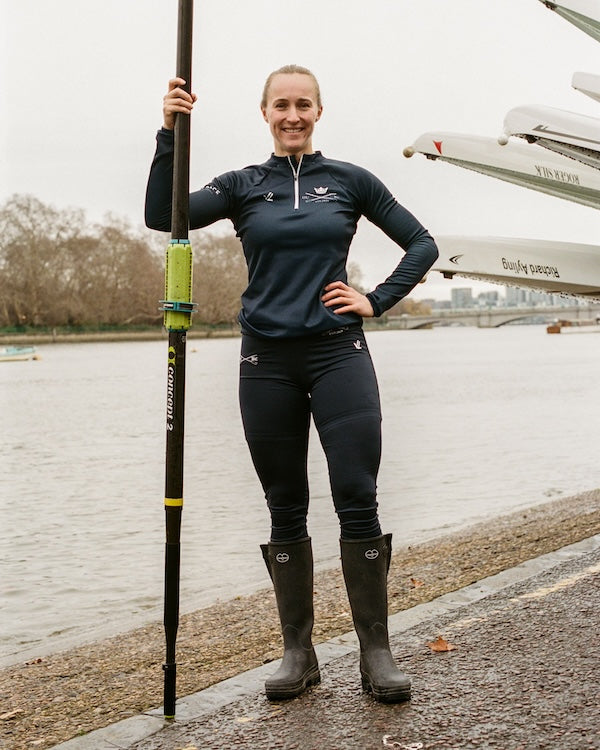
Heidi, how do you get into rowing in the first instance?
I started at secondary school when a couple of my friends and I signed up for every sport we could; one of those options was rowing. But this was once a week, so we didn’t row much, but I absolutely loved it.
A little later down the line, I was on a walk with my family along the stretch of the River Thames in Marlow, where we saw the junior program competing there. That very same day, I spoke to the coaches and did a trial on the indoor rower. Right after that, the coaches welcomed me into the junior development squad.
Since then, I've probably rowed maybe at least five or six times a week, and now, I am rowing every single day. Rowing has taken up most of the last 15 years. But I love it. Marlow was a great place to learn to row and fall in love with the sport. And as they say, the rest is history.
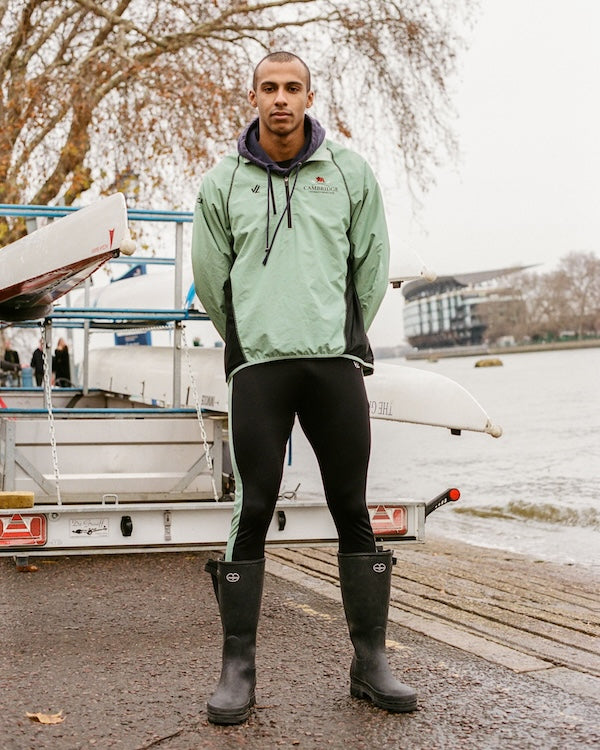
Noam, how do you fit rowing into your schedule at Cambridge University?
I'm studying for a PhD in physics, specifically in the field of quantum sensing, which consists of using the quantum properties of matter to create very precise measuring devices. To fit in my rowing, I wake up very early, have breakfast and at around 6-8am I do a steady training session before my first lecture of the day at 9am. After that I have a second breakfast, then, cycle to the physics department, work there for most of the day, have lunch, maybe have some meetings, do some coding, and then at 5pm, I cycle back to training for a second session.
Why do you think The Boat Race is so iconic?
It’s always been one of those sporting events that you would watch growing up as a family on TV. Back then, we would be cheering on both Oxford and Cambridge as I had no allegiance to either side at that stage. I think it’s so iconic because the race is right in the heart of the capital, that’s awesome. After I fell in love with rowing, I was like, wow, that would be an incredible thing to be involved in.
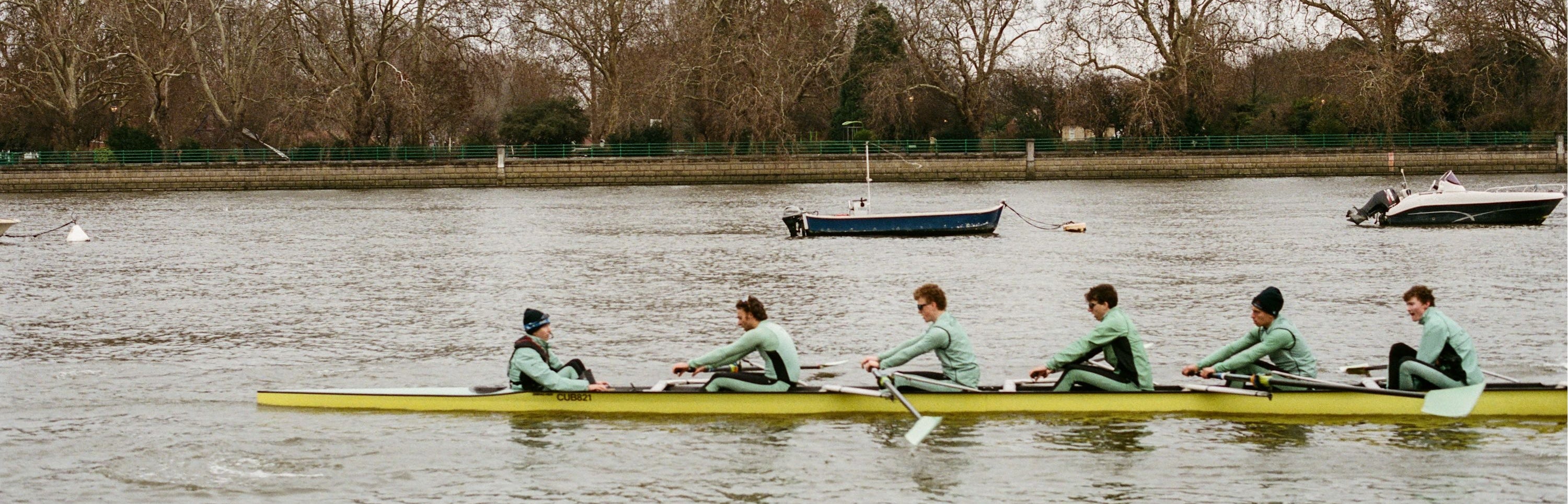
NM: What makes The Boat Race so iconic for me is two things. The first is that usual rowing races are two kilometres long with six boats racing side by side – this is what happens at the Olympics, for example. The Boat Race, however, is only two boats side by side and a much longer distance at 6.8 kilometres, so that’s more than three times longer than the Olympic distance. I guess another thing that makes The Boat Race very different and iconic to other races is the number of people watching. From a few hundred or so people on our usual rowing races spread along the two-kilometre course, it’s incredible to know thousands of people or even hundreds of thousands of people are watching along the course and more on TV. That is super impressive.
What are your feelings pre-race, and how do you prepare?
HL: We have a schedule that we run to, which starts a good four months before The Boat Race. This means everyone is on the same page when it comes to race day. I think one of the most important things about the schedule is that it can calm you down, you know your role and what’s happening.
The schedule literally runs day by day, minute by minute. Once the team has it, we try and practice the timings and each step as much as we can in the days leading up to the race. We wake up early, making sure we have a good breakfast to set us up, leave the house to arrive at the riverside, make sure we do our stretches and prepare to row. We take the blades down to the water, go for a warm up paddle and come back in time for some more food. We then have a bit of downtime to try and get away from all the emotion of the day.
Then leading into that final hour before the race, we will be getting the crew back together and make sure those final minutes before we go out are filled with words from the coaches and making sure everyone is ready. When you’re out on the water, I don't think about anything else, just one with the team, the water and the oars. You know rowing is a sport, but it is also like a dance; a craft. When you're out on the water and you're all at one together, it’s a beautiful thing to be a part of.
What do you think are the key attributes to competing at this level of rowing?
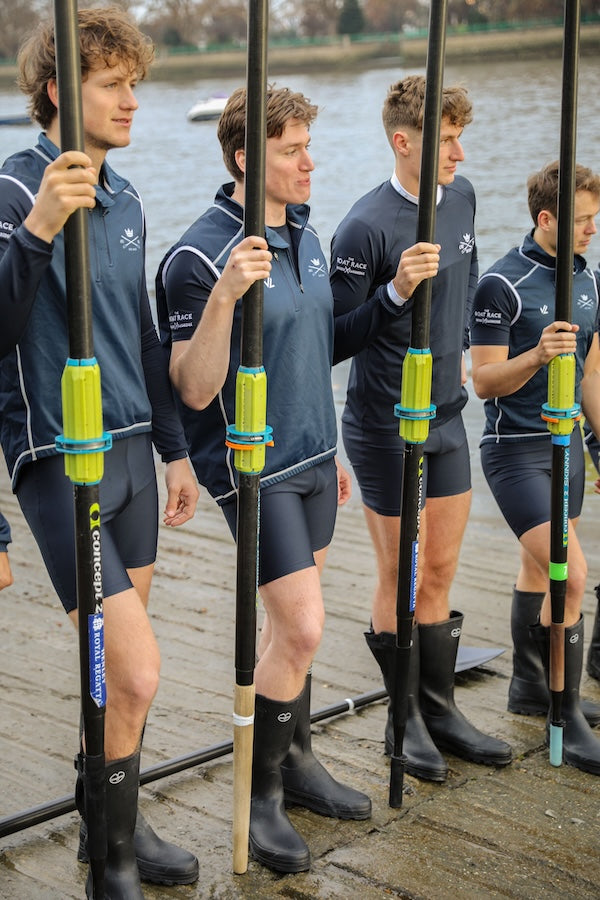
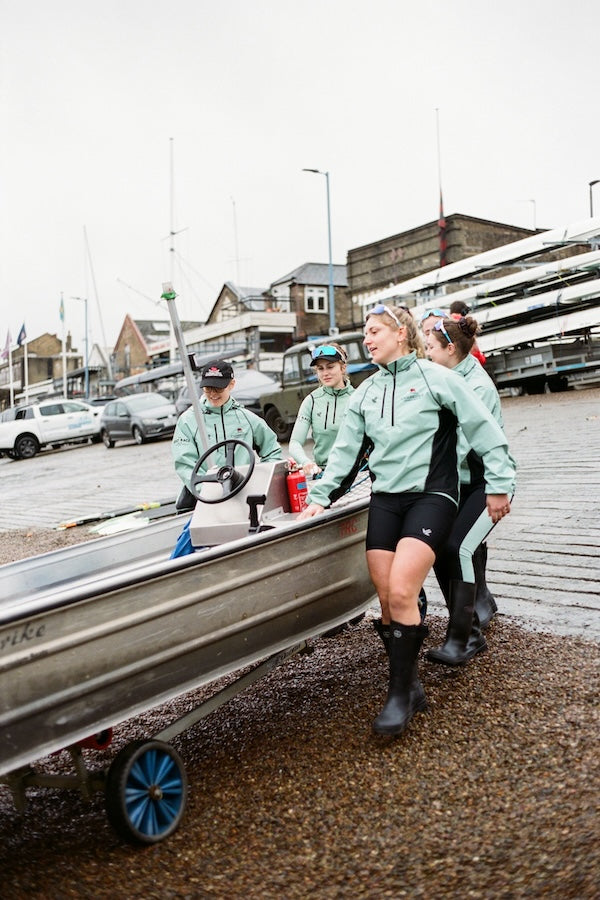
HL: I've been wanting to come to Oxford for ten years, and I’ve always had that level of determination to keep on trying and building up my academics behind the scenes to get a place at the university. I was thrilled to finally get a position last year, and I mean, just walking around the city, being amongst all these amazing university buildings, I feel like I'm still living in a dream.
In terms of rowing, I think it’s the same set of values; having a good worth ethic, being committed and resilient, just some of those fundamental aspects that are needed. You are sometimes out there in the darkest, rainiest, coldest, windiest parts of Britain, and rowing at 5am in the morning, every single day. It’s that real grit and determination that makes you want to be part of a university like Oxford or Cambridge and compete in a great event like The Boat Race.
NM: It’s about being organized in life, making sure you are not too stressed out. It’s a skill to try and balance that with studying, of course. It’s important to ride the waves and stay cool under pressure whatever comes your way. Consistency with your training, nutrition and sleep are all so vital. On top of that, in rowing, you need to be able to work as part of a crew, being able to get along with each other and adapt to a new crew is essential. When it comes to The Boat Race, there is no room for complacency.
How do your Le Chameau boots fit into race day?
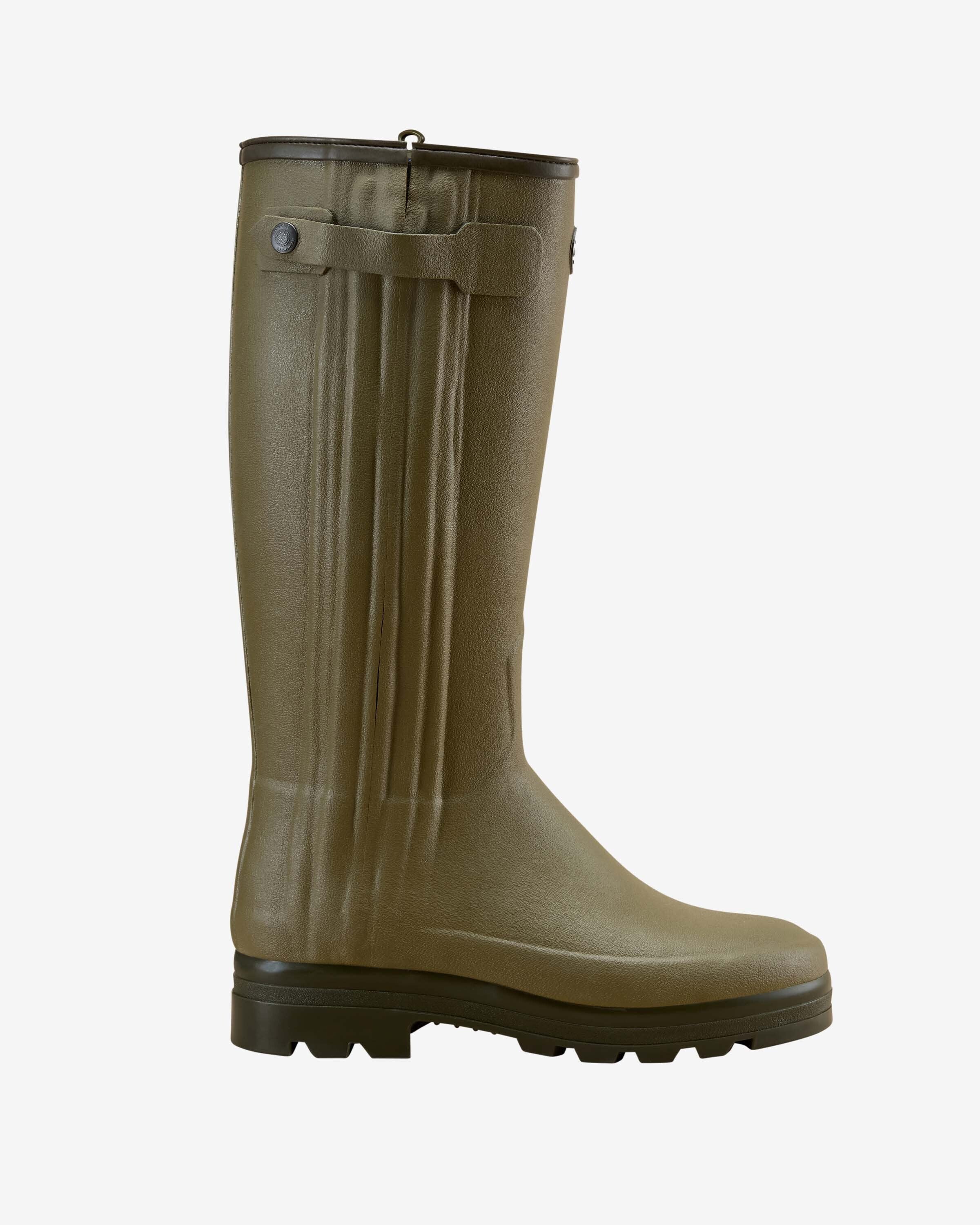
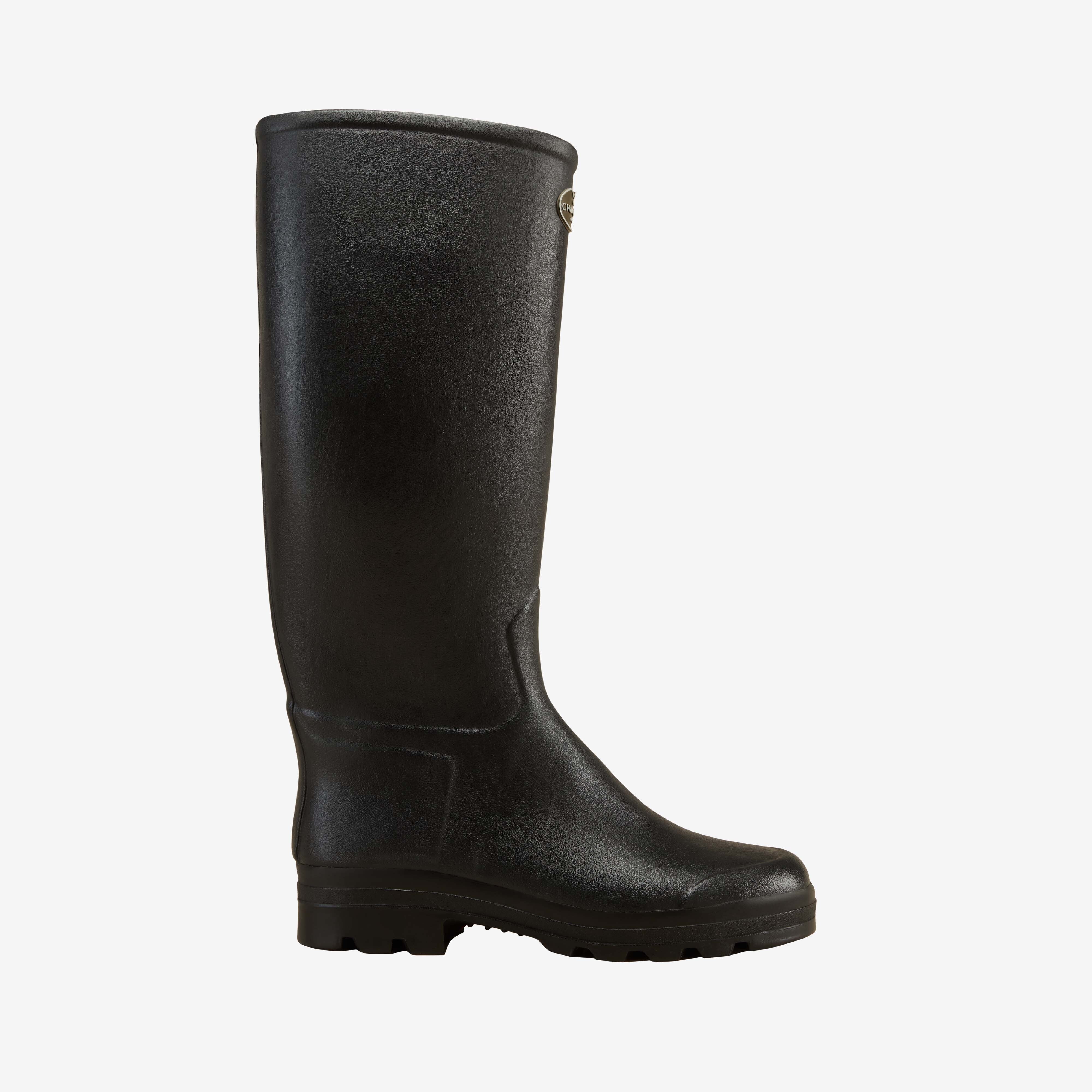
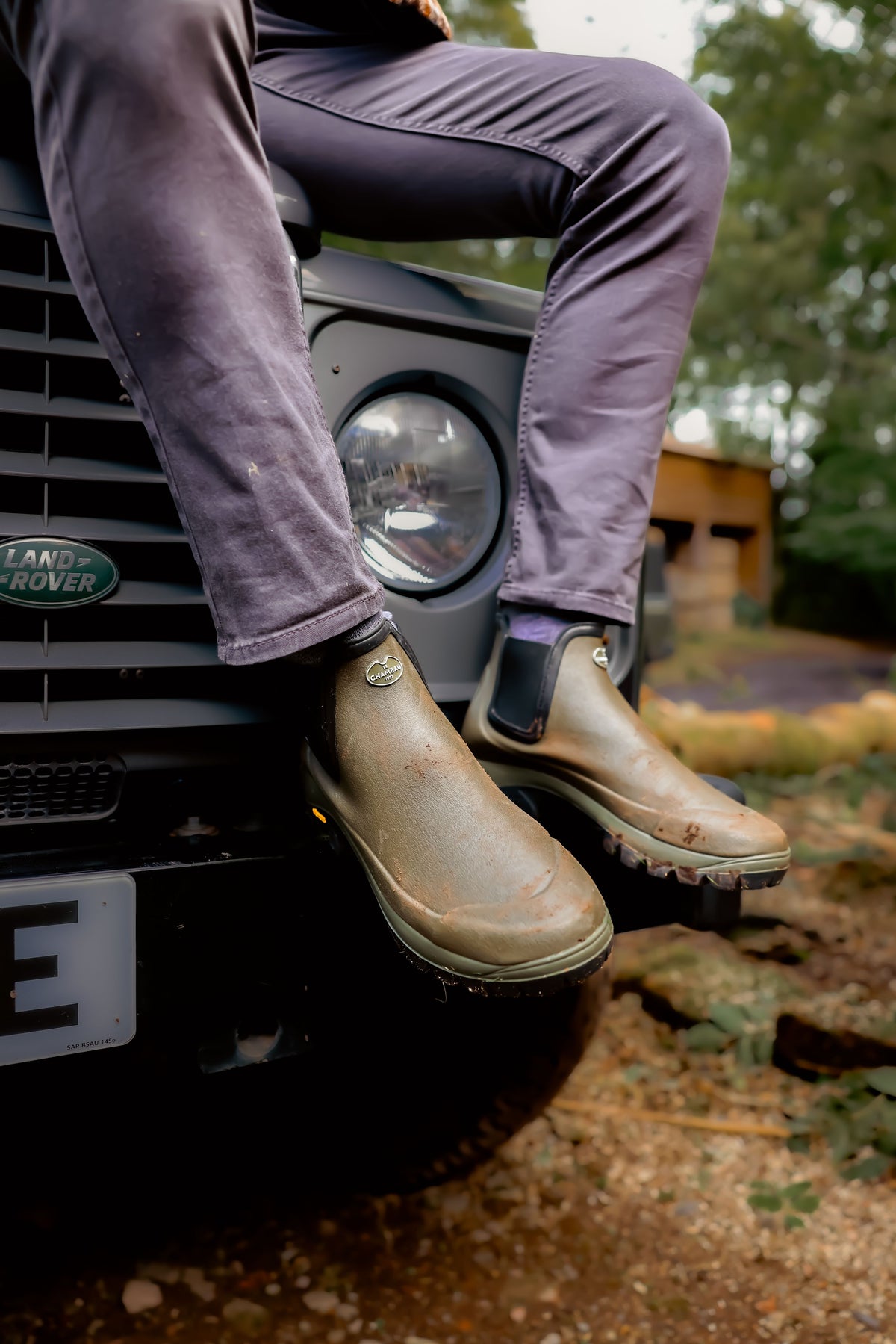
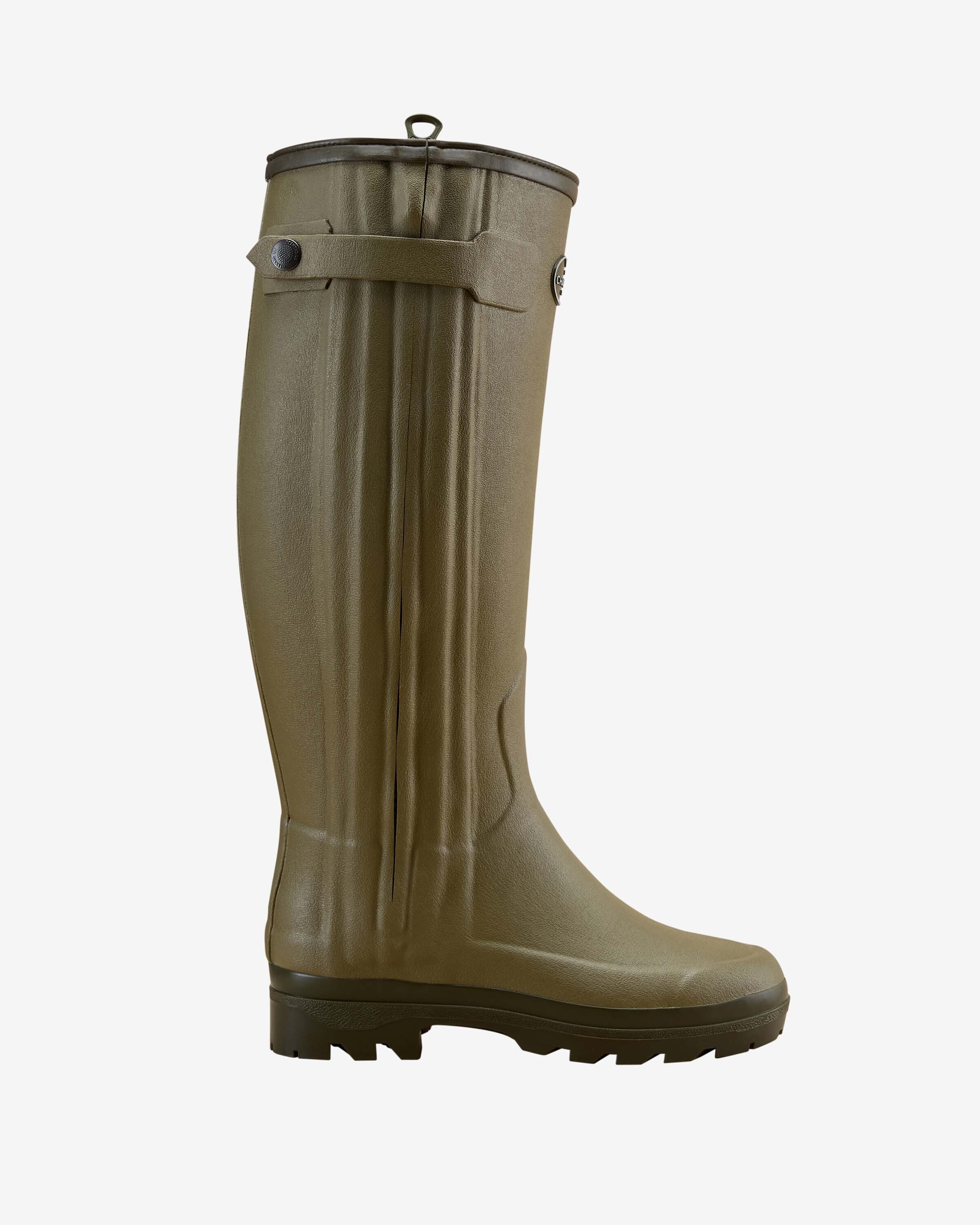
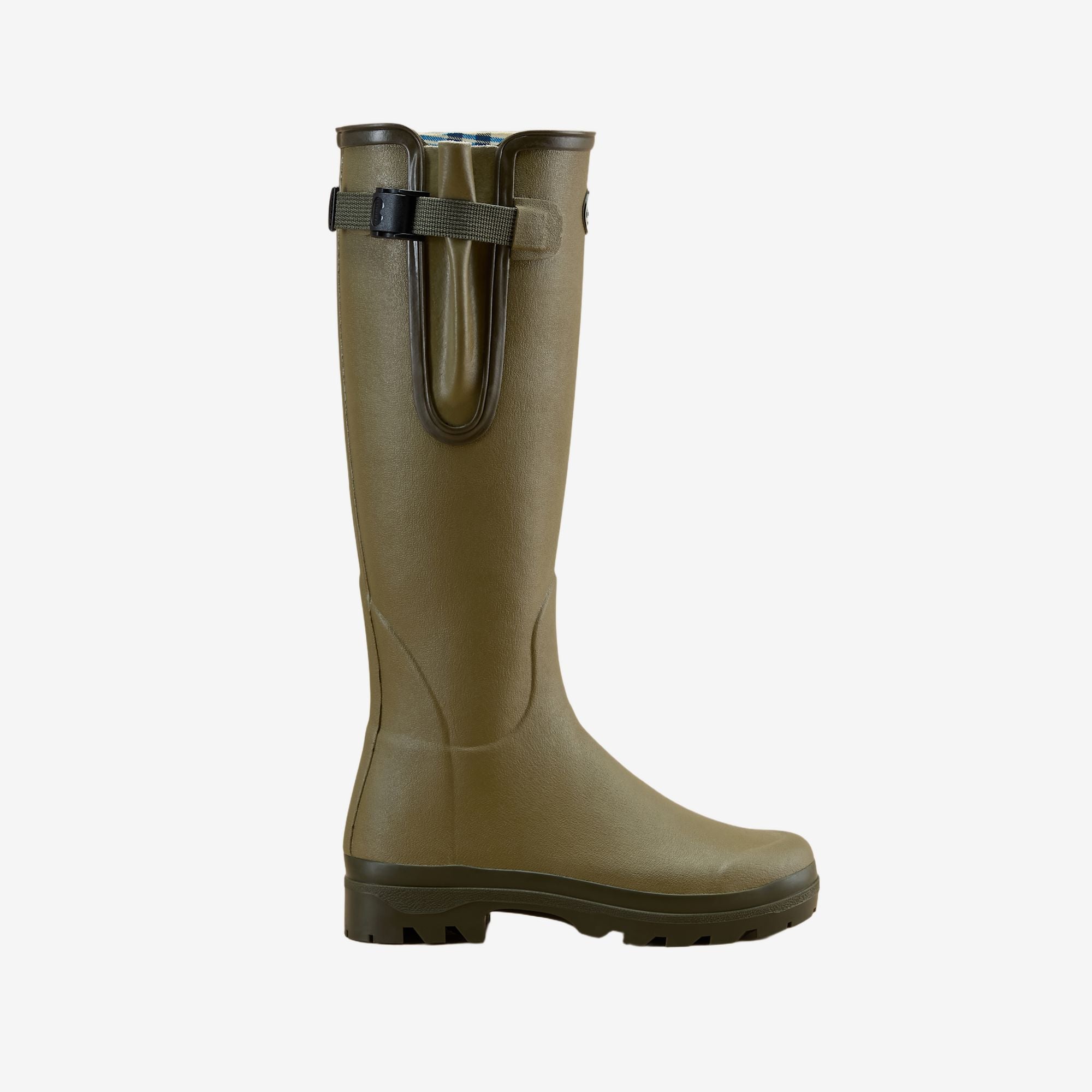
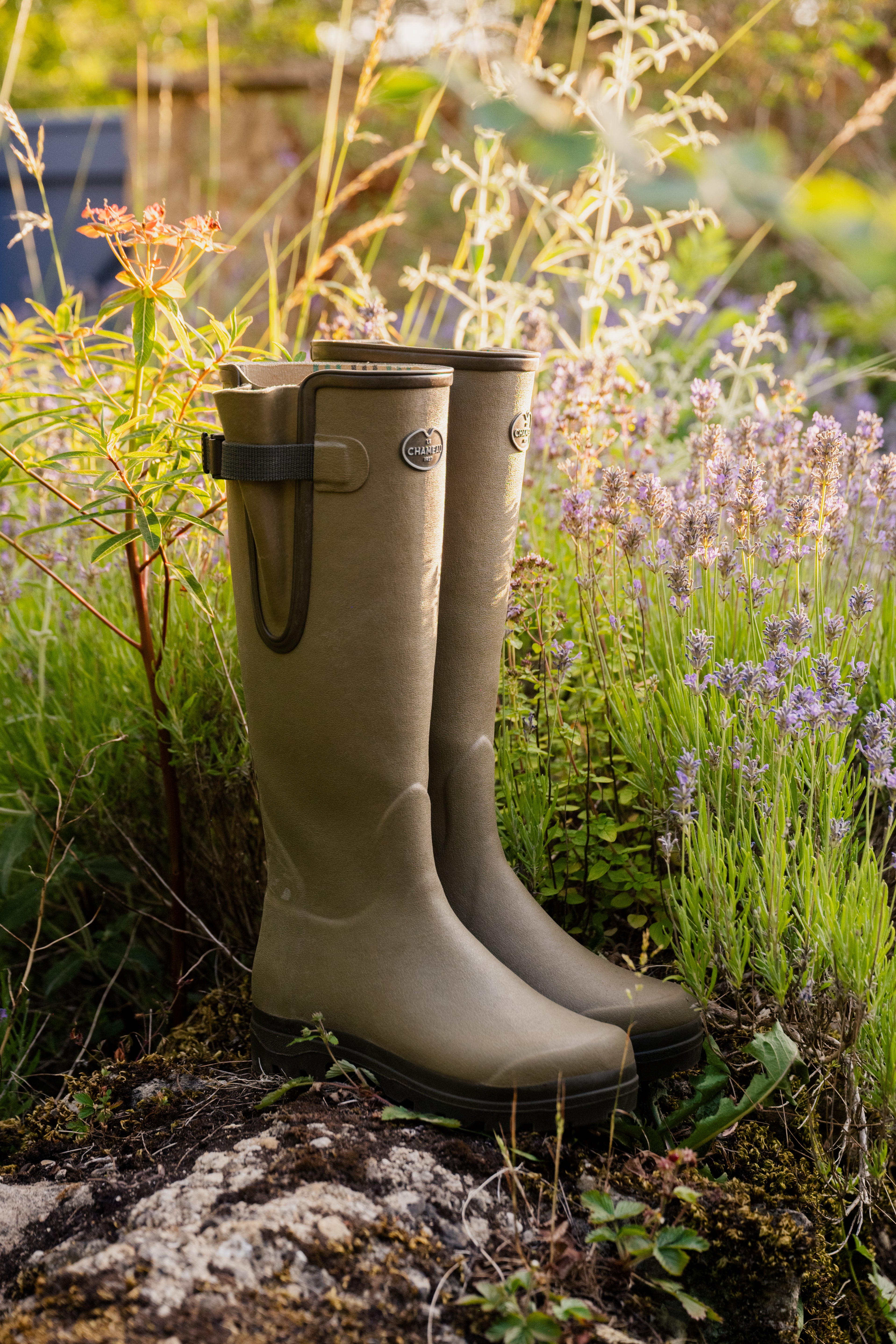
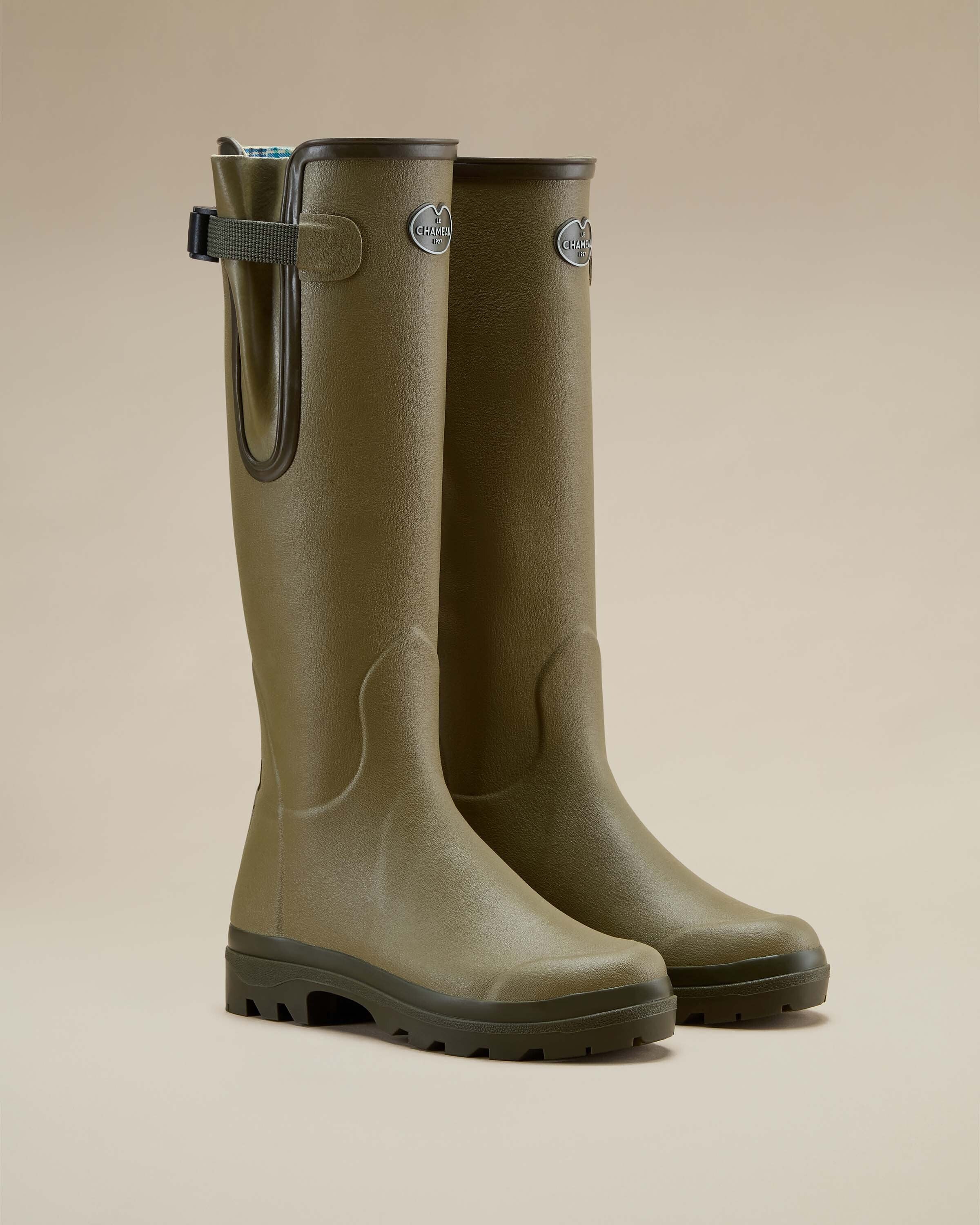
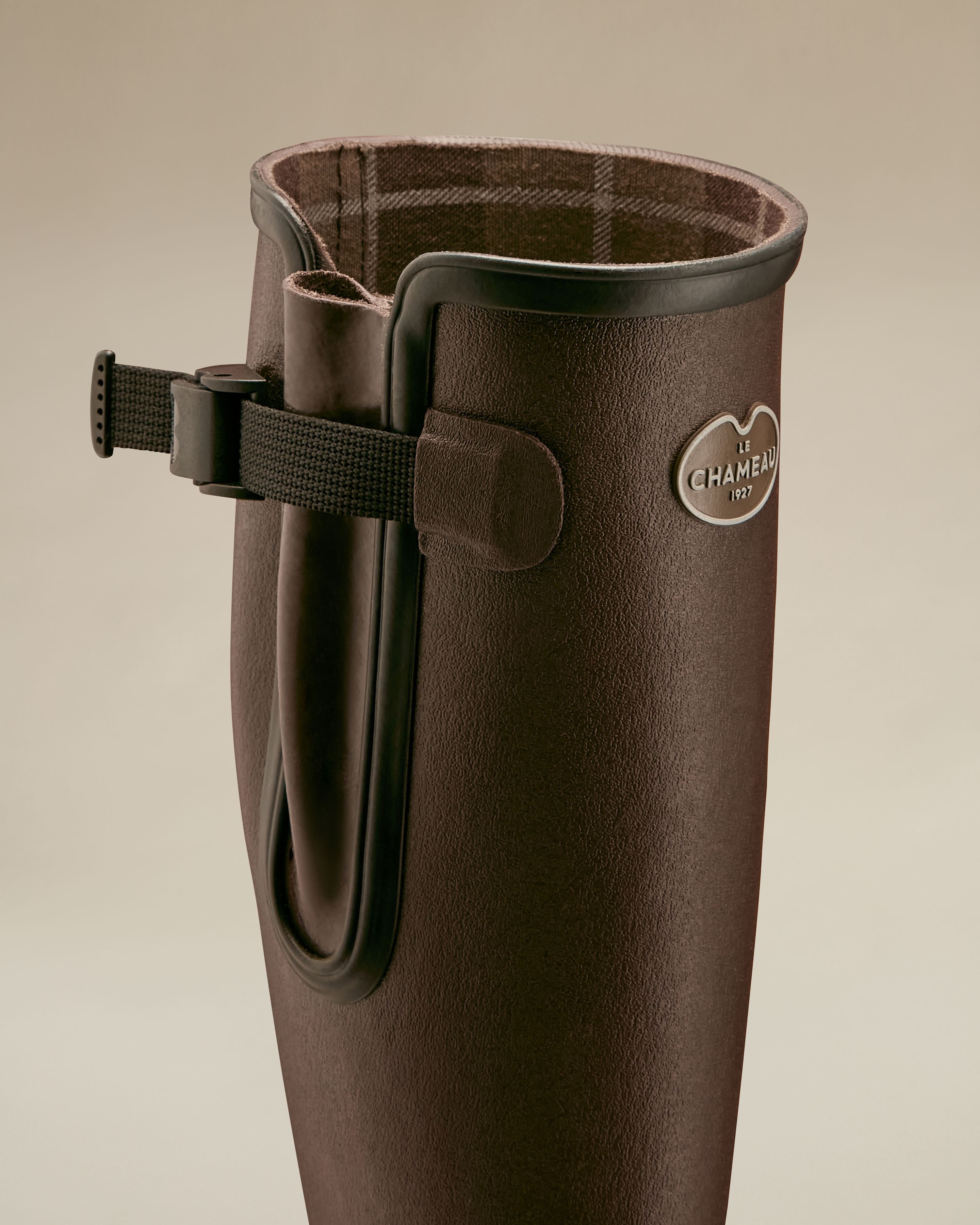
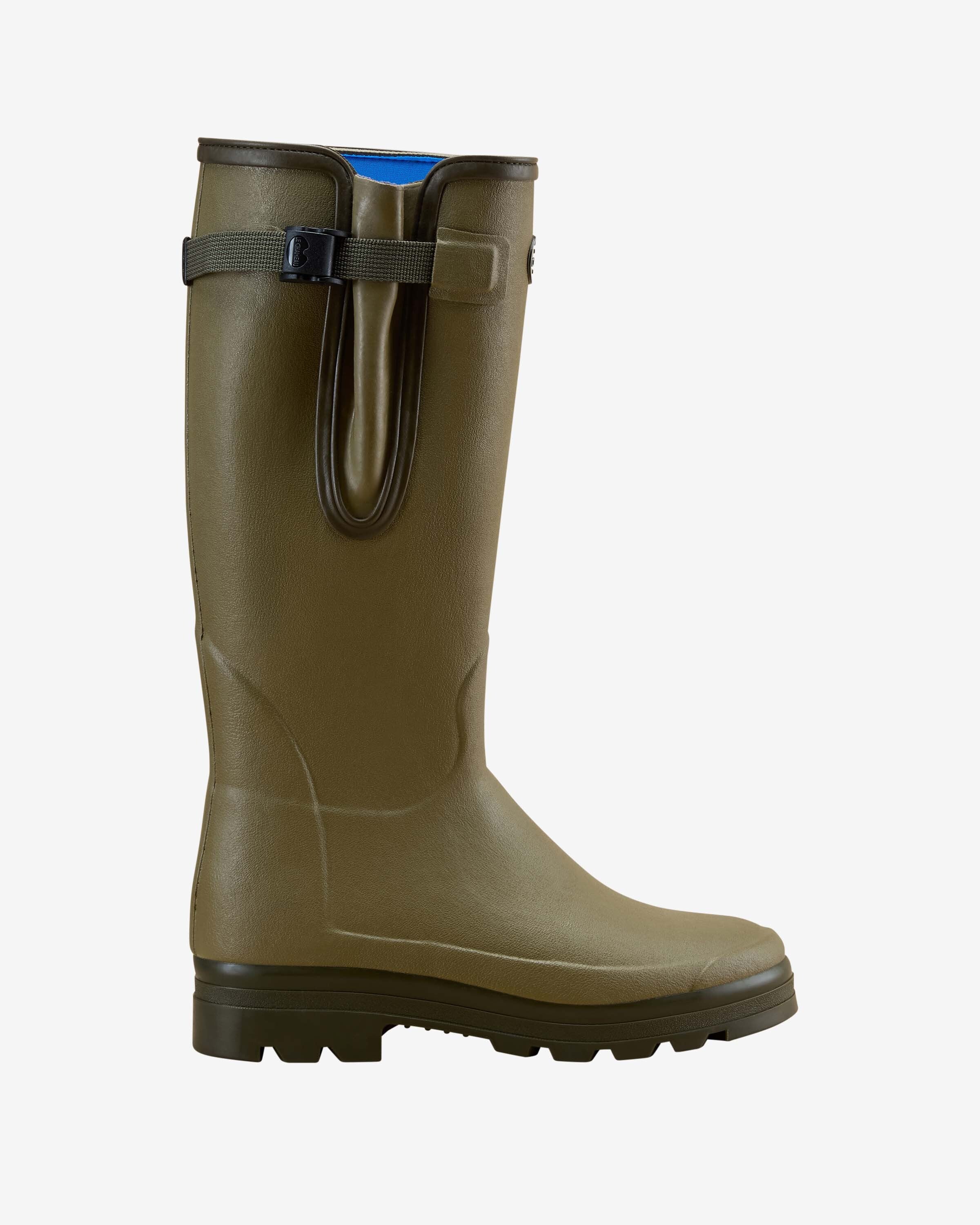
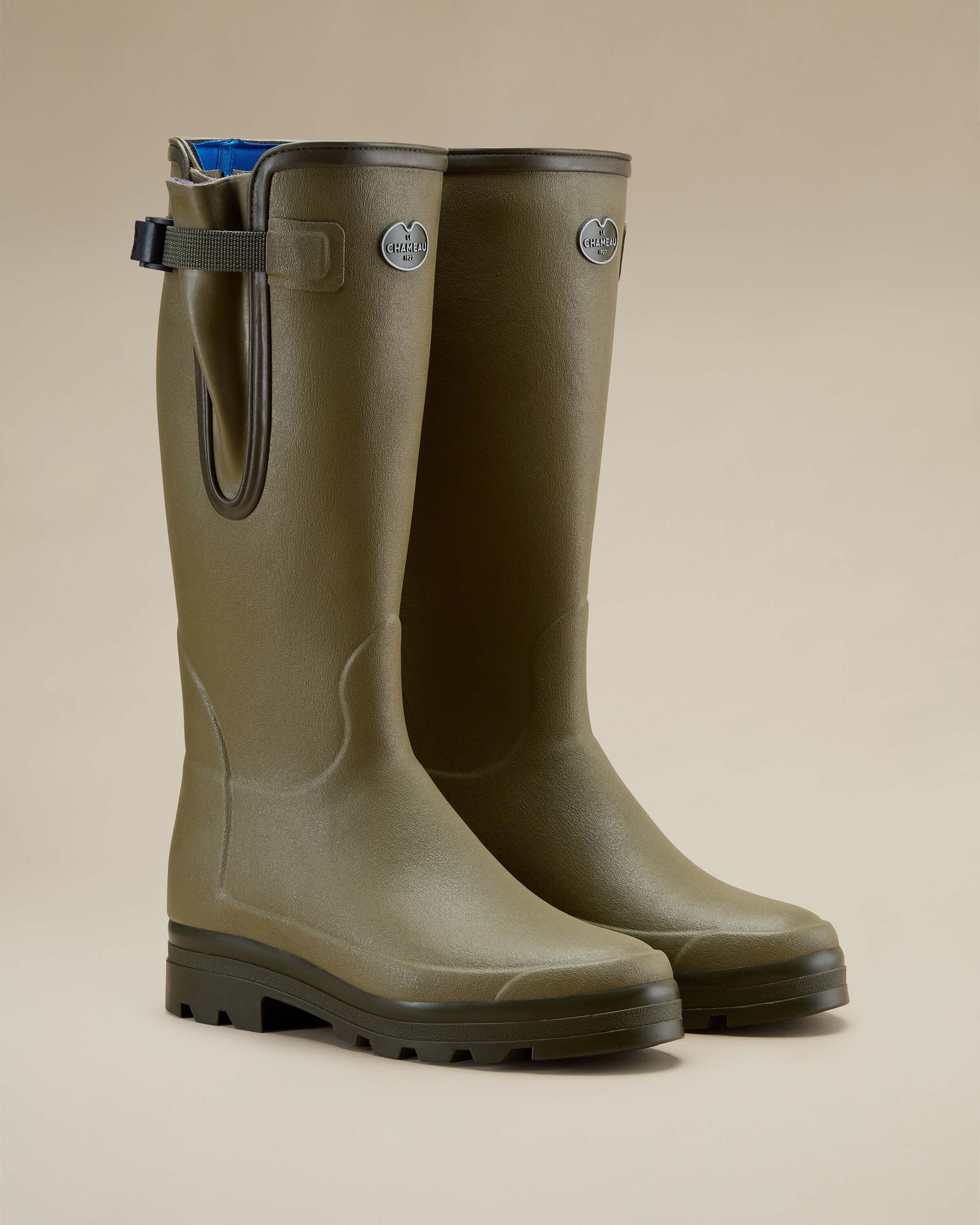
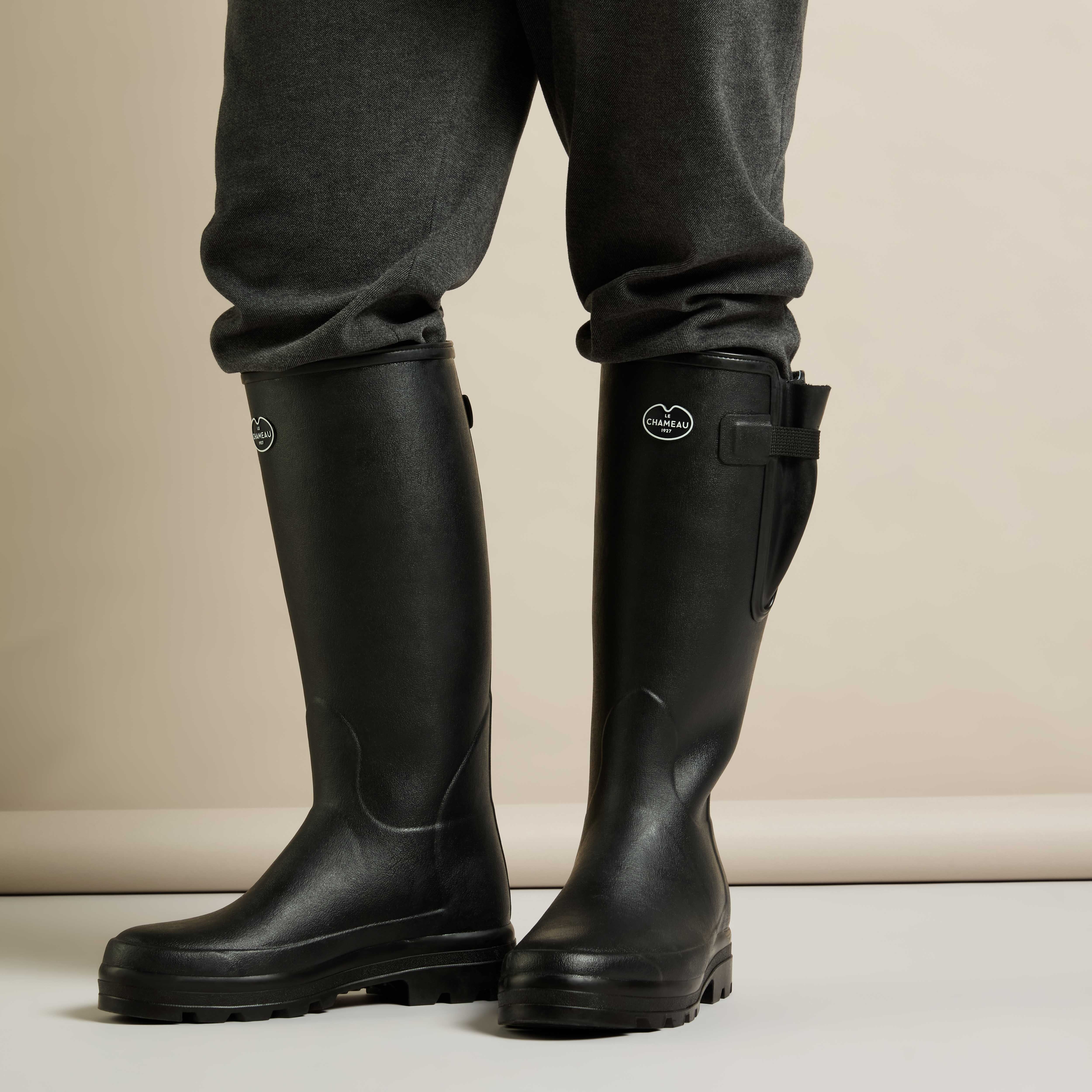
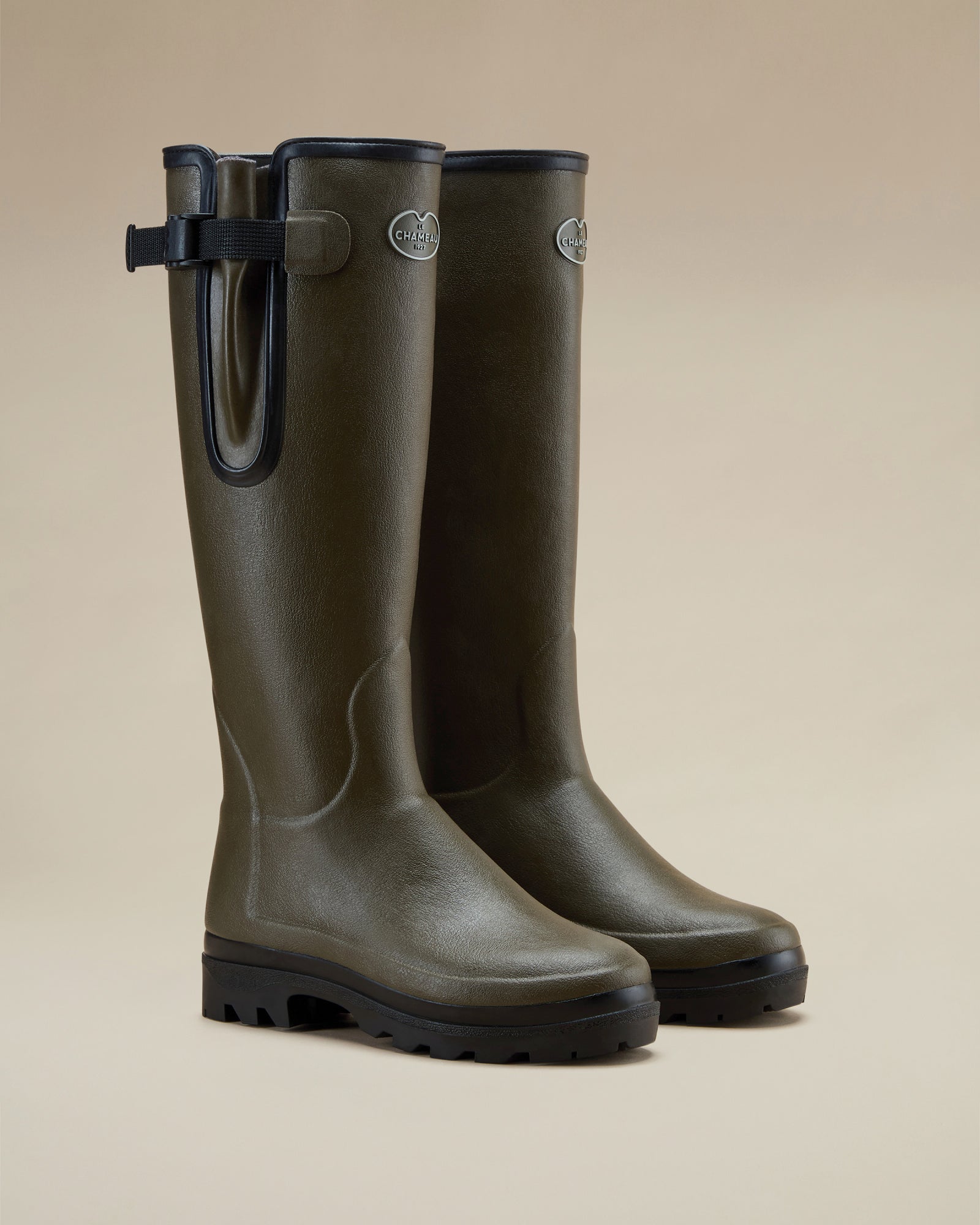
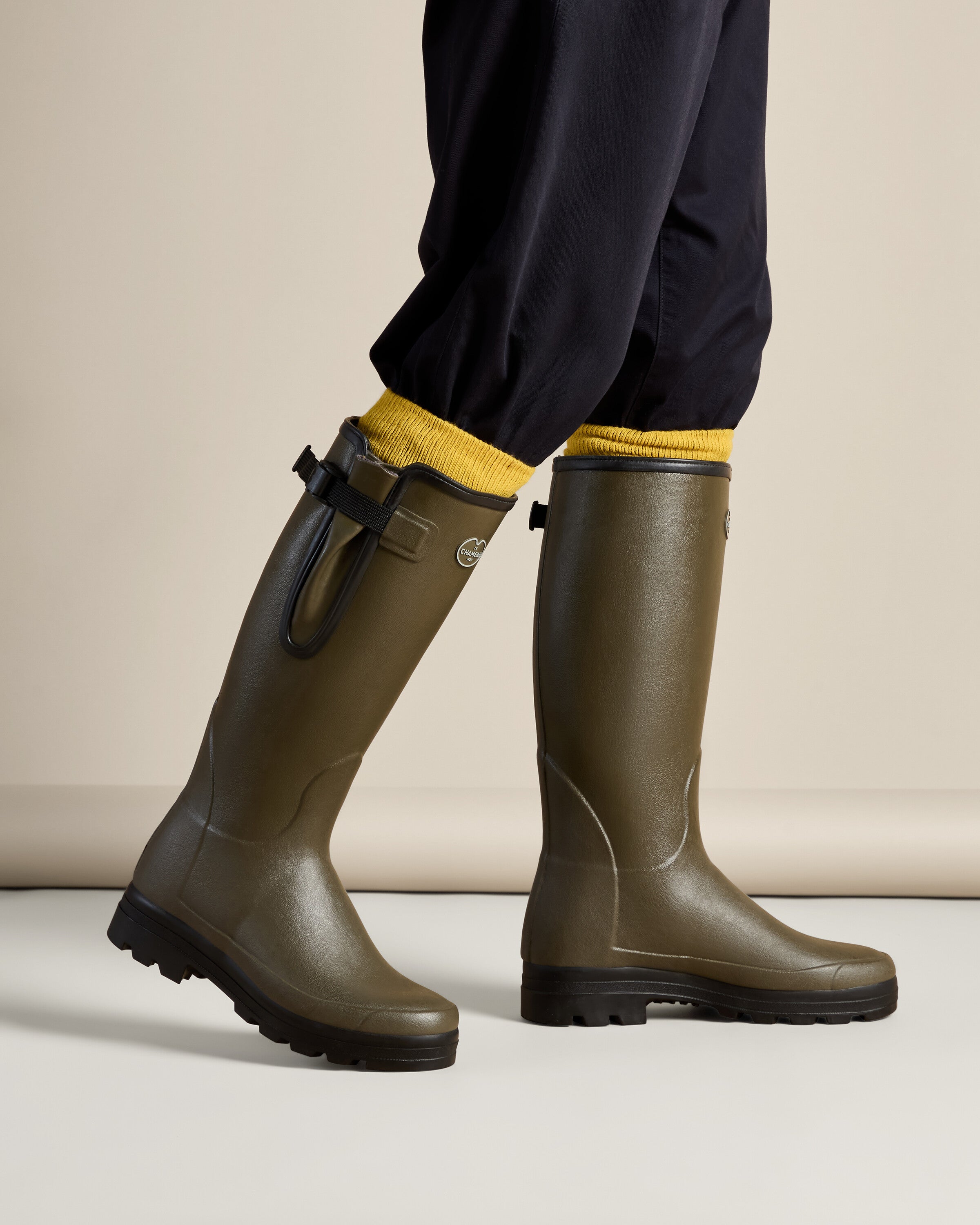
NM: We will be wearing our Le Chameau boots as we go from the boathouse and enter the water. It’s the last item of clothing we put on and take off before the race, so at that point, you are really focused, and it’s great to have such comfy wellies. Obviously, when we are in the boat, we take the Le Chameau boots off and throw them to the riverbank, a moment when race mode is well and truly on, and you think of nothing else. The Le Chameau boots are great, they look good and they are very comfortable, perfect for race day when you are walking down from the boathouse and out into the river. The inside is very soft and smooth, which is good when you are out in cold and wet weather, which is often. Another thing I like about Le Chameau is how flexible they are, taking up a surprisingly little amount of space in the boat.
HL: To be completely honest, one of the really iconic things about The Boat Race is the wellies. When I first started watching it, it was brilliant to see the rowers walking out in their matching wellies, throwing them at the banks and wearing them at the podium. Since then, I always wanted a pair. To have some Le Chameau boots now is really exciting. The boots are completely essential for us because with the Thames Tideway the water comes up and down very quickly. We could launch the boat out in the morning, and when we come back in, the tide would be up and we need to wade back in carrying the boat. On land, without them, you're freezing, and having these boots makes a really big difference to your preparation, keeping your feet warm and dry. I love them!
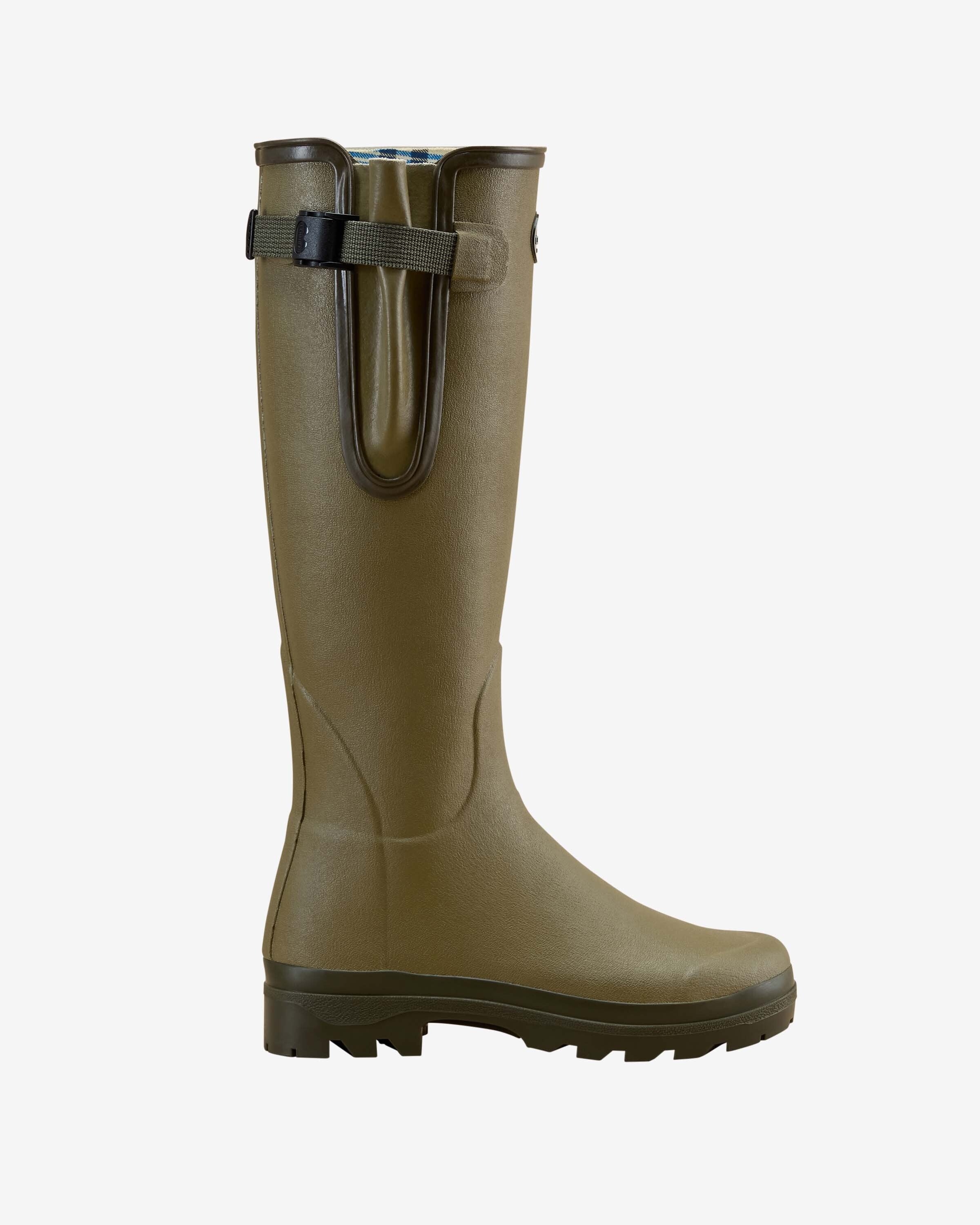
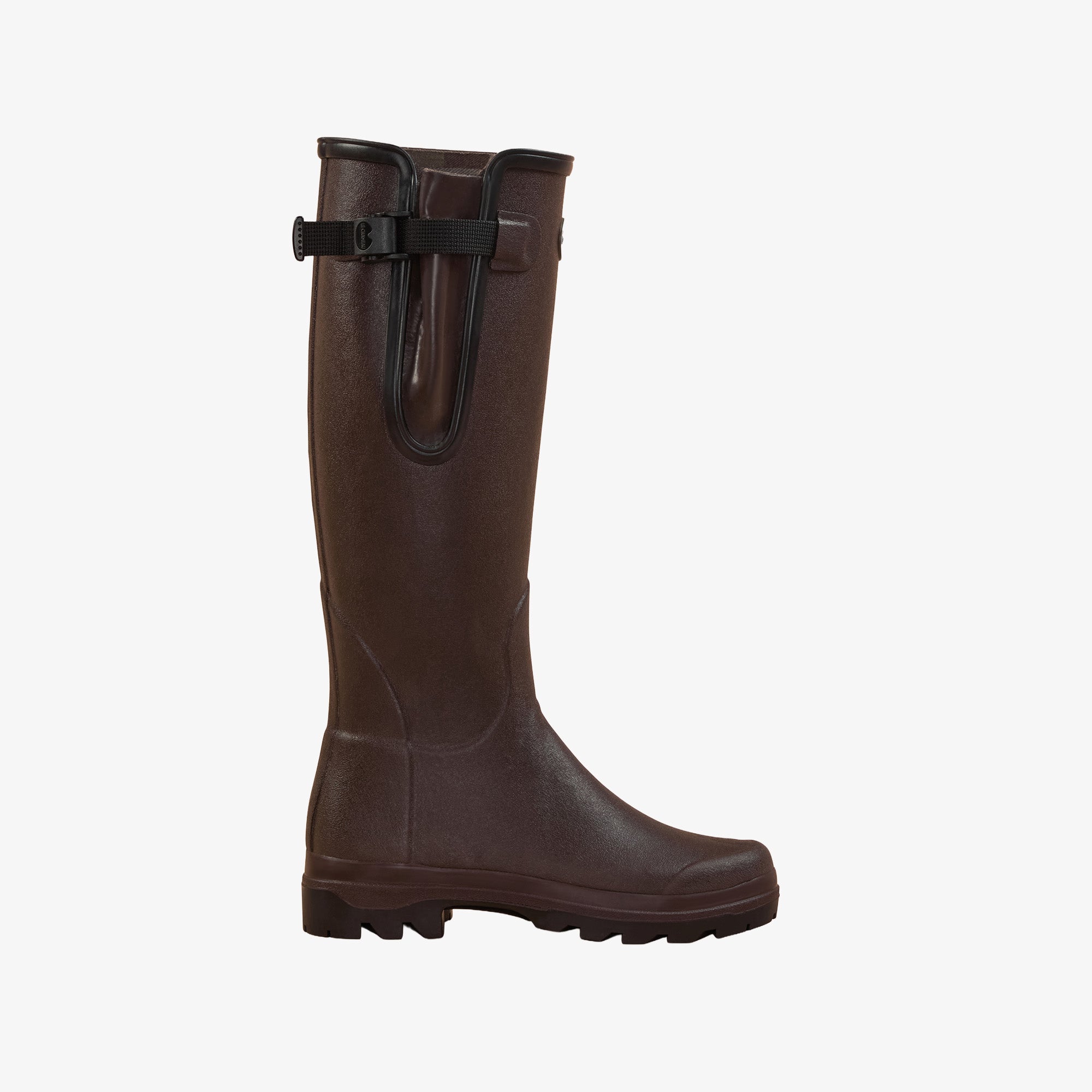
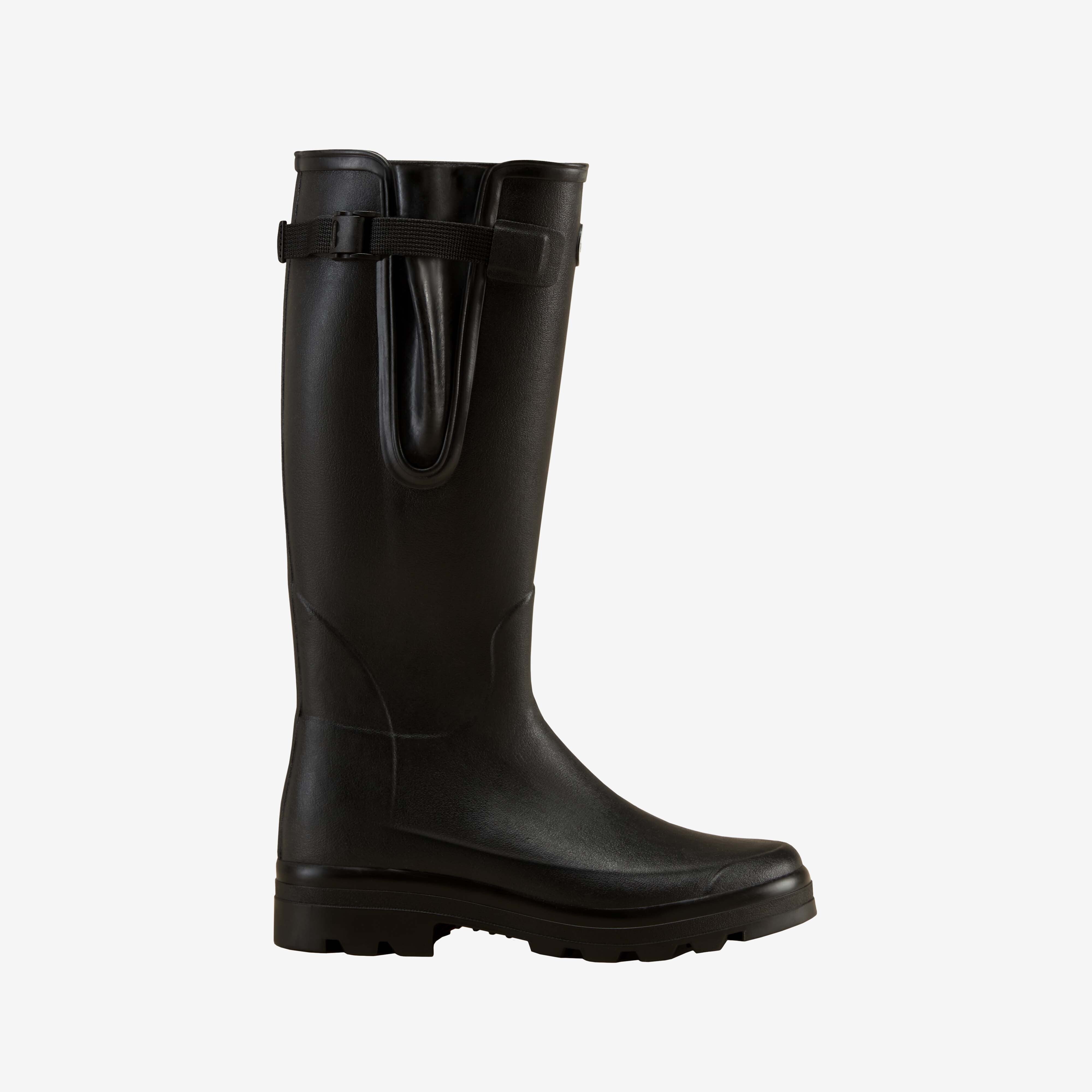
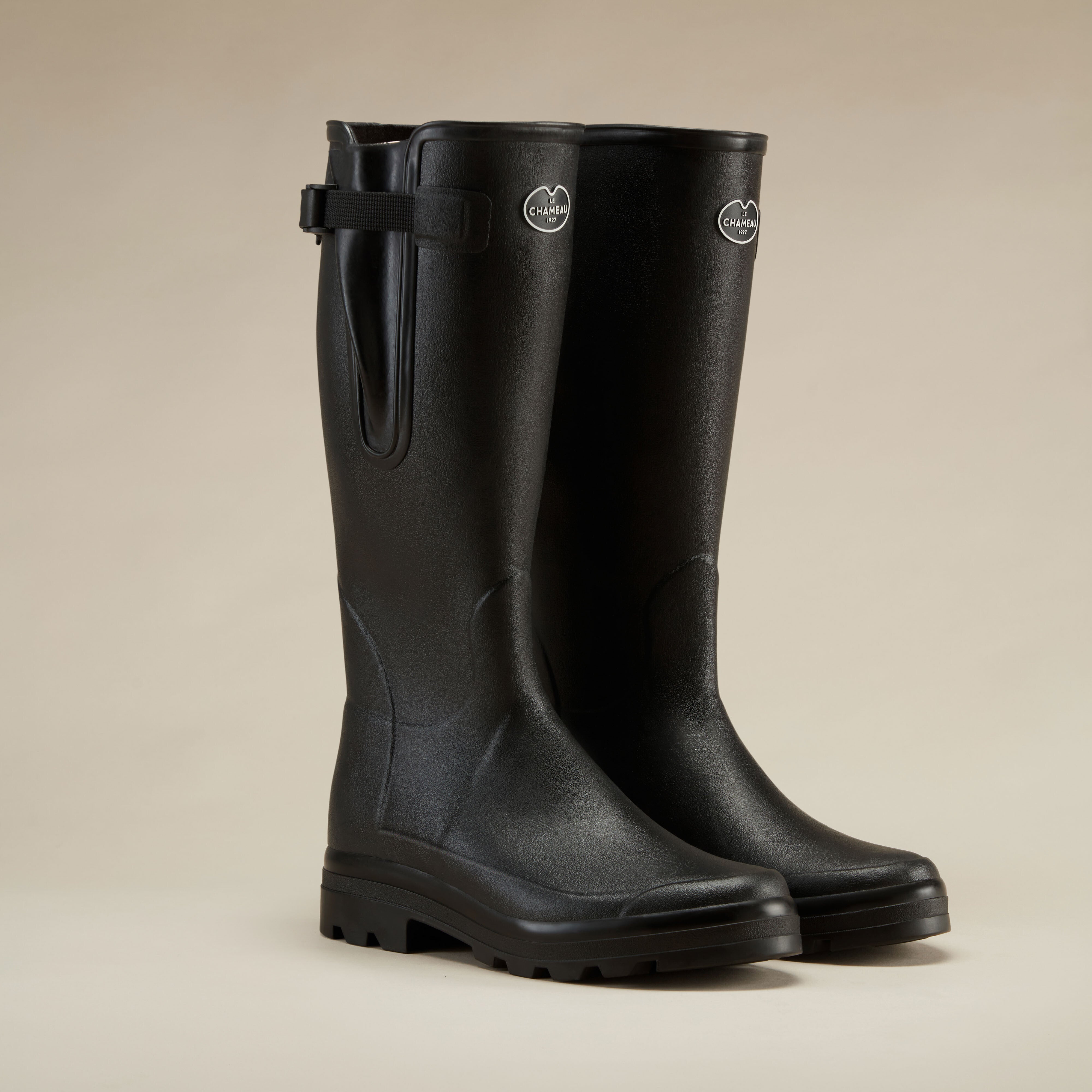
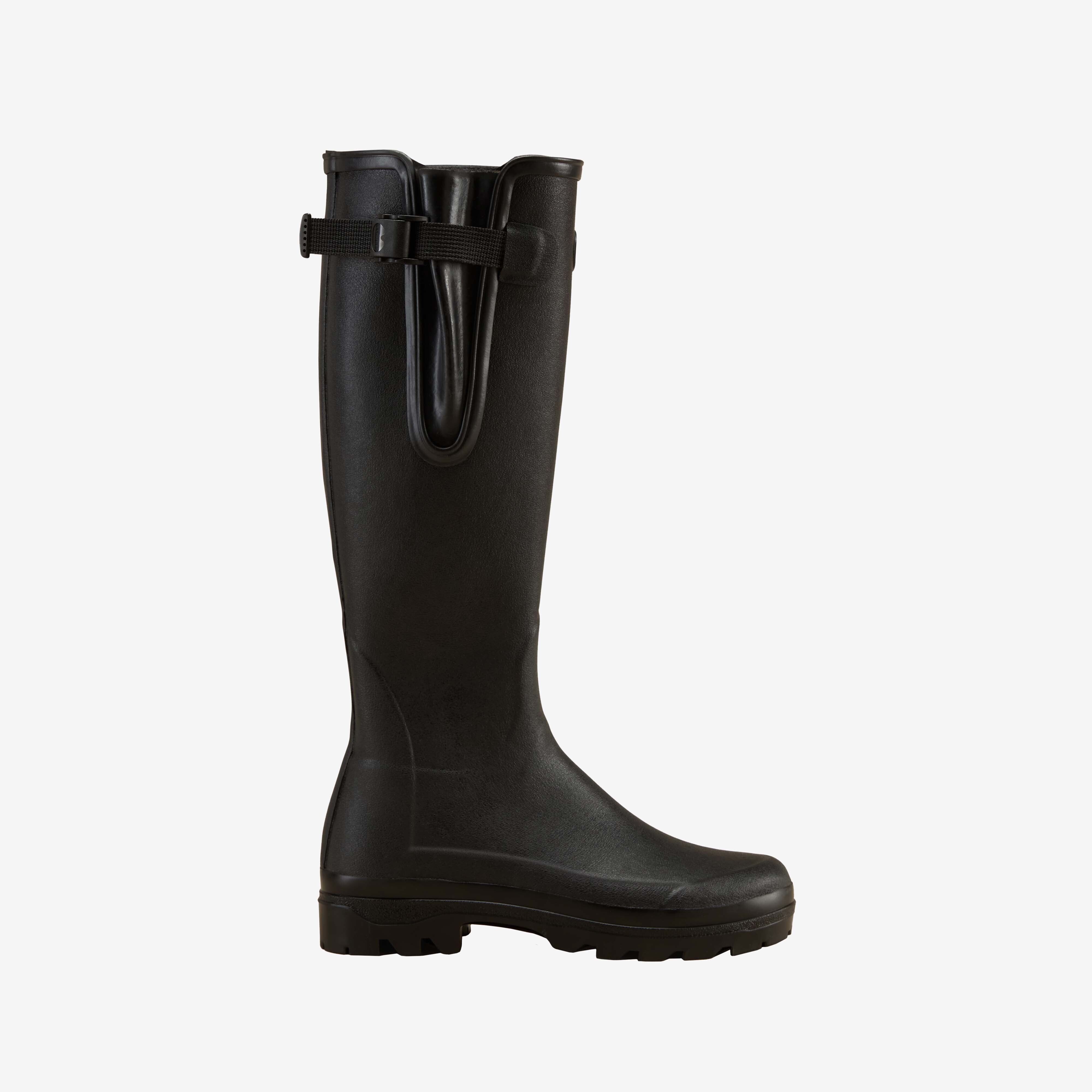
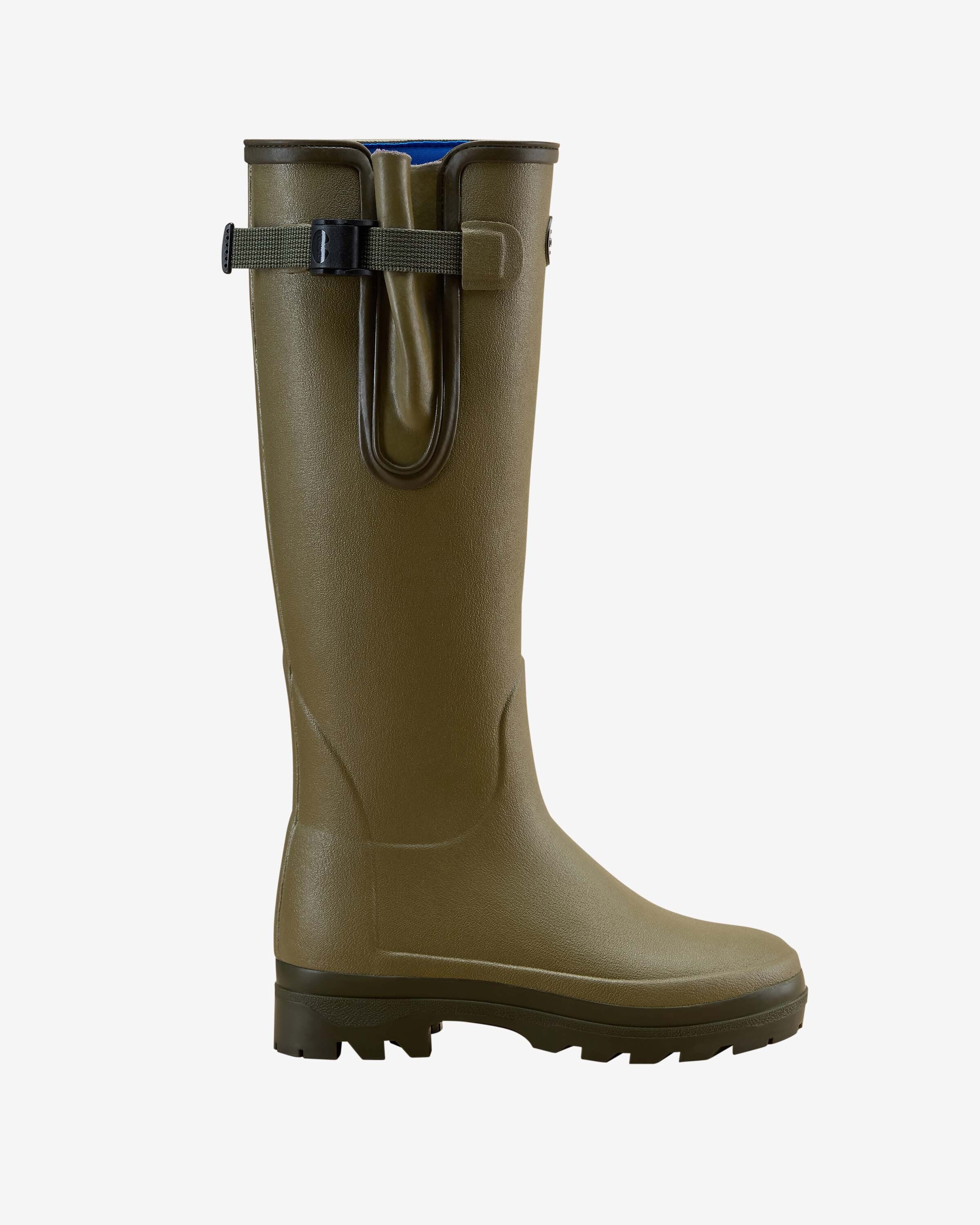
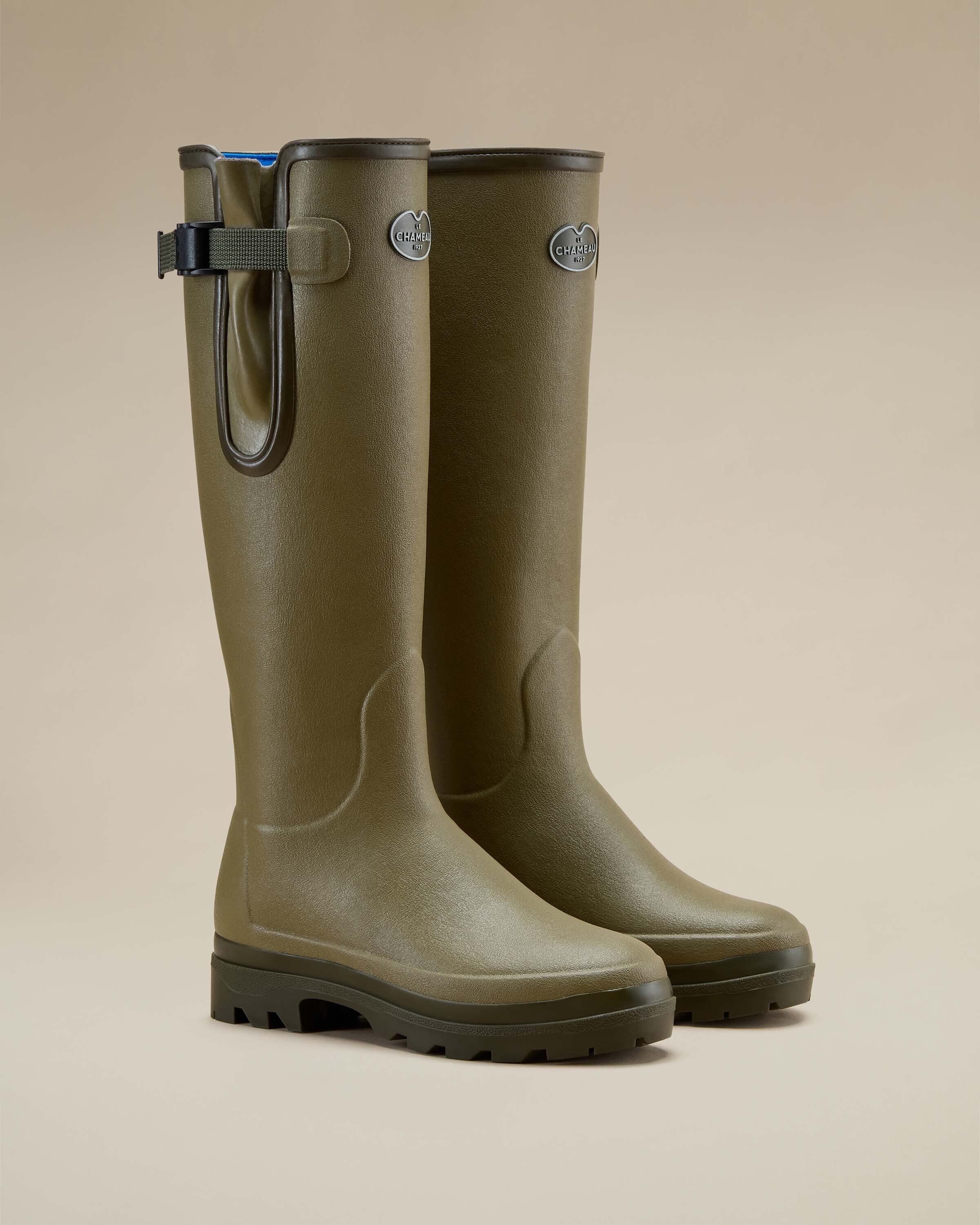
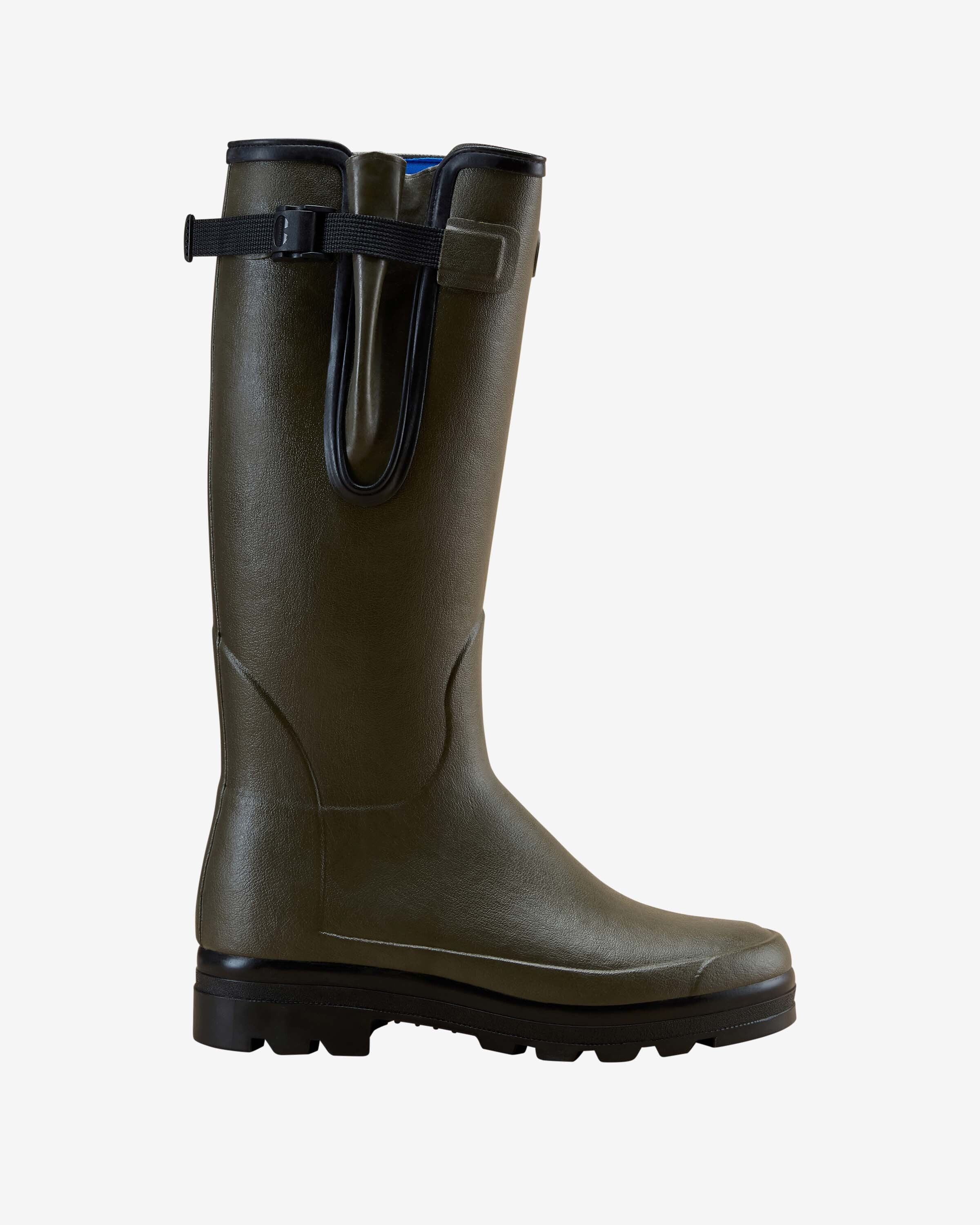
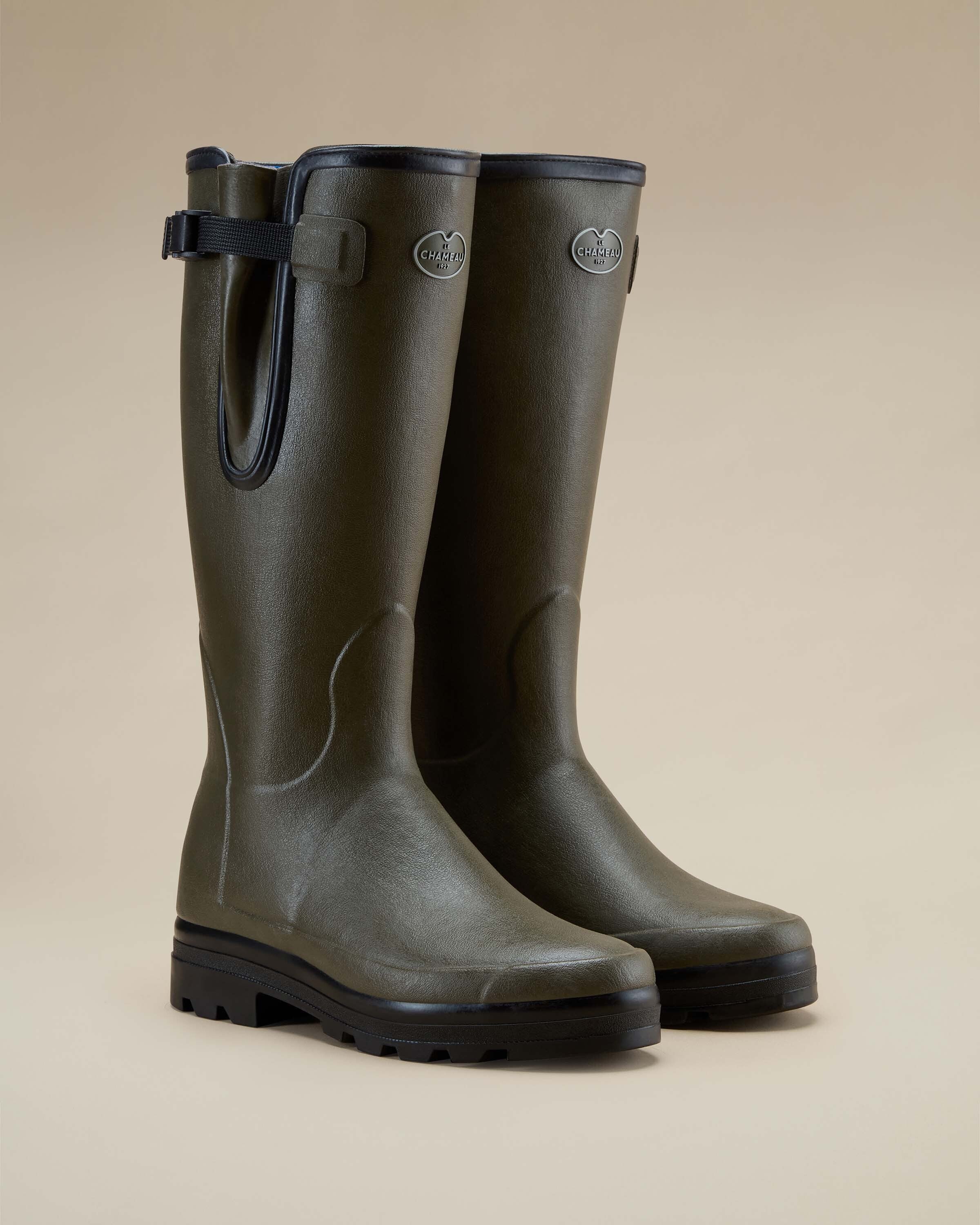
Le Chameau’s partnership with The Boat Race builds on its long history in the maritime arena. 140 rowers will be equipped with Le Chameau’s handcrafted neoprene-lined Vierzonord boots, while support staff will wear Le Chameau’s rubber waders.
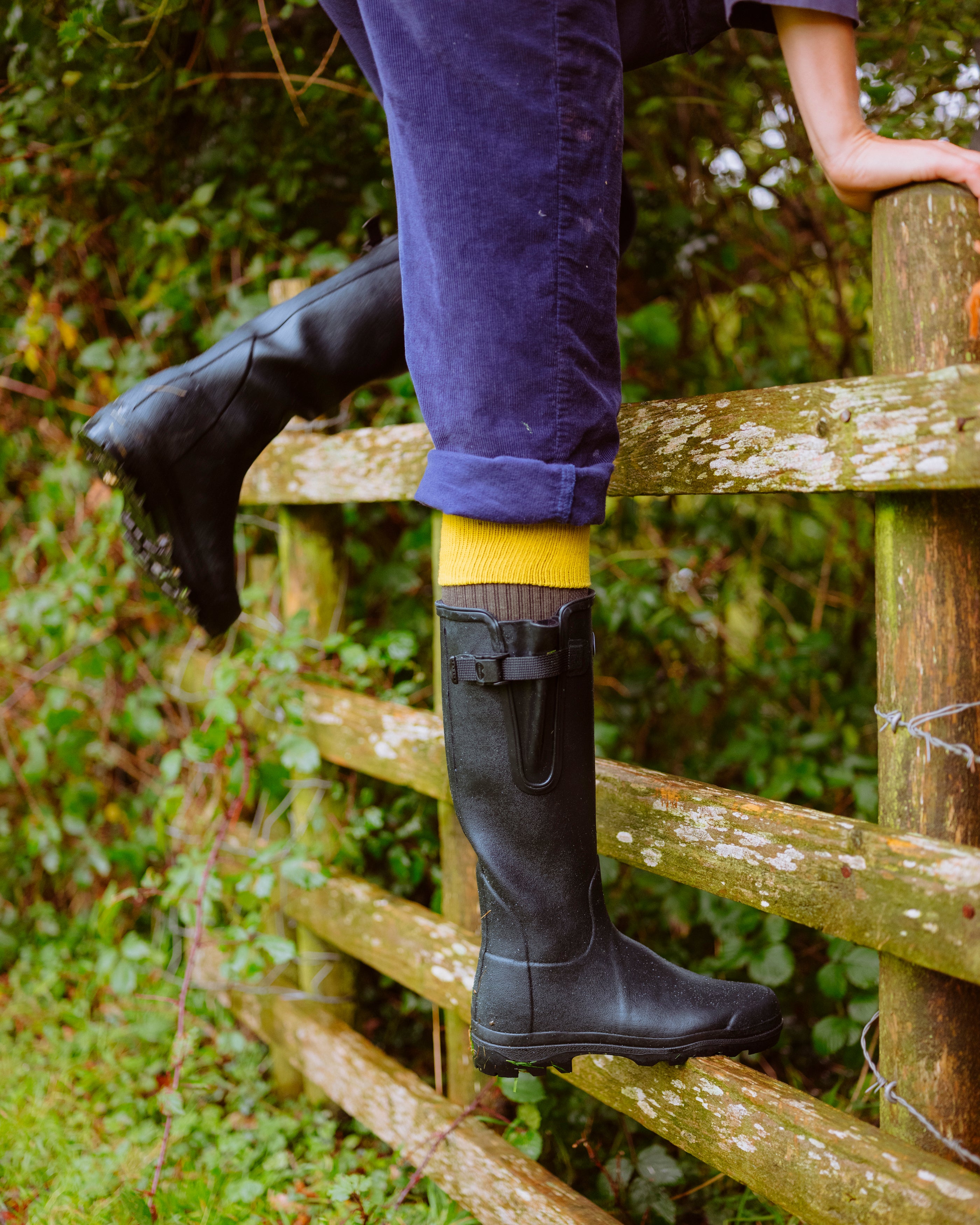
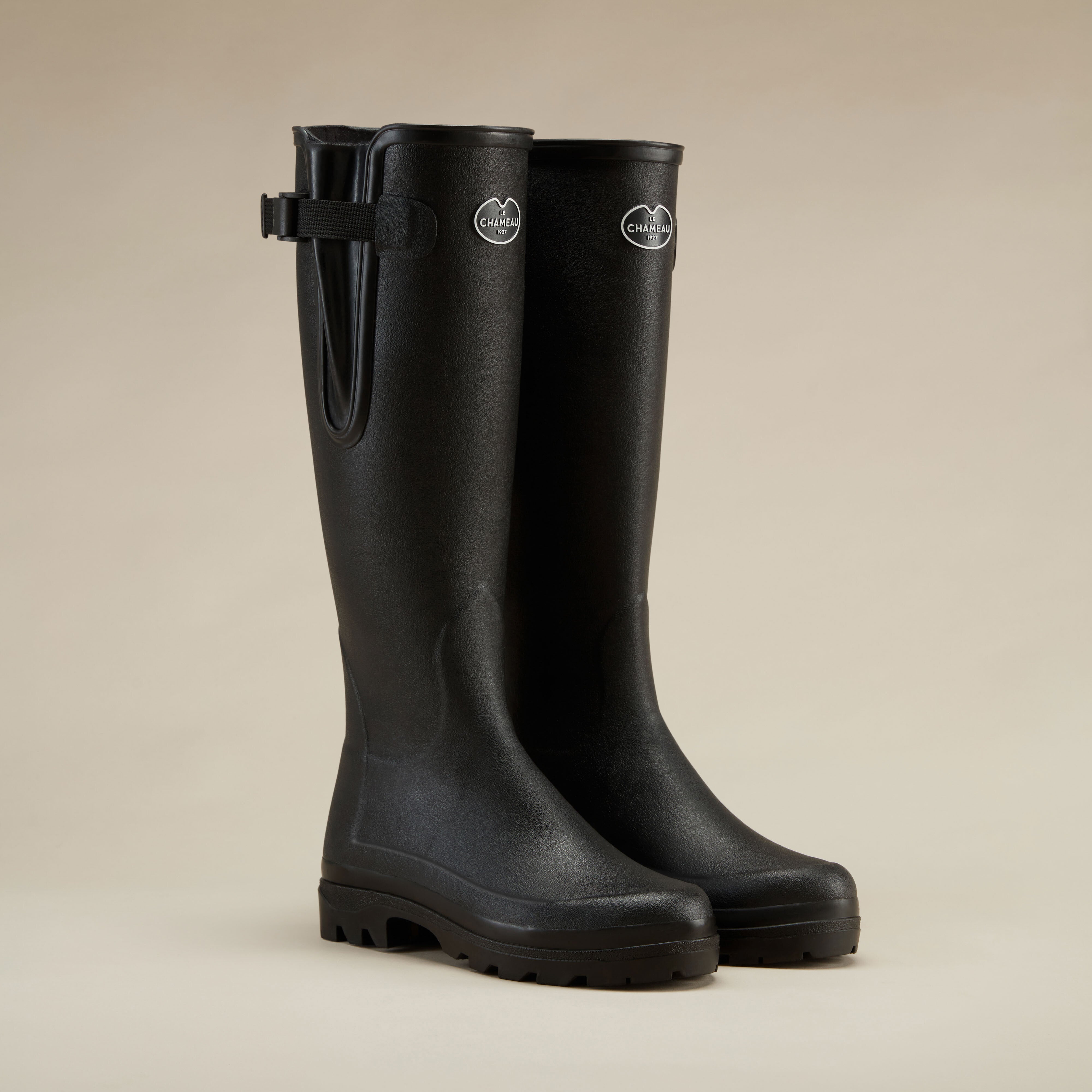
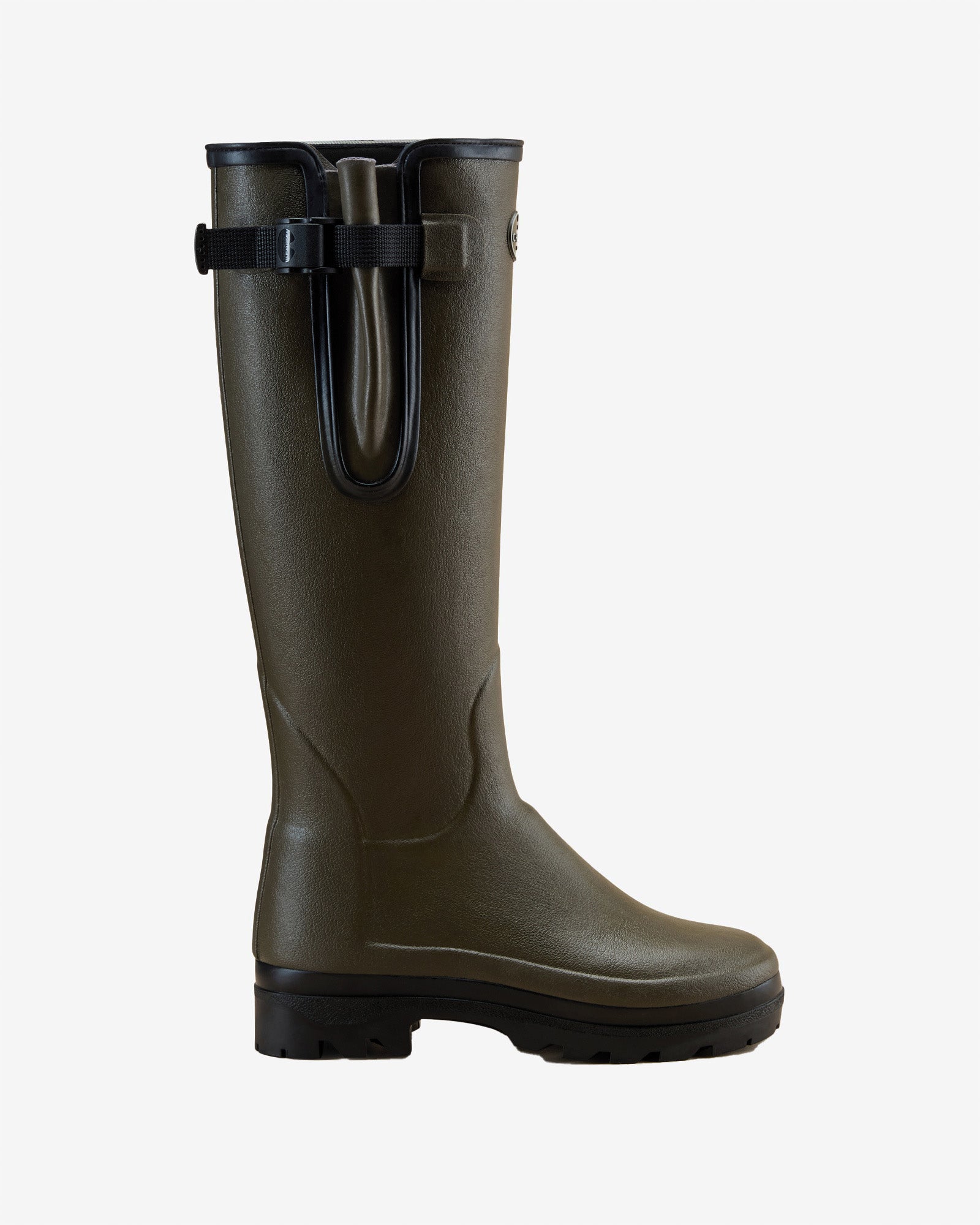
Explore our handcrafted Neoprene-lined Vierzonord boots in black.

 Stewarding the Downs: Life at Cowdray EstateRead post
 Harvesting Apples this HalloweenRead post
 Country Shows: The Best of the Rural LifeRead post
 At One with Nature: Fly Fishing with Marina GibsonRead post
 At Daylesford: One Man and his SheepdogRead post
 The Glorious Twelfth: All You Need to KnowRead post
 On-Farm this Summer: Farming in a Changing ClimateRead post
 Discover Holkham: Glasshouses, Gardens and Glorious WalksRead post
