
 Discover Holkham: Glasshouses, Gardens and Glorious Walks
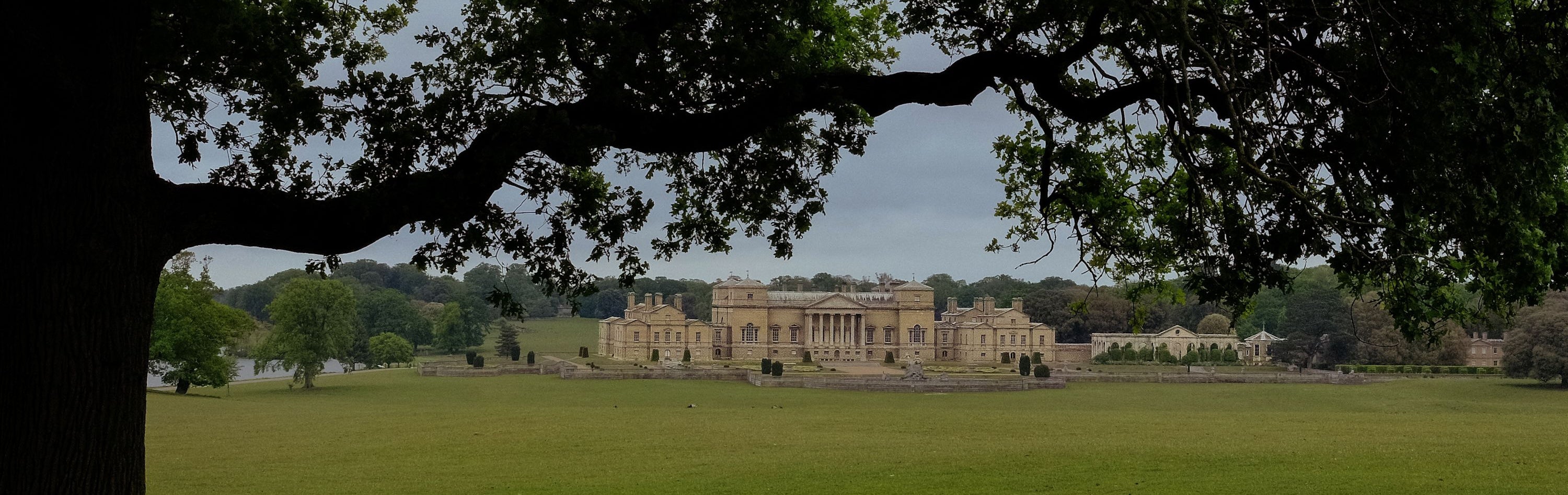
There aren’t many places that can boast a spectacular six-acre walled garden with vineries and glasshouses ranging in various sizes and shapes, growing a tapestry of colourful flowers and edible delights; an in-house, dedicated heritage and conservation team that works on its own historic structures including an onsite forge and joinery workshop; and one of the world’s most impressive Palladian houses.
Oh, and there’s more; they have a diverse array of historical and picturesque places to stay, a four-star hotel and restaurant called The Victoria focusing on seasonality and using as much of the estate’s produce, a long list of mixed farms growing produce for the estate and wider local community, a unique and vast nature reserve, a beach with ‘golden sands’, a café and gift shop, plus several miles of footpaths to explore.
If you haven’t guessed where we are yet, this is Holkham, located on the north Norfolk coast. Once you have caught your breath from hearing such an incredible list of what’s going on at Holkham, let us show you around this extraordinary place as we meet some of those key team members who keep Holkham the destination that it is – with their ambition being to become 'the most pioneering and sustainable rural estate’ in the UK.
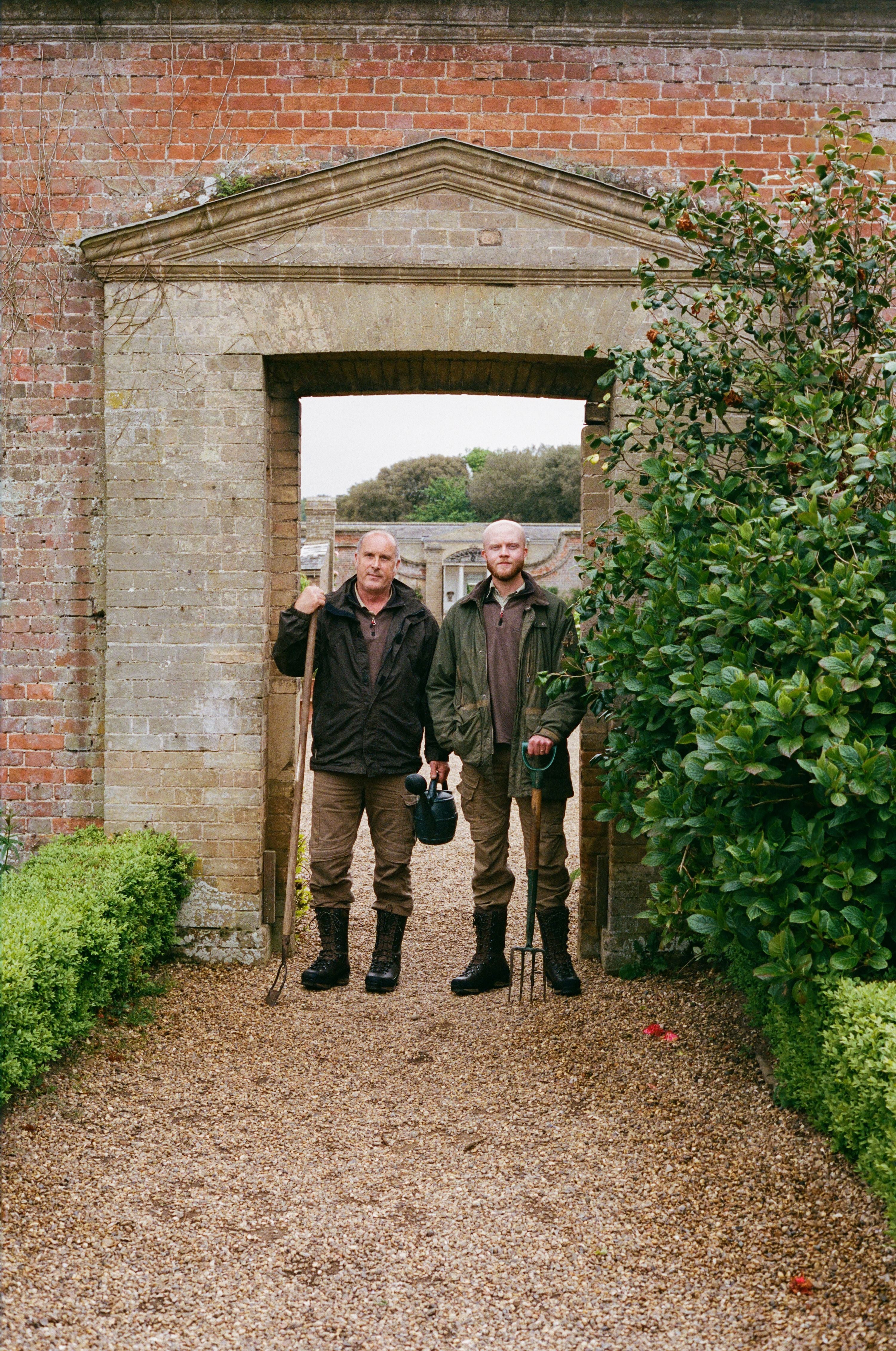
One of the most renowned pieces of the Holkham puzzle is it’s walled garden with its charming glasshouses and quadrants of flora. We thought, who better to ask about what’s happening in the garden and for any tips for growing flowers this summer than Simon Bosley, Assistant Head Gardener at Holkham, who has worked for the estate for 18 years.
“Here at the Walled Garden, we grow both decorative flowers and seasonal produce, much of which goes to the Hall and family, The Victoria hotel and the Holkham cafés. It’s mostly seasonal fruit and vegetables, so we don't grow anything out of season. There are potatoes, tomatoes, runner beans, plus some unusual vegetables so people coming around the garden can enjoy them. For example, the slipper gourd, which is great roasted like a stuffed pepper, just hollow out the inside and add plenty of oil to cook. We also like to grow a variety of apples, pears, mulberries, raspberries and strawberries.
“The glasshouses themselves are special places to work in; they are probably one of the best collections of Georgian glasshouses in the UK. We grow an array of interesting fruit inside like peaches, apricots, figs and a good collection of chillies.”
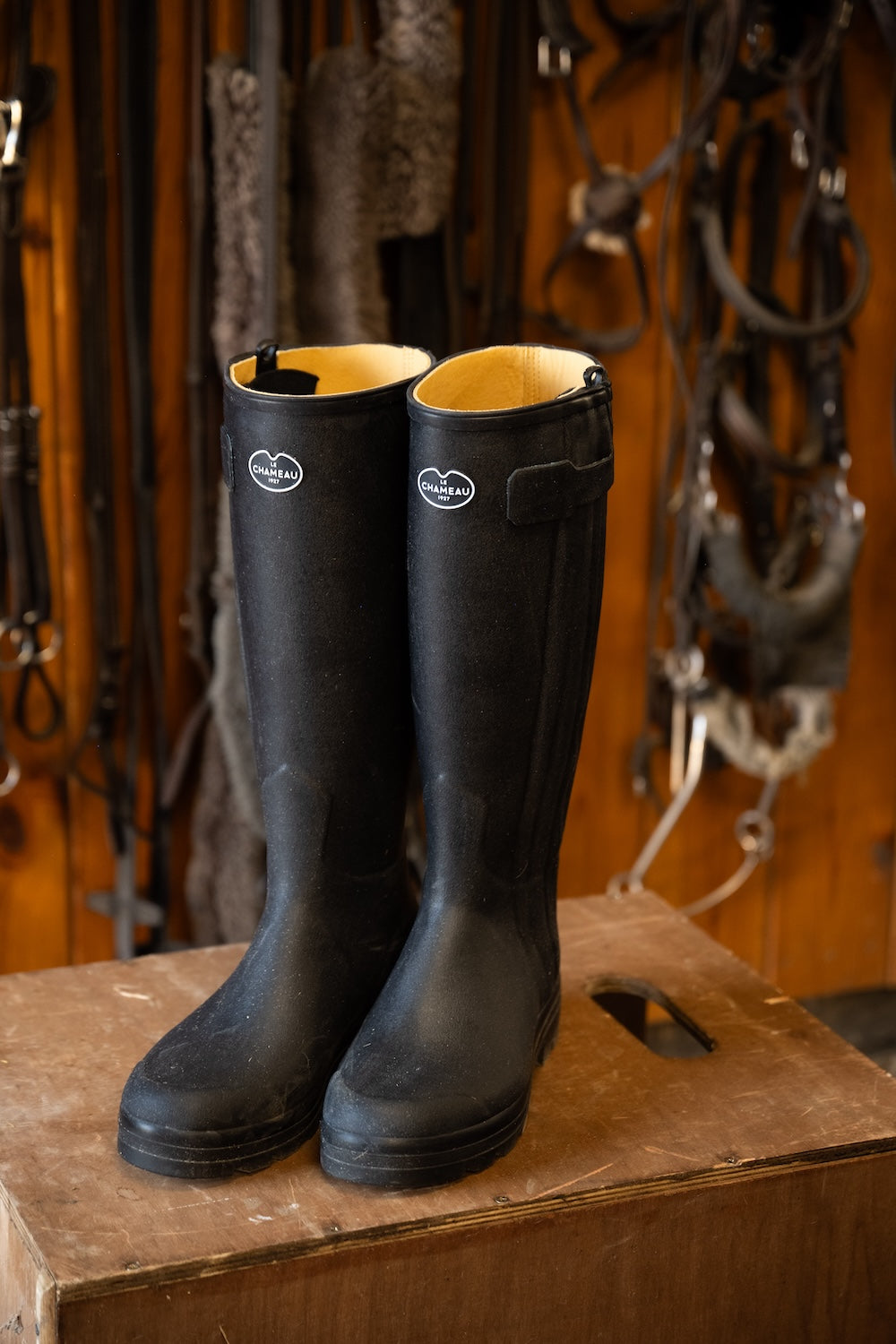
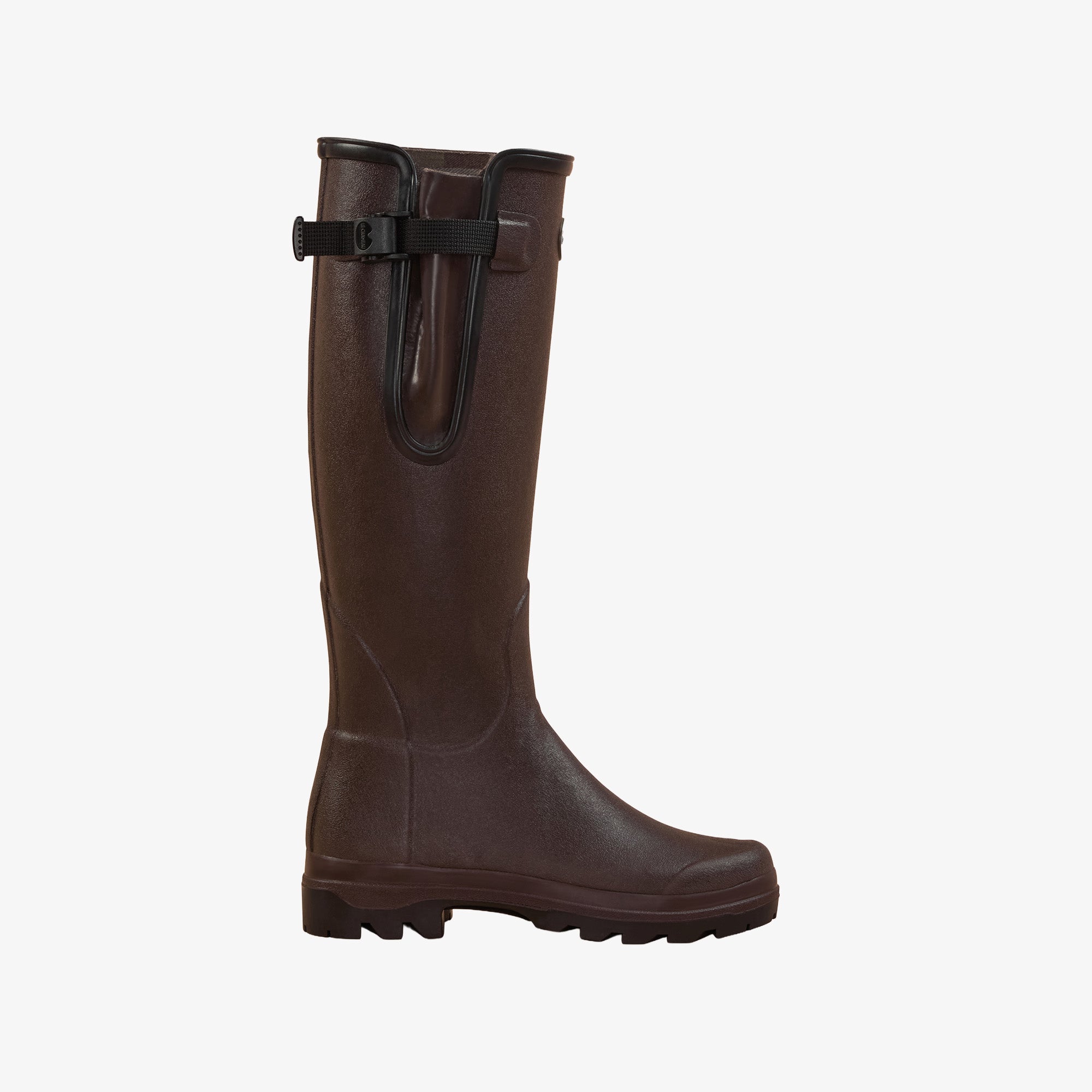
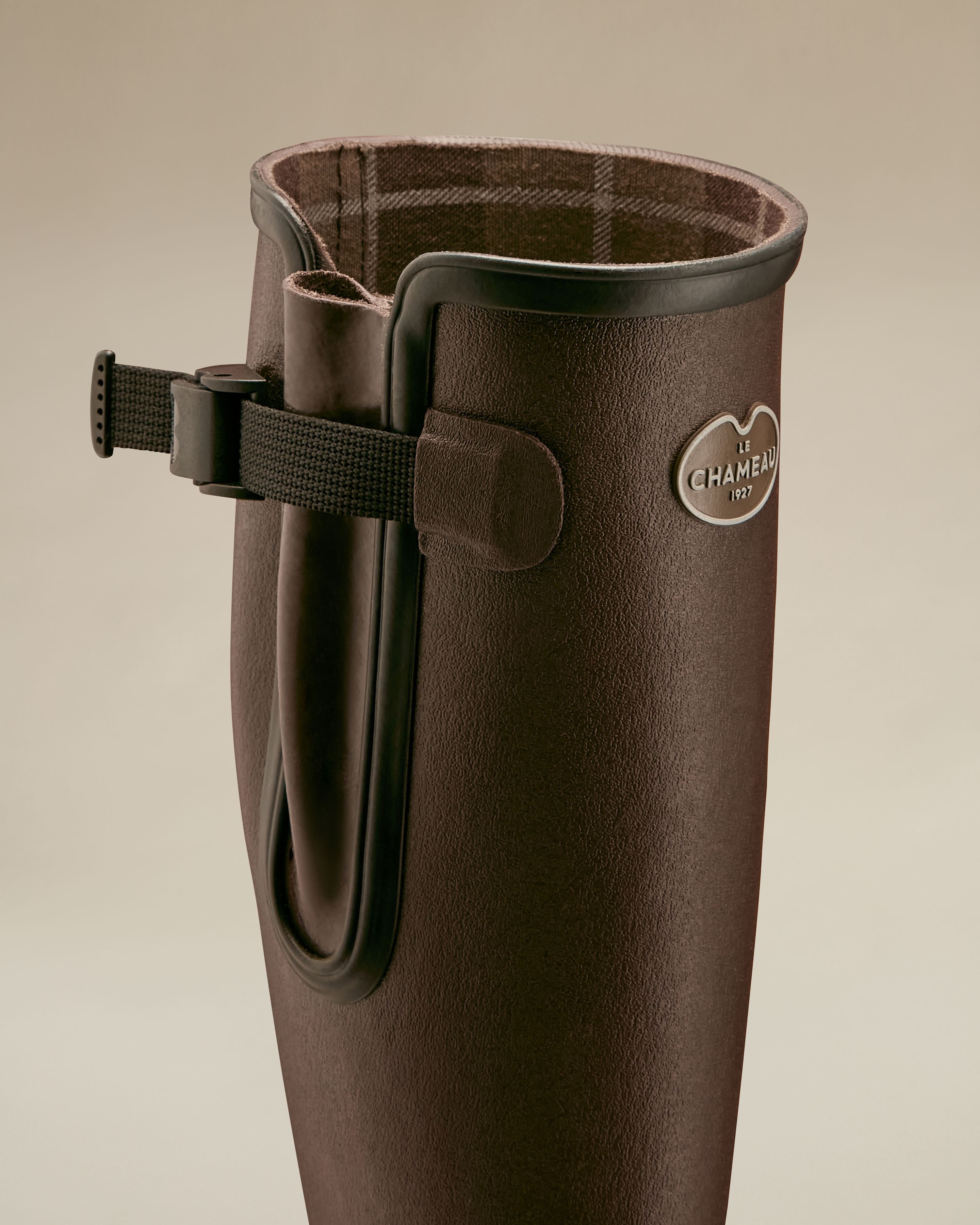
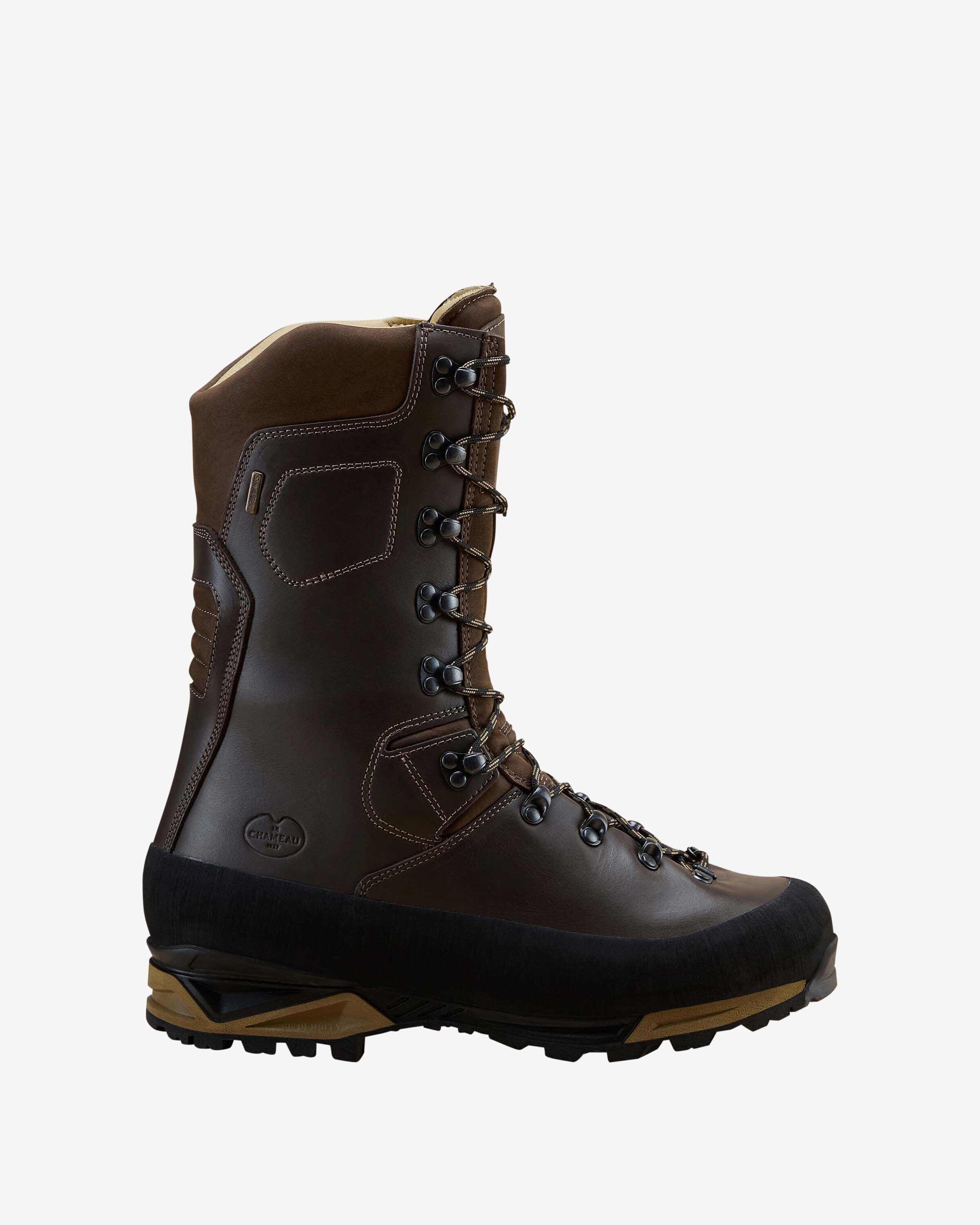
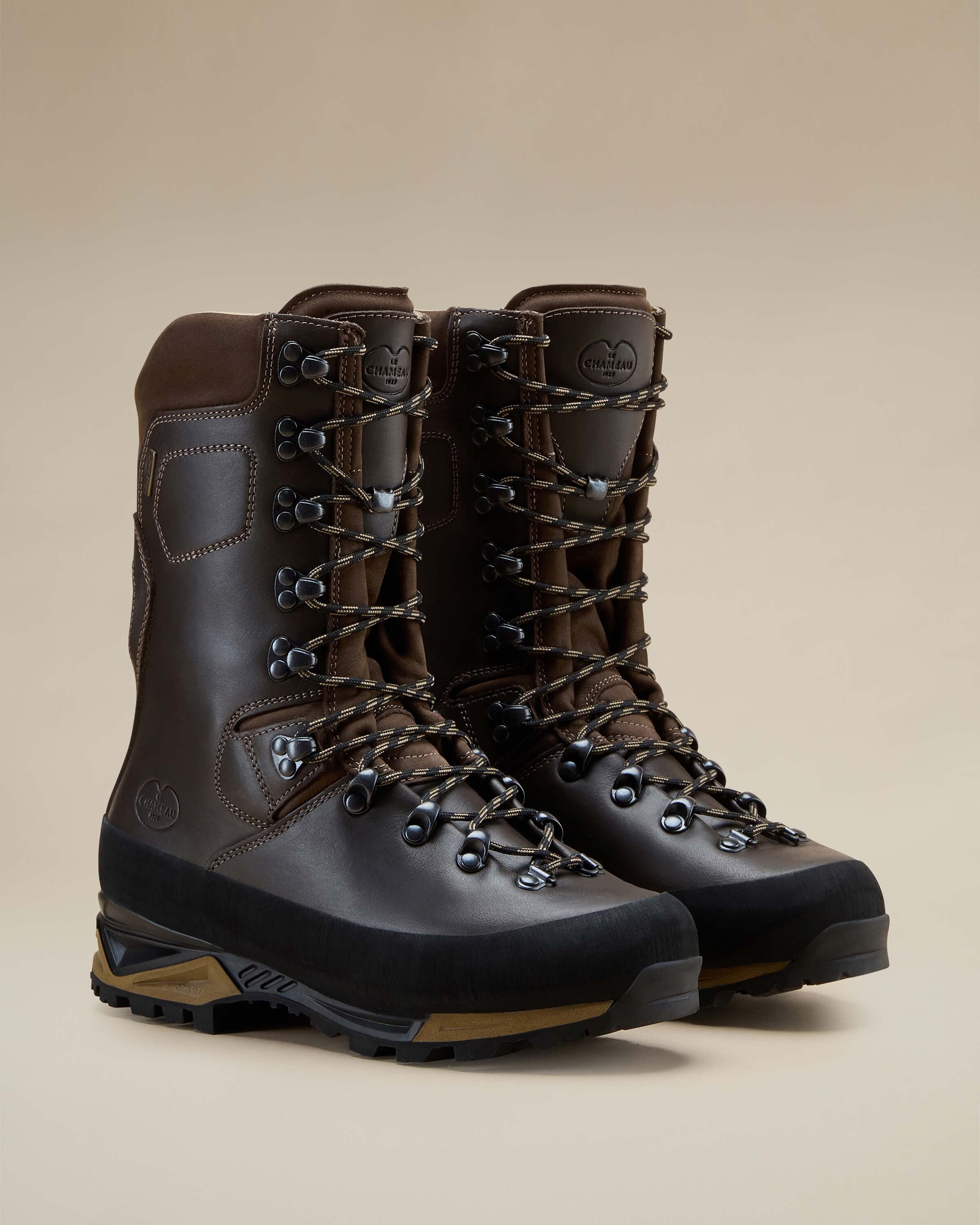
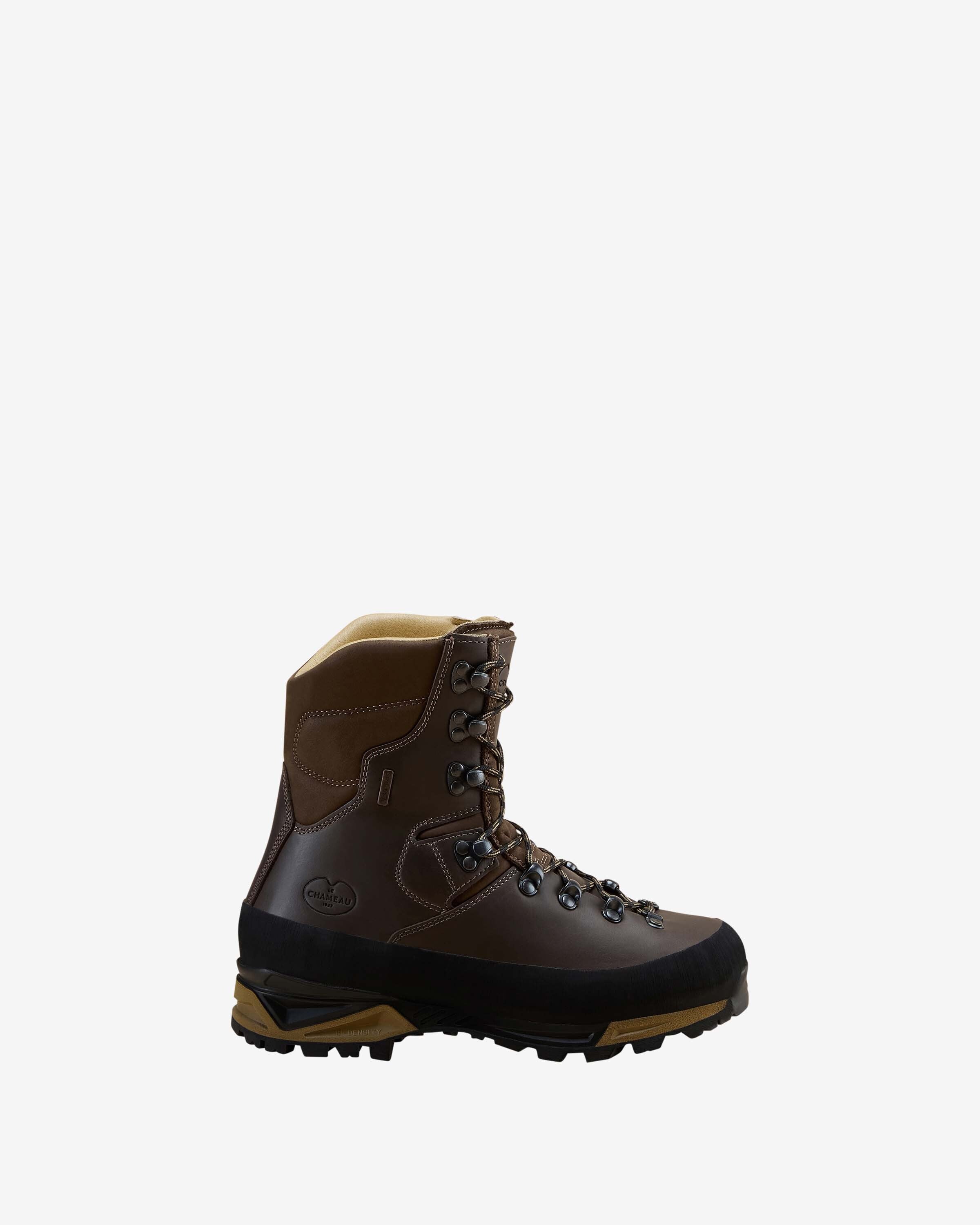
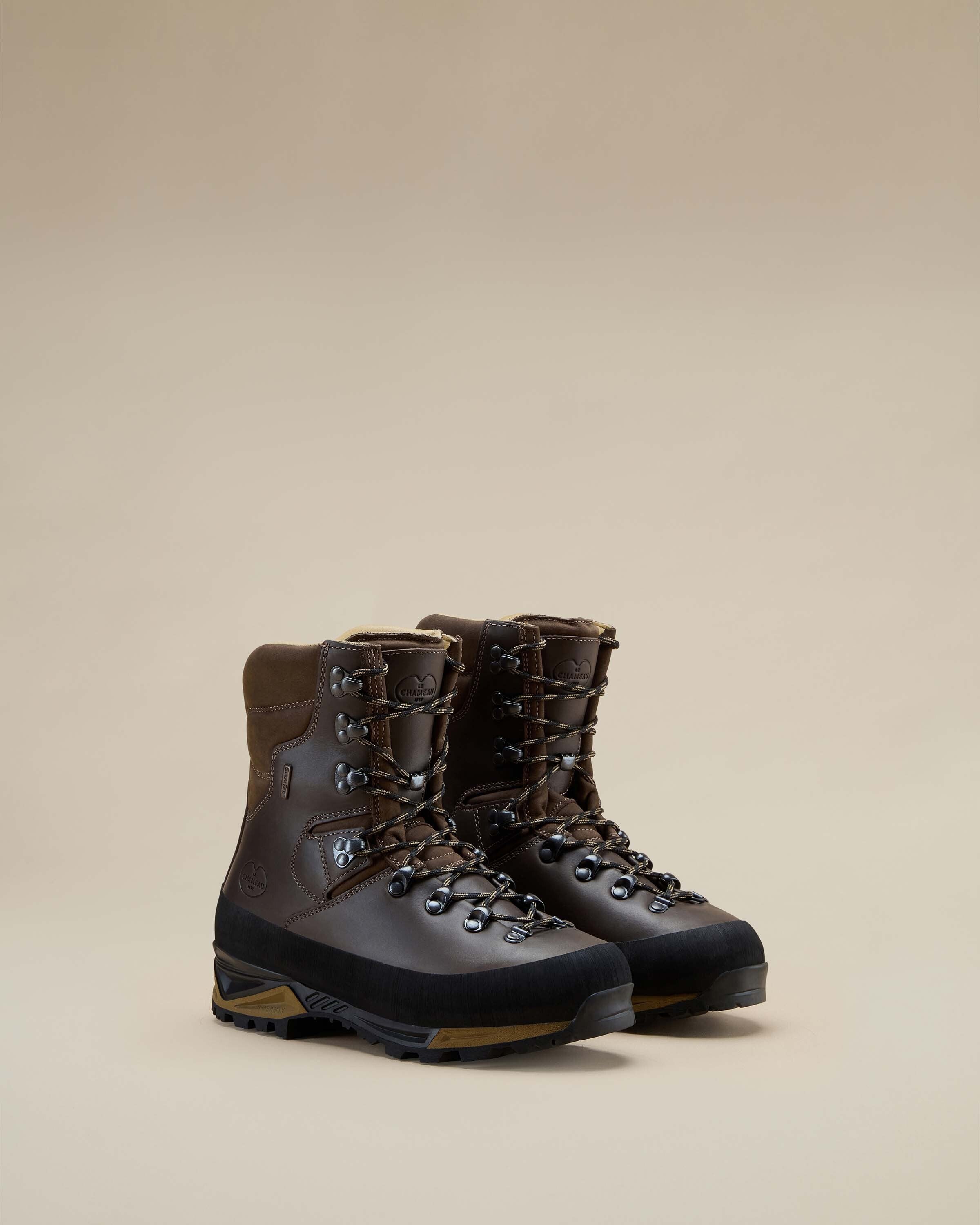
Simon choice of Le Chameau footwear is our acclaimed Mouflon.

Simon’s Summer Garden Tips: Catmint and Tomatoes
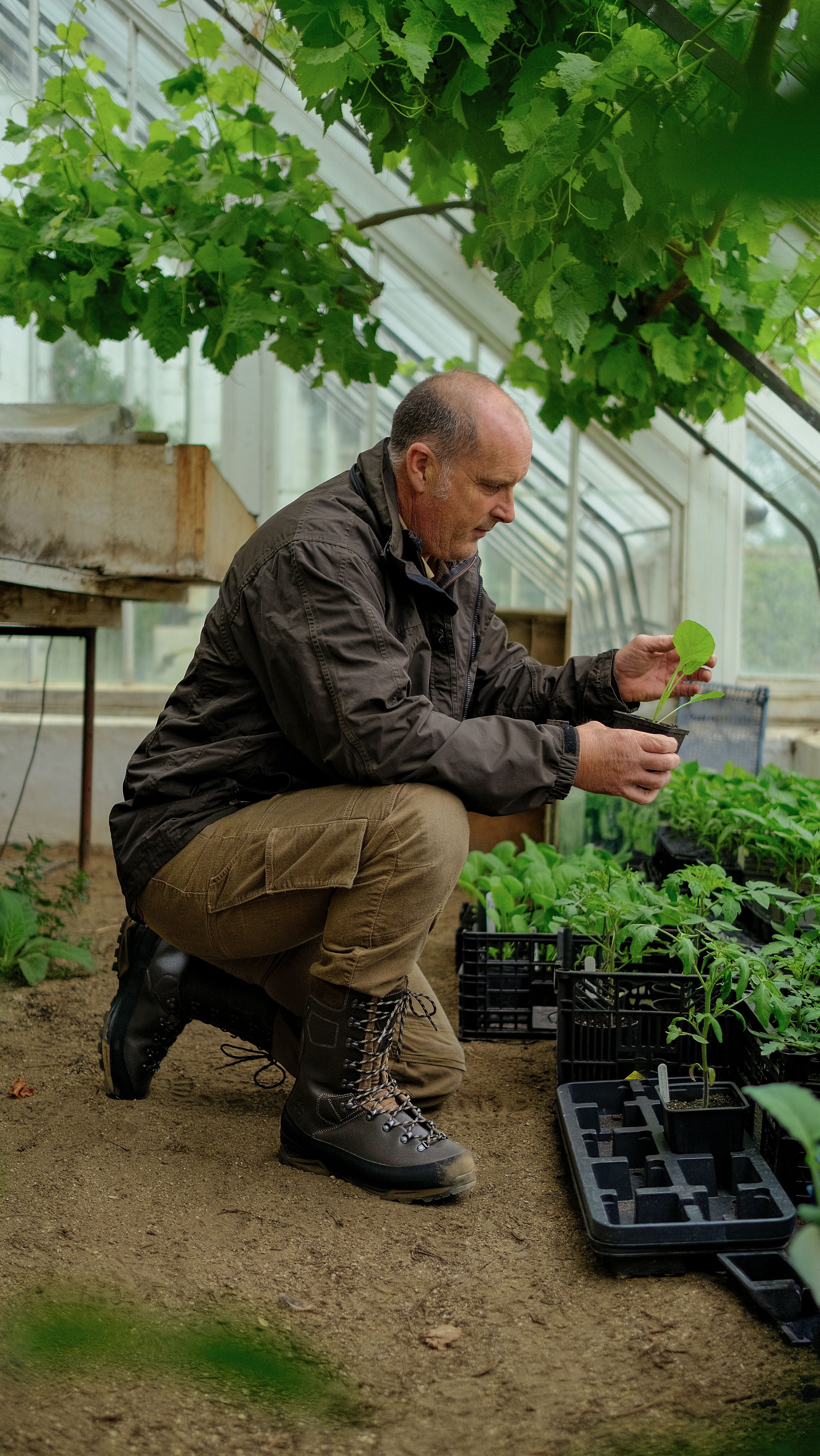
“Well, for me, summer is all about planting catmint and growing tomatoes. Cucumbers, courgettes and onions are also on the grow-your-own list, but tomatoes are very easy once you know how.
“If you have a windowsill or glasshouse then grow the tomatoes in there very early in the season. Growing in a pot, use peat-free compost on top of a bed of leaf mould, or in grow bags, slit the bottom so the roots can come out and then go into a peat-free compost mix. Feed once a week and remove any side shoots. Then in summer you should have juicy tomatoes.
“Catmint is very good for pollinators, lots of insects love feeding on it, and it's a great statement in the garden. To make the most of catmint this year, give it a feed of something like fish, blood and bone, or a liquid feed early in the season. Then let it flower. Once it's finished flowering, cut it back hard, and then you should get a second flush of flowering in middle to late August, so you'll get 2 stages to enjoy it. Over winter, just keep it in the ground and it should be absolutely fine for next
Furthering Fruits to Farming Fields
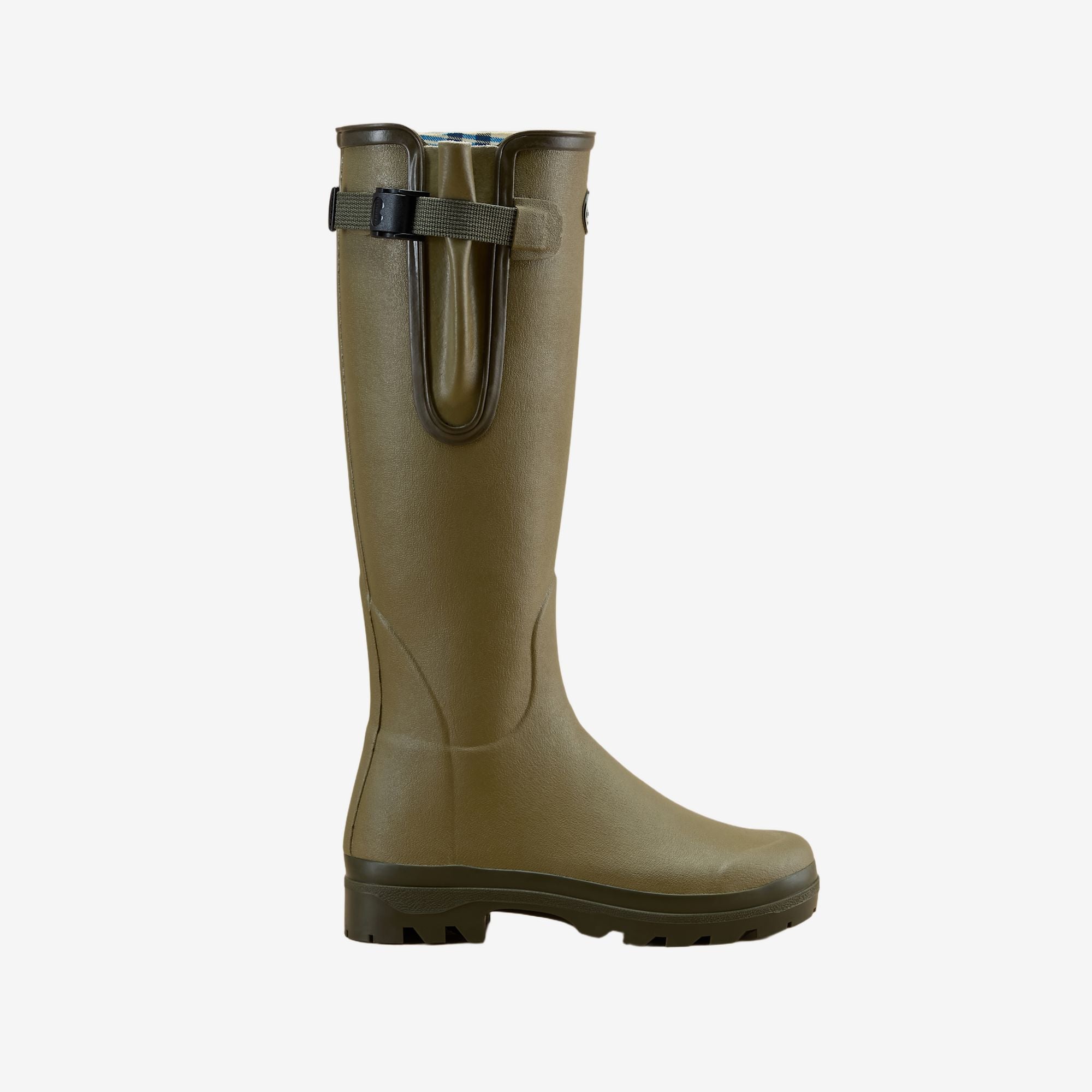
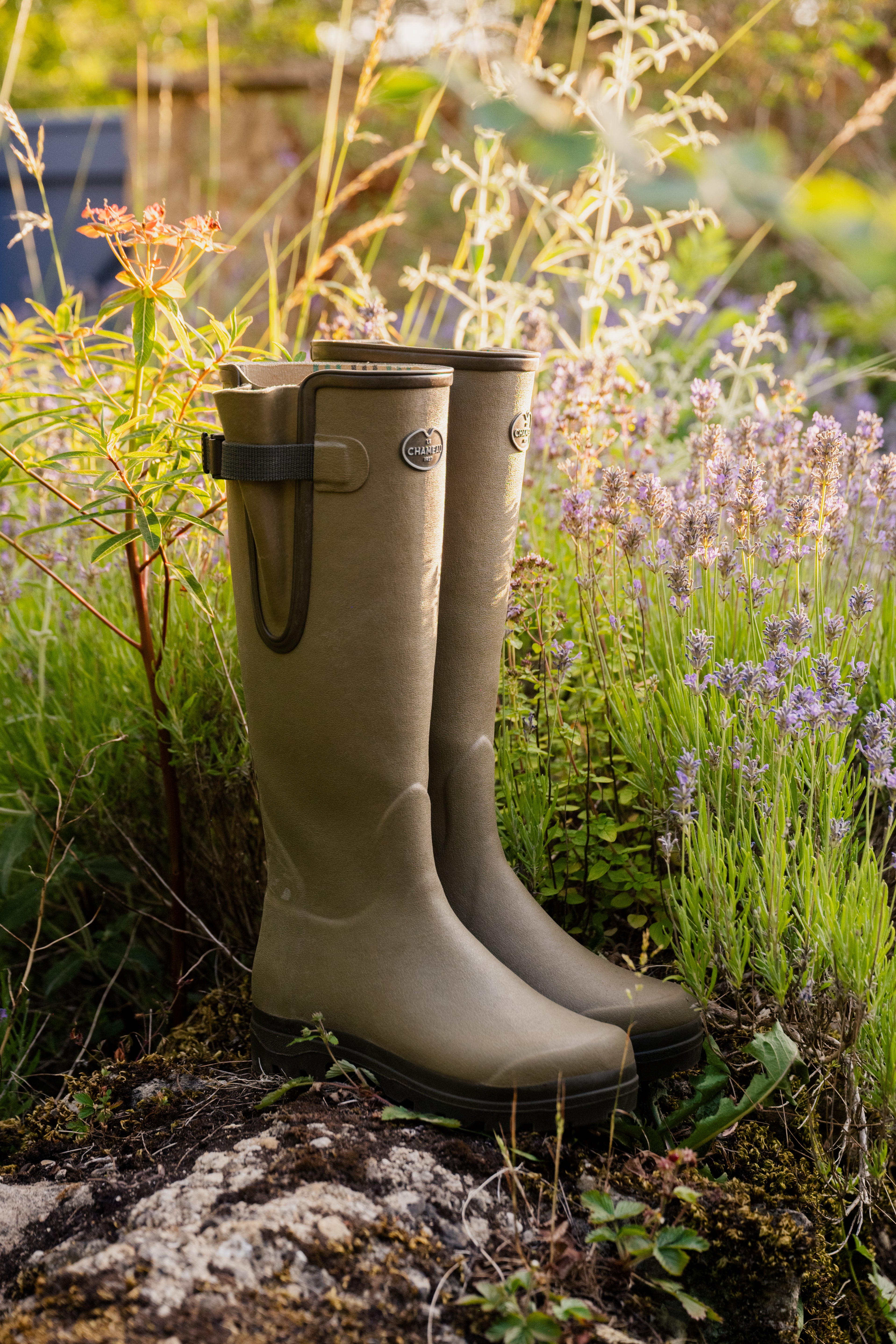
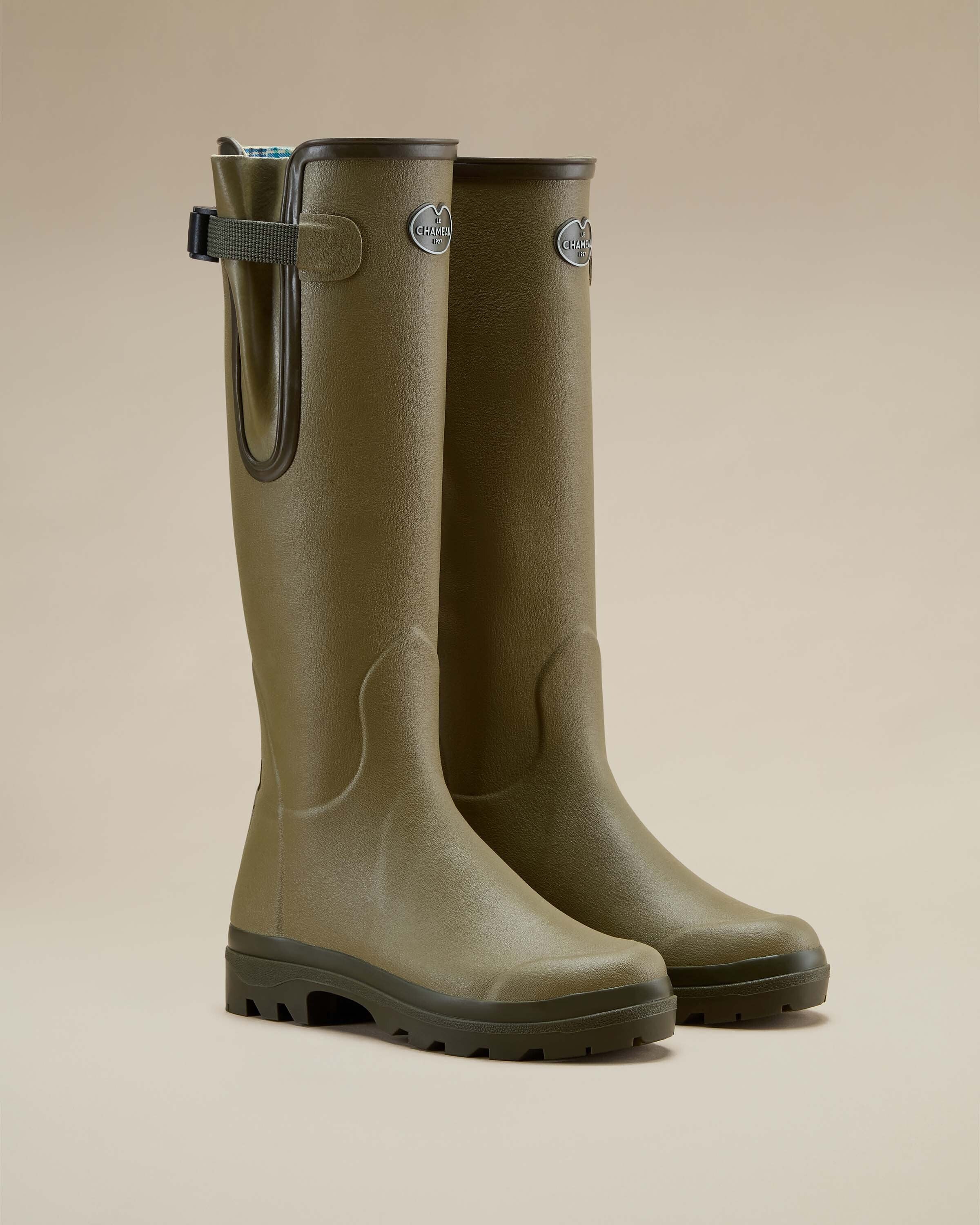
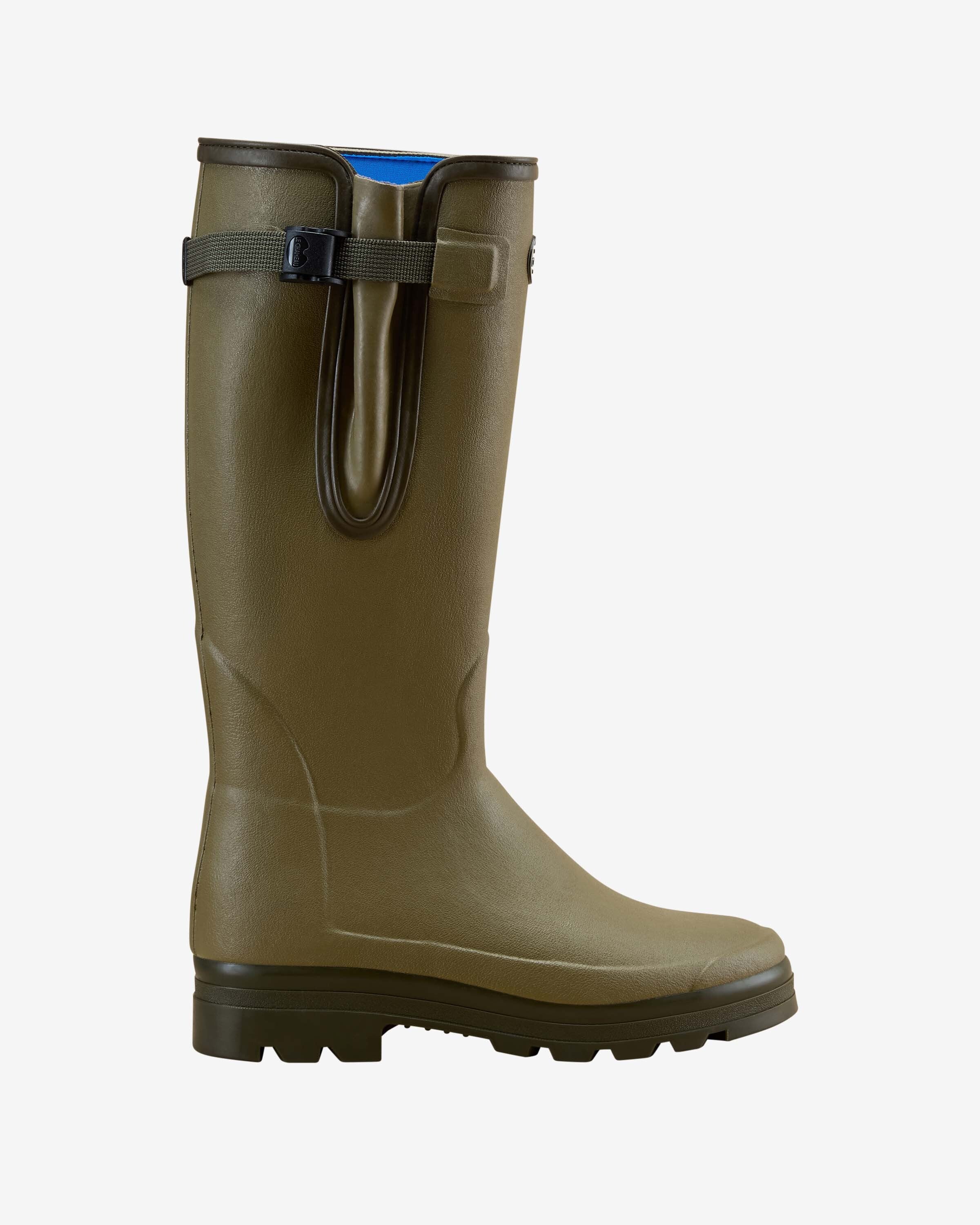
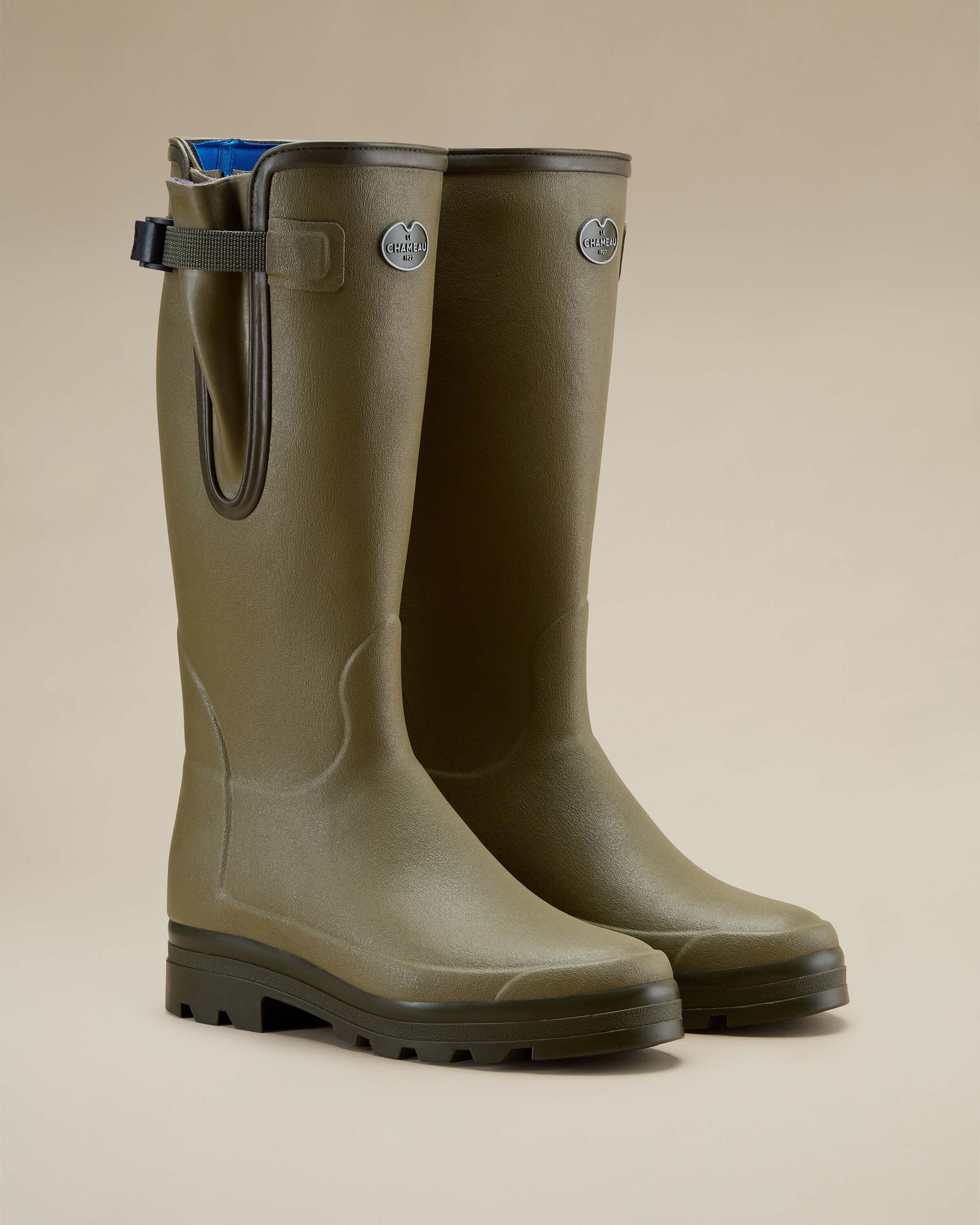
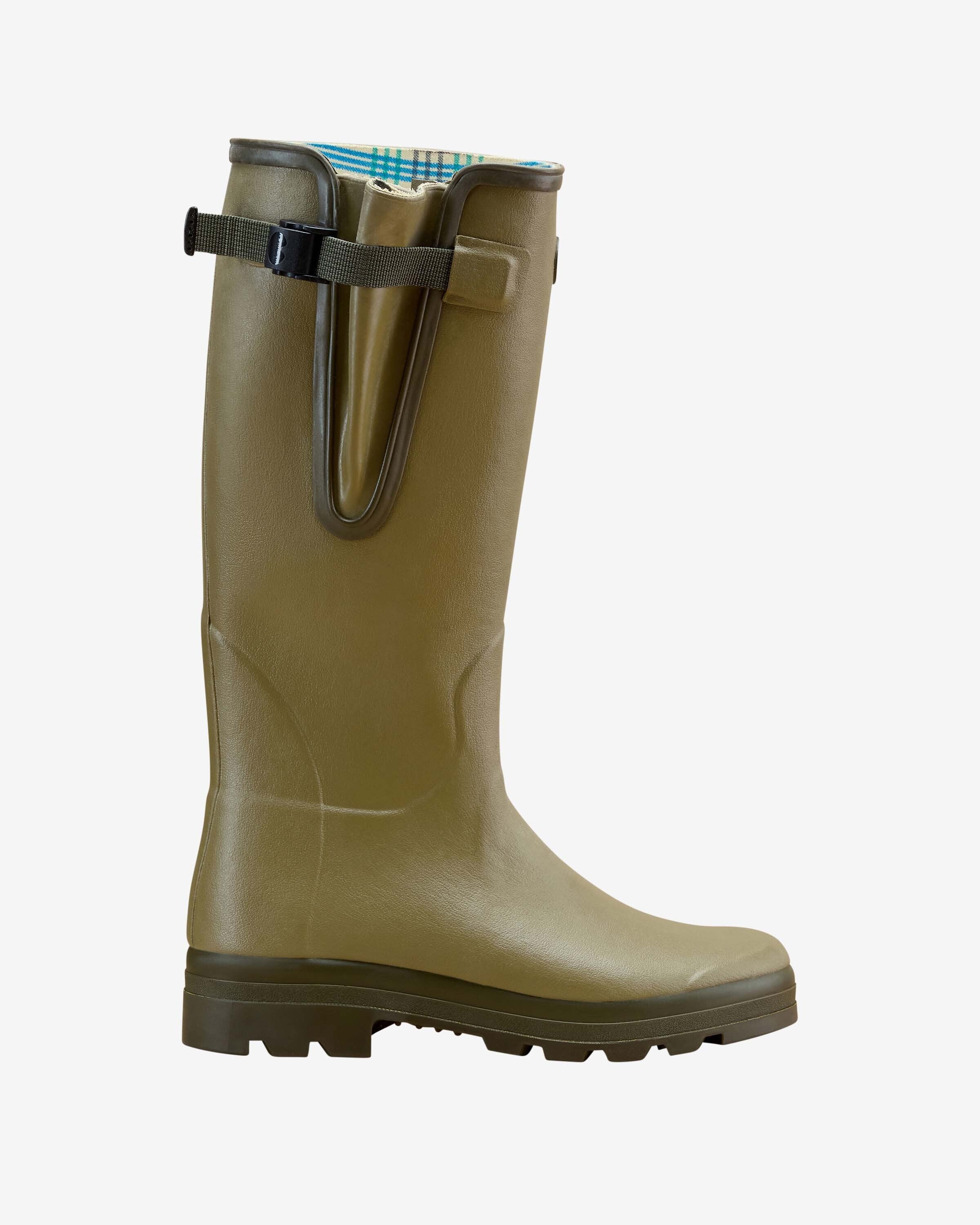
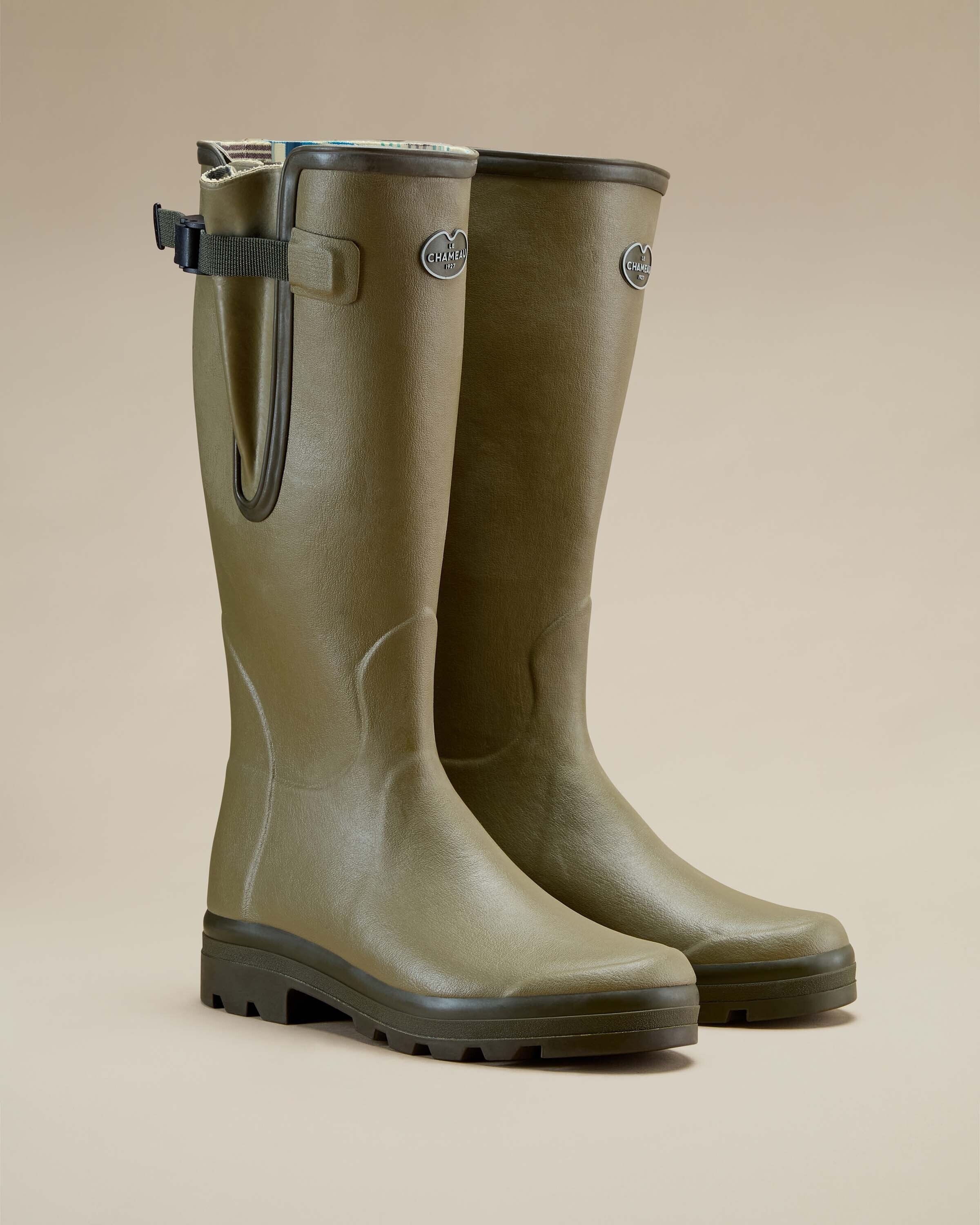
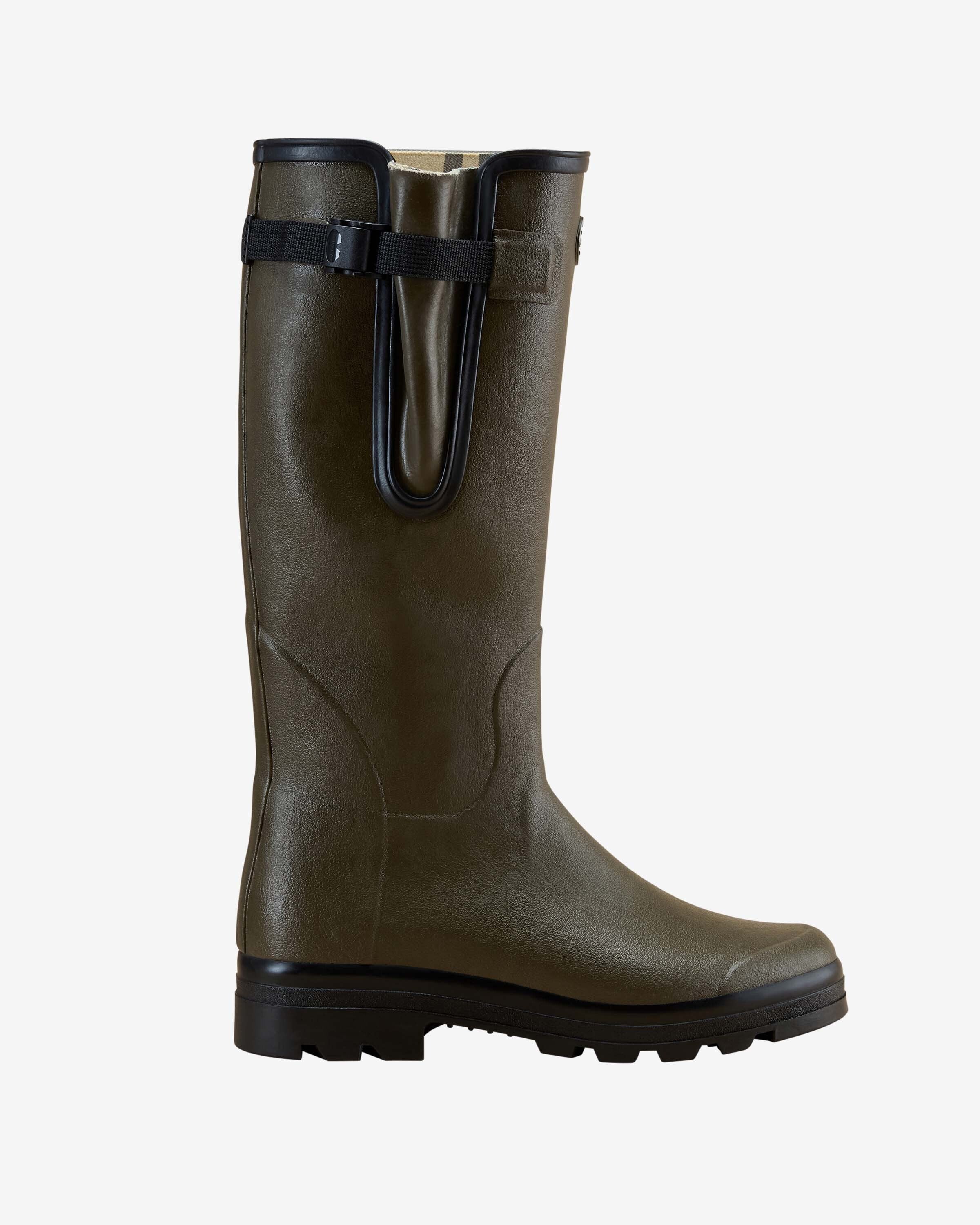
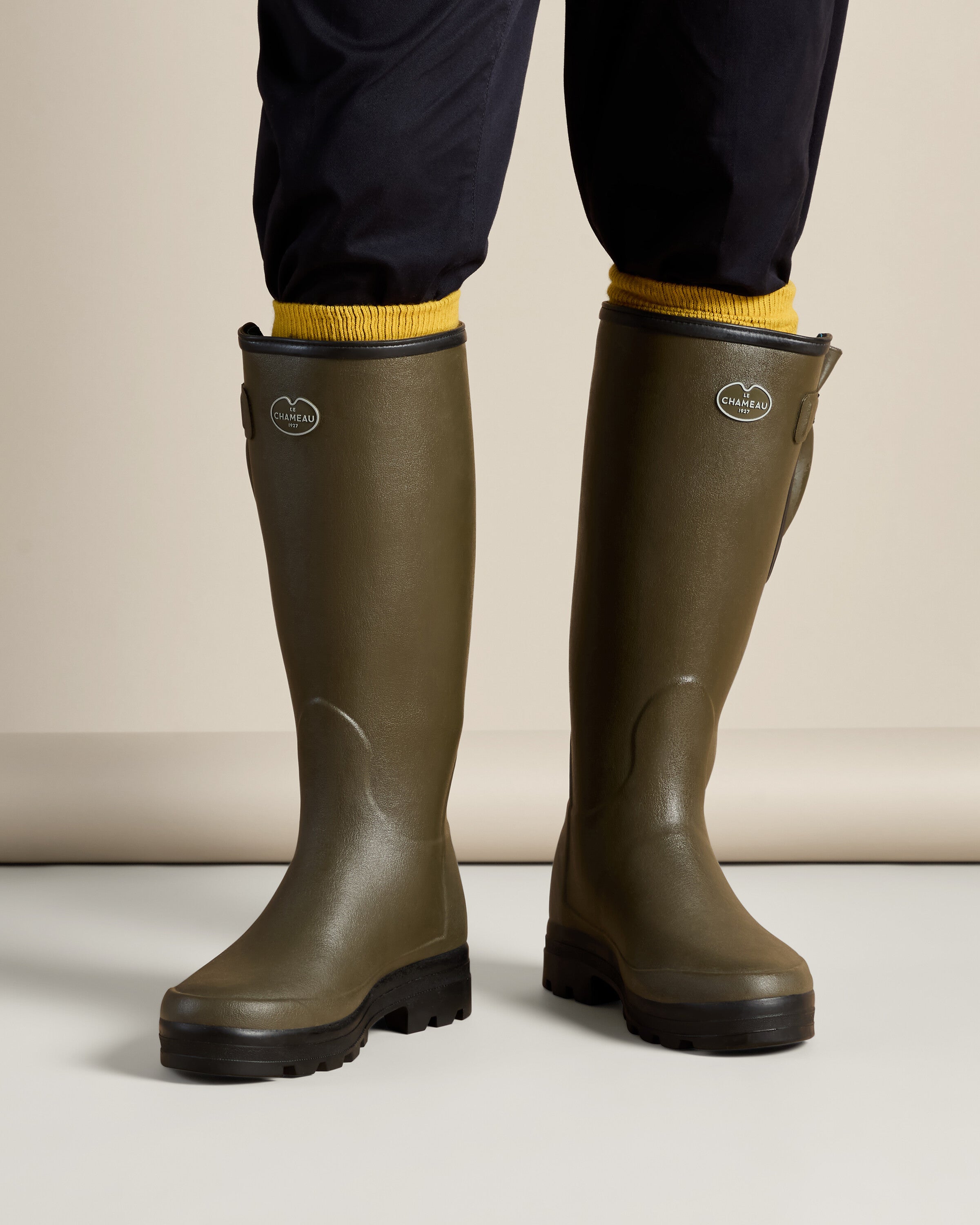
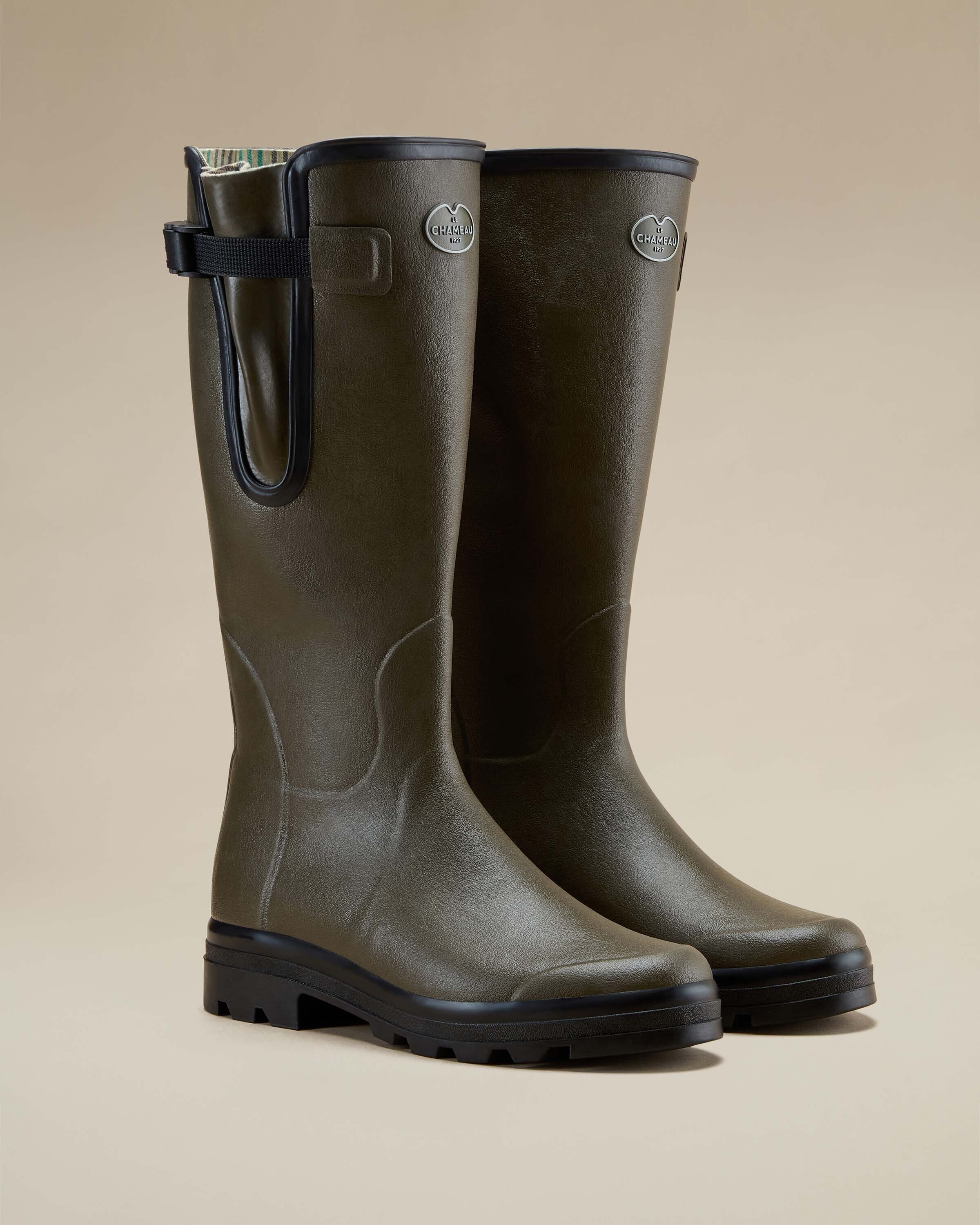
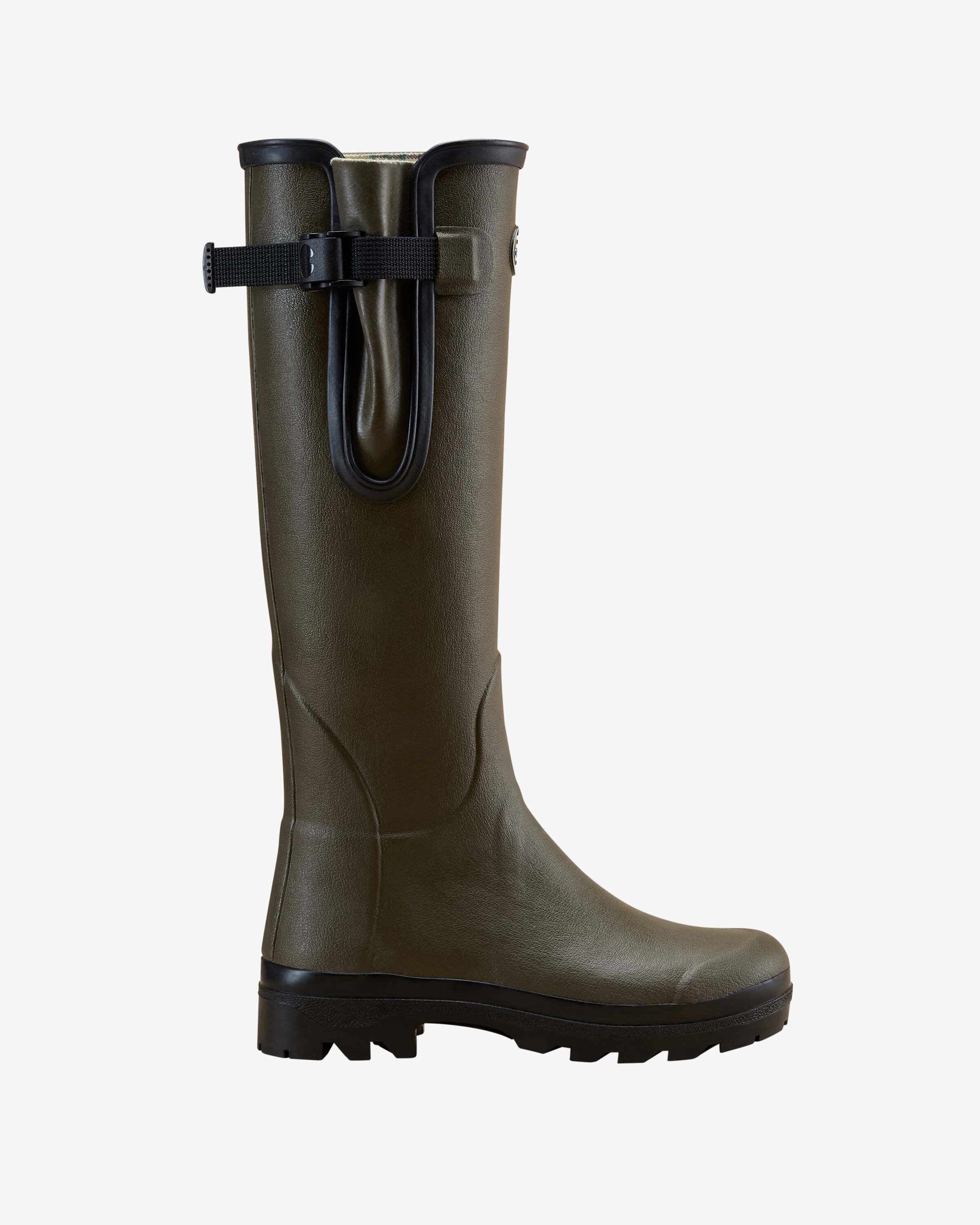
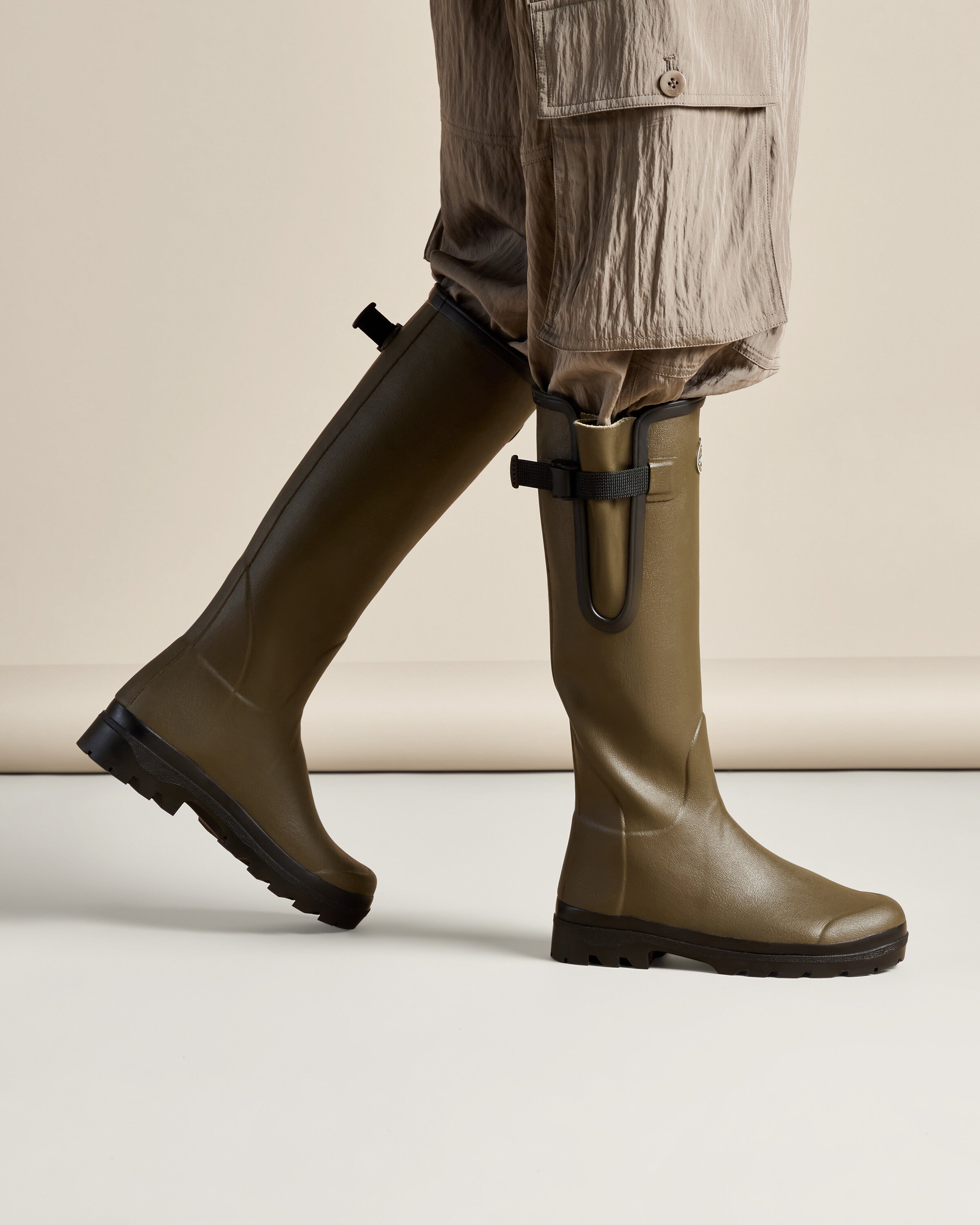
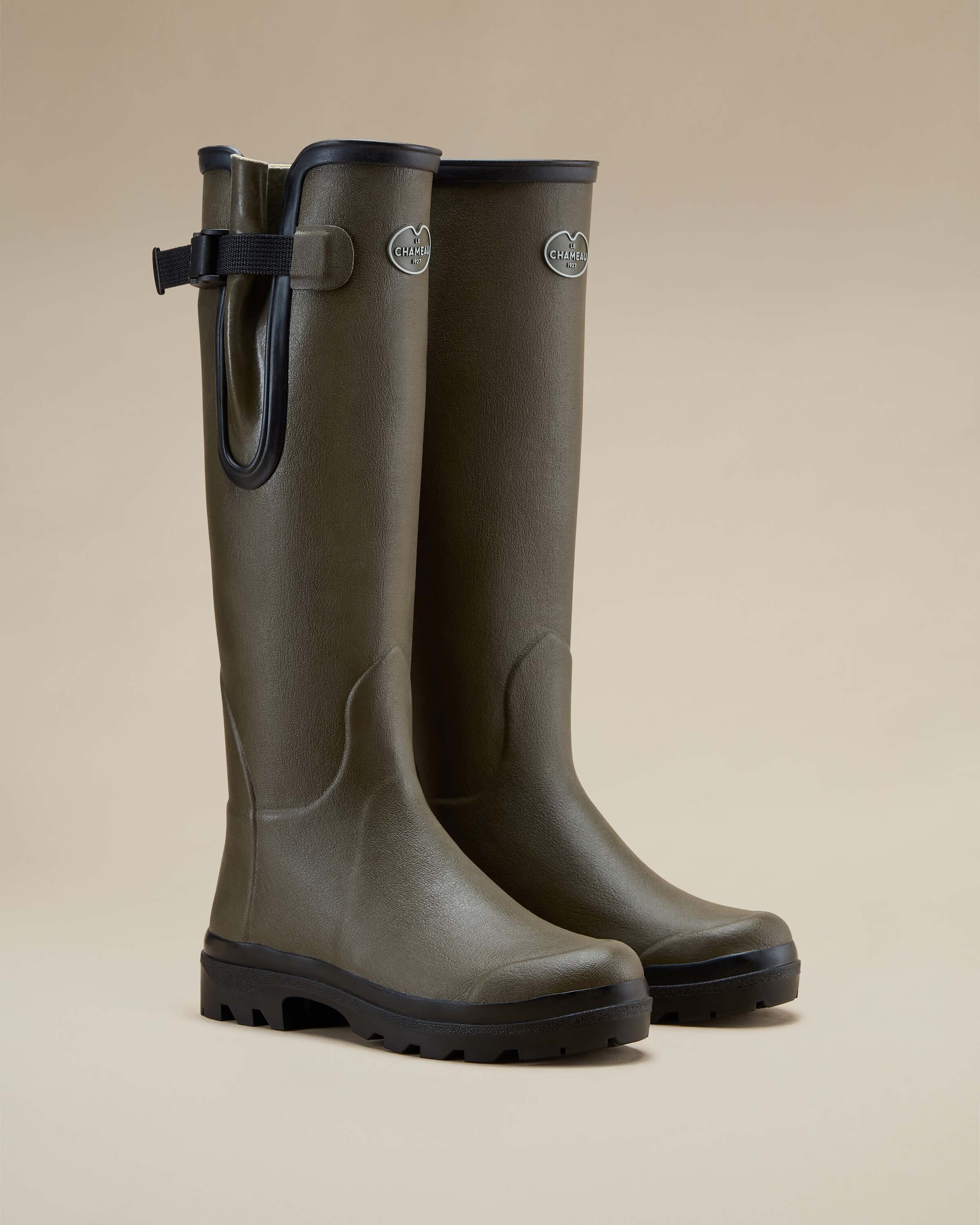
We drove the length of the estate driveway – locally known as ‘The Avenue’ – from the Walled Garden to one of the farms on the estate to meet Henry Etherington, Crop Production Manager at Holkham. As we arrived, we soon set off on foot down one of the nearby fields of budding barley. Looking very much at home in his Le Chameau Vierzon in Iconic Green, Henry notes that Holkham manages around 3,500 hectares of arable farming.
“We grow wheat, barley, sugar beet and rapeseed. Much of our barley – here in this field we’re walking past now is malting barley – is harvested and sent to a local brewery called Adnams, which is nice as we can sample the delights of what we’ve sown!
“We also farm over 1000 head of cattle and 200 ewes. We have a mixed herd of Stabiliser and Hereford cows and Lleyn sheep, these breeds are hardy for outwintering and good mothers. We also have another produce business that farms potatoes and onions, much of which go to supermarkets.
“On the Holkham National Nature Reserve, we have a small herd of Belted Galloways that are there as part of a wider holistic land management system. These animals will help graze parts of the reserve to enhance things like soil health and plant growth.”
Henry tells us that they are heavily into Sustainable Farming Incentives (SFIs), Countryside Stewardship Higher Tier (CSHT) schemes at Holkham, whilst also having their nature reserve. We asked Henry, what does sustainable farming mean to him? “Well, for me, I think it is cover cropping; maintaining a living plant on the land for as long as we possibly can and then doing as minimal cultivations as we can. It is also about incorporating livestock into that rotation. So, the point of having the sheep for us is to process that cover crop and to deal with some of that green material, putting nutrients back down into the soil that will ultimately make them more resilient.”
The Victoria: Pasture to Plate
Much of the beef and lamb that comes from the farm, and venison from the parkland, is sent to Holkham’s on-site 4-star hotel and restaurant, The Victoria – our next stop on the grand tour of Holkham. We met up with Head Chef Michael Chamberlain over a long lunch to learn more about what’s on the menu at ‘The Vic’ and Michael’s passion for food.
“I’ve worked here at The Vic for nearly a decade now, having grown up and lived in the area all my life, I would call myself a proper Norfolk lad. The sort of food we do here is Modern European food. The lunchtime menu has lots of small plates, tapas sort of style, alongside the more modern classics. The evening menu changes every day but focuses on 6 starters and 6 mains.”
Michael’s strong relationship with the kitchen gardeners at Holkham has always been key to serving fresh and seasonal fruit and vegetables on the menu. “The kitchen garden is fantastic. Obviously, we never know what we're going to get coming through the back door, one day it'll be courgette, another day it'll be asparagus. So, it's a case of whatever turns up from the garden, we all then tweak the menus and implement it on our side.
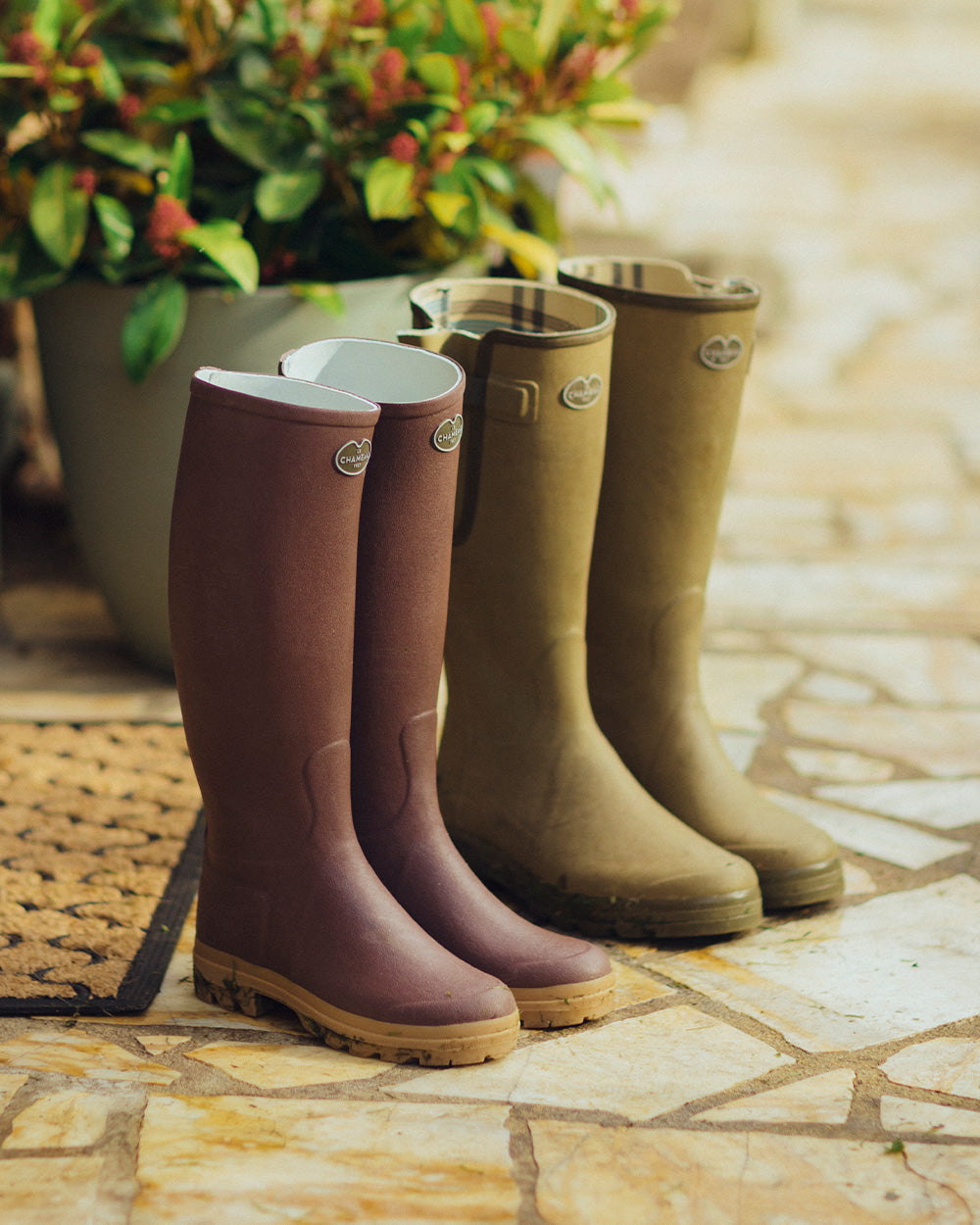
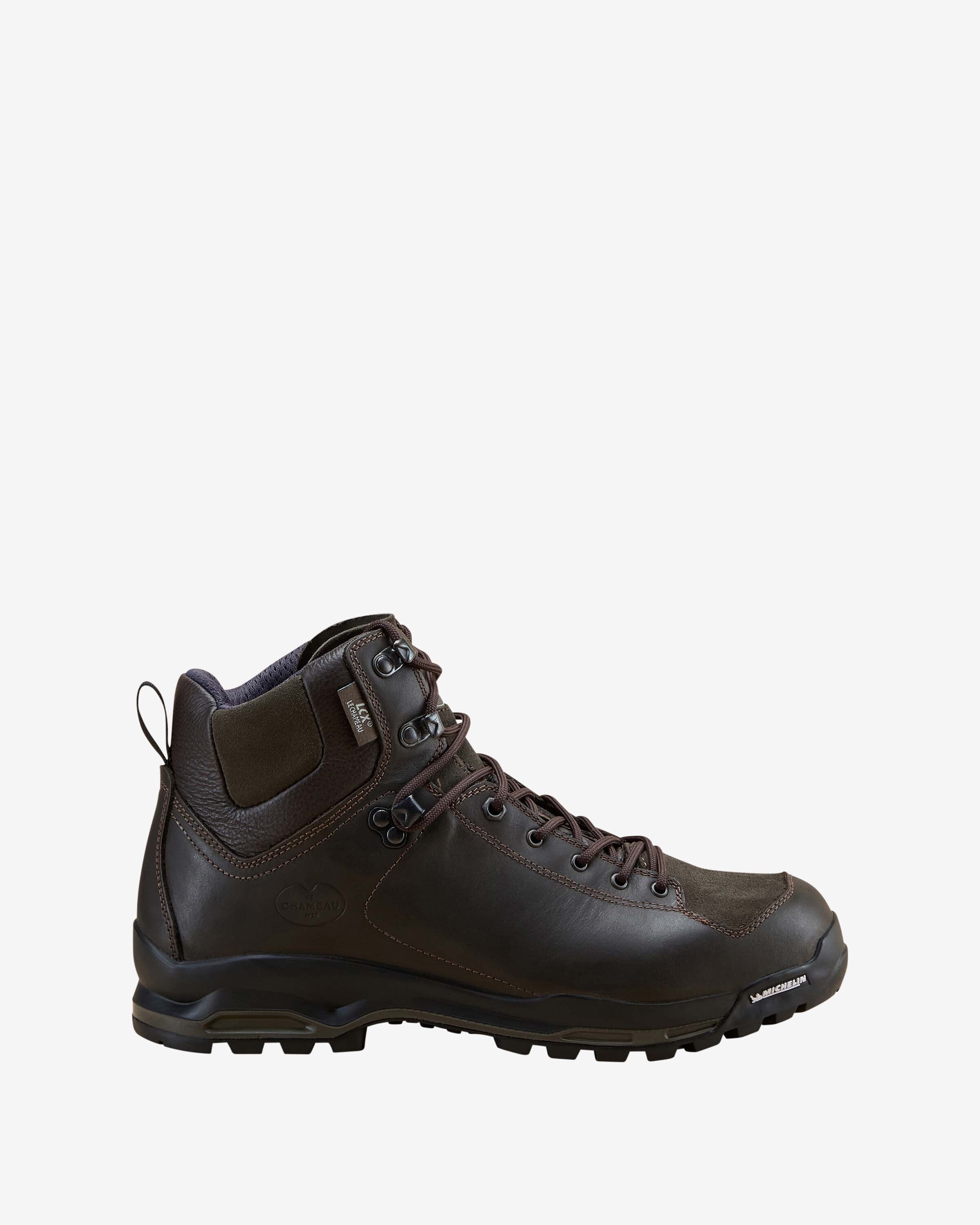
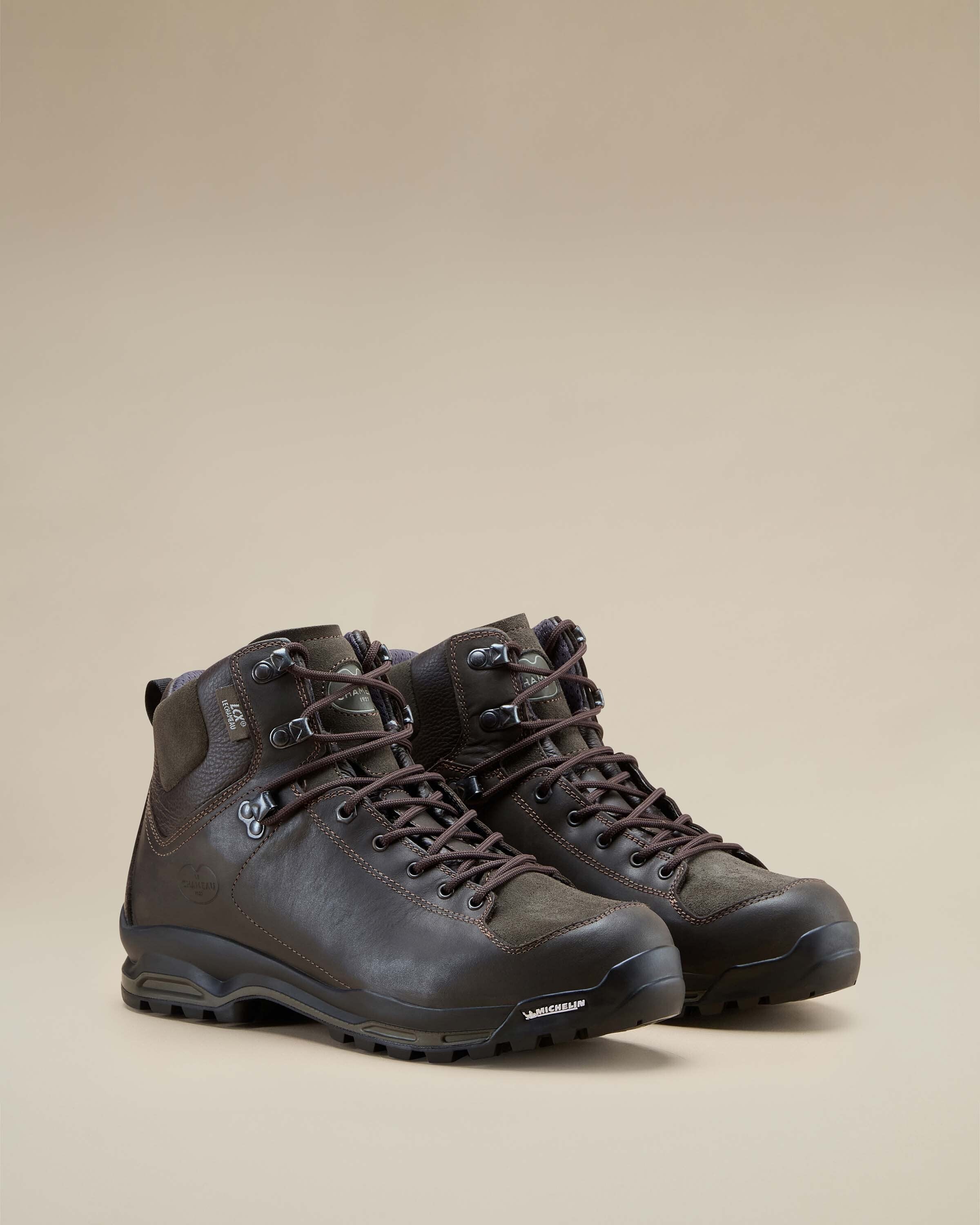
Michael wears Le Chameau Explore on his beach walks around the Norfolk coastline.
“We use as much local produce as possible, fruit and veg from the Walled Garden, potatoes and onions from the fields, beef from the salt marshes, lamb from the farm and the venison from Holkham Park.This summer, we're looking forward to using the glut of tomatoes coming through from the Walled Garden. Lots of chillies also. We make a superb chilli jam, normally we end up making probably the best part of 50-60 kilograms of chilli jam every season. They're a bit of a Russian roulette, though, because some of them are quite mild and others are enough to blow your head off! Other than that, I’m looking forward to peaches and figs from the glasshouses and then towards the end of summer squashes and brassicas coming through. So, it's always lovely to see whatever comes from the Walled Garden.”
Eat, Walk and Stay at Holkham
Holkham has a wealth of places to stay, from stunning Grade II listed holiday cottages to fully modern houses. There is Pinewoods Holiday Park, right next to the beach and pinewoods at Wells-next-the-Sea, there you can stay in a static holiday home, or you can bring your tourer or camper van. There is also The Victoria to stay and eat in, with 20 bedrooms - 10 of which are dog friendly. The Victoria also has 4 shepherd huts. Coming soon this year is a pop-up campsite for both camper vans and tents in Holkham Park.
If you are looking for good walks around Holkham, they have a great variety of routes to take with stunning views across the lake and parkland which is home to their herd of fallow deer.
A Must: North Norfolk Food & Drink Festival at Holkham
Cropping up for the first weekend of September (5-6th) in the Walled Garden, the much-admired North Norfolk Food and Drink Festival, now in its 17th year, features artisan producers selling everything delightful and delicious. There will also be a Holkham stand selling produce from their walled garden and farm.
Men's Vierzon Jersey Lined Wellington Boot Chameau Explore 7'' Bronze Green£250Mouflon II 12'' Dark Brown£400Women's Vierzon Jersey Lined Wellington Boot Men's Vierzon Jersey Lined Wellington Boot Women's Vierzon Jersey Lined Wellington Boot Mouflon II 10'' Dark Brown£380
 At One with Nature: Fly Fishing with Marina GibsonRead post
 At Daylesford: One Man and his SheepdogRead post
 The Glorious Twelfth: All You Need to KnowRead post
 On-Farm this Summer: Farming in a Changing ClimateRead post
 Polo in the Sunshine: Cowdray EstateRead post
 LC Recommends: North NorfolkRead post
 The Inspiration to Illustrate with Polly FernRead post
 Set Sail this Summer: Mastering the WaterRead post
