

 The Truffle Hunter
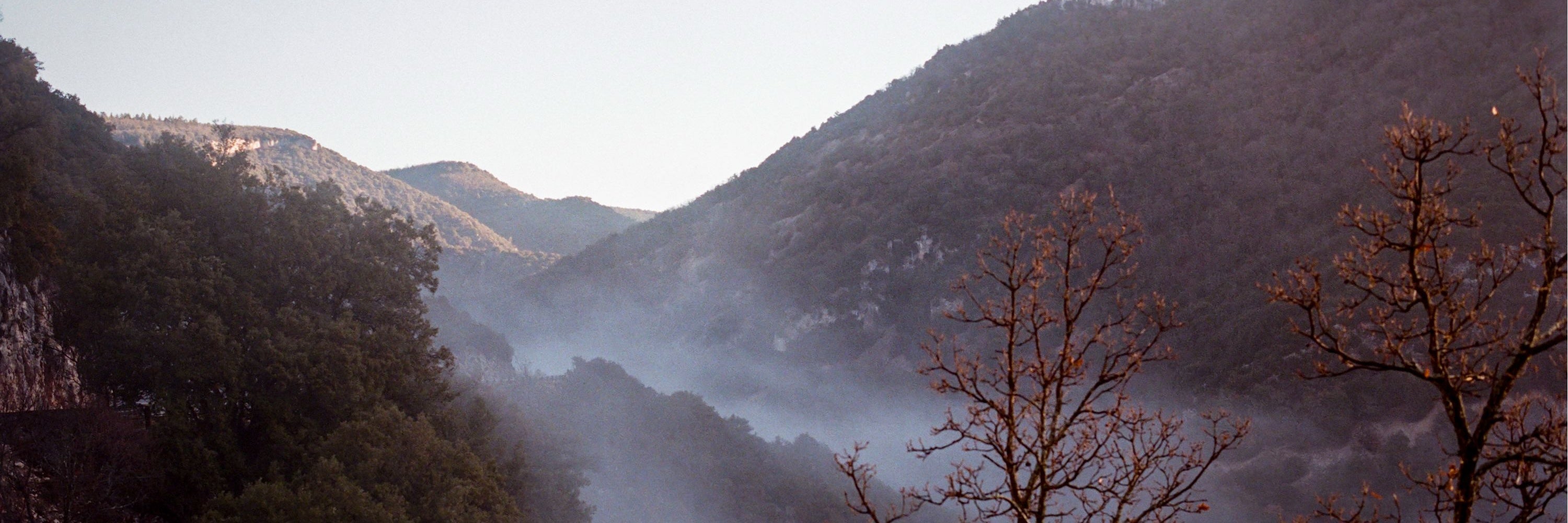
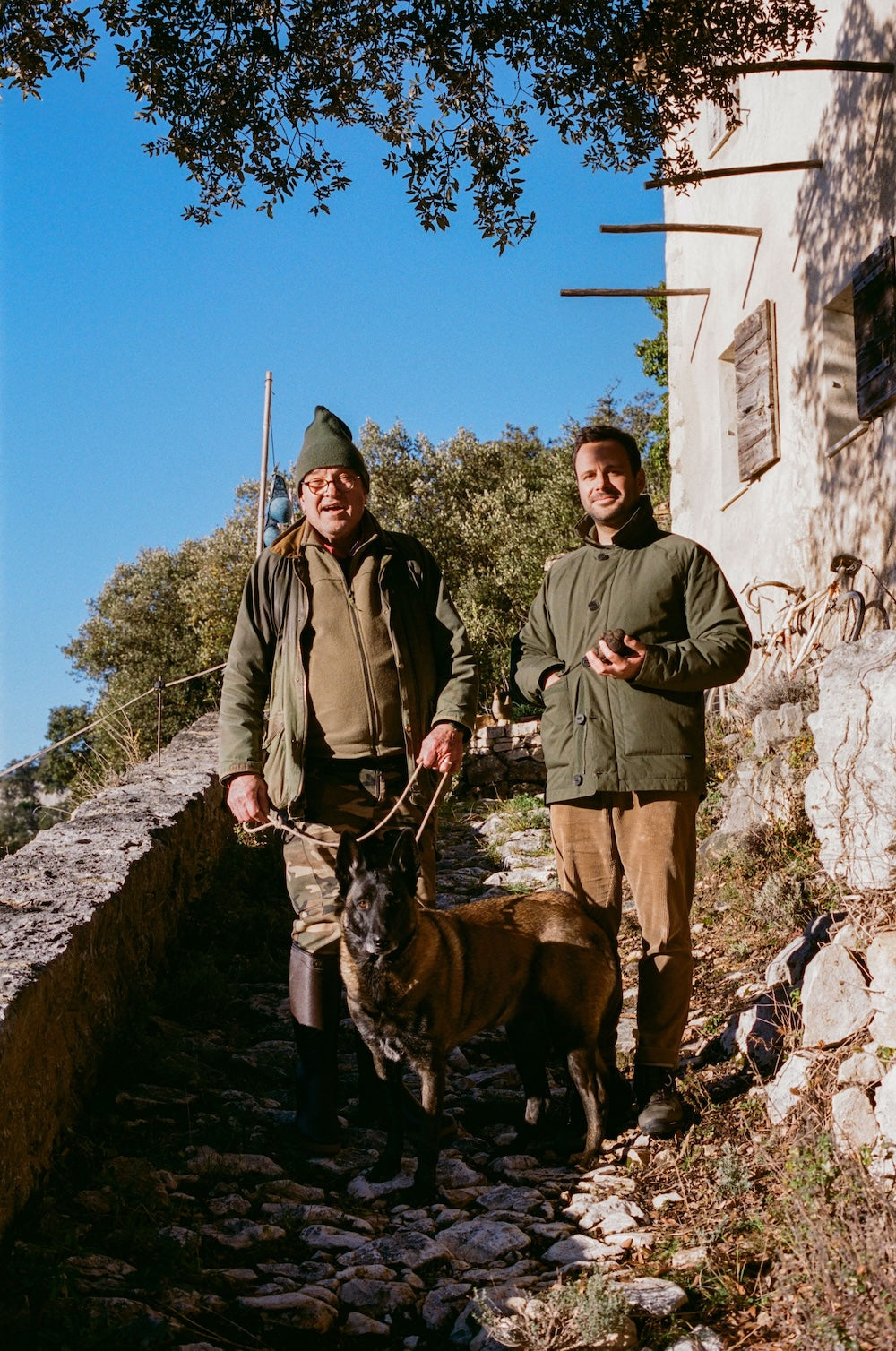
At first light in Provence, in a secret location deep in the region’s sprawling oak woodlands, a family of truffle hunters pull on their Le Chameau. As the morning’s mist still hugs the surrounding mountains, the hunters and their truffle dog trek through the woodlands’ rocky terrain to start their search of the land and soil to find that special ingredient that grows beneath their feet. To find out what it’s like to hunt for truffles in a beautiful region such as Provence, we followed hunters, Thomas and his uncle, Géo.
“It helps people discover what truffles really are; uncomplicated and indulgent.”
Thomas, tell us a little about yourself and your background
Born in Provence, I grew up in a family that was very close to nature. Not only that, I also grew up on a farm surrounded by animals, and with a father who was passionate about horses. So, you could say, my connection to the living world has always been part of my everyday life. At a young age, I started going truffle hunting with my uncle, Géo. I was 13 when I first began digging for truffles with him, following him until I was about 20. After that, I moved to the Basque coast. This gave me some distance from truffle hunting, but on the other hand, it also made me realise just how deeply entrenched truffles were in my life. So, that’s why I founded Balme – a gourmet brand specializing in truffle-based products – from a very simple desire it helps people discover what truffles really are; uncomplicated and indulgent.
Can you describe the region of France where we are today?
We are in Provence, a truly unique place in France. Unique in its culture, but also in its landscapes: the villages, hills, trees and boundless nature. The character of the people here is strong, and it clearly goes hand in hand with a very temperamental climate. It’s a region with real personality, and that’s exactly what I love about it.
How did you start truffle hunting?
As I mentioned, it all started with my uncle, Géo, accompanying him on weekends and the odd weekday in my teenage years. At that time, we did a lot of wild truffle hunting, meaning not in plantations, but directly out in nature. This form of hunting – almost like a race for truffles – immediately appealed to me. And above all, my uncle passed on a great deal of knowledge to me, both about truffles themselves and about how to observe and understand the land.
“You observe the movement of this small insect, which can guide you very precisely to the truffle.”
Tell us more about the world of truffles, it’s history and research?
The truffle is a fungus that grows underground and lives in symbiosis with the roots of certain trees, mainly oaktrees. It needs limestone-rich, well-drained soil – neither too wet nor too compact – to develop properly. The oak tree plays a fundamental role, providing the truffle with the sugars it needs to grow, while the truffle helps the tree absorb water and nutrients from the soil more efficiently.
A tree generally begins producing truffles between 7 and 10 years of age, sometimes a little later depending on conditions. Production can then last for several decades, often up to 40 or 50 years, before gradually declining. As always with truffles, nothing is guaranteed: everything depends on the soil, the climate, the weather, and the care given to the truffle orchard.
Truffles have always existed and have always been eaten, but it’s only relatively recently that they have truly been considered an exceptional delicacy. Over time, humans have worked hard to better understand how truffles function, whether they could be cultivated, how to harvest them more efficiently, and today, of course, with the help of dogs.
There has been a great deal of research and development around truffles. Today, we have truffle orchards, trained dogs,and even though nature always has the final say, we adapt to the climate, particularly through irrigation to manage rainfall.
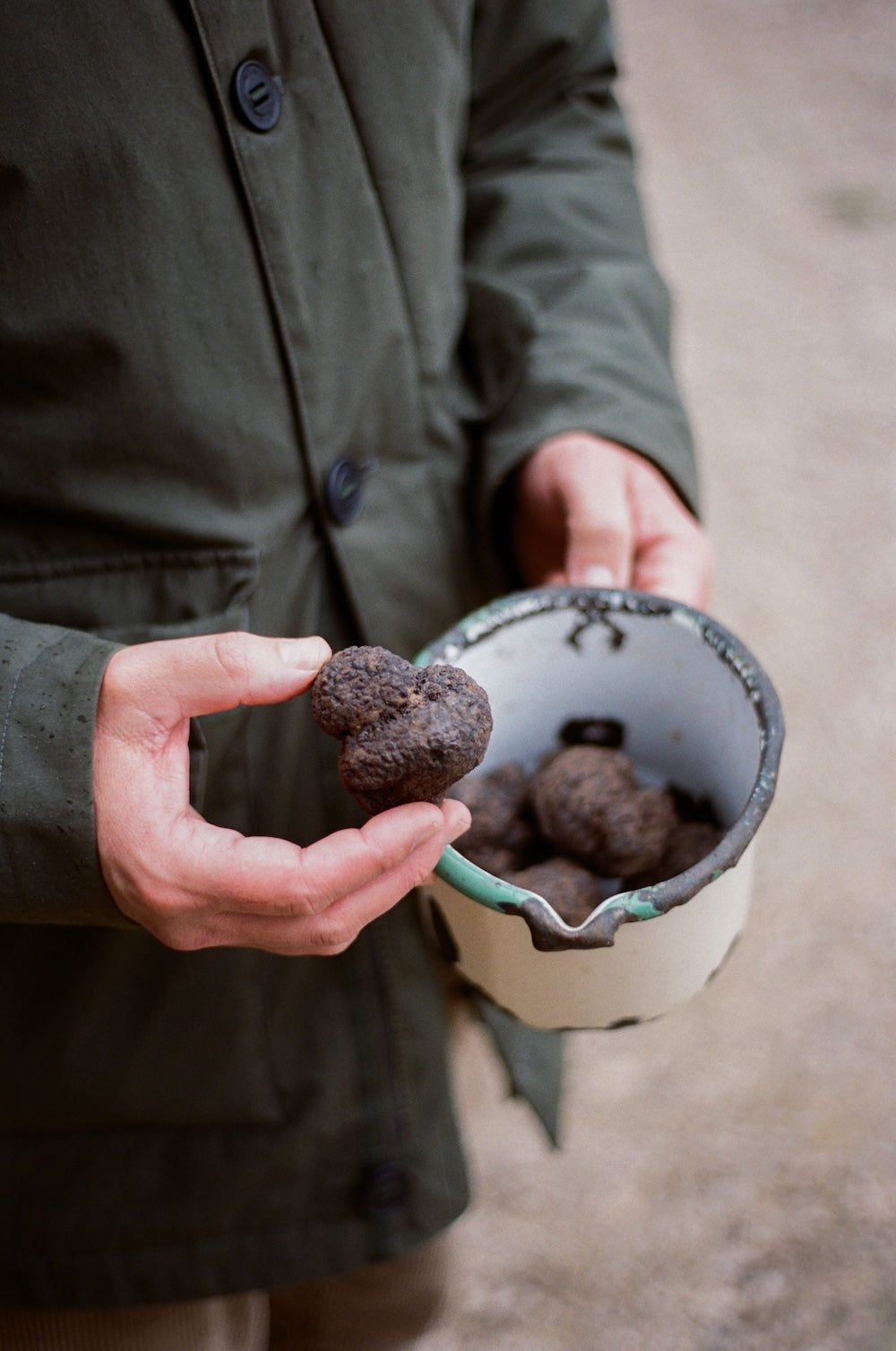
What about the animals that help you search for truffles?
There are several animals capable of helping us locate truffles, since they grow underground. First, there is the truffle fly, a method mostly reserved for purists. In low-angle light, you observe the movement of this small insect, which can guide you very precisely to the truffle.
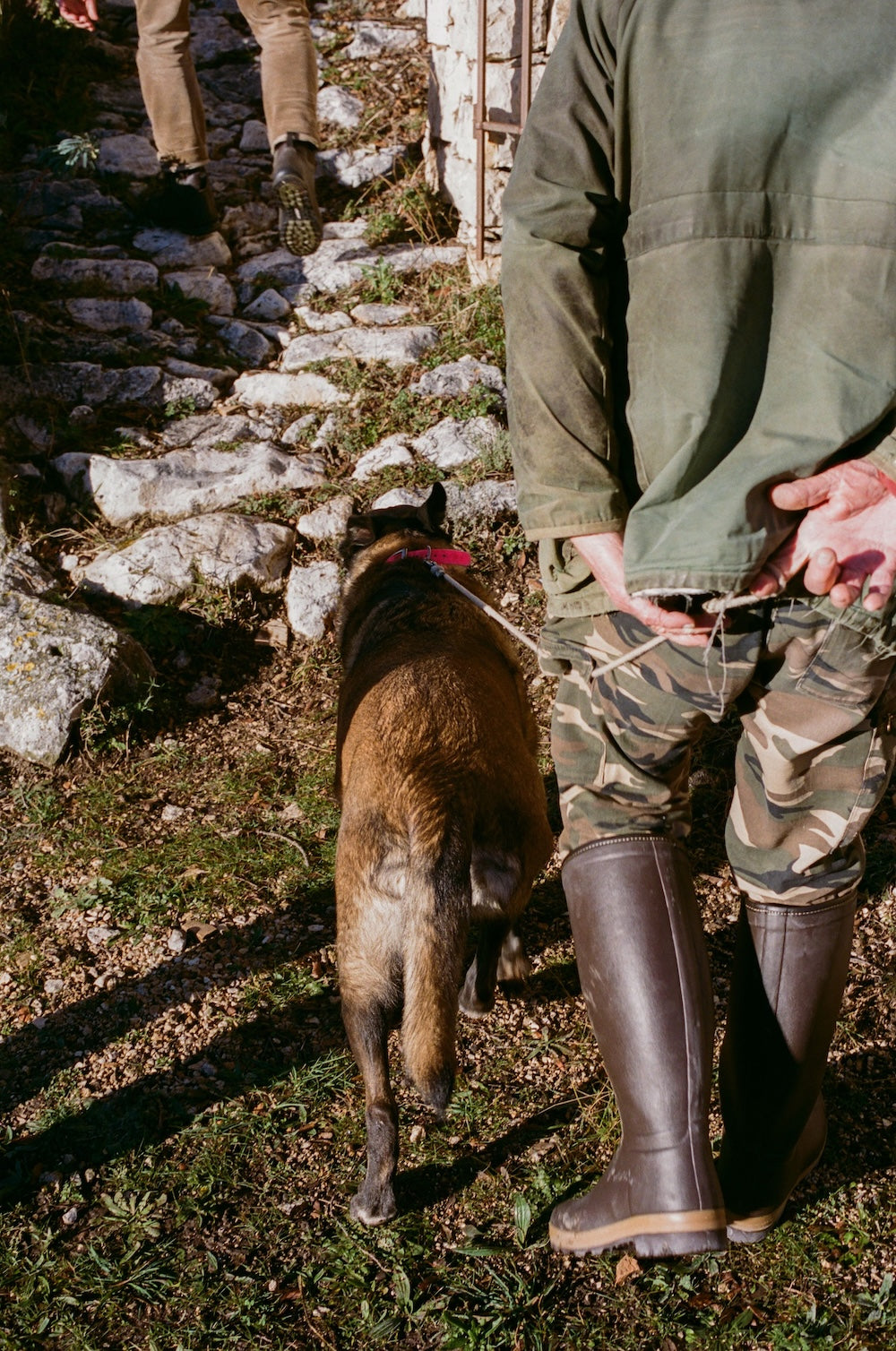
Then, there is the pig. Pigs detect truffles thanks to their highly developed sense of smell, but which is quite difficult to train and control – why wouldn’t they want to eat such delicious produce! And finally, the dog, which is now the most commonly used animal for truffle hunting. Dogs can be trained with great precision, knowing how to detect the exact location of truffles, stop at the right spot and work very efficiently when there are many truffles in a region.
The principle to truffle hunting is simple: when a truffle reaches maturity, it releases its aroma. Thanks to their exceptional sense of smell, dogs can detect that aroma at the surface of the soil, the dog starts to scratch and then it’s up to us to carefully finish the job so as not to damage the truffle. Some truffles can be quite deep, but on average they are found between 20 and 30 centimetres underground. And every time, it’s a unique moment.
There are different varieties and seasons truffles, correct?
Yes. If we’re talking about black truffles (melanosporum), they are available from December to March. At the beginning of the season, truffles are often still quite mild in terms of flavour. December is, of course, a very good time, particularly because of the strong demand linked to the holiday season. But for melanosporum, the best time to harvest and especially to enjoy them is really in the heart of winter in January, February or March. At that point, their flavour is more intense, more powerful and their price is often more attractive as demand is lower.
“It’s not just a product, for some people, it’s a true way of life.”
Why is it important to keep the tradition of truffle hunting alive?
It’s important to preserve this tradition so that all this know-how isn’t lost. Truffle brotherhoods, which exist in many villages in the Vaucluse region, play an essential role in this. Truffles are an integral part of Provençal culture with their rituals, recipes, markets and lively gatherings. It’s not just a product, for some people, it’s a true way of life. And that’s why it’s essential that this tradition continues.
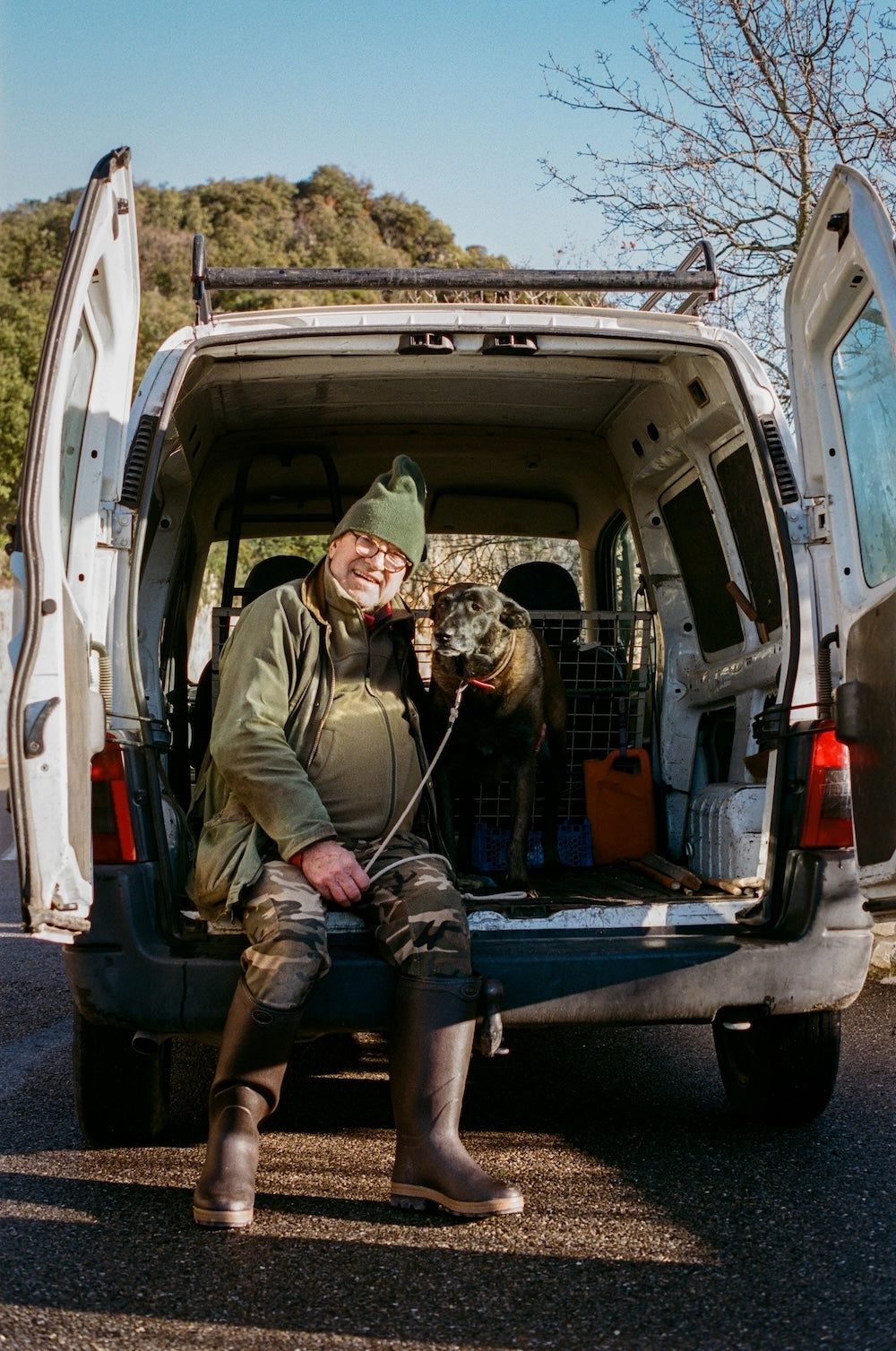
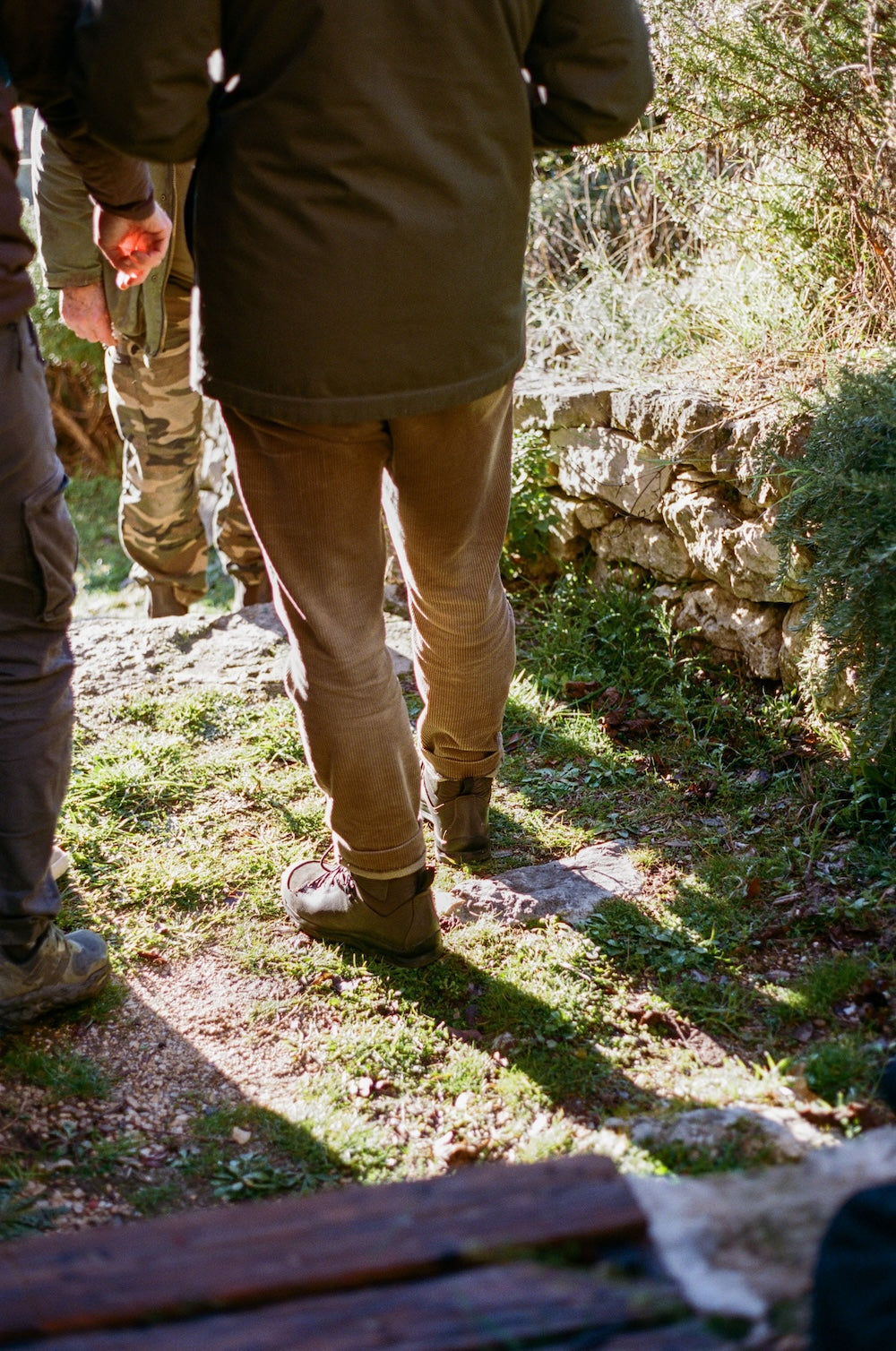
How do your Le Chameau help you hunt?
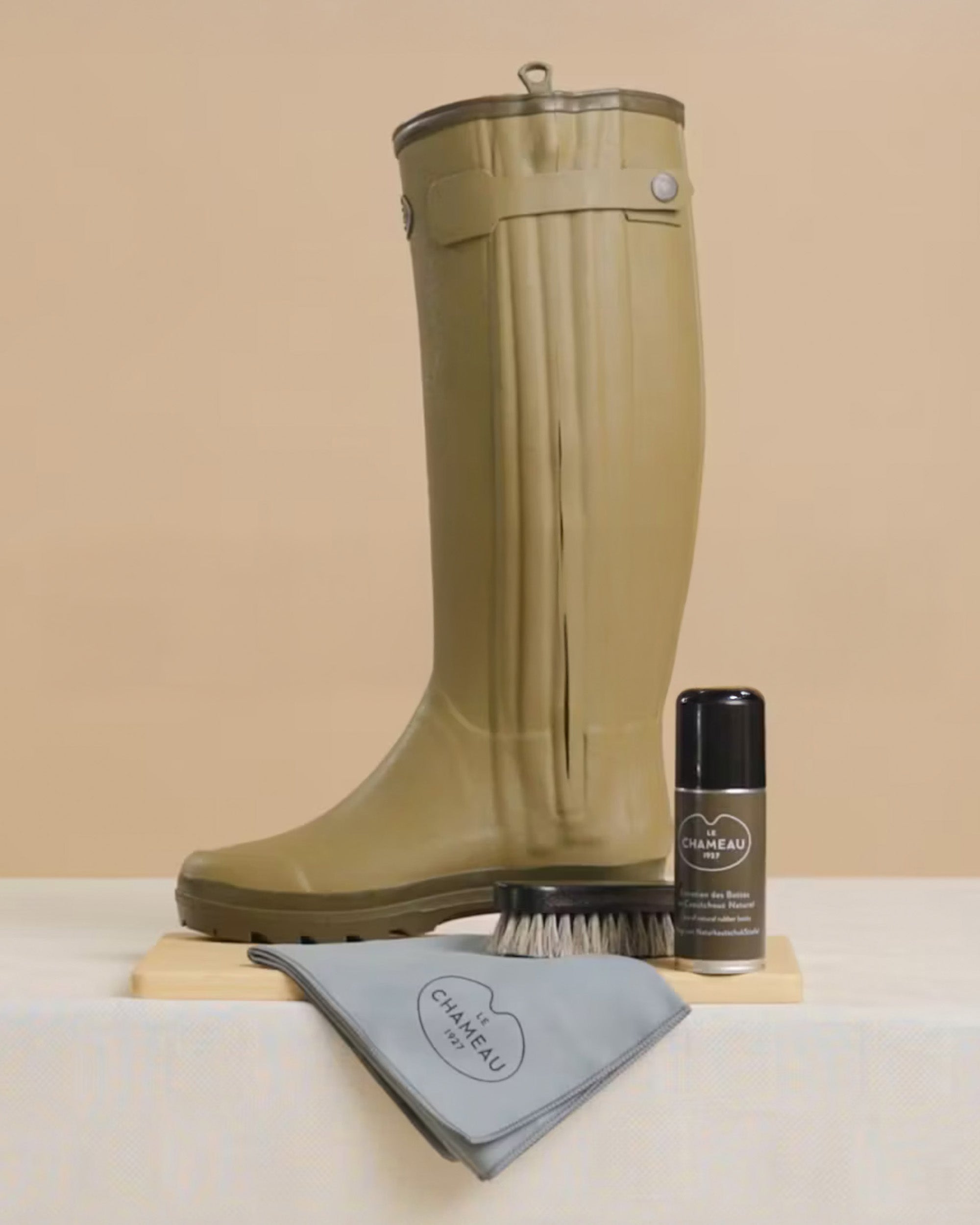
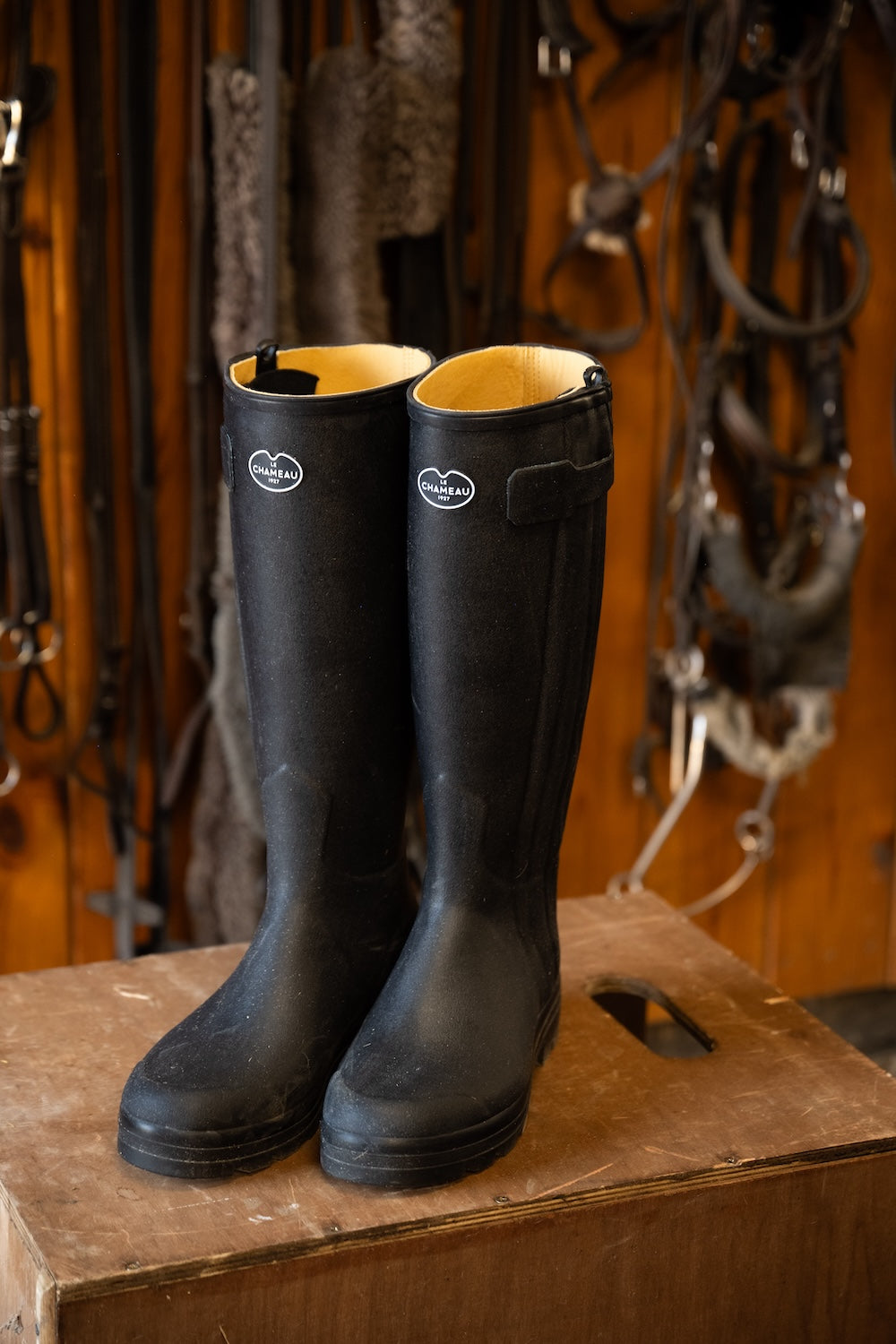
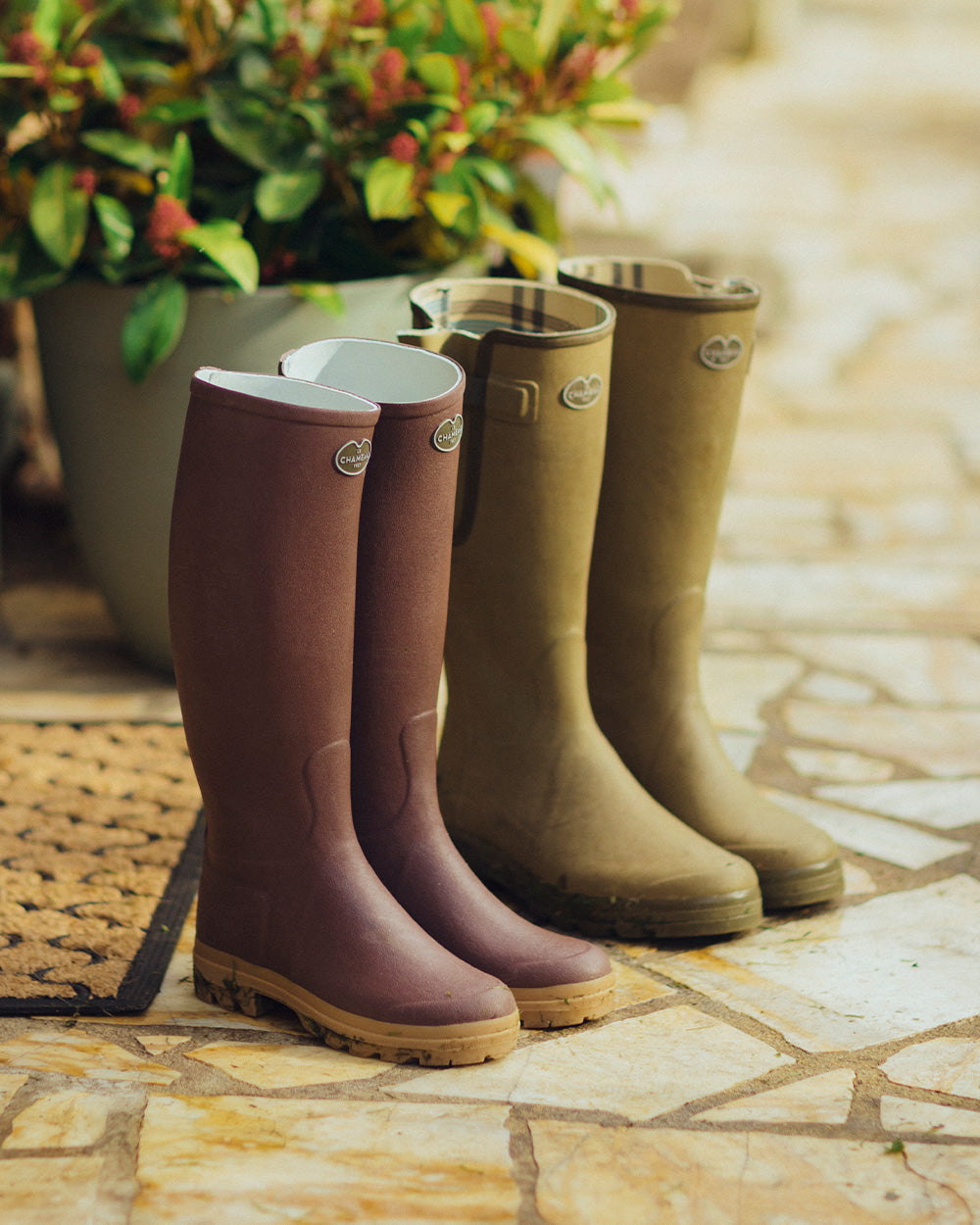
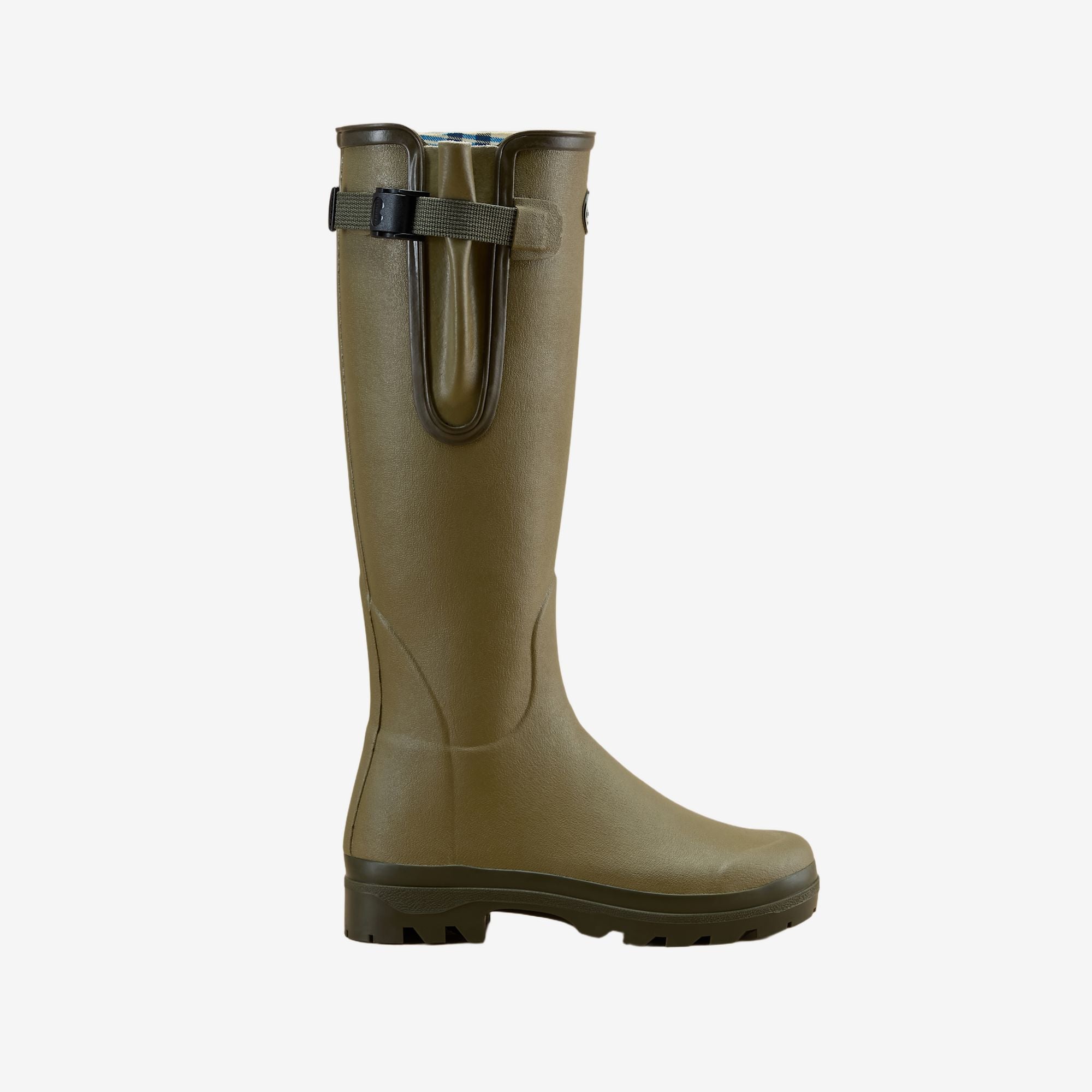
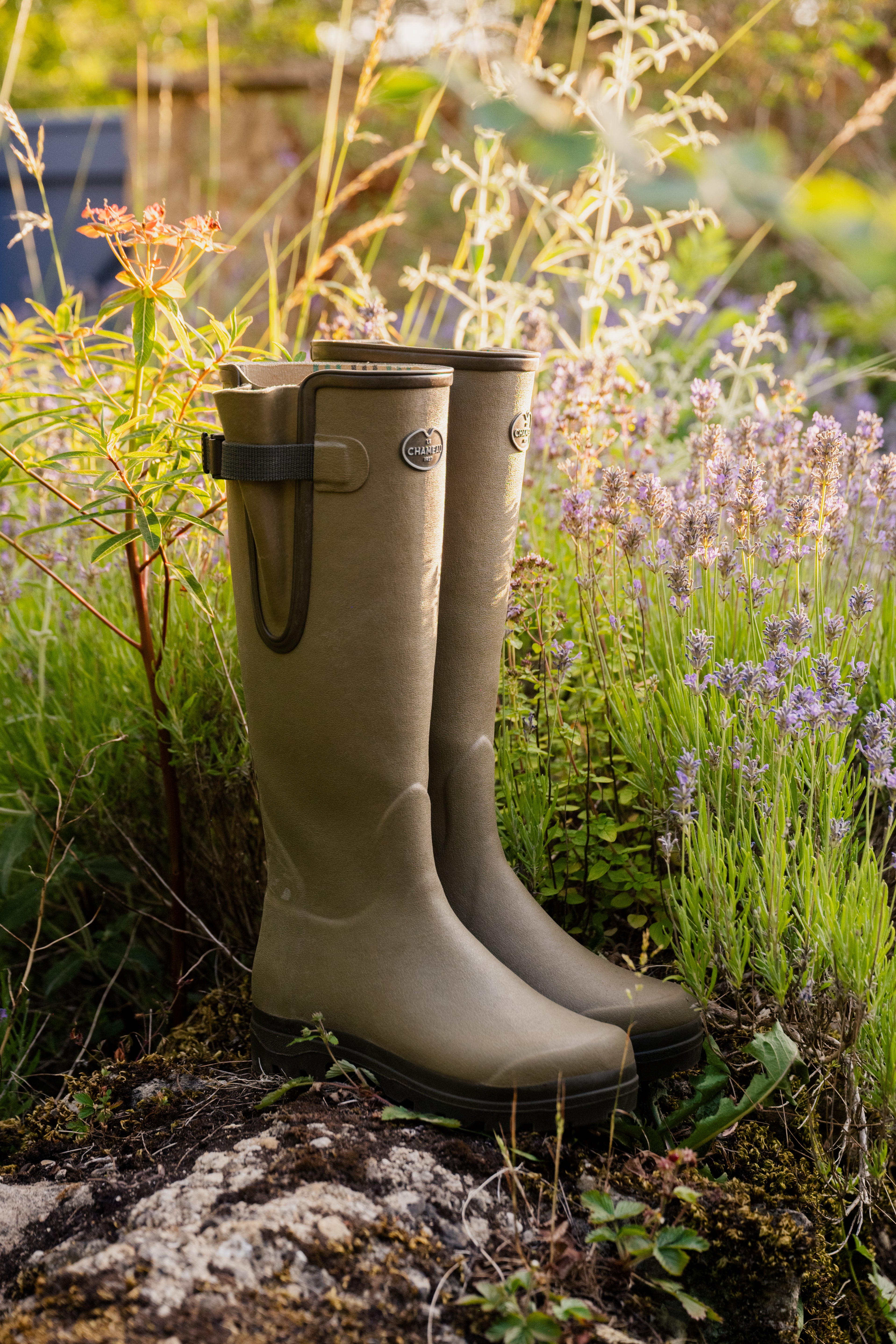
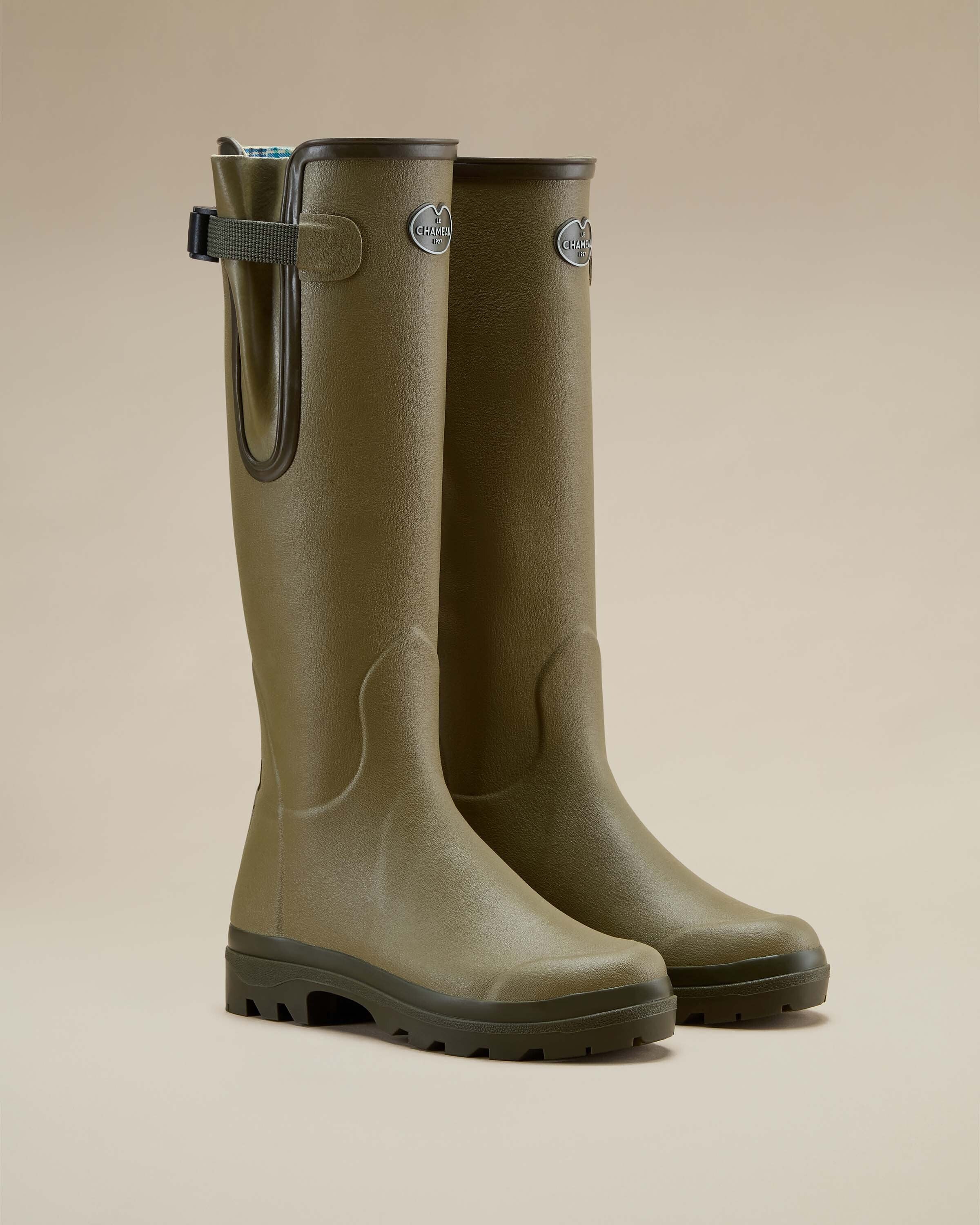
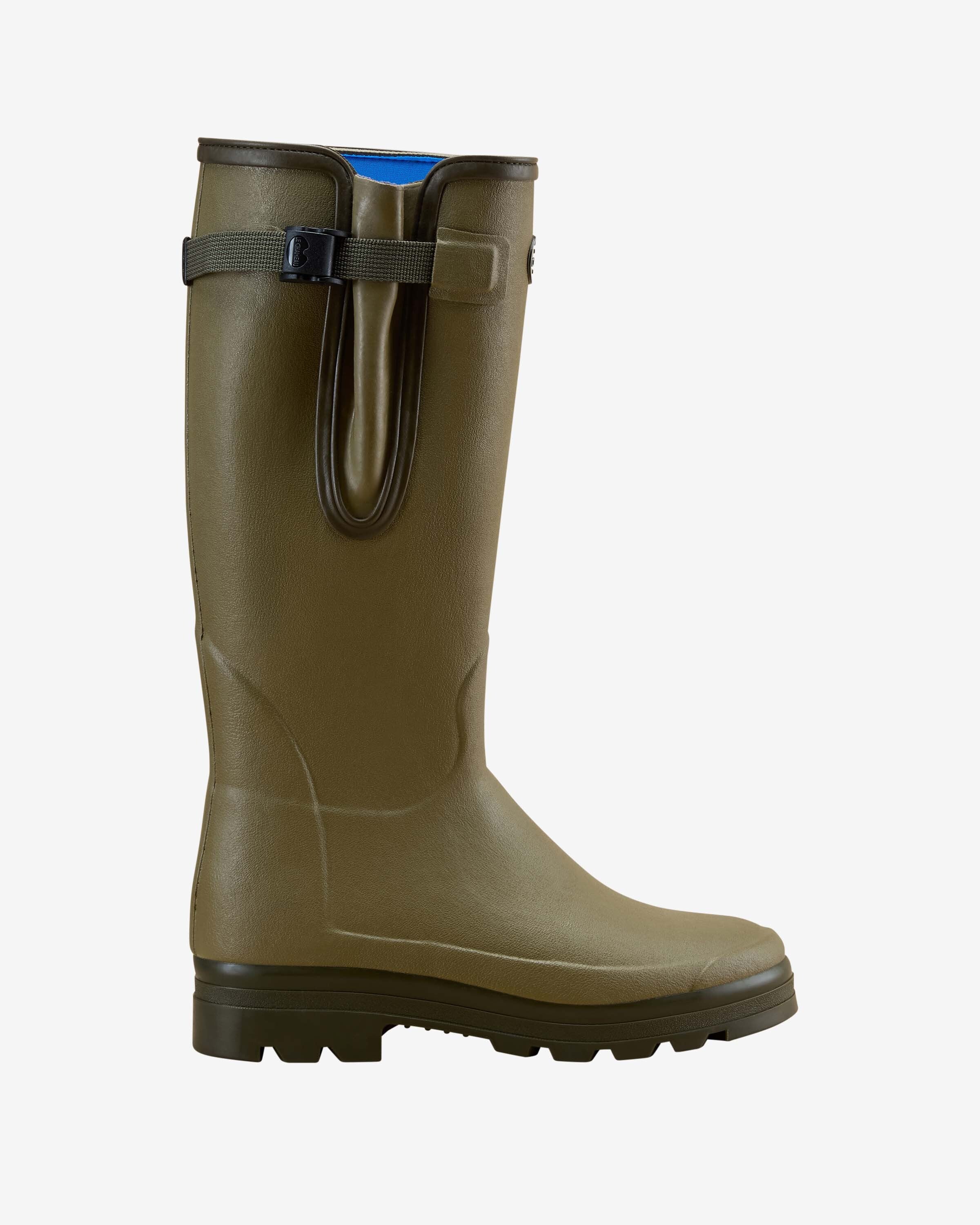
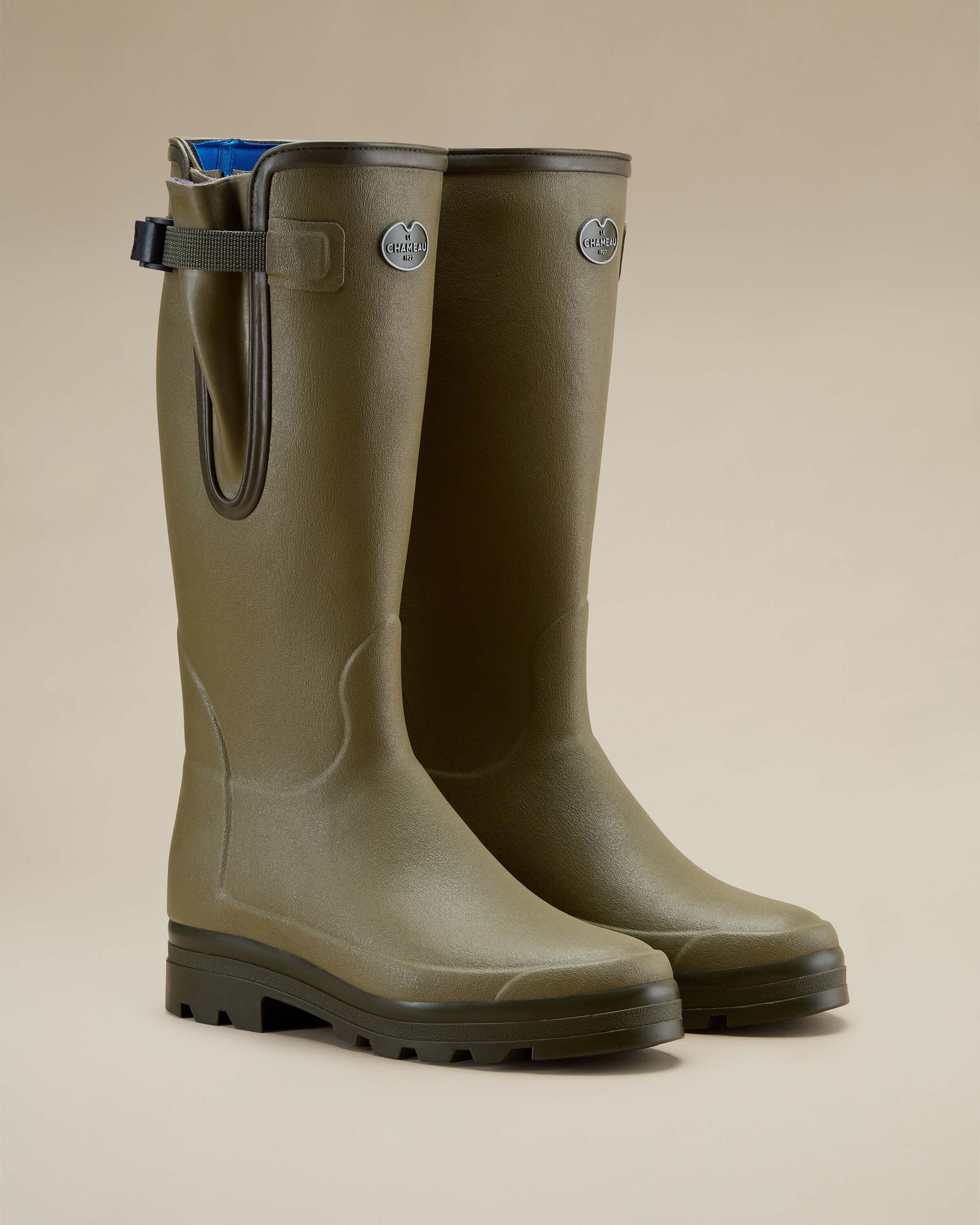
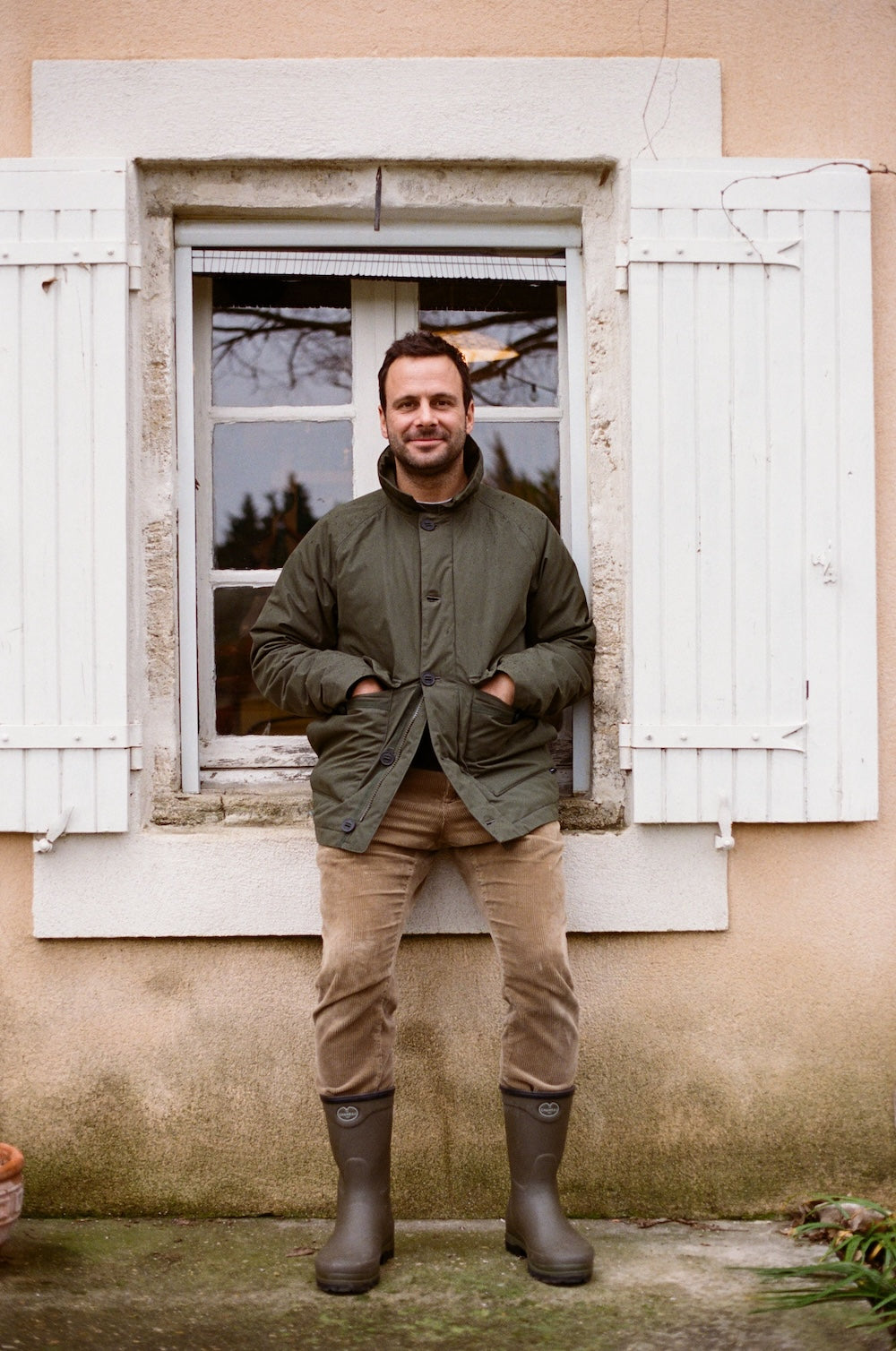
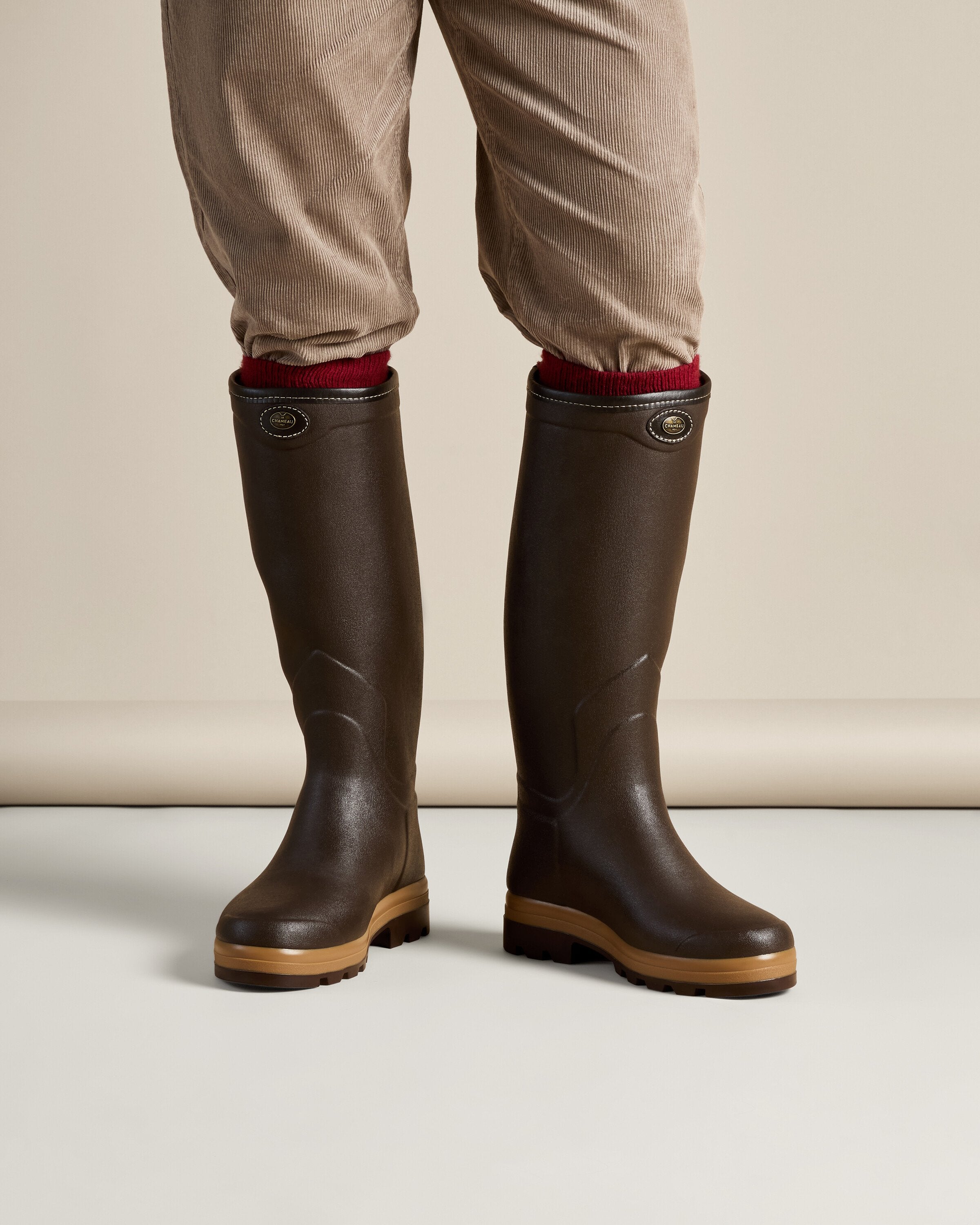
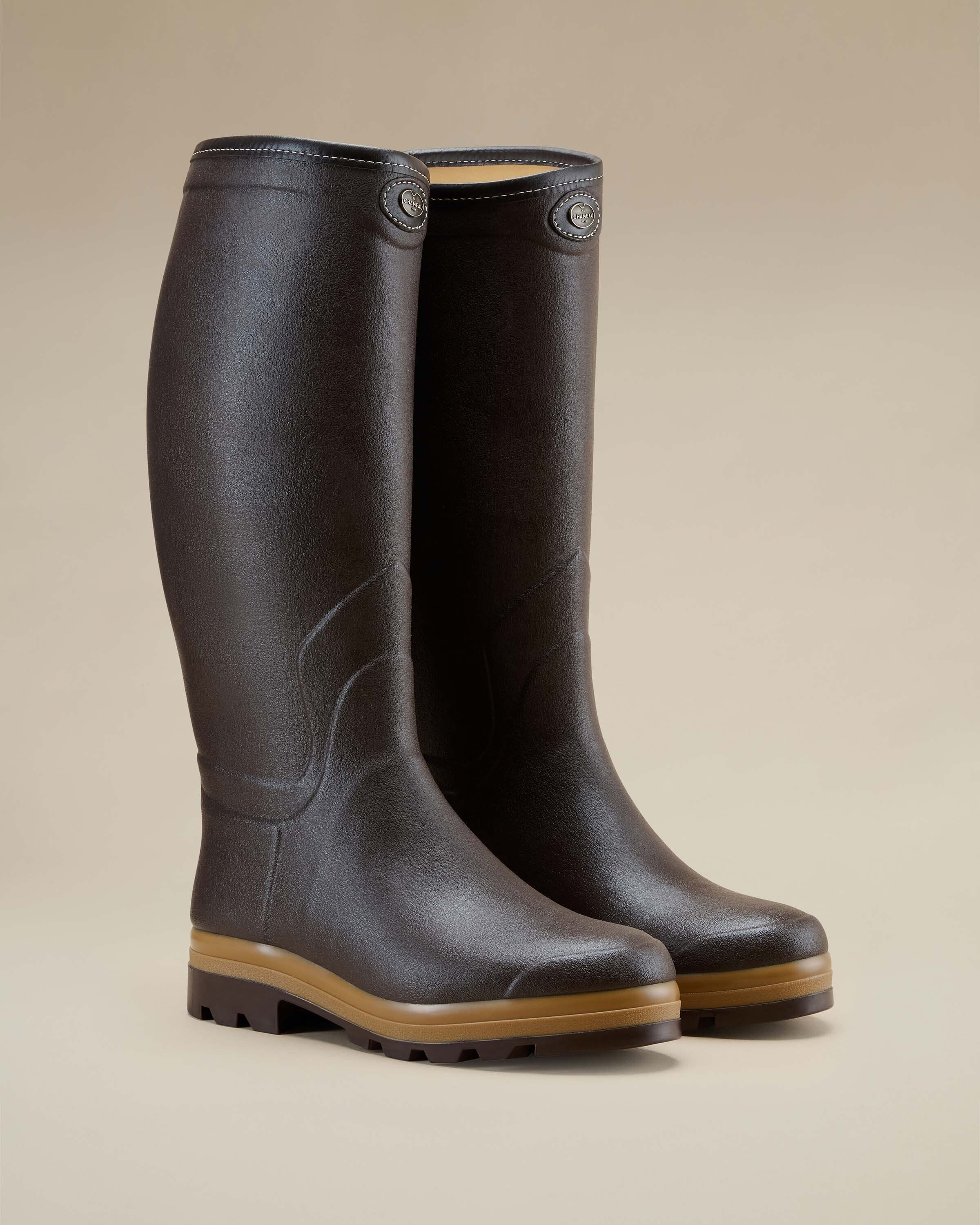
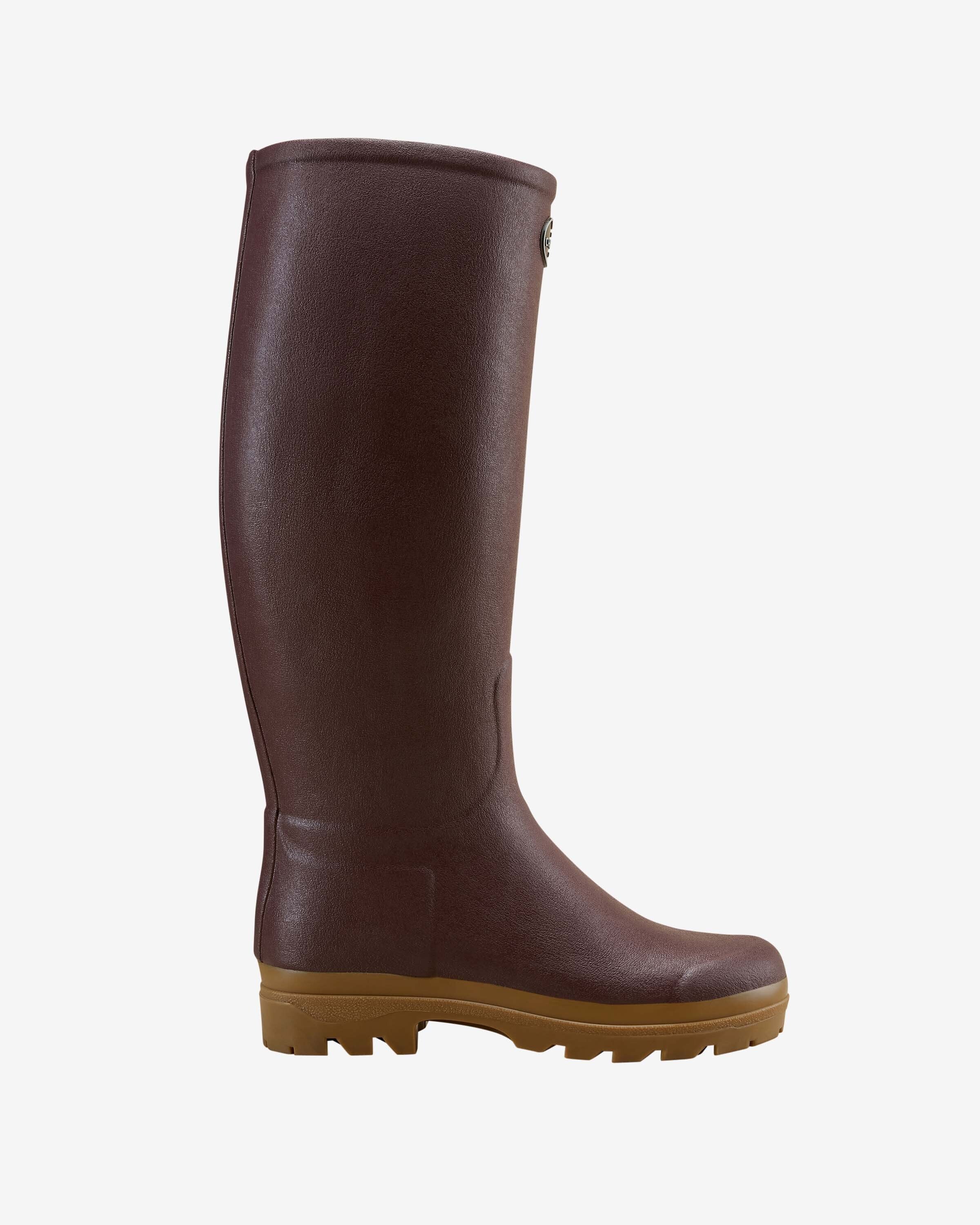
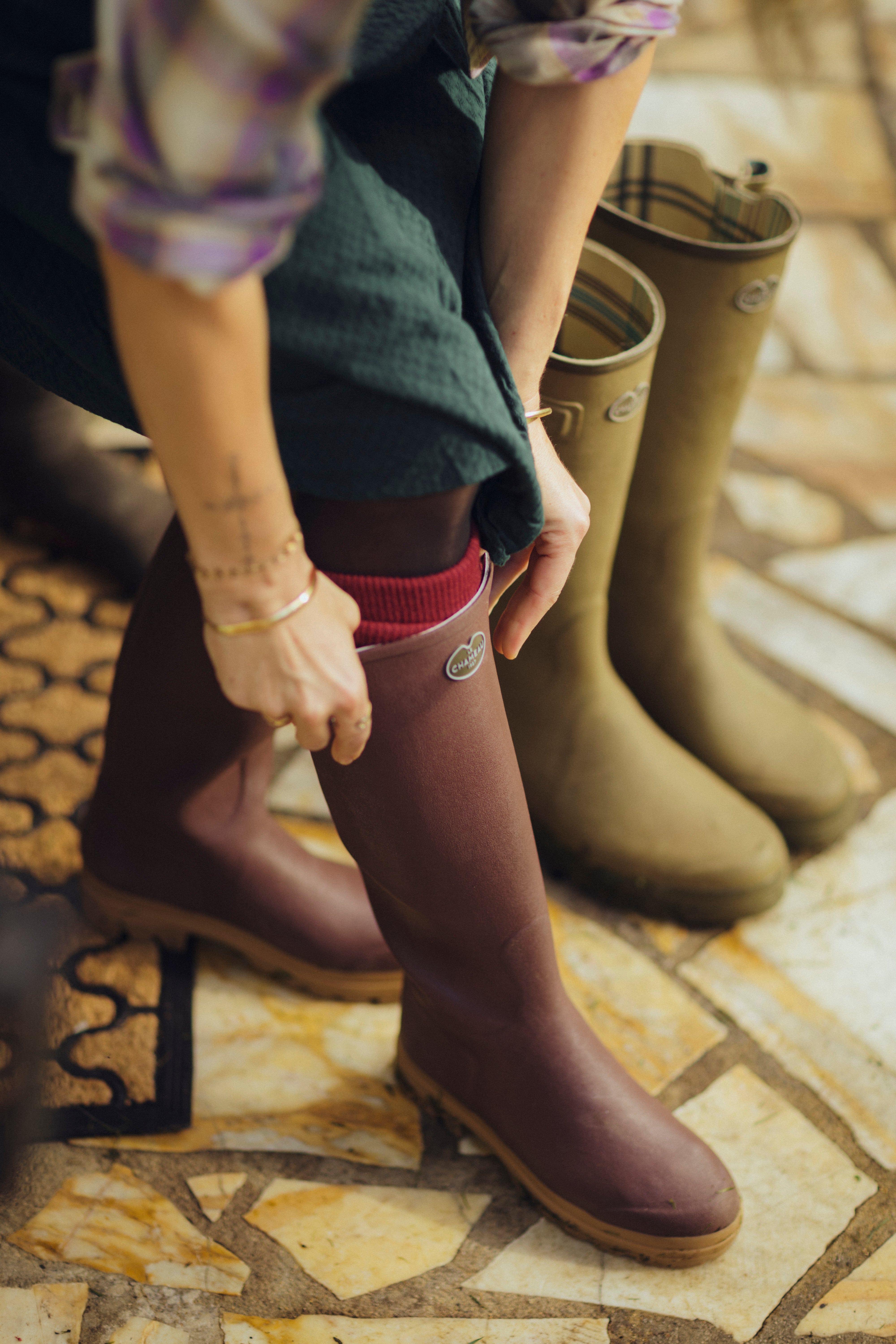
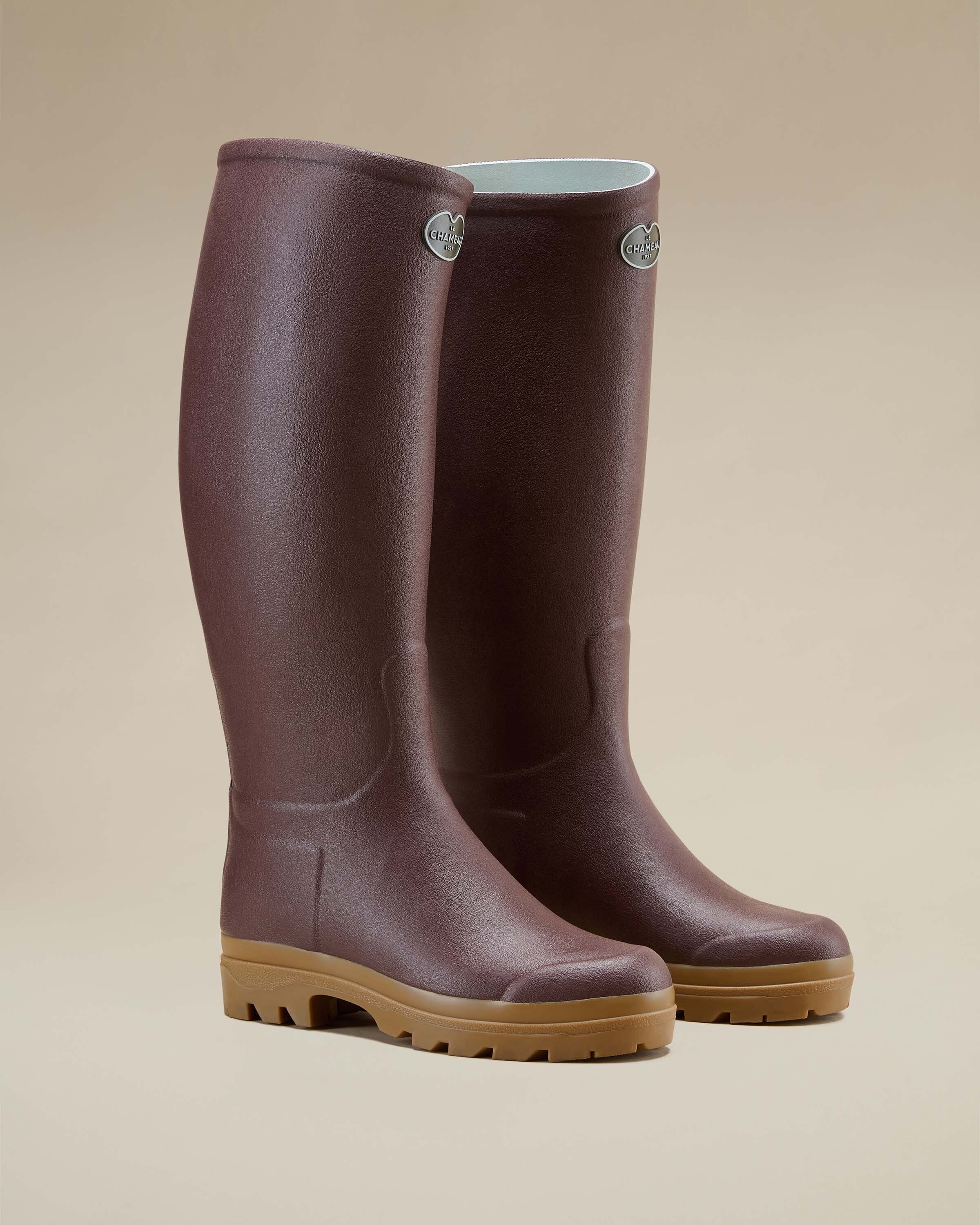
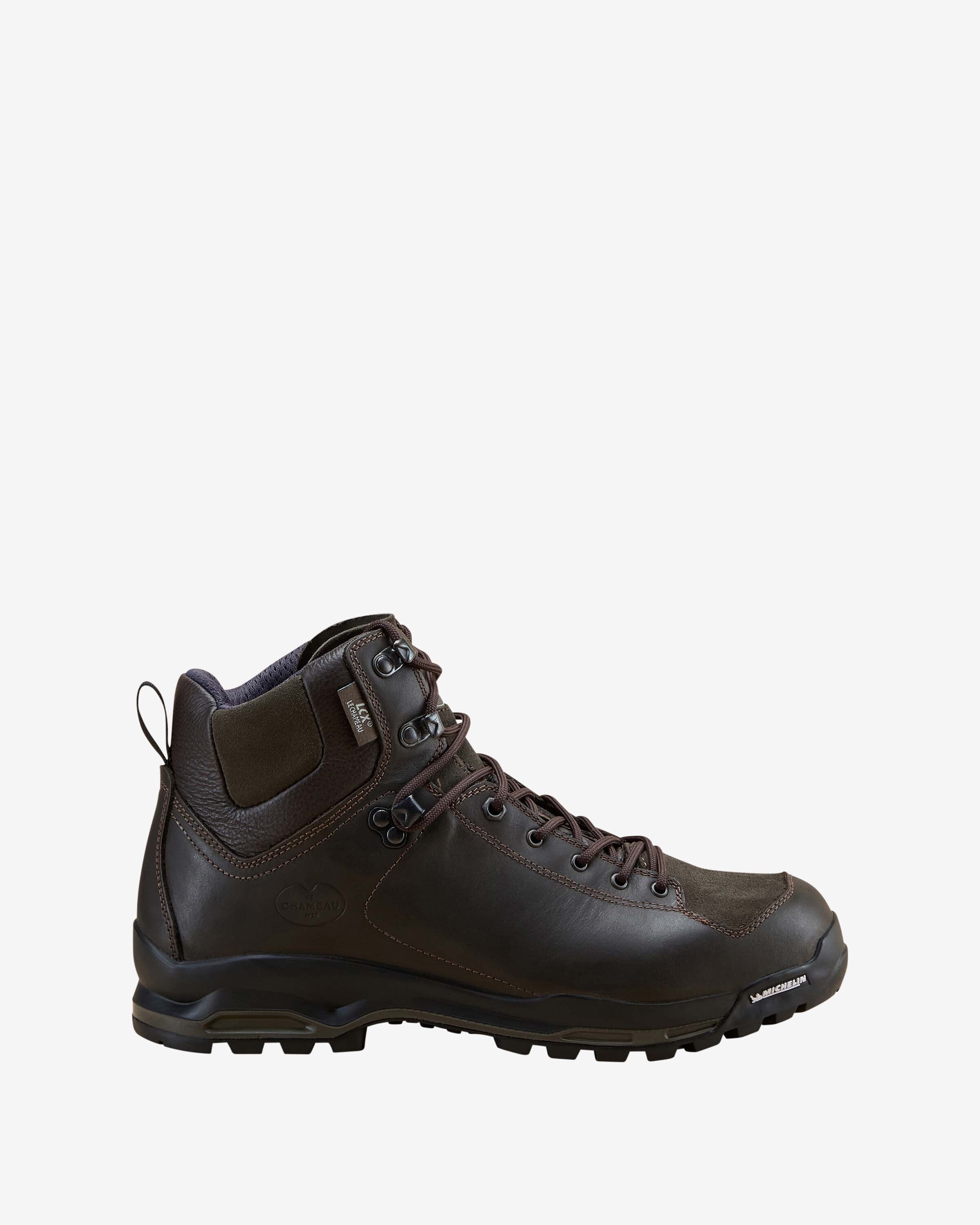
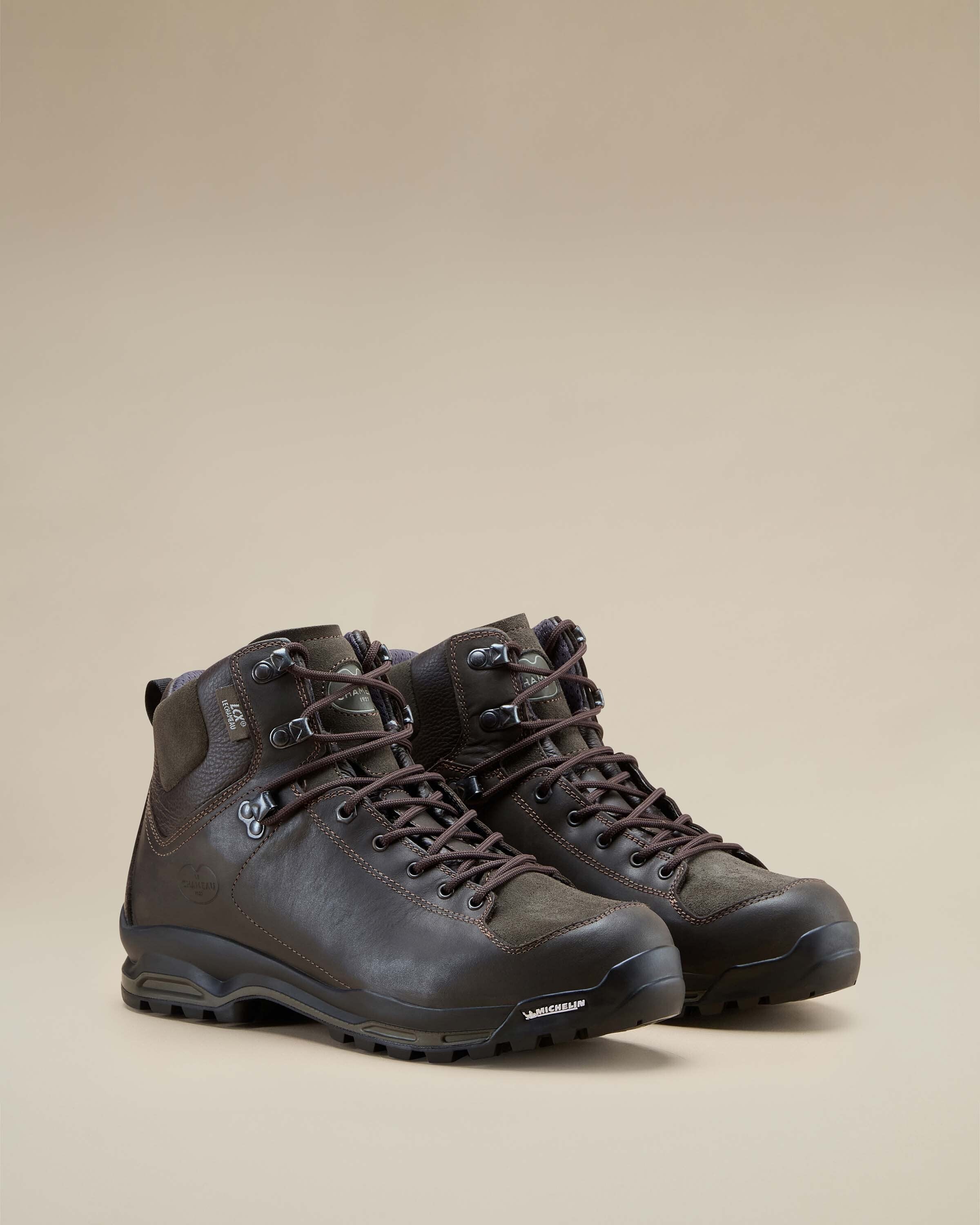
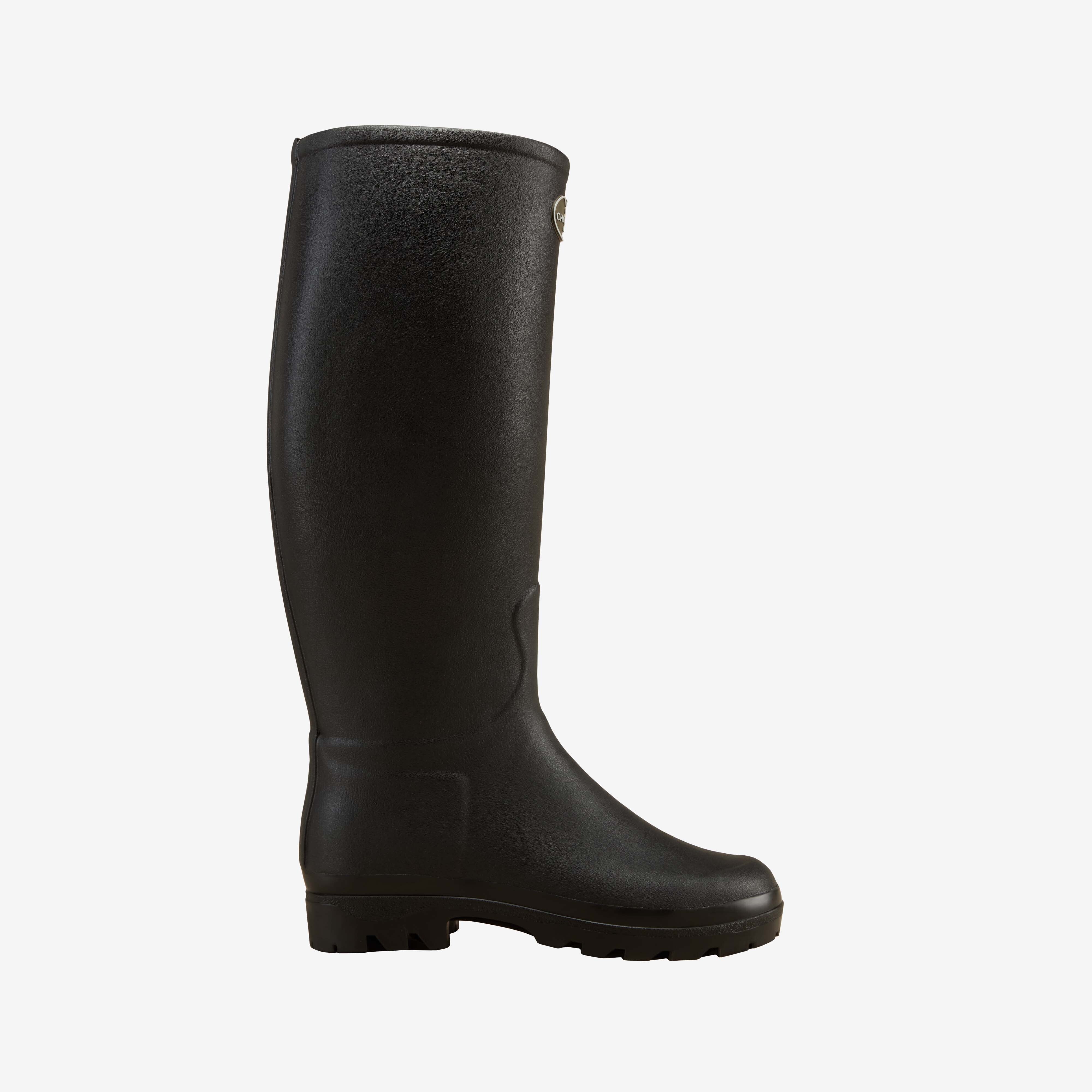
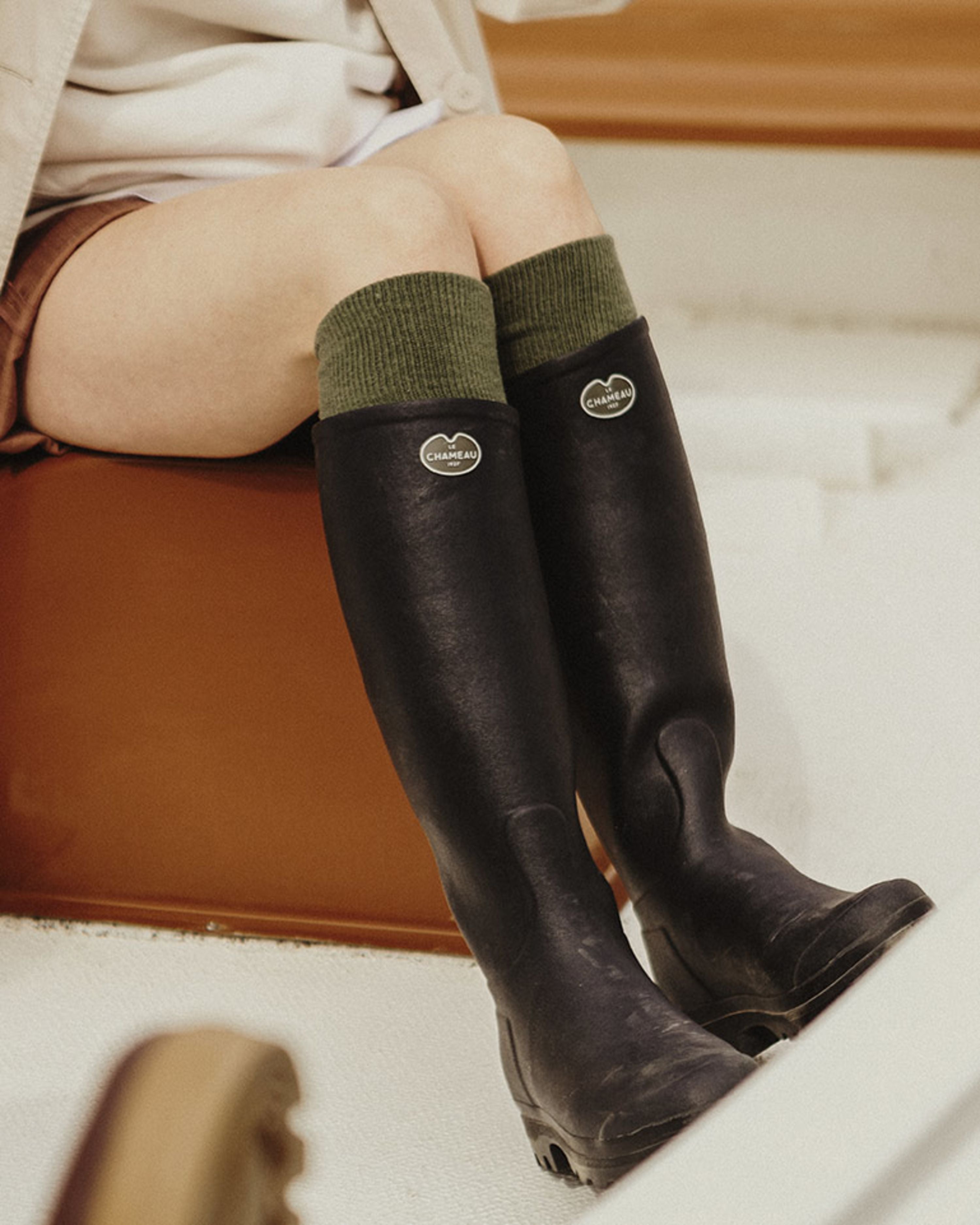
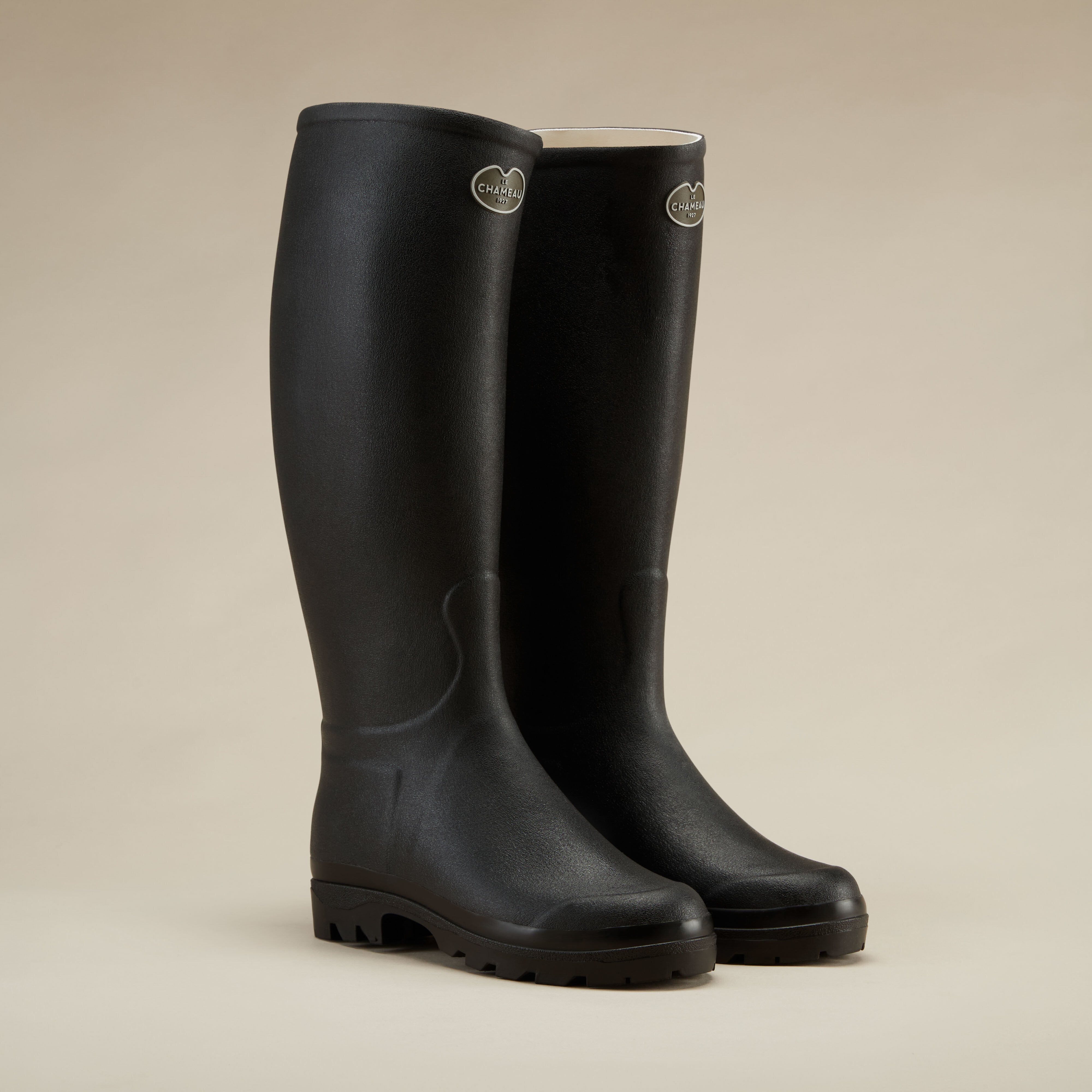
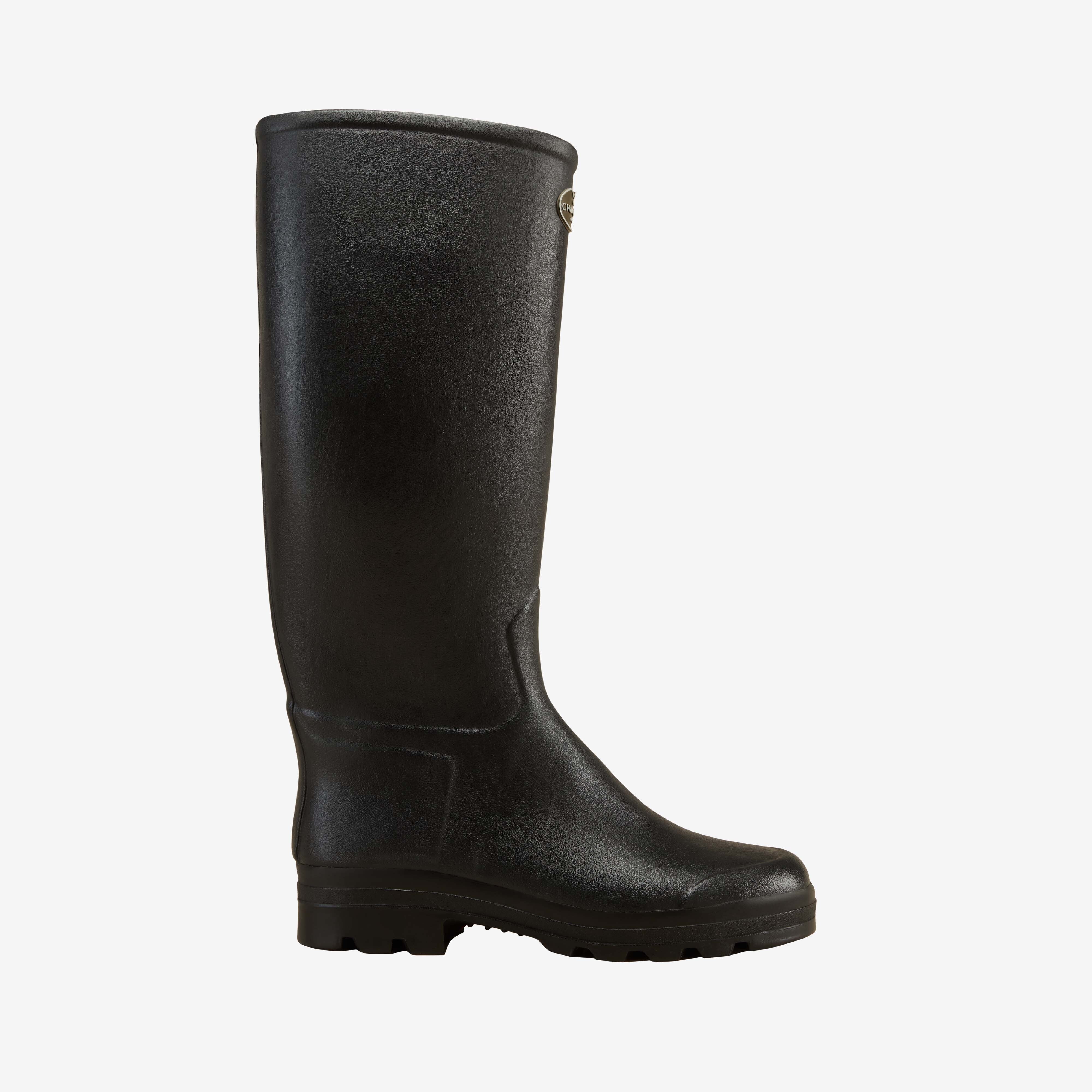
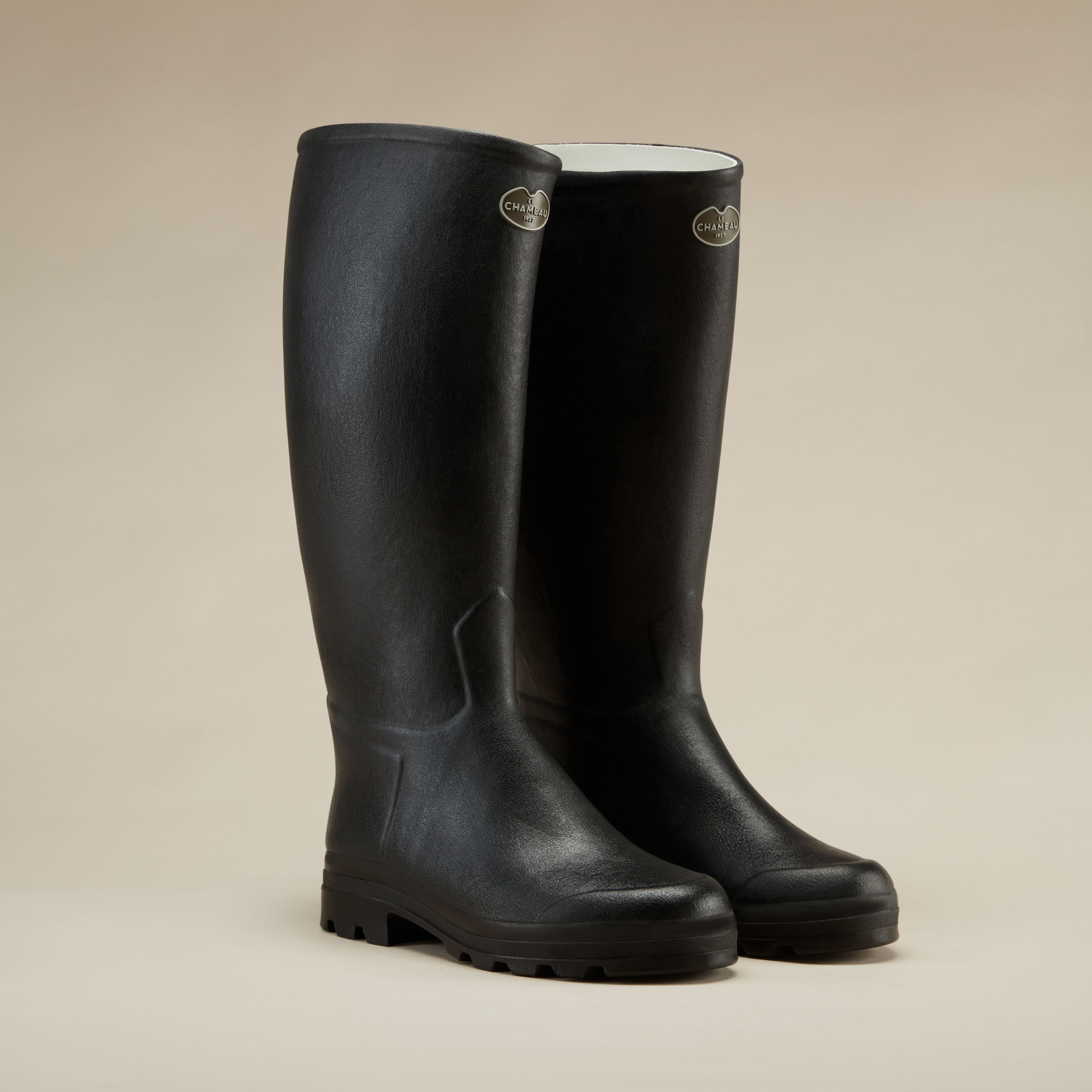
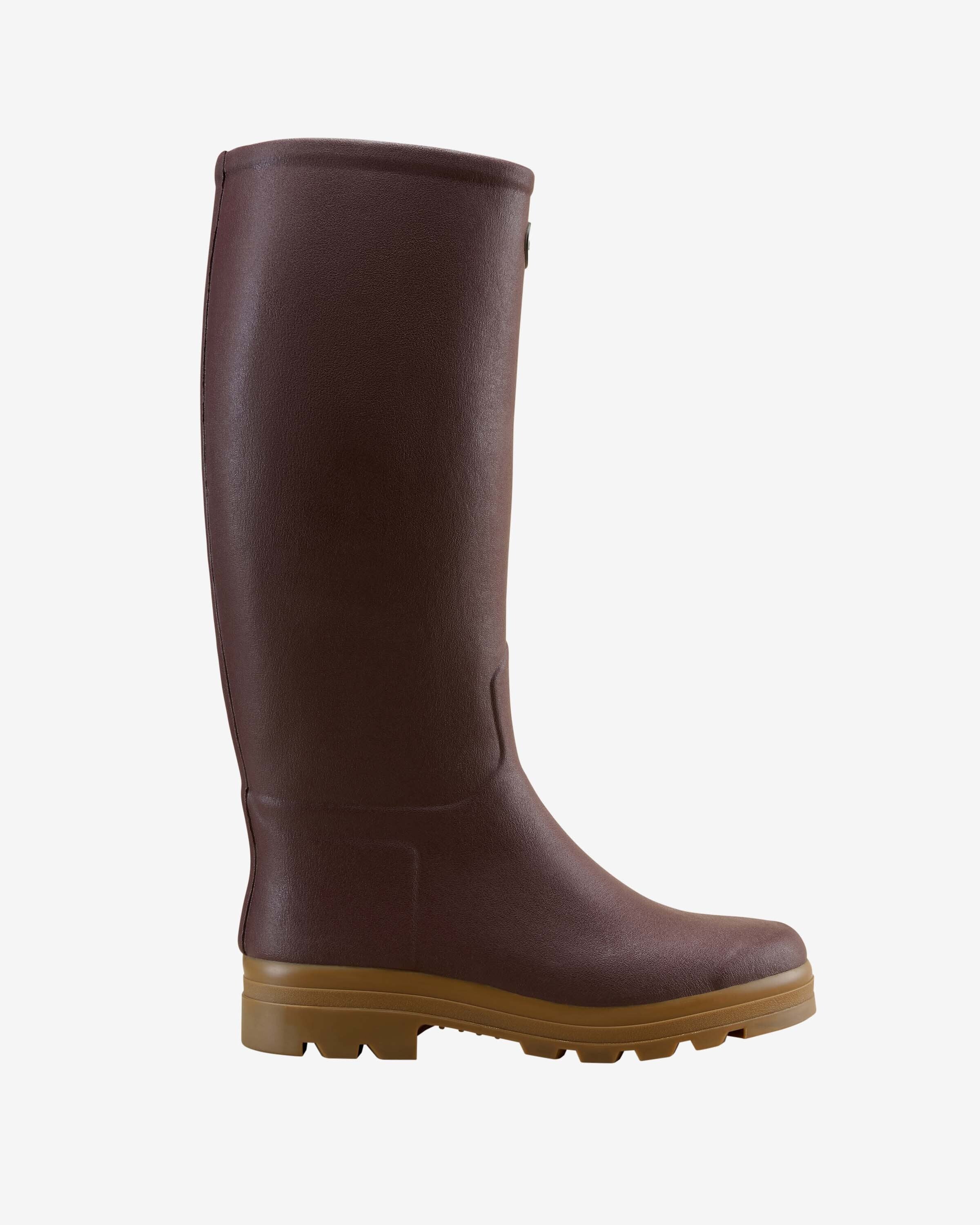
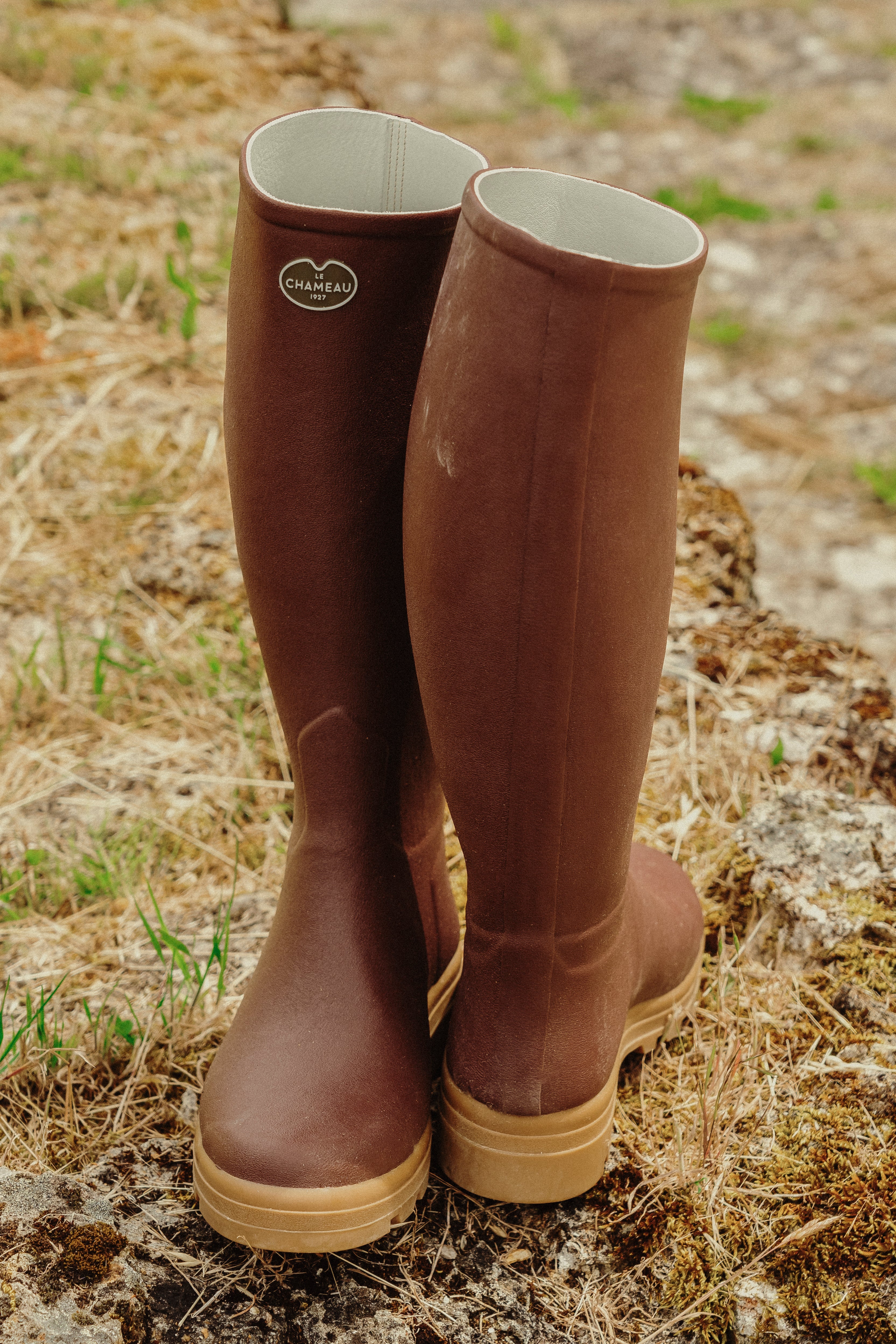
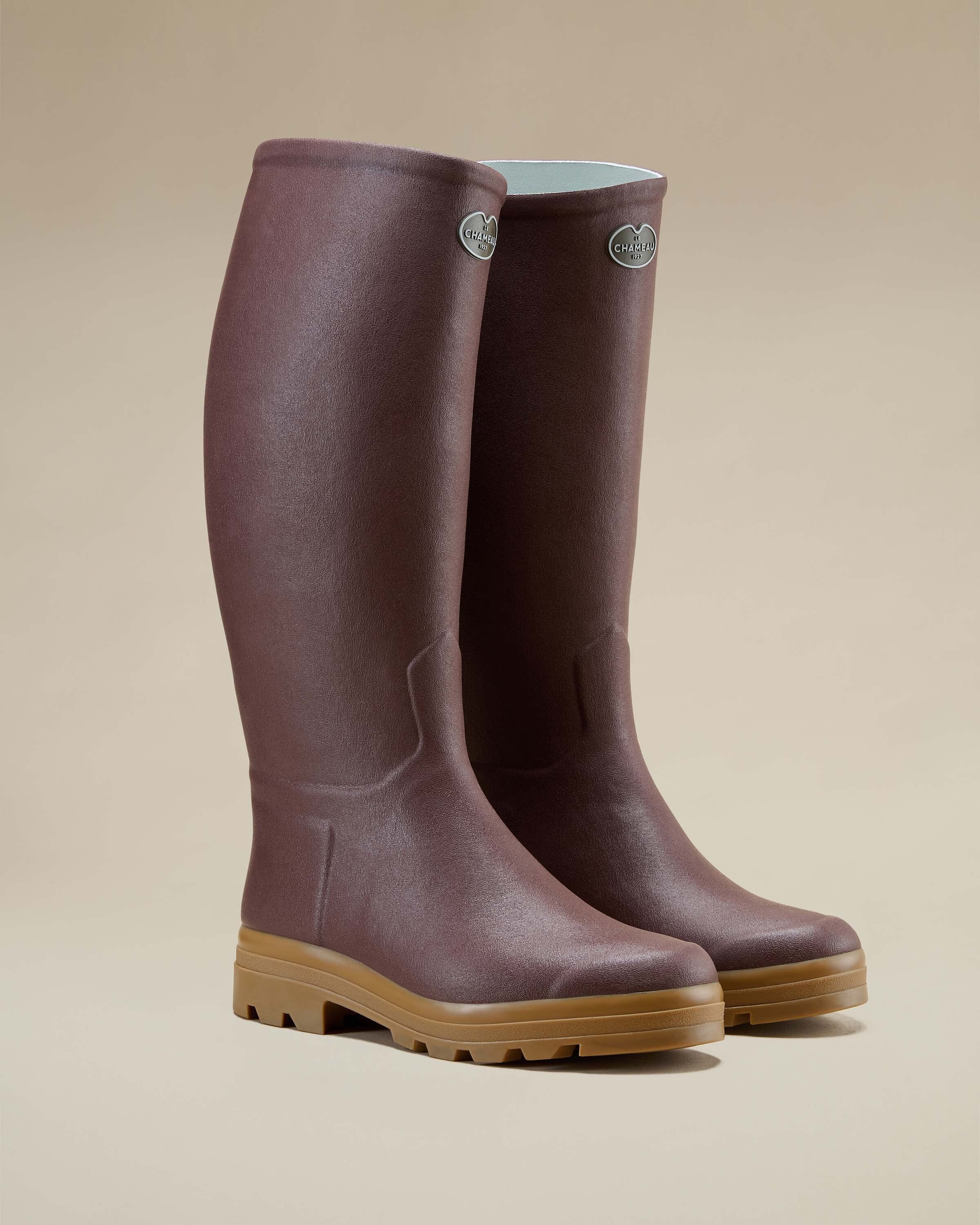
Personally, I prefer wearing Le Chameau Explore. Here, the soil is very limestone-heavy, so it’s rarely muddy. However, it can be extremely cold, and the mistral wind can really chill you to the bone. Most of the time, I wear good pairs of warm socks with my boots. And when necessary, I switch to Wellington boots, of course lined with neoprene, which keep you very warm – both Saint Hubert or Vierzonord are great for the cold weather. The Le Chameau boots are really important, they allow my uncle and me to walk across hillsides and sometimes steep paths. They accompany us on all our truffle hunts.
What would you like people to take away about truffles?
Truffles are not a complicated product. Above all, do not confuse them with truffle flavourings, which are now very widespread, especially in restaurants. Our real goal is to introduce people to what truffles truly are. They’re not a magical product; they’re a subtle one, which needs to be cooked simply to be appreciated at its true value.
Truffles are a living product, and that’s very important to us. Each variety we distribute throughout the year has its own characteristics and ways of being enjoyed. Depending on the season, aromas, intensity and uses change, and there isn’t just one single way to enjoy truffles. Understanding these differences allows people to respect the product. That’s also what we want to pass on: learning, sharing, laughing and tasting with our customers, so they understand what a real truffle is and discover its different seasons.
Do you have a favourite truffle-based recipe?
For me, the simplest recipes are always the best. In any case, the main tip with truffles, whatever the recipe, is to infuse them in the mixture far enough in advance – several hours, or even several days – so the aromas can fully develop, like in olive oil, butter or beaten eggs.
Thomas wears Explore, his uncle, Géo, wears Saint Hubert.
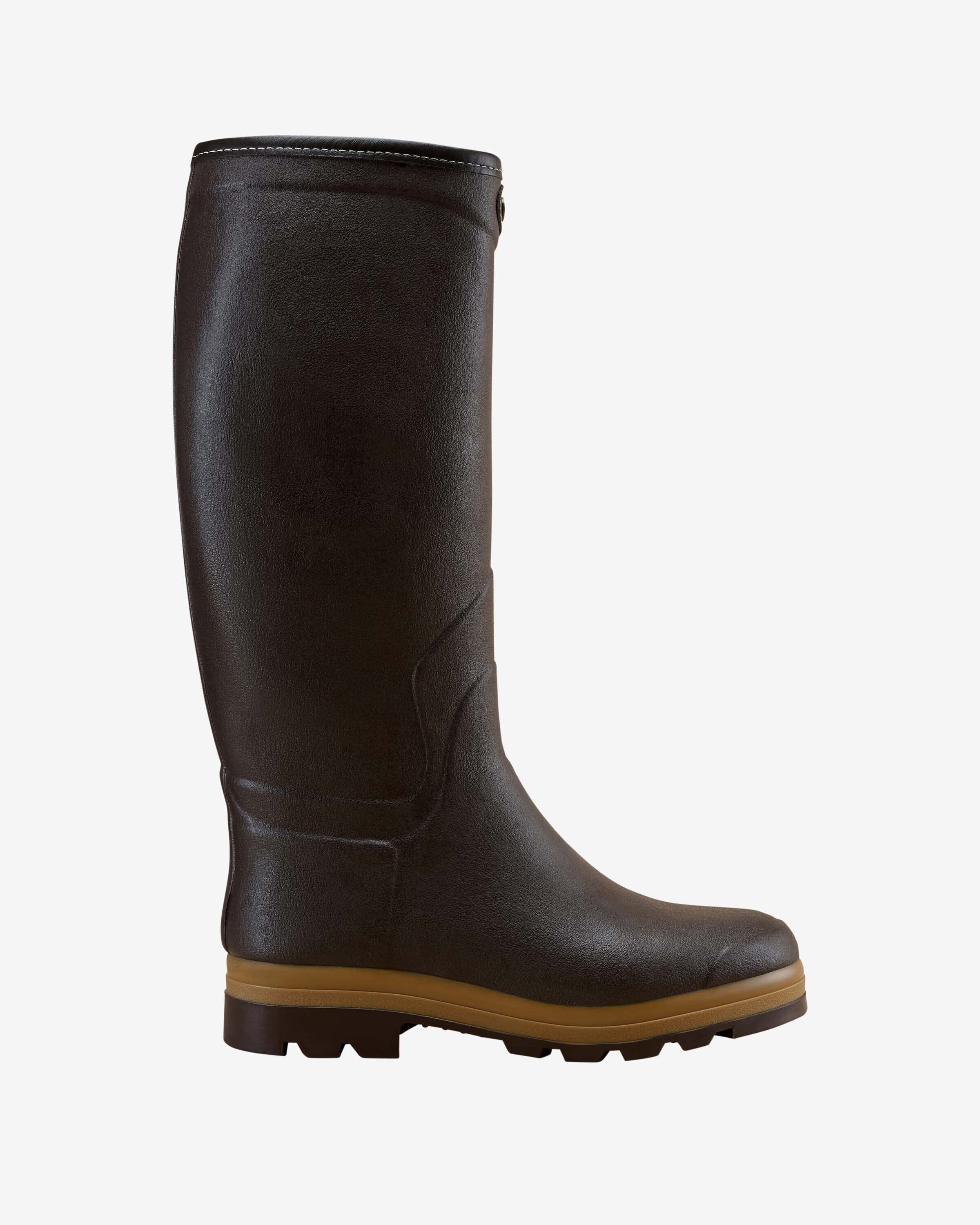
Men's Saint Hubert Heritage Leather Lined Wellington Boot Dark Brown$520Women's Saint Hubert Leather Lined Wellington Boot Chameau Explore 7'' Bronze Green$400Women's Saint Hubert Leather Lined Wellington Boot Men's Saint Hubert Leather Lined Wellington Boot Men's Saint Hubert Leather Lined Wellington Boot

 The Inspiration to Illustrate with Polly FernRead post
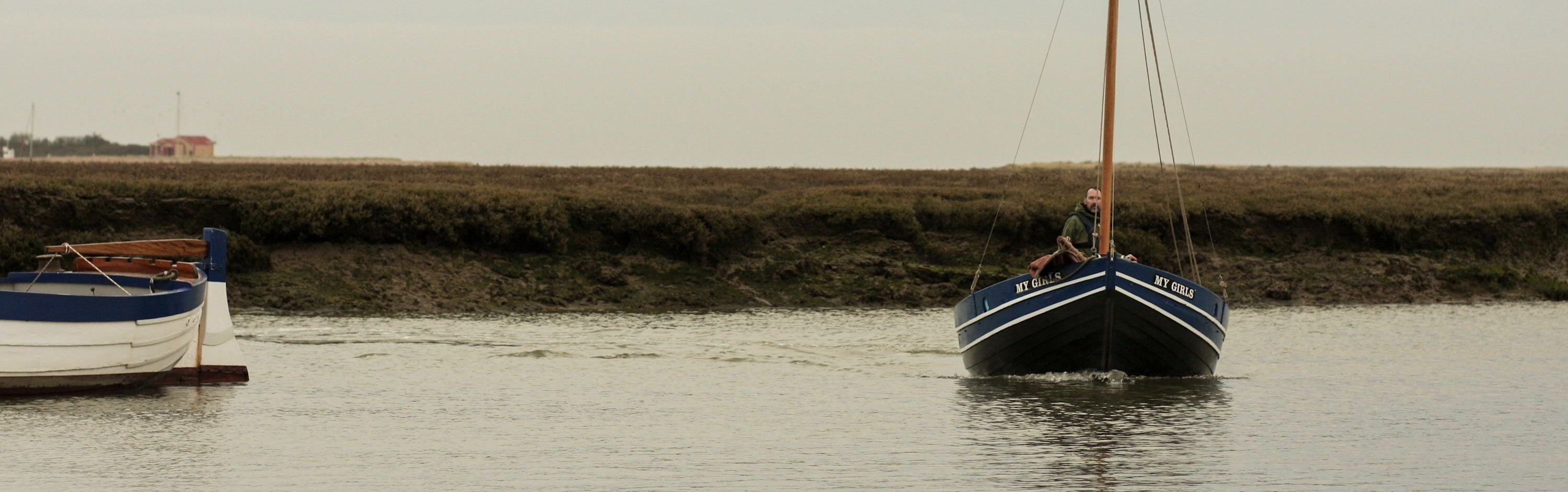 Set Sail this Summer: Mastering the WaterRead post
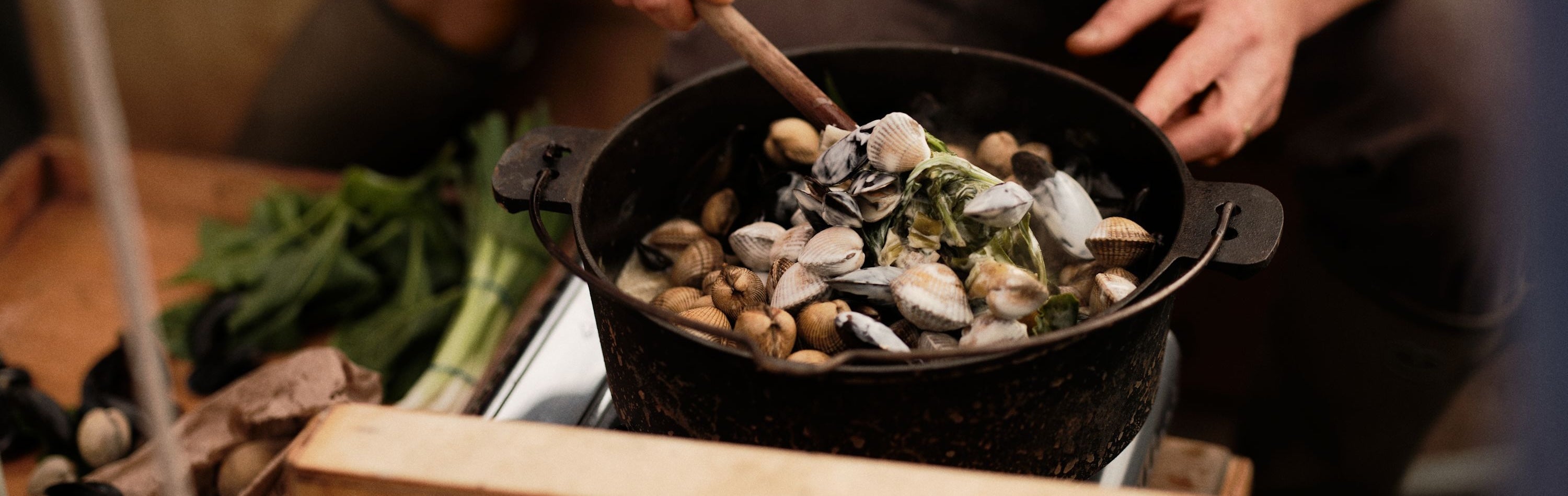 Summer Recipes by Gill MellerRead post
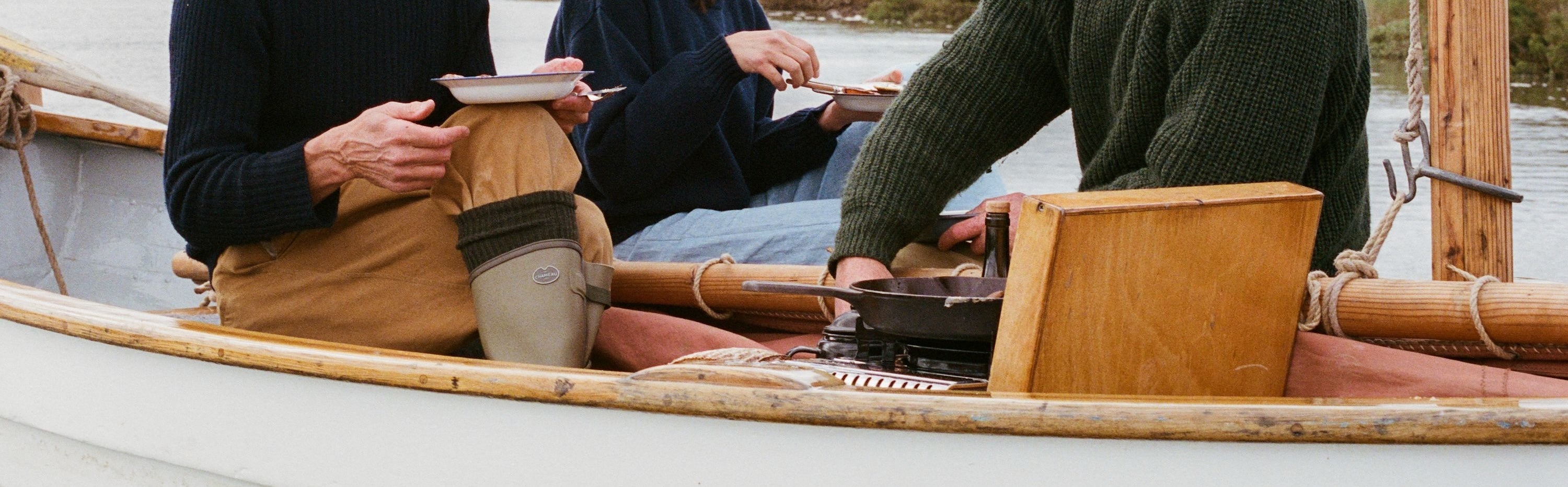 Wild Cooking with Gill MellerRead post
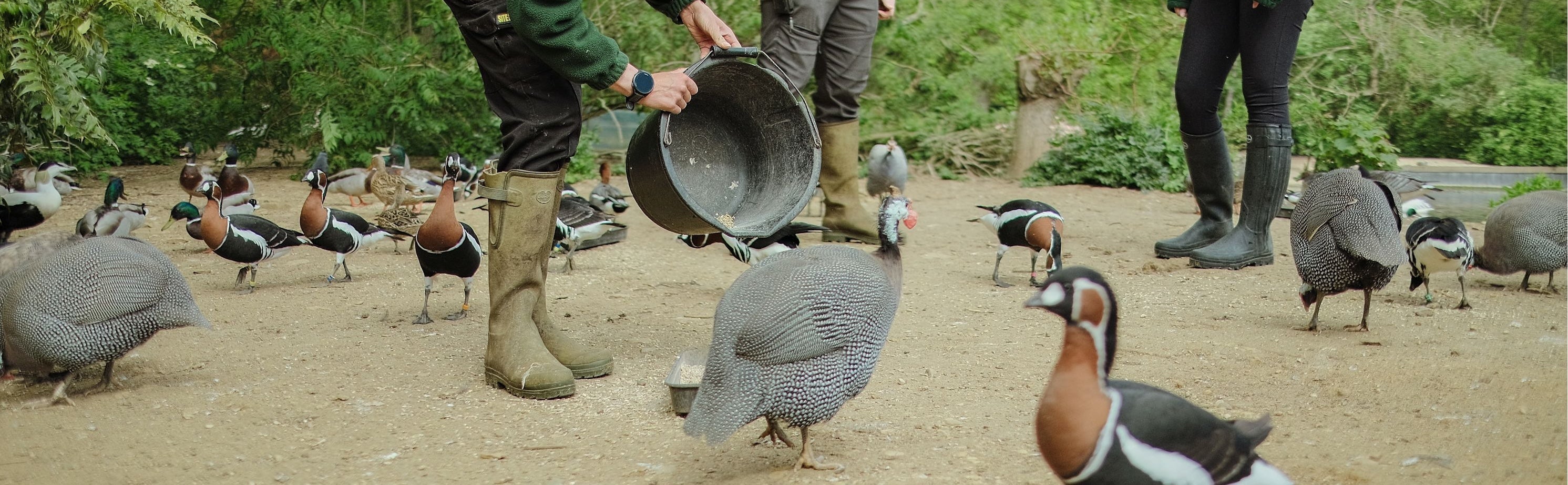 Conservation in Le Chameau: Cotswold Wildlife Park and GardensRead post
 The Bond Between Horse and Rider: Tom McEwenRead post
 Guirec Soudée: Interview on His Record CircumnavigationRead post
 LC Recommends: A Visit to the Kingdom of FifeRead post
