





 Springtime: Forage Wild Garlic this Equinox

Spring after winter is indeed infinitely healing; the vivid shows of blossom, delicate droplets of hazel catkins in the hedgerows and brighter, warmer evenings that restores the energy after a lengthy winter.
For many, the true start of the year is the Spring Equinox–landing between 19th and 21st March each year–this year falling on Friday 20th March. The Equinox– meaning ‘equal night’ – marks when the day’s light and night is equal in duration, the moment that signals the start of regeneration in nature and in spirit.
At this time of year, across the land, farmers are busy planting crops for the year ahead or tending to their newborn lambs and calves, the game and wildfowl shooting season is drawing to its end, and for the gardener, it’s time to think which seeds are to be sown in the spring months ahead. For those of you who enjoy in foraging wild foods, this spring season delights in the new growth of nettles, dandelions, gorse, hawthorn, and of course, wild garlic.
We know our community revel in foraging for wild garlic in the spring months, making all manner of products from wild garlic oils and vinegars to pesto and purees. The scent of wild garlic wafting through a woodland is the true sign of spring.
“There is something infinitely healing in the repeated refrains of nature - the assurance that dawn comes after night, and spring after winter.”
Rachel Carson, Silent Spring


How to forage wild garlic this spring
To get you started this spring, here’s a guide on how to forage wild garlic and a quick pesto recipe using the leaves:
1. First, find a suitable location, asking permission of the land owner if needed, to forage wild garlic. To help you locate wild garlic, the plants prefer to grow in a dappled-lit woodland and often near water like a stream or river.
2. Once located, it’s helpful to note that wild garlic grows in bunches of leaves. Forage 1-2 leaves from each wild garlic bunch to avoid over picking and so the plant can regenerate later in the season.
3. To forage the leaf, make a cut at the bottom of the leaf or stem to remove –the stems are also edible and brilliant finely chopped in salads or pesto.This leaves the bulb in the ground for next year’s growth.
4. Wash and dry the leaves once you have foraged them. The wild garlic season starts around February to April-May depending on your location.


A quick wild garlic leaf pesto
Ingredients
10-12 wild garlic leaves, washed and finely chopped
150ml olive oil
8-10 cashew nuts, finely chopped
4-6 walnut nuts, finely chopped
60g any hard cheese, grated
Good pinch of sea salt
Method
Place all the ingredients in a blender. It’s good to have a rough blend with this pesto. Add a little extra olive oil and salt if needed to loosen and season the mixture. Use within days of making the pesto.
Hints and tips
We enjoy this pesto stirred through pasta or for a super spring addition, rub on a roasted lamb shoulder.
During the latter part of the wild garlic season, the fragrant white flowers make a beautiful and flavourful addition to any salad or savoury dish this spring.
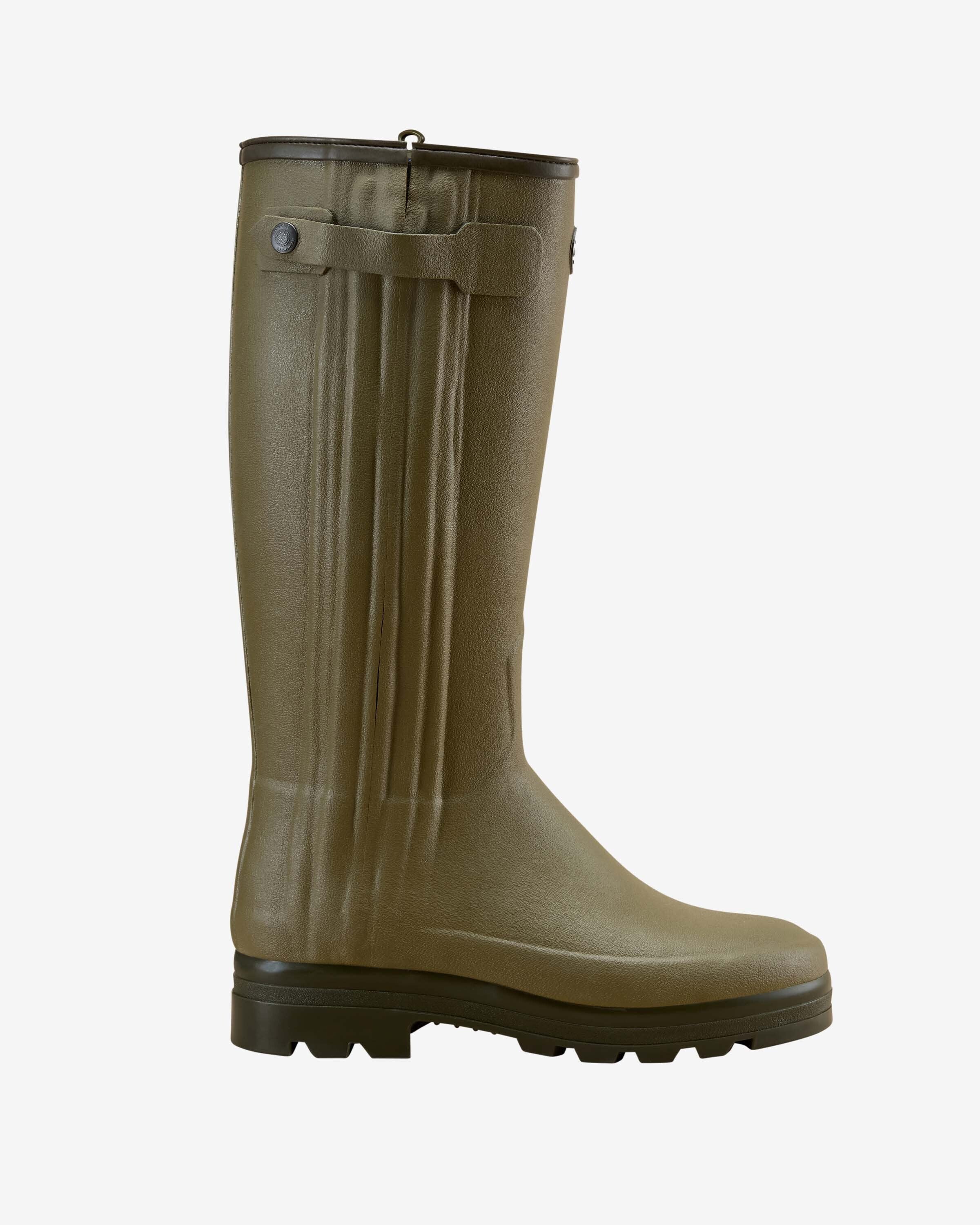
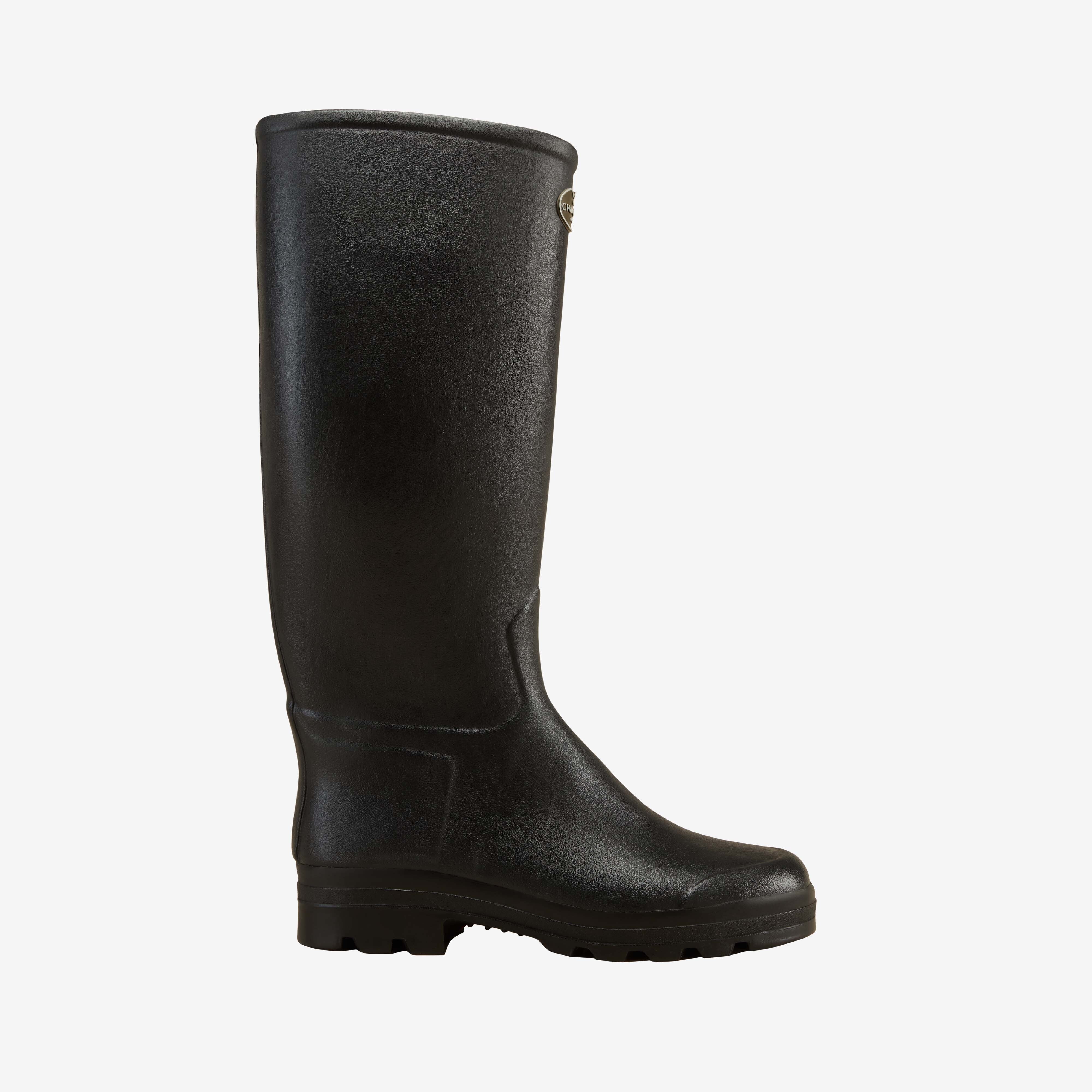
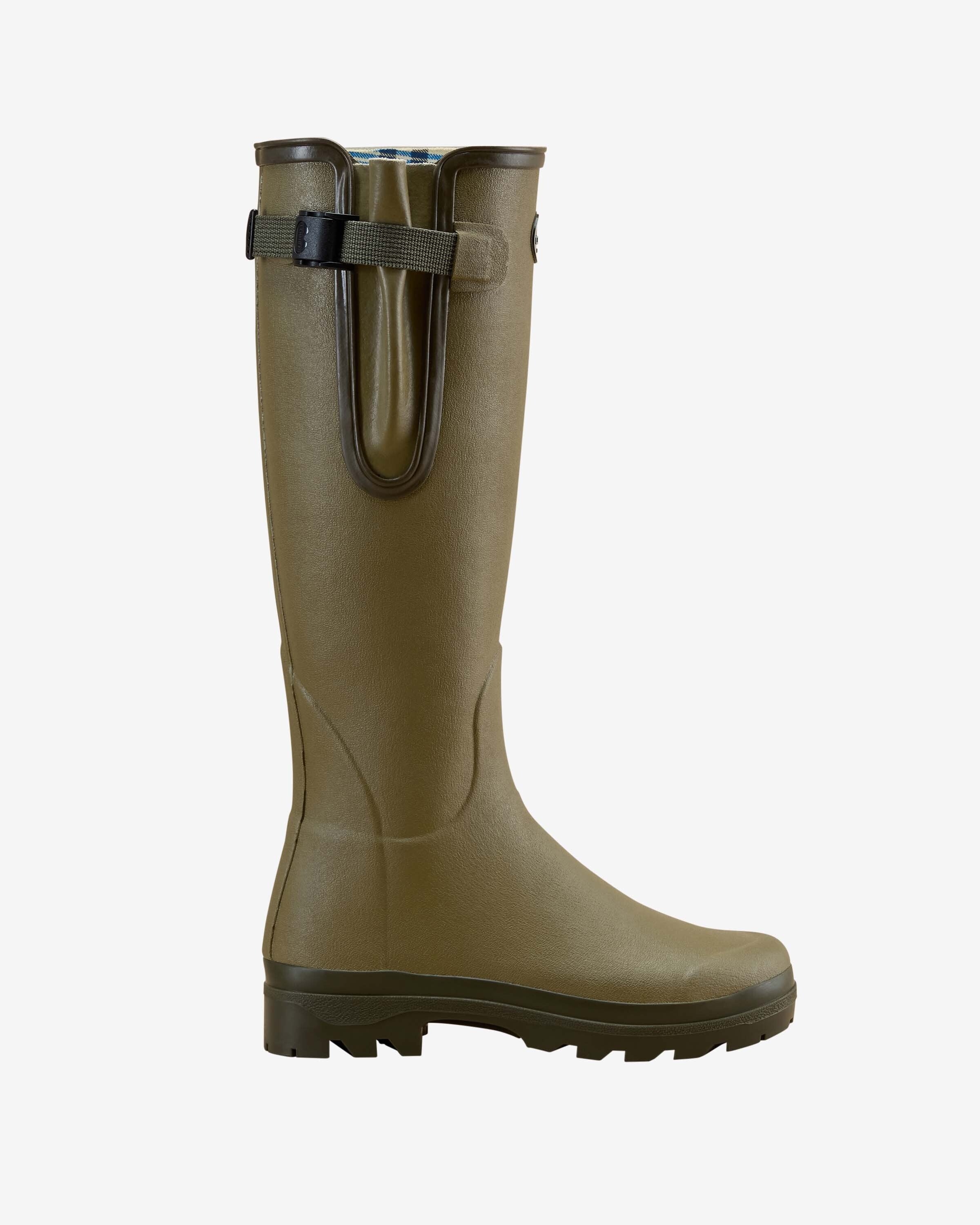
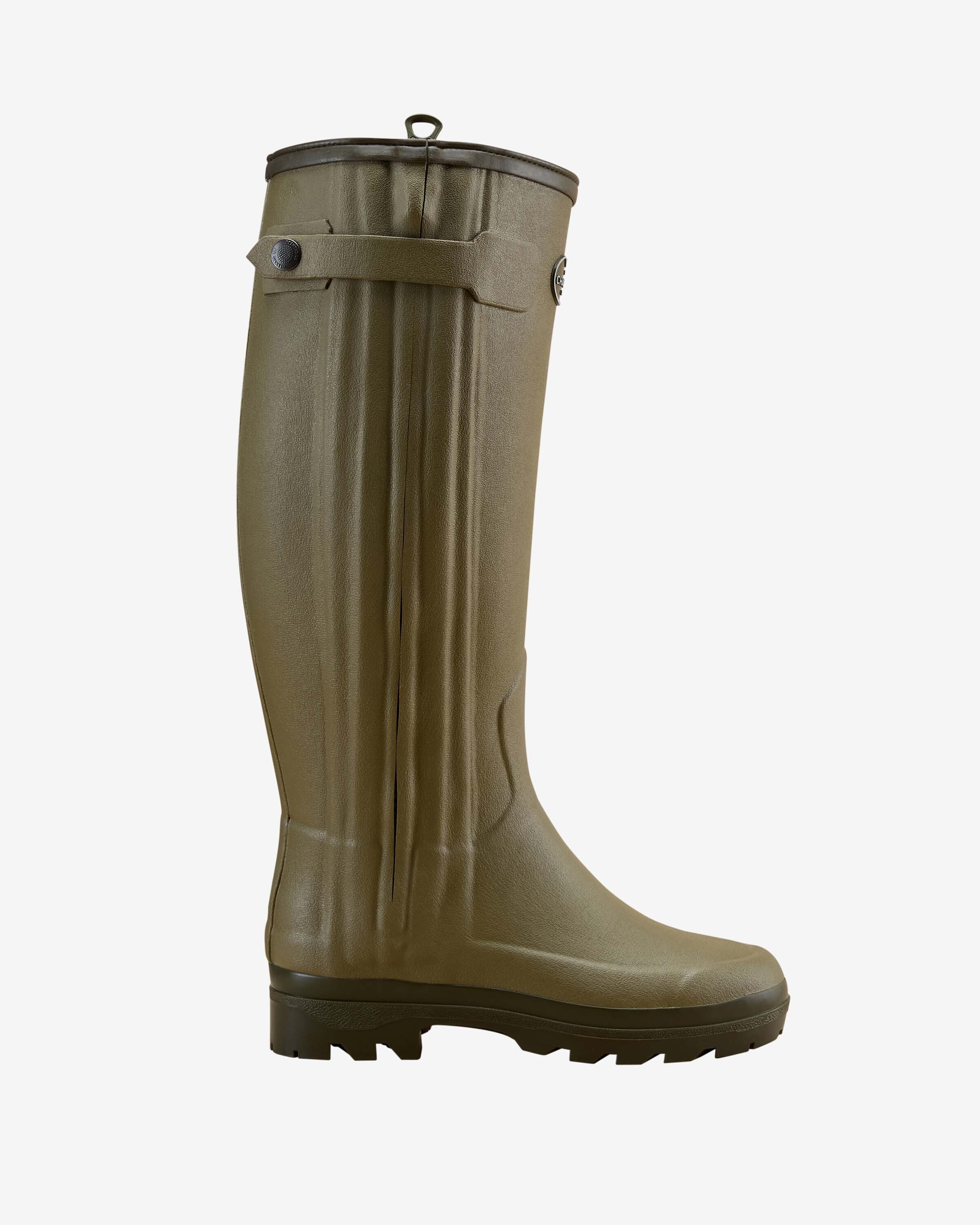
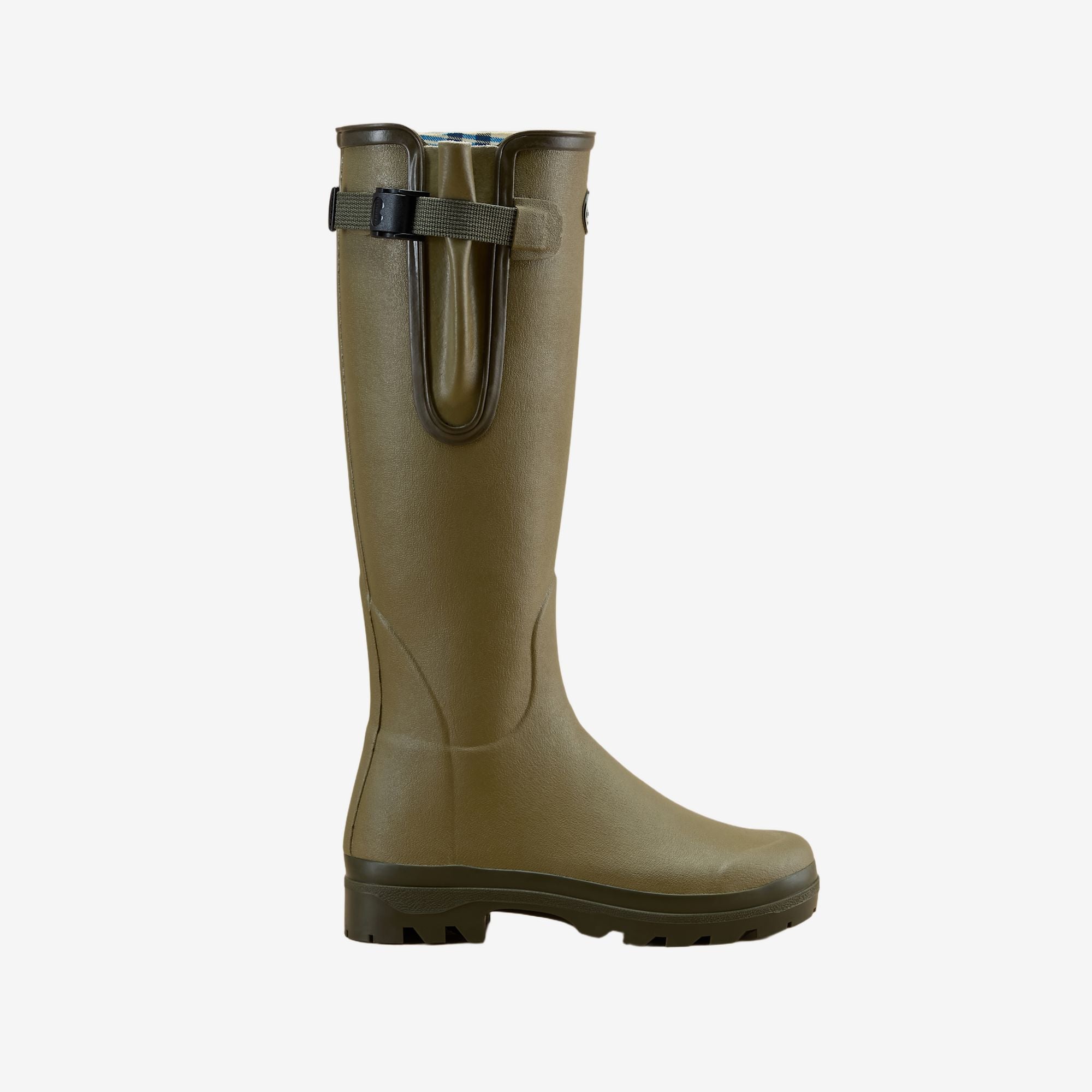
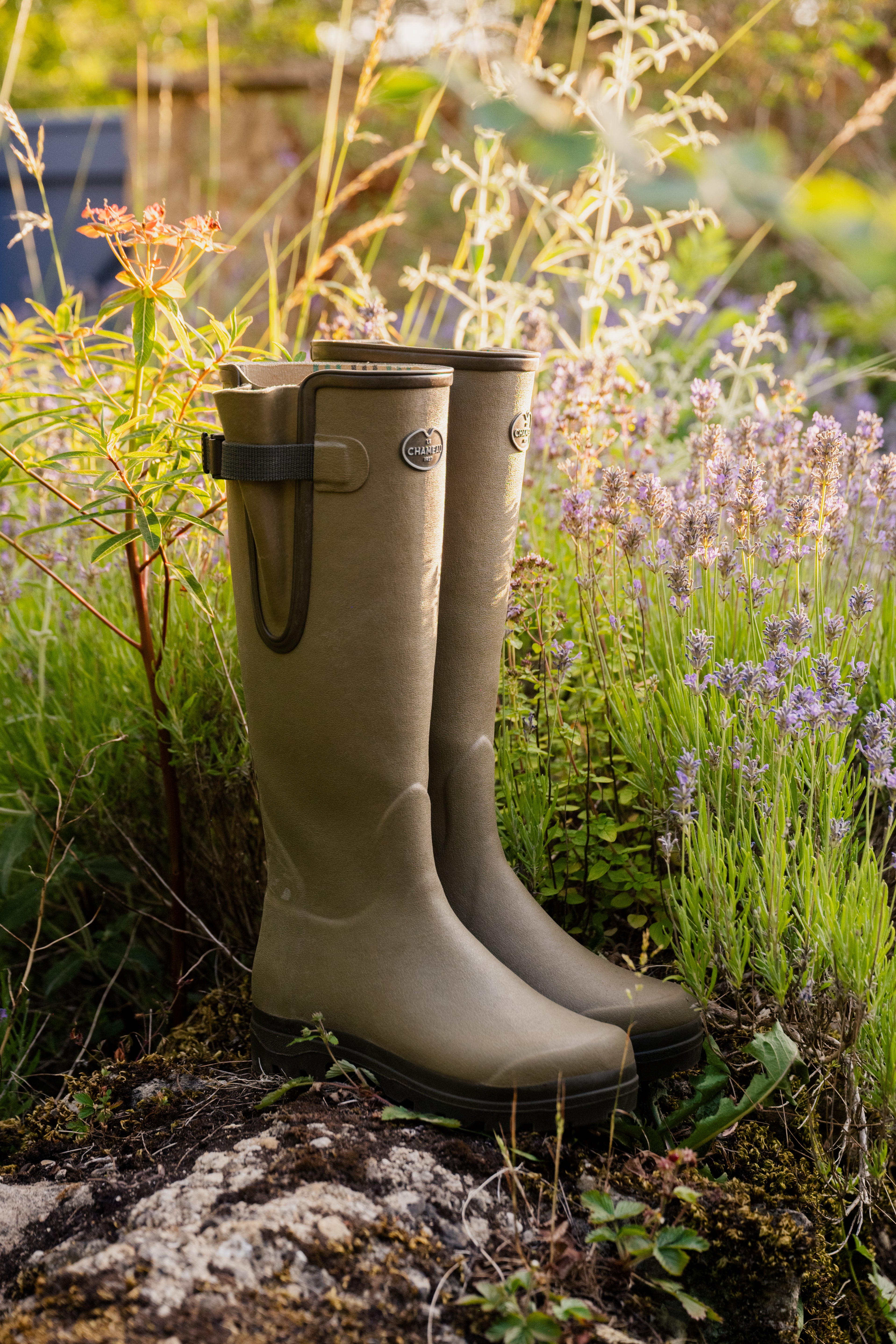
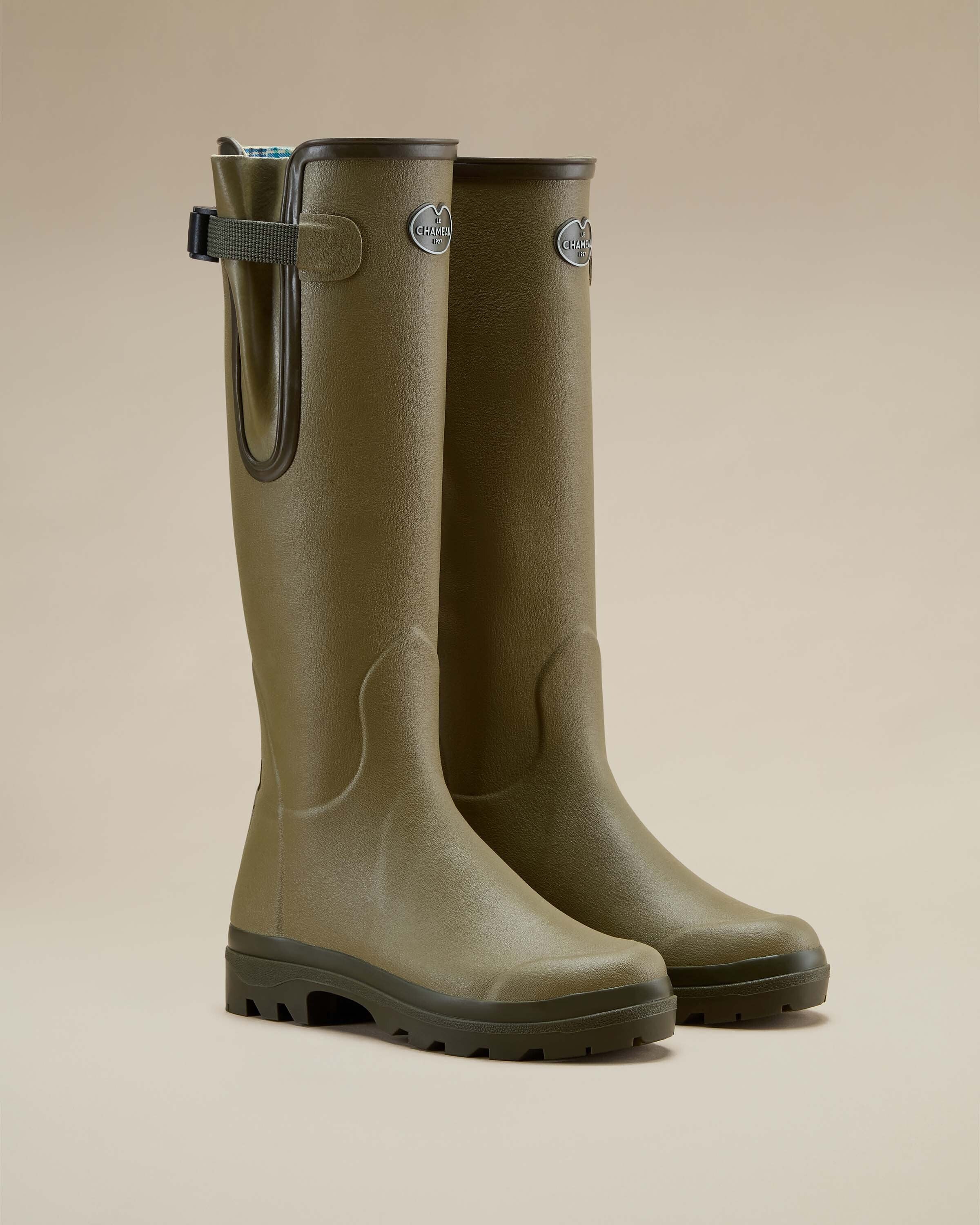
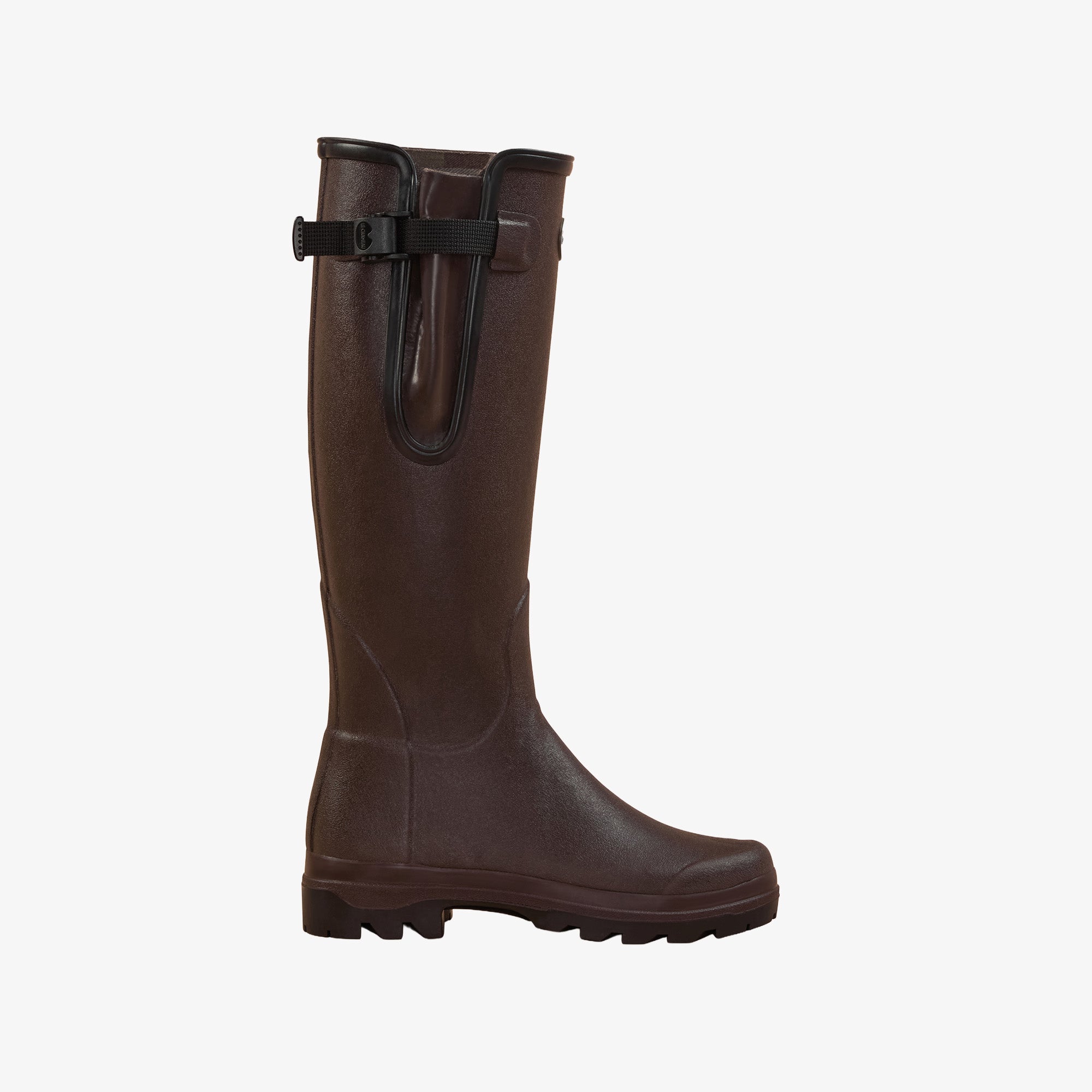
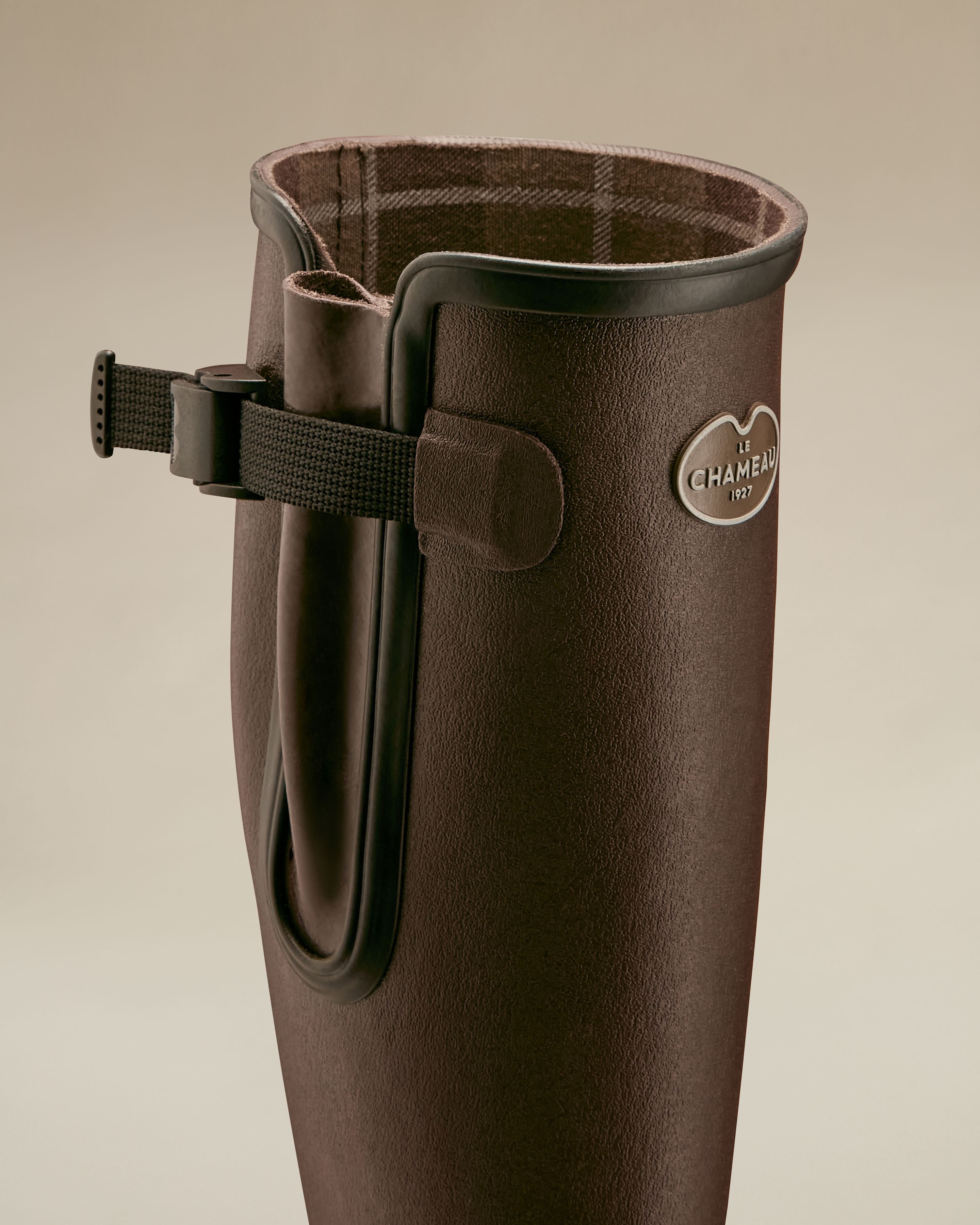
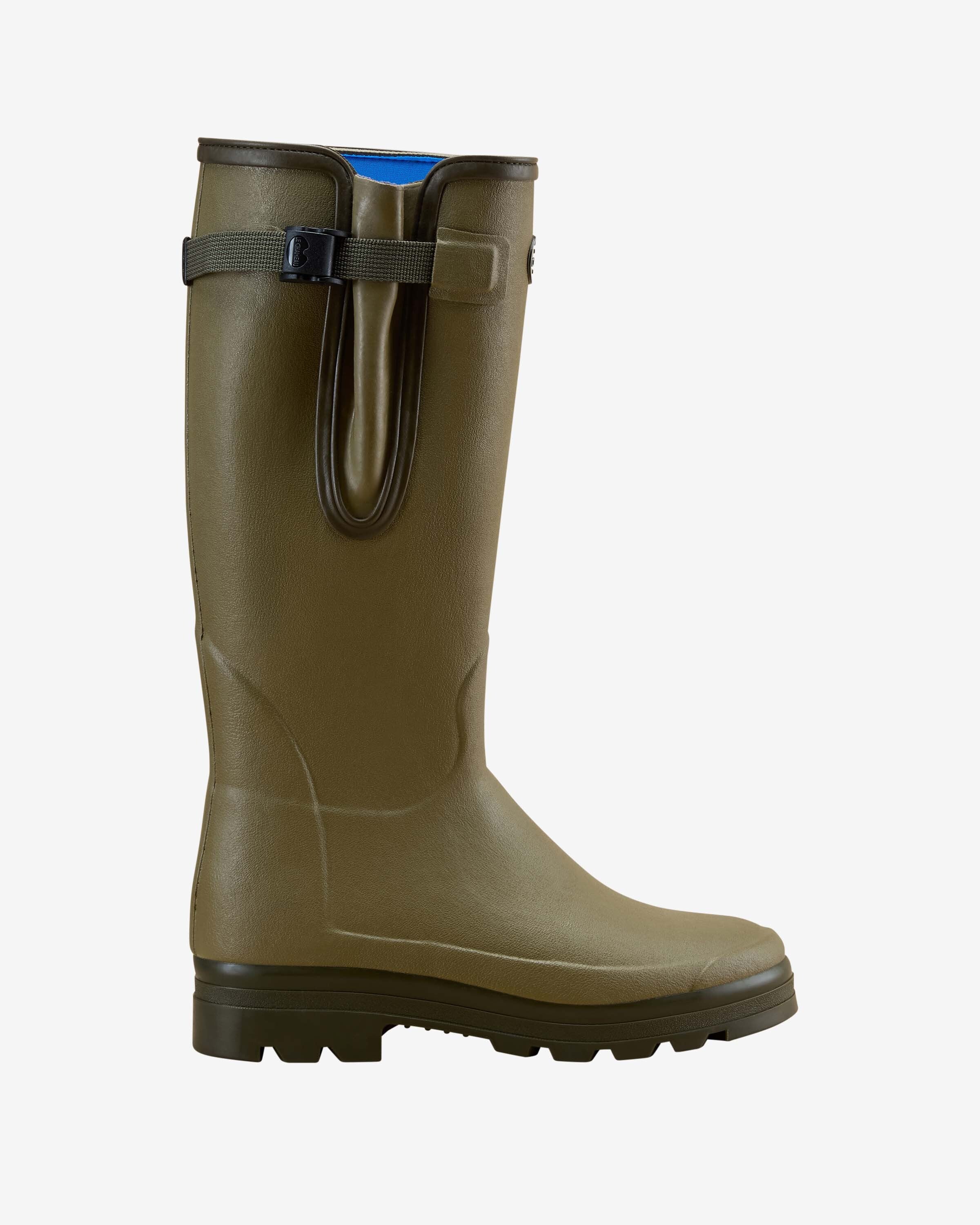
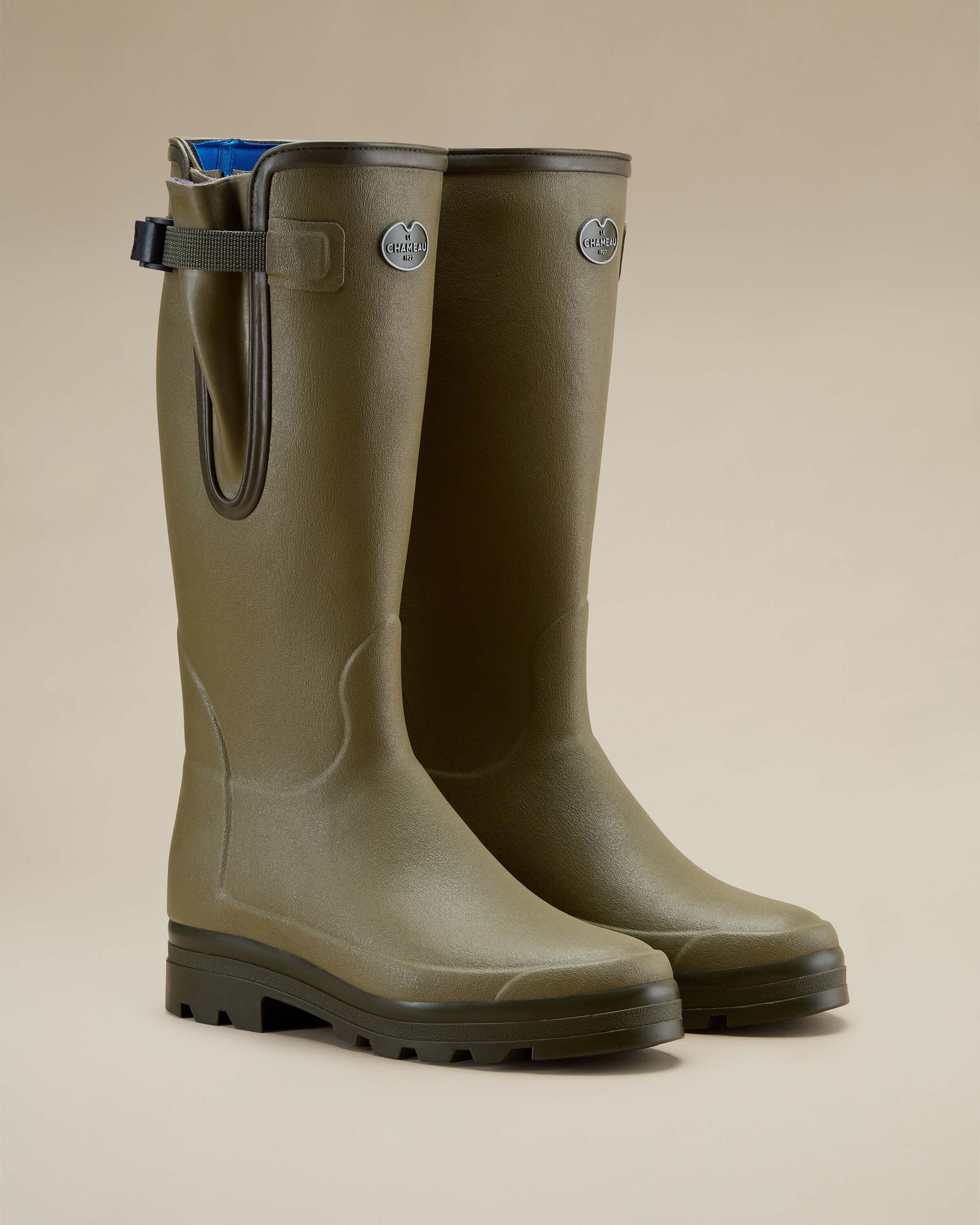
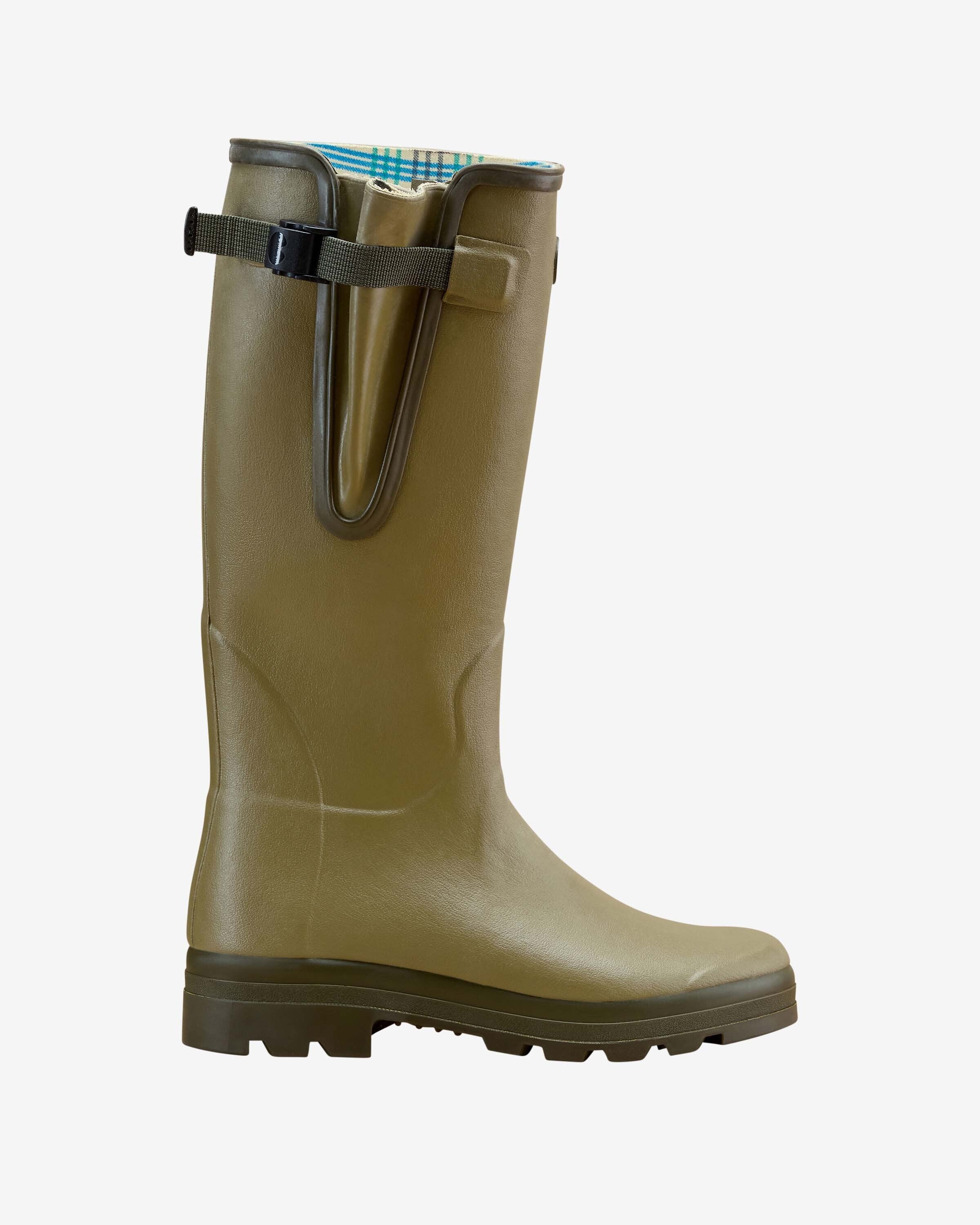
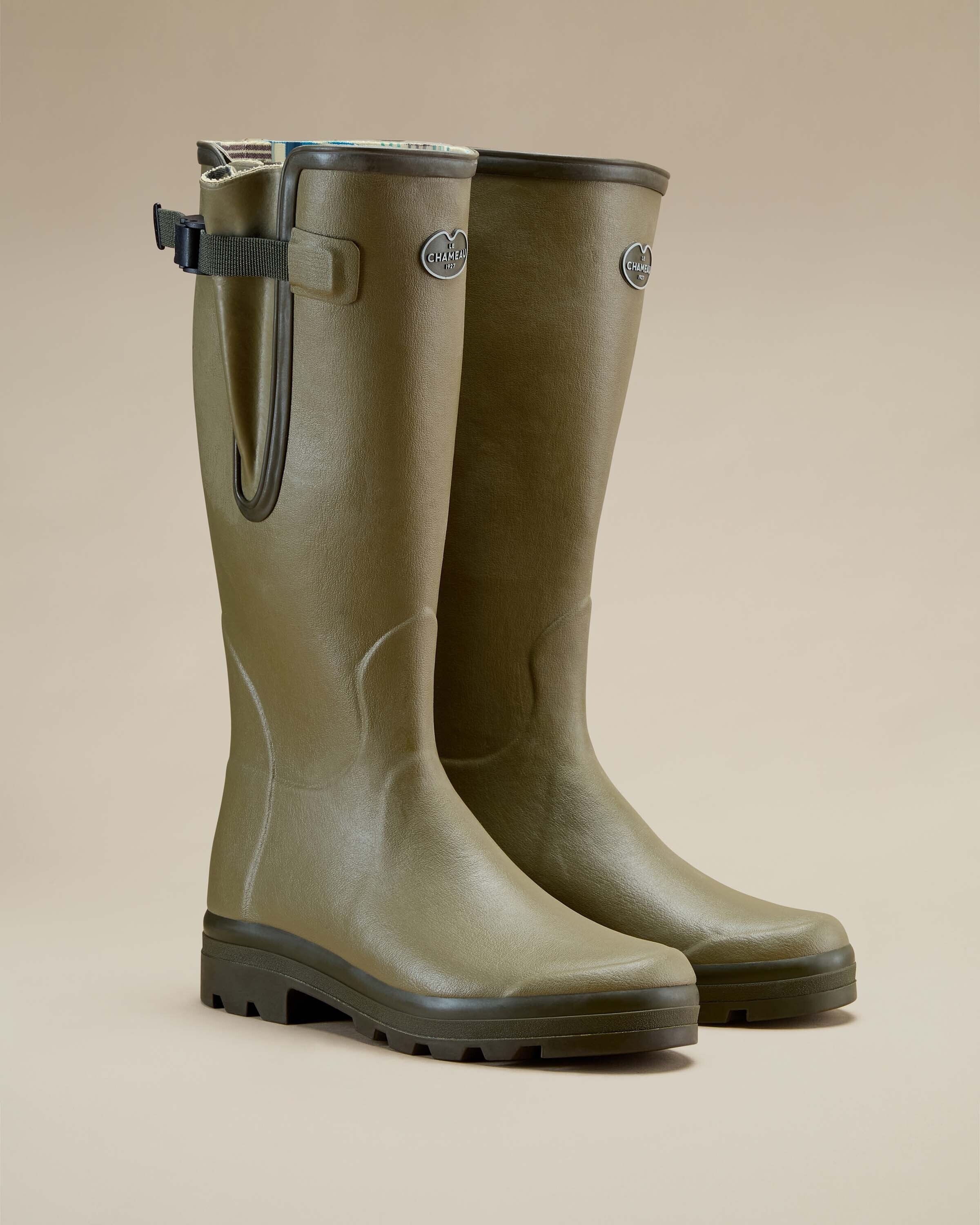
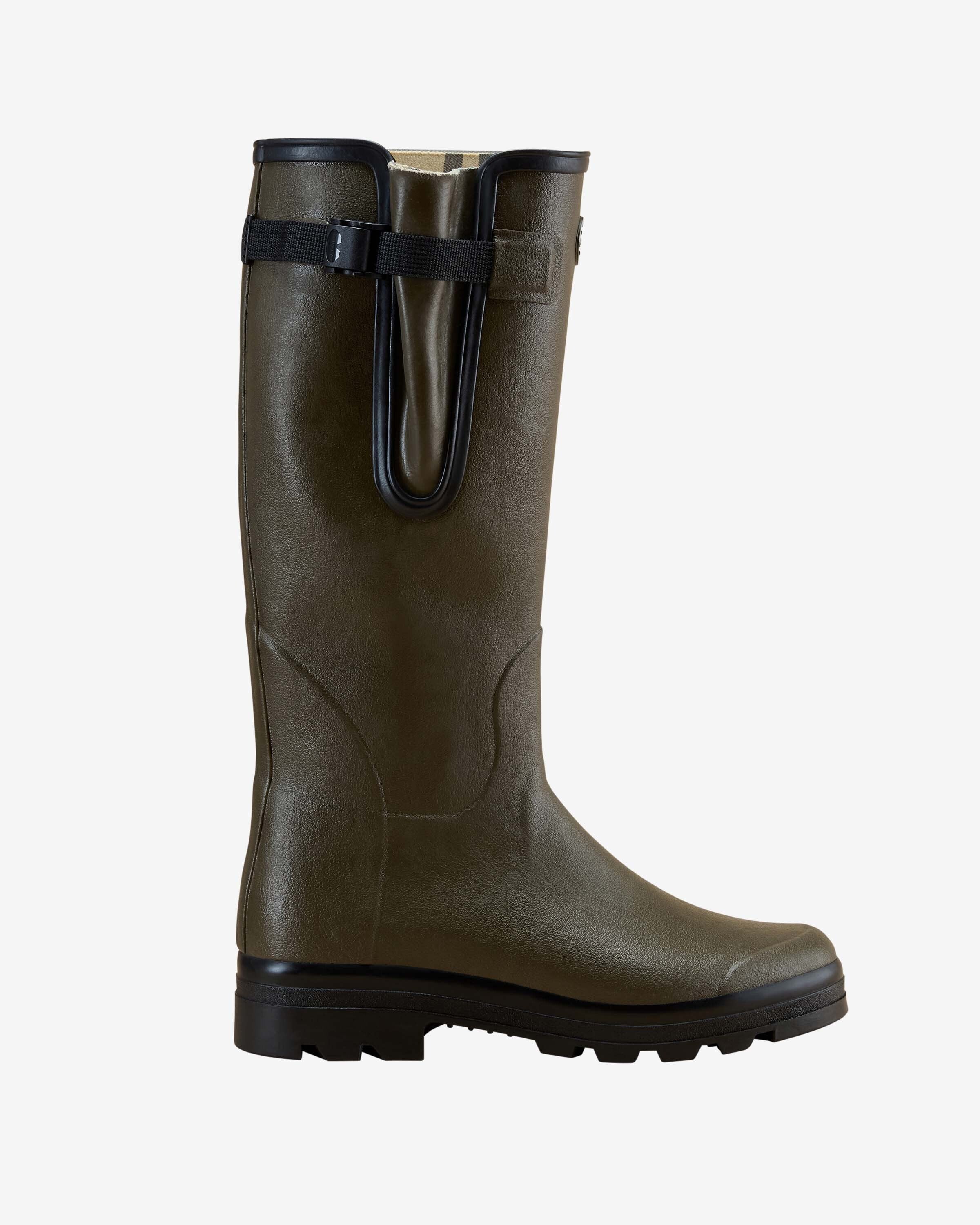
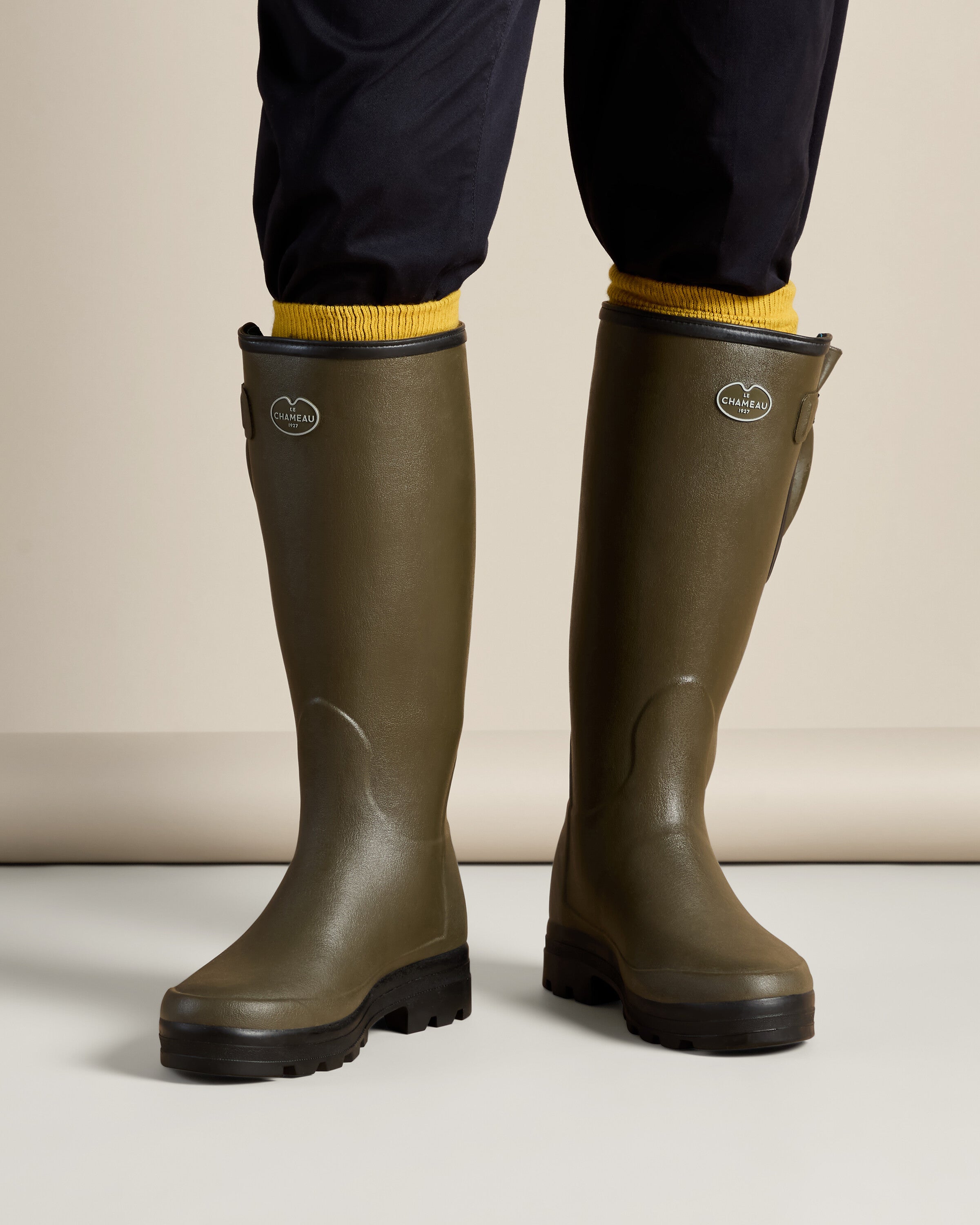
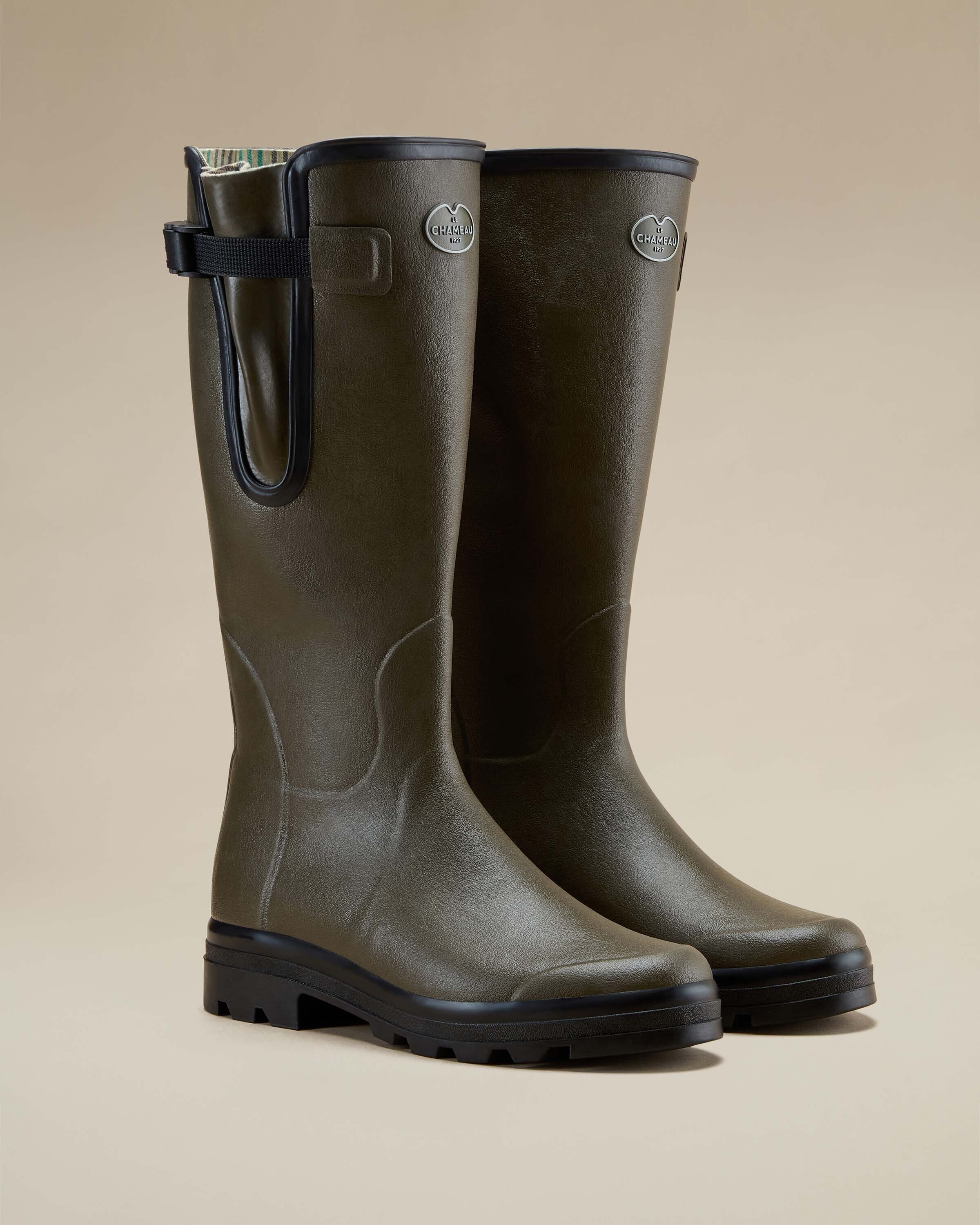
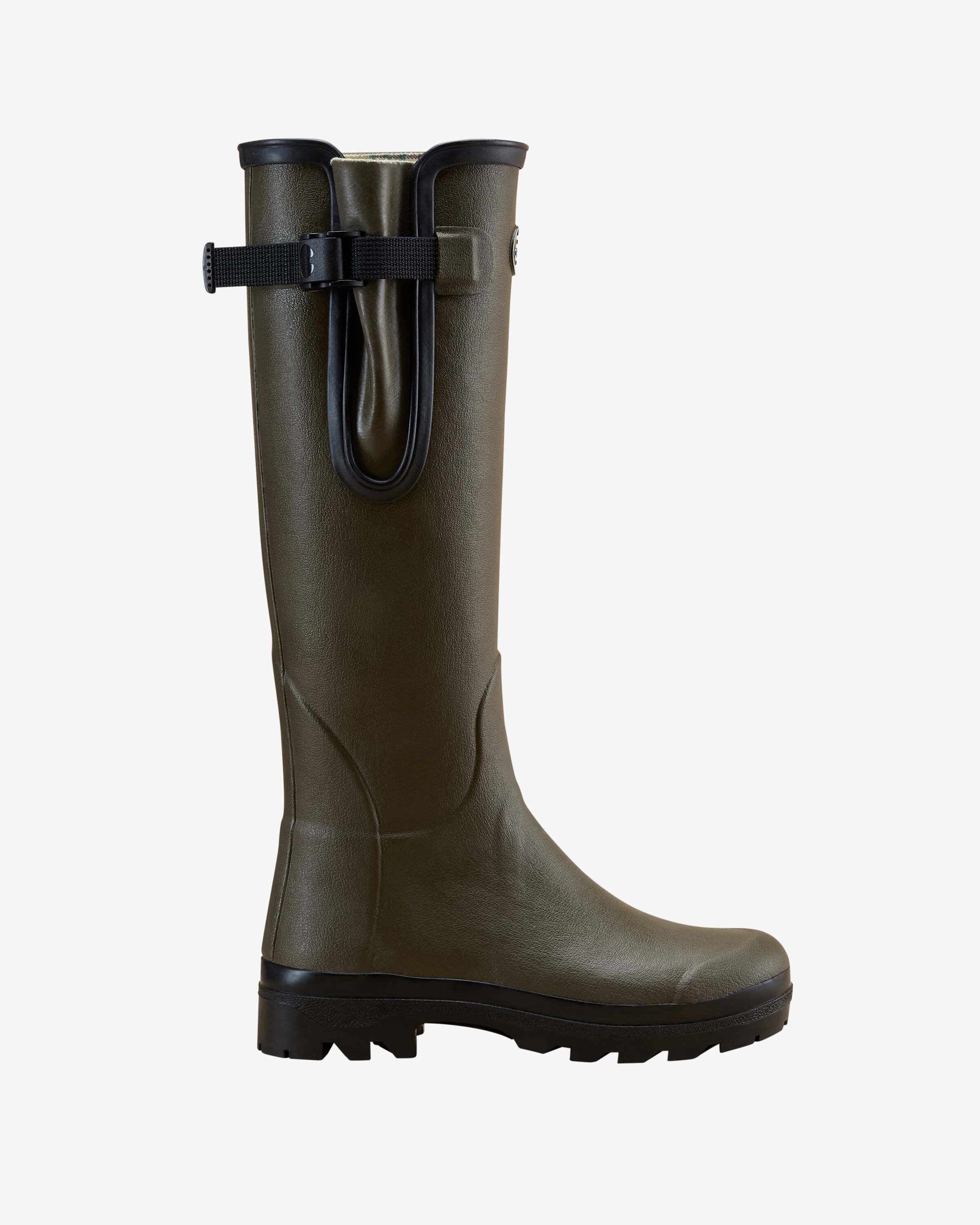
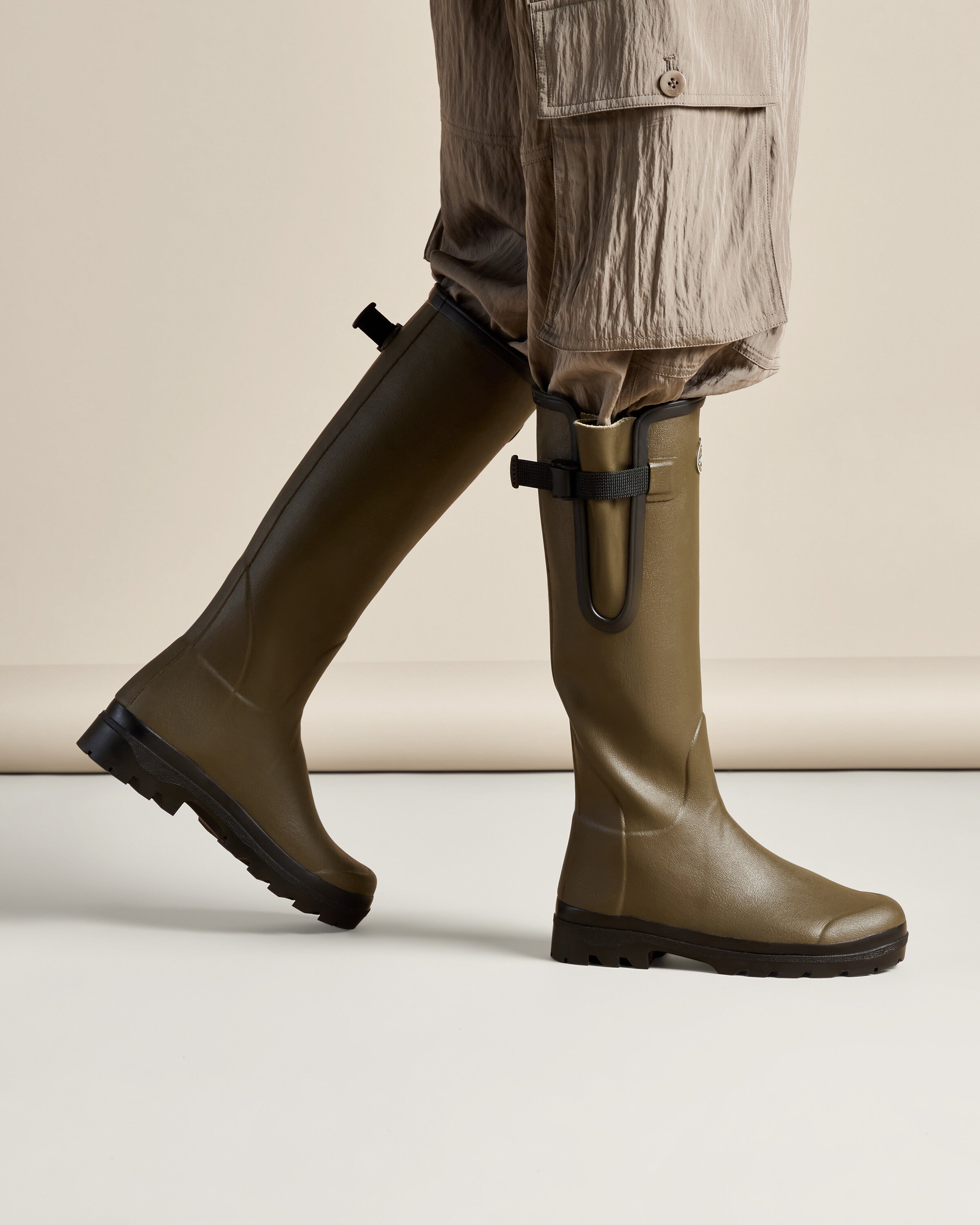
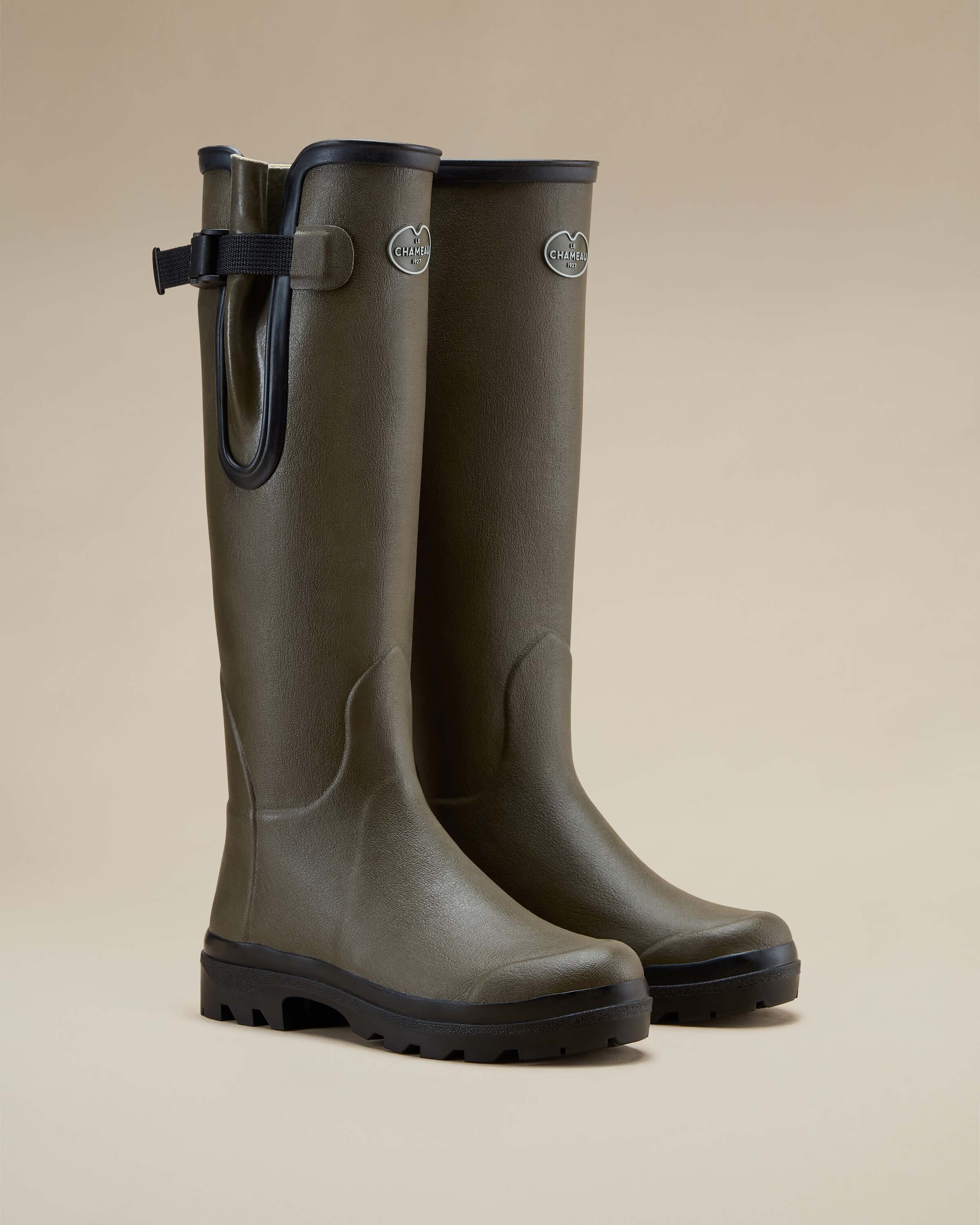
Our boots for Spring
 Stewarding the Downs: Life at Cowdray EstateRead post
 Harvesting Apples this HalloweenRead post
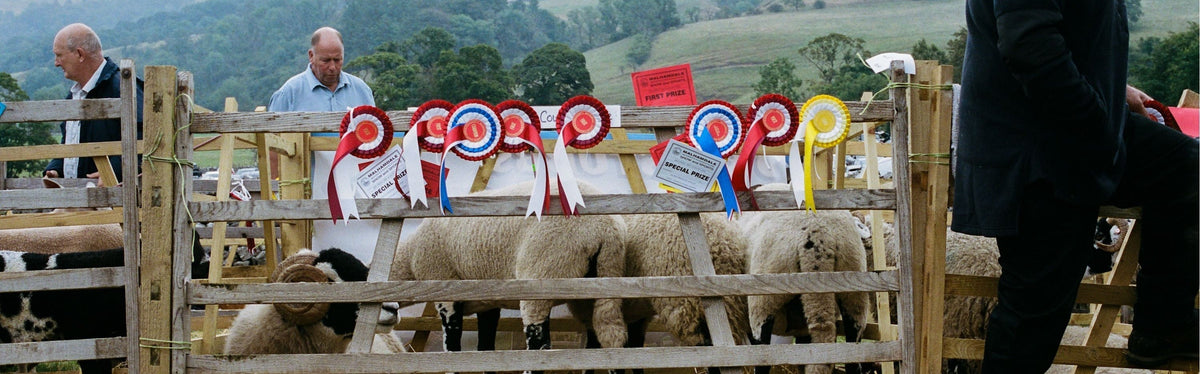 Country Shows: The Best of the Rural LifeRead post
 At One with Nature: Fly Fishing with Marina GibsonRead post
 At Daylesford: One Man and his SheepdogRead post
 The Glorious Twelfth: All You Need to KnowRead post
 On-Farm this Summer: Farming in a Changing ClimateRead post
 Discover Holkham: Glasshouses, Gardens and Glorious WalksRead post
