
 On-Farm this Summer: Farming in a Changing Climate
Who would have thought it? Deep within the rural rolling hills of Wales, rain didn’t fall for several weeks with weather conditions matching those in the Mediterranean, seeing temperatures reach 32 degrees Celsius on many a day.
For the majority of us, these wonderful waves of heat allow us the opportunity to plan adventures and explore for longer, knowing full well that there won’t be a chance of rain on the horizon.
Yet, these periods of intense heat and bouts of dryness, for the lion’s share of our farmers and those who manage the land, are daunting realities of climate change as extreme weather conditions become more frequent with each year that goes by. It is these extremities that are affecting how we farm and grow food. Farmers across the land are constantly adapting to these weather spikes, whether they are farming arable crops and or ruminant animals.
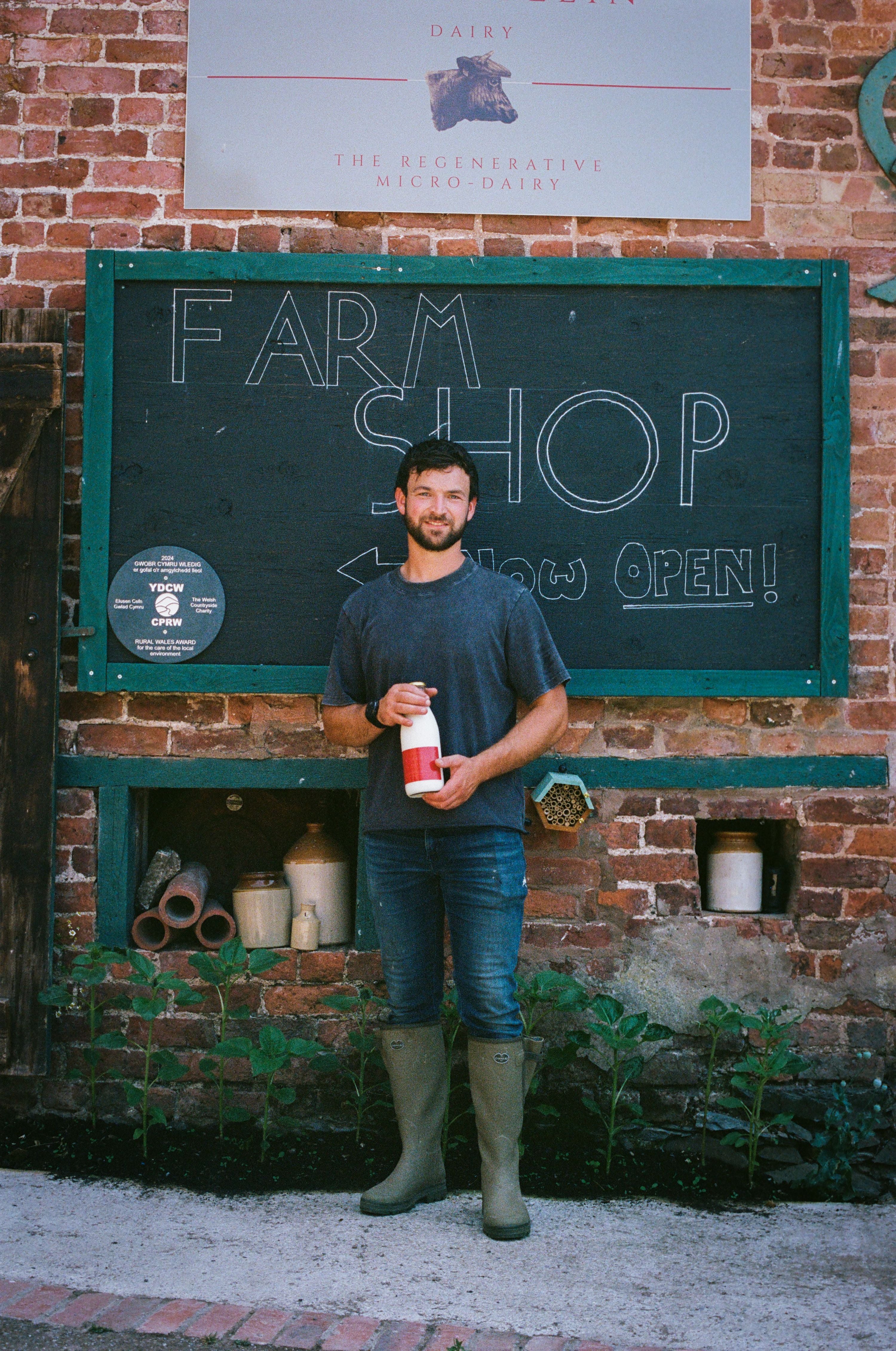
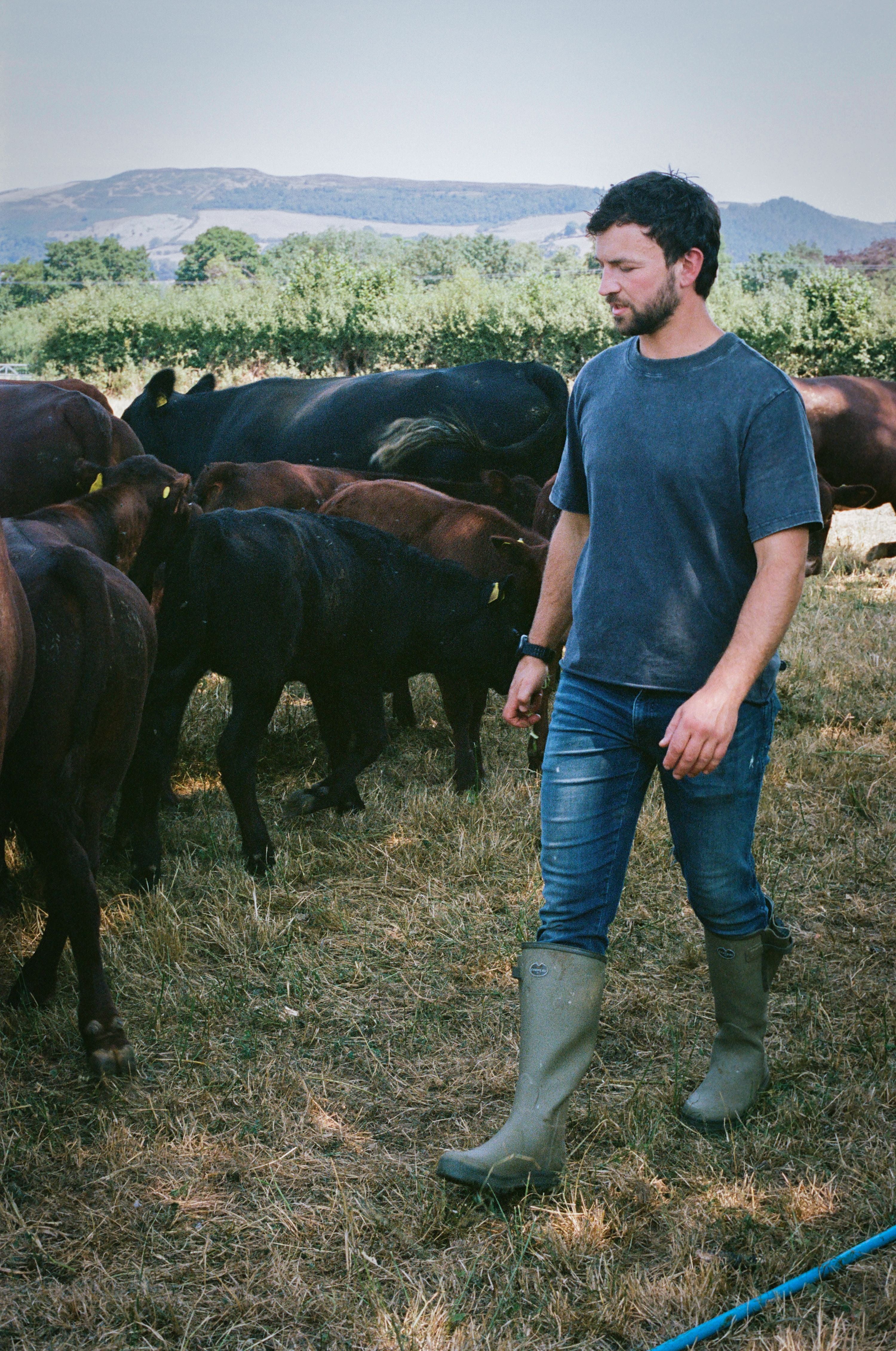
To find out more what’s happening on the ground, we visited Pentrefelin Farm in the Vale of Clwyd, North Wales. Pentrefelin – pronounced ‘Pen-tree-fell-in’ and meaning ‘mill village’ in Welsh – is a farm run by Huw Foulkes and his family, who are third generation farmers. We met Huw on a blisteringly hot late summer’s day right in the middle of a heatwave in the region.
“Where Nature, People and Animals Thrive Together”
Pentrefelin Farm describes itself as “a mixed, pasture-based farm where nature, people, and animals thrive together.” It is a farm that practices regenerative farming and permaculture. With a market garden, poultry, pigs and a cow-with-calf dairy, Pentrefelin Farm has a lot going on. It also prides itself on bringing the local community onto the farm, educating those who want to know how nutritious food is grown and how the land is managed with hedgelaying and grow-your-own workshops.
“We farm around 15 to 20 milking cows,” Huw says, “alongside growing plenty of seasonal fruit and vegetables, raising chickens that follow the grazing cattle, pigs fed on cover crops, plus a few agroforestry projects where we have planted strips of trees to divide the fields into smaller paddocks to help up mob graze and provide natural shelterbelts for the animals.”
“Everything's managed in the same way to achieve the same outcome – produce food that has a positive effect on the environment. This means from the soil to the plants, what we're feeding the cows, to the air and water quality, plus enhancing overall biodiversity. I don't think we need to be choosing whether we can produce food or look after the environment, I think we can do everything together, providing the local community with nutritious food that they can appreciate and enjoy.”
What is regenerative agriculture?
Seemingly not a new concept, but a regenerated one to excuse the pun, ‘regen ag’ works to restore soil health, which in turn looks to enhance biodiversity and produce nutrient-rich food.
A Focus on Heritage Breeds
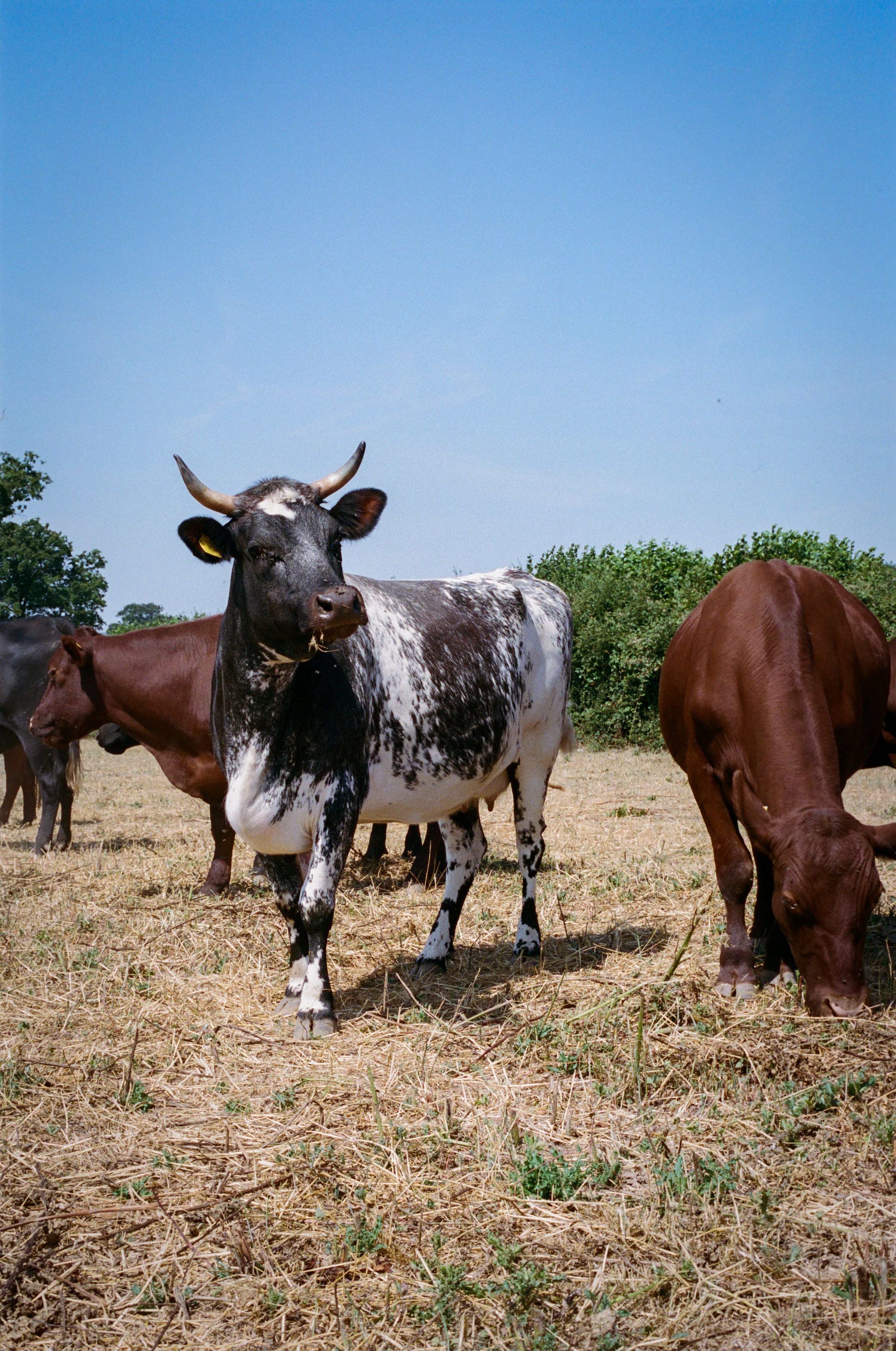
Huw and his family farm native breeds of cattle, namely the Red Poll – a beautiful dark-red-coated animal that is a dual-purpose breed, established in the mid-19th century in East Anglia – and the more local Welsh Black. We asked Huw why these breeds, “It might sound strange saying this, but the main goal with choosing these breeds, even though we started off as a dairy farm, wasn’t to produce milk. It was to produce food in a way that has a positive effect on the environment, which ultimately comes down to soil health, and so we needed animals that can work to that system. We found the old traditional dual-purpose heritage types of cows, which were bred by generations of farmers years ago who were doing something similar to what we're doing now, were perfect. Those farmers, like us, were focusing on low inputs and getting the most out of what they can grow on the land.”
Cow-with-Calf: What Does It Mean?
Alongside the pigs, poultry, agroforestry and market garden, Huw runs a small dairy that focuses on cow-with-calf. This farming system does what it says on the tin; the farmer leaves the calf with the cow for longer.
“I'll tell you exactly what it is.” Huw explains, “The cows are kept with their calves until the calf is naturally weaned. To me, ‘naturally weaned’ means the calves are around 8-10 months old. Our cows get to keep their calves right up until that 10-month mark – some of them even longer, some of them a bit less. They're all treated as individuals, and you must be able to adapt what you're doing to how each individual cow and calf.”
One of the reasons why Pentrefelin Farm’s milk is more expensive than supermarket milk is the fact that they have less volume of milk to sell, with much of the mother’s milk going to support the natural growth of the calf. Huw continues, “It's not about getting as much milk out of the cow as you can. This cow-with-calf system must work for both the cow and calf and us. I find the longer you leave the calf on the cow, the more milk you get, especially with the type of breed of cow we've got. The calf is almost giving the mother a bit of an incentive to keep producing milk. It’s also about narrating the story of our farm to customers, telling them what we are trying to achieve here, producing nutritious food whilst looking to improve the health of the environment.”
Extreme Temperatures: Farming for the Future
Although being situated in North Wales, which has a higher average of rainfall per year than much of the rest of the UK, Huw is planning for a future that has longer periods of drought and high temperatures – such as we have experienced this summer. “The increasing heat is a worrying thing for us farmers, it is something we are seeing year-on-year now. To cope with the increasing risk of drought, we need to adapt, so that means trying out different land management systems. Here at Pentrefelin Farm, we are implementing rotational mob grazing. This has played its part up to a certain point, hoping to increase organic soil matter on the farm, so when it does rain, it captures more moisture and prevents run-off. However, we are finding that it takes a long time to build up that organic matter, so we need to adapt further, growing new varieties of plant to accelerate it, for example.”
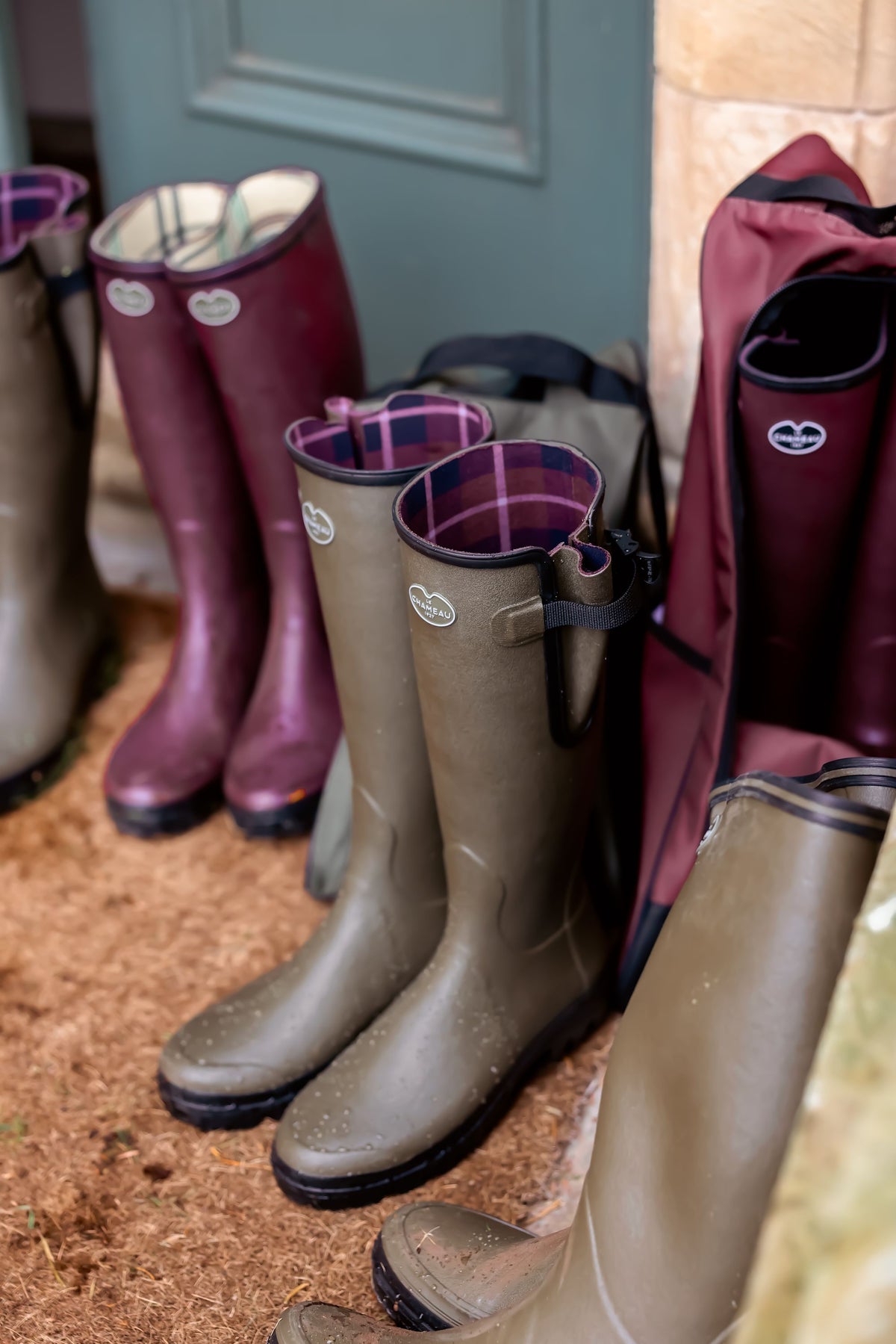
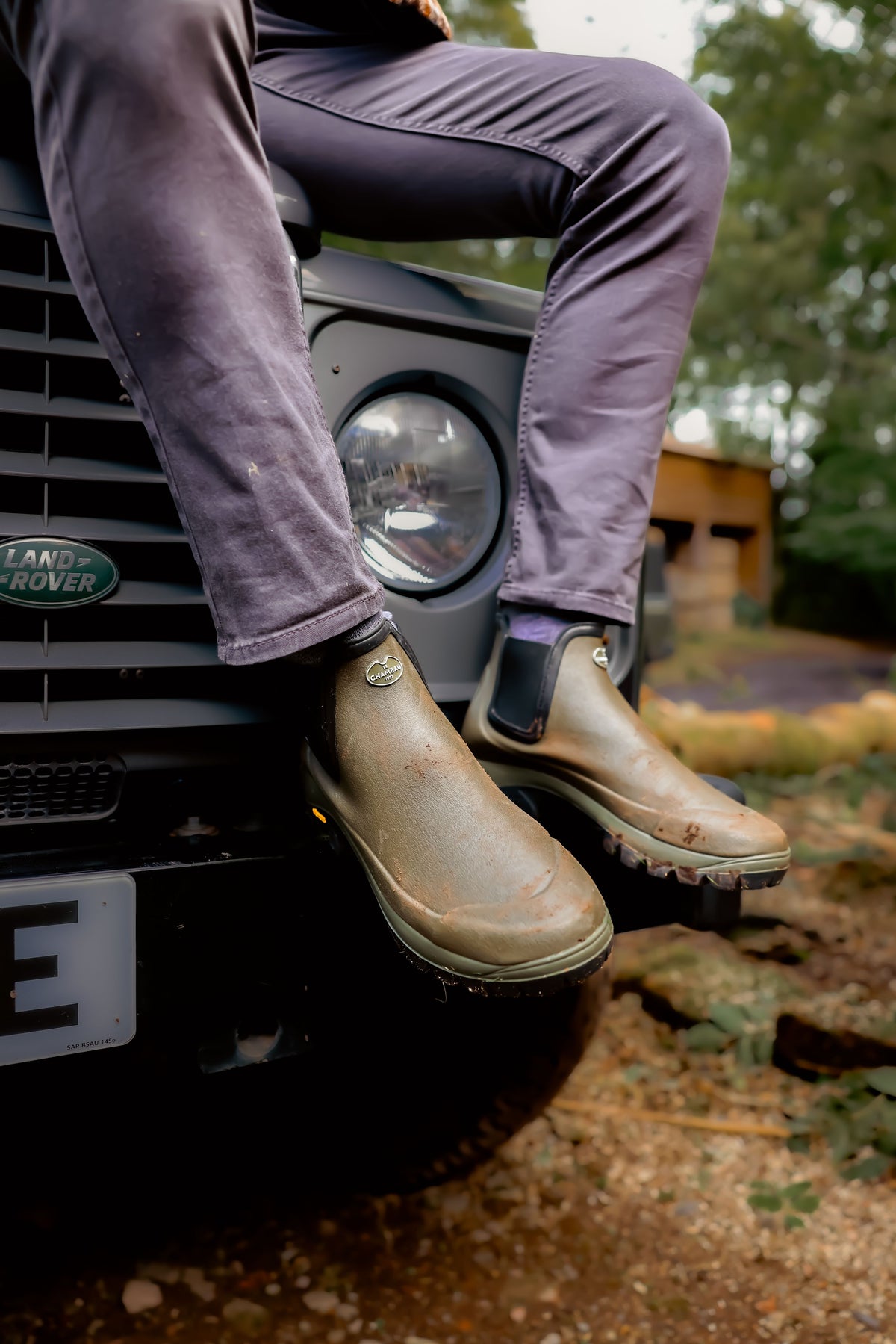
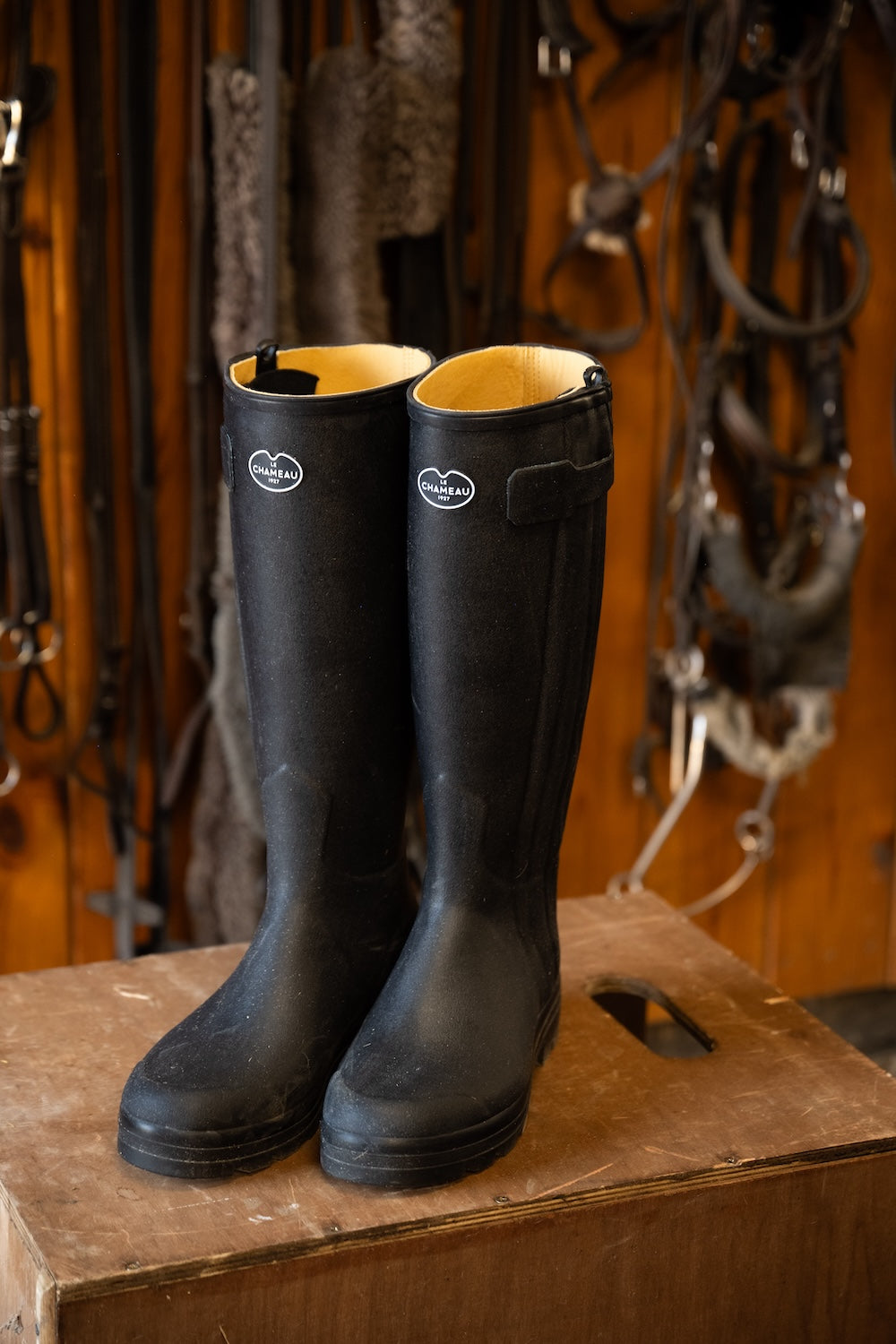
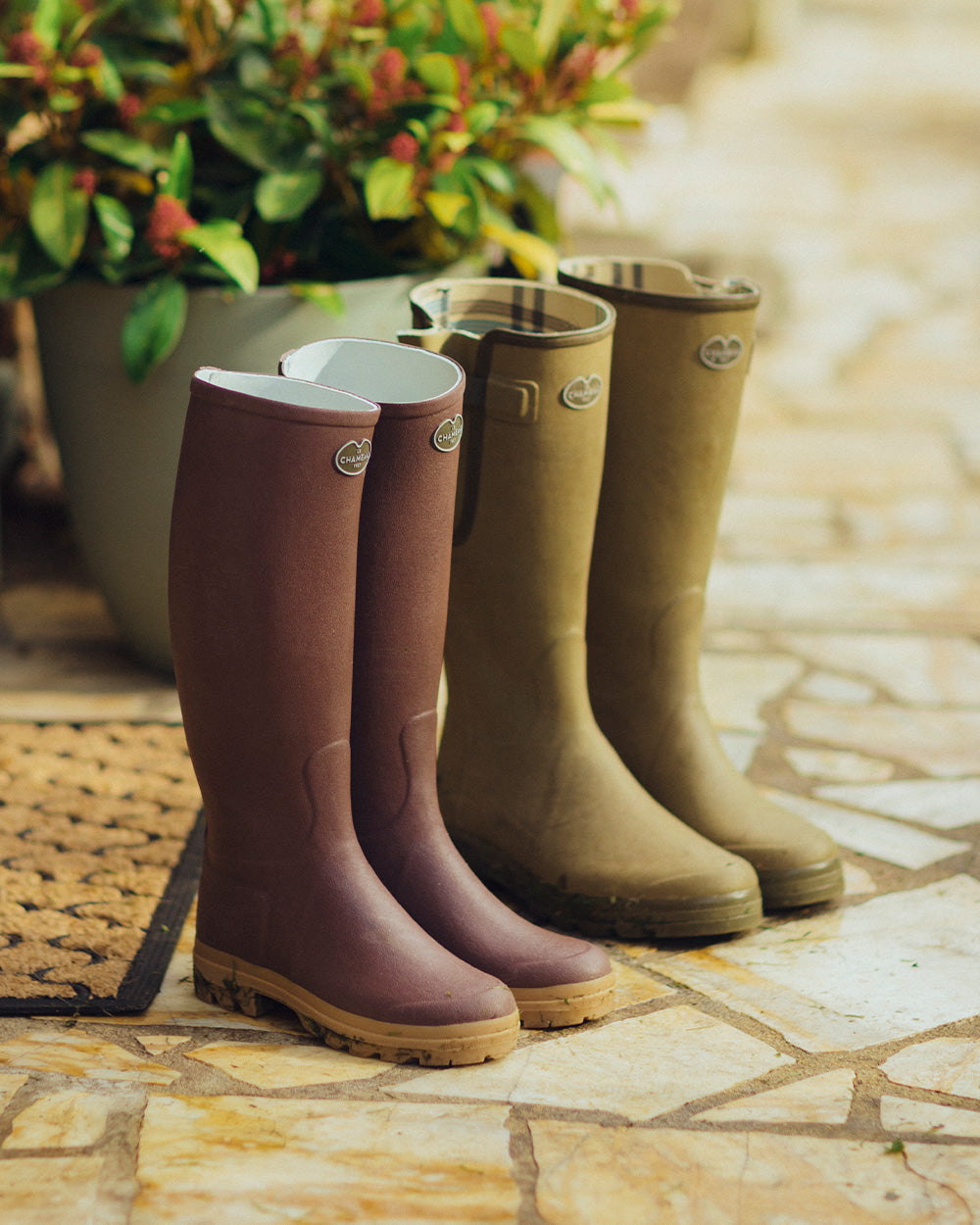
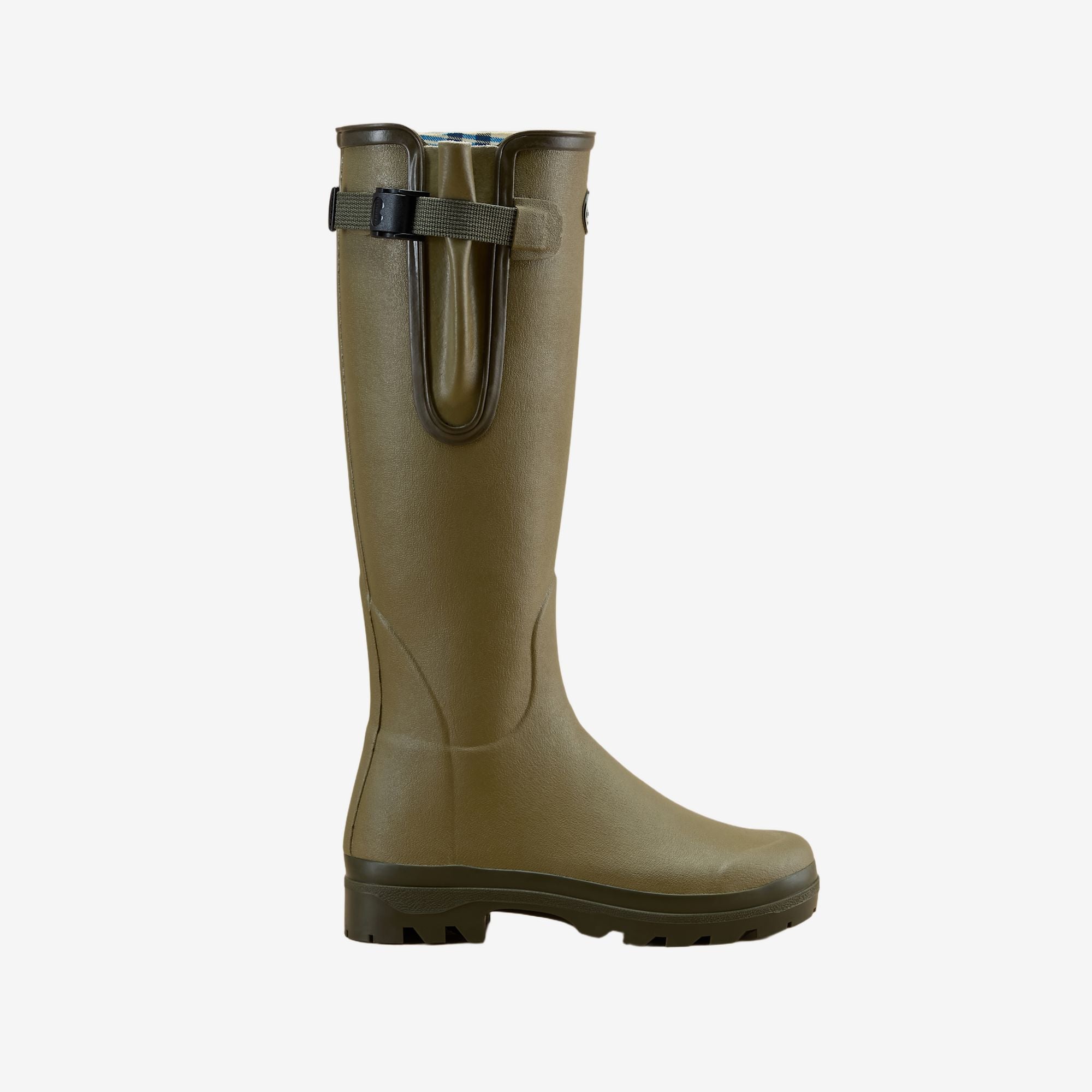
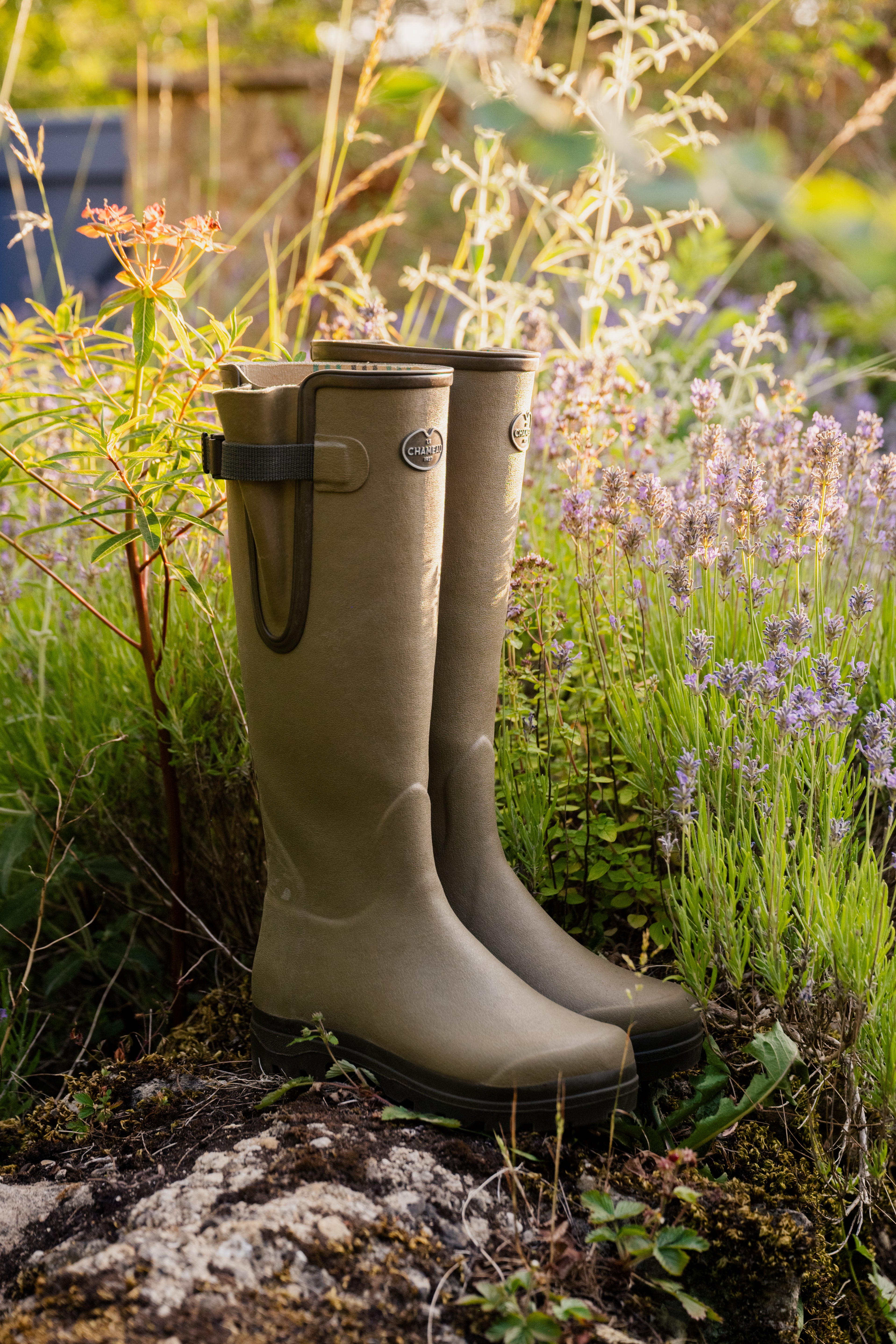
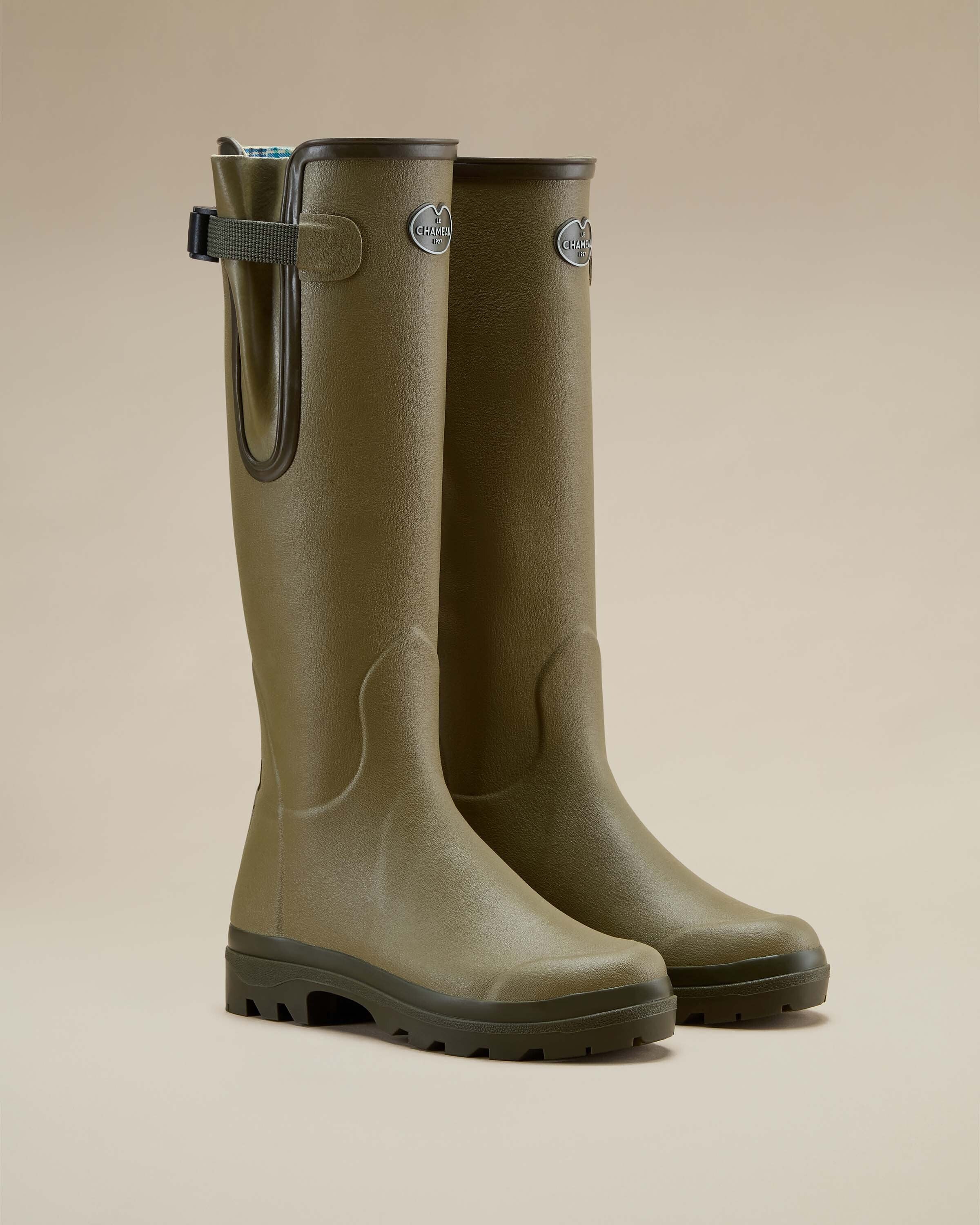
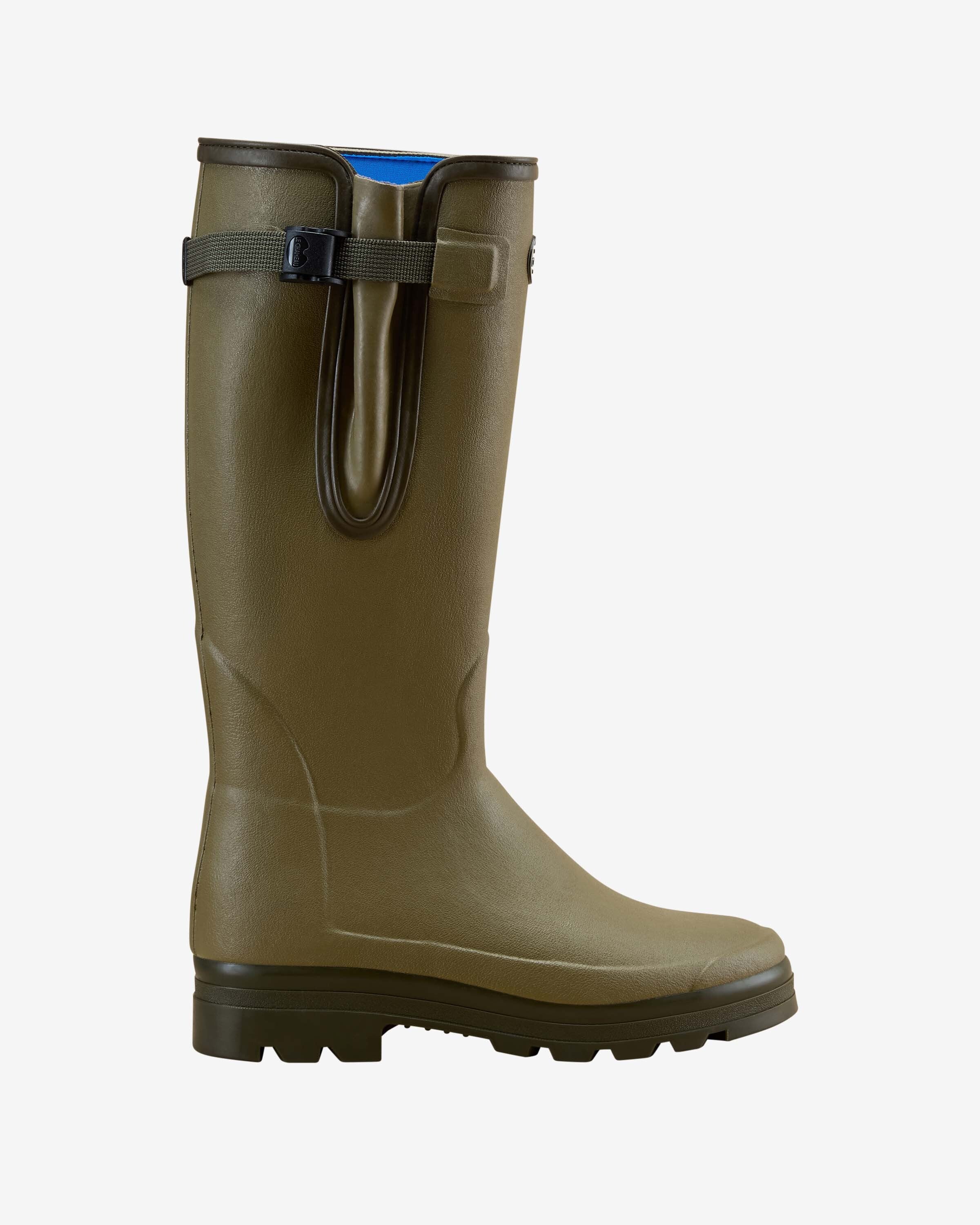
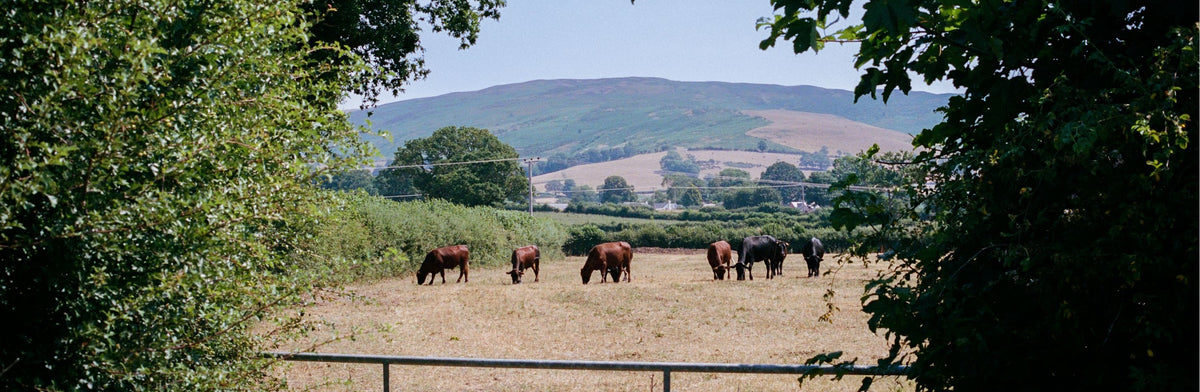
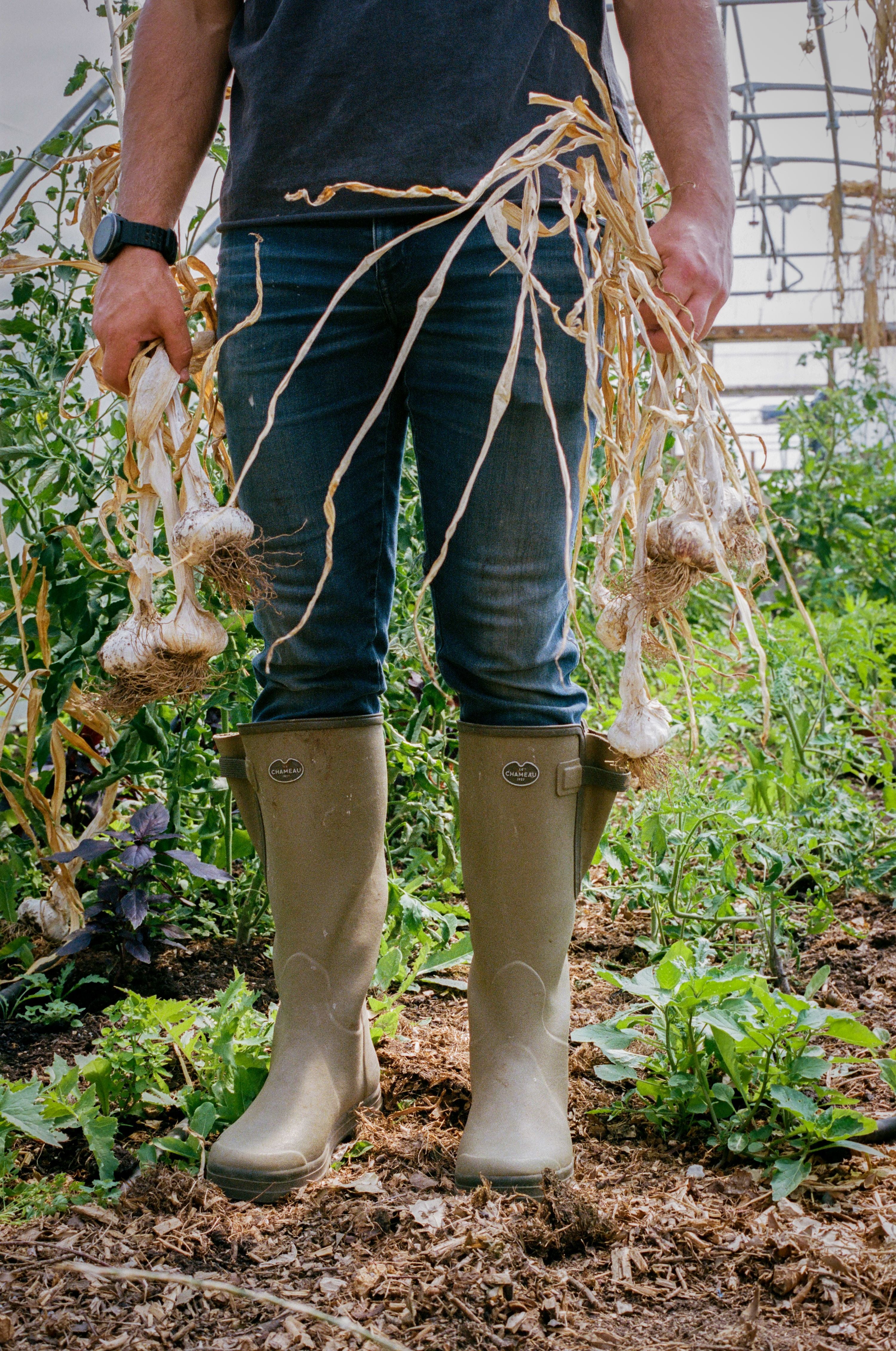
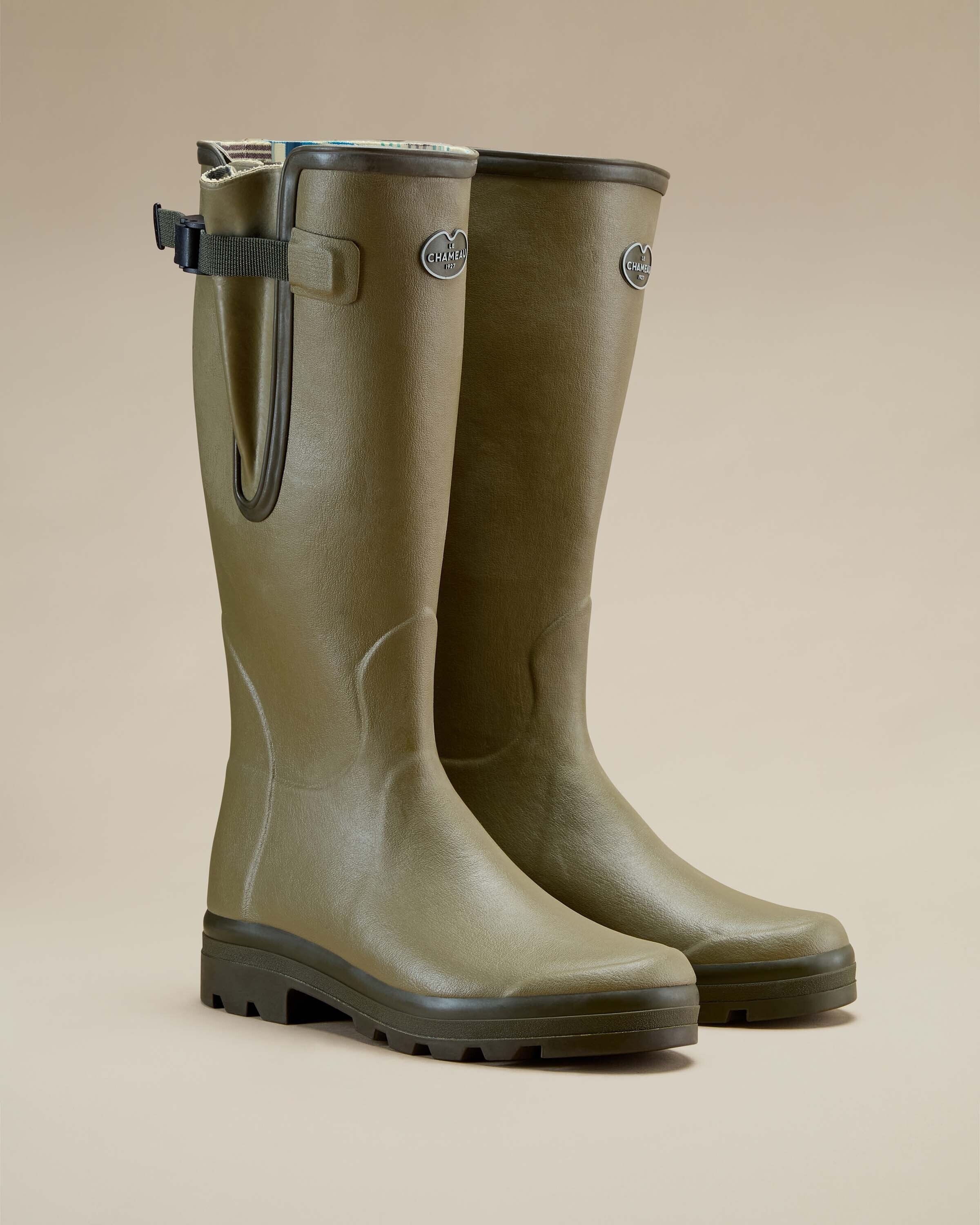
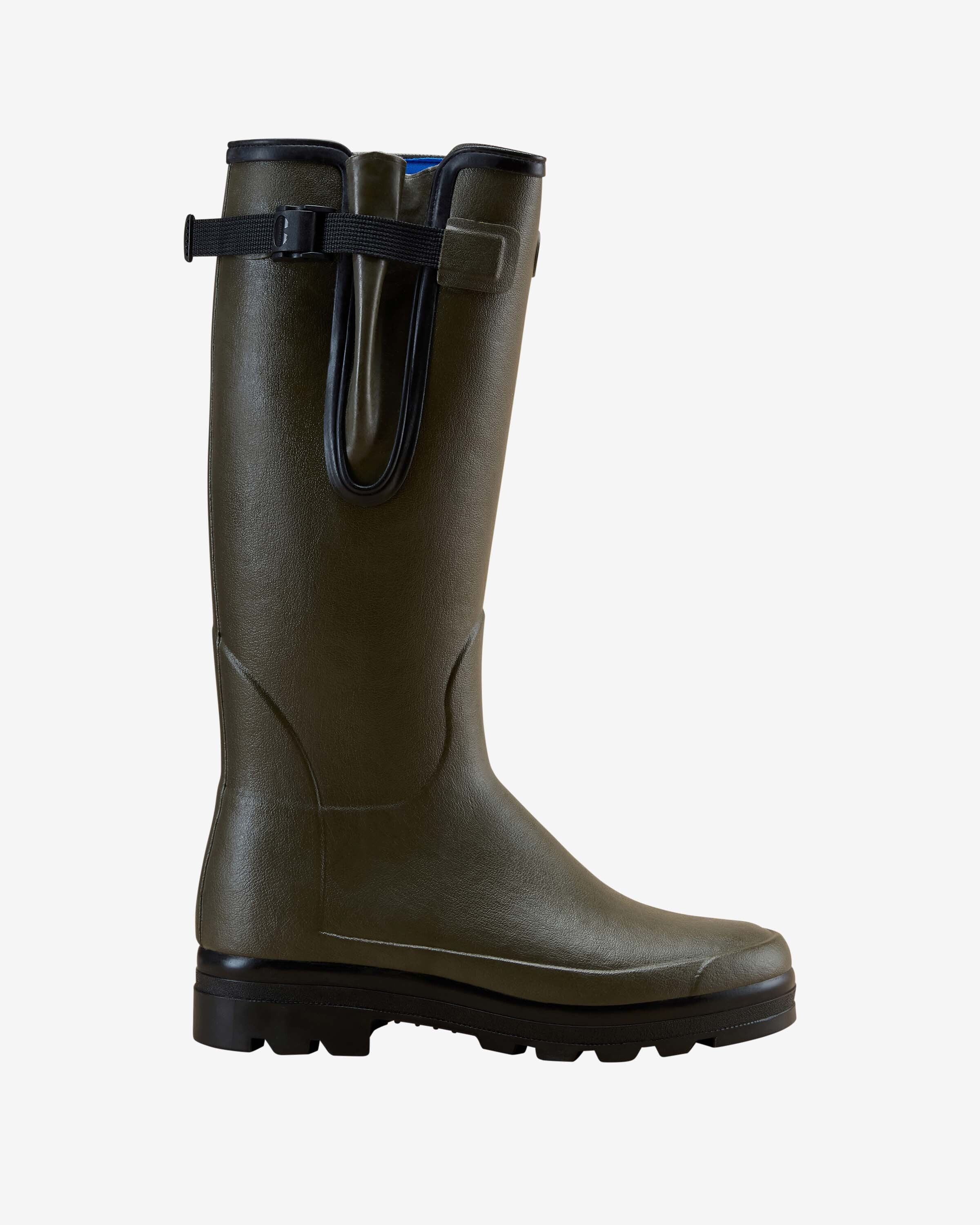
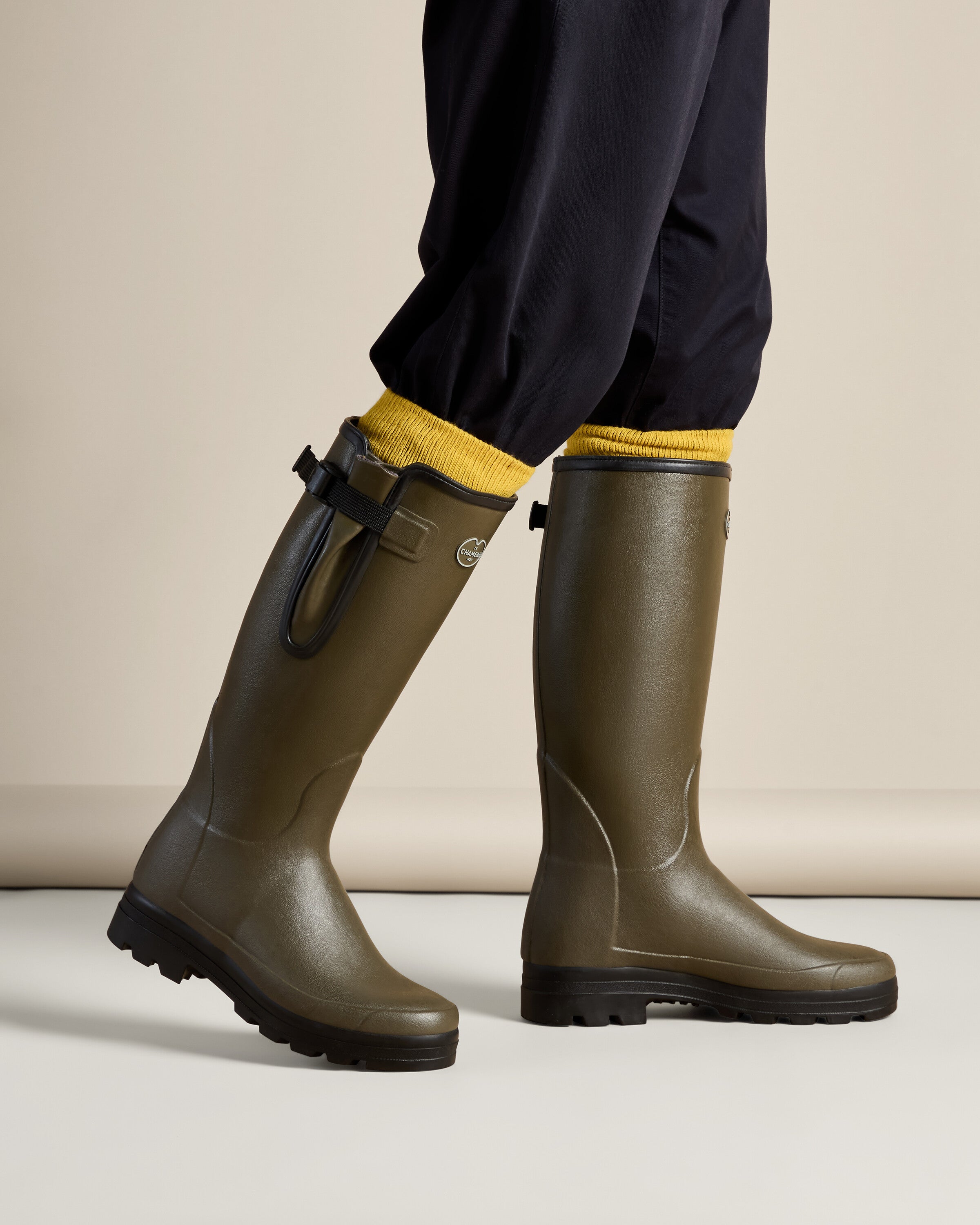
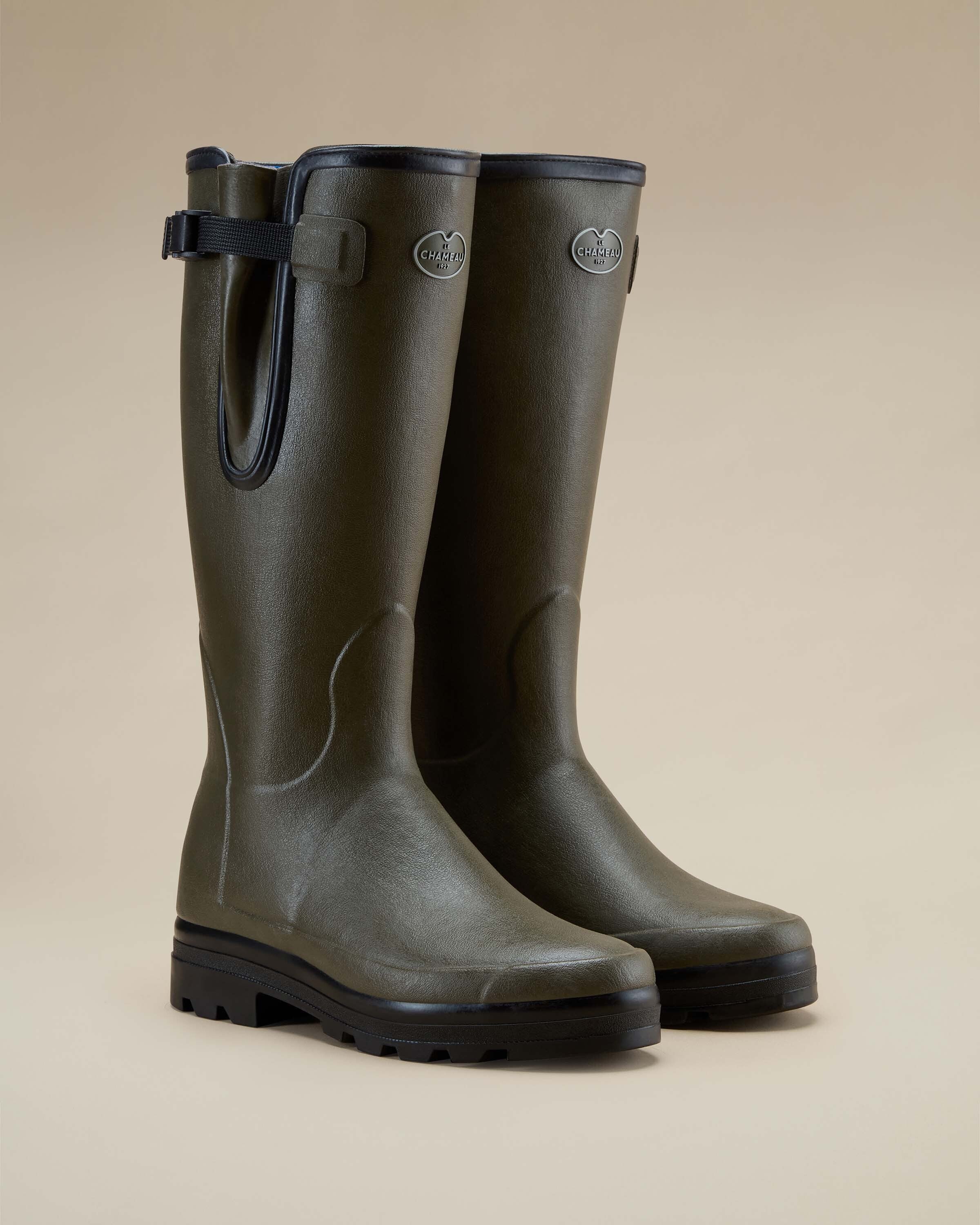
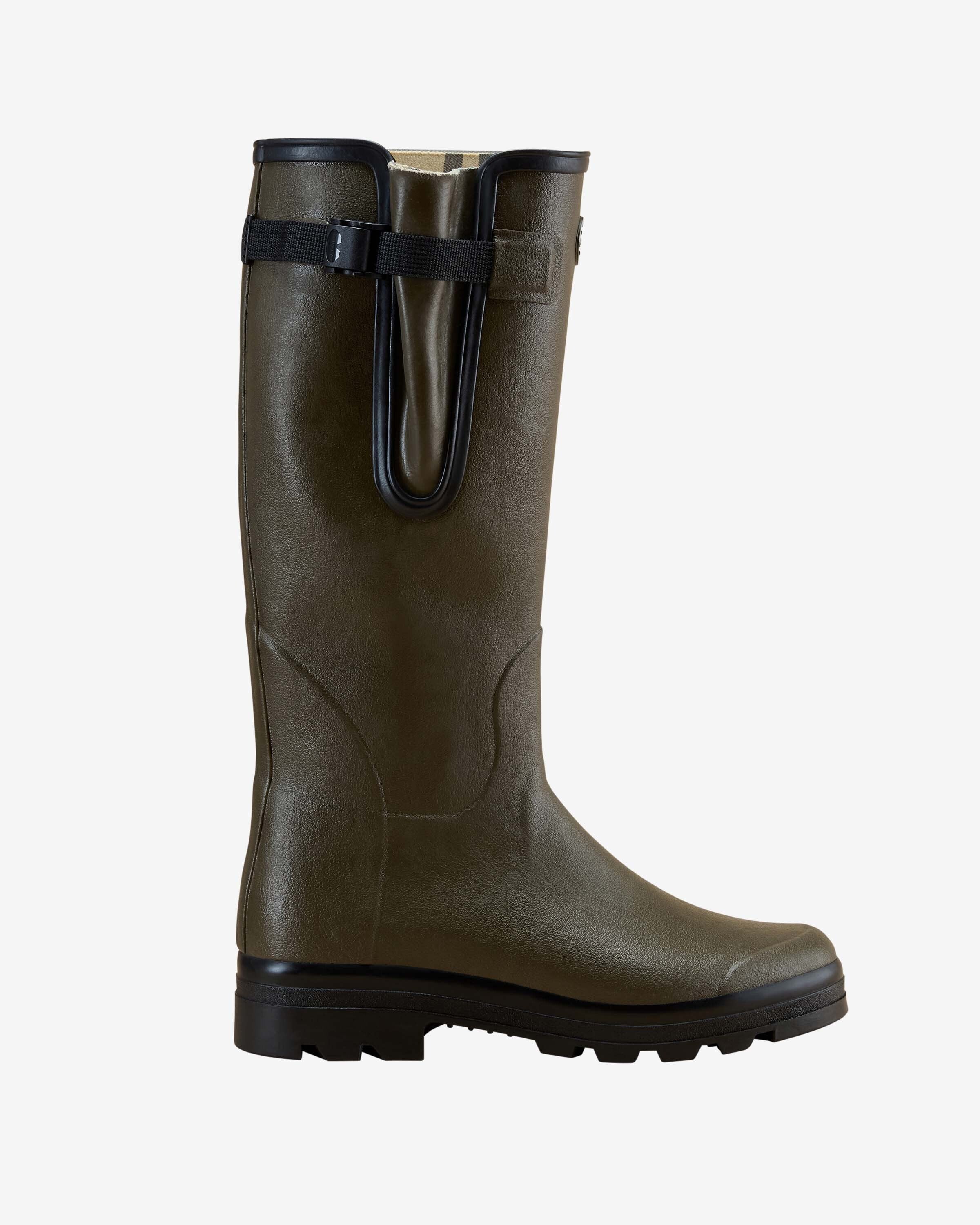
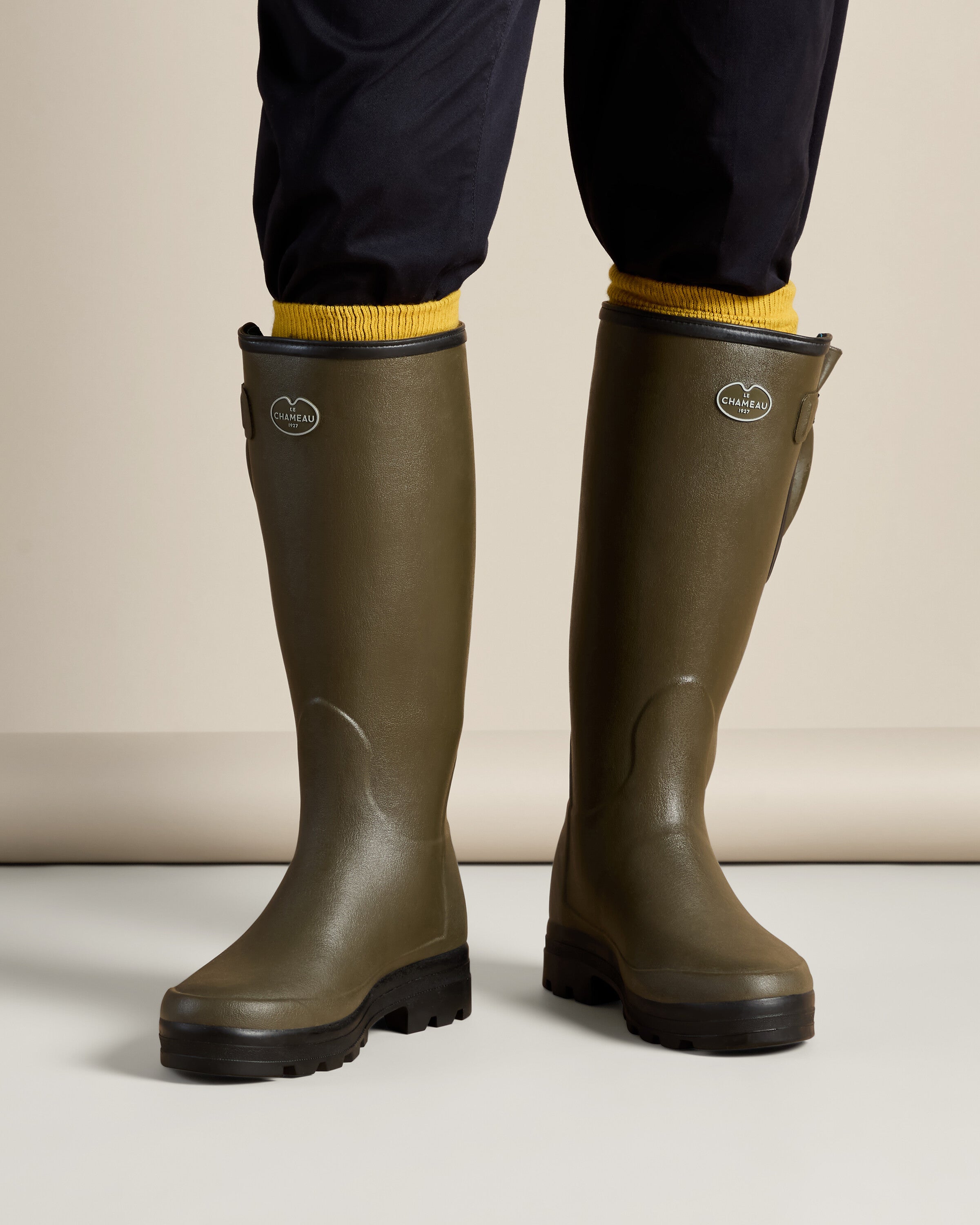
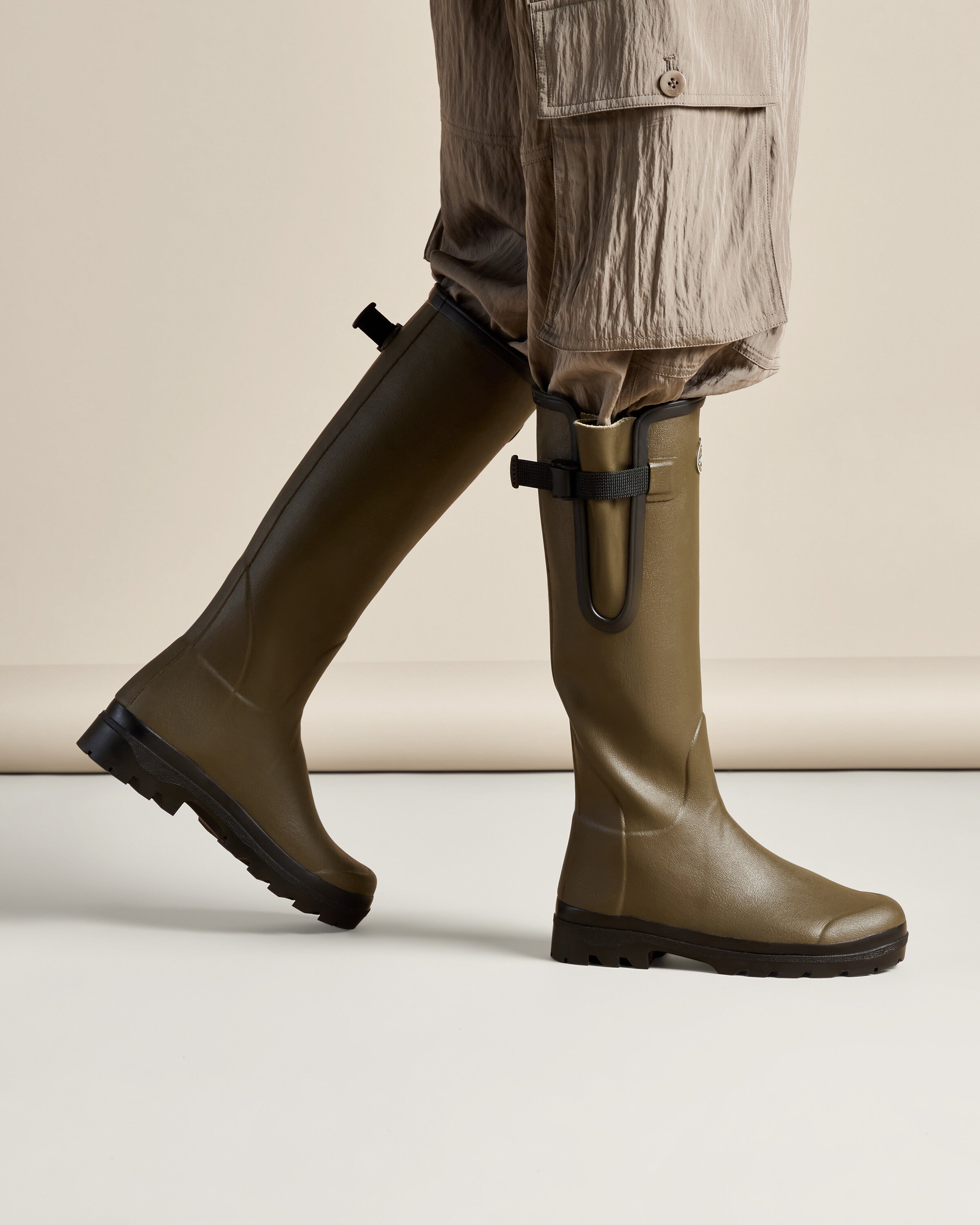
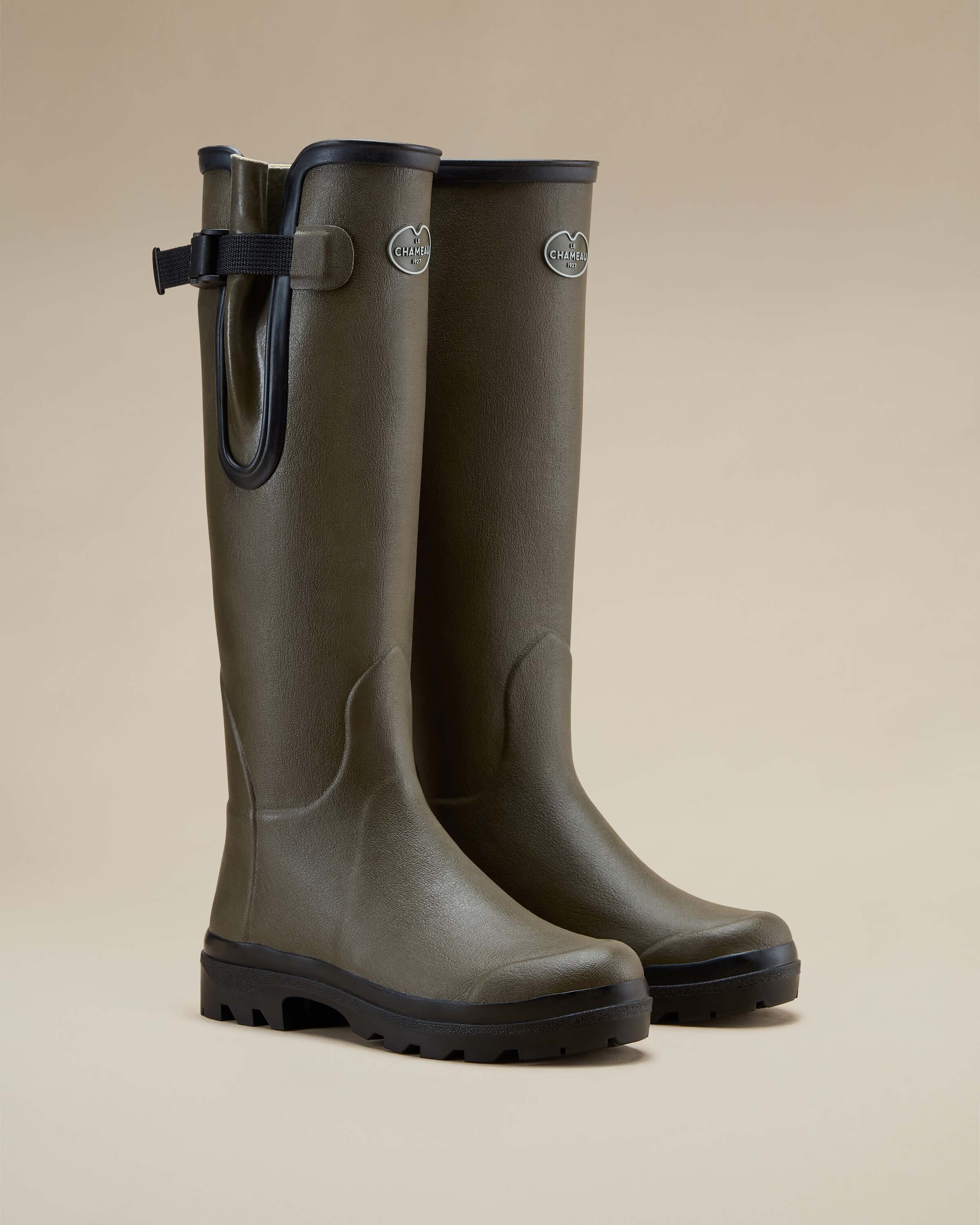
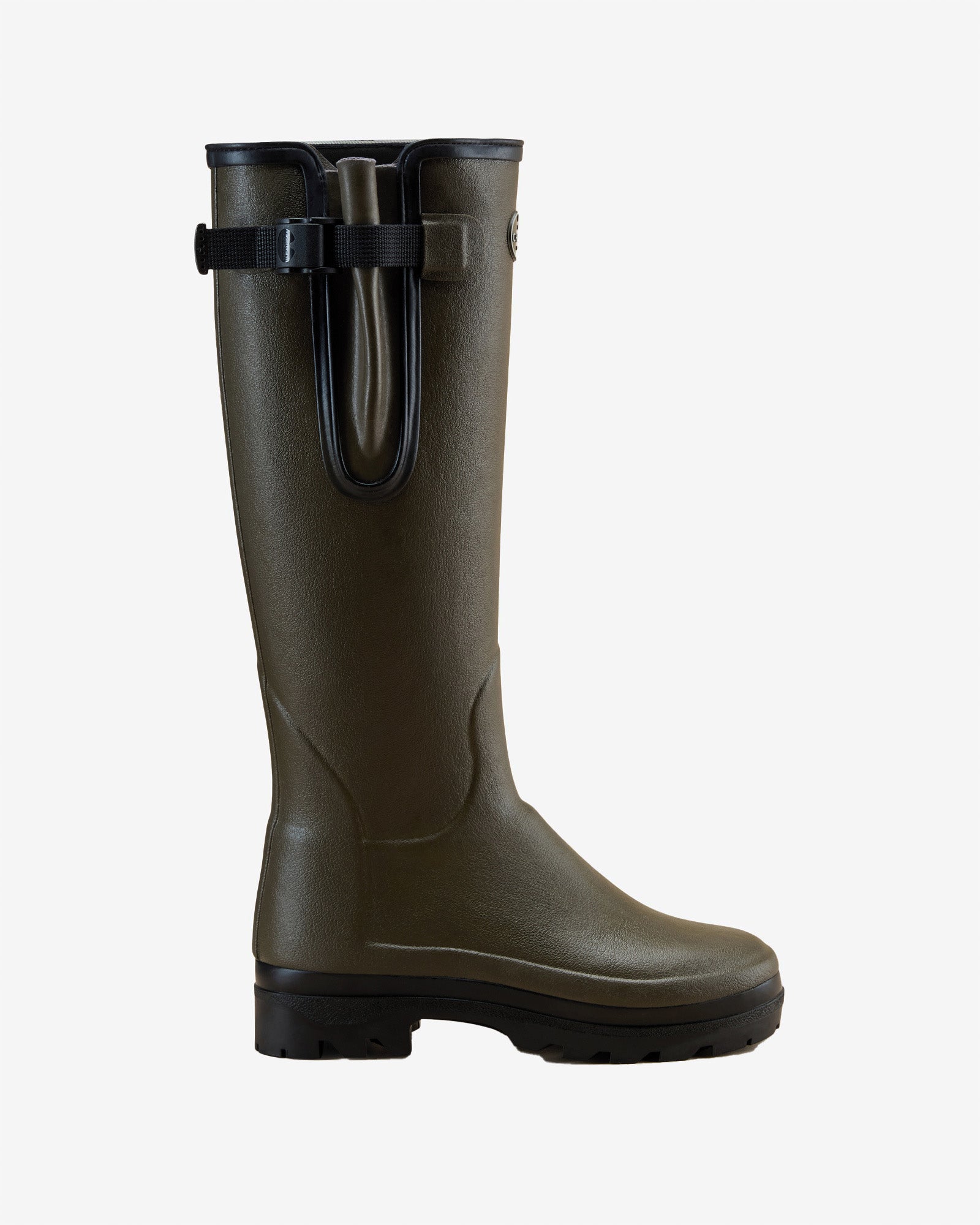
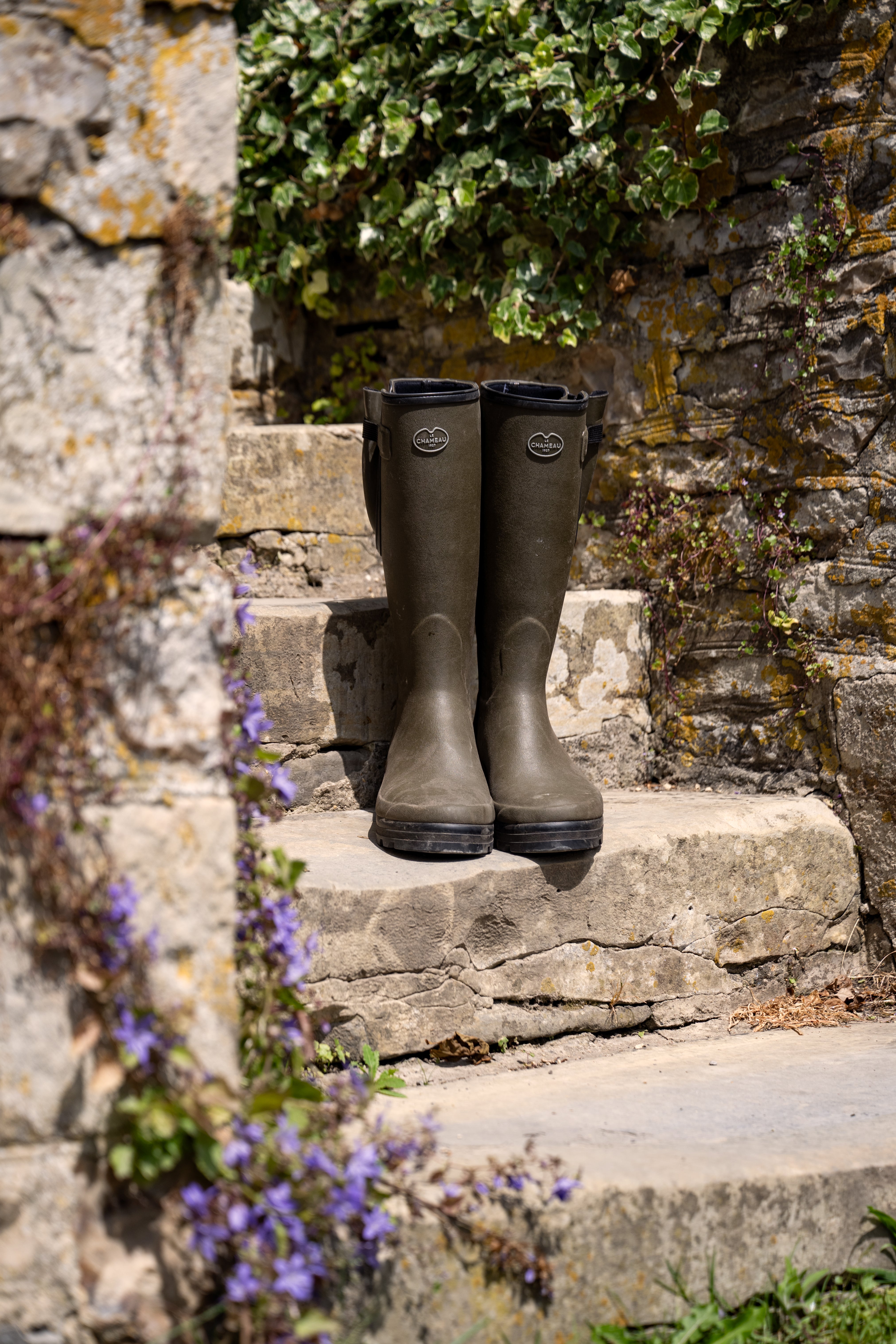
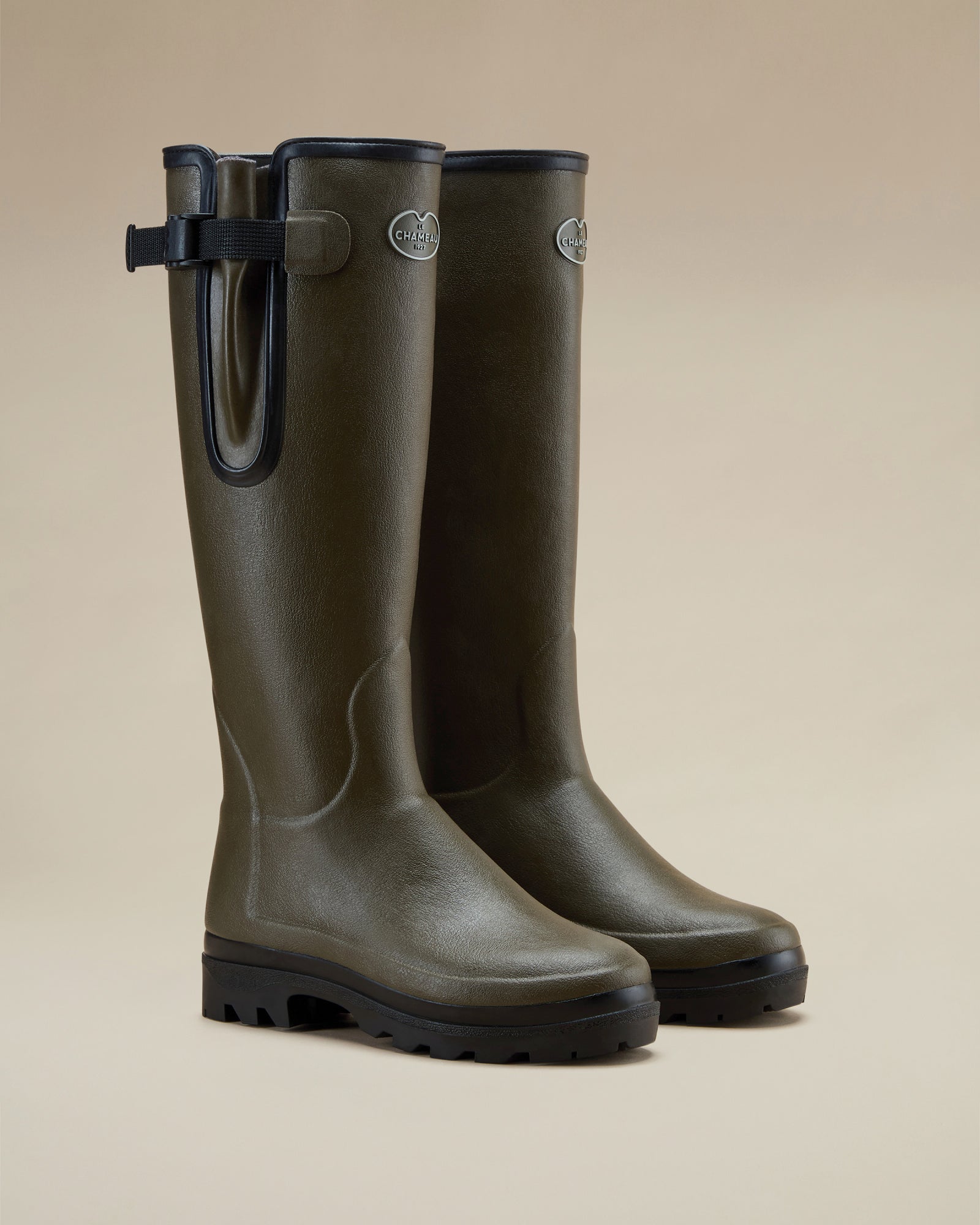
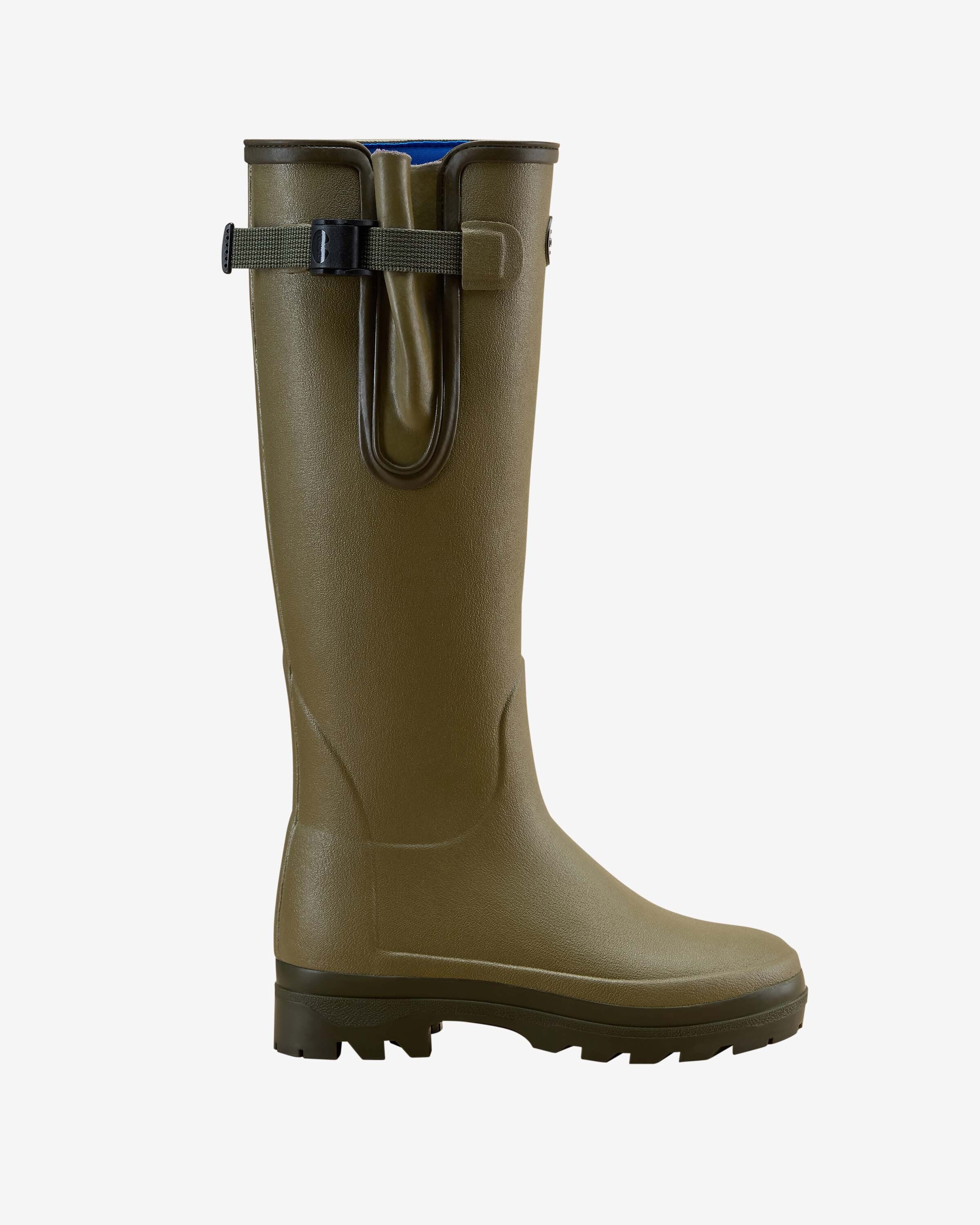
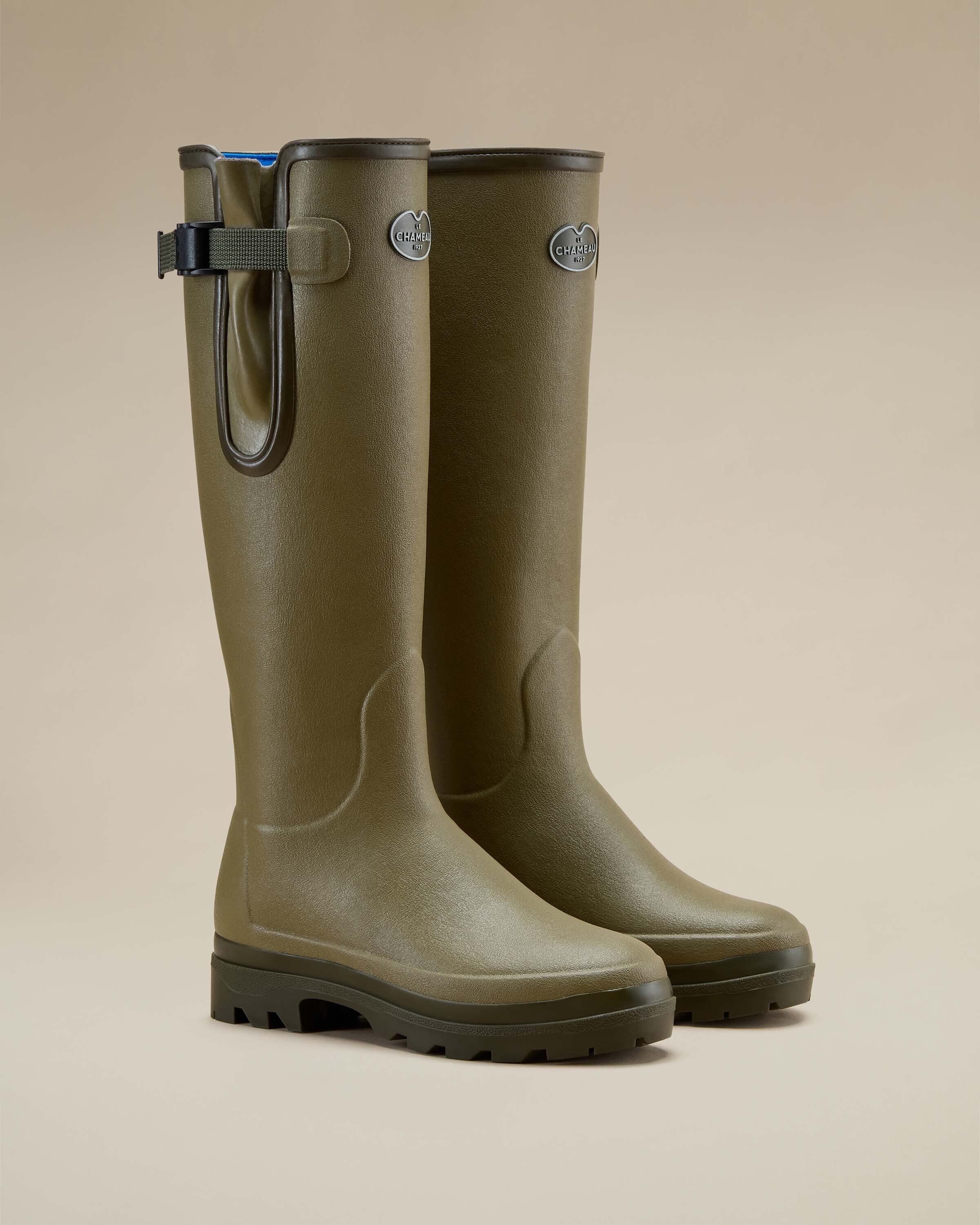
As we spoke, Huw took us from the farmstead, down the adjoining tracks and into the farm’s main grazing fields that were lined with mixed hedges and a splattering of huge oaks. Our boots – Huw wears Le Chameau Vierzon in Iconic Green – were caked in dust from the short walk. It hadn’t rained on the farm for weeks now, and although the ground itself was truly parched, the view over the fields looked positively lush; vivid hues of green were peppered with deep purple and pink flowers. The hedgerows and oaks also looked thriving. The farm’s fields looked like a verdant oasis compared to the surrounding wider landscape that was arid and toasted.
“The fields in front of us are full of lucerne, or otherwise called, alfalfa.” Huw notes, as he takes hold of a handful of the plants just under our noses. “It’s a plant we have been growing for a good few years now, finding that it copes much better with drier, harsher weather conditions as it is deep rooting and fixes its own nitrogen – it ticks a lot of boxes for us.”
The farm’s fields are not only lush in colour, but they are also awash with insect life; wasps, hoverflies and butterflies skip and dance over the tight buds of the flowering lucerne. We joy in spotting multiple Clouded Yellow butterflies, a rather rare sighting to see so north in the UK, butterflies evidently happy to find Huw’s oasis. “It’s all about adapting for these periods of dry weather. We're having to prepare at least 12 months in advance for it because we know it's coming. We know the type of soil we've got, so we know how it's going to be affected. It’s a lot of trial and error, but it’s about finding the right plants that can cope better with drought – and flooding in winter for that matter.”
The Reality of Farming: Long Hours of Hard Work
If you were to visit Pentrefelin Farm on a sunny day in summer, when the sun was shining and you are sauntering down the field margins with Huw as he checked on his animals that lay in the shade of an oak tree, you may think his life as a farmer is really rather tremendous. However, the reality is very different. Farming is not a job, it’s a way of life, and a tough one at that. What many don’t see are those early morning starts to milk and check on the herd or flock, the never-ending list of jobs to do on the farm, the long hours often spent alone on the land and the huge responsibly and accountability for managing and raising animals to high levels of animal welfare or growing a harvest. Many farmers are tied to their farm, unable to travel away to other farms or farming events, let alone take a holiday.
Speaking to Huw on the realities of farming life, he says, “I think the biggest thing that people might not understand with dairy farming in particular, is that we milk the cows every single day, every single day. It’s Monday to Sunday, and if you fancy getting out of bed a little later one day, well, you can’t, you've got to get up to milk the cows. I can’t have a weekend off to chill and relax and do hobbies, it's never ending for a farmer. You have to love it; love the way of life.”
For Huw, farming is all about the long-term goal, it’s the way he motivates himself to get up every morning. “I’ve got a vision for what I want the farm to be like in the future and it’s about visualising that goal every day. But you know, the hard work isn't just the manual side of working on a farm, it's the selling as well. Because we produce a lot less milk from the cows being a cow-with-calf system, we’re having to charge more than what people might be used to paying in the supermarkets for milk. Half the battle is educating people on why they're spending more on our produce; our farming system is nature-friendly and our milk is nutritious.”
Seasonal Jobs on the Farm in Le Chameau
Le Chameau have been serving farmers since 1927, ever since our founder Claude Chamot designed the first pair of natural rubber Wellingtons in France. Nearly 100 years on, we still serve farmers across the globe who champion nutritious food for their local communities.
We asked Huw, what it’s like to wear Le Chameau around the farm. “For an average day on the farm, I walk between 15,000-20,000 steps. With my Le Chameaus, I can be in my wellies all day as they're so comfortable. They let us get on with the job at hand; we wouldn't do without them.”
So, what seasonal jobs have to go on at the farm? “Well, late summer is when we start peaking with milk production, so it’s our busiest time of year bottling and selling the milk to our customers, both here in our farm shop and to local shops – coffee shops in North Wales and the Northwest of England love our milk due to its story and levels of fat for frothing. In autumn, we’ll start grazing a bit differently because the grass growth will start to slow down. We will start trying to preserve things for winter, so change up our grazing patterns so we can graze long into winter.”
To keep up to date with everything that’s happening on Pentrefelin Farm, and how you can get your hands on some of their incredible produce, head over to their website and Instagram.
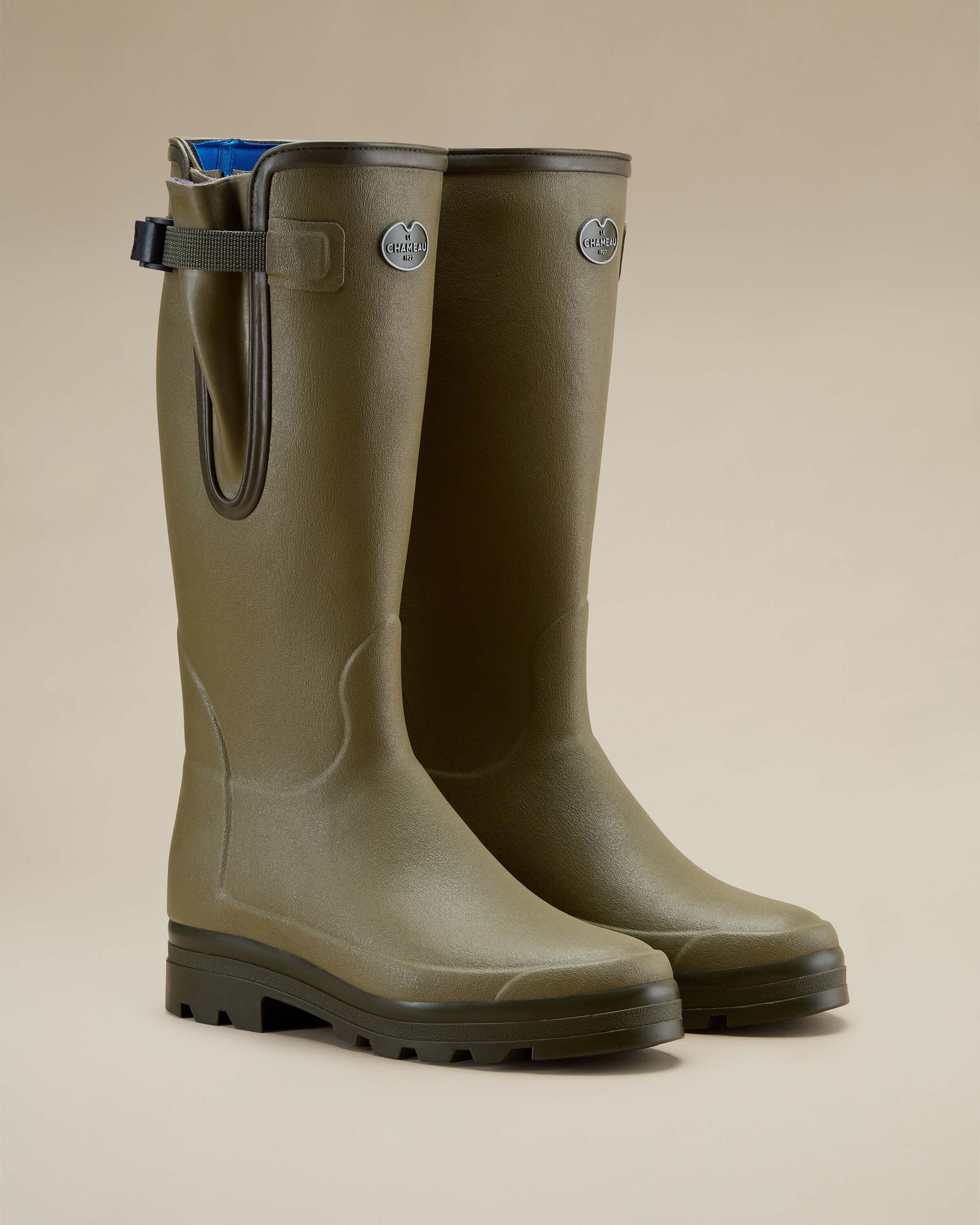
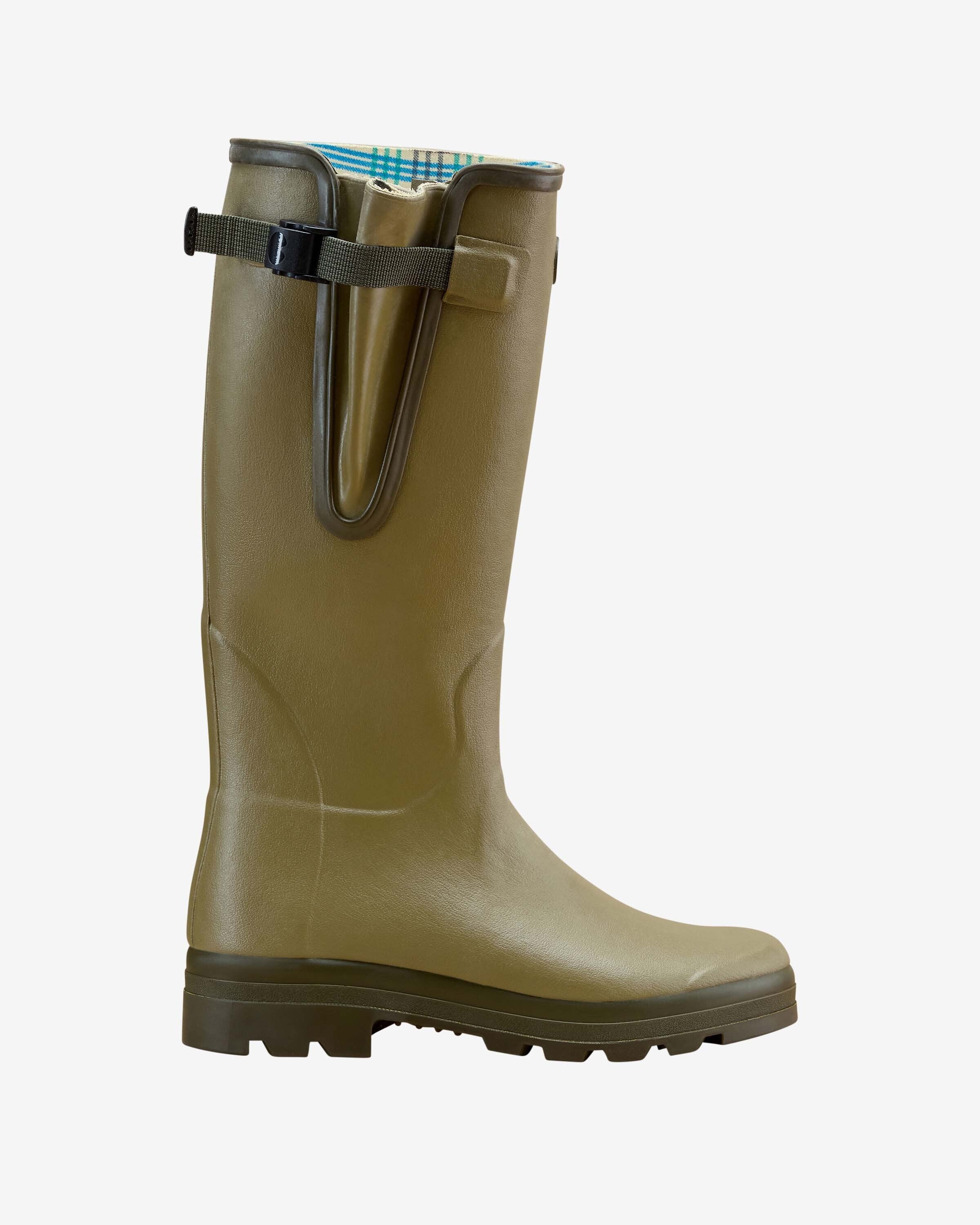
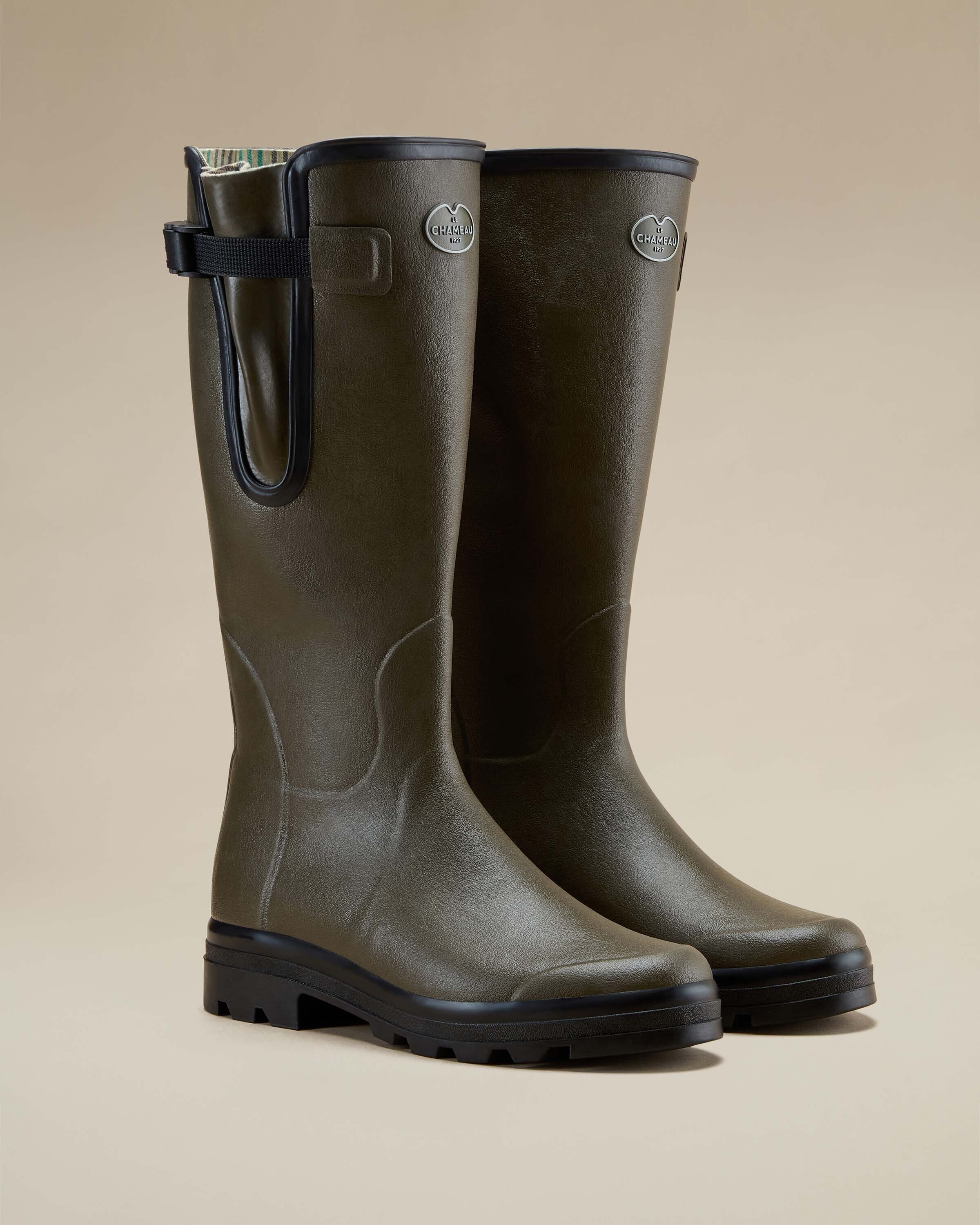
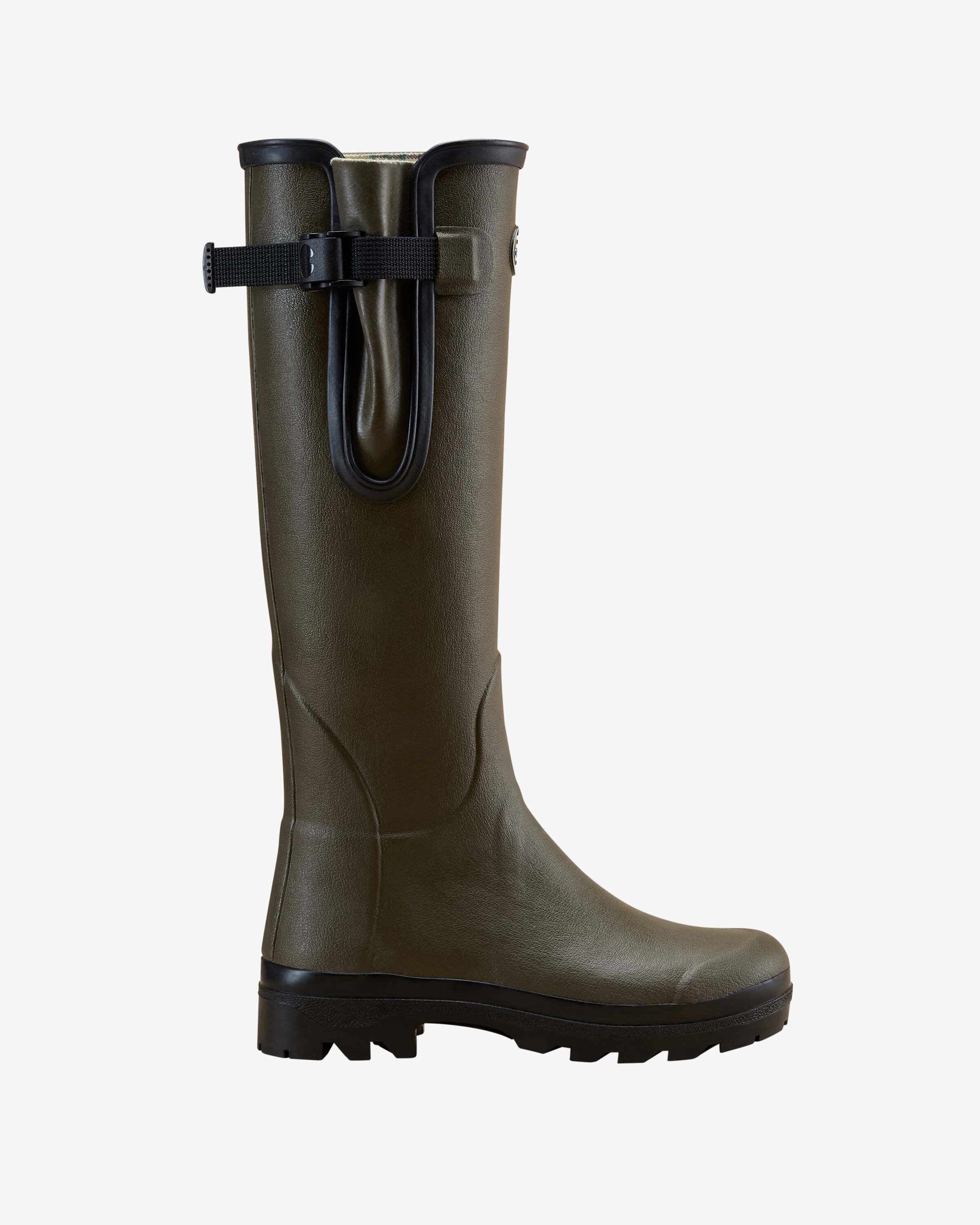
Men's Vierzon Jersey Lined Wellington Boot Women's Vierzon Jersey Lined Wellington Boot Men's Vierzonord Neoprene Lined Wellington Boot Men's Vierzon Jersey Lined Wellington Boot Women's Vierzon Jersey Lined Wellington Boot Women's Vierzonord Neoprene Lined Wellington Boot Men's Vierzonord Neoprene Lined Wellington Boot Women's Vierzonord Neoprene Lined Wellington Boot

 At One with Nature: Fly Fishing with Marina GibsonRead post
 At Daylesford: One Man and his SheepdogRead post
 The Glorious Twelfth: All You Need to KnowRead post
 Discover Holkham: Glasshouses, Gardens and Glorious WalksRead post
 Polo in the Sunshine: Cowdray EstateRead post
 LC Recommends: North NorfolkRead post
 The Inspiration to Illustrate with Polly FernRead post
 Set Sail this Summer: Mastering the WaterRead post
