




 Birdwatch in Comfort
As we follow the calendar year, taking us from the festivities and reflections of last year to a new year full of resolution and anticipation, the wildlife around us follows a very different path, one dedicated by nature’s cycles.
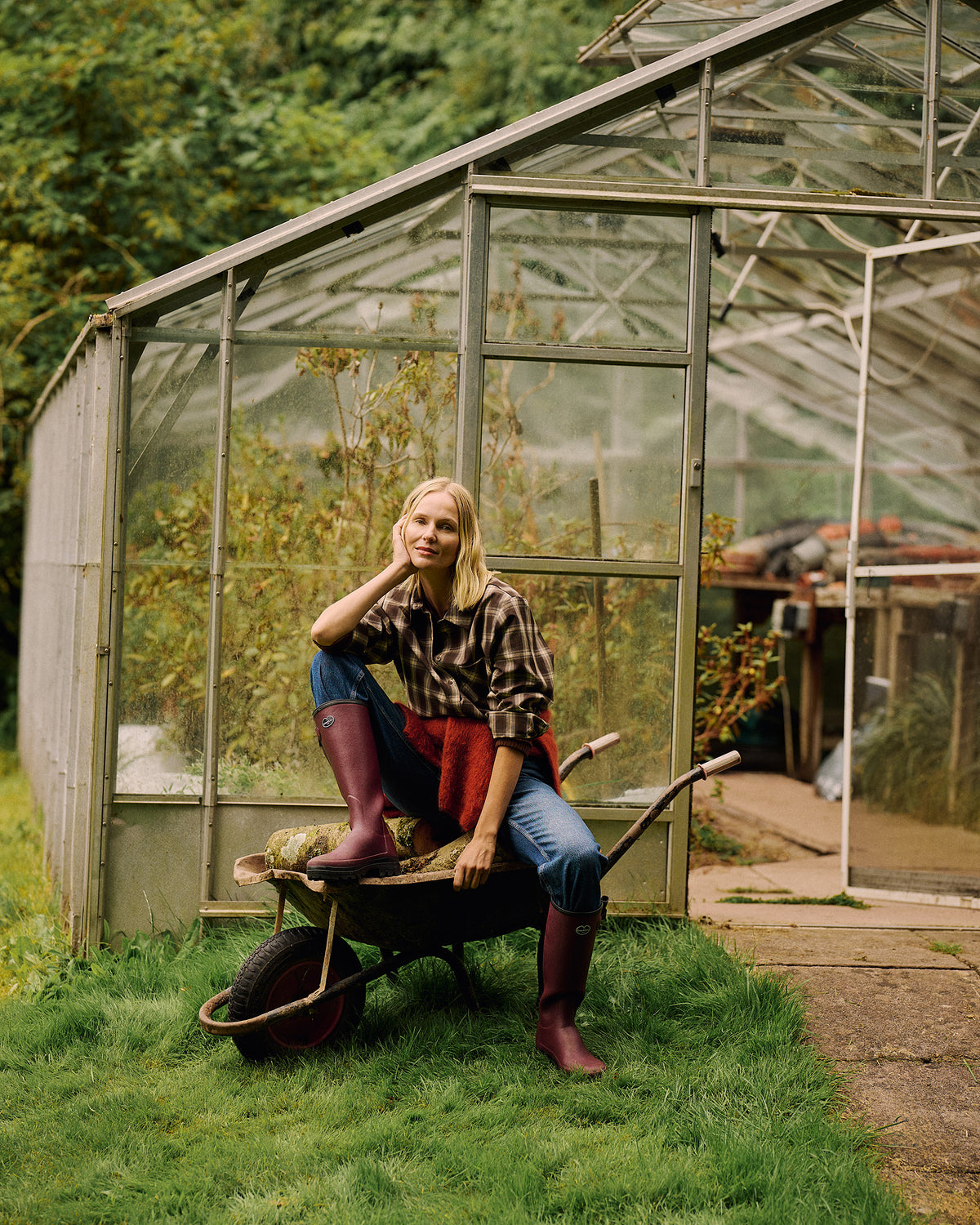
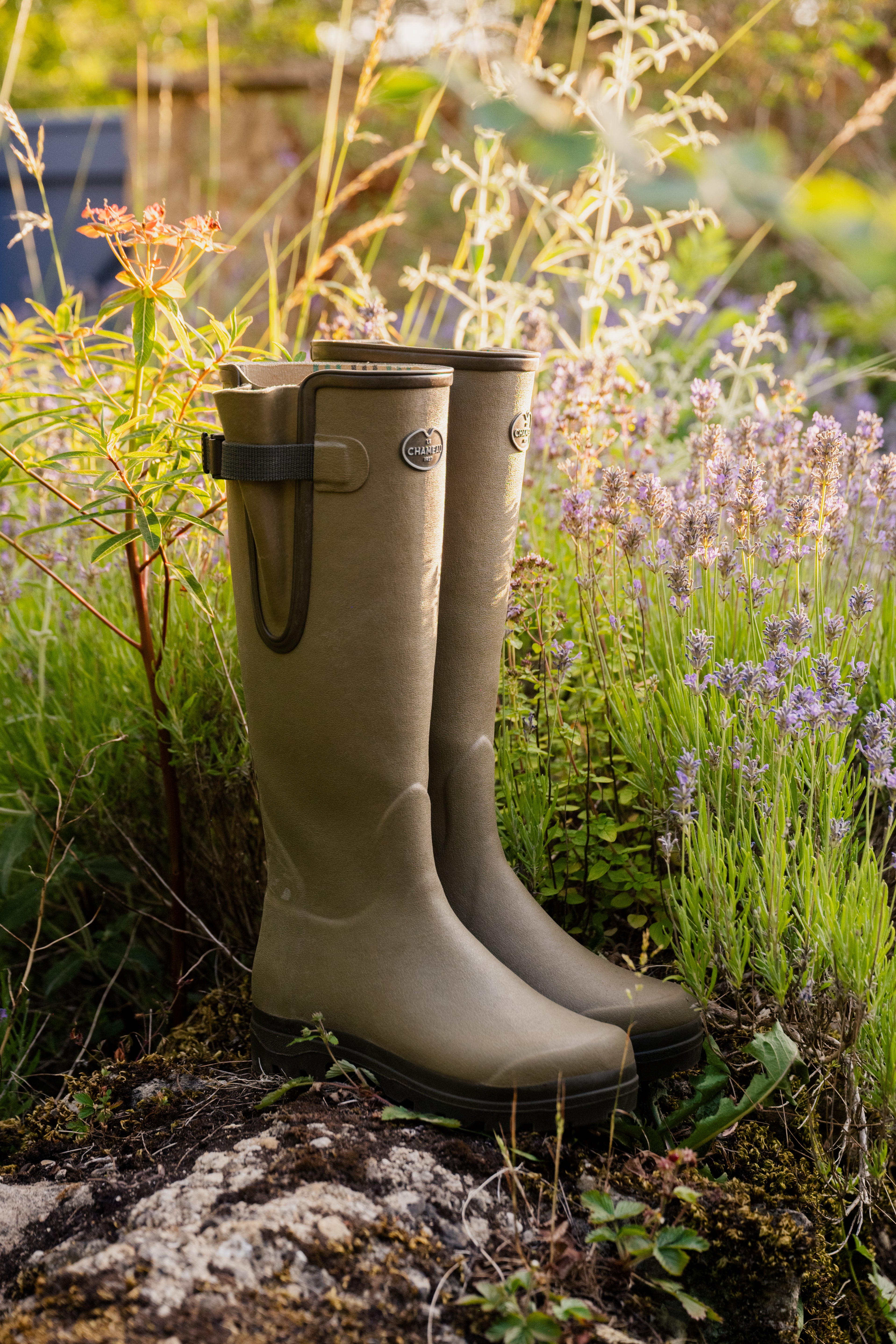
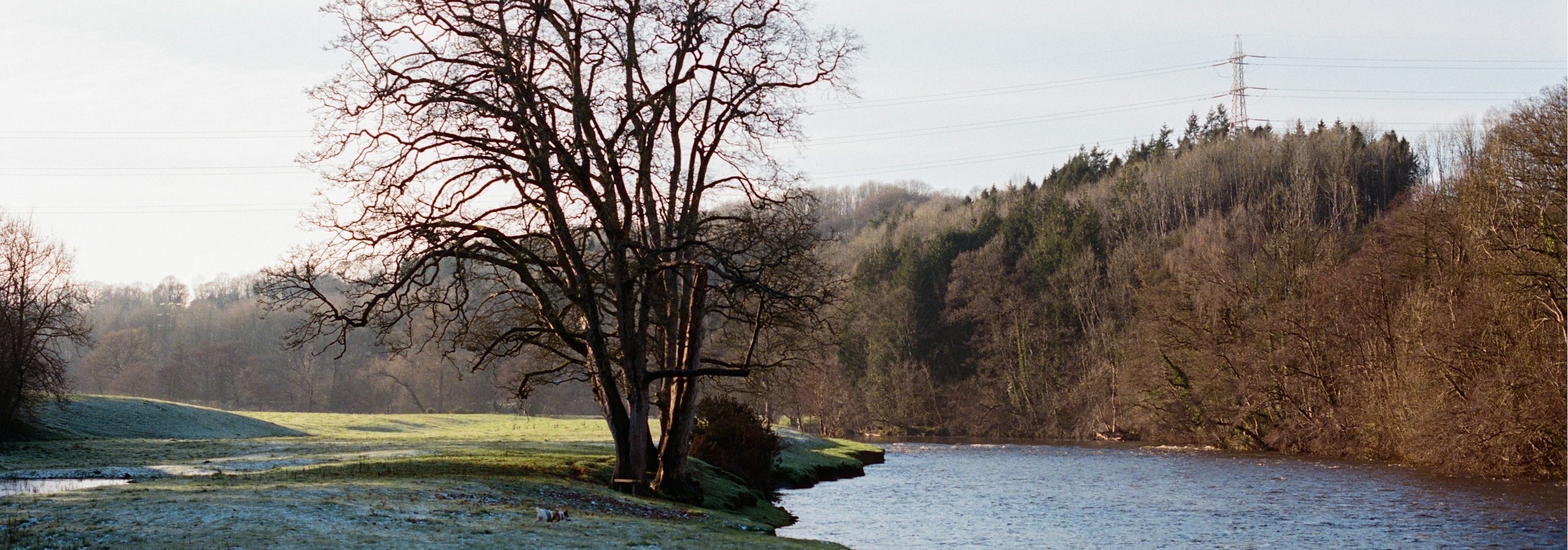
January sees winter tighten its seasonal grip with biting winds and sheets of rain; a month that has already seen plenty of snowfall, painting much of the land a blanket white. Now deep in winter, to truly embrace the season’s minus temperatures and frosty conditions, it’s time to add the layers and pull on your faithful pair of Wellington boots.
We, like the wildlife that surrounds us, seek warmth and sustenance in winter’s short days and long nights. As the land freezes beneath our feet, the skies above are populated with all kinds of bird like our winter visitors, the redwing and the fieldfare, both fly in gangs and crash land on hedgerows, laden heavy with winter berries like haws and sloes.
For many birdwatchers, it's all about observing and identifying the bird species that cross your path in everyday life, noting those you have seen for your own personal log or sharing and comparing sightings with your friends and family.
Birdwatching or birding (or 'twitching' that is more specialized) evokes a true sense of joy and excitement, whether it is seeing or hearing songs of new species for the first time or identifying birds you know like the back of your hand. It’s all about acknowledging the wild around you and relishing the exploration outdoors.


There are many fantastic spots to birdwatch. One of the most ‘unspoilt, natural, and beautiful stretches of sand’ that boasts many unique habitats and rare species of flora and fauna – including an incredible list of birds - is the Holkham National Nature Reserve in Norfolk, East Anglia.
Another excellent, more inland location to spot a wide range of birds is Ham Wall Nature Reserve in Somerset, which is described to be ‘teeming with wildlife.


Where are you birdwatching this year?
If you’re walking the coastline in your Le Chameau Wellington boots this winter, there are many birds to identity like the dunlin and turnstone that reside and forage near the water’s edge, whilst there is all manner of gulls, from herring and common, to the larger great black-backed and the smaller kittiwake.
If it’s the countryside you’re exploring in your wellies this season, taking to the miles of footpaths through fields or down country lanes, be sure to see starlings starting to roost and gather in murmuration, long-tailed tits chatting in number amongst the leafless trees, or if you’re lucky enough, a song thrush with its mellifluous call.
But, of course, it could be your garden, local park and balcony, where you can spot birds, more common species like the wood pigeon, blackbird, blue tit and goldfinch that are ever more the ravenous through these colder winter months of the year.
In light of the latter, we wanted to highlight RSPB’s Big Garden Birdwatch, what is called ‘the world’s largest garden wildlife survey’, where each year many thousands of nature lovers take part in the survey to help build a picture of how garden birds are faring. Find out more here to get involved.
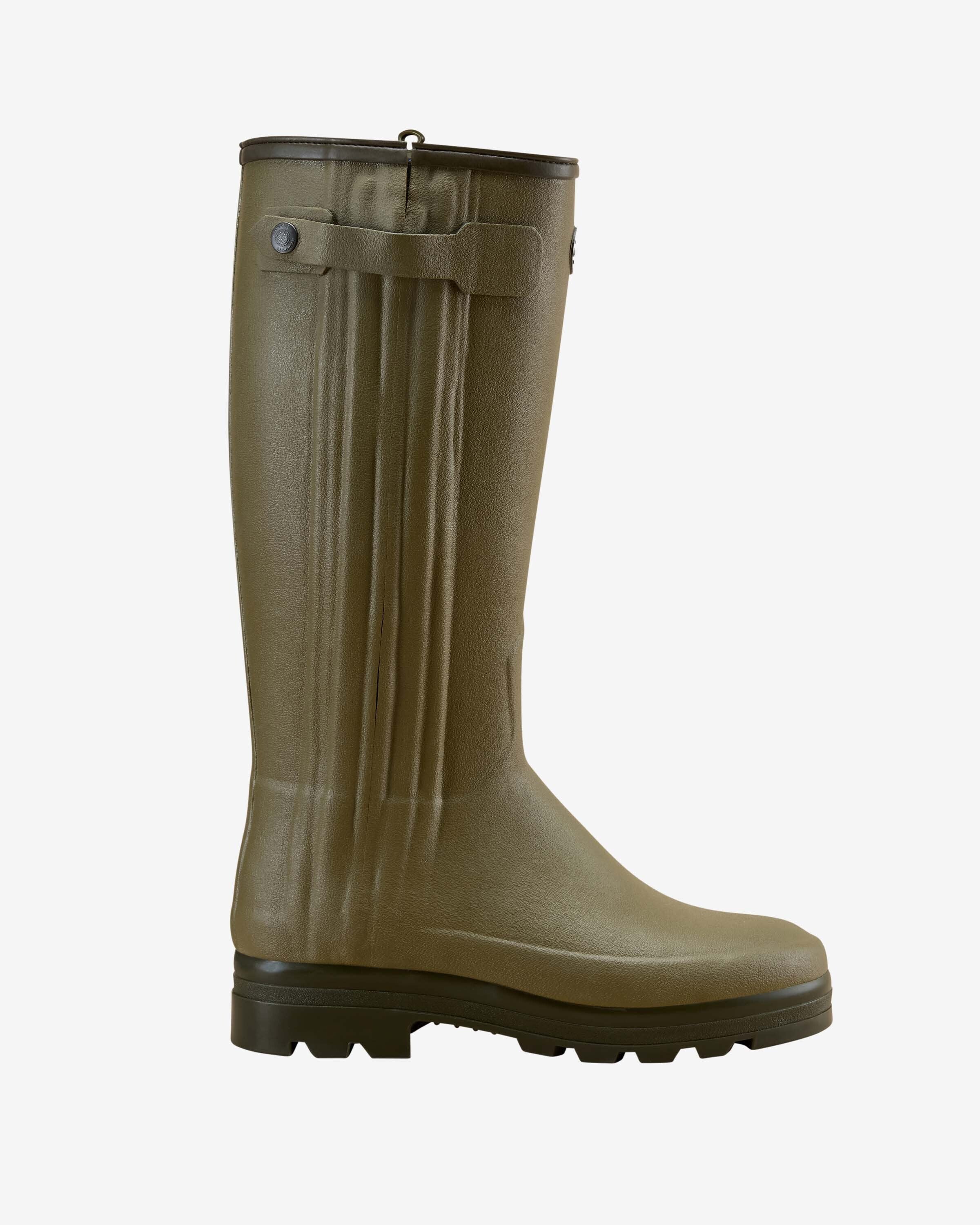
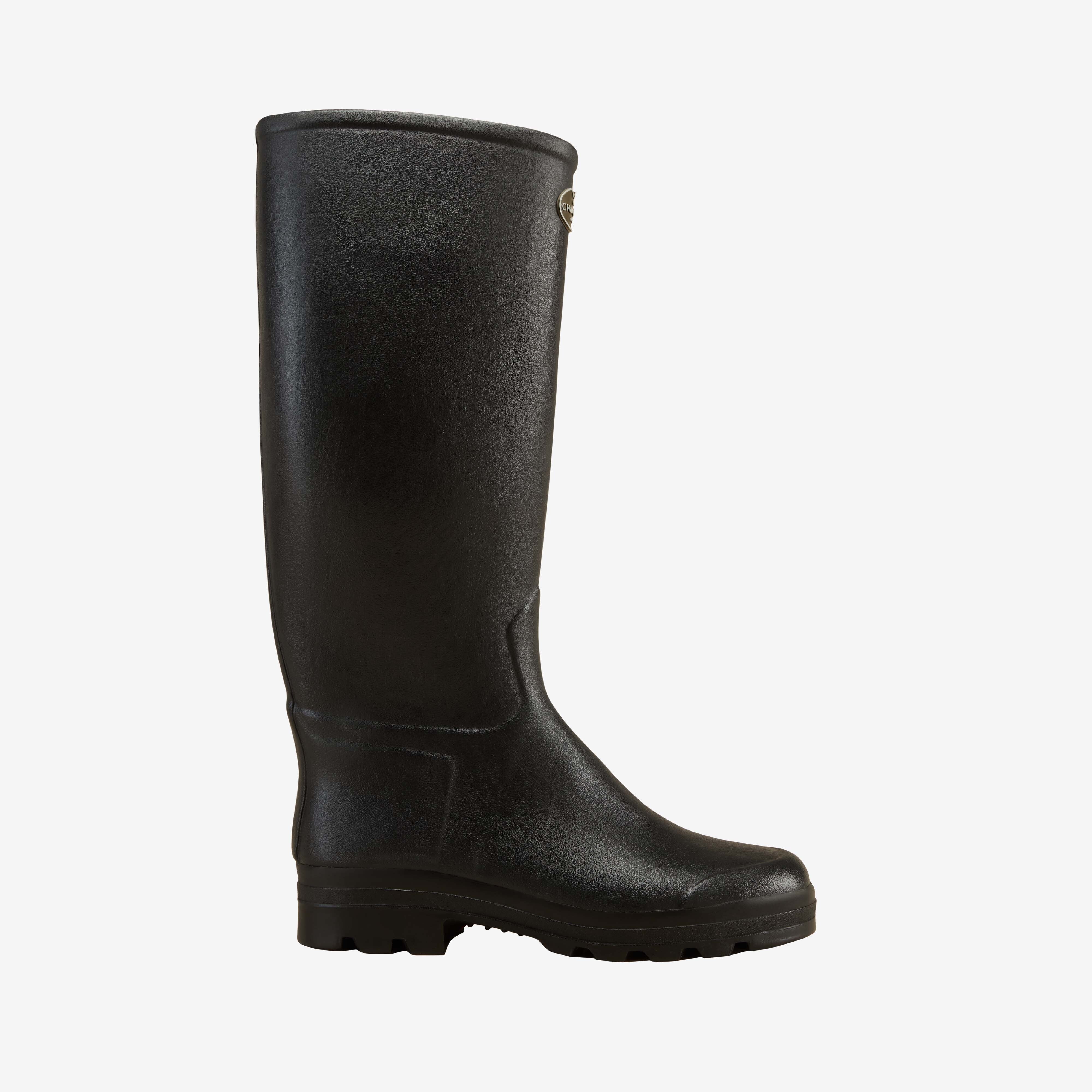
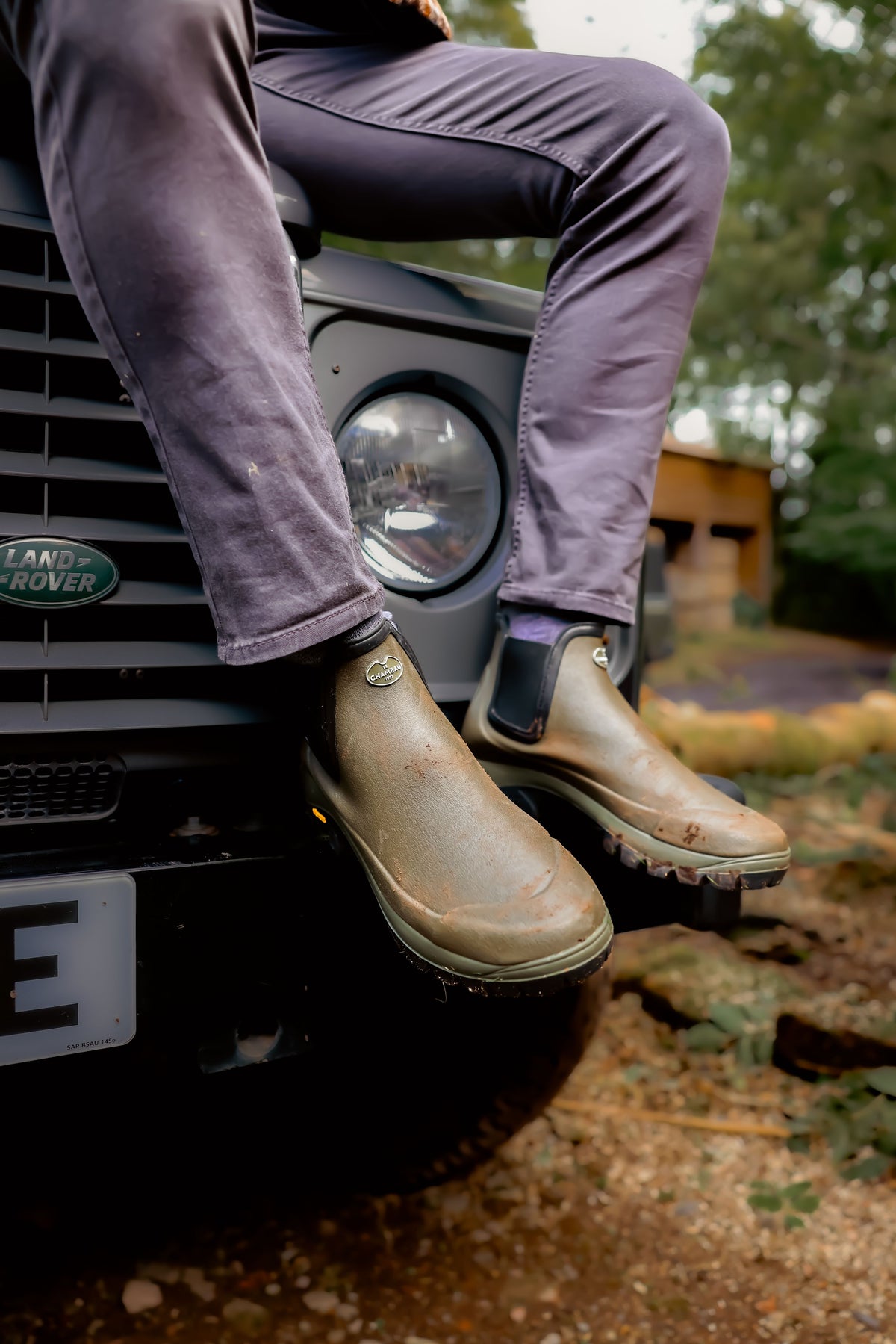
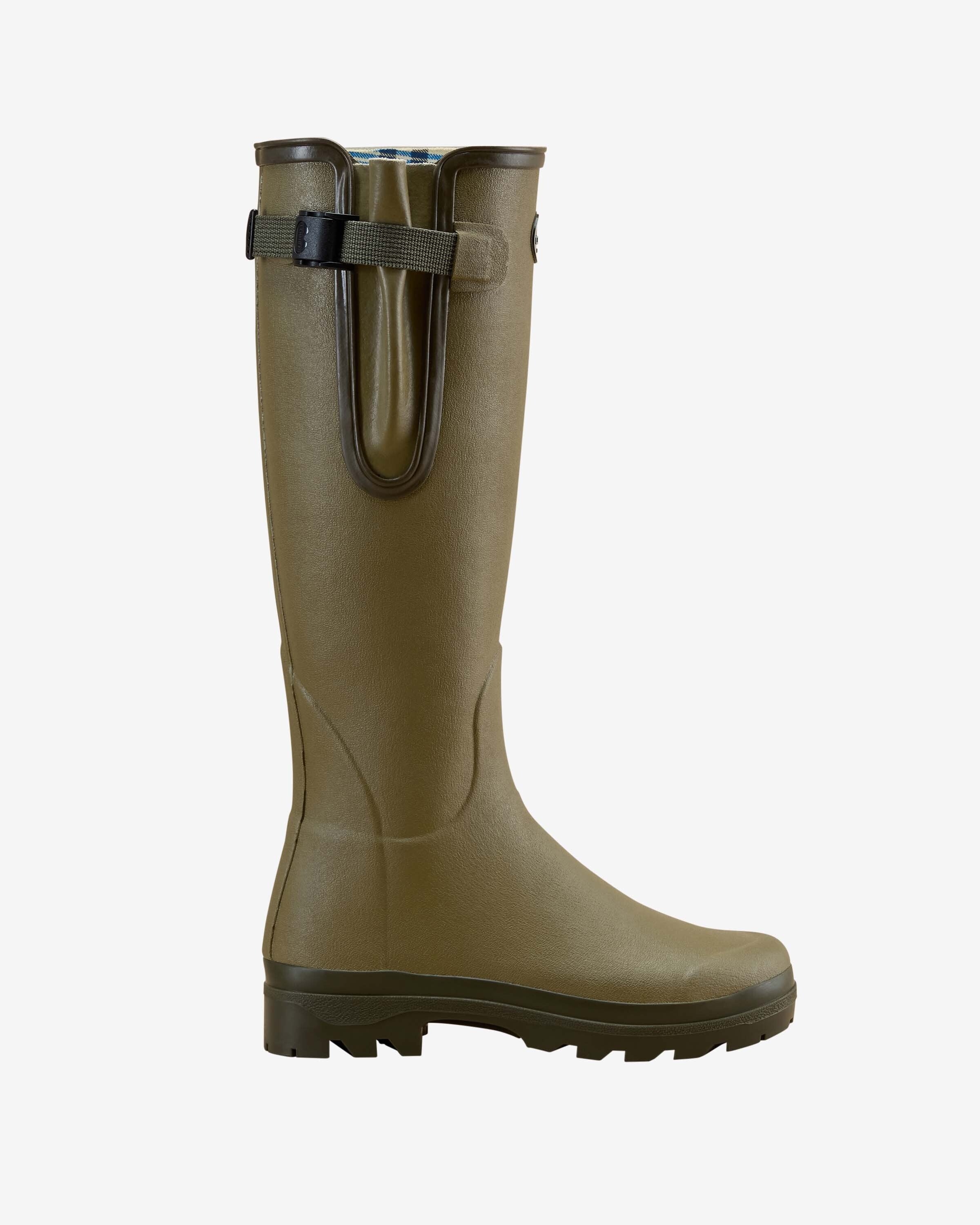
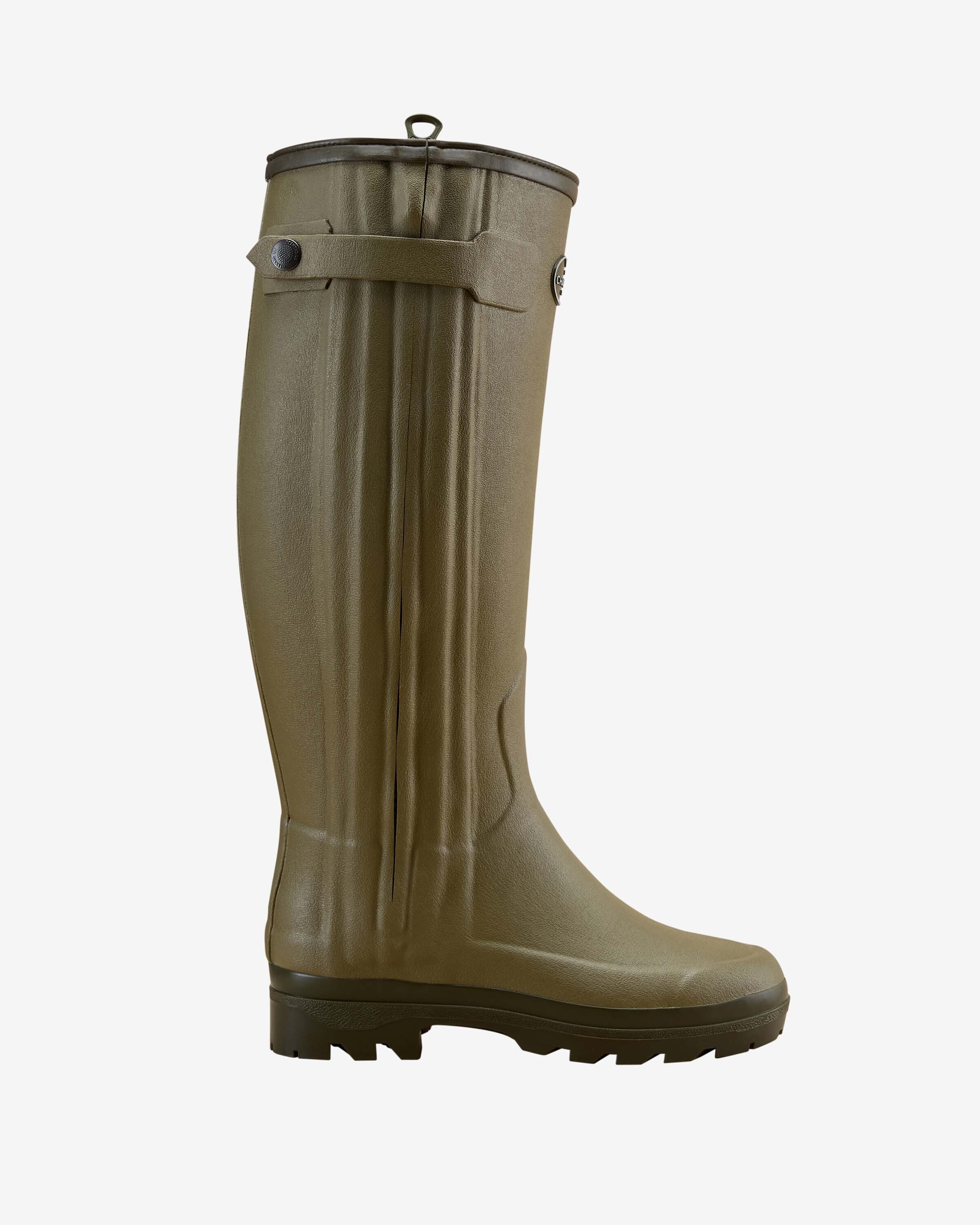
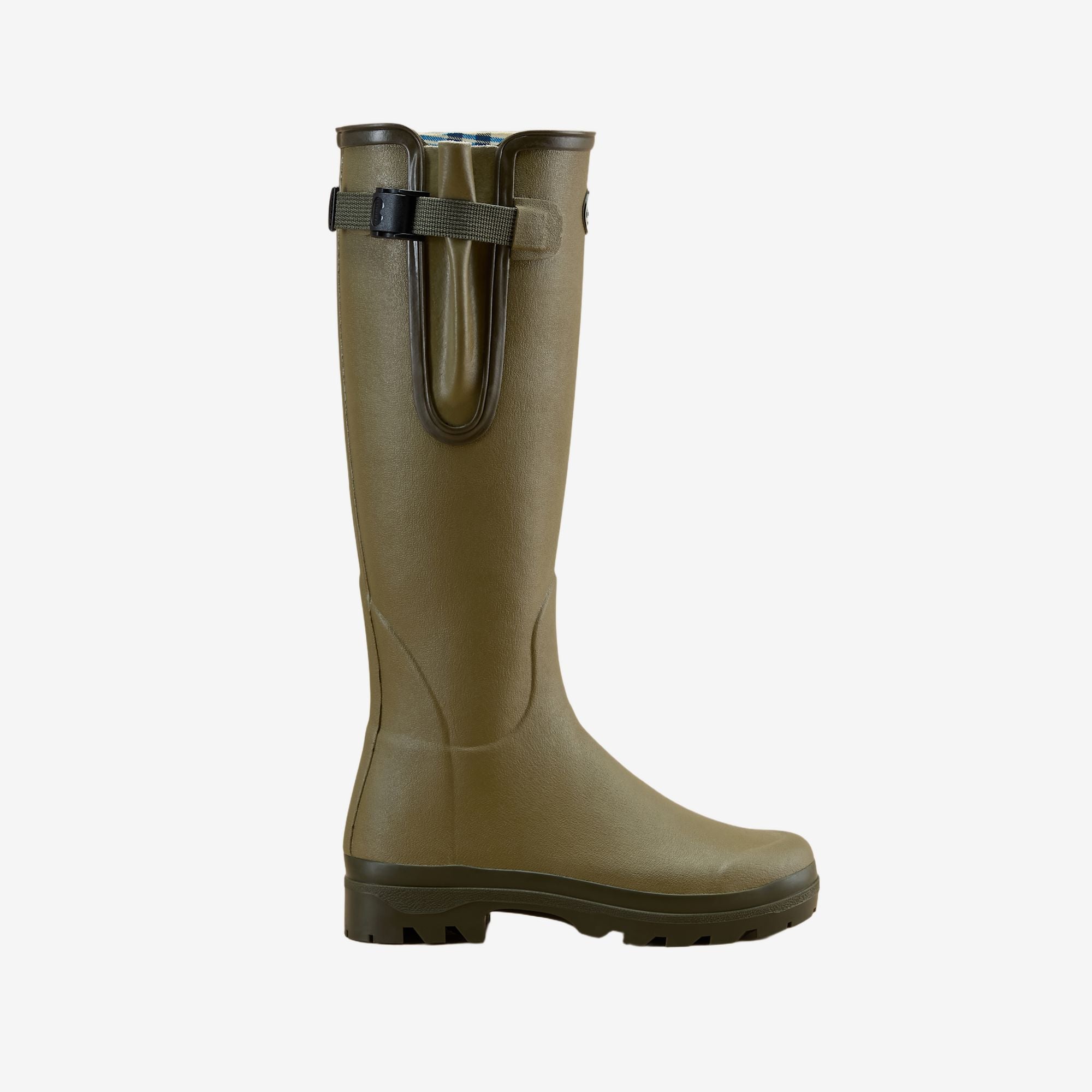
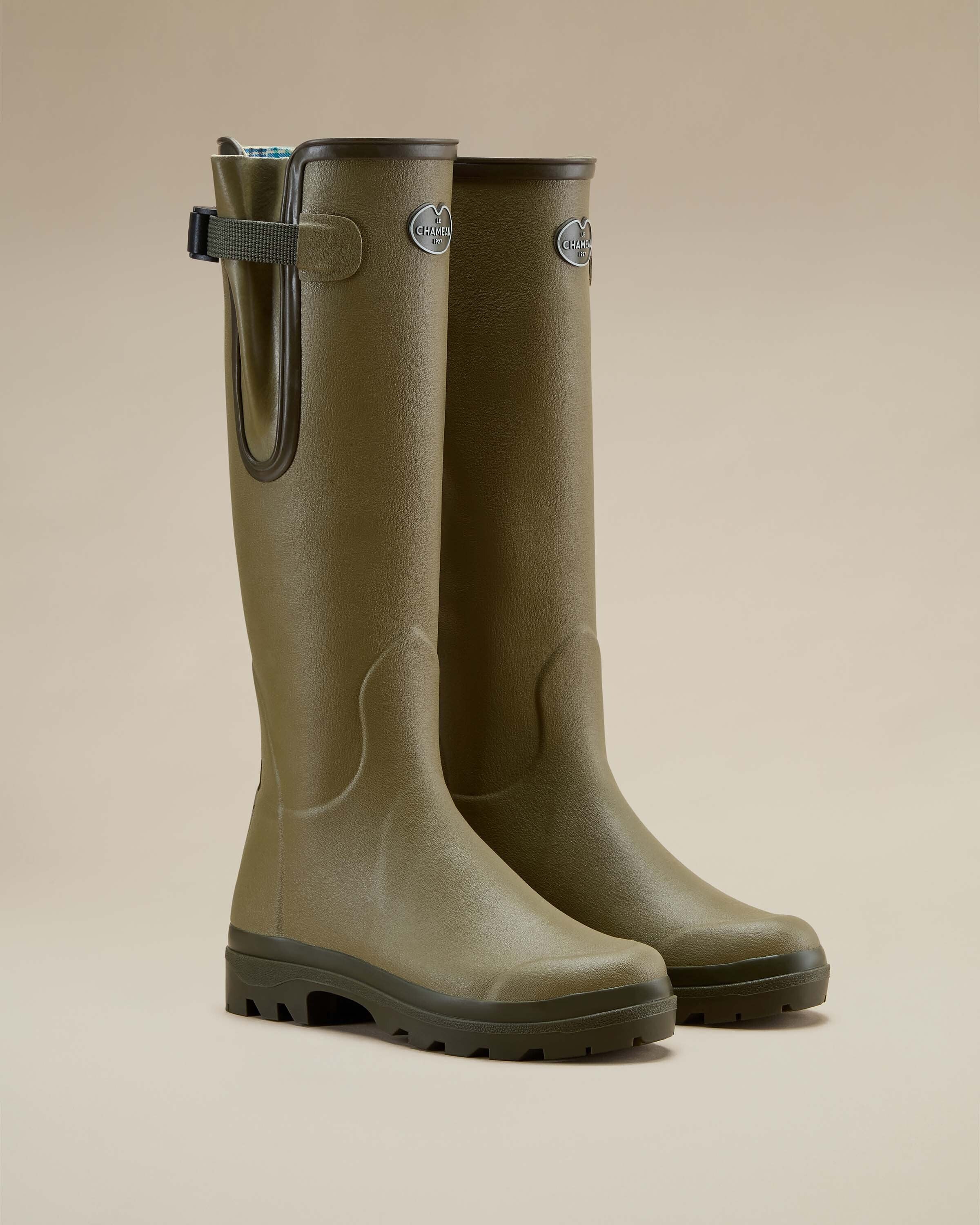
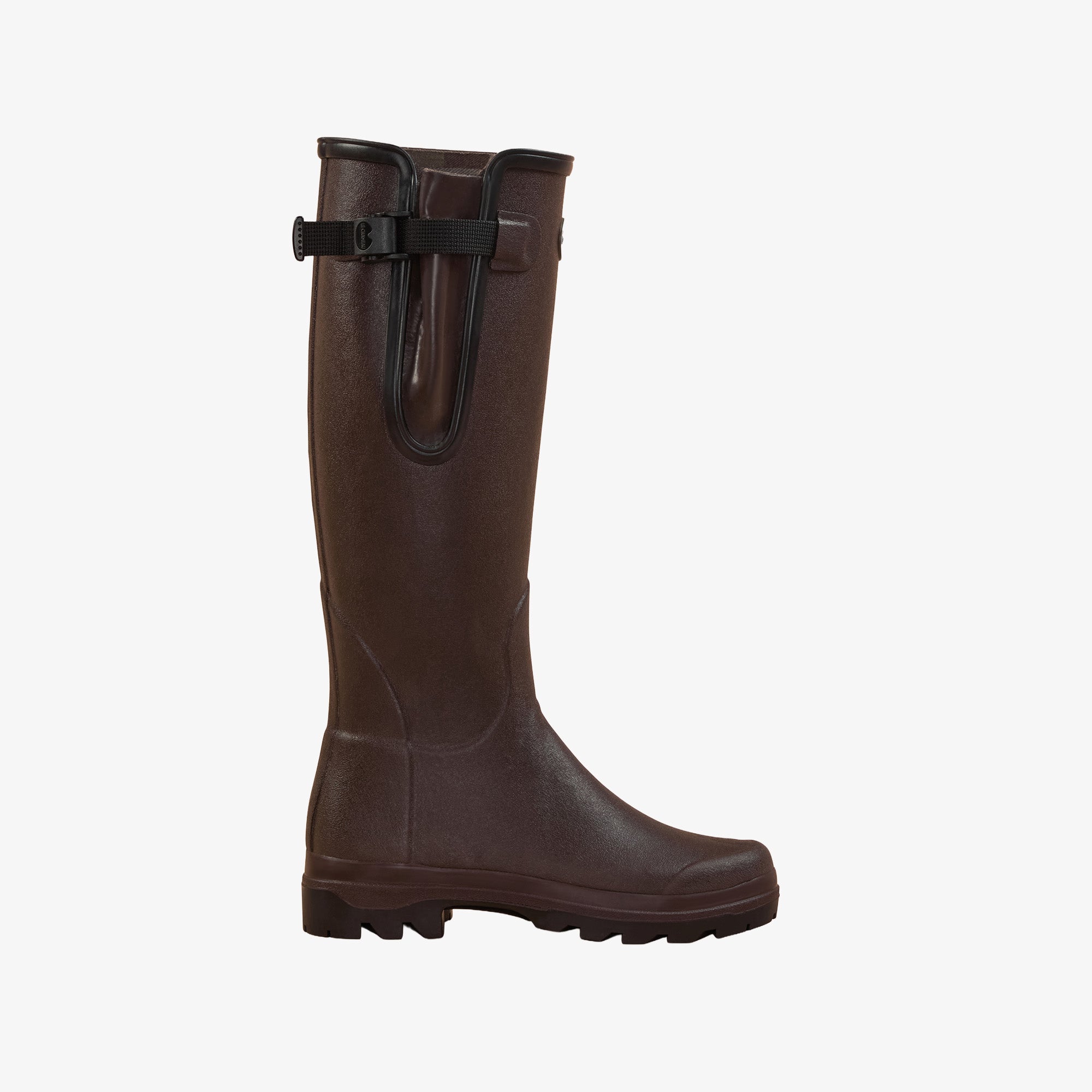
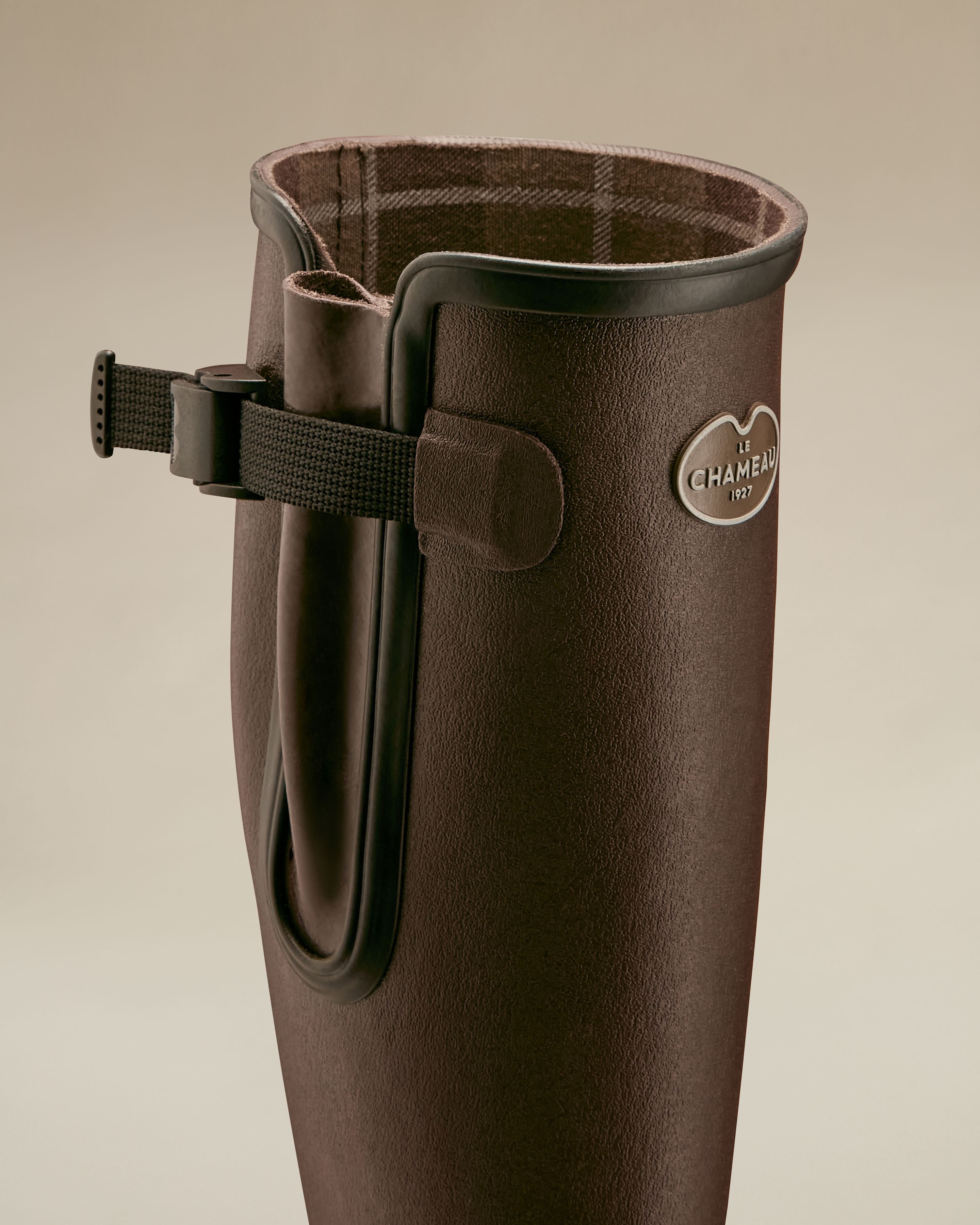
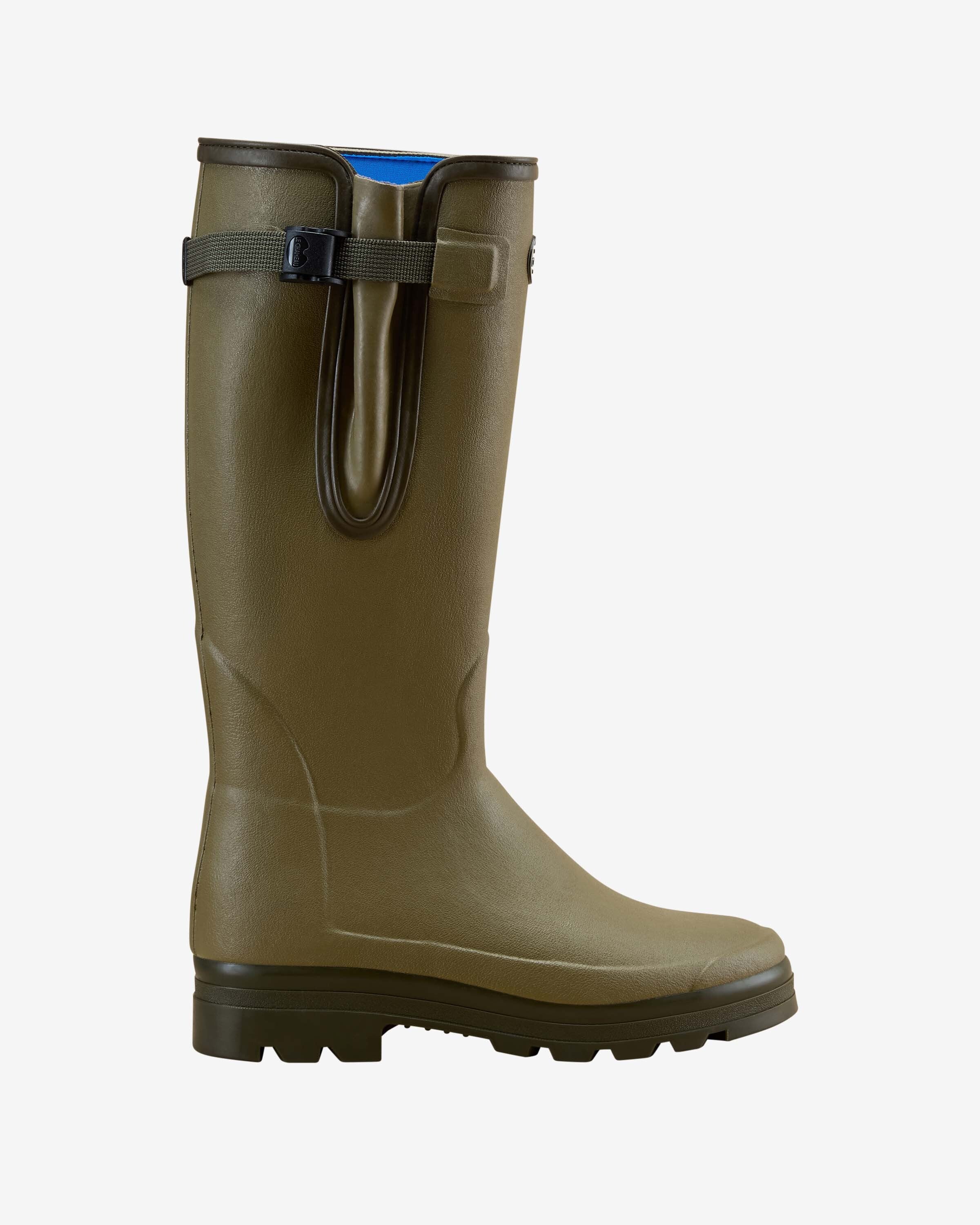
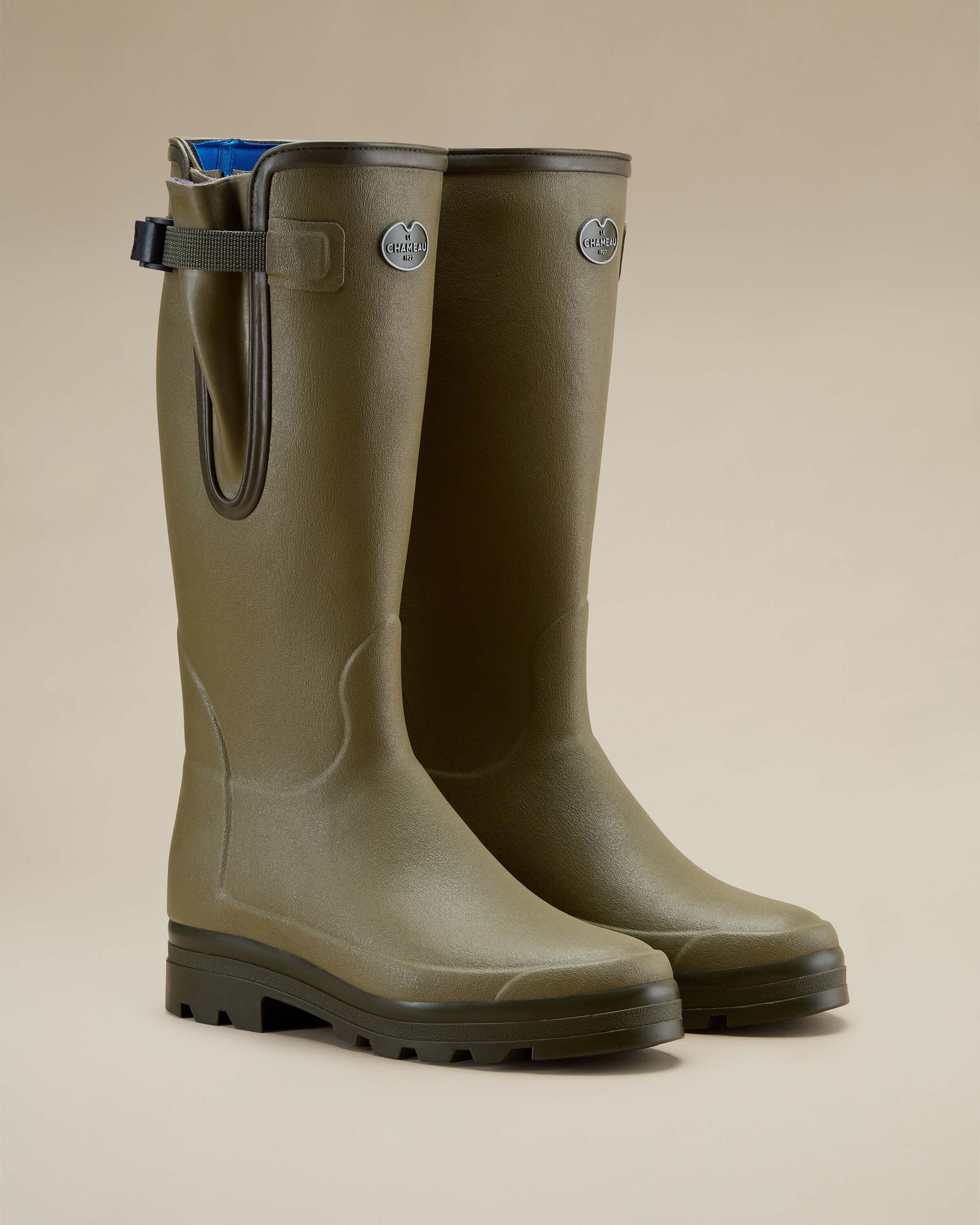
To explore winter in all of its frosted splendour, what is essential is a pair of comfortable, reliable boots. Our iconic styles; Chasseur, Vierzonord and Explore will make your birdwatching even more enjoyable and comfortable as you don’t have to think twice about the ground you’re covering as you look up into the skies above and enjoy in your bird sightings.


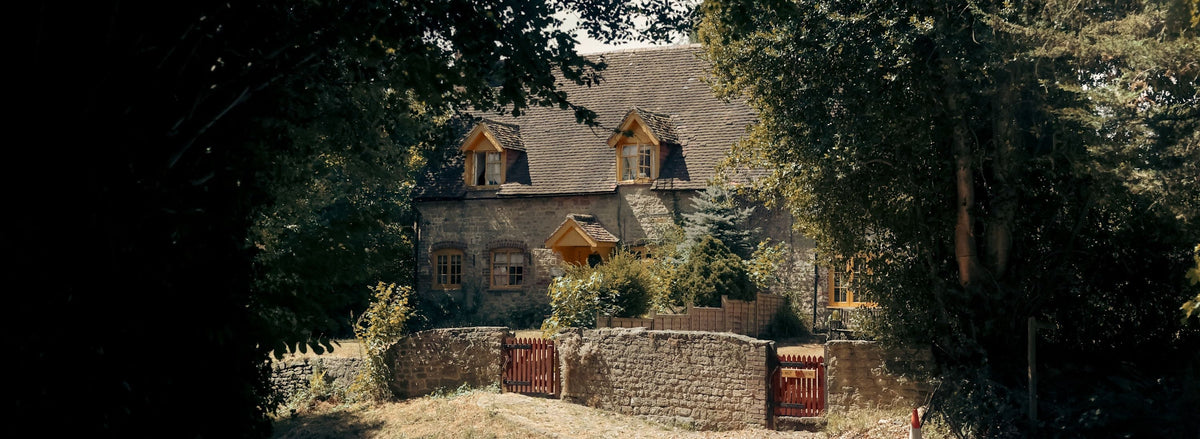 Stewarding the Downs: Life at Cowdray EstateLire l'article
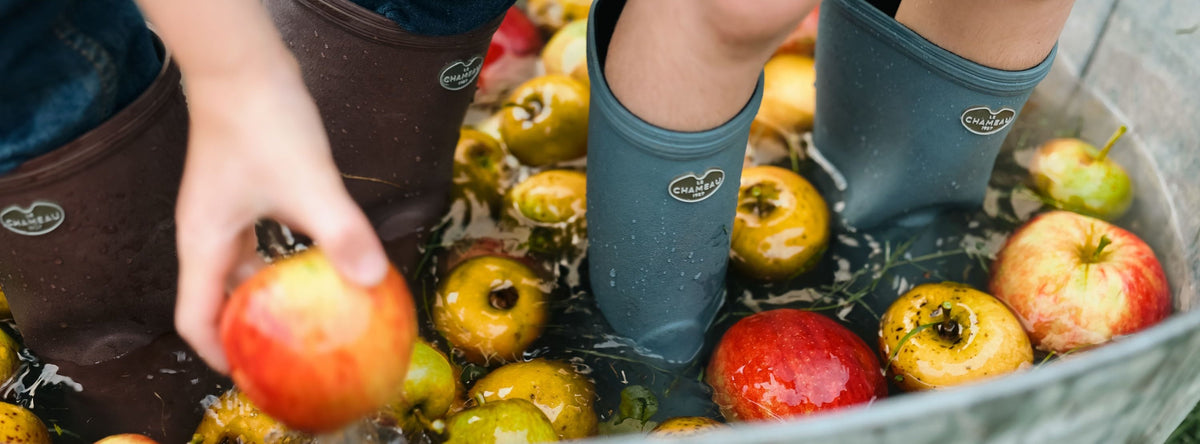 Harvesting Apples this HalloweenLire l'article
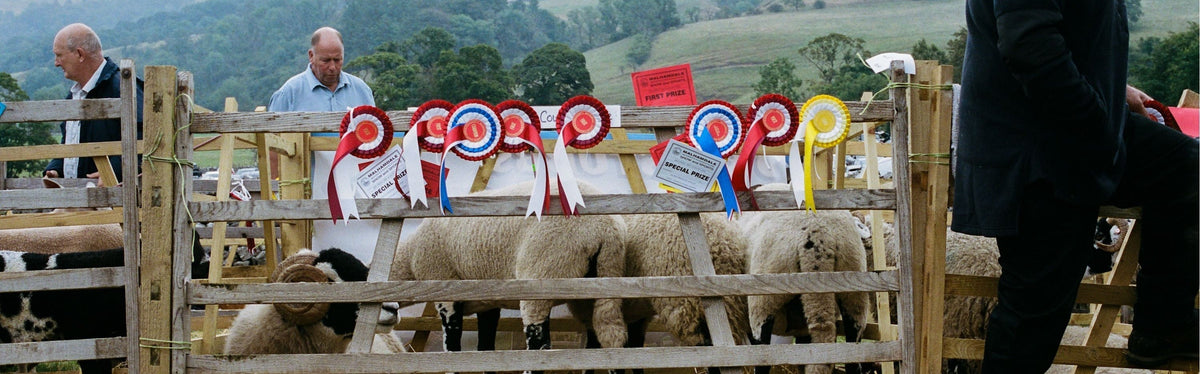 Country Shows: The Best of the Rural LifeLire l'article
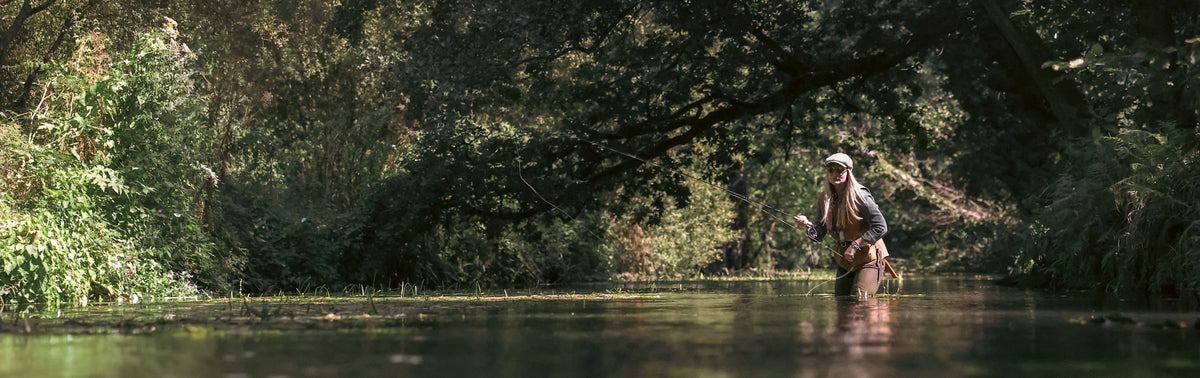 At One with Nature: Fly Fishing with Marina GibsonLire l'article
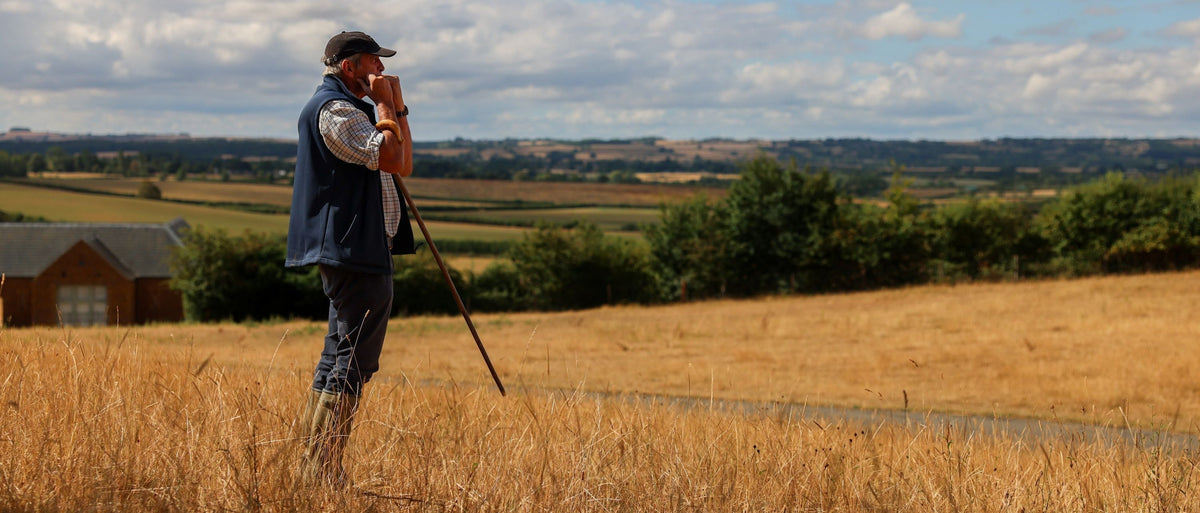 At Daylesford: One Man and his SheepdogLire l'article
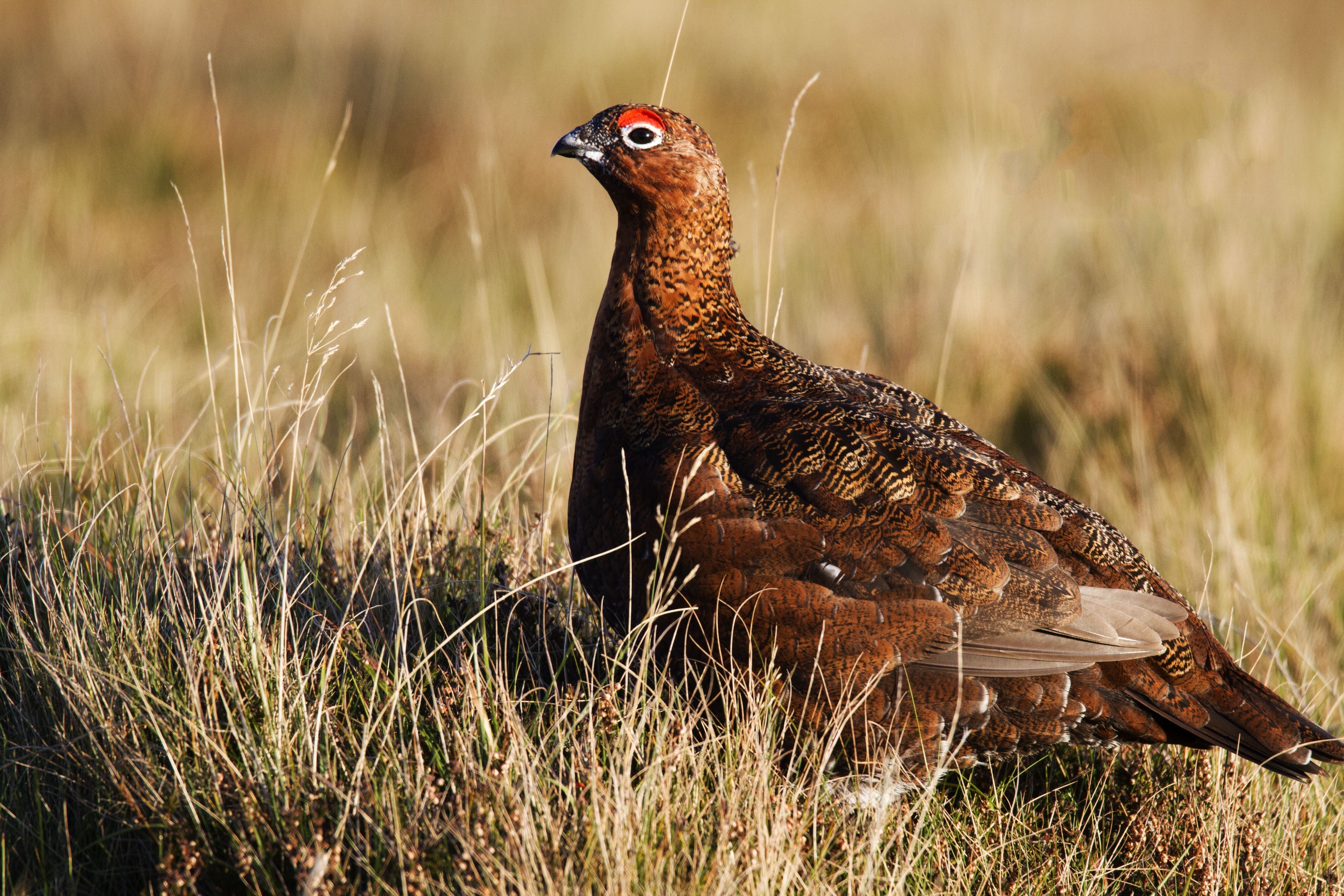 The Glorious Twelfth: All You Need to KnowLire l'article
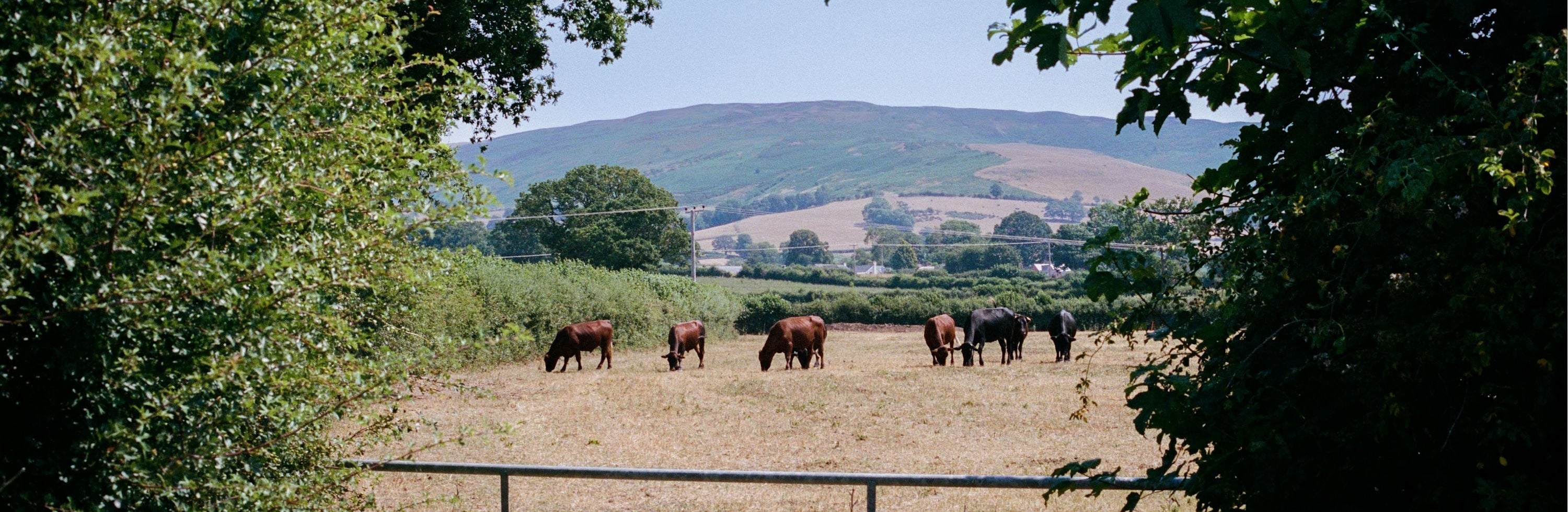 On-Farm this Summer: Farming in a Changing ClimateLire l'article
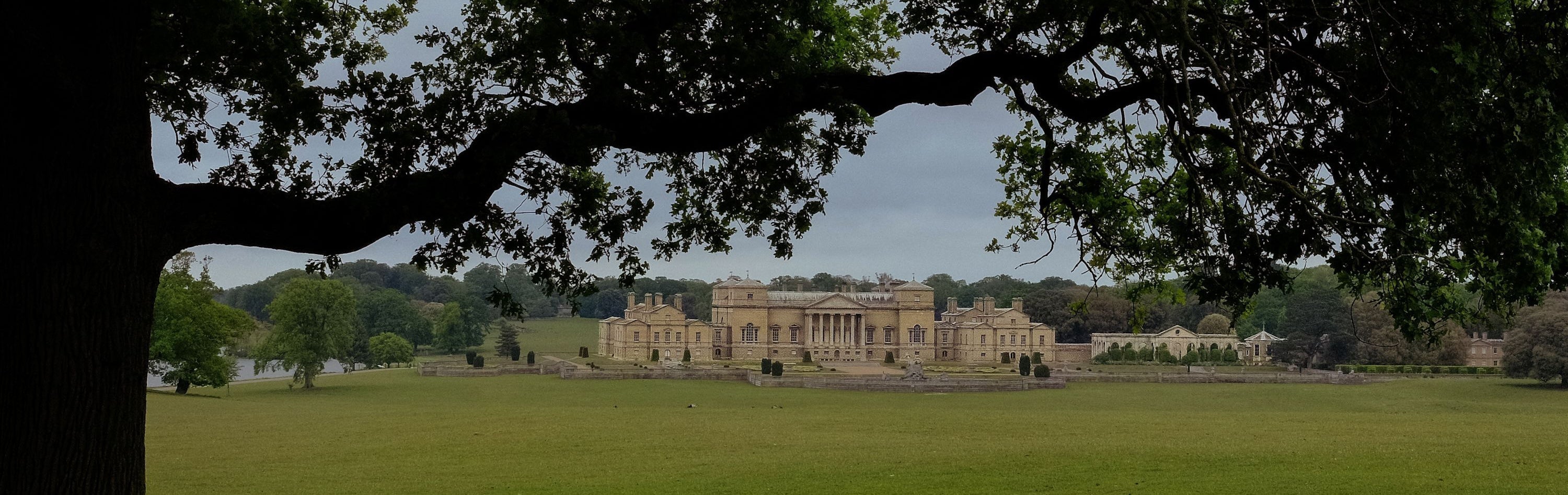 Discover Holkham: Glasshouses, Gardens and Glorious WalksLire l'article
